
 Great Expectations
Quotes from the Book
Time has been lost and opportunity thrown away, but I am yet a young man, and may retrieve it.
14
…a lady of what is commonly called an uncertain temper --a phrase which being interpreted signifies a temper tolerably certain to make everybody more or less uncomfortable.
11
I have broken where I should have bent; and have mused and brooded, when my spirit should have mixed with all God's great creation. The men who learn endurance, are they who call the whole world, brother. I have turned from the world, and I pay the penalty.
10
I hope I know my own unworthiness, and that I hate and despise myself and all my fellow-creatures as every practicable Christian should.
9
[...] certain it is that minds, like bodies, will often fall into a pimpled ill-conditioned state from mere excess of comfort, and like them, are often successfully cured by remedies in themselves very nauseous and unpalatable.
9
[...] There are tales among us that you have sold yourself to the devil, and I know not what.' 'We all have, have we not?' returned the stranger, looking up. 'If we were fewer in number, perhaps he would give better wages.
7
Mr. Parkes, finding himself in the position of having got into metaphysics without exactly seeing his way out of them, stammered forth an apology and retreated from the argument.
6
That what we falsely call a religious cry is easily raised by men who have no religion, and who in their daily practice set at nought the commonest principles of right and wrong; that it is begotten of intolerance and persecution; that it is senseless, besotted, inveterate and unmerciful; all History teaches us.
6
Let no man turn aside, even so slightly, from the broad path of honor, on the plausible pretence that he is justified by the goodness of his end. All good ends can be worked out by good means. Those that cannot, are bad; and may be counted so at once, and left alone.
6
A mob is usually a creature of very mysterious existence, particularly in a large city. Where it comes from or whither it goes, few men can tell. Assembling and dispersing with equal suddenness, it is as difficult to follow to its various sources as the sea itself; nor does the parallel stop here, for the ocean is not more fickle and uncertain, more terrible when roused, more unreasonable, or more cruel.
6
I didn't say I understood her. I wouldn't have the presumption to say that of any woman.
6
Indeed this gentleman's stoicism was of that not uncommon kind, which enables a man to bear with exemplary fortitude the afflictions of his friends, but renders him, by way of counterpoise, rather selfish and sensitive in respect of any that happen to befall himself.
6
The shadows of our own desires stand between us and our better angels, and thus their brightness is eclipsed.
5
To surround anything, however monstrous or ridiculous, with an air of mystery, is to invest it with a secret charm, and power of attraction which to the crowd is irresistible. False priests, false prophets, false doctors, false patriots, false prodigies of every kind, veiling their proceedings in mystery, have always addressed themselves at an immense advantage to the popular credulity, and have been, perhaps, more indebted to that resource in gaining and keeping for a time the upper hand of Truth and Common Sense, than to any half-dozen items in the whole catalogue of imposture. Curiosity
5
He melts, I think. He goes like a drop of froth. You look at him, and there he is. You look at him again, and - there he isn't.
5
Many a gentleman lives well upon a soft head, who would find a heart of the same quality a very great drawback.
5
To be shelterless and alone in the open country, hearing the wind moan and watching for day through the whole long weary night; to listen to the falling rain, and crouch fr warmth beneath the lee of some old barn or rick, or in the hollow of a tree; are dismal things - but not so dismal as the wandering up and down where shelter is, and beds and sleepers are by the thousands; a houseless rejected creature.
5
Father Time is not always a hard parent, and, though he tarries for none of his children, often lays his hand lightly upon those who have used him well; making them old men and women inexorably enough, but leaving their hearts and spirits young and in full vigour.
4
Mrs. Varden was a lady of what is commonly called an uncertain temper - a phrase which being interpreted signifies a temper tolerably certain to make everybody more or less uncomfortable. Thus it generally happened, that when other people were merry, Mrs. Varden was dull; and that when other people were dull, Mrs. Varden was disposed to be amazingly cheerful. Indeed the worthy housewife was of such a capricious nature, that she not only attained a higher pitch of genius than Macbeth, in respect of her ability to be wise, amazed, temperate and furious, loyal and neutral in an instant, but would sometimes ring the changes backwards and forwards on all possible moods and flights in one short quarter of an hour; performing, as it were, a kind of triple bob major on the peal of instruments in the female belfry, with a skilfulness and rapidity of execution that astonished all who heard her.
3
Now, to be sure, Mrs Varden thought, here is a perfect character. Here is a meek, righteous, thoroughgoing Christian, who, having mastered all these qualities, so difficult of attainment; who, having dropped a pinch of salt on the tails of all the cardinal virtues, and caught them everyone; makes light of their possession, and pants for more morality. For the good woman never doubted (as many good men and women never do), that this slighting kind of profession, this setting so little store by great matters, this seeming to say, ‘I am not proud, I am what you hear, but I consider myself no better than other people; let us change the subject, pray’—was perfectly genuine and true. He so contrived it, and said it in that way that it appeared to have been forced from him, and its effect was marvellous. Aware of the impression he had made—few men were quicker than he at such discoveries—Mr Chester followed up the blow by propounding certain virtuous maxims, somewhat vague and general in their nature, doubtless, and occasionally partaking of the character of truisms, worn a little out at elbow, but delivered in so charming a voice and with such uncommon serenity and peace of mind, that they answered as well as the best. Nor is this to be wondered at; for as hollow vessels produce a far more musical sound in falling than those which are substantial, so it will oftentimes be found that sentiments which have nothing in them make the loudest ringing in the world, and are the most relished.
3
Mr. Dennis received this part of the scheme with a wry face, observing that as a general principle he objected to women altogether, as being unsafe and slippery persons on whom there was no calculating with any certainty, and who were never in the same mind for four-and-twenty hours at a stretch.
3
Men who are thoroughly false and hollow, seldom try to hide those vices from themselves; and yet in the very act of avowing them, they lay claim to the virtues they feign most to despise. 'For,' say they, 'this is honesty, this is truth. All mankind are like us, but they have not the candour to avow it.' The more they affect to deny the existence of any sincerity in the world, the more they would be thought to possess it in its boldest shape; and this is an unconscious compliment to Truth on the part of these philosophers, which will turn the laugh against them to the Day of Judgment.
3
But when vague rumours got abroad, that in this Protestant association a secret power was mustering against the government for undefined and mighty purposes; when the air was filled with whispers of a confederacy among the Popish powers to degrade and enslave England, establish an inquisition in London, and turn the pens of Smithfield market* into stakes and cauldrons; when terrors and alarms which no man understood were perpetually broached, both in and out of Parliament, by one enthusiast who did not understand himself, and by-gone bugbears which had lain quietly in their graves for centuries, were raised again to haunt the ignorant and credulous; when all this was done, as it were, in the dark, and secret invitations to join the Great Protestant Association in defence of religion, life, and liberty, were dropped in the public ways, thrust under the house-doors, tossed in at windows, and pressed into the hands of those who trod the streets by night; when they glared from every wall, and shone on every post and pillar, so that stocks and stones appeared infected with the common fear, urging all men to join together blindfold in resistance of they knew not what, they knew not why;—then the mania spread indeed, and the body, still increasing every day, grew forty thousand strong.
3
Call him!” echoed Barnaby, sitting upright upon the floor, and staring vacantly at Gabriel, as he thrust his hair back from his face. “But who can make him come! He calls me, and makes me go where he will. He goes on before, and I follow. He’s the master, and I’m the man. Is that the truth, Grip?” The raven gave a short, comfortable, confidential kind of croak; — a most expressive croak, which seemed to say, “You needn’t let these fellows into our secrets. We understand each other. It’s all right.” “I make him come!” cried Barnaby, pointing to the bird. “Him, who never goes to sleep, or so much as winks!—Why, any time of night, you may see his eyes in my dark room, shining like two sparks. And every night, and all night too, he’s broad awake, talking to himself, thinking what he shall do to-morrow, where we shall go, and what he shall steal, and hide, and bury. I make him come! Ha, ha, ha!
3
Mr Cobb would acquaint him, that when he was his age, his father thought no more of giving him a parental kick, or a box on the ears, or a cuff on the head, or some little admonition of that sort, than he did of any other ordinary duty of life; and he would further remark, with looks of great significance, that but for this judicious bringing up, he might have never been the man he was at that present speaking; which was probable enough, as he was, beyond all question, the dullest dog of the party.
3
'Your uncle, dear Miss Haredale, happily—I say happily, because he has succeeded where many of our creed have failed, and is safe—has crossed the sea, and is out of Britain.' 'I thank God for it,' said Emma, faintly.
2
Ho yes! I am a abject slave, and a toiling, moiling, constant-working, always-being-found-fault-with, never-giving-satisfactions, nor-having-no-time-to-clean-oneself, potter's wessel—an't I, miss! Ho yes! My situations is lowly, and my capacities is limited, and my duties is to humble myself afore the base degenerating daughters of their blessed mothers as is fit to keep companies with holy saints but is born to persecutions from wicked relations—and to demean myself before them as
2
Thus fearful alike, of those within the prison and of those without; of noise and silence; light and darkness; of being released, and being left there to die; he was so tortured and tormented, that nothing man has ever done to man in the horrible caprice of power and cruelty, exceeds his self-inflicted punishment.
2
Watch on YouTube
About Charles Dickens
We have collected 548 quotes from 23 books by Charles Dickens on BookQuoters.
More about the author →More by Charles Dickens
All books by Charles Dickens →

About the book
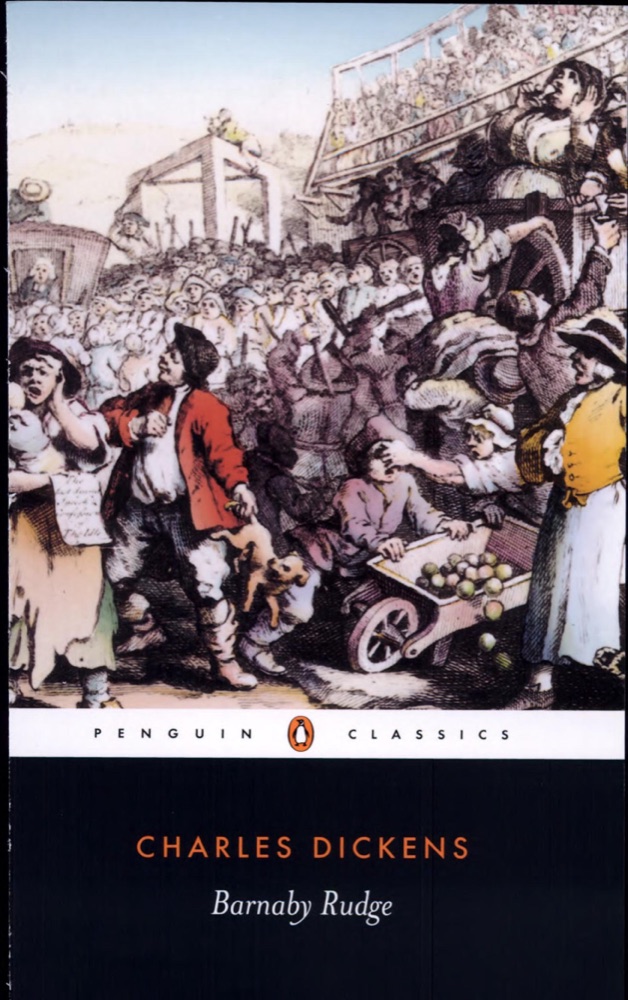
Set against the backdrop of the Gordon Riots of 1780, Barnaby Rudge is a story of mystery and suspense which begins with an unsolved double murder and goes on to involve conspiracy, blackmail, abduction and retribution. Through the course of the novel fathers and sons become opposed, apprenctices plot against their masters and anti-Catholic mobs rampage through the streets. And, as London erupts into riot, Barnaby Rudge struggles to escape the curse of his own past. With its dramatic descriptions of public violence and private horror, its strange secrets and ghostly doublings, Barnaby Rudge is a powerful, disturbing blend of historical realism and Gothic melodrama.
Book details
- First published
- 1841
- Author
- Charles Dickens
- Genre
- Classics
- Goodreads rating
- 3.83 (12k ratings)
Keep reading
 The History of Tom Jones, a Foundling
 Uncle Tom's Cabin
 Dombey and Son
 Armadale
 Hard Times
 Felix Holt: The Radical
 Silas Marner
 Bleak House
 Manalive
 Barchester Towers
 The Blithedale Romance
 Phineas Finn
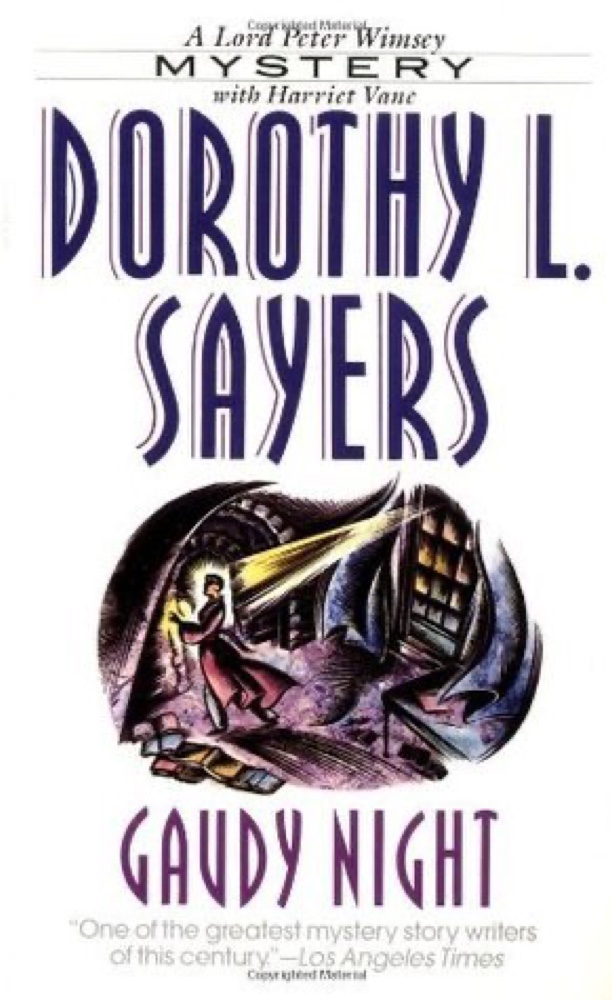 Gaudy Night
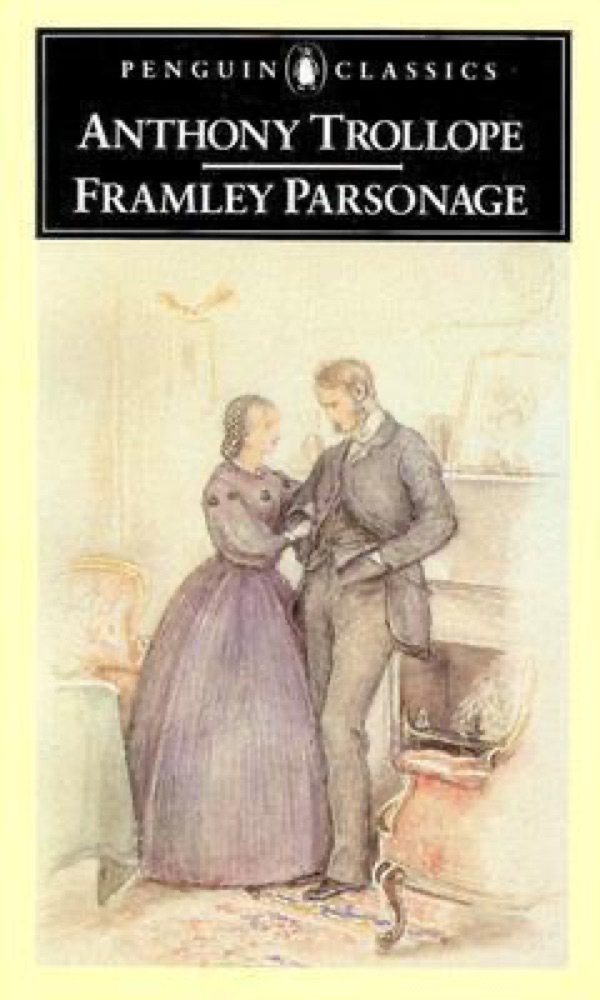 Framley Parsonage
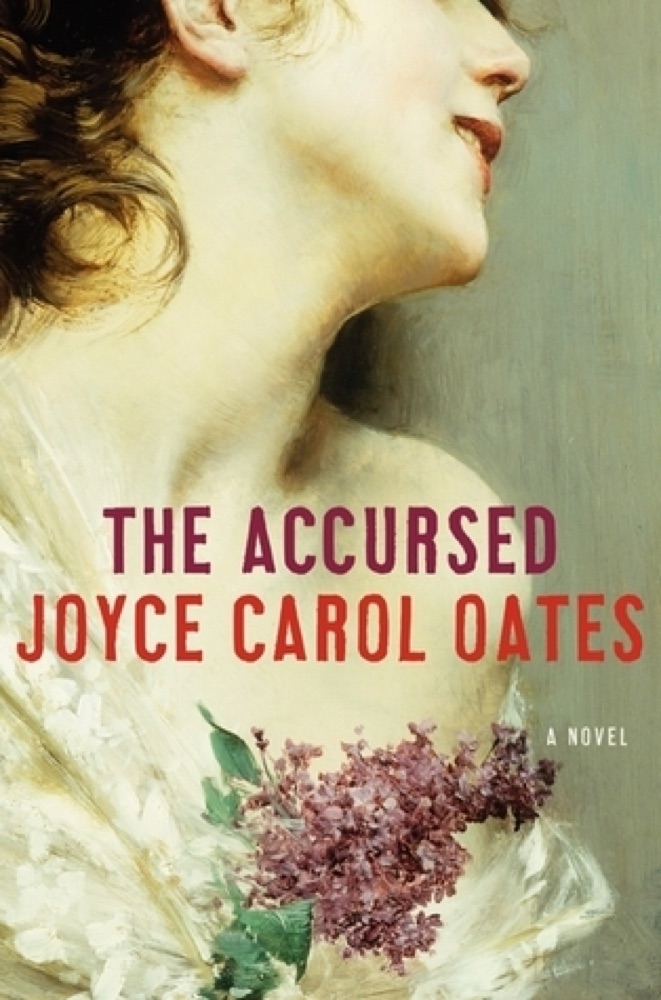 The Accursed
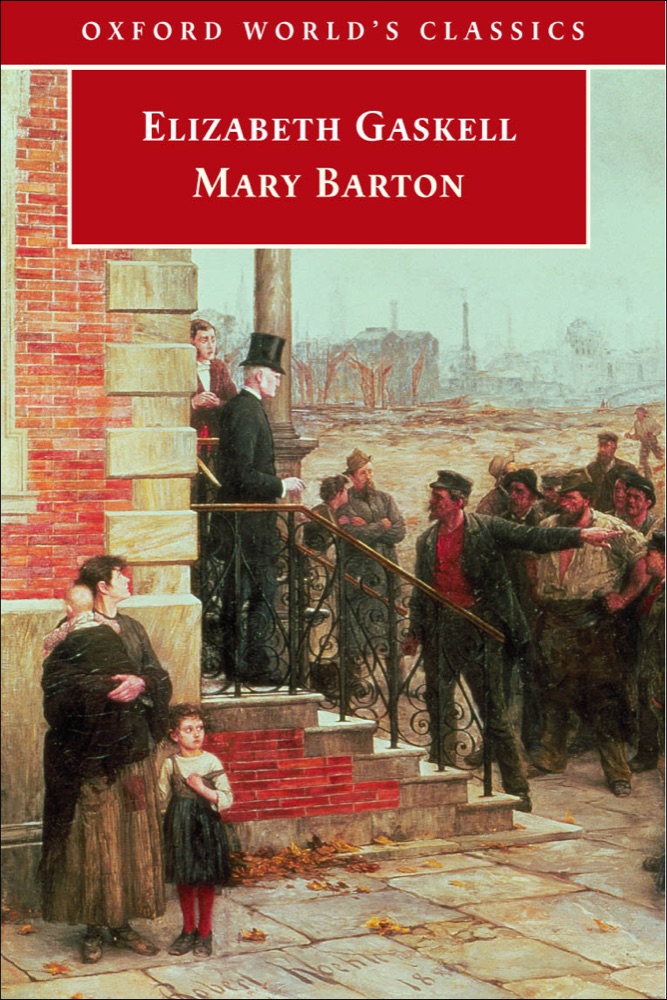 Mary Barton
 The Complete Father Brown
 The Virginian
 The Gadfly
 Uncle Silas
 Decline and Fall
 Jude the Obscure
 Arthur & George
 Man and Superman
 Victory
 Henry IV, Part Two
 The House of the Seven Gables
 The Lifted Veil
 March
March
 The Napoleon of Notting Hill
 Fall of Light
 The Untouchable
 Foundation and Empire
 The Jewel in the Crown
 Melmoth the Wanderer
 The Lost World
 Lorna Doone
 Lord Jim
 Alias Grace
 That Hideous Strength
 Lord Arthur Savile's Crime and Other Stories
 The Mirror & the Light
 The Fall of Babel
 Fifth Business
 King Lear
 The Fear Institute
 The Autobiography of Benjamin Franklin
 The Ministry of Fear
 New Grub Street
 The Expedition of Humphry Clinker
 The Bell
 A Dance to the Music of Time: 1st Movement
 Dead Souls
 Light in August
 Mason & Dixon
 Antic Hay
 The Man Who Laughs
 The White Luck Warrior
 Warlock