
 The Postman
Quotes from the Book
The propensity of Earthlings to get into trouble, and to learn thereby, was the reason my owners agreed to this mad venture – although no one expected such a chain of unusual calamities as befell this ship. Your talents were underrated.
4
Even in dying, a Thennanin ship was reputed to be not worth putting out of its misery. In battle they were slow, unmaneuverable—and as hard to disable permanently as a cockroach.
3
Blatant idiocies had been tried by early men and women--foolishness that would never have been considered by species aware of the laws of nature. Desperate superstitions had bred during the savage centuries. Styles of government, intrigues, philosophies were tested with abandon. It was almost as if Orphan Earth had been a planetary laboratory, upon which a series of senseless and bizarre experiments were tried. Illogical and shameful as they seemed in retrospect, those experiences enriched modern Man. Few races had made so many mistakes in so short a time, or tried so many tentative solutions to hopeless problems.
2
[I]n practice, most species looked to the Library and only the Library for knowledge.... What was the point of researching what must have been discovered a thousand times over by those who came before? It was simple, for instance, to choose advanced spaceship designs from Library archives and follow them blindly, understanding only a fraction of what was built. Earth had a few such ships, and they were marvels. The Terragens Council ... once almost succumbed to that attractive logic. Many humans urged co-opting of Galactic models that older races had themselves co-opted from ancient designs. They cited the example of Japan, which in the nineteenth century had faced a similar problem—how to survive amongst nations immeasurably more powerful than itself. Meiji Japan concentrated all its energy on learning to imitate its neighbors, and succeeded in becoming just like them, in the end. A majority on the Terragens Council, including nearly all of the cetacean members, disagreed. They considered the Library a honey pot—tempting, and possibly nourishing, but also a terrible trap. They teared the "Golden Age" syndrome... a temptation to "look backward"—to find wisdom in the oldest, dustiest texts, instead of the latest journal.
1
You don’t have conversations with microprocessors. You tell them what to do, then helplessly watch the disaster when they take you literally.
1
Those who live All vibrate, * All, * And aid the world’s Singing
*Of what else Are heroes made *Than men and women Who, like us, Try--
The Tandu were daring, but they did not add to their crimes the gaucherie of originality.
Master, I marvel how the fishes live in the sea.” “Why, as men do aland—the great ones eat up the little ones.” —WILLIAM SHAKESPEARE King Richard the Second
Watch on YouTube
About David Brin
We have collected 59 quotes from 7 books by David Brin on BookQuoters.
More about the author →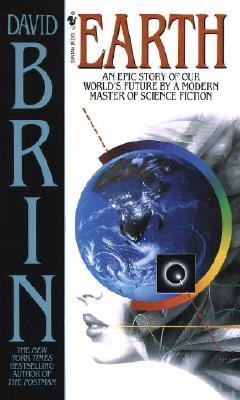

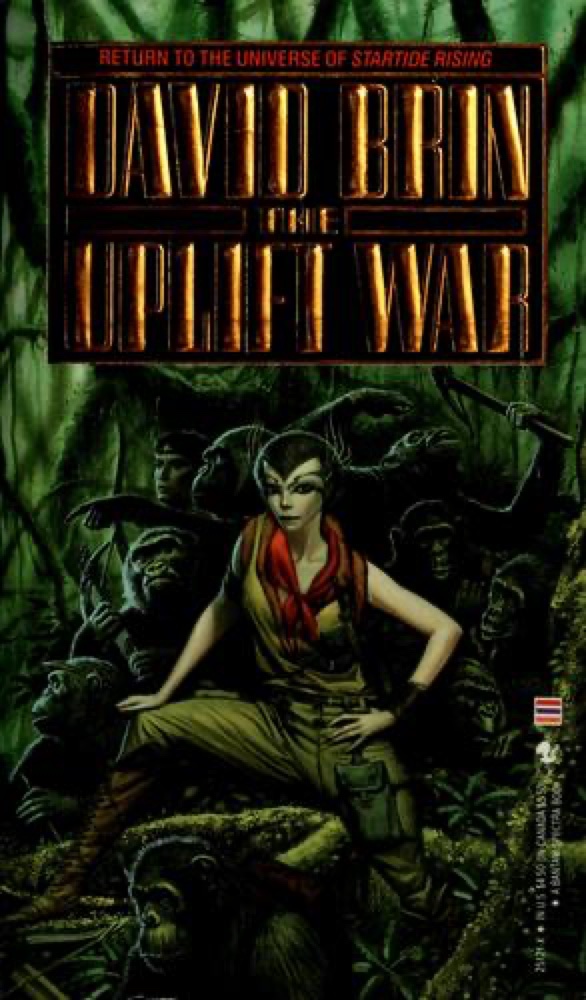
About the book
David Brin's Uplift novels are among the most thrilling and extraordinary science fiction ever written. Sundiver, Startide Rising, and The Uplift War—a New York Times bestseller—together make up one of the most beloved sagas of all time. Brin's tales are set in a future universe in which no species can reach sentience without being "uplifted" by a patron race. But the greatest mystery of all remains unsolved: who uplifted humankind?
The Terran exploration vessel Streaker has crashed in the uncharted water world of Kithrup, bearing one of the most important discoveries in galactic history. Below, a handful of her human and dolphin crew battles armed rebellion and a hostile planet to safeguard her secret—the fate of the Progenitors, the fabled First Race who seeded wisdom throughout the stars.
Book details
- First published
- 1983
- Author
- David Brin
- Genre
- Science Fiction
- Goodreads rating
- 4.04 (34k ratings)
Keep reading
 Seven Surrenders
 A Fire Upon the Deep
 Redemption Ark
 Consider Phlebas
 Too Like the Lightning
 Caliban’s War
 The Long Way to a Small, Angry Planet
 On the Steel Breeze
 House Corrino
 Into the Drowning Deep
 Ishmael: An Adventure of the Mind and Spirit
 The Star Diaries
 The Machine Crusade
 The Sirens of Titan
 Playground
 The Kraken Wakes
 Pyramids
 Children of Time
 The Butlerian Jihad
 The Fifth Science
 The Faith of Beasts
 The Wall of Storms
 The Log from the Sea of Cortez
 Babylon's Ashes
 The Martian Chronicles
 The Caves of Steel
 Songs of Distant Earth
 Galápagos
 Kon-Tiki
 The Midwich Cuckoos
 Service Model
 The Sunlit Man
 Civilized to Death: What Was Lost on the Way to Modernity
 The Wager: A Tale of Shipwreck, Mutiny and Murder
 Quicksilver
 The Fall of Babel
 Arm of the Sphinx
 Perhaps the Stars
 The Mote in God's Eye
 The Futurological Congress: From the Memoirs of Ijon Tichy
 Speaking Bones
 Star Maker
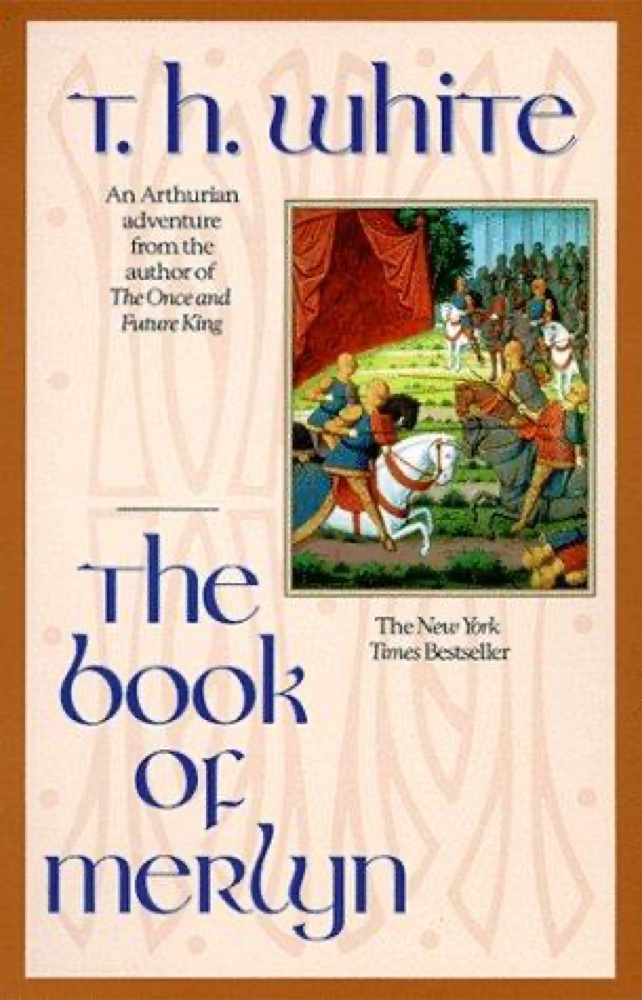 The Book of Merlyn
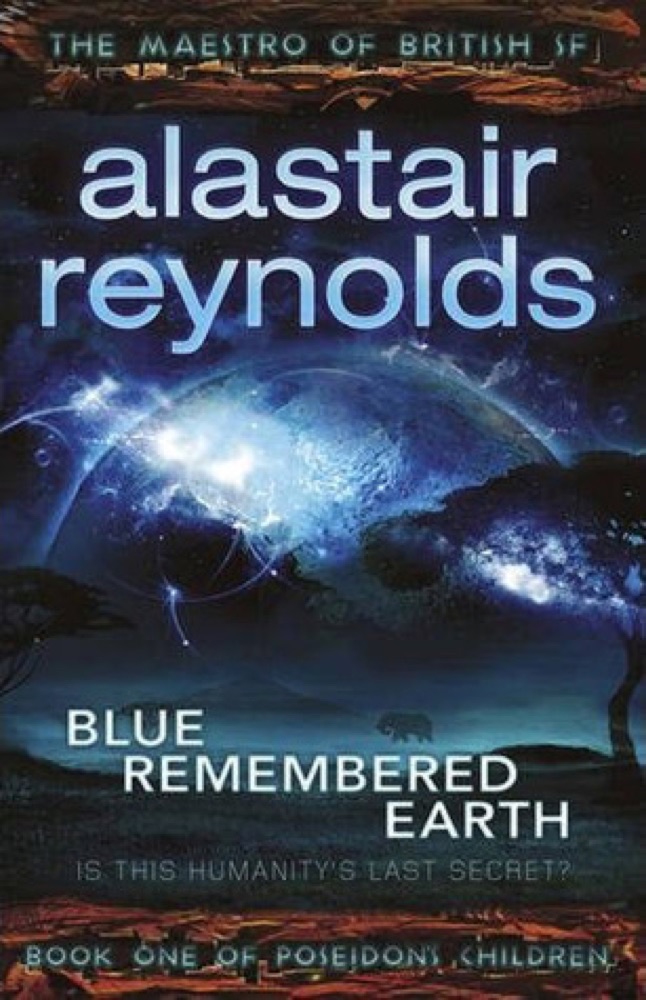 Blue Remembered Earth
 The Enchantress of Florence
 Billions & Billions: Thoughts on Life and Death at the Brink of the Millennium
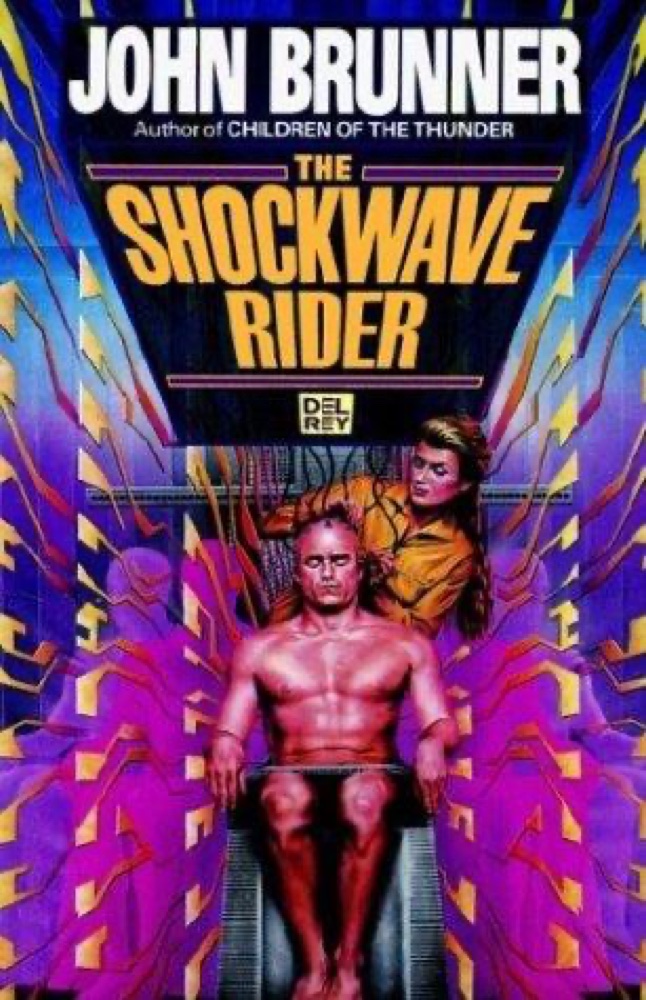 The Shockwave Rider
 Pandora's Star
 2312
2312
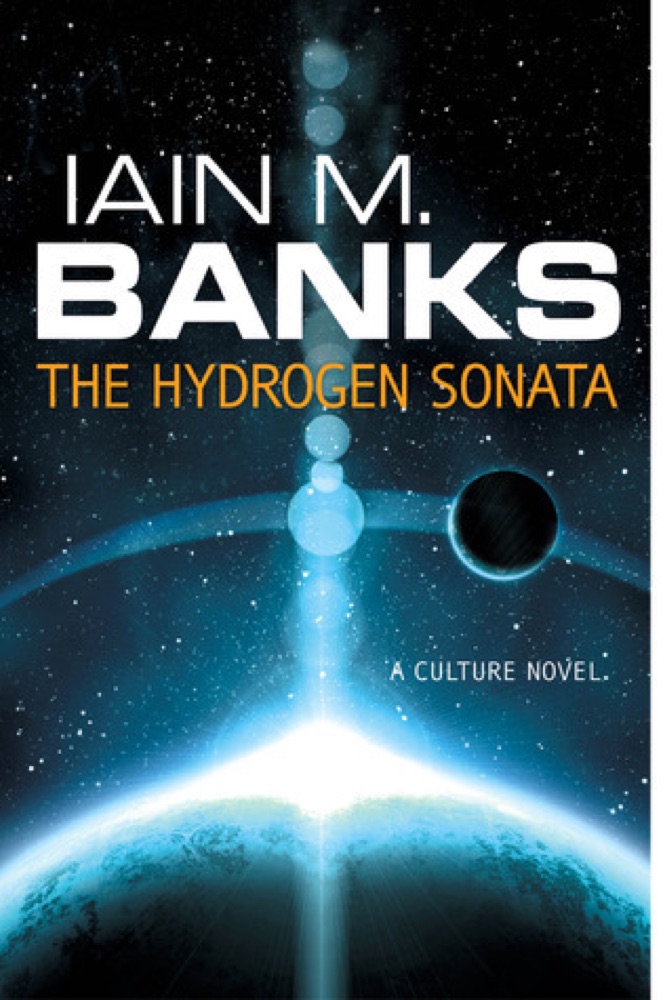 The Hydrogen Sonata
 Twenty Thousand Leagues Under the Sea
 Nation
 The Stone Gods
 The War of the Worlds
 Following the Equator: A Journey Around the World
 The Salvage Crew
 River of Smoke
 The Monster Baru Cormorant
 Leonardo's Notebooks
 Blackfish City