
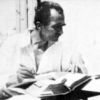
 Zorba the Greek
Quotes from the Book
I said to the almond tree, 'Sister, speak to me of God.' And the almond tree blossomed.
All my life one of my greatest desires has been to travel-to see and touch unknown countries, to swim in unknown seas, to circle the globe, observing new lands, seas, people, and ideas with insatiable appetite, to see everything for the first time and for the last time, casting a slow, prolonged glance, then to close my eyes and feel the riches deposit themselves inside me calmly or stormily according to their pleasure, until time passes them at last through its fine sieve, straining the quintessence out of all the joys and sorrows.
Man is able, and has the duty, to reach the furthest point on the road he has chosen. Only by means of hope can we attain what is beyond hope.
Once, I saw a bee drown in honey, and I understood.
The sole way to save oneself is to save others. Or to struggle to save others -even that is sufficient.
Once more I realized to what an extent earthly happiness is made to the measure of man. It is not a rare bird which we must pursue at one moment in heaven, at the next in our minds. Happiness is a domestic bird found in our own courtyards.
The truth is that we all are one, that all of us together create god, that god is not man's ancestor, but his descendant.
I did not know what I was going to do with my life; before anything else I wanted to find an answer, my answer, to the timeless questions, and then after that I would decide what I would become. If I did not begin by discovering what was the grand purpose of life on earth, I said to myself, how would I be able to discover the purpose of my tiny ephemeral life? And if I did not give my life a purpose, how would I be able to engage in action? I was not interested in finding what life's purpose was objectively - this, I divined, was impossible and futile - but simply what purpose I, of my own free will, could give it in accord with my spiritual and intellectual needs. Whether or not this purpose was the true one did not, at that time, have any great significance for me. The important thing was that I should find (should create) a purpose congruent with my own self, and thus, by following it, reel out my particular desires and abilities to the furthest possible limit. For then at last I would be collaborating harmoniously with the totality of the universe.
Freedom was my first great desire. The second, which remains hidden within me to this day, tormenting me, was the desire for sanctity. Hero together with saint: such is mankind's supreme model.
Every integral man has inside him, in his heart of hearts, a mystic center around which all else revolves. This mystic whirling lends unity to his thoughts and actions; it helps him find or invent the cosmic harmony. For some this center is love, for others kindness or beauty, others the thirst for knowledge or the longing for gold and power. They examine the relative value of all else and subordinate it to this central passion.
Happy the youth who believes that his duty is to remake the world and bring it more in accord with virtue and justice, more in accord with his own heart. Woe to whoever commences his life without lunacy.
Beauty always had a purpose: to be of service to life.
What first truly stirred my soul was not fear or pain, nor was it pleasure or games; it was the yearning for freedom. I had to gain freedom - but from what, from whom? Little by little, in the course of time, I mounted freedom's rough unaccommodating ascent. To gain freedom first of all from the Turk, that was the initial step; after that, later, this new struggle began: to gain freedom from the inner Turk - from ignorance, malice and envy, from fear and laziness, from dazzling false ideas; and finally from idols, all of them, even the most revered and beloved.
I an not tired, but the night is coming.
Never in my life had I felt so tangibly and with such astonishment that hate, by passing successively through comprehension, mercy, and sympathy, can be transformed into love.
Man hurries, God does not. That is why man's works are uncertain and maimed, while God's are flawless and sure. My eyes welling with tears, I vowed never to transgress this eternal law again. Like a tree I would be blasted by wind, struck by sun and rain, and would wait with confidence; the long-desired hour of flowering and fruit would come.
Oh, how crafty of religion, I cried out indignantly, to transplant rewards and punishments into a future life in order to comfort cowards and the enslaved and aggrieved, enabling them to bow their necks patiently before their masters, and to endure this earthly life without groaning (the only life of which we can be sure)!
Watch on YouTube
About Nikos Kazantzakis
We have collected 84 quotes from 5 books by Nikos Kazantzakis on BookQuoters.
More about the author →More by Nikos Kazantzakis

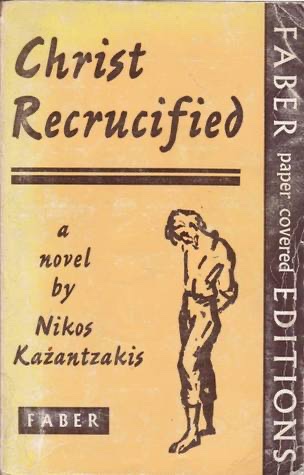
Book details
- Author
- Nikos Kazantzakis
- Genre
- Classics
- Goodreads rating
- 4.32 (4k ratings) →
Keep reading
 Perelandra
 The Journey Home
 Demian
 Faust
Faust
 Siddhartha
 Ben-Hur: A Tale of the Christ
 The Bhagavad Gita
 Story of a Soul: The Autobiography of St. Therese of Lisieux
 The Story of My Life
 Year of Wonders
 The Story of My Experiments With Truth
 Tropic of Capricorn
 Journey to the Center of the Earth
 The Seven Storey Mountain
 The Home and the World
 The Last Man
 A Soldier of the Great War
 The Secret Scripture
 Henderson the Rain King
 Children of God
 De Profundis
 Sacred Journey of the Peaceful Warrior
 The Divine Comedy
 Walden
 Cuckold
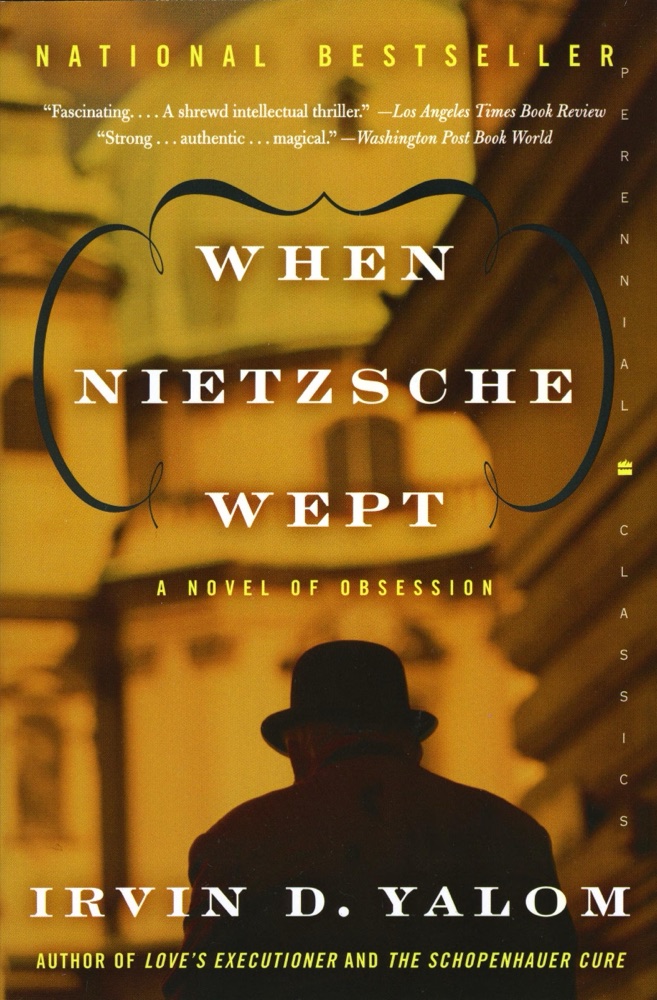 When Nietzsche Wept
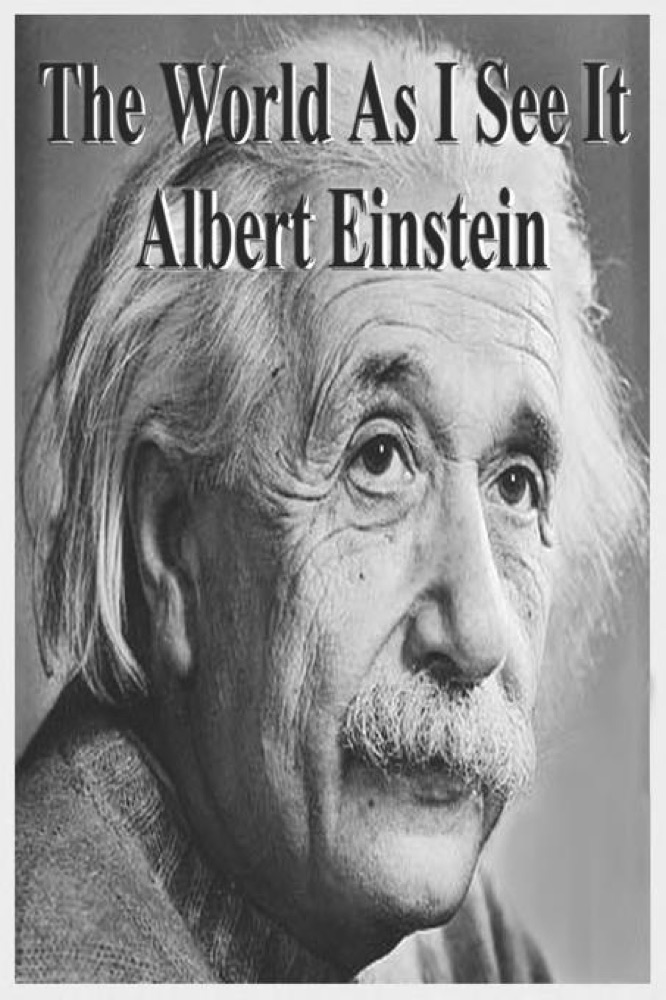 The World As I See It
 Villette
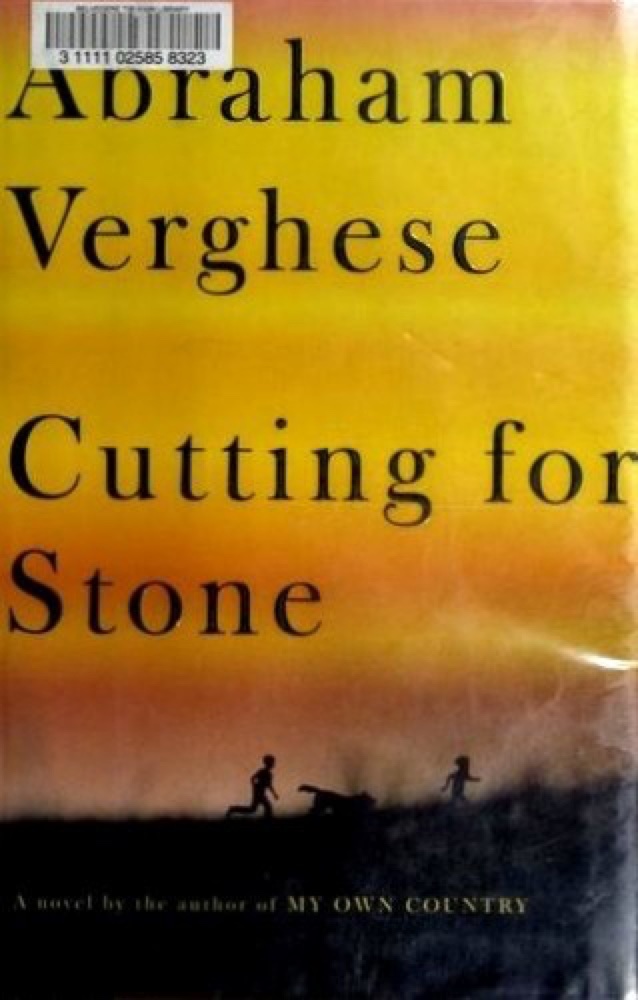 Cutting for Stone
 Embers
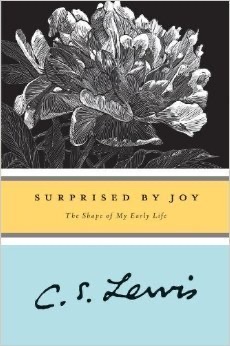 Surprised by Joy: The Shape of My Early Life
 Devotions: The Selected Poems of Mary Oliver
 The Etched City
 Les Misérables
 Sacred Hunger
 Anthem
 The Conference of the Birds
 A Voice in the Wind
 The Gay Science
 The Sparrow
 Paradiso
Zorba the Greek
Paradiso
Zorba the Greek
 The Rise of Endymion
 Daniel Deronda
 Saint Francis
 A Hero of Our Time
 Hell
Hell
 Narcissus and Goldmund
 Helvetti
 Lilith
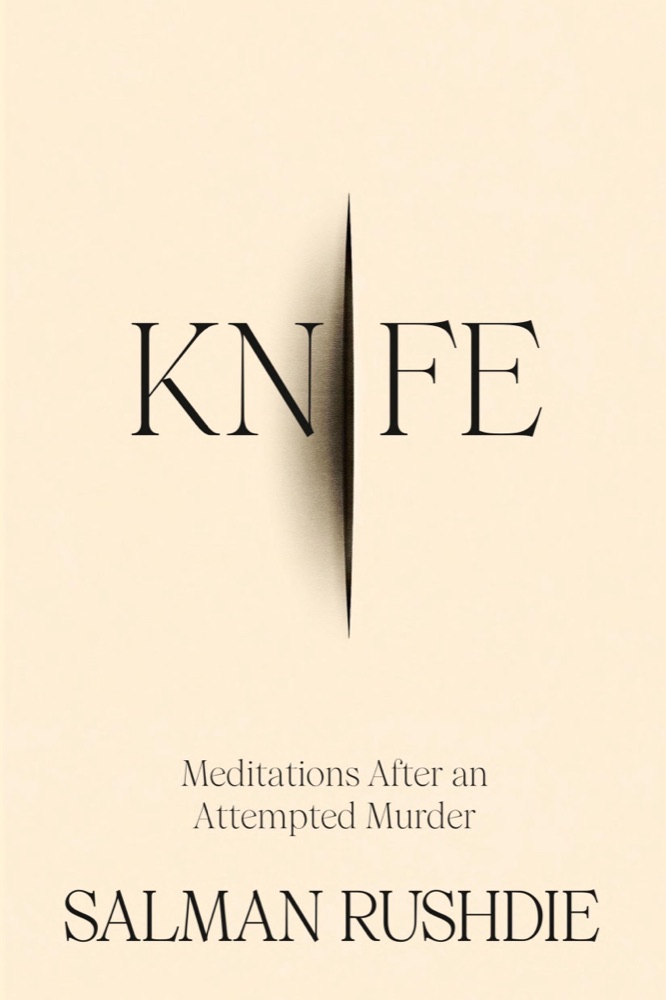 Knife: Meditations After an Attempted Murder
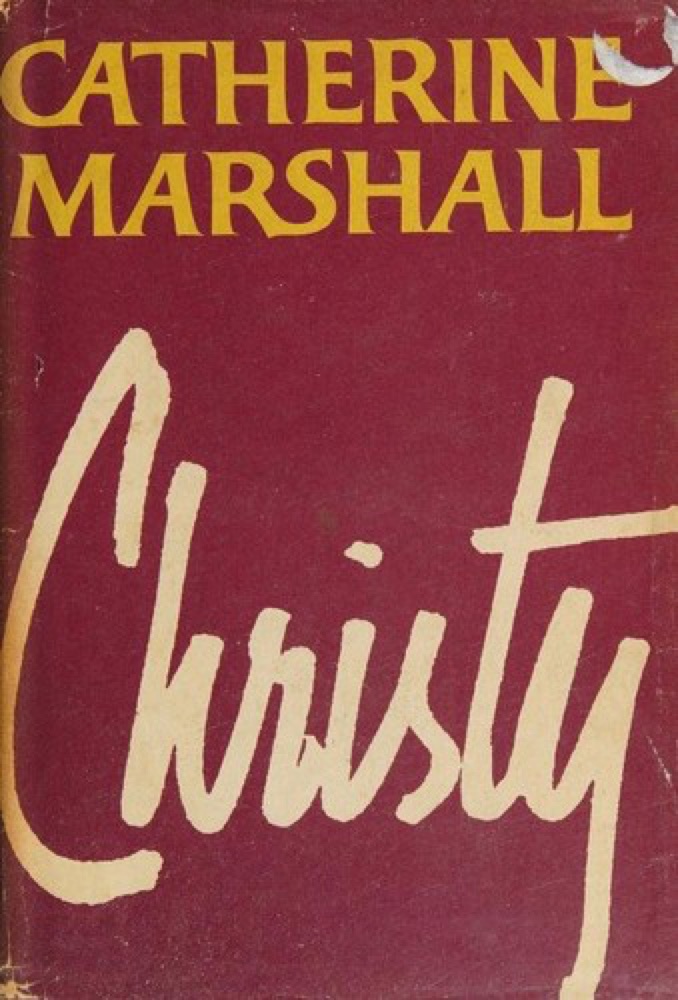 Christy
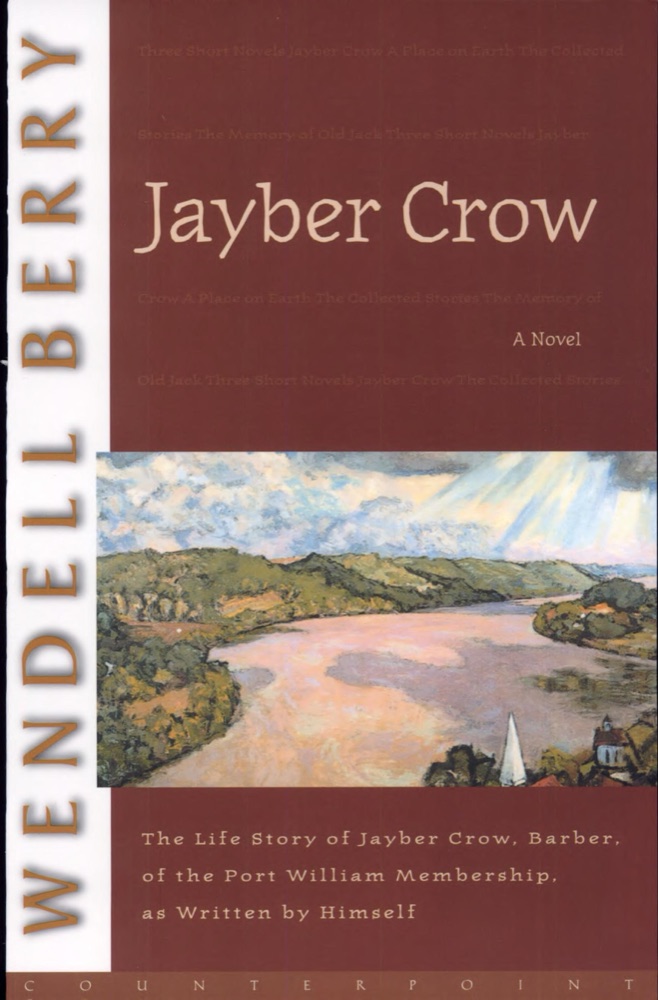 Jayber Crow
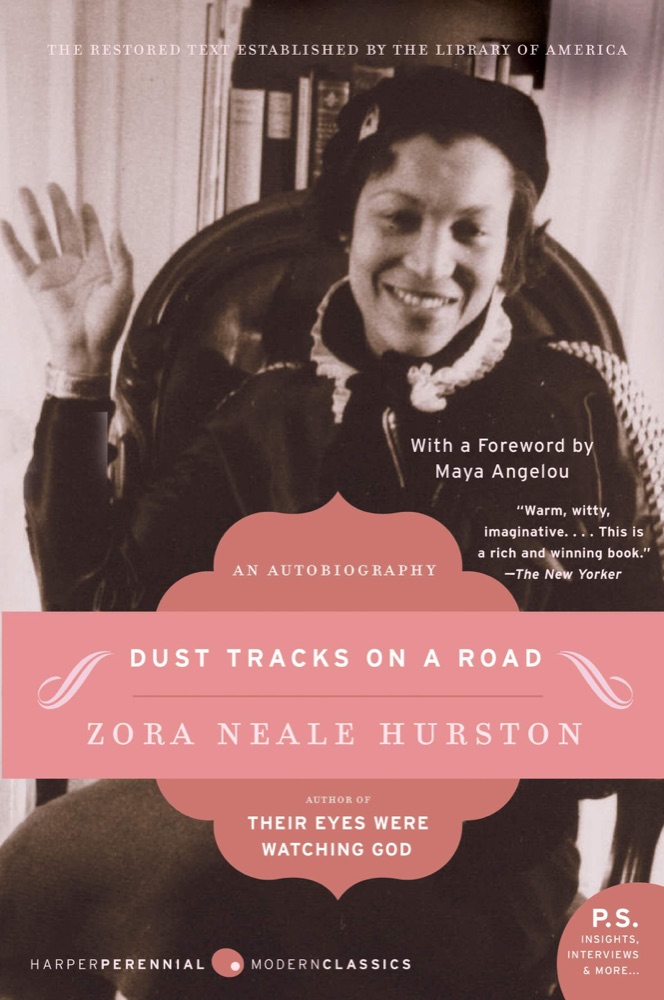 Dust Tracks on a Road
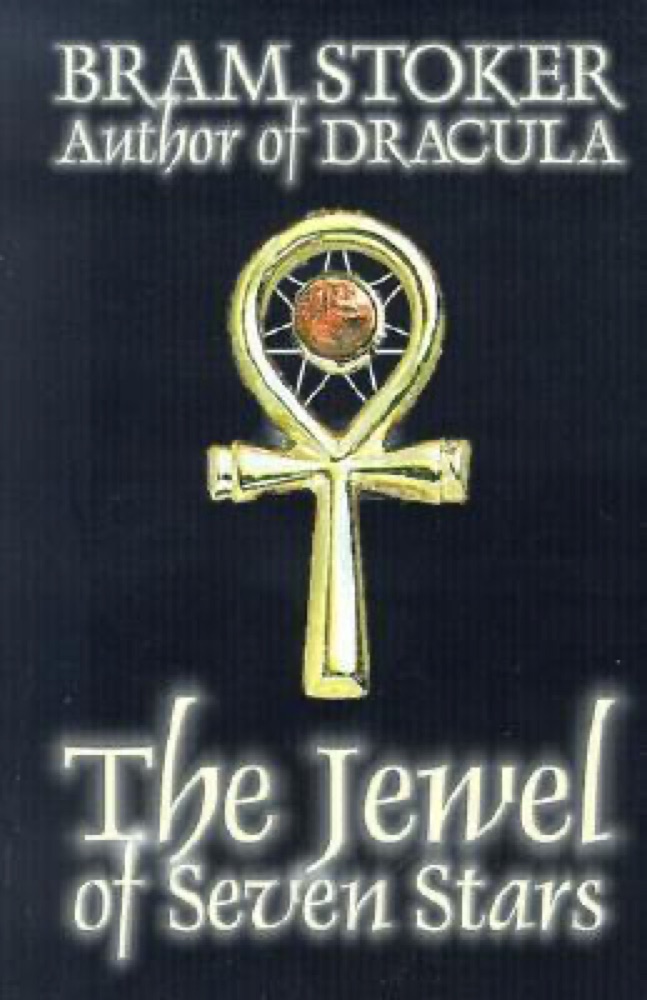 The Jewel of Seven Stars
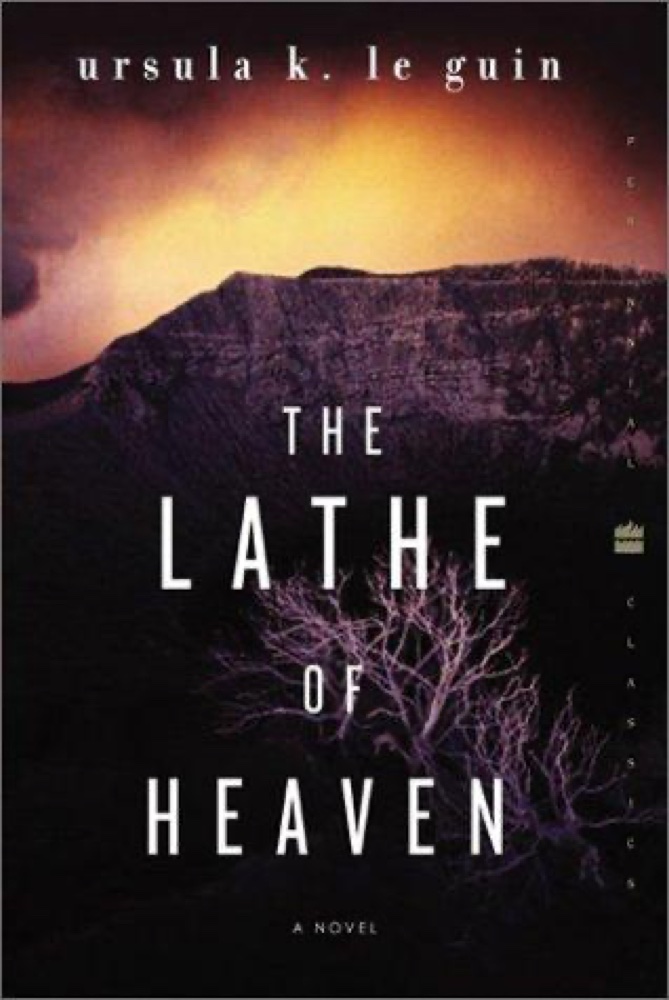 The Lathe of Heaven
 Agnes Grey
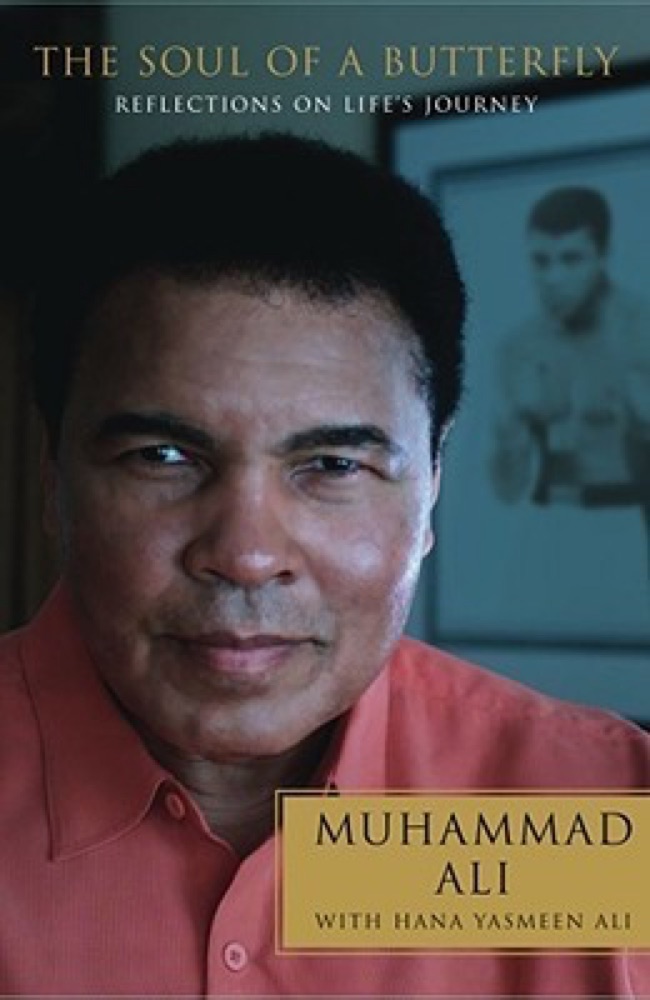 The Soul of a Butterfly: Reflections on Life's Journey
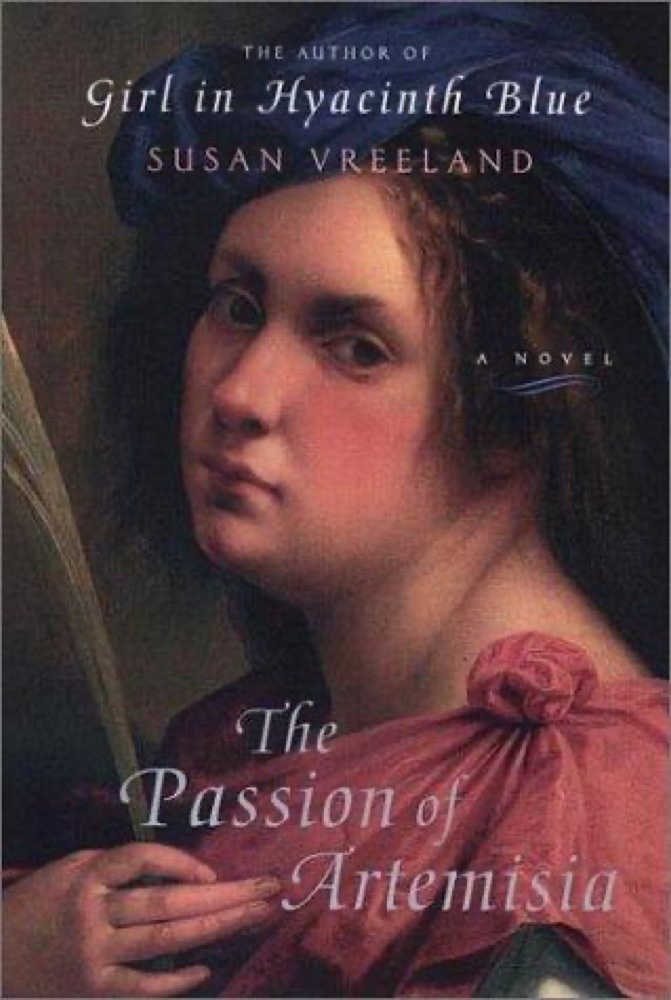 The Passion of Artemisia
 Prince Lestat