
 The No. 1 Ladies' Detective Agency
Quotes from the Book
We all know that it is women who make the decisions, but we have to let men think that the decisions are theirs. It is an act of kindness on the part of women.
95
We find what we are looking for in life, her father had once said to her, which was true—if you look for happiness, you will see it; if you look for distrust and envy and hatred—all those things—you will find those too.
32
Traditional Botswana men like ladies who are more traditionally shaped. You and I, Mma. We remind men of how things used to be in Botswana before these modern-shaped ladies started to get men all confused.
24
The difficulty, of course, with standing up to women was that it appeared to make little difference. At the end of the day,a man was no match for a woman.... The only thing to do was to try to avoid situations where women might corner you. And that was difficult, because women had a way of ensuring that you were neatly boxed in, which was exactly what had happened to him. He should have been more careful. He should have been on his guard when she offered him cake. That was her technique, he now understood; just as Eve had used an apple to trap Adam, so [she] had used fruit cake. Fruit cake, apples; it made no difference really. Oh foolish, weak men!
6
Everybody in a village had a role to play in bringing up a child—and cherishing it—and in return that child would in due course feel responsible for everybody in that village. That is what makes life in society possible. We must love one another and help one another in our daily lives. That was the traditional African way and there was no substitute for it. None.
3
Boys and men are the same people, in different clothes. Boys wear short trousers and men wear long trousers. But they are just the same if you take their trousers off.
2
She had never been able to tolerate dishonesty, which she thought threatened the very heart of relationships between people. If you could not count on other people to mean what they said, or to do what they said they would do, then life could become utterly unpredictable. The fact that we could trust one another made it possible to undertake the simple tasks of life.
1
We do not talk about wise men or wise ladies any more, she reflected; their place had been taken, it seemed, by all sorts of shallow people—actors and the like—who were only too ready to pronounce on all sorts of subjects.
1
Although she was not a great reader, Mma Potokwane was a firm believer in the power of the book. The more books that Botswana had, in her view, the better. It would be on books that the future would be based; books and the people who knew how to use them.
1
And it was young men in red cars who were the most dangerous of all. Such people were best given a wide berth, both in and out of the car.
1
It was always disconcerting to meet those who had become so obsessed with a single topic that they could not see their concerns in context.
1
You were looking for somebody, and there was somebody, and you would convince yourself that this random person was what you were really looking for in the first place.
1
Why, she asked herself, why keep a wound open when forgiveness can close it?
1
If she was going to remain an engaged lady, then she would make the most of it, and one of the ways to do this would be to enjoy her free time.
1
A man could be a hereditary ruler
Mma Ramotswe had been thinking a great deal recently about how people might be fitted in. The world was a large place, and one might have thought that there was enough room for everybody. But it seemed that this was not so. There were many people who were unhappy, and wanted to move. Often they wished to come to the more fortunate countries—such as Botswana—in order to make more of their lives. That was understandable, and yet there were those who did not want them. This is our place, they said; you are not welcome. It was so easy to think like that. People wanted to protect themselves from those they did not know. Others were different; they talked different languages and wore different clothes. Many people did not want them living close to them, just because of these differences. And yet, they were people, were they not? They thought the same way, and had the same hopes as anybody else did. They were our brothers and sisters, whichever way you looked at it, and you could not turn a brother or sister away.
I should think that Mma Ramotswe makes you many cakes these days,” said Mma Potokwane as she slid a generous portion of cake onto her own plate. “She is a good cook, I think.” Mr J.L.B. Matekoni nodded. “She is best at cooking pumpkin and things like that,” he said. “But she can also make cakes. You ladies are very clever.” “Yes,” agreed Mma Potokwane, pouring the tea. “We are much cleverer than you men, but unfortunately you do not know that.” Mr J.L.B. Matekoni looked at his shoes. It was probably true, he thought. It was difficult being a man sometimes, particularly when women reminded one of the fact that one was a man. But there were clever men about, he thought, and these men would give ladies like Mma Potokwane a good run for their money. The problem was that he was not one of these clever men.
It wasn’t a bad situation to be in, after all. Indeed, there was some argument to preferring an engagement to marriage. You often heard of difficult husbands, but did you ever hear of difficult fiancés? The answer to that, thought Mma Ramotswe, was never … If she was going to remain an engaged lady, then she would make the most of it, and one of the ways to do this would be to enjoy her free time. She would read a bit more and spend more time on her shopping. And she might join a club of some sort, if she could find one. Or perhaps even form one herself. Perhaps something like a ‘cheerful ladies club,’ a club for ladies in whose lives there was some sort of gap—in her case a gap of waiting—but who were determined to make the most of their time.
This car was a Rover 90, made in 1955, and therefore very old.
when people ask for advice they very rarely want your advice and will go ahead and do what they want to do anyway, no matter what you say.
TEA IS ALWAYS THE SOLUTION
Perhaps the cloud had blown over and covered his sky.
That, she imagined, was because he had been given the eyes to see things, as we are given the eyes of those who have gone before us, and can see the world in the way in which they saw it.
A man could be a hereditary ruler, or an elected president, but not be a gentleman, and that would show in his every deed. But if you had a leader who was a gentleman, with all that this meant, then you were lucky indeed.
usually better to seek the advice of a stranger—not just any stranger, of course, as one could hardly go out onto the street and confide in the first person one encountered, but a stranger whom you knew to be wise.
There were many people who were unhappy, and wanted to move. Often they wished to come to the more fortunate countries—such as Botswana—in order to make more of their lives. That was understandable, and yet there were those who did not want them. This is our place, they said; you are not welcome. It was so easy to think like that. People wanted to protect themselves from those they did not know. Others were different; they talked different languages and wore different clothes. Many people did not want them living close to them, just because of these differences. And yet, they were people, were they not? They thought the same way, and had the same hopes as anybody else did. They were our brothers and sisters, whichever way you looked at it, and you could not turn a brother or sister away.
...that is how marriages take place. If you left it up to men, they would never get there. Nobody would be married. You have to remind men to get married.
It would be wonderful, she thought, to write a book which would help other people.
They sang that song which distills all the suffering and the hope of Africa; that song which had inspired and comforted so many, “Nkosi Sikeleli Afrika,” God Bless Africa, give her life, watch over her children.
Watch on YouTube
About Alexander McCall Smith
We have collected 451 quotes from 19 books by Alexander McCall Smith on BookQuoters.
More about the author →More by Alexander McCall Smith
The No. 1 Ladies' Detective Agency
 Dream Angus: The Celtic God of Dreams
 The Geometry of Holding Hands
 The Uncommon Appeal of Clouds
About the book
Mma Ramotswe, who became engaged to Mr J.L.B. Matekoni at the end of the first audiobook, is still engaged. She wonders when a day for the wedding will be named, but she is anxious to avoid putting too much pressure on her fiancé. For indeed he has other things on his mind, notably a frightening request made of him by Mma Potokwani, pushy matron of the Orphan Farm.
Mma Ramotswe herself has weighty matters on her mind. She has been approached by a wealthy lady, whose fortune comes from successful hair-braiding salons, and has been asked to check up on several suitors. Are these men just interested in her money? This may be difficult to find out, but Mma Ramotswe is, of course, a very intuitive lady.
Book details
- First published
- 2003
- Author
- Alexander McCall Smith
- Genre
- Mystery
- Goodreads rating
- 4.03 (35k ratings)
Keep reading
 The Woman Who Walked in Sunshine
 The Kalahari Typing School for Men
 The Limpopo Academy of Private Detection
 One Fifth Avenue
 Can You Forgive Her?
 Pretty Girls
 The Autobiography of Eleanor Roosevelt
 The Peach Keeper
 The Post-Birthday World
 The Invasion of the Tearling
 Petals of Blood
 Wives and Daughters
 The Jewel in the Crown
 House of Trelawney
 Redemption in Indigo
 The Proposal
 Herland
 The Magician's Apprentice
 NW
NW
 The Book of Love
 Too Much Happiness: Stories
 A Girl Is a Body of Water
 The Downstairs Girl
 Nervous Conditions
 A Song Flung Up to Heaven
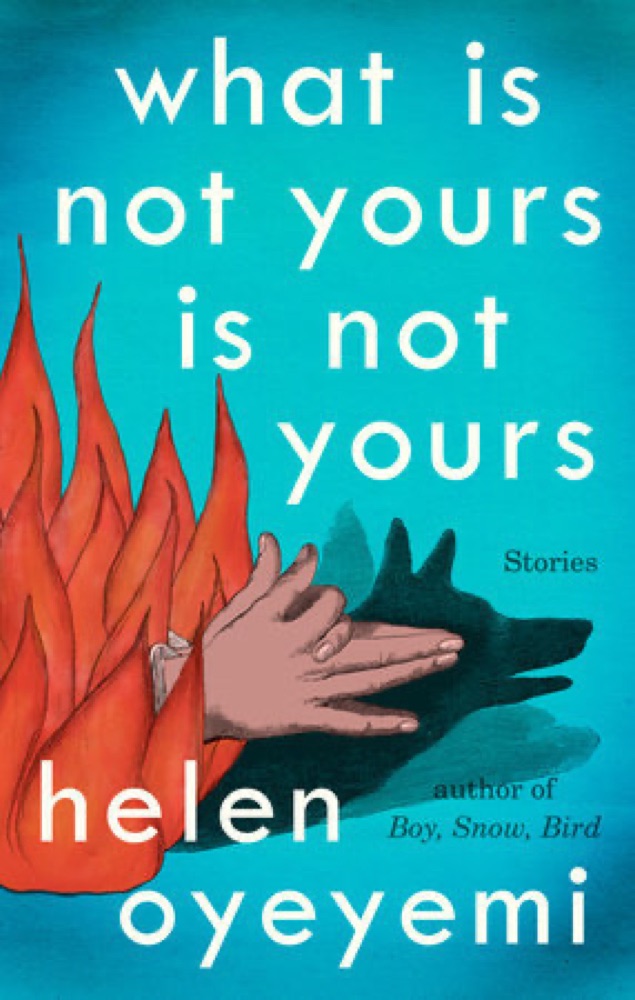 What Is Not Yours Is Not Yours
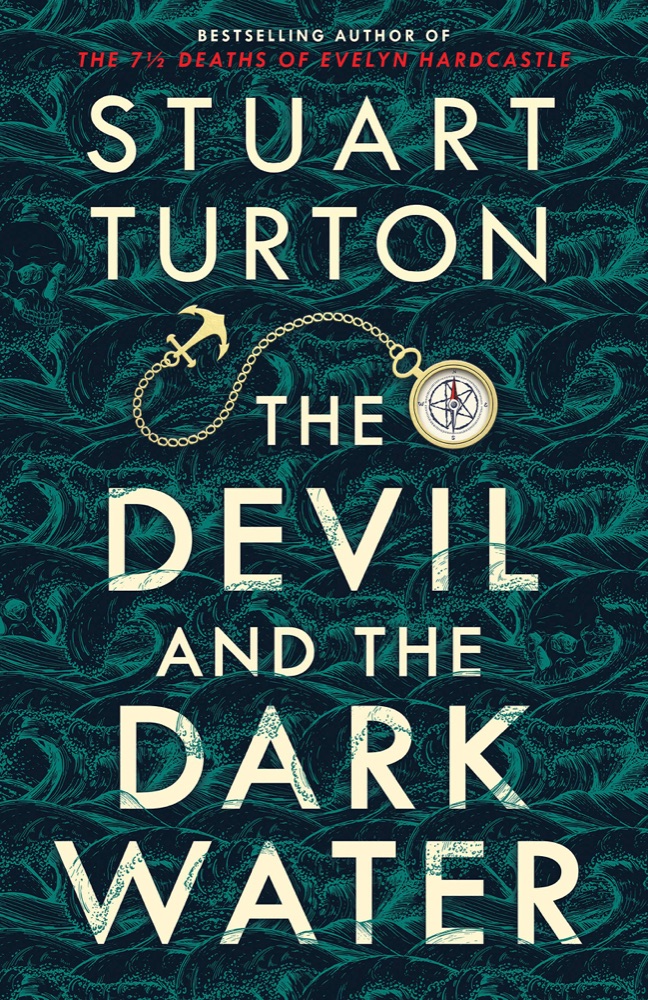 The Devil and the Dark Water
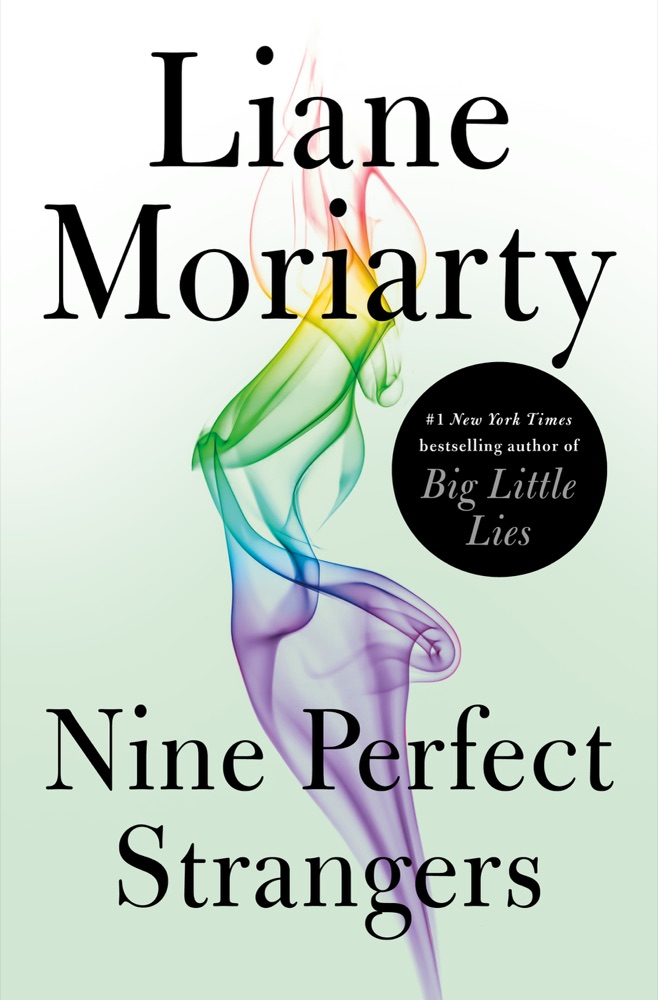 Nine Perfect Strangers
 The Christie Affair
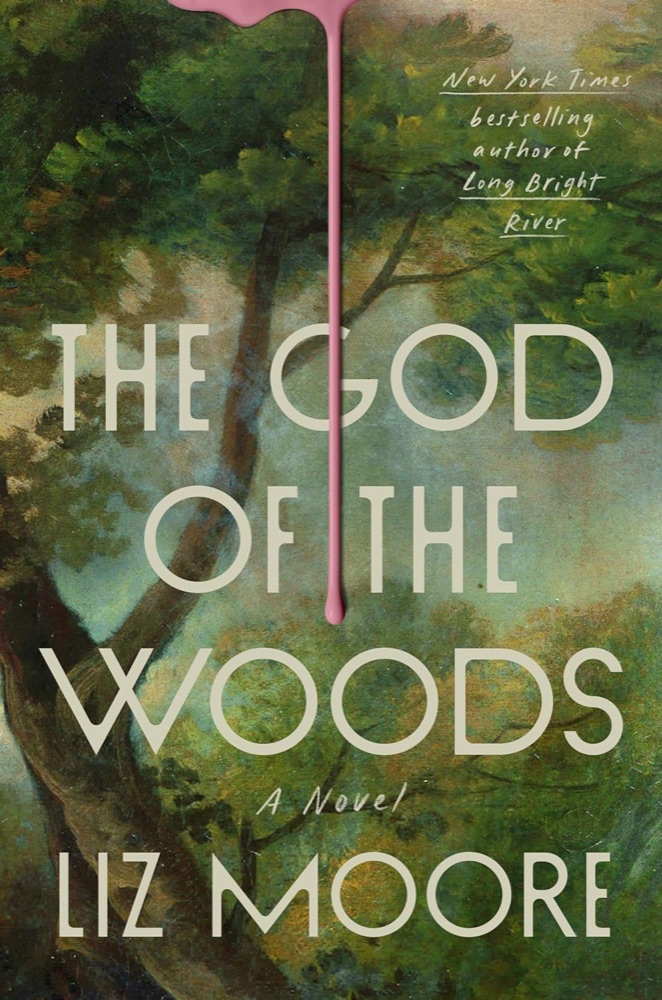 The God of the Woods
 Anthills of the Savannah
 The Way We Live Now
 The Rescue
 Be Careful What You Wish For
 Homegoing
 Of Women and Salt
 A Widow for One Year
 Fool Me Once
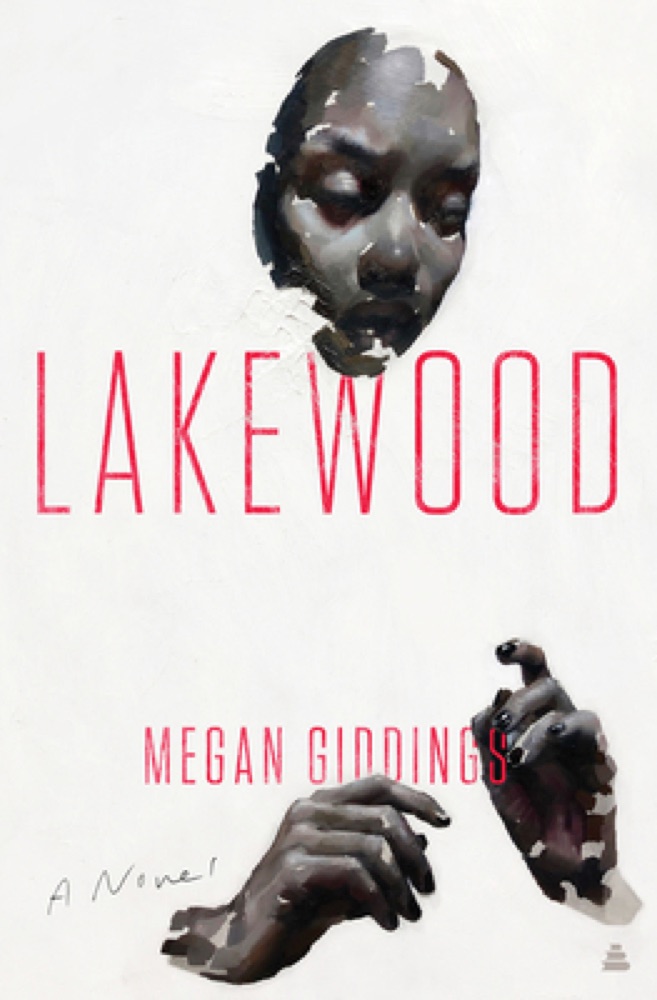 Lakewood
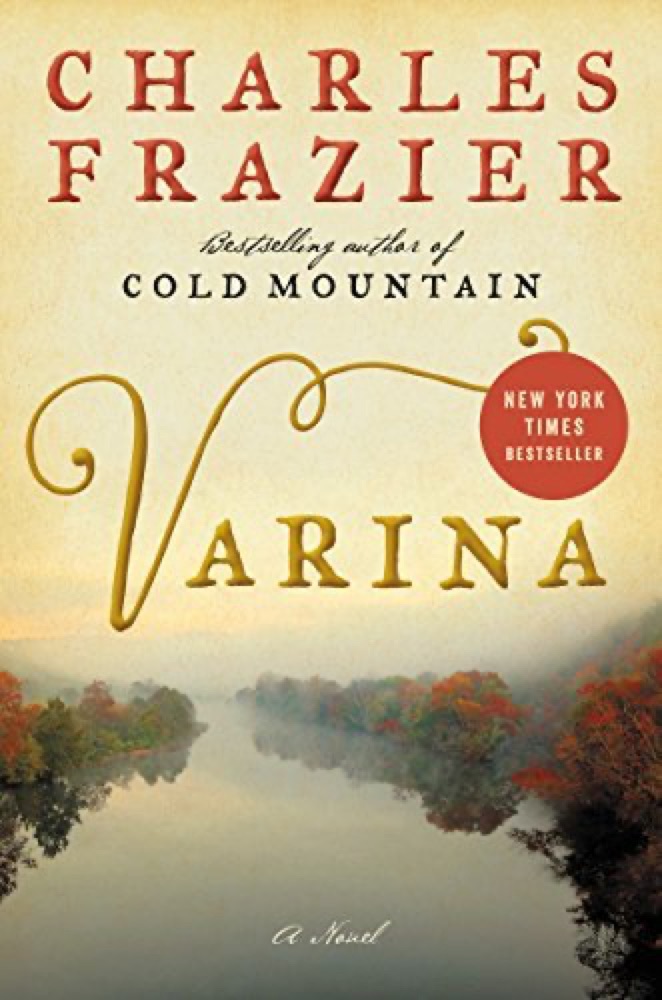 Varina
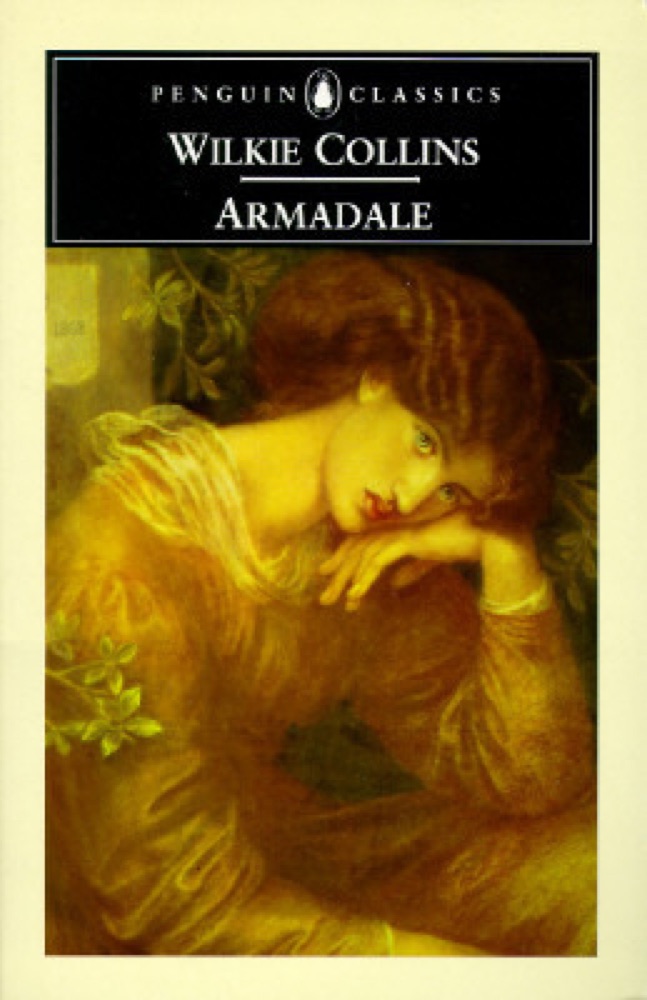 Armadale
 Appointment with Death
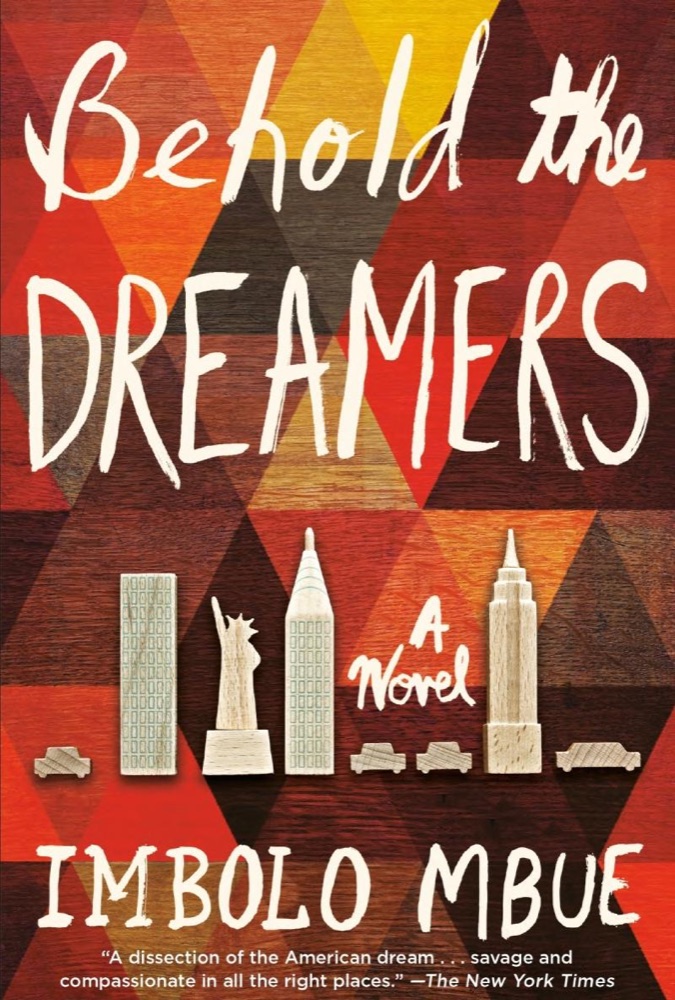 Behold the Dreamers
 Longbourn
 Less Than Angels
 Bel Canto
 The Bullet That Missed
 The Secret Keeper
 The Grace of Kings
 A Suitable Boy
 The Moonstone
 Half of a Yellow Sun
 Howards End
 A Desperate Fortune
 A Woman Is No Man
 The Golden Tresses of the Dead
 On the Way to the Wedding
 Shadows of the Workhouse
 Ravelstein
 Confessions on the 7:45