 The Ministry of Utmost Happiness
Quotes from the Book
This sisterhood to which those of us who identify as women belong is the cushion I place my translation on. The coping mechanisms we devise, the solutions we find and the adjustments we make around men are survival strategies nurtured across generations. The particulars may be different, but at the core is a resistance to being controlled, ‘tamed’, or disallowed the exploration of our full potential. These experiences, both Banu and I believe, can be found anywhere in the world. Some of us step on the cindering balls of coal and carve a space for ourselves. Some of us learn to exist too close to the fire. None of us are left unscarred. __ Translator's Afterword
5
I was very deliberate in my choice to not use italics for the Kannada, Urdu and Arabic words that remain untranslated in English. Italics serve to not only distract visually, but more importantly, they announce words as imported from another language, exoticising them and keeping them alien to English. By not italicising them, I hope the reader can come to these words without interference, and in the process of reading with the flow, perhaps even learn a new word or two in another language. Same goes for footnotes - there are none. Against Italics: Translator's Notes
3
Do you know who gets justice? Only those who demand it. People like you will not get justice if you don’t demand it.
3
The chasm between them grew wider. What voice could possibly bridge the cracks that were caused by silence? They caved in on themselves.
2
If you were to build the world again, to create males and females again, do not be like an inexperienced potter. Come to earth as a woman, Prabhu!
1
my grandmother used to say that when a wife dies, it's like an elbow injury for the husband, ... if the elbow gets injured, the pain is extreme for one instant - it is intolerable. But it lasts only a few seconds, and after that one does not feel anything. There is no wound, no blood, no scar, no pain . . .
1
Can one eat pain, Dadima?’ Ajji stopped talking and stared at me for a minute. As if she was addressing someone else, she said, ‘Correct, isn’t it? One should eat pain and give happiness.
1
A little while after she had gone, Latif Ahmad began to feel uneasy. When there was so much poverty and misery around, was there a need to be inhumane too?
1
Was it a Hindu corpse? Was it a Muslim corpse? The body was too rotten to be identified. Should it rot here, should it rot there?
1
Akhila, may you also have the good fortune of having your children arrange your wedding,’ and spat out enough bitterness for a lifetime.
1
At least we had not created another helpless prisoner of life like me. Instead of someone who had to live pathetically, without stability, a son was born, who could step ahead proudly, in full arrogance of being male.
This matter would’ve ended there, if only she’d given it some thought.
But no one thinks of the Taj Mahal as a grave. They consider it a mohabbat ki nishani, a symbol of love. ' Mujahid did not let the matter go and retorted: 'Yes, yes, symbol of dead love.' 'But loves does not die, Mujahid.
People behave in strange and illogical ways when they're afraid they may have to take responsibility.
Suppose there comes a situation where the husband's body is full of sores , with pus and blood oozing out of from them , it is said that even if the wife uses her tongue to lick these wounds clean , she will still not be able to completely repay the debt
he sometimes thought that perhaps a jinn had stepped on her.
Jaffar Baba slowly lifted his neck, looked at Ajji and asked, ‘Do you know, Jamaal Bi, why this whole world, the sun, the moon, the sky and stars have been created?
Call the world a small place, or call it big, say that the world is round, giggle hehehe and say the world has become a small village… say something! No matter what you say, it makes little difference.
Khar ku Khuda ka yaar, gareeb ku parvardigaar’ – if there are people to help the rich, the poor have God.
There is no end to the woes mothers face come summer vacation. All the children are at home; if they’re not in front of the TV, then they’re either up the guava tree in the front yard or on top of the compound wall, and what if one of them falls and breaks a hand? Or leg? But it’s not just that, no: it’s all the crying, the laughter, the meting-out of punishments based on some arcane system of justice from another world.
Hatim Taayi. ‘Once upon a time there lived a queen in a town. She was very proud of her beauty. A horde of men hung around for love of her, but she did not pay them any attention. She liked no one, and twirled everyone around her little finger. Her job was to give difficult tasks to the men who approached her; she enjoyed watching them suffer.
not all blooms have the fortune of adorning a bride; some flowers bloom only for mausoleums.
For forty days after the birth, forty graves have their mouths open for the baby and the new mother. With every passing day, one grave closes its mouth. Is it a small thing for a new life to be born from a body? It is like the mother getting a new life herself,’ Amma used to say.
Watch on YouTube
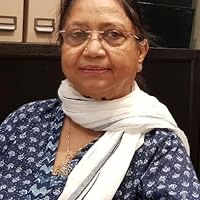
About Banu Mushtaq
We have collected 23 quotes from 1 book by Banu Mushtaq on BookQuoters.
More about the author →About the book
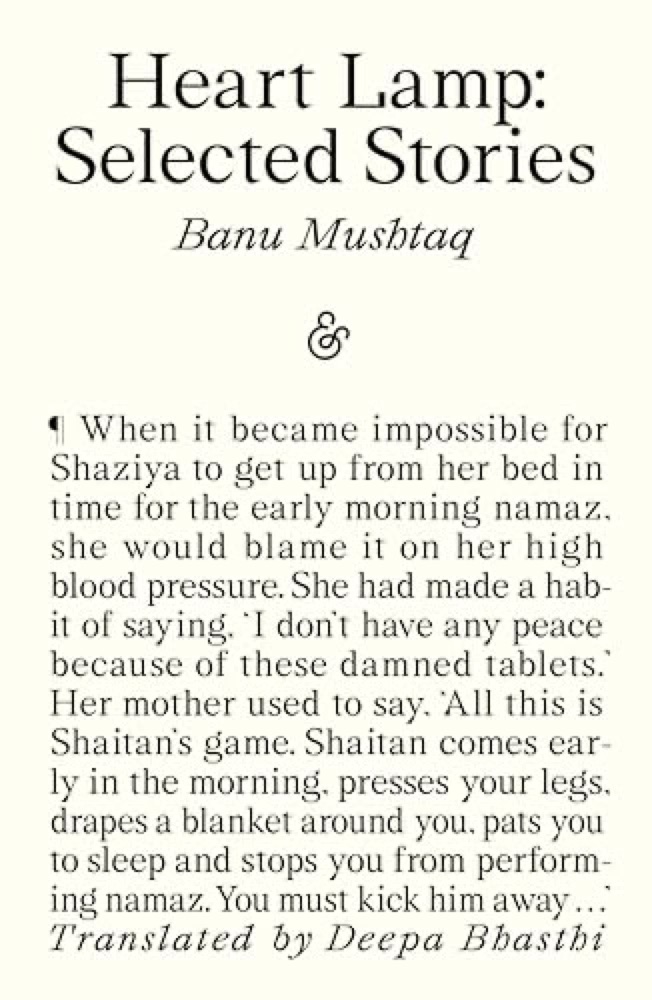
In the twelve stories of Heart Lamp, Banu Mushtaq exquisitely captures the everyday lives of women and girls in Muslim communities in southern India. Published originally in the Kannada language between 1990 and 2023, praised for their dry and gentle humour, these portraits of family and community tensions testify to Mushtaq’s years as a journalist and lawyer, in which she tirelessly championed women’s rights and protested all forms of caste and religious oppression. Written in a style at once witty, vivid, colloquial, moving and excoriating, it’s in her characters – the sparky children, the audacious grandmothers, the buffoonish maulvis and thug brothers, the oft-hapless husbands, and the mothers above all, surviving their feelings at great cost – that Mushtaq emerges as an astonishing writer and observer of human nature, building disconcerting emotional heights out of a rich spoken sty
Book details
- First published
- 2024
- Author
- Banu Mushtaq
- Genre
- Fiction
- Goodreads rating
- 3.78 (11k ratings)
Keep reading
The Ministry of Utmost Happiness
 Princess Sultana's Daughters
 The Lives of Others
 A Suitable Boy
 Petals of Blood
 Alif the Unseen
 The Empire of Gold
 A Girl Is a Body of Water
 Honor
Honor
 Last Train to Istanbul
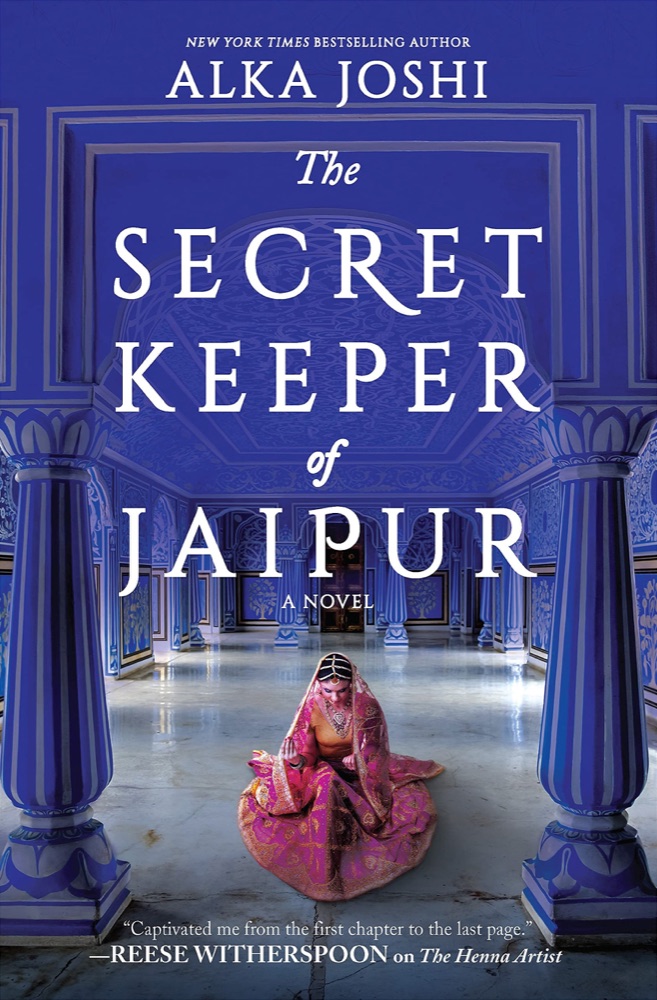 The Secret Keeper of Jaipur
 White Teeth
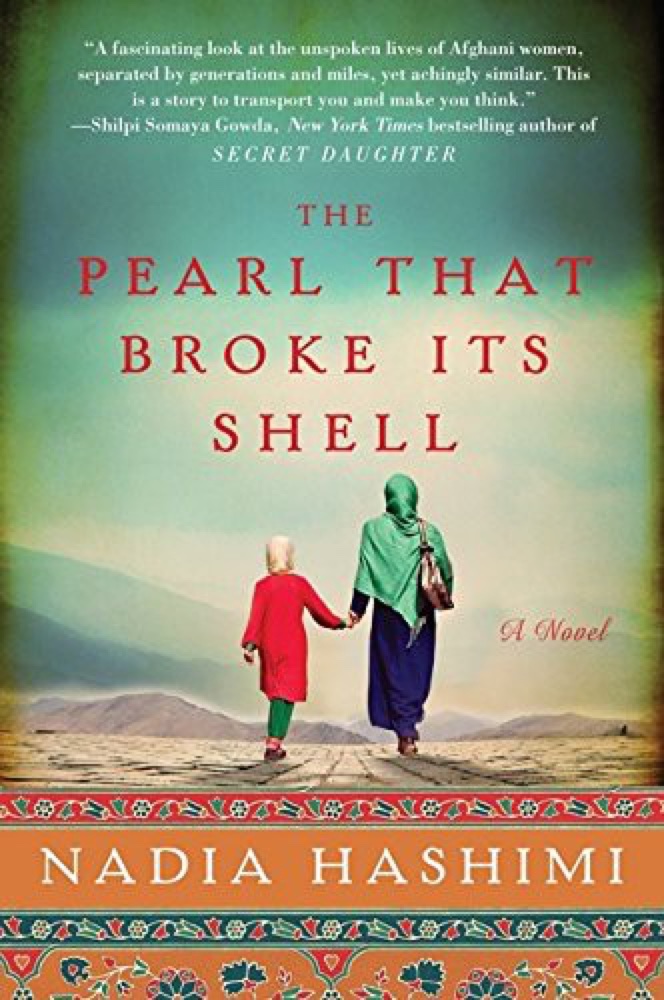 The Pearl That Broke Its Shell
 Ancillary Sword
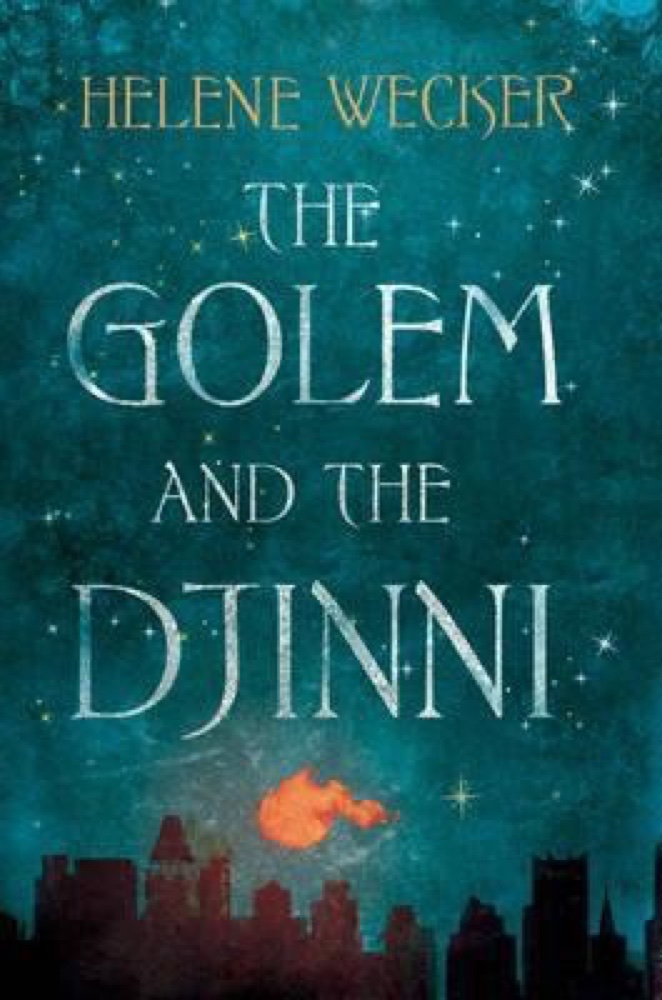 The Golem and the Jinni
 Old Babes in the Wood: Stories
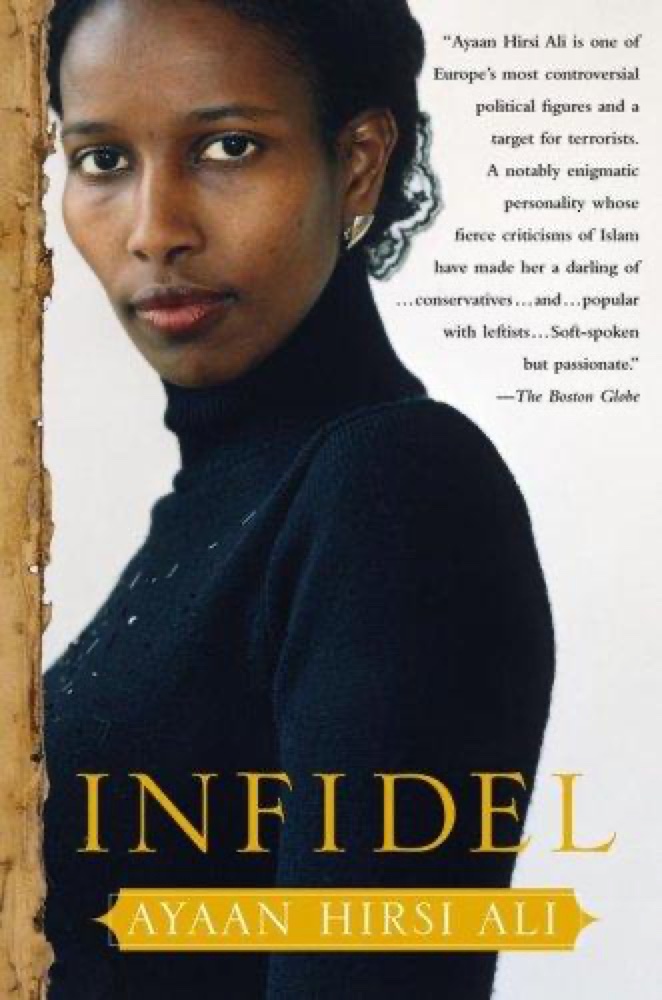 Infidel
 Redemption in Indigo
 The Bandit Queens
 The Perfumist of Paris
 Cuckold
 Daughters of Smoke and Fire
 Princess: A True Story of Life Behind the Veil in Saudi Arabia
 Last First Snow
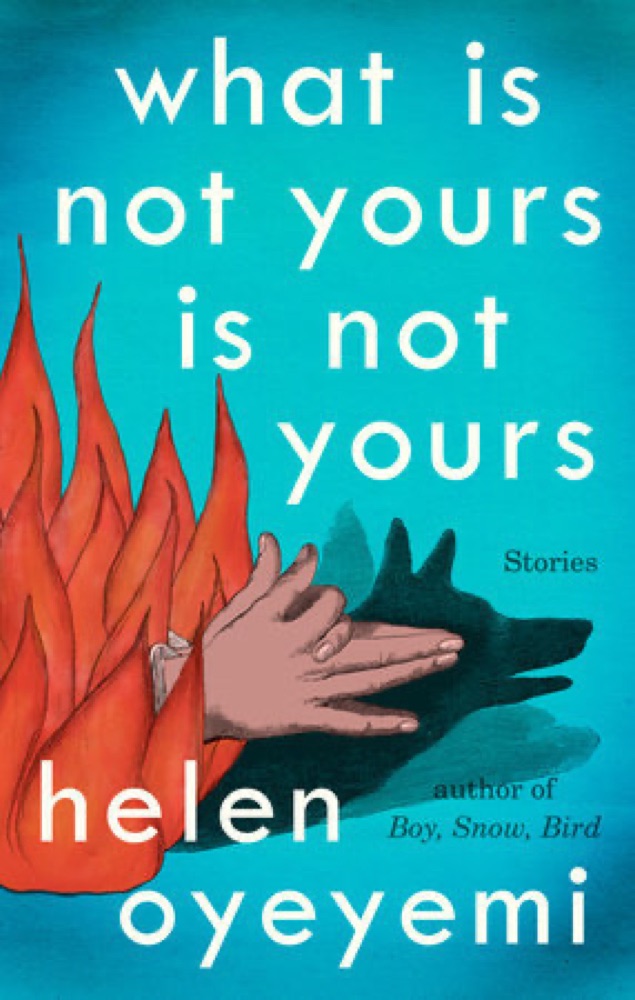 What Is Not Yours Is Not Yours
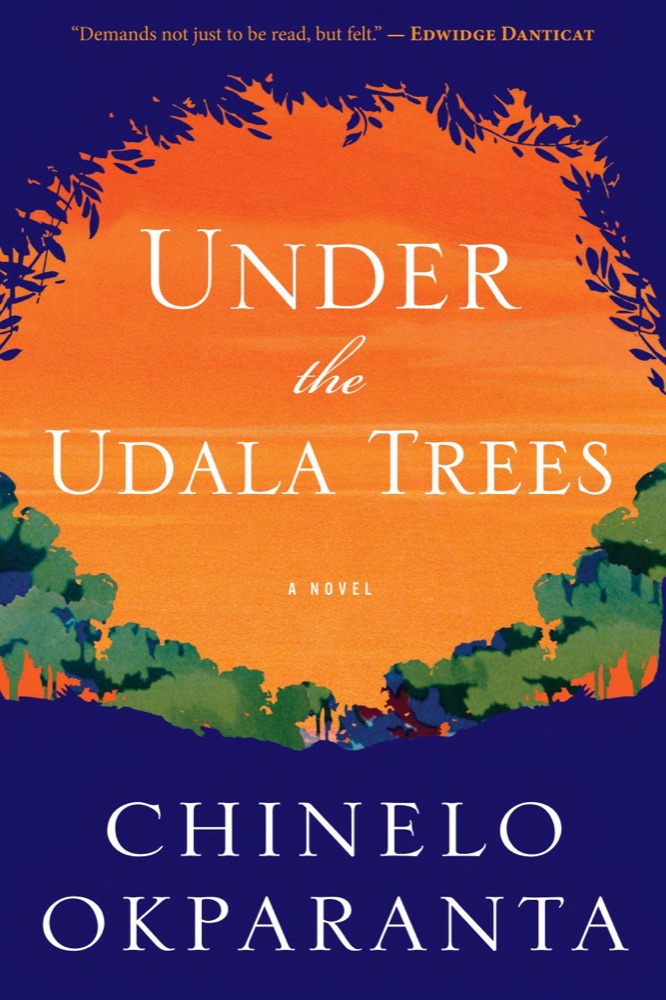 Under the Udala Trees
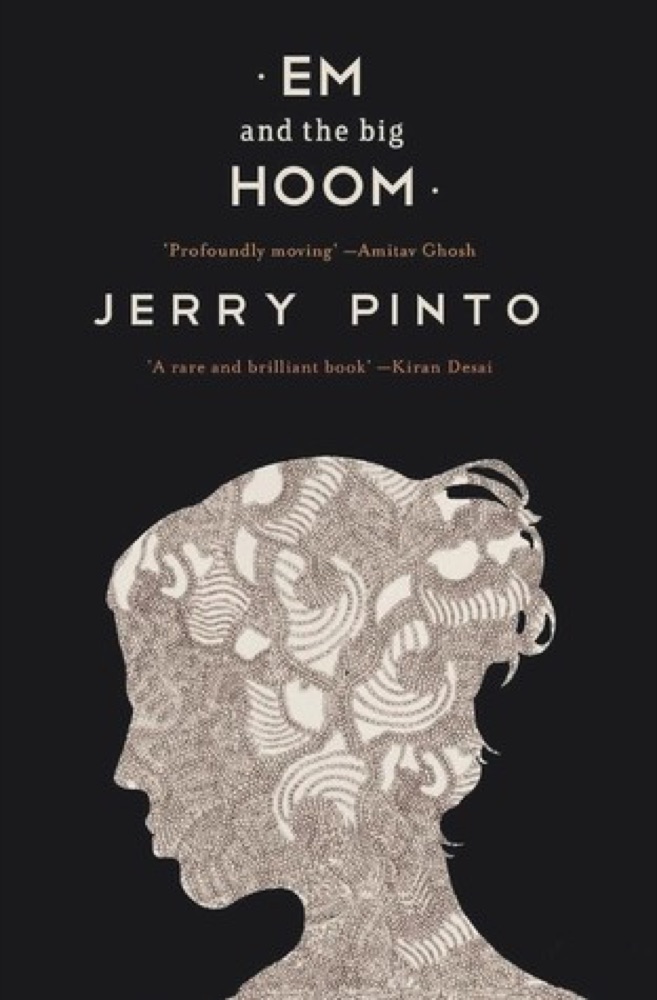 Em and The Big Hoom
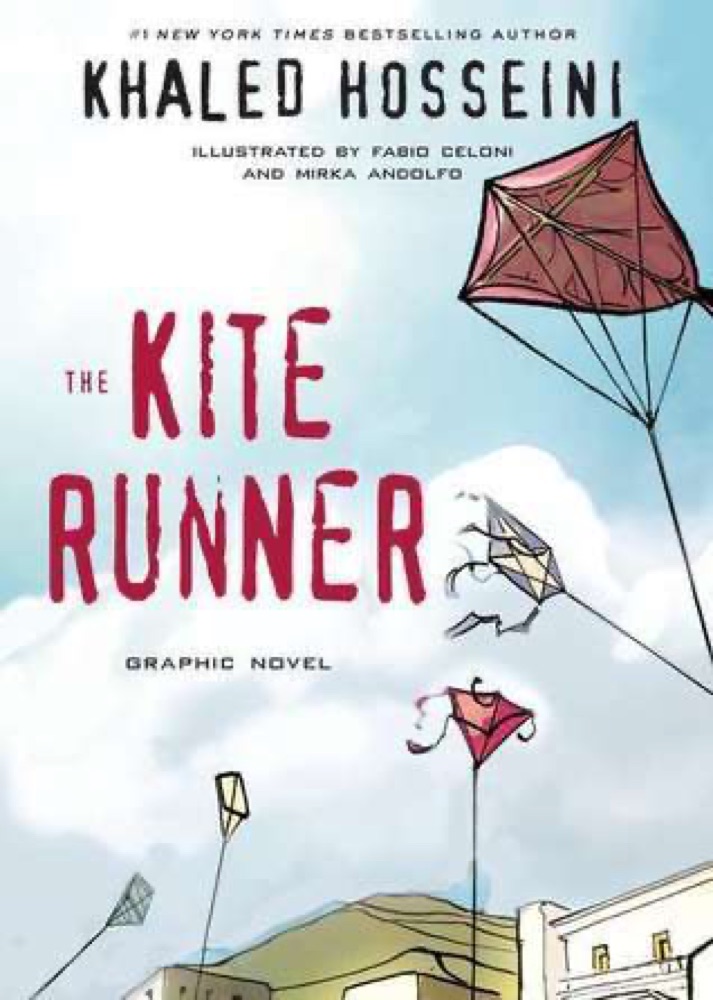 The Kite Runner
 A Fort of Nine Towers: An Afghan Family Story
 Moth Smoke
 Serious Men
 The Woman Who Walked in Sunshine
 In the Night Garden
 The Jasmine Throne
 Aru Shah and the City of Gold
 The Shadowed Sun
 The Absolute Book
 The Enchantress of Florence
 Of Marriageable Age
 The Moor's Last Sigh
 Sea of Silver Light
 Pavilion of Women: A Novel of Life in the Women's Quarters
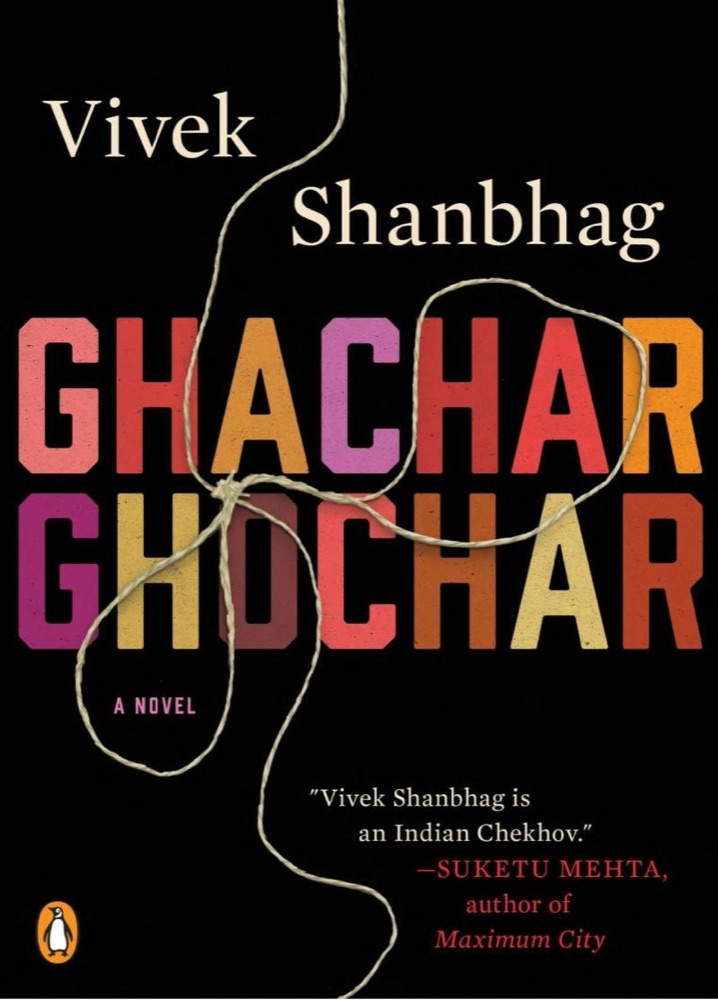 Ghachar Ghochar
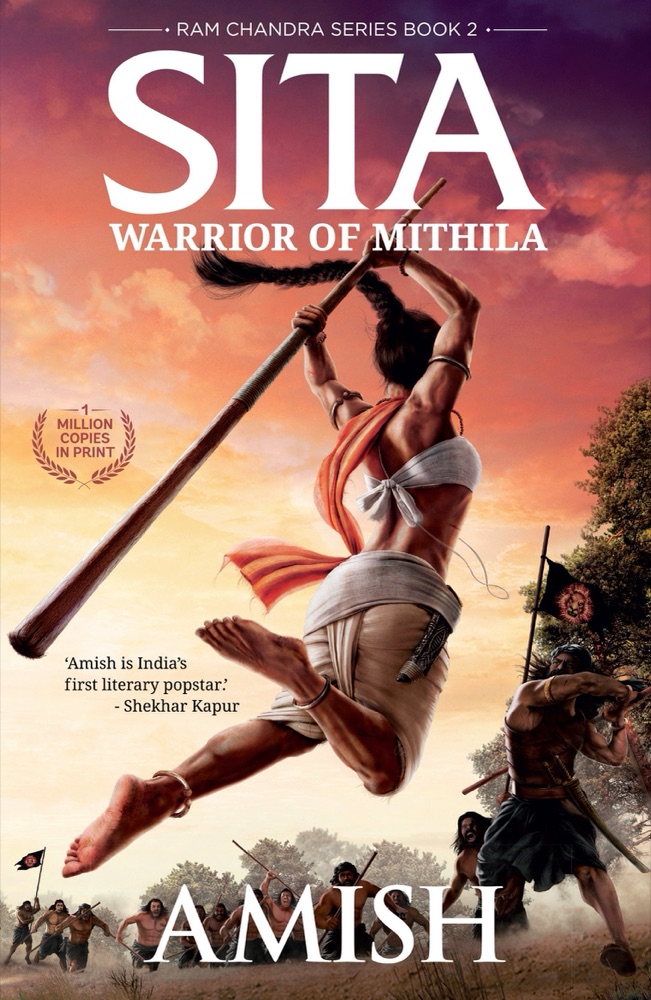 Sita: Warrior of Mithila
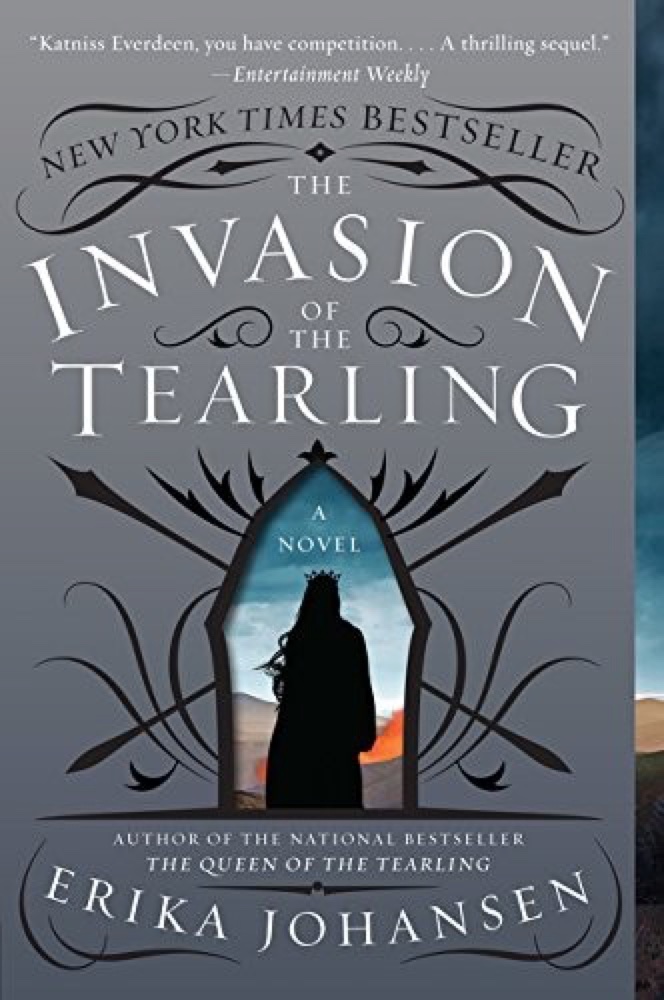 The Invasion of the Tearling
 Egg & Spoon
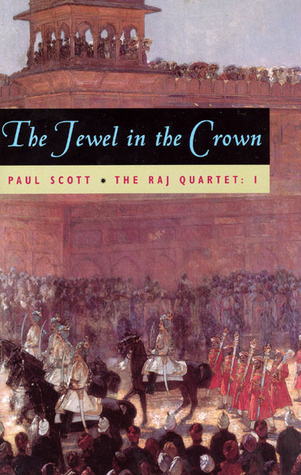 The Jewel in the Crown
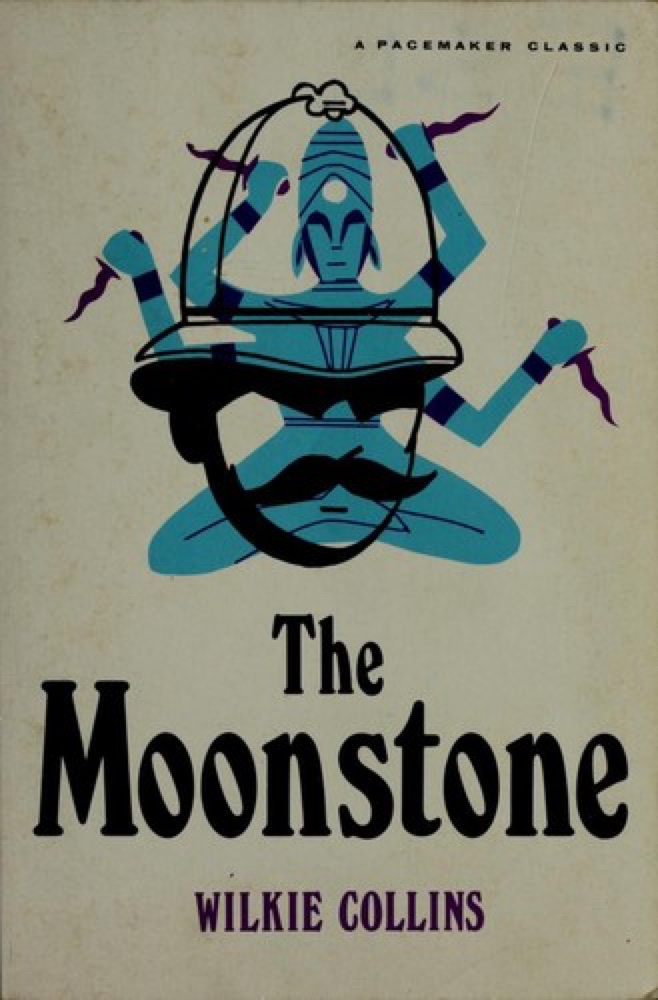 The Moonstone
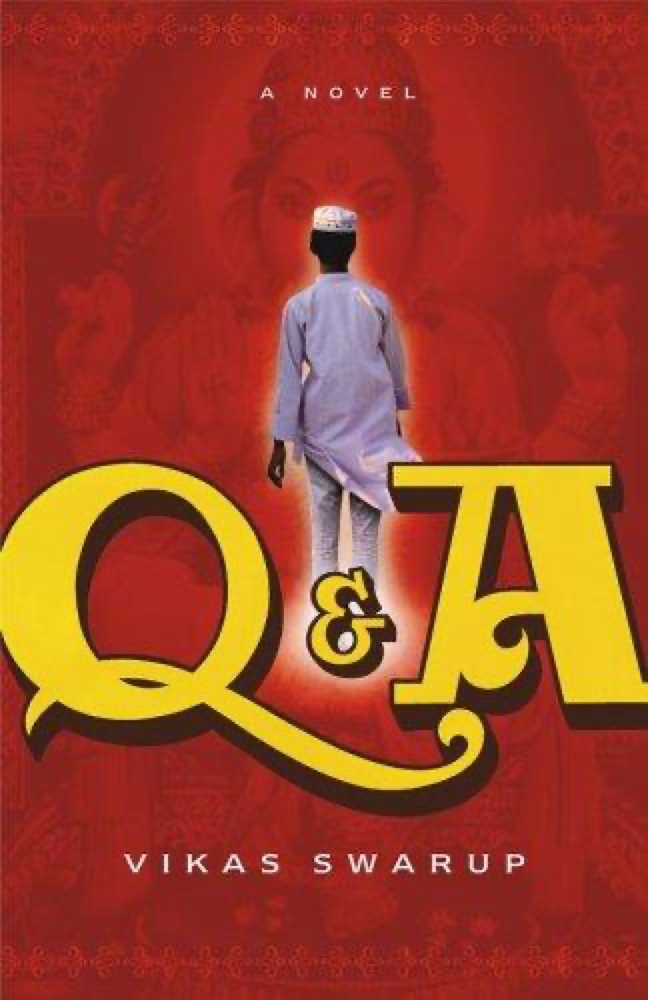 Q & A
Q & A
 Disgrace
 Peyton Place
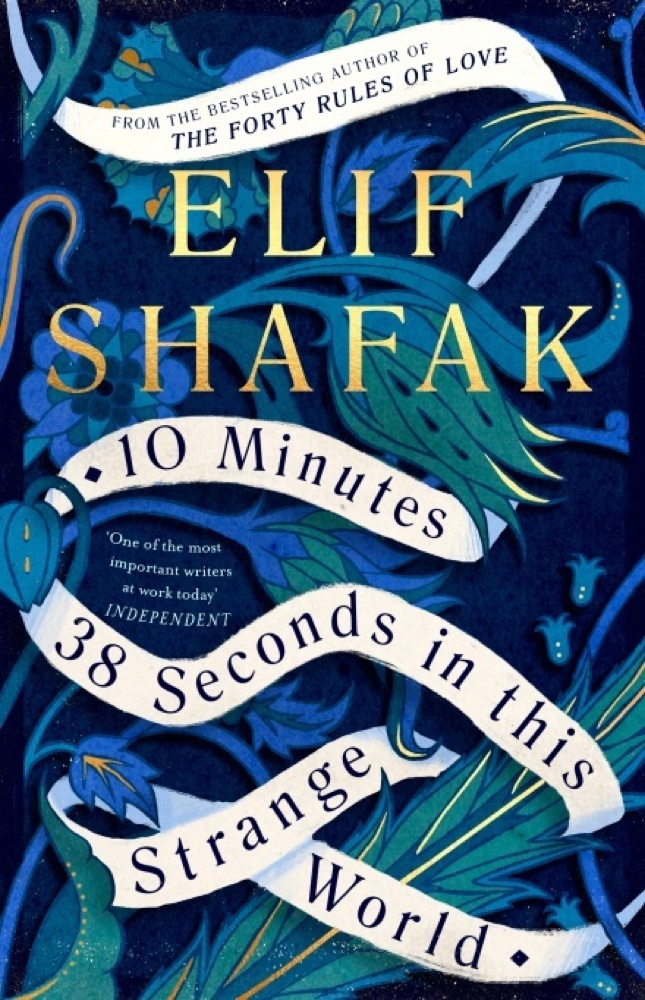 10 Minutes 38 Seconds in This Strange World
 The Limpopo Academy of Private Detection
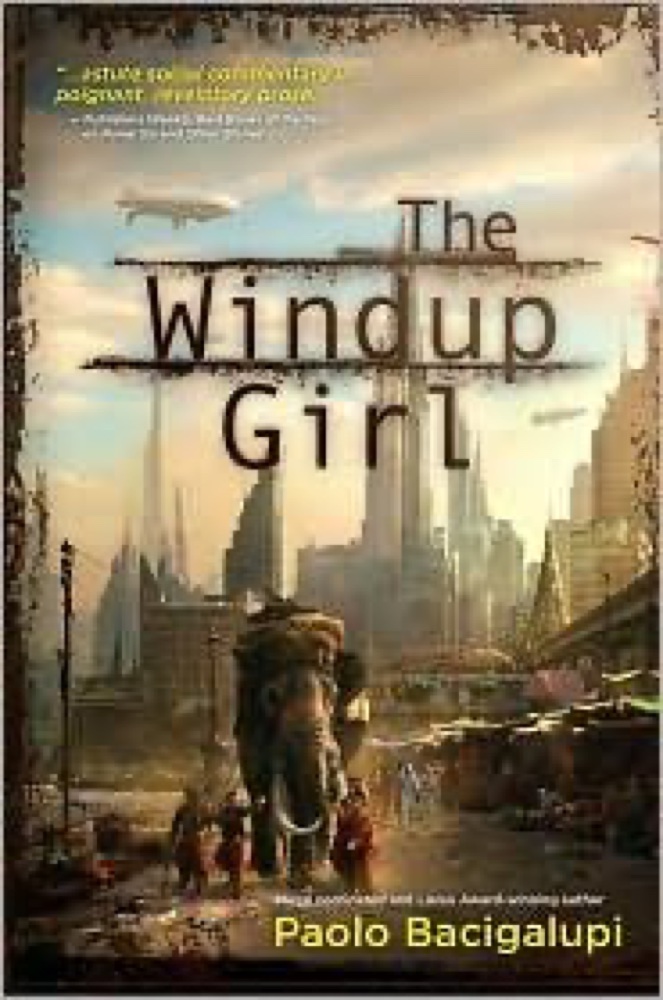 The Windup Girl
 Life... Love... Kumbh...
 Banyan Moon
 Home Fire
 The Blind Man's Garden
 Rosewater
 Shalimar the Clown