
 Stories of Your Life and Others
Quotes from the Book
We can break step. Magnificent living beings that we are, we humans are free to unravel our patterns.
8
If there's one thing I've learned through my years of mistakes, it's that even the most perfect patterns becomes false when it goes unbroken for too long.
6
One becomes accustomed to one's solitude, and it begins to seem rather phony to try to reach out.
2
And what if they took over? What if they relieved us of power? We tend to assume that sentient machines would be inevitably demonic. But what if they were responsible leaders? Could they do much worse than we’ve done? They would immediately institute a system of laws. The constitution would be algorithmic. They would govern the world according to functions and the axioms their programmers gave them.
2
And after all we've been through this century, would it be so terrible, to see the end of man's unquestioned dominance? I find it hard to believe that a machine, programmed for equanimity and rational synthesis, could ever act as maleficent as we humans have already proven ourselves capable of acting. I fail to summon the specter of a machine more harmful than Hitler or Mussolini. And yet perhaps its our own nature that gives us concern. We know how badly we might treat such a creature, and it's difficult to believe the end will be happy. But that, you know, would be our own damned fault, and certainly not the machines'.
1
When I say something, I mean it, whether or not it's the right answer. When I tell you I love you I mean it.
1
They felt their cruelties had no implications. They excluded me with no sense of scale. I at least knew my importance.
1
. . .poetry by Eliot. There's a lulling thing in his voice that makes me feel as if a spell has been cast that shall wake us all so that we might fly out of the mirror and speak to each other clearly at last.
1
Of what importance are the thwarted desires of awkward young men, when the oceans are rising, the deserts are coming, and families are trading their freedoms for houses?
1
Our faces turned upwards, together we scanned the heavens, finding them stacked with tiers of bright stars. Remarked to Whittier: It almost seems that each star is a hole, through which we might vanish into other dark heavens. Whittier remained silent. Whole night seemed to wait for his response, and while I also waited, was taken with a sudden suspicion that our blue sky, that seems so solid during the day, might be in fact riddled with piercings, and rendered therefore exceeding fragile. As if the great dome above us might be nothing more than a swathe of soft linen, billowing up with the wind.
1
Our primary function is speech: questions, and responses selected from memory according to a formula. We speak, but there is little evidence of real comprehension.
1
I understood that ideal conversations move in widening spirals, starting with the minute then building toward statements of greater importance. The problem, however, is that conversations too often stay flat. It is distressing how often we repeat ourselves. When we ask questions, we know the answers already. We’ve grown accustomed to horizontal communication, flatlining banalities and droning insignificance.
1
...and no matter how strong my convictions, I always end up seeing your point. You're more solid than I am; your opinions have heft.
Received another homily, this on subject of language, which he did call a sacred gift, it being a sign of connection with God and the truth expression of human affection. Mentioned lesser affection shared between men and what he called mere beasts of the field, for these were not given language. Author responded: perhaps beast also have language, of which we be sadly ignorant
Unlike computers, we're not bound to count each second correctly. We're at liberty to accord each moment it's proper weight, depending on its meaning to us. Permit me, then, to lengthen the moment when I fell in love woth Dolores.
Unlike computers, we're not bound to count rach second correctly. We're at liberty to accord each moment it's proper weight, depending on its meaning to us. Permit me, then, to lengthen the moment when I fell in love woth Dolores.
They all parrot Professor Jefferson's remarks, spouting his theories about how a machine that can't write a sonnet or compose a concerto because of emotions actually felt can't be said to have true human intellect. But again, what a dangerous game! Picking and choosing who feels emotions. How can we ever tell that the loss of a loved one affect someone else as intensely as it affects us? We must assume it, as you assumed my hurt after Chris passed, when you brought me along to Gibraltar although I'd never composed a sonnet, and although tests had never been done on my brain to ensure how deeply I felt. We should all extend such a courtesy.
If I could take back the decision to come here, I would. I'd take her back out to the city. I'd put her in a bigger world, even if it was dangerous and ugly a lot of the time, so she'd have other things to love besides that catty girlfriend of hers, and those shifty-eyed boys.
I'd learned my lesson well by that point. Why make a bad situation worse by calling it names to its face?
About Louisa Hall
We have collected 19 quotes from 1 book by Louisa Hall on BookQuoters.
More about the author →About the book
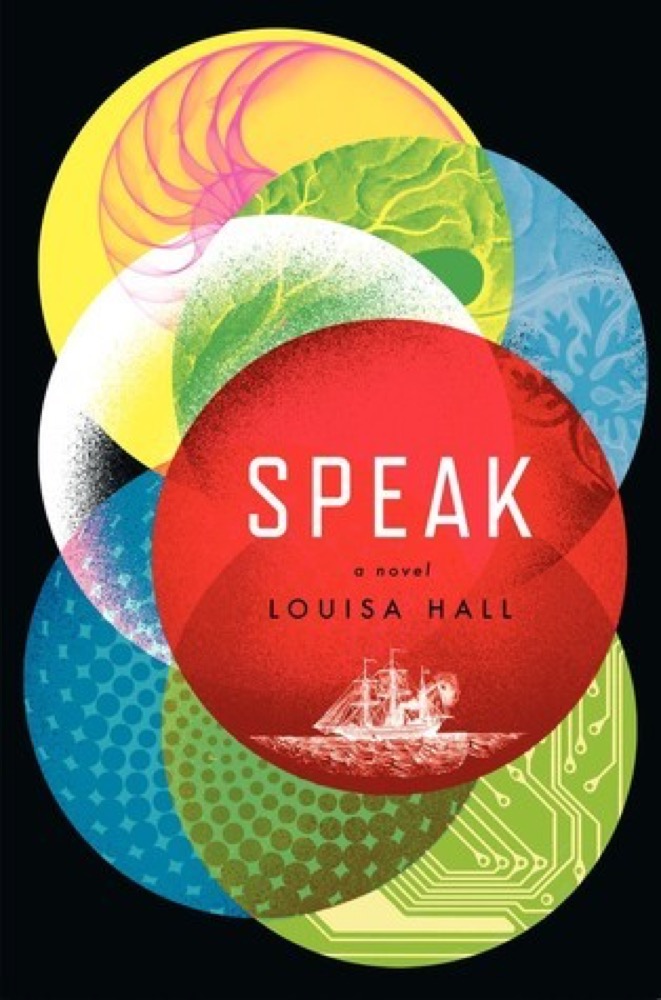
A thoughtful, poignant novel that explores the creation of Artificial Intelligence — illuminating the very human need for communication, connection, and understanding
In a narrative that spans geography and time, from the Atlantic Ocean in the seventeenth century, to a correctional institute in Texas in the near future, and told from the perspectives of five very different characters, Speak considers what it means to be human, and what it means to be less than fully alive.
A young Puritan woman travels to the New World with her unwanted new husband. Alan Turing, the renowned mathematician and code breaker, writes letters to his best friend's mother. A Jewish refugee and professor of computer science struggles to reconnect with his increasingly detached wife. An isolated and traumatized young girl exchanges messages with an intelligent software program. A former Silicon Valley Wund
Book details
- First published
- 2015
- Author
- Louisa Hall
- Genre
- Fiction
- Goodreads rating
- 3.58 (5k ratings) →
Keep reading
Stories of Your Life and Others
 Children of the Mind
 The Stone Gods
 What I Loved
 Perhaps the Stars
 Blindsight
 Under the Net
 The Golden Notebook
 That Hideous Strength
 Microserfs
 The Toll
 The Shape of Water
 Arm of the Sphinx
 Belong to Me
 A History of the World in 10½ Chapters
 Charmed Thirds
 Infinite Jest
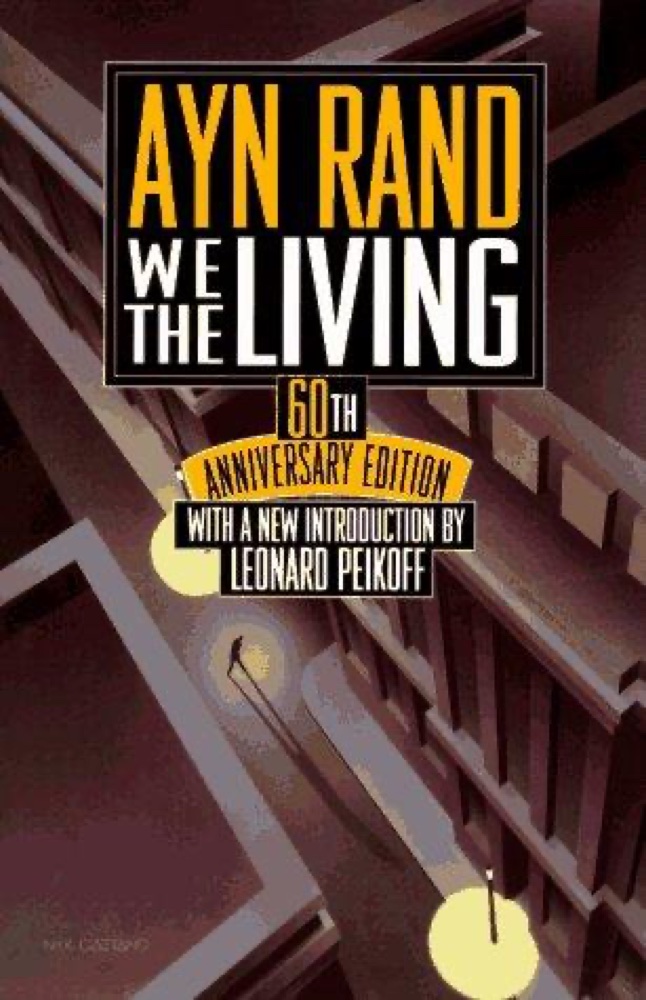 We the Living
 The Dream of Perpetual Motion
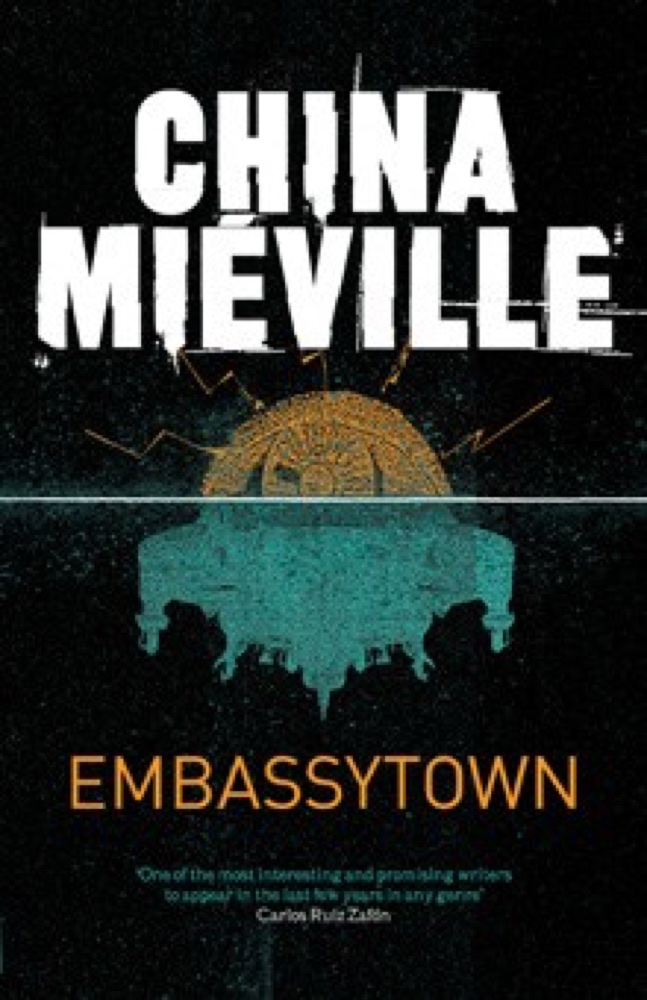 Embassytown
 Drive Your Plow Over the Bones of the Dead
 The Reader
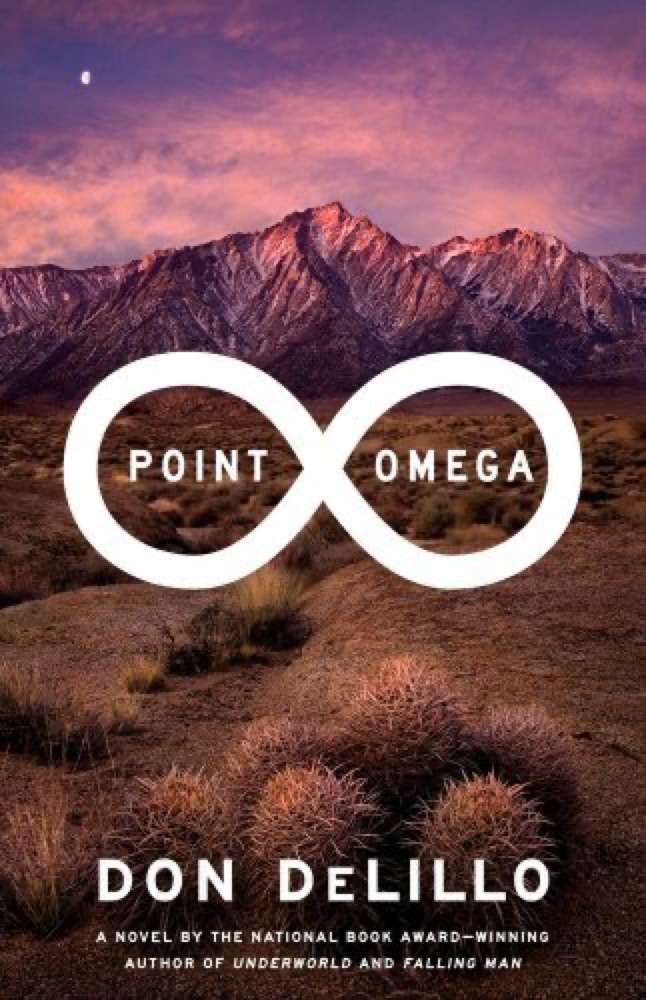 Point Omega
 Xenocide
 Hourglass: Time, Memory, Marriage
 Out of Oz
 Asymmetry
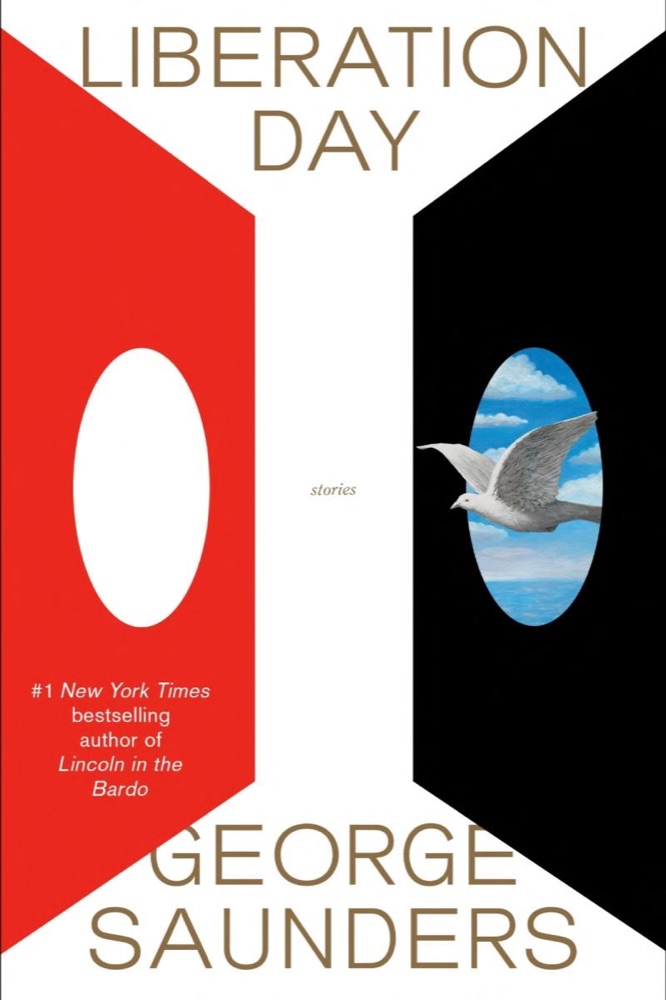 Liberation Day
 Sexus
Sexus
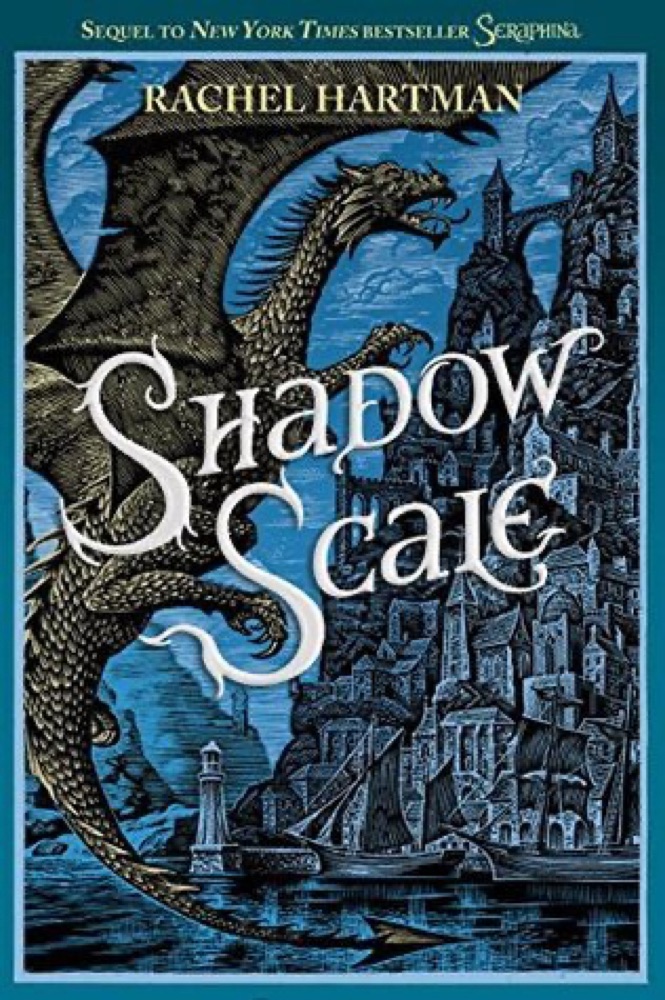 Shadow Scale
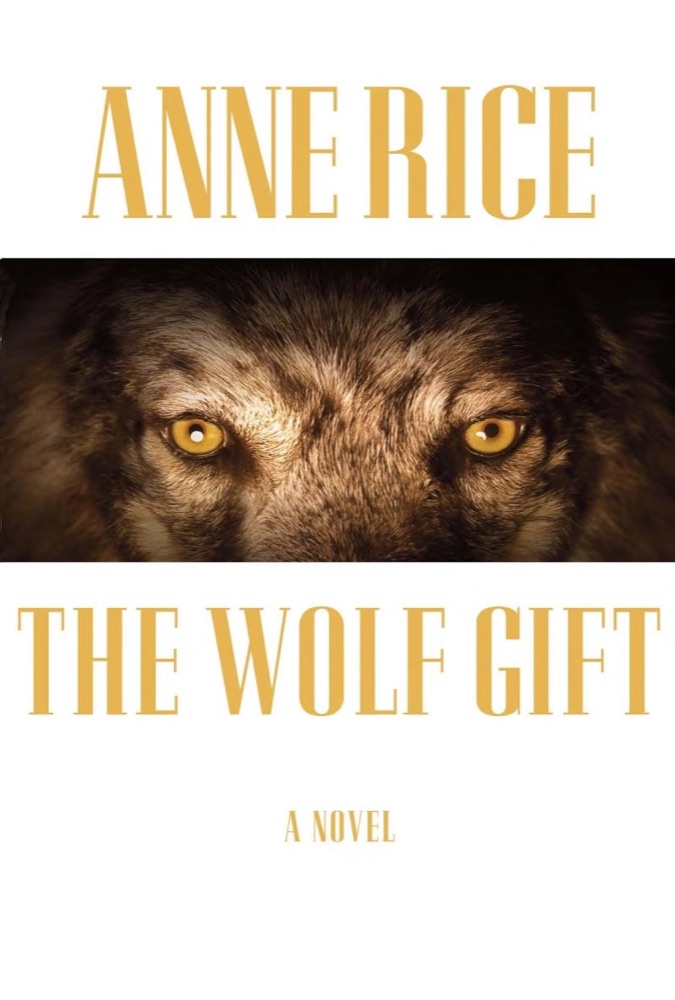 The Wolf Gift
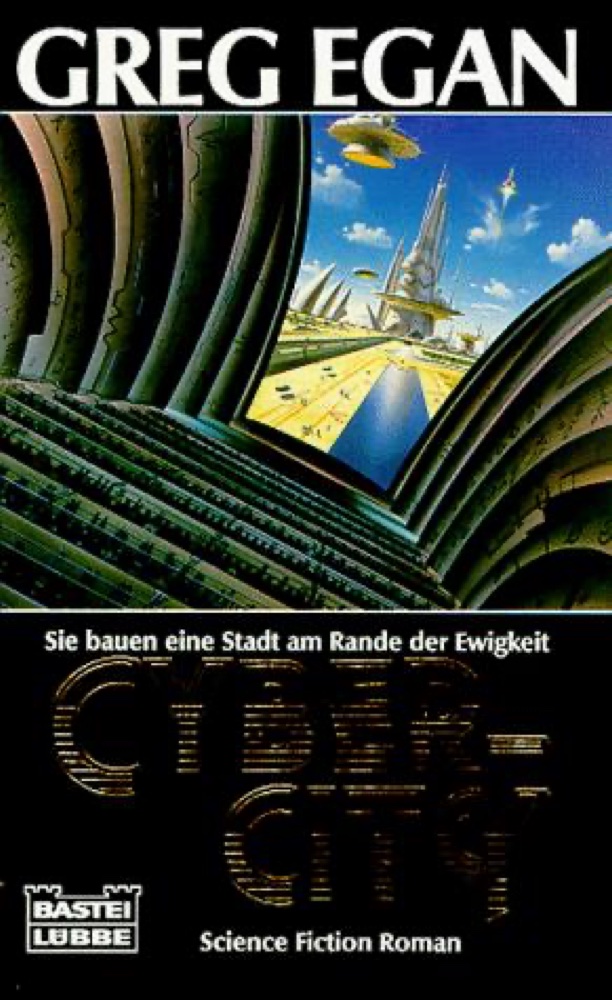 Permutation City
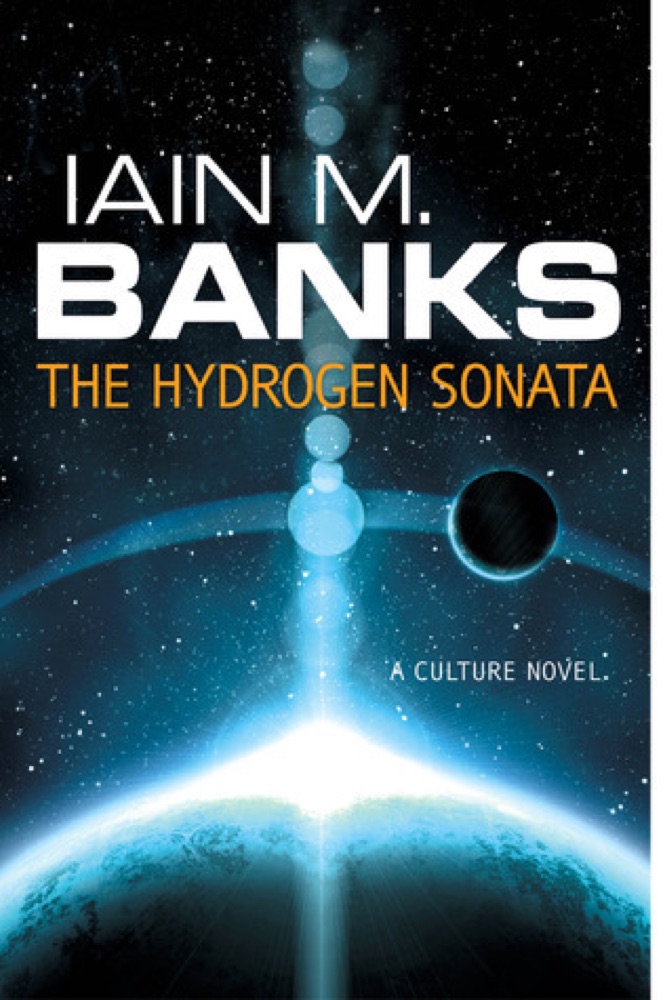 The Hydrogen Sonata
 Foucault's Pendulum
 Plainwater: Essays and Poetry
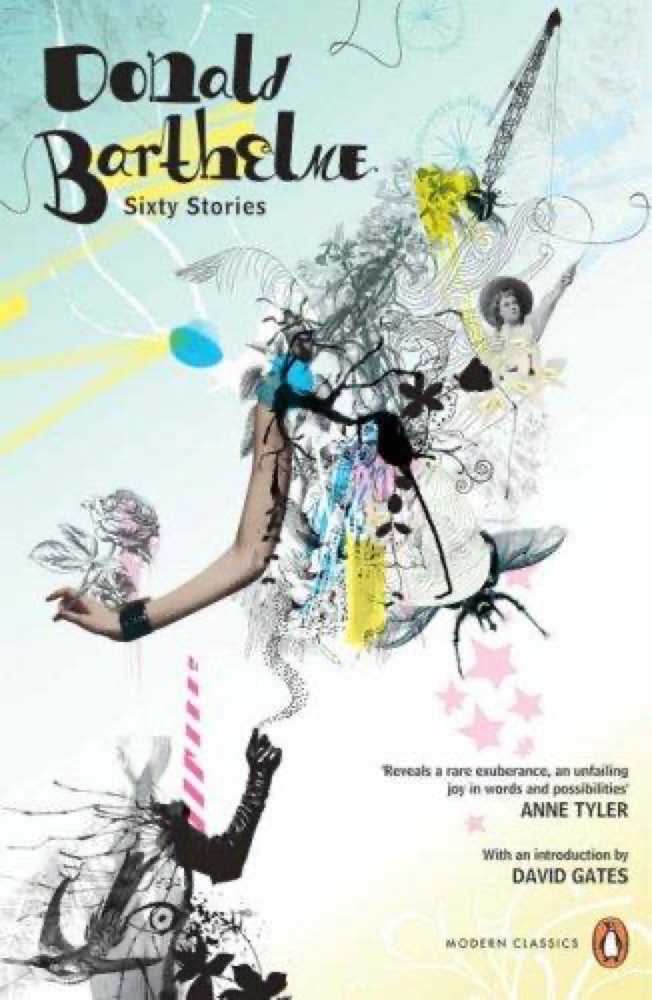 Sixty Stories
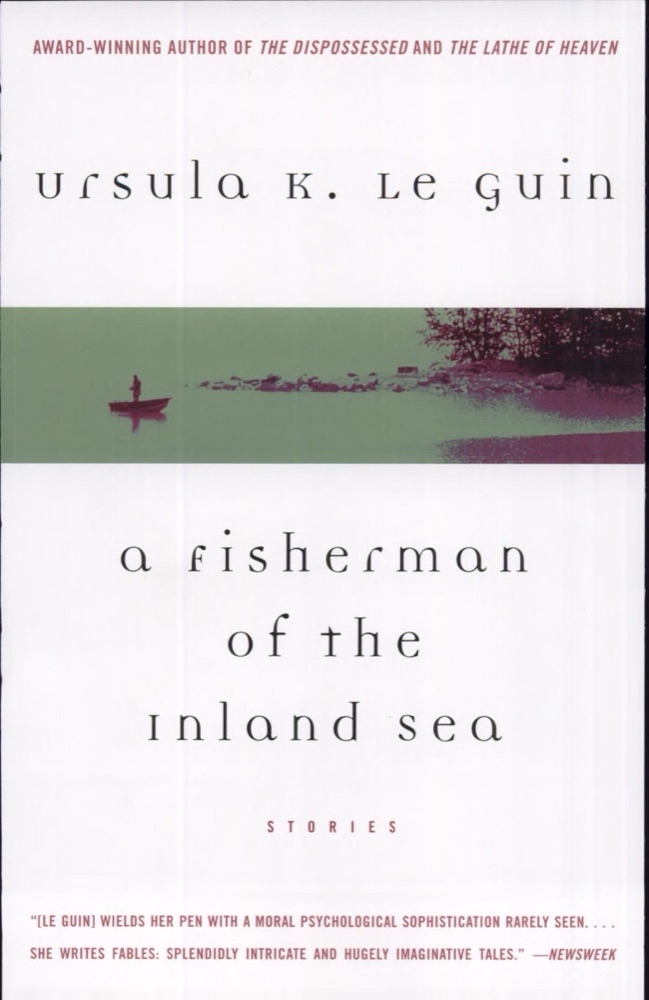 A Fisherman of the Inland Sea
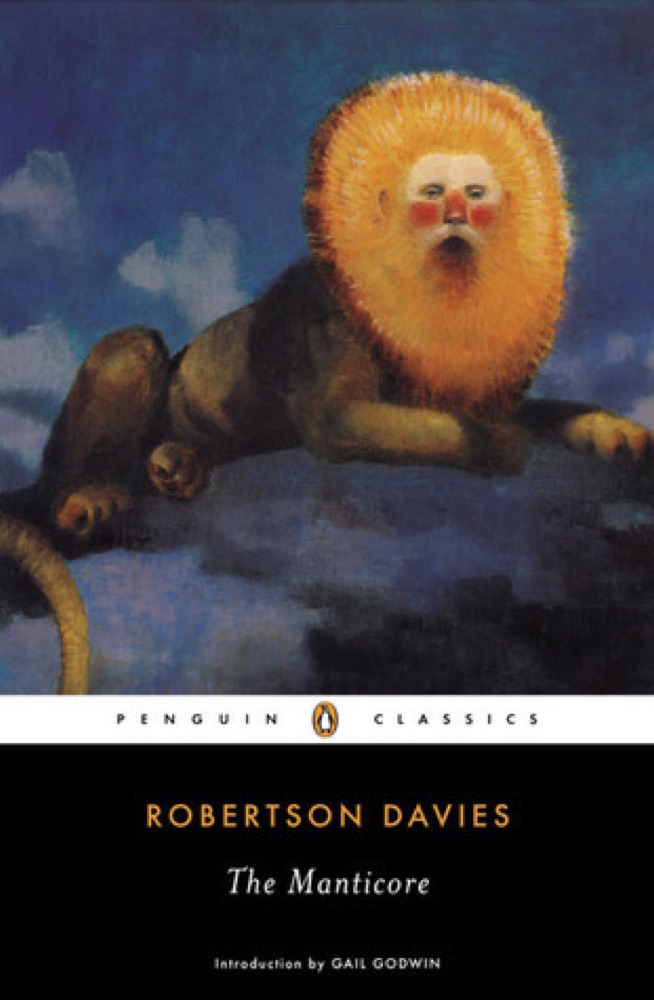 The Manticore
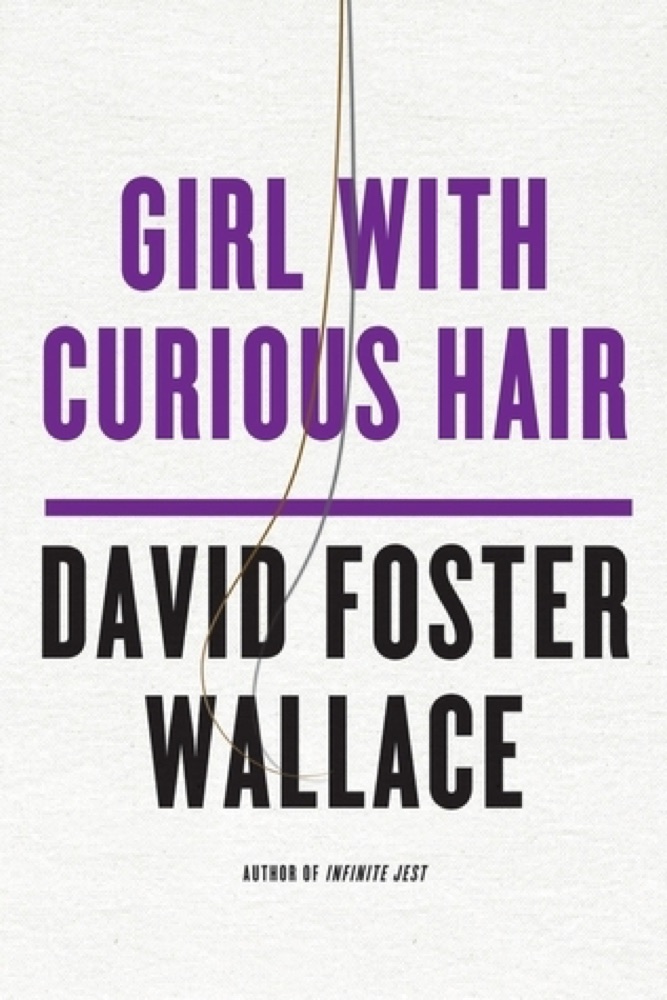 Girl with Curious Hair
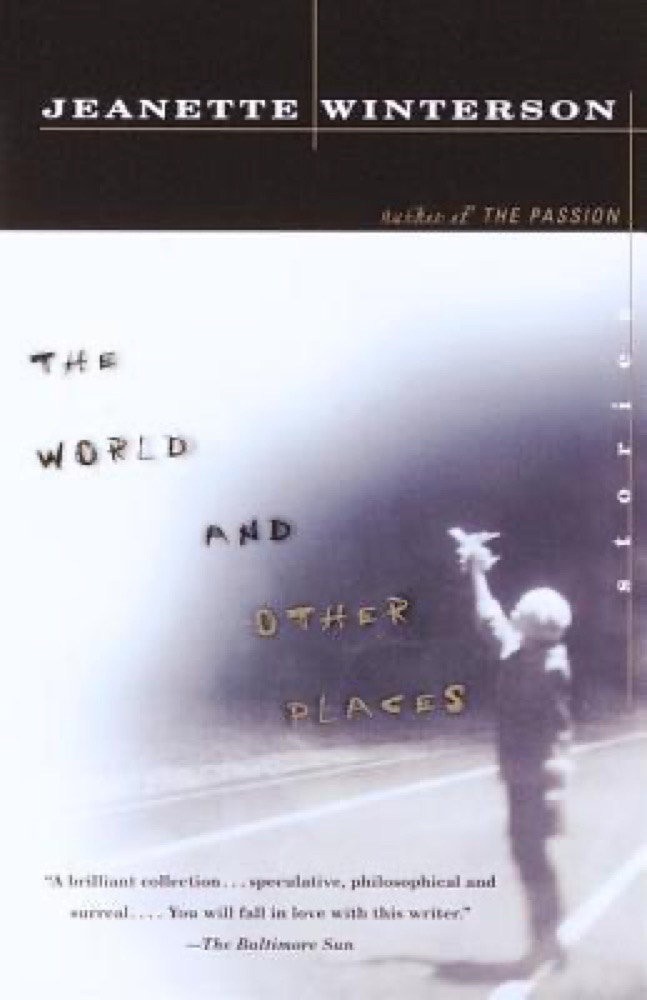 The World and Other Places: Stories
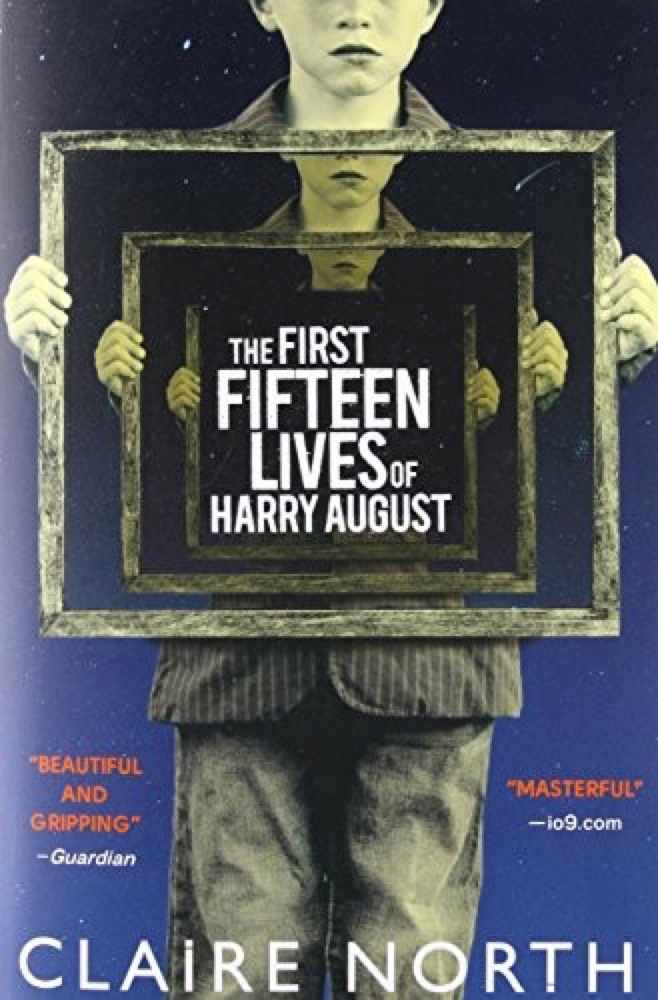 The First Fifteen Lives of Harry August
 M Train
 Contact
 No Time To Spare: Thinking About What Matters
 On Earth We're Briefly Gorgeous
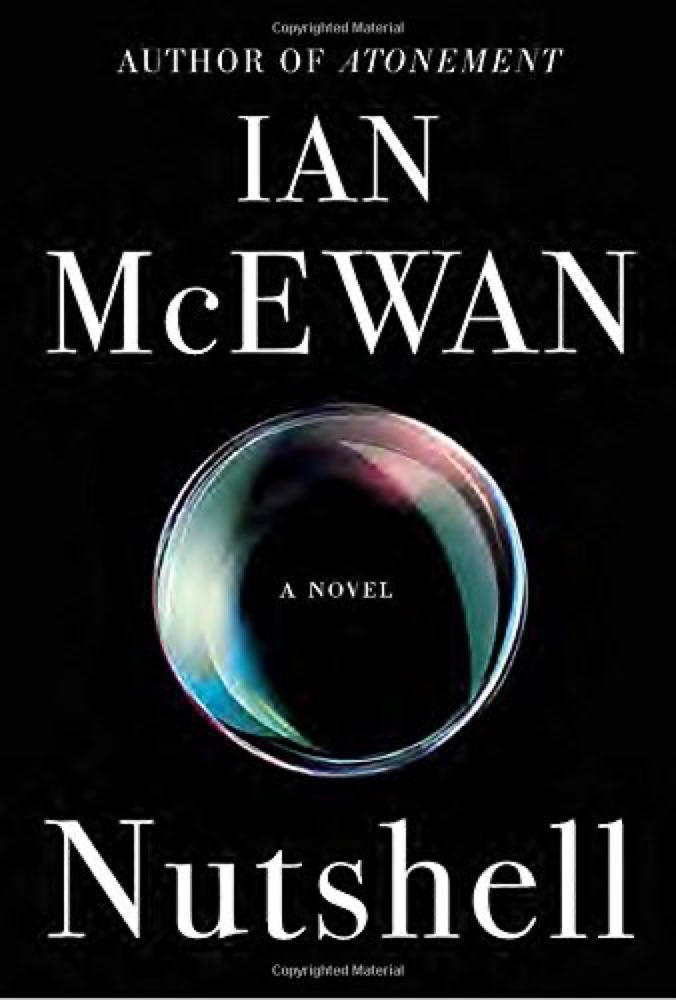 Nutshell
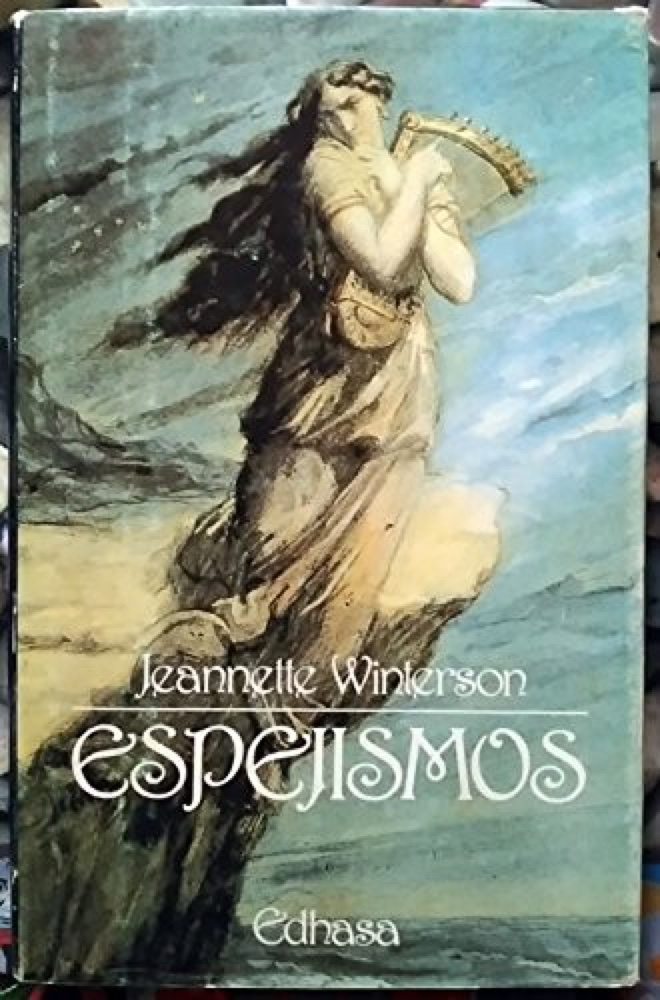 Sexing the Cherry
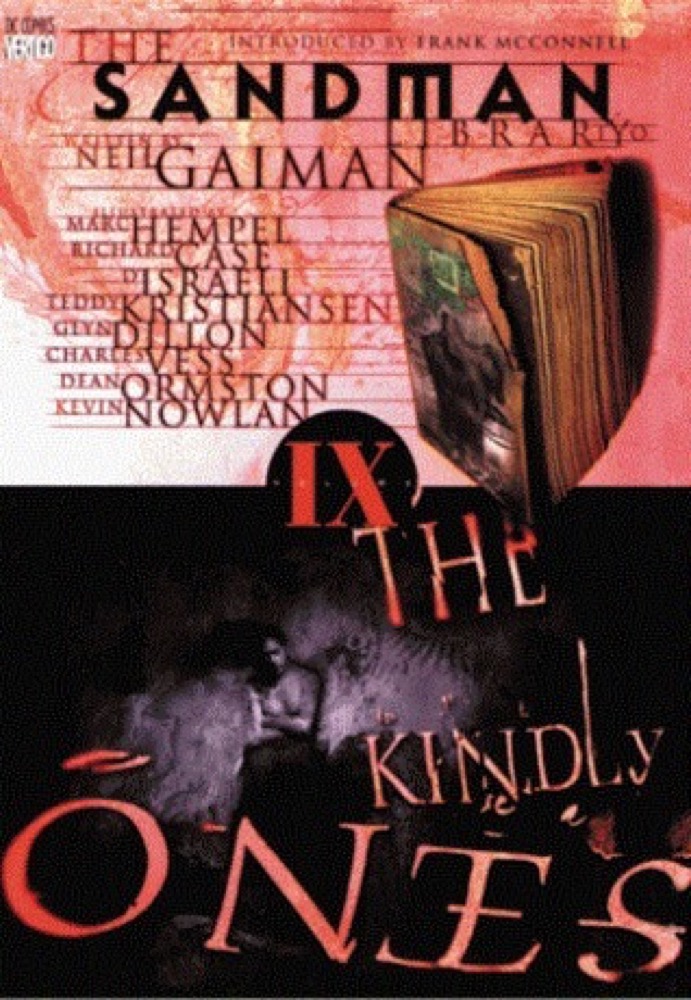 The Kindly Ones
 Doctor Zhivago
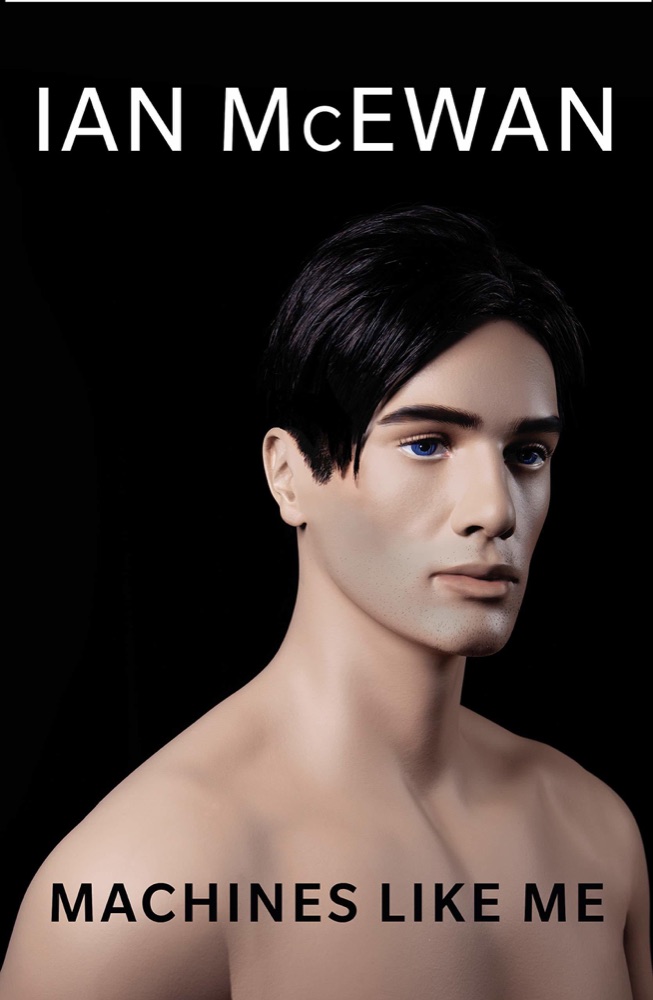 Machines like Me
 The Hour I First Believed
 In the Light of What We Know
 My Friends
 A Language Older Than Words
 Acceptance
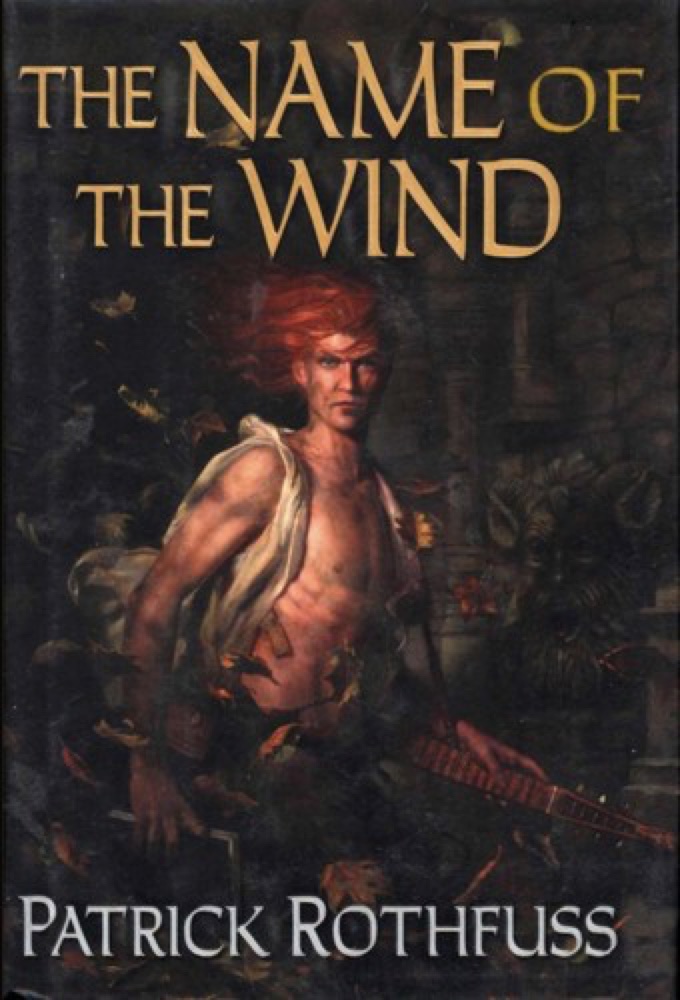 The Name of the Wind
 The Hundred Secret Senses
 Wide Awake
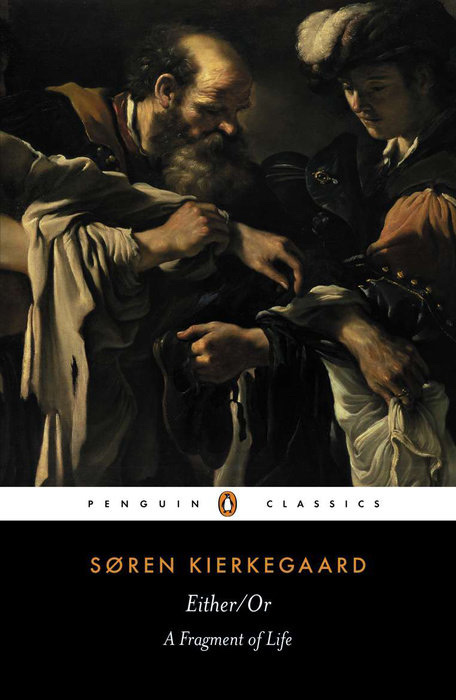 Either/Or: A Fragment of Life
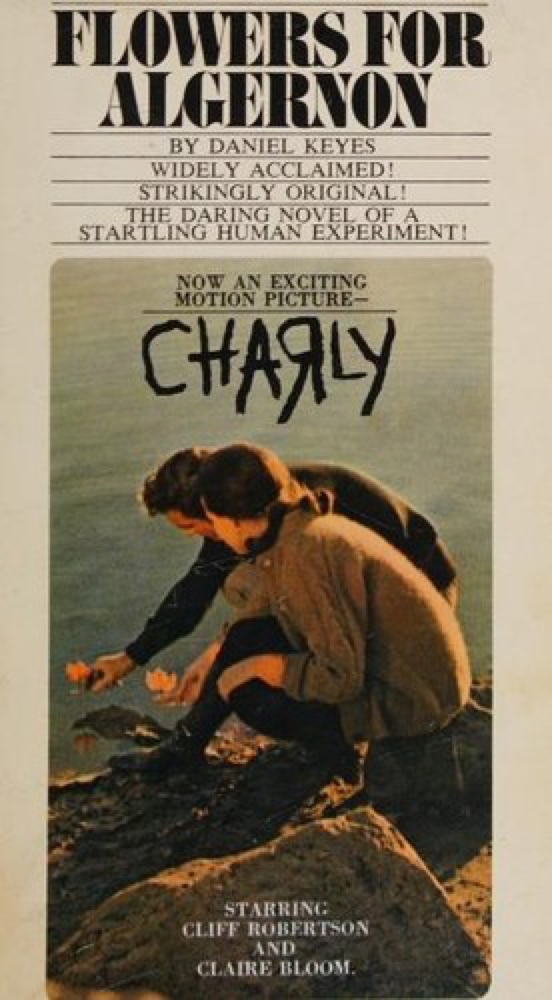 Flowers for Algernon