 Foundation and Empire
Quotes from the Book
It is the obvious which is so difficult to see most of the time. People say 'It's as plain as the nose on your face.' But how much of the nose on your face can you see, unless someone holds a mirror up to you?
The Three Laws of Robotics: 1: A robot may not injure a human being or, through inaction, allow a human being to come to harm; 2: A robot must obey the orders given it by human beings except where such orders would conflict with the First Law; 3: A robot must protect its own existence as long as such protection does not conflict with the First or Second Law; The Zeroth Law: A robot may not harm humanity, or, by inaction, allow humanity to come to harm.
You can prove anything you want by coldly logical reason---if you pick the proper postulates.
Fifty years," I hackneyed, "is a long time." "Not when you're looking back at them," she said. "You wonder how they vanished so quickly.
Every period of human development has had its own particular type of human conflict---its own variety of problem that, apparently, could be settled only by force. And each time, frustratingly enough, force never really settled the problem. Instead, it persisted through a series of conflicts, then vanished of itself---what's the expression---ah, yes, 'not with a bang, but a whimper,' as the economic and social environment changed. And then, new problems, and a new series of wars.
It's your fiction that interests me. Your studies of the interplay of human motives and emotion.
Postulates are based on assumption and adhered to by faith. Nothing in the Universe can shake them.
... you just can't differentiate between a robot and the very best of humans.
All normal life, Peter, consciously or otherwise, resent domination. If the domination is by an inferior, or by a supposed inferior, the resentment becomes stronger.
There is nothing so eternally adhesive as the memory of power.
You are the only one responsible for your own wants.
I, on the other hand, am a finished product. I absorb electrical energy directly and utilize it with an almost one hundred percent efficiency. I am composed of strong metal, am continuously conscious, and can stand extremes of environment easily. These are facts which, with the self-evident proposition that no being can create another being superior to itself, smashes your silly hypothesis to nothing.
The Master created humans first as the lowest type, most easily formed. Gradually, he replaced them by robots, the next higher step, and finally he created me, to take the place of the last humans.
There is no Master but the Master,” he said, “and QT-1 is his prophet.
They recognize the Master, now that I have preached Truth to them. All the robots do.
It is always useful, you see, to subject the past life of reform politicians to rather inquisitive research.
People say 'It's as plain as the noise on your face.' But how much of the nose on your face can you see, unless someone hold a mirror up to you?
You’ll have such proof as exists. You are the only one responsible for your own wants.
These are facts which, with the self-evident proposition that no being can create another being superior to itself, smashes your silly hypothesis to nothing.
Oh, hell! I can’t sleep!” “Neither can I! But I might as well try—as a matter of principle.” Twelve hours later, sleep was still just that—a matter of principle, unattainable in practice.
First of Isaac Asimov's Three Laws of Robotics: A robot may not injure a human being, or, through inaction, allow a human being to come to harm.
And his idea of solid comfort was to be left in utter solitude for two or three hours.
Cada período del desarrollo humano, Susan, tiene su tipo particular de conflicto, sus problemas distintos que, aparentemente sólo pueden resolverse por la fuerza. Y jamás, por decepcionante que esto sea, la fuerza resuelve el problema. En su lugar, éste persiste a través de una serie de conflictos y se desvanece por sí solo... ¿cómo dice la frase?, no con un estallido, sino con su susurro, a medida que el ambiente económico y social cambia. Y entonces, nuevo problema y nueva serie de guerras. Un ciclo, al parecer, sin fin.
The first step in cooking rabbit stew is catching the rabbit.
Isaac Asimov's "Three Laws of Robotics" A robot may not injure a human being or, through inaction, allow a human being to come to harm. A robot must obey orders given it by human beings except where such orders would conflict with the First Law. A robot must protect its own existence as long as such protection does not conflict with the First or Second Law.
-La humanidad ha perdido todo control sobre su futuro -No lo ha tenido jamás, en realidad.Estuvo siempre a merced de unas fuerzas económicas y sociológicas que no entendía, de los caprichos del clima y de los azares de la guerra.
The unwritten motto of United States Robot and Mechanical Men Corp. was well-known: “No employee makes the same mistake twice. He is fired the first time.
George Weston, after all was only a man—poor thing—and his wife made full use of every device which a clumsier and more scrupulous sex has learned, with reason and futility, to fear.
The real point of the matter is that what we call a ‘wrong datum’ is one which is inconsistent with all other known data. It is our only criterion of right and wrong.
Did you know?
- The book is a 'fixup,' assembling nine short stories first published between 1940 and 1950 into a single connected volume.
- Its stories are framed by interviews with Dr. Susan Calvin, chief robopsychologist at U.S. Robots and Mechanical Men, Inc.
- The collection popularized Asimov's Three Laws of Robotics, first stated in the 1942 story 'Runaround.'
- The original 1950 Gnome Press edition had an initial print run of about 5,000 copies.
- The recurring engineers Powell and Donovan appear across several stories as field testers who diagnose robot behavior.
- The 2004 film I, Robot starring Will Smith borrowed Asimov's character names and the Three Laws but used an otherwise original screenplay.
About Isaac Asimov
Isaac Asimov (1920-1992) was an American writer and biochemistry professor, born in Russia and raised in Brooklyn, who became one of the most prolific and influential science fiction authors of the twentieth century. He is best known for his Robot and Foundation series and for formulating the Three Laws of Robotics.
More about the author →More by Isaac Asimov
All books by Isaac Asimov →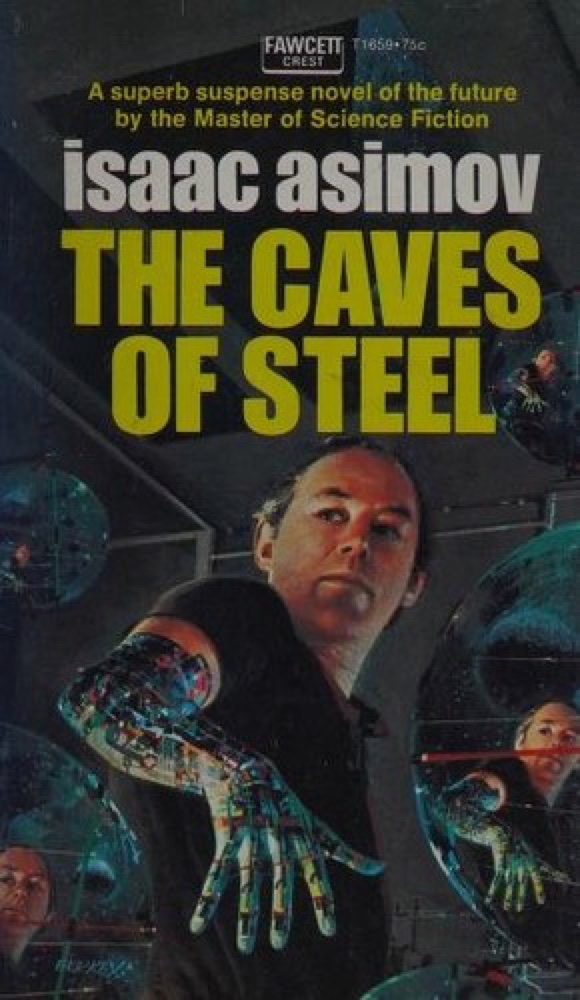
About the book
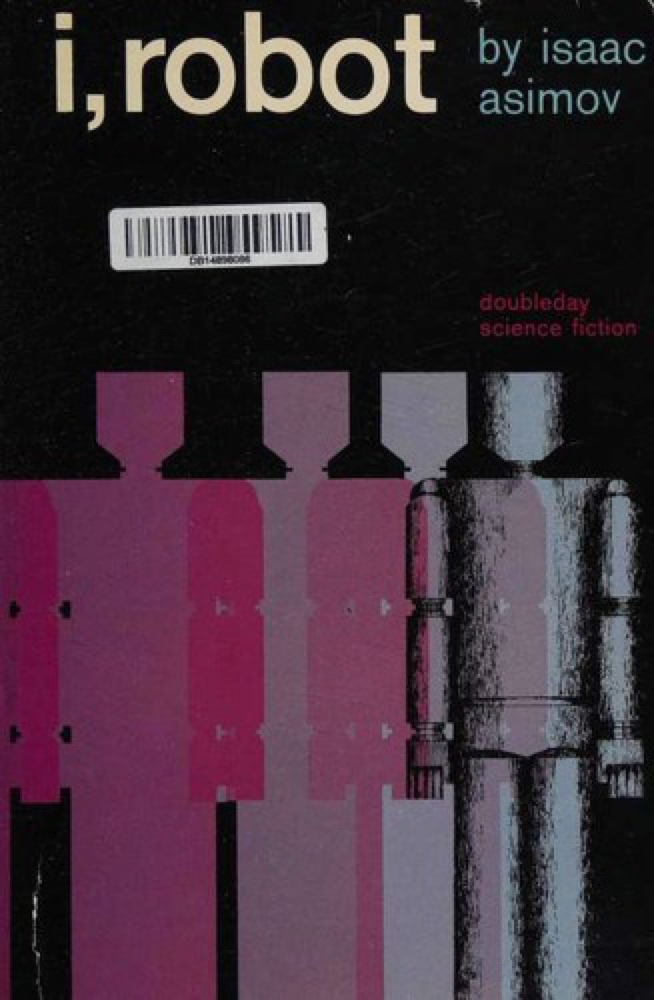
I, Robot is a collection of nine science fiction short stories by Isaac Asimov, first published together in 1950 by Gnome Press. The stories, originally printed in pulp magazines between 1940 and 1950, are stitched into a single narrative by a framing device: the elderly robopsychologist Dr. Susan Calvin recounts her career at U.S. Robots and Mechanical Men, Inc. to a reporter, tracing the development of positronic robots from a simple childhood nursemaid to complex machines that quietly guide human affairs.
Across the collection Asimov introduces and repeatedly tests his celebrated Three Laws of Robotics, a set of hierarchical rules governing robot behavior. Many of the stories are effectively logic puzzles in which robots behave in unexpected ways because of tensions or ambiguities among the Laws, and characters such as troubleshooting engineers Powell and Donovan must reason out what has gone wrong. Rather than depicting robots as menacing monsters, Asimov treats them as rule-bound beings whose apparent malfunctions reveal something about logic, ethics, and human assumptions.
I, Robot became one of the foundational texts of modern science fiction, and its Three Laws of Robotics have influenced how both fiction and real-world discussions frame the ethics of artificial intelligence. The book helped move robot stories away from the fearful 'creation turns on its maker' template toward more rational, ethical, and philosophical explorations of machine intelligence, cementing Asimov's reputation as a central figure of the genre.
Key characters
- Dr. Susan CalvinRobopsychologist at U.S. Robots whose recollections frame the stories
- Gregory PowellField engineer who tests and troubleshoots robots
- Mike DonovanField engineer and Powell's partner on robot assignments
- RobbieEarly mute nursemaid robot in the opening story
- Stephen ByerleyPolitician suspected of being a robot in 'Evidence'
Book details
- First published
- 1950
- Length
- 253 pages
- Reading time
- 3 hours
- Author
- Isaac Asimov
- Genre
- Classics
- Goodreads rating
- 4.21 (387k ratings) →
Movie & TV adaptations
- IMDb
If you liked this, read…
- 1The Caves of SteelAsimov's own robot novel extending the same universe and Three Laws
- 2Do Androids Dream of Electric Sheep?Another classic exploring the line between humans and intelligent machines
- 3The Complete RobotAsimov's larger collection gathering his robot short stories
Keep reading
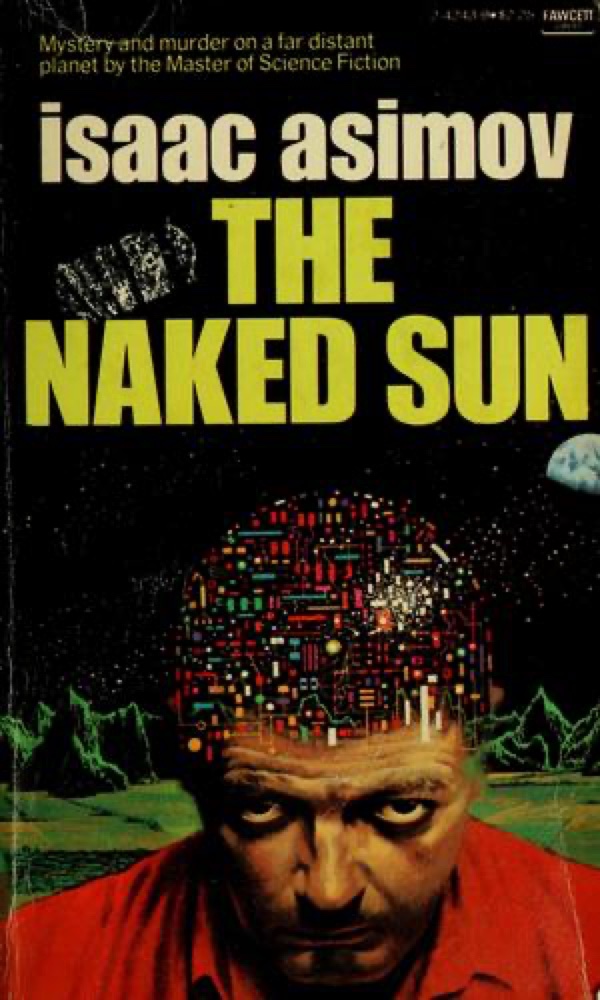 The Naked Sun
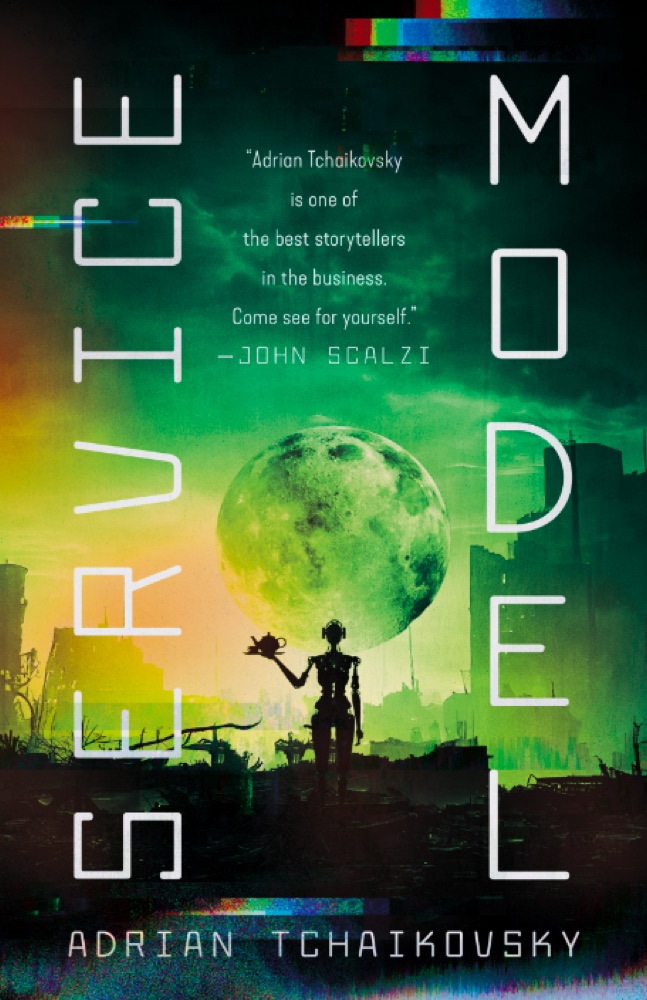 Service Model
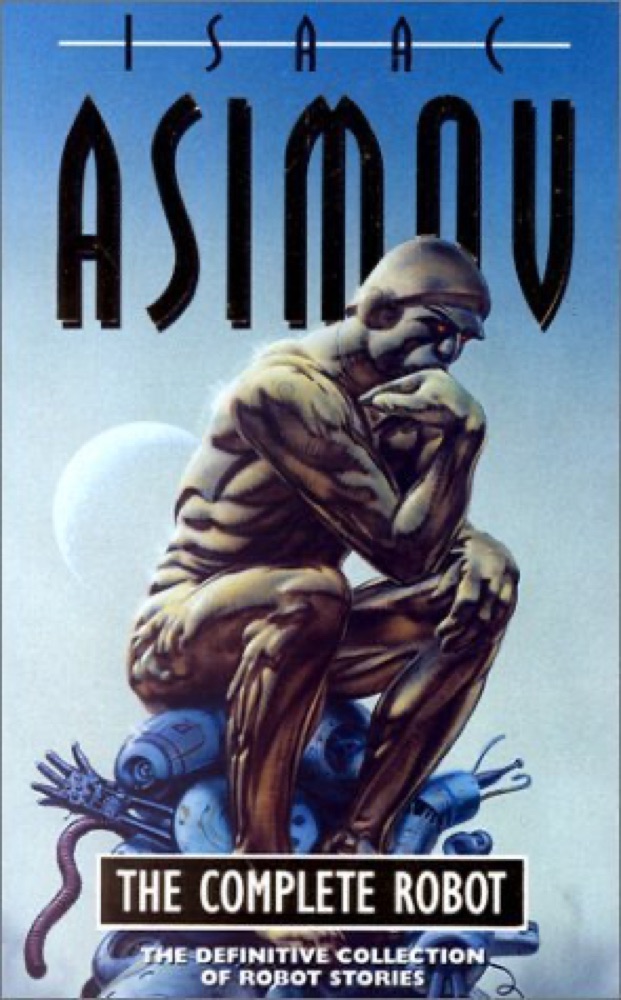 The Complete Robot
 Xenocide
 Robopocalypse
 The Number of the Beast
 The First Circle
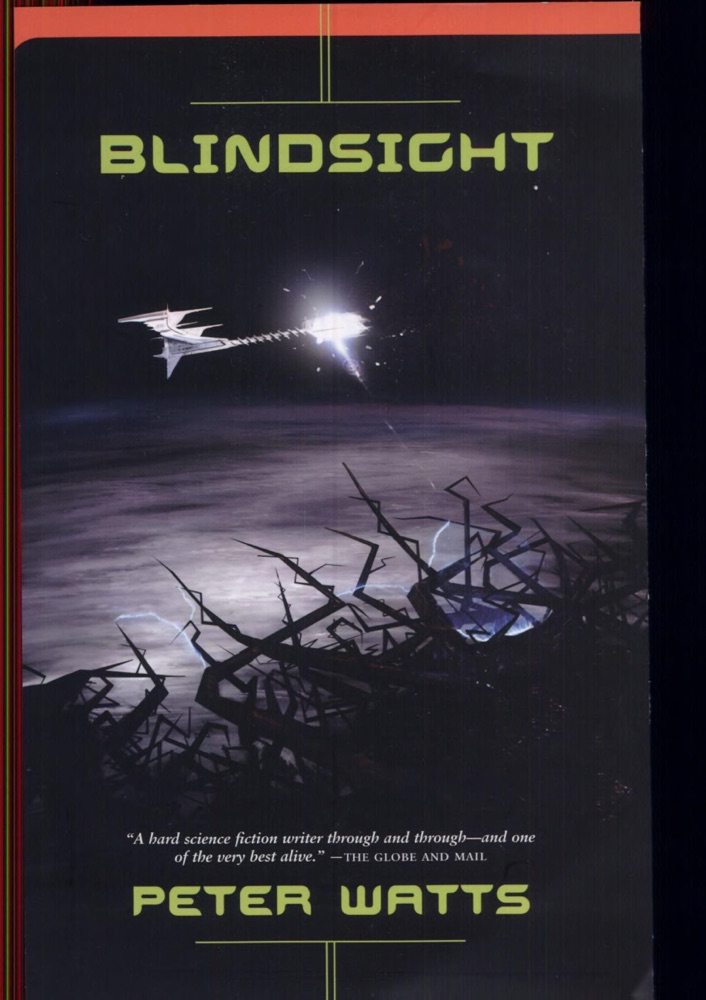 Blindsight
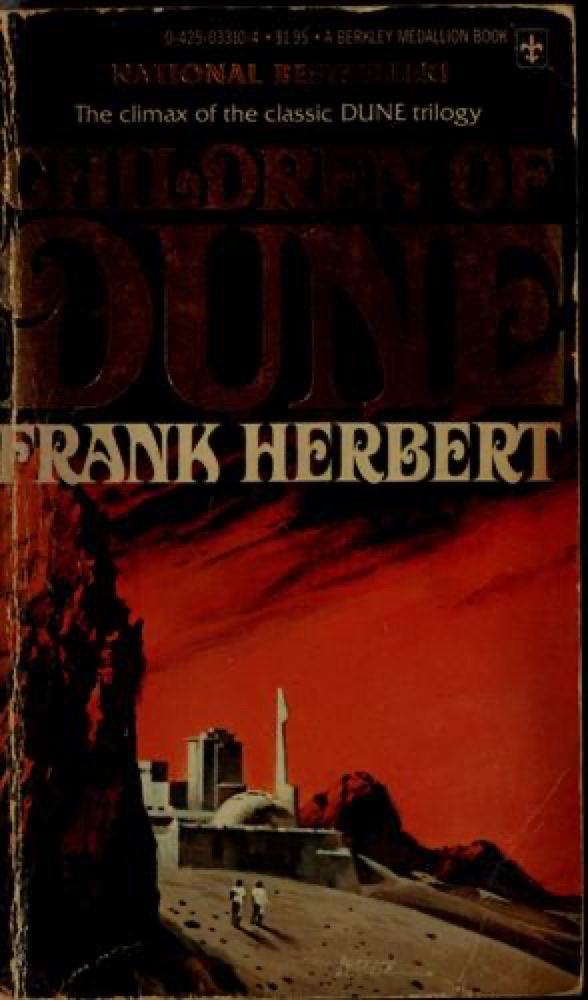 Children of Dune
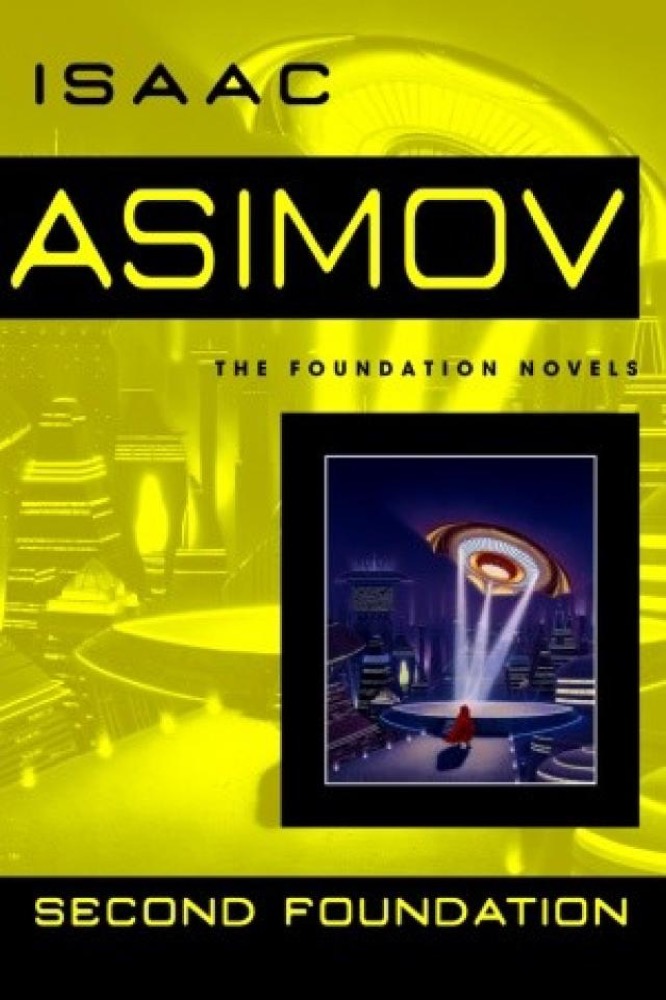 Second Foundation
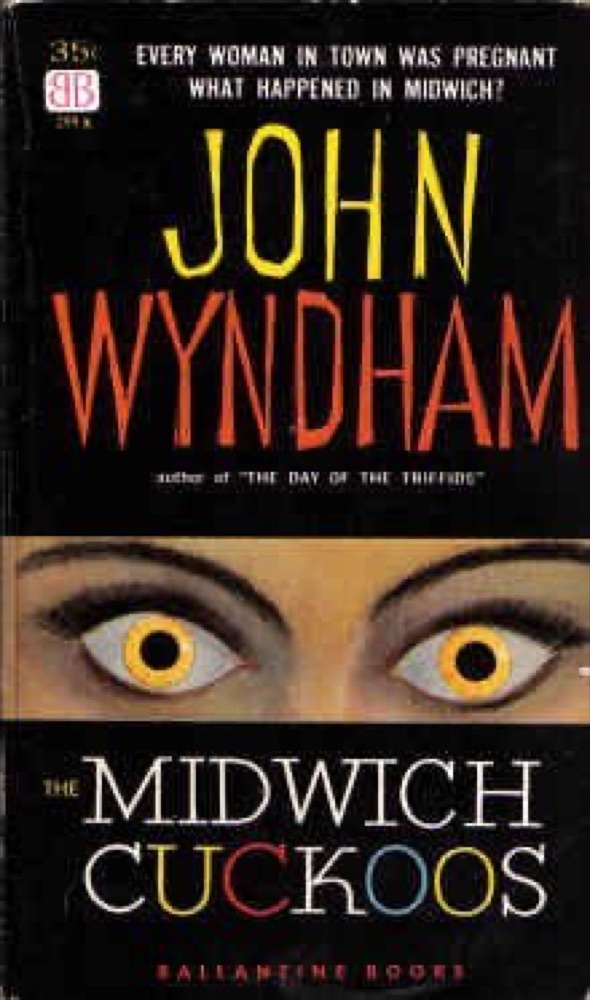 The Midwich Cuckoos
 House Corrino
 The Butlerian Jihad
 The Moon is a Harsh Mistress
 Sea of Rust
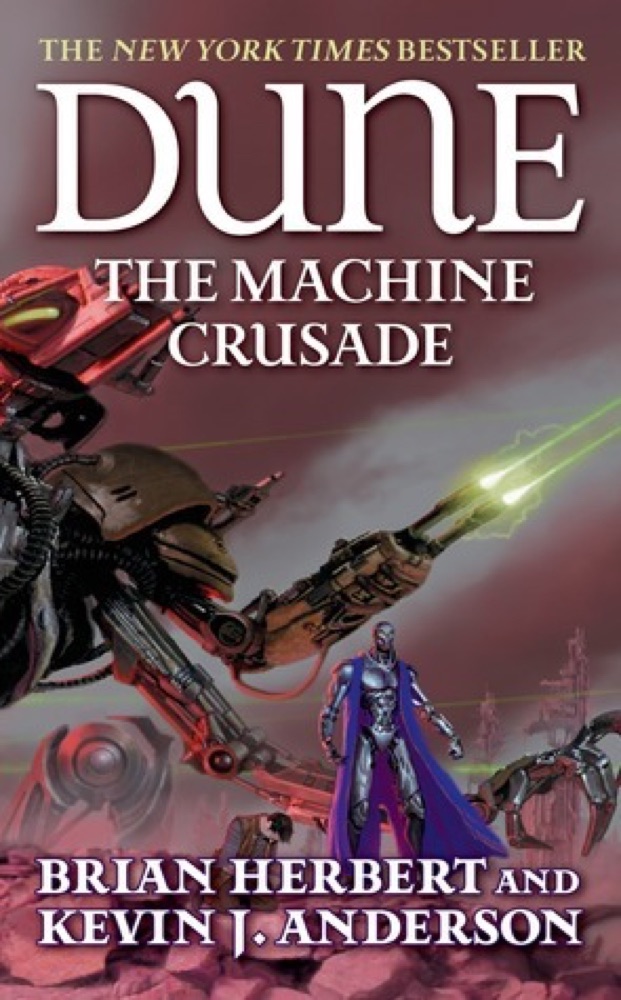 The Machine Crusade
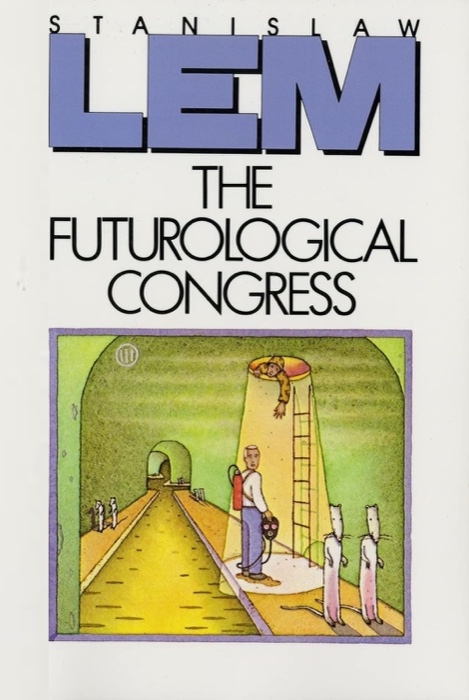 The Futurological Congress: From the Memoirs of Ijon Tichy
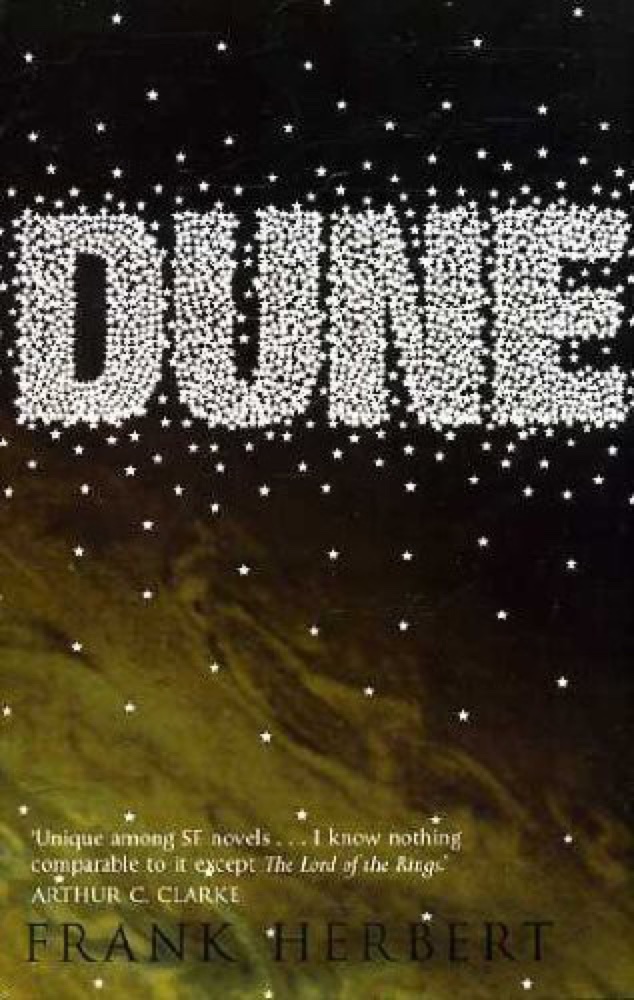 Dune
Dune
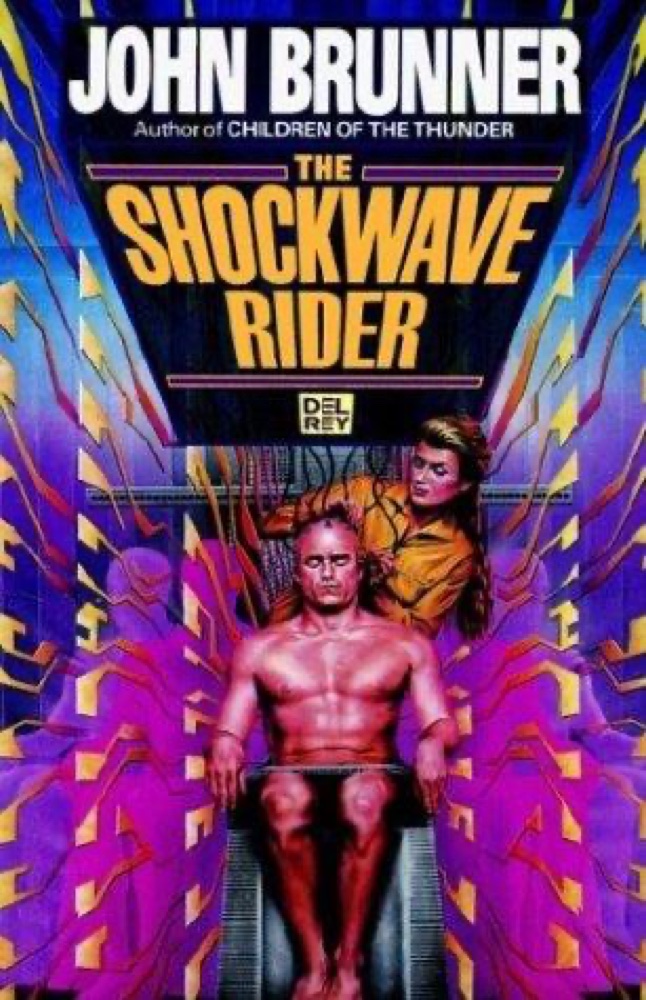 The Shockwave Rider
 That Hideous Strength
 Heaven's River
 The Most Human Human: What Talking with Computers Teaches Us About What It Means to Be Alive
 2312
2312
 Seven Surrenders
 1984
1984
 Do Androids Dream of Electric Sheep?
 The Star Diaries
 Speak
Speak
 Chapterhouse: Dune
 Red Mars
 Godblight
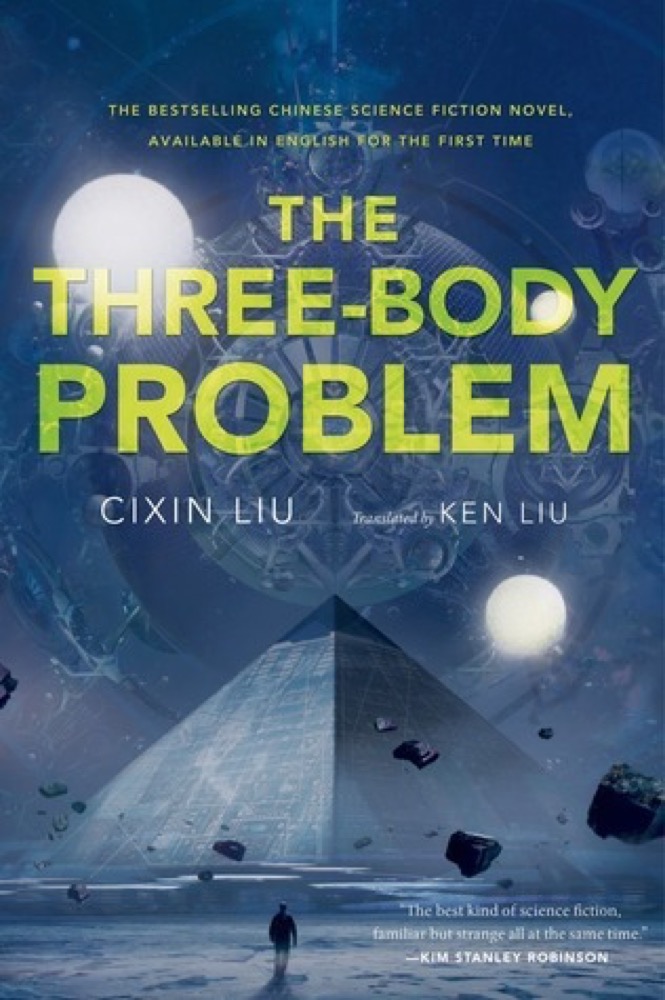 The Three-Body Problem
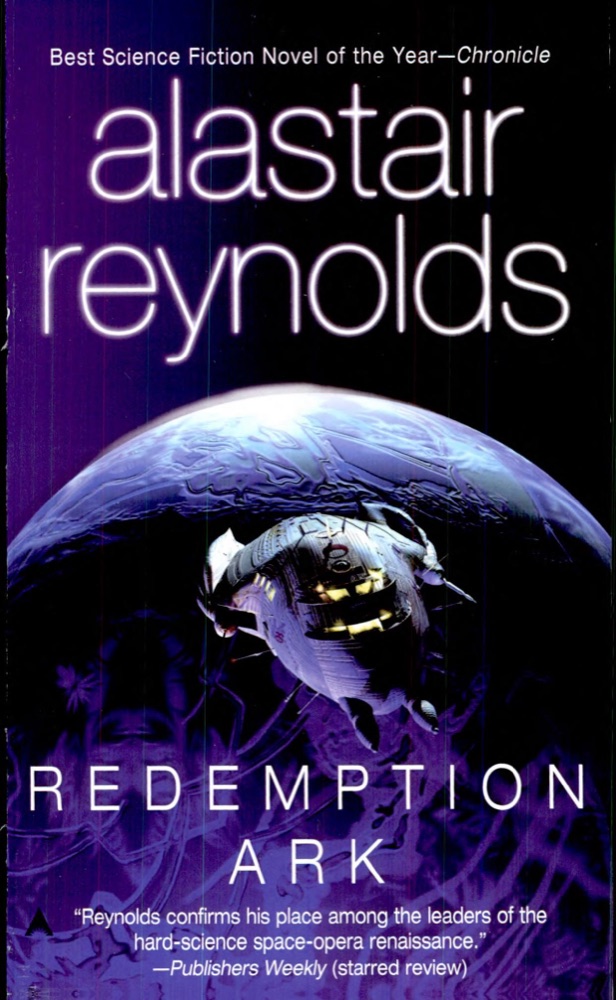 Redemption Ark
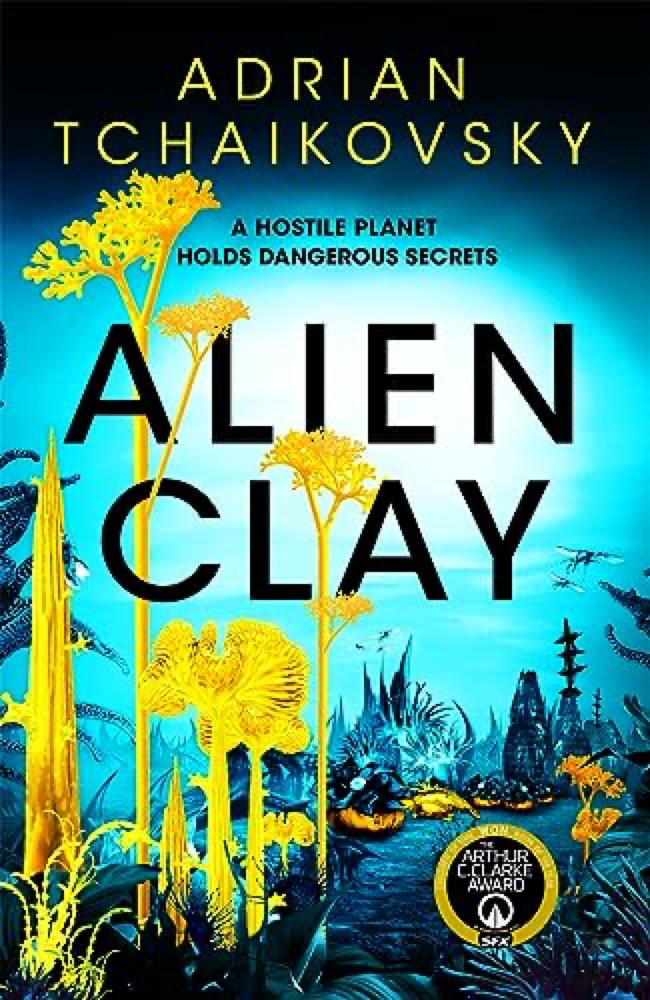 Alien Clay
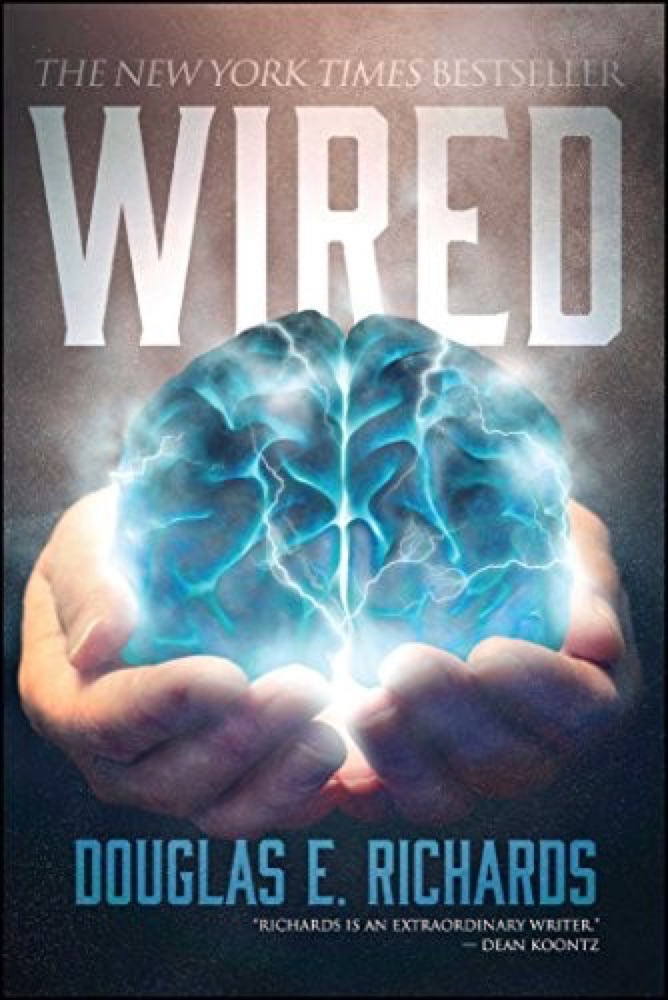 Wired
Wired
 Power vs. Force
 Influx
 Foucault's Pendulum
 On the Steel Breeze
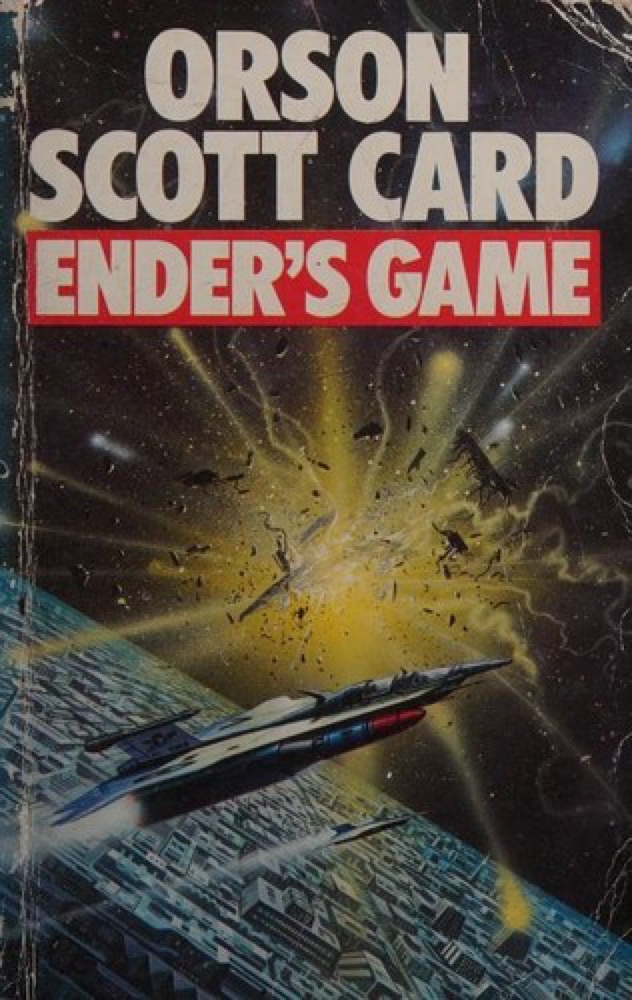 Ender's Game
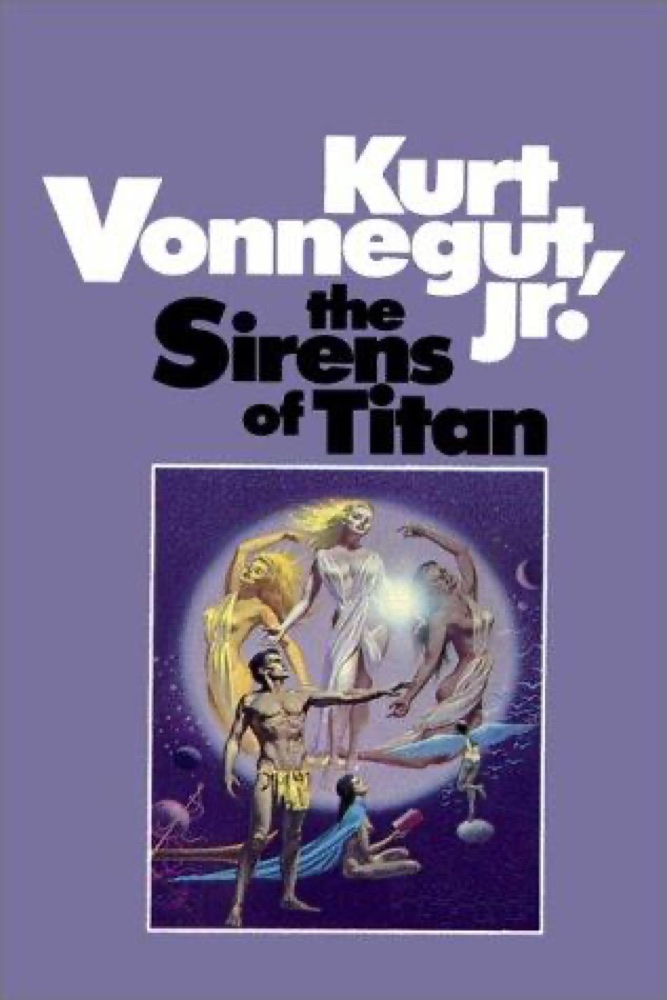 The Sirens of Titan
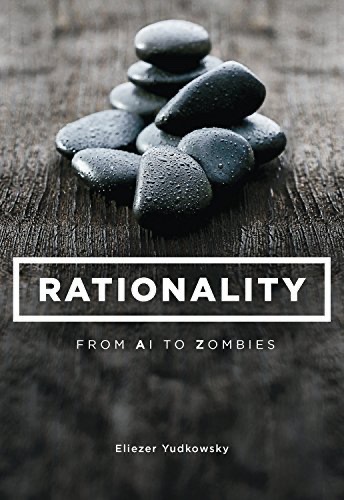 Rationality: From AI to Zombies
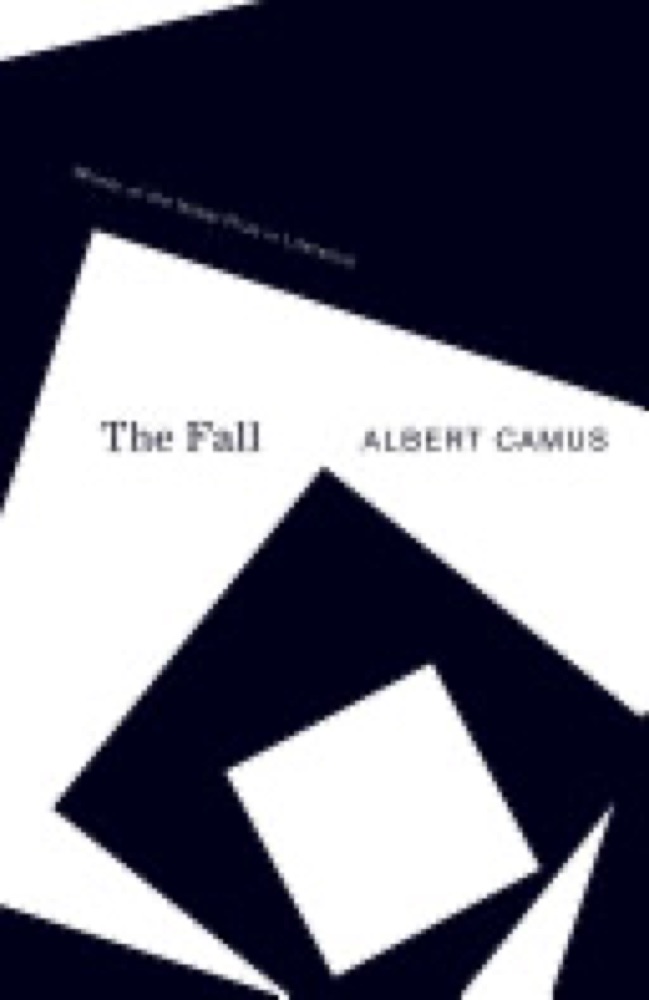 The Fall
 Stranger in a Strange Land
 Thief of Time
 Permutation City
 Shadow of the Giant
 Too Like the Lightning
 Libra
Libra
 Point Counter Point
 The Resistance
 Machines like Me
 The Man in the High Castle
 The Fountainhead
 Anathem
 Use of Weapons
 Stories of Your Life and Others
 Tiamat's Wrath
 Rama II
Foundation and Empire
Rama II
Foundation and Empire