
 Divisadero
Quotes from the Book
And isn't that strange, she thought, the way one city can swirl inside another; the way you can be in one country yet carry another country in your skin; the way a place is changed by whoever comes to it, the way silt invades the body of a river.
5
She wondered why no one saw through her disguise. Perhaps people could see only what they expected, what fit inside their vision, as if human vision came in precut shapes more narrow than the world itself, and this allowed her to hide in plain sight.
4
It was still, at the root, the same dance: the same two bodies, connecting, gliding together, two aching souls reaching for each other and finding more than could be told. And then, in the fourth song, or maybe it was the fifth, they switched roles, without speaking, their bodies deciding, hands moving from waist to shoulder or shoulder to waist and pouring the dance in the opposite direction, which was, they discovered, not an opposite at all but a continuation of the very same dance, the same essential language of the body, of two bodies wishing to be one, forming a kinetic poem out of longing.
3
...if you don't script your own way once and for all, your story will be written by someone else, and your actions will be guided by other people's dreams of who you should be rather than by the bright jagged thing you really are.
2
Rosa leaned forward. 'We don't have the least idea what life can be.' 'We don't?' 'No.' 'Then how do we find out?' Rosa wiped tears from Dante's face with her fingers. The gesture was firm as it was tender. 'We plunge.
2
A music born among children of slaves is like an orphan: it will never know its real parents, will never hear the full visceral story of its birth.
2
Music, arrow to pierce all barriers. Music, the great equalizer. Music, invader of centuries. Nectar of demons, whiskey flask of God.
2
As if music could be crushed like a condemned building or a stubborn anarchist. But it could not. It always rose and returned, vital, immense, fortified by new instruments, new shapes, new musicians crazy enough to give their lives to it like underground, unsanctioned priests.
2
She didn't mind the sacrifice. It seemed enough for a life, to give yourself to music the way nuns give themselves to God. To vow. To surrender. Only music, after all, made life bearable. Only with music did she feel--what was it? Free? Happy? No, it was something else. Awake.
2
He does not look at the dancers, does not acknowledge her, sitting and staring. He is steeped in a private aural world. He drew out longer notes than her papa ever had; he was more forceful with the bow; she hadn't known the violin contained such wildness. She was reminded of the tarantella, which skipped along its notes and pulled you upward; out of yourself, come and play! But these pieces, these tangos, didn't only lift; they also plunged you downward, deep inside yourself, to the unexamined corners of your heart. Come, they whispered, come and look, see what's here and dance with it, this is music too.
2
So that's all we're doingoing here now? Catering to the rich?' 'We'really here for the tango,' Santiago said. 'Our music will reach far more people because we'really here' 'And the workers? The tango came from us, it belongs to us!
1
Palo's three older brothers had died in the Paraguayan War, conscripted by the Argentinian government, taken off by force along with all the black men of their generation, because, Palo told young Santiago, they needed a way to not only win their war but also rid this country of us in the process, two birds with one stone. Buenos Aires was too black for them, one third of the population, that's enough blackness to swallow you up! to get strong on you! and so they sent our fathers off to war and opened floodgates to European steamships so that white men would pour into the city to replace us, and their plan worked, the bastarda, look at our city now.
1
That's what happens to melodies: they get lost in the air. Just like memories. And the body. Memories and melodies and the body dissolve after we die. A musical instrument is not like the body, not at all: like the soul, it carries on.
1
It was her grandfather who'd told her the tale of this particular violin, over and over, as if the telling could stave off loss, as if the weight and scope of human history were not found in books or in those mythic universities in Rome and Naples that no one in their village had ever seen but, rather, were encoded in objects like this one, a violin touched by hundreds of hands, loved, used, stroked, pressed, made to outlive its owners, storing their secrets and lies
1
Le tango est à nous. Rappelle-toi ça, rappelle-toi d'où il vient. Pour chaque personne qui connaît ses racines, il y en a cent qui ne les connaissent pas. Et peut-être qu'un jour ceux qui savent auront tous disparu. Mais le secret vivra toujours, son coeur bat dans les percussions et dans son rythme syncopé.
If you don't script your own way once and for all, your story will be written by someone else, and your actions will be guided by other people's dreams of who you should be rather than by the bright jagged thing you really are.
there was music . . . after church and food, like the third point in a holy trinity
candombe, the music of black people . . . music played on drums built with cast-off barrels, whose rhythms interlocked to form a tight vast sound
milongas, those fast joyful songs that could fill a filthy alley with dancers more quickly than honey could draw flies
habaneras, sparked by sailors freshly arrived from Cuba who . . . drummed their blood-quickening beats with their knuckles on every surface they could find
payadas, sung by pairs of country men who knew the life of gauchos and horses abd lassos and dirt, who battled each other through song, caught up in a duel of wits, brandishing guitars and verses spit from their mouths
You use what you have,” La Strega said. “To ward off chaos. And chaos is everywhere.
Leda arrivò in Argentina il 4 febbraio 1913, su un piroscafo che solo venti giorni prima aveva visto sparire l’Italia (..)”. “Sono morta (..)” dice di se stessa. “(…) lasciandosi alle spalle il baule che aveva portato dall’Italia con i suoi abiti (…) vestigia di una donna che non c’era più”. “non c’era nessuno che la vedesse come realmente era (…) nascondendo la sua identità le sembrava di non essere più vista, o di essere vista a metà (..) Era felice che nessuno potesse vederla (…) La gente non vede ciò che non può immaginare e lei era immaginabile perfino a sé stessa (….) Forse era una cosa mostruosa”.
So that's all we're doing here now? Catering to the rich?' 'We're here for the tango,' Santiago said. 'Our music will reach far more people because we're here.' 'And the workers? The tango came from us, it belongs to us!
Watch on YouTube
About Carolina De Robertis
We have collected 24 quotes from 1 book by Carolina De Robertis on BookQuoters.
More about the author →About the book
From one of the leading lights of contemporary Latin American literature—a lush, lyrical, deeply moving story of a young woman whose passion for the early sounds of tango becomes a force of profound and unexpected change.
February 1913: seventeen-year-old Leda, carrying only a small trunk and her father’s cherished violin, leaves her Italian village for a new home, and a new husband, in Argentina. Arriving in Buenos Aires, she discovers that he has been killed, but she remains: living in a tenement, without friends or family, on the brink of destitution. Still, she is seduced by the music that underscores life in the city: tango, born from lower-class immigrant voices, now the illicit, scandalous dance of brothels and cabarets. Leda eventually acts on a long-held desire to master the violin, knowing that she can never play in public as a woman. She cuts off her hair, binds her breasts
Book details
- First published
- 2015
- Author
- Carolina De Robertis
- Genre
- Historical
- Goodreads rating
- 4.08 (3k ratings)
Keep reading
Divisadero
 Orfeo
Orfeo
 Amulet
 The House of the Spirits
 The Queen of the Night
 Instrumental: A Memoir of Madness, Medication and Music
 Bel Canto
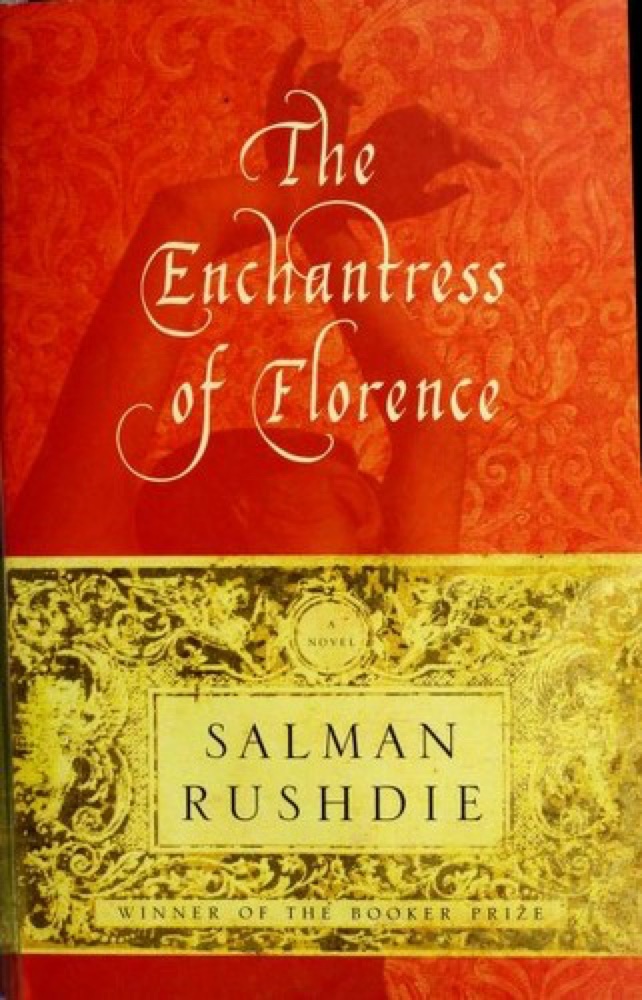 The Enchantress of Florence
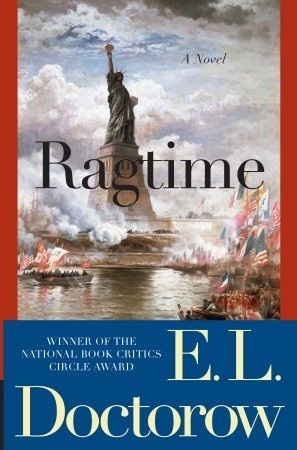 Ragtime
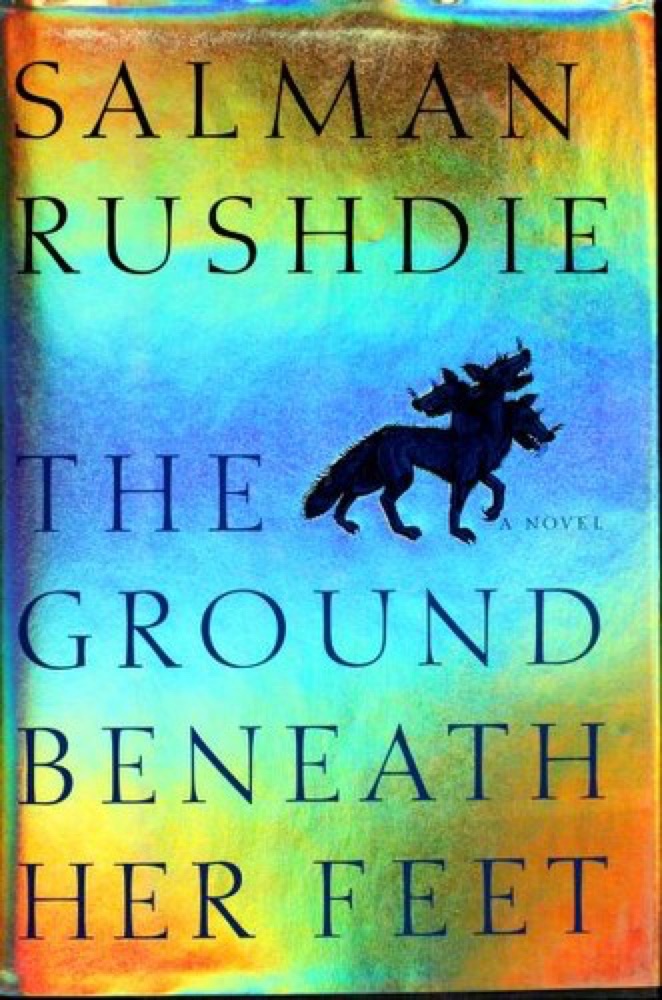 The Ground Beneath Her Feet
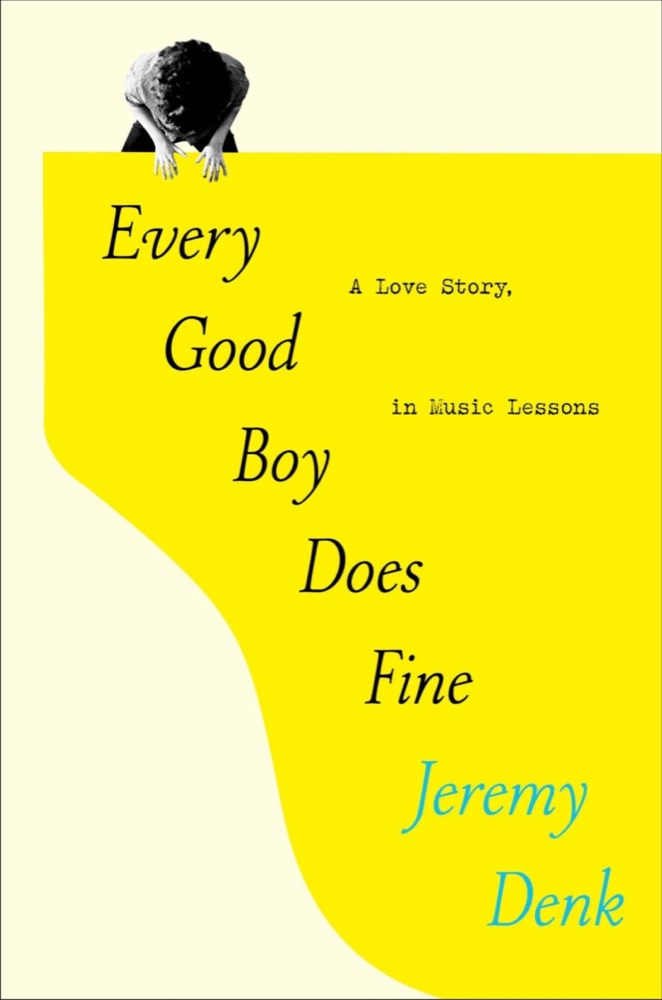 Every Good Boy Does Fine: A Love Story, in Music Lessons
 Independent People
 Signs Preceding the End of the World
 Beach Music
 Suite Française
 Dreaming in Cuban
 The Last Rose of Shanghai
 The Adventures of China Iron
 What We All Long For
 White Tears
 Piece by Piece
 Soul Music
 The Song Is You
 The Magic Strings of Frankie Presto
 Singin' and Swingin' and Gettin' Merry Like Christmas
 Gods of Jade and Shadow
 The Eighth Life
 Fugitive Pieces
 The Bronzed Beasts
 House Made of Dawn
 A Luminous Republic
 Illuminations
 The Moor's Last Sigh
 The Time in Between
 My Broken Language
 Skinny Legs and All
 A General Theory of Oblivion
 What Is Not Yours Is Not Yours
 The Violin Conspiracy
 The Ballad of the Sad Café and Other Stories
 The Angel Esmeralda
 The Volcano Lover: A Romance
 The Telling Room: A Tale of Love, Betrayal, Revenge, and the World's Greatest Piece of Cheese
 Palimpsest
 A Spy in the House of Love
 A Song Flung Up to Heaven
 Traveler of the Century
 Last Night in Montreal
 The Secret Piano: From Mao's Labor Camps to Bach's Goldberg Variations
 The Narrow Road Between Desires
 Sea of Poppies
 Four Souls
 Love
Love
 Tar Baby
 The Song of the Lark
 Gertrude
 A Long Petal of the Sea
 Sixty Stories
 Underworld
 Anansi Boys