
 The House of the Spirits
Quotes from the Book
Pain is unavoidable, but suffering is optional.
50
Nothing can grow in the shade of secrets, she would say, love needs light and space to flourish.
32
We have to defend democracy, but remember that not everything is politics. Without science, industry, and technology, no progress is possible, and without music and art, there's no soul.
30
Going around in a sulk will get you nowhere. Pain is unavoidable, but suffering is optional.
11
My heart is broken, he told himself. It was at that moment he understood the profound meaning of that common phrase: he thought he heard the sound of glass breaking and felt that the essence of his being was pouring out until he was empty, with no memory of the past, no awareness of the present, no hope for the future.
9
The deep Chile of the fascists had always been there, beneath the surface, just waiting to emerge. It was the triumph of the arrogant Right, the defeat of the people who believed in that utopian revolution.
9
So much hatred, so much cruelty . . . I don't understand,' said Victor. His mouth was dry and the ords stuck in his throat. 'We can all turn into savages if we're given a rifle and an order,' said another prisoner who had come over to them.
8
although they knew this was a mere formality. Victor felt relieved: if one lives long enough, circles close.
6
There was no defense against the shells, he said, but they had calculated that three volumes of philosophy could stop bullets.
6
The poet thought this was a splendid riposte, and so accepted him on board, together with fishermen, farm and factory workers, manual laborers, and intellectuals as well, despite instructions from his government to avoid anyone with ideas.
6
Maybe the war against this cancer is lost, but meanwhile we can win a few battles.
6
Se repetía la metáfora del abedul, que se dobla ante la tempestad, pero no se quiebra.
5
Take note: If little by little you stop loving me, I’ll stop loving you little by little. If suddenly you forget me Don’t come looking for me, I’ll already have forgotten you. —PABLO NERUDA “If you forget me” THE CAPTAIN’S VERSES
5
Ese día de verano, 4 de agosto de 1939, en Burdeos, quedaría para siempre en la memoria de Víctor Dalmau, Roser Bruguera y otros dos mil y tantos españoles que partían a ese país larguirucho de América del Sur, aferrado a las montañas para no caerse al mar, del que nada sabían. Neruda habría de definirlo como un «largo pétalo de mar y vino y nieve…» con una «cinta de espuma blanca y negra
5
Without science, industry, and technology, no progress is possible, and without music and art, there’s no soul,
4
He had always suspected that on her travels she had taken a lover, or perhaps even several, but the confirmation of this longstanding, serious love awoke in him retrospective jealousy that would have destroyed the happiness of the moment had Roser allowed it. With her implacable common sense, she showed him that she had not robbed him of anything to give to Aitor. She had not loved him any the less, because that love was always hidden in another chamber of her heart and didn't interfere with the rest of her life.
4
A las treinta y ocho horas sin comer ni dormir, tratando de darle agua de beber a un chico adolescente que se estaba muriendo en sus brazos, algo se le reventó a Victor en el pecho. «Se me rompió el corazón», musitó. En ese momento entendió el significado profundo de esa frase, creyó escuchar un sonido de cristal quebrado y sintió que la esencia de su ser se derramaba e iba quedando vacío, sin memoria del pasado, sin consciencia del presente, sin esperanza para el futuro.
4
It made her feel sorry for her husband: she was discovering how vulnerable to flattery a conceited old man could be.
3
She embellished the facts because she was aware that life is how we tell it, so why would she jot down trivia?
3
About Isabel Allende
Isabel Allende Llona is a Chilean-American novelist who writes in the "magic realism" tradition and is considered one of the first successful women novelists in Latin America. She often draws on her own experiences and focuses on the lives of women, weaving myth and realism together. She adopted U.S. citizenship in 2003 and resides in California.
More about the author →More by Isabel Allende
All books by Isabel Allende →

About the book
"A Long Petal of the Sea" is a historical novel by the Chilean-American writer Isabel Allende. Opening at the height of the Spanish Civil War in the late 1930s, it follows two young people fleeing the aftermath of Franco's Fascist victory: Roser, a pregnant young widow, and Victor Dalmau, an army doctor and the brother of her deceased love. To survive, the two enter a marriage neither of them desires. Together with some two thousand other refugees, they escape across the Pyrenees into France and eventually board the SS Winnipeg, a ship chartered by the poet Pablo Neruda, bound for Chile, "the long petal of sea and wine and snow."
The novel is preoccupied with exile, displacement, and the long shadow that political violence casts over ordinary lives. Spanning more than fifty years and multiple continents, it traces its characters from the Spanish Civil War through decades in Chile, including the country's own upheaval under Pinochet, weaving together themes of love, endurance, reconciliation, adaptation, and forgiveness. Allende, who writes in a realist mode here with far fewer supernatural elements than in her earlier work, returns to the family-saga form and to the time and setting that launched her career, filtering sweeping history through intimate human experience.
Critics greeted the book as a return to familiar Allende territory. The Los Angeles Times noted that it marks a return to the world of "The House of the Spirits," with a more expansive engagement of revolution and exile. The Guardian described it as a sweeping historical saga told largely through episodic, omniscient narration covering half a century in a relatively short book, while The New York Times highlighted its grounding in the real humanitarian act of Pablo Neruda, who lobbied to save over 2,000 refugees aboard the Winnipeg. Some reviewers, including at The Washington Post, found the epic sentimental, and readers were divided between those who felt it was Allende at her best and those who found the density of history overwhelmed the characters.
Book details
- First published
- 2019
- Author
- Isabel Allende
- Genre
- Historical
- Goodreads rating
- 4.06 (117k ratings)
Keep reading
The House of the Spirits
 Arch of Triumph
 The Bridge of San Luis Rey
 Complete Works of Oscar Wilde
 The Enchantress of Florence
 One Hundred Years of Solitude
 Fall of Light
 Independent People
 The Narrow Road to the Deep North
 Howards End
 The Story of the Lost Child
 The Eighth Life
 The Long Way Home
 The First Man
 Romola
 The Longest Journey
 Nostromo
 The Book That Broke the World
 Mythology
 Oblomov
 The Leopard
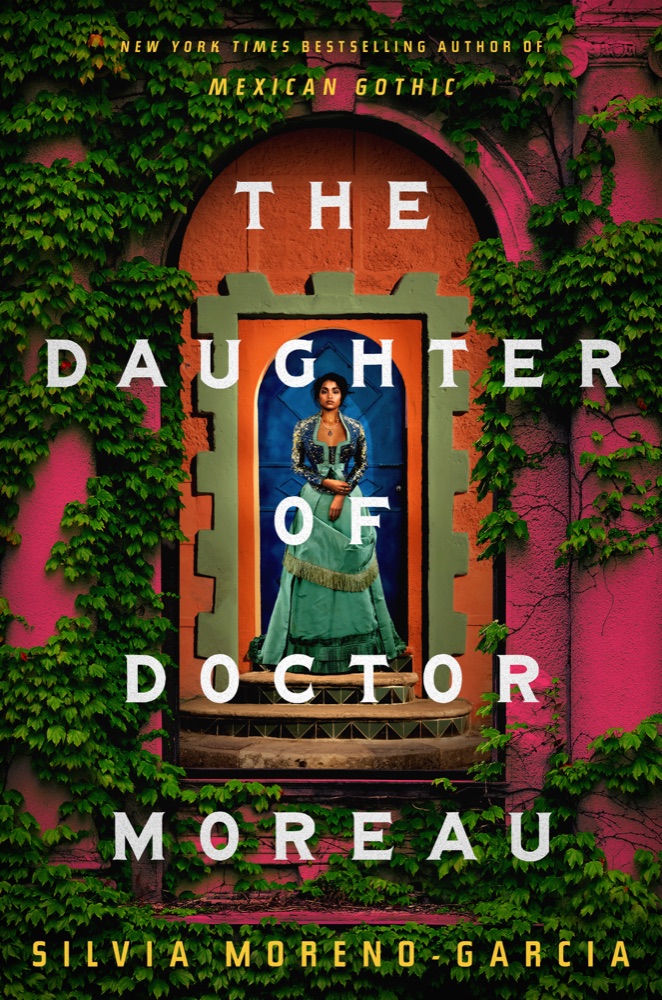 The Daughter of Doctor Moreau
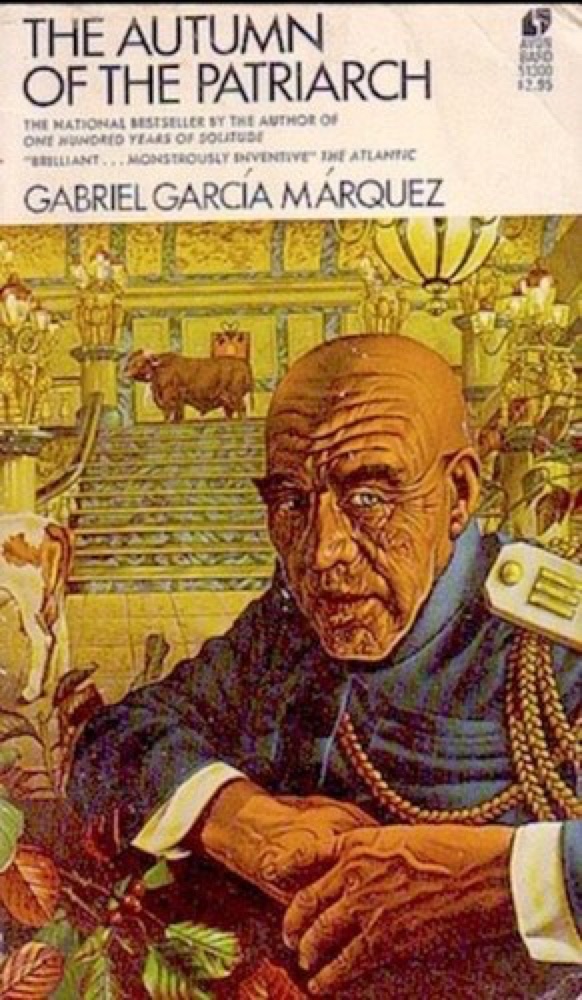 The Autumn of the Patriarch
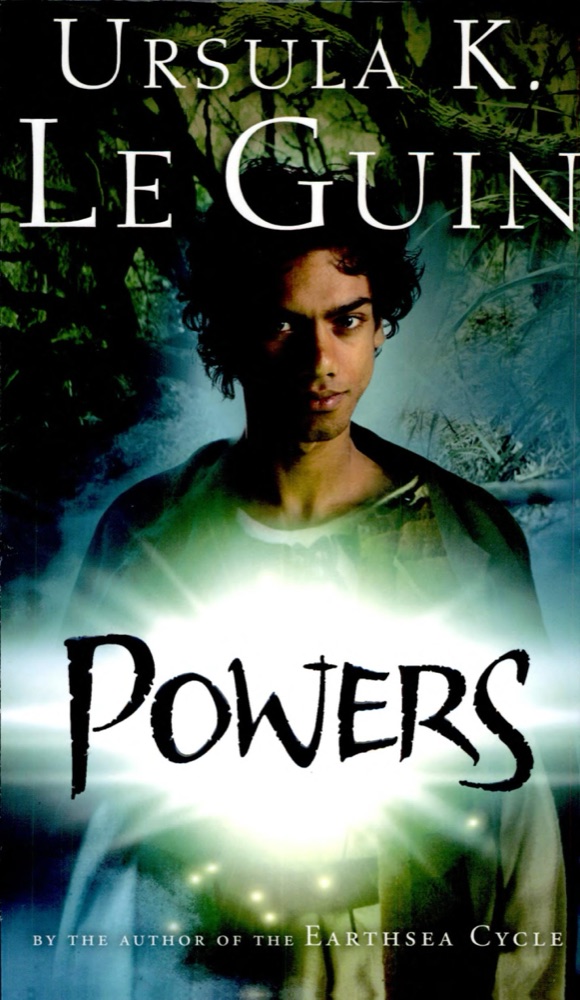 Powers
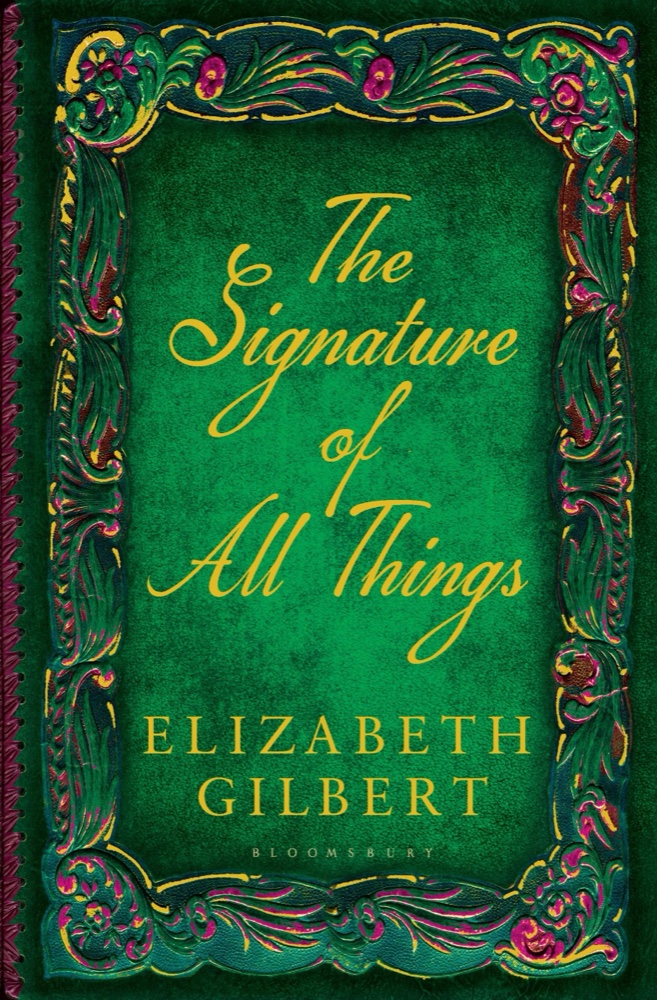 The Signature of All Things
 The Time in Between
 The Last Mortal Bond
 The Memoirs of Cleopatra
 10 Minutes 38 Seconds in This Strange World
 The Sailor Who Fell from Grace with the Sea
 The Fall of Babel
 Europe Central
 Night Flight
 Taltos
 A Rule Against Murder
 Forge of Darkness
 The Last Rose of Shanghai
 Held
Held
 The Book of Laughter and Forgetting
 Bel Canto
 Zeno's Conscience
 Light Years
 The Fencing Master
 A Soldier of the Great War
 The Devil in the Flesh
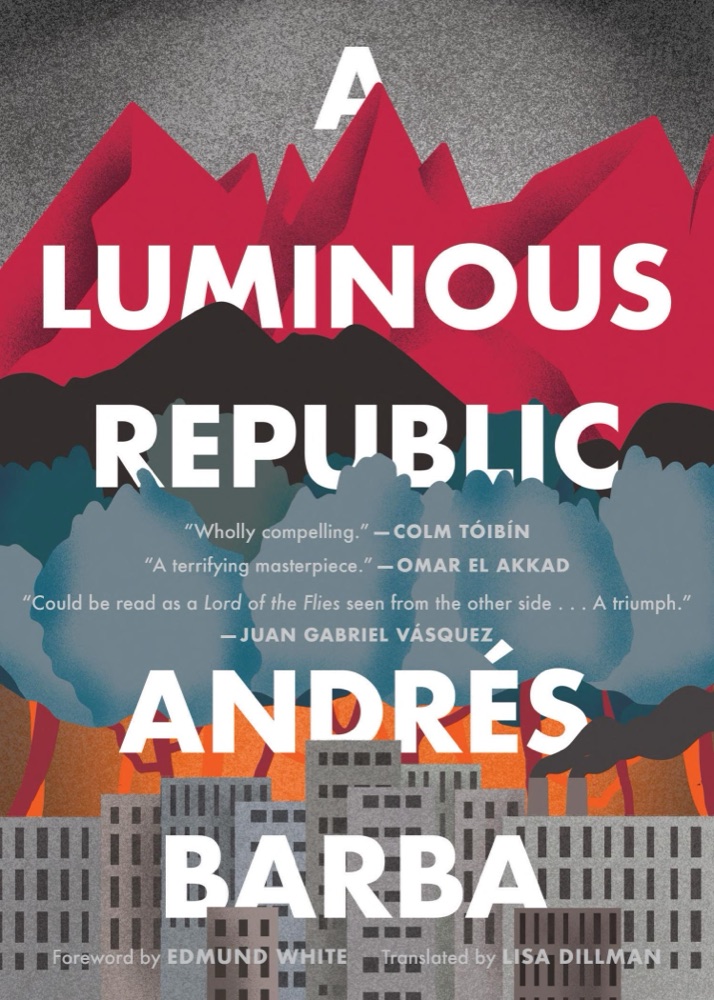 A Luminous Republic
 The Sound of Things Falling
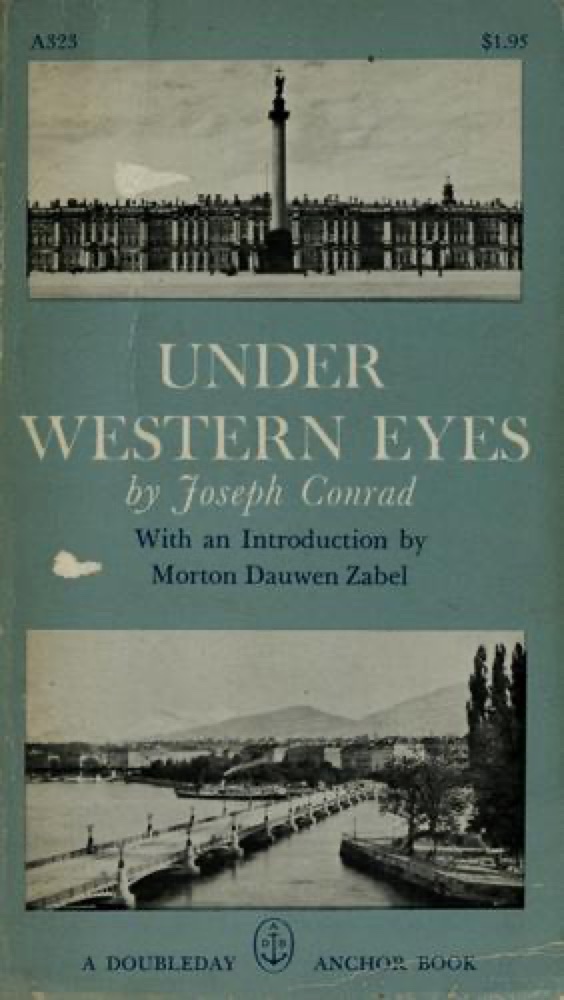 Under Western Eyes
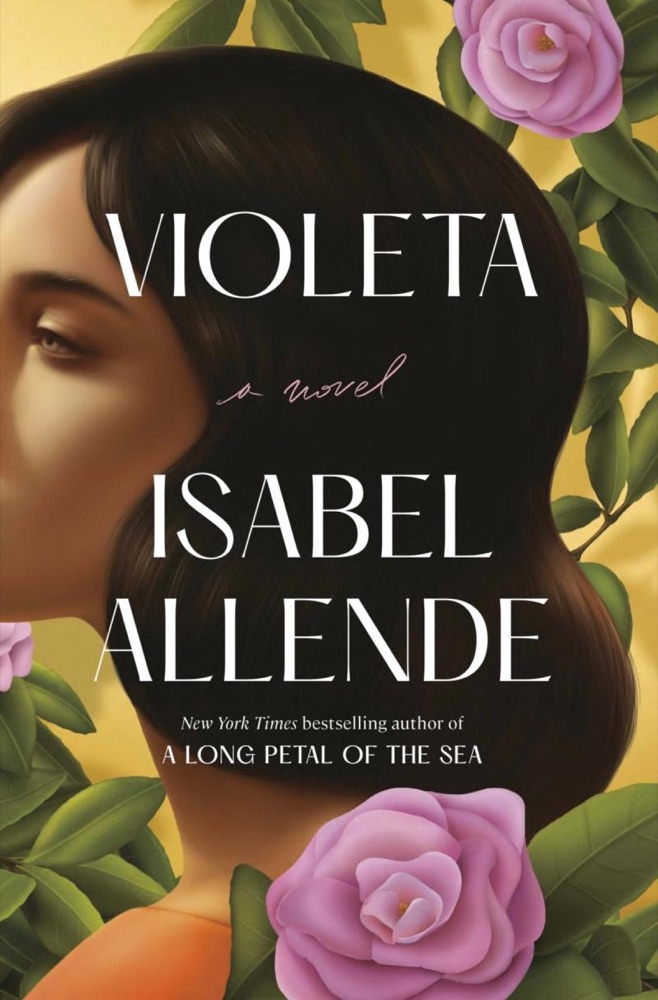 Violeta
 The Once and Future King
 The Hellbound Heart
 The Ministry of Fear
 Embers
 Arm of the Sphinx
 The Man Who Laughs
 Johnny Panic and the Bible of Dreams: Short Stories, Prose and Diary Excerpts
 Miss Lonelyhearts
 A Theory of Dreaming
 Ship of Fools
 A Room with a View