 The Magic Strings of Frankie Presto
Quotes from the Book
Who you are goes far beyond what you look like. My hope is that Ray’s story will inspire all of you—white or Black, Asian or Native American, straight or gay, transgender or cisgender, blond or dark haired, tall or short, big feet or small—to do what you love. Inspire those around you to do what they love, too. It might just pay off. Alone, we are a solitary violin, a lonely flute, a trumpet singing in the dark. Together, we are a symphony.
19
We’re here for a reason. I believe a bit of the reason is to throw little torches out to lead people through the dark.
13
Alone, we are a solitary violin, a lonely flute, a trumpet singing in the dark. Together, we are a symphony.
9
He would tell you that music is truly a universal language, and that we the listeners will always impose our own fears and biases, our own hopes and hungers on whatever we hear. He would tell you that the rhythm that spurred on Tchaikovsky is the same rhythm that a kid in a redneck North Carolina town would beat with a stick against a fallen tree. It is a rhythm in all of us. Music is about communication, a way of touching your fellow man, beyond and above and below language. It is a language all its own.
9
You just work hard and be your own sweet self, you hear me? You stand up for yourself, but always respectfully. I want you to remember that. You stand up, you respect yourself, and you be respectful. That’s how you win.
7
Don’t you ever apologize for being who you are or let someone make you feel bad for being Black.
4
Precision and technique can be learned,” she told him. “That’s just practice. A lot of practice, but it’s still just practice. What we can’t teach is how to make a musician actually connect—emotionally connect—with the pieces he’s playing. To really care about the music, and let the music tell its story.
3
Music’s the gift. Caring’s the gift. And you give it to others now. There are a lot of ways apart from a concert hall to make a difference in someone’s life.
3
Music is about communication—a way of touching your fellow man beyond and above and below language;
2
do what you love. Inspire those around you to do what they love, too. It might just pay off. Alone, we are a solitary violin, a lonely flute, a trumpet singing in the dark. Together, we are a symphony.
1
it’s a language, it’s a means of connecting us that is beyond color, beyond race, beyond the shape of your face or the size of your stock portfolio.
1
They could toss any piece of crappy music they wanted at him, and he would play. He would not be ignored, denied, or embarrassed ever again. He was a musician, and music had no color.
1
Every time the conductor raised his baton, new joy blossomed in his chest. Each note felt special, a gift.
1
Inspire those around you to do what they love, too. It might just pay off.
1
The truth was he’d won the moment he set foot on Russian soil, and now the world knew it. He may have come in second, but he’d gone further than any other American—Black or white. And he hadn’t taken lessons from age three, or attended music festivals at age ten, or been drilled relentlessly by elite private teachers.
1
Respect yourself and people will respect you, too.
1
And none of that mattered. No matter how nice the suit, no matter how educated his speech or how strong the handshake, no matter how much muscle he packed on, no matter how friendly or how smart he was, none of it mattered at all. He was just a Black person. That’s all they saw and that’s all he was.
1
I think all I learned is that I just have to trust my gut and do what I do, and that means play.
We’re here for a reason….To throw little torches out to lead people through the dark.
Bring it. Just fucking bring it. Stand tall, Grandma Nora had told him: he would stand tall, with the spotlights shining on his face, and his music would pour into all their ears, and they would understand that no matter what anybody threw at him, he was not going away He was not stooping to their level. The air-conditioning could go off and he could melt. They could toss any piece of crappy music they wanted at him and he would play. He would not be ignored or denied or embarrassed ever again: he was a musician, and music had no color.
Music is for everyone. It’s not—or at least shouldn’t be—an elitist, aristocratic club that you need a membership card to appreciate: it’s a language, it’s a means of connecting us that is beyond color, beyond race, beyond the shape of your face or the size of your stock portfolio. Musicians of color, however, are severely underrepresented in the classical music world—and that’s one of the reasons I wanted to write this book. Look up the statistics: 1.8 percent of musicians performing in classical symphonies are Black; 12 percent are people of color. But for me, day to day, performance by performance, it wasn’t about being a statistic: it was about trying to live my life and play the music that I loved, and often being
grandmother’s Thanksgiving words to him, seasoned with love, potato peels, and sliced squash: that he work twice as hard as everyone else, that he stand tall and treat others with respect, and that he stay the same “sweet Ray” that Grandma Nora loved so much. He didn’t know if he’d succeeded, but he never stopped trying. He had to believe that she would be proud.
Secretly, Ray was a rotten celebrity. He never got used to it, never learned to take it for granted. The photos and adulation and program signing always made him uncomfortable, and after the theft he never ordered room service again. Every day, no matter where he was, he’d find a busker or someone on the street and leave money or help otherwise when he could. He was making a great deal of money and giving a lot of it away as quickly as he got it. He played charity concerts for several different organizations. He loved Kelly Hall-Tompkins’s Music Kitchen, a charity that organized musicians to serve food and play in soup kitchens, and he often volunteered—both to play and to serve the guests. Another charity bought instruments for students who couldn’t afford to buy their own: at the inaugural fundraising gala, he played for free, enlisted several musicians—Wynton Marsalis and Trombone Shorty—and donated a hundred thousand dollars to the cause.
He say to me but if I free you who will play for me at nite. I say to him I will play for you master Thomas sir. I wont leev you. I will play for you as a free man. He thot about that and he took out some papr and he rote out what he tol me was my freedom paprs and he gav me them with my fiddle. I never let them paprs out o my site. Them papr and my fiddle kept me alive. I beggd him on my hands and nees to let my momma be free too and she wood stay here and hep him. He tol me he coodnt do that. I went to tell momma that I was free. I tol her I was goin to find work after master Thomas past and that I was comin back for her to buy her freedom when I made enuff money from my playing. You no what my momma tol me? She tol me dont Never come back to this place. You go be free and dont you Never look back. Master Thomas died in his Bed. The Missus made me play that song he loved. I lef a few days later. The nex yeer I did come back to find momma but she was Gone. You no why I tol you all this and made you rite it down? Because Master Thomas was a teribl man. He did teribl things to my momma and to my brother and to many other slaves. Even tho he did all that I still lookt him in the eye and treetd him with respekt. No mattr how mad I was. No mattr how bad things got. I was always respektfl. Even when I didnt get no respekt. I dont never want you to forget that girl. I wont
the Saint Jacques Hotel. Revolving doors led into a stark white lobby with an artificial fireplace that took up almost the entire length of one wall; on the other wall a concierge desk stretched forever. Janice asked the doorman where the business service center was and disappeared, heels clattering, down
They had to ring a bell to be buzzed in to the main showroom, where a faded violet couch sat against one wall, a beat-up coffee table covered with magazines in front of it. Instruments hung from everywhere, including the ceiling: violins, violas, and cellos shone with a gorgeous luster like nothing he’d ever seen. These were the instruments of princes and kings, the violins for the best violinists in the world. On the counter rested an old-fashioned cash register. No electronics, no card reader. Behind the counter, a staircase carpeted in red damask led up into darkness. On one side of the steps hung an
When he’d first tried his hand at jazz, it was a mess. Like most classically trained musicians who relied on strict training, he was most comfortable following the road map that a composer laid out. Ray would pour himself onto the classical route, which had clear signposts and a yellow line down one side. With jazz, there were no signs; the GPS just said, “Go.” Jazz charts provided a simple melody he was just supposed to riff from—he wanted to read every note, lock in on each finger pattern. How would he even begin? He started by listening to the opening melody of a song, then adding a few notes in the same key, then changing the key for a while, then somehow, miraculously, returning to the original key, all while making it seem effortless. This took a lot of practice. When he thought he had it, he had to think again. It was fun, challenging, and exercised new muscles in his playing.
Watch on YouTube
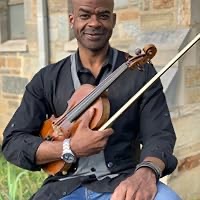
About Brendan Slocumb
We have collected 27 quotes from 1 book by Brendan Slocumb on BookQuoters.
More about the author →About the book
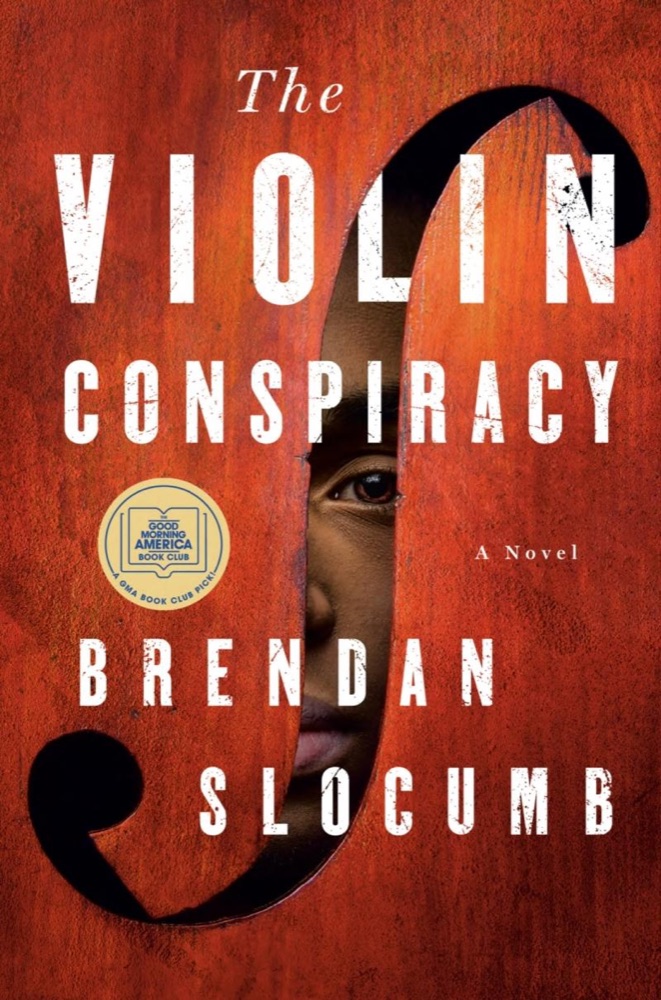
A mystery about a Black classical musician whose family heirloom violin is stolen on the eve of the most prestigious classical music competition in the world.
Ray McMillian loves playing the violin more than anything, and nothing will stop him from pursuing his dream of becoming a professional musician. Not his mother, who thinks he should get a real job, not the fact that he can't afford a high-caliber violin, not the racism inherent in the classical music world. And when he makes the startling discovery that his great-grandfather's fiddle is actually a priceless Stradivarius, his star begins to rise. Then with the international Tchaikovsky Competition—the Olympics of classical music—fast approaching, his prized family heirloom is stolen. Ray is determined to get it back. But now his family and the descendants of the man who once enslaved Ray's great-grandfather are each claiming th
Book details
- First published
- 2022
- Author
- Brendan Slocumb
- Genre
- Mystery
- Goodreads rating
- 4.11 (70k ratings)
The buzz
- The New York TimesReview in The New York Timesprofessional review (via Book Marks)
- The Washington PostReview in The Washington Postprofessional review (via Book Marks)
- NPRReview in NPRprofessional review (via Book Marks)
- Kirkus ReviewsReview in Kirkus Reviewsprofessional review (via Book Marks)
- BooklistReview in Booklistprofessional review (via Book Marks)
- Shelf AwarenessReview in Shelf Awarenessprofessional review (via Book Marks)
Keep reading
The Magic Strings of Frankie Presto
 Every Good Boy Does Fine: A Love Story, in Music Lessons
 A Song Flung Up to Heaven
 The Music Lesson: A Spiritual Search for Growth Through Music
 Miles: The Autobiography
 The Soloist: A Lost Dream, an Unlikely Friendship, and the Redemptive Power of Music
 Echo
Echo
 Born to Run
 Mo' Meta Blues: The World According to Questlove
 Body and Soul
 Life
Life
 Letter to My Daughter
 The Final Revival of Opal & Nev
 Orfeo
Orfeo
 The Uncool
 The Tender Bar
 They're Going to Love You
 My Name Is Barbra
 Sing You Home
 Table for Two
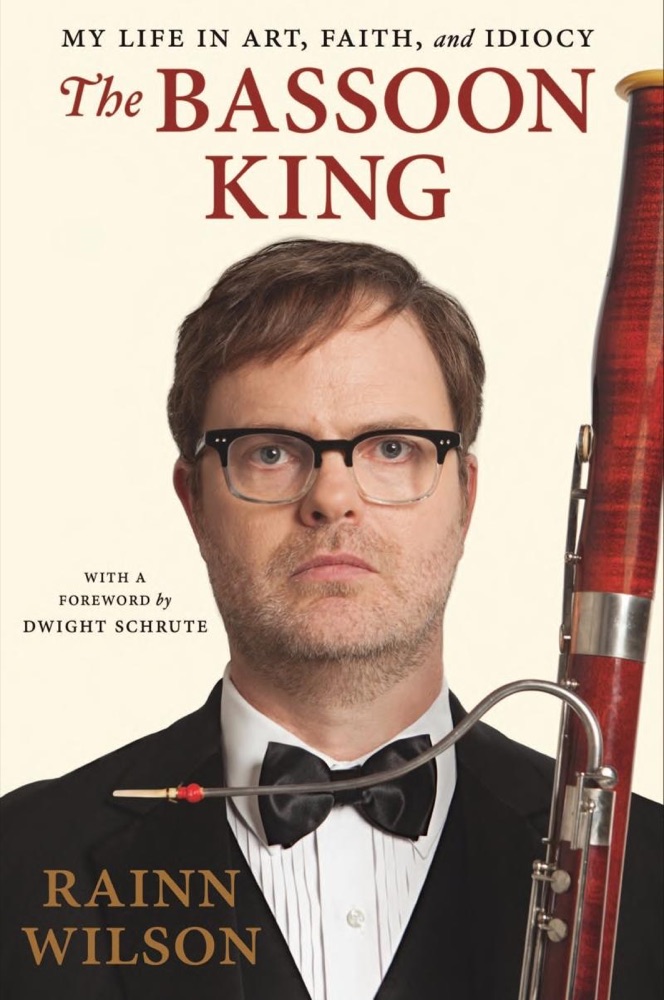 The Bassoon King: My Life in Art, Faith, and Idiocy
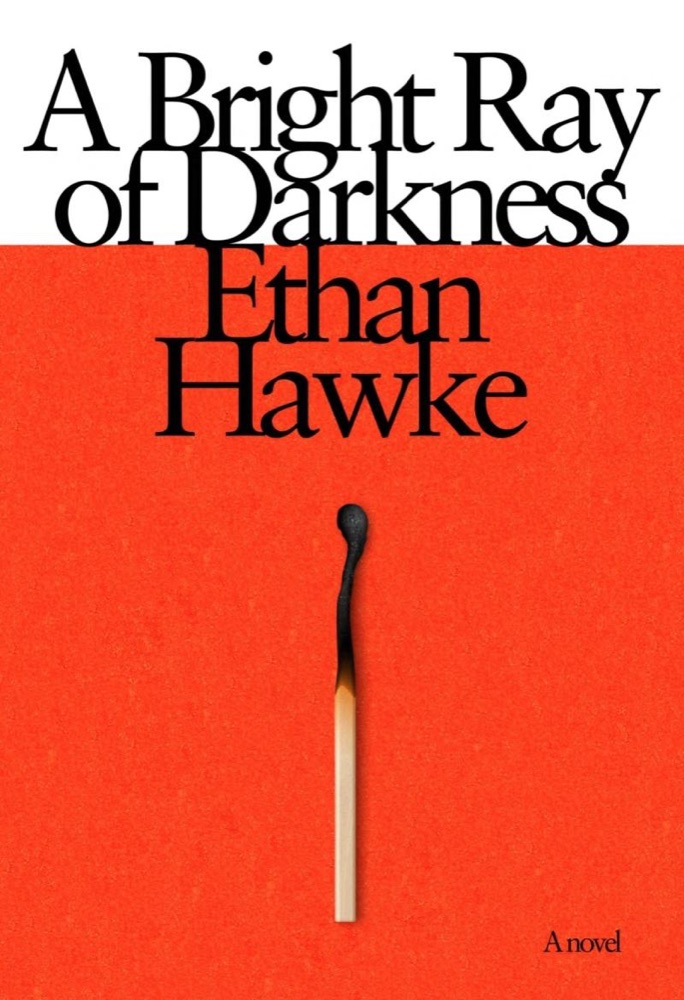 A Bright Ray of Darkness
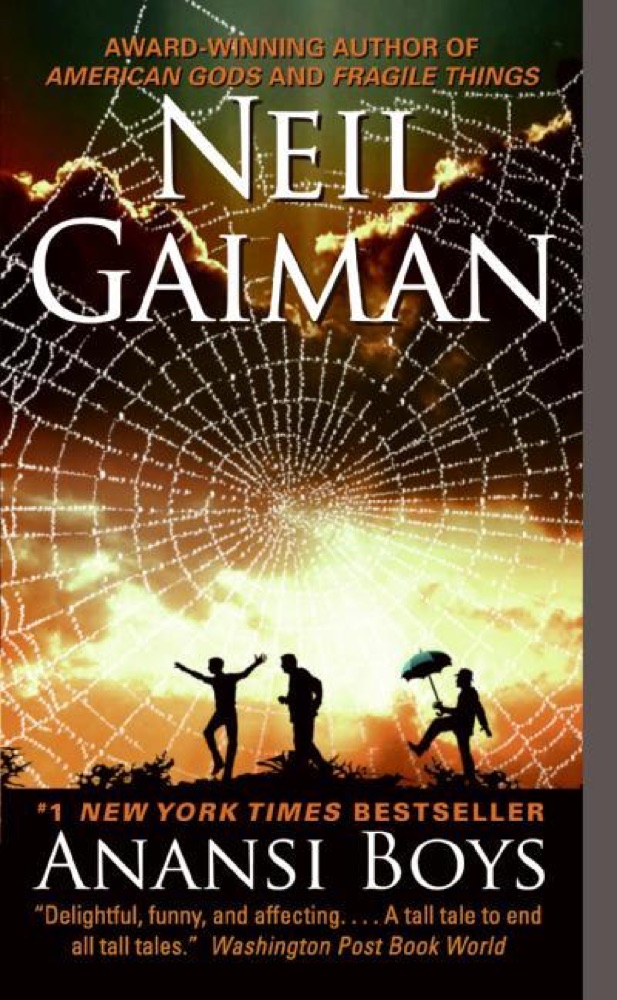 Anansi Boys
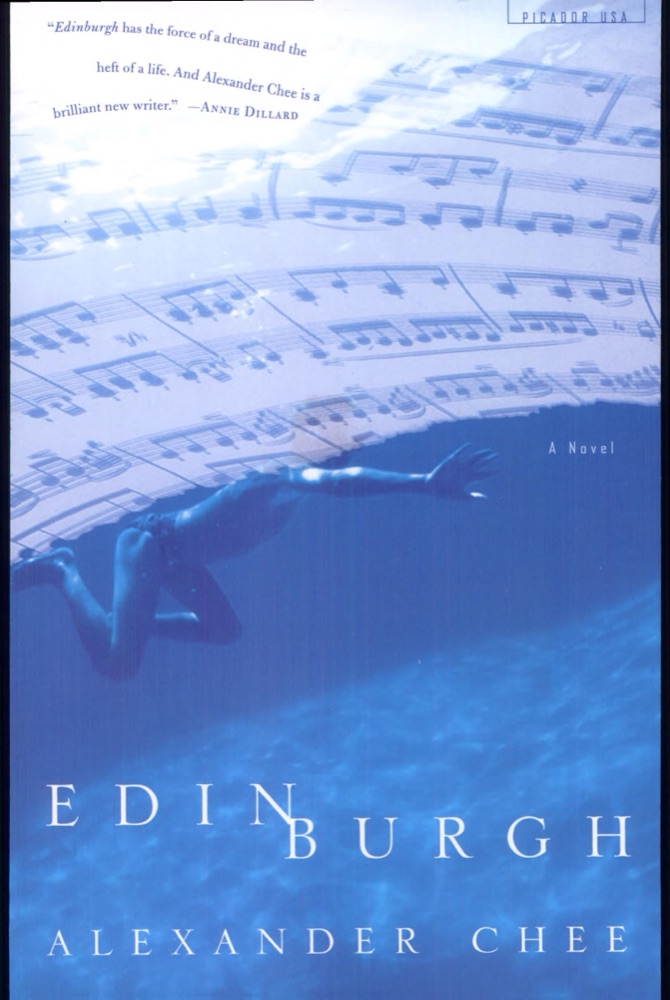 Edinburgh
 Soul Music
 The Little Country
 Acid for the Children
 Piece by Piece
 Ragtime
 Hold Me Closer: The Tiny Cooper Story
 Bel Canto
 A Love Song for Ricki Wilde
 Hope Was Here
 Singin' and Swingin' and Gettin' Merry Like Christmas
 The Orphan Master's Son
 The Power of One
 White Tears
 Boy's Life
 The Last Song
 Let's Go (So We Can Get Back): A Memoir of Recording and Discording with Wilco, Etc.
 The Witch of Portobello
 Five Flavors of Dumb
 The Absolutely True Diary of a Part-Time Indian
 Where the Heart Is
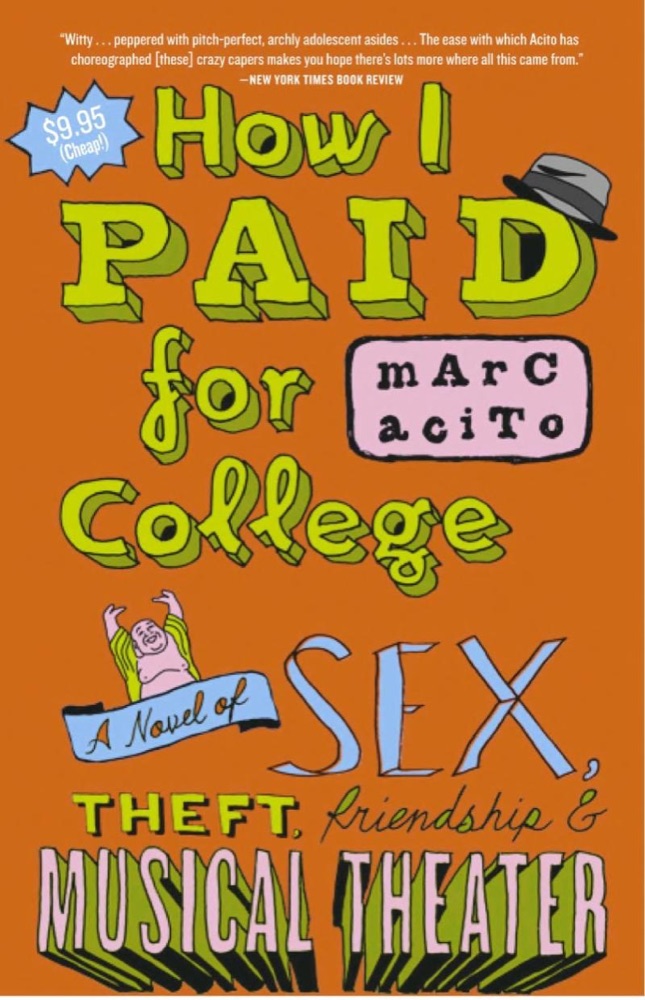 How I Paid for College: A Novel of Sex, Theft, Friendship & Musical Theater
 Valley of the Dolls
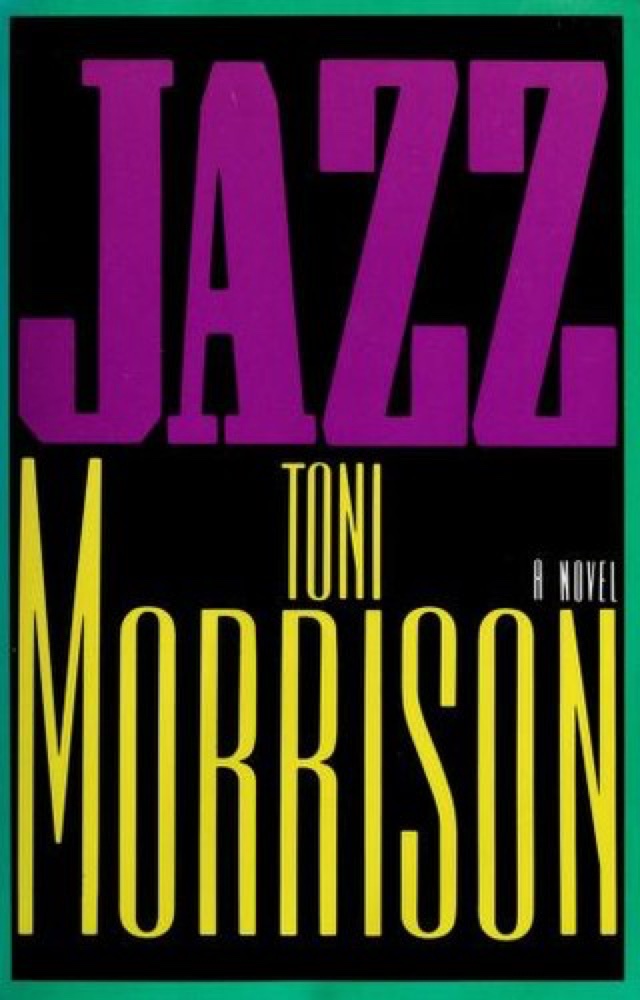 Jazz
Jazz
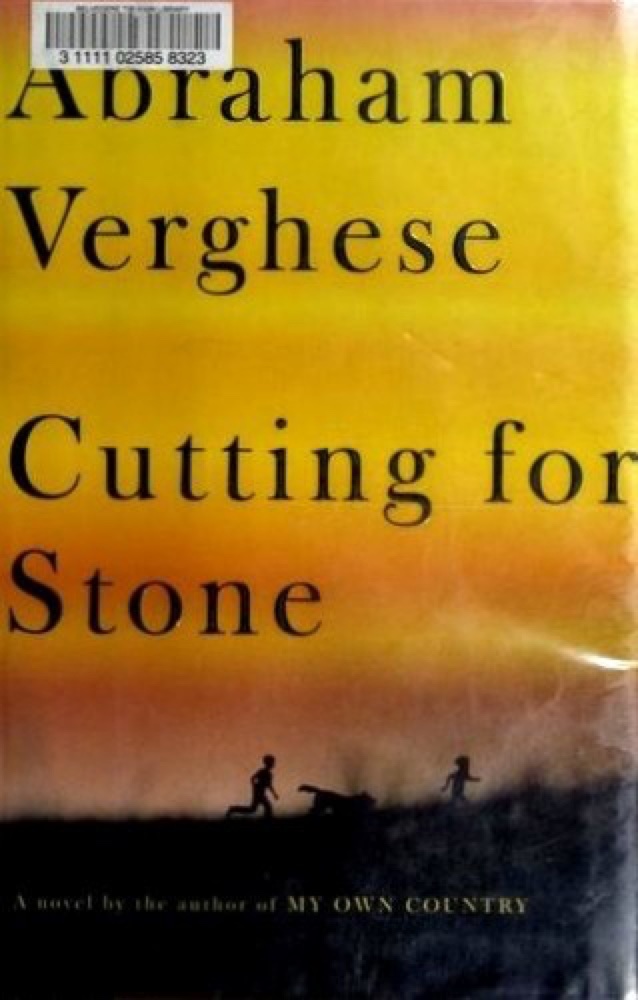 Cutting for Stone
 A Room with a View
 The Downstairs Girl
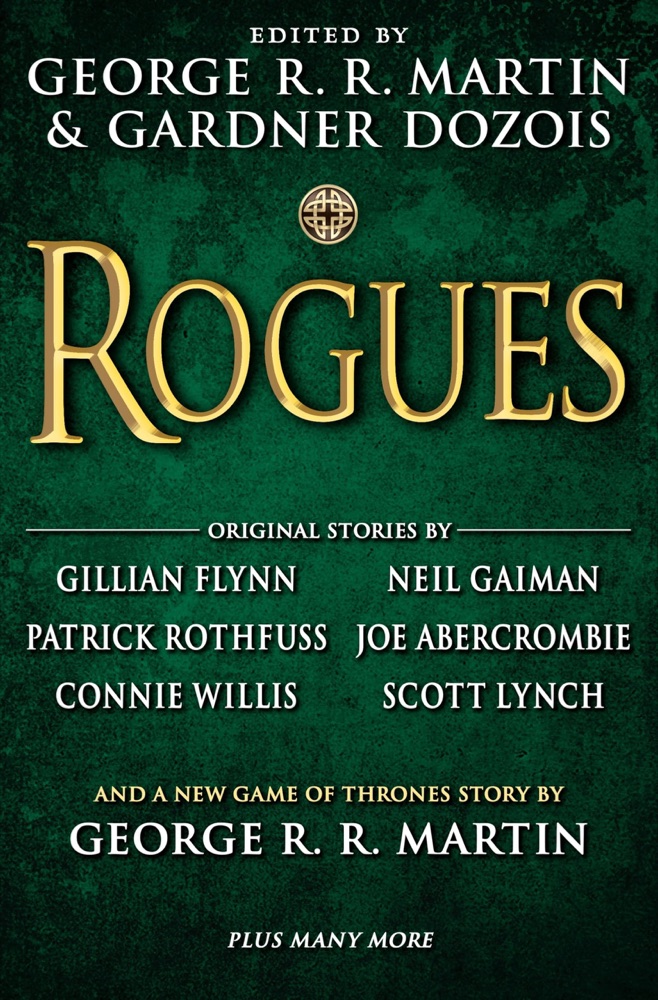 Rogues
 The Rainbow Comes and Goes: A Mother and Son on Life, Love, and Loss
 The Name of the Wind
 Utopia Avenue
 The Library of the Dead
 Go Ahead in the Rain: Notes to A Tribe Called Quest
 Song of Solomon
 How to Kill a Rock Star
 The House in the Cerulean Sea
 The Angel's Game