
 O Pioneers!
Quotes from the Book
There are some things you learn best in calm, and some in storm.
1.7k
The world is little, people are little, human life is little. There is only one big thing — desire.
1.5k
People live through such pain only once. Pain comes again—but it finds a tougher surface.
167
Artistic growth is, more than it is anything else, a refining of the sense of truthfulness. The stupid believe that to be truthful is easy; only the artist, the great artist, knows how difficult it is.
69
Many a night that summer she left Dr. Archie's office with a desire to run and run about those quiet streets until she wore out her shoes, or wore out the streets themselves; when her chest ached and it seemed as if her heart were spreading all over the desert. When she went home, it was not to go to sleep. She used to drag her mattress beside her low window and lie awake for a long while, vibrating with excitement, as a machine vibrates from speed. Life rushed in upon her through that window -- or so it seemed. In reality, of course, life rushes from within, not from without. There is no work of art so big or so beautiful that it was not once all contained in some youthful body, like this one which lay on the floor in the moonlight, pulsing with ardor and anticipation. It was on such nights that Thea Kronborg learned the thing that old Dumas meant when he told the Romanticists that to make a drama he needed but one passion and four walls.
33
I only want impossible things," she said roughly. "The others don't interest me.
31
It came over him now that the unexpected favours of fortune, no matter how dazzling, do not mean very much to us. They may excite or divert us for a time, but when we look back, the only things we cherish are those which in some way met our original want; the desire which formed in us in early youth, undirected, and of its own accord.
19
Nothing is far and nothing is near, if one desires. The world is little, people are little, human life is little. There is only one big thing—desire. And before it, when it is big, all is little.
16
Her secret? It is every artist's secret--passion. That is all. It is an open secret, and perfectly safe. Like heroism, it is inimitable in cheap materials.
13
The spark in his eye, which is one's very self, caught the spark in hers that was herself, and for a moment they looked into each other's natures.
12
...how easy it would be to dream one's life out in some cleft in the world.
12
You must not begin to fret about the successes of cheap people. After all, what have they to do with you?
12
Money and office and success are the consolations of impotence. Fortune turns kind to such solid people and lets them suck their bone in peace. She flecks her whip upon flesh that is more alive, upon that stream of hungry boys and girls who tramp the streets of every city, recognizable by their pride and discontent, who are the Future, and who possess the treasure of creative power.
11
He used to say that he never felt the hardness of the human struggle or the sadness of history as he felt it among those ruins. He used to say, too, that it made one feel an obligation to do one's best.
10
There were other times when she was so shattered by ideas that she could do nothing worth while; when they trampled over her like an army and she felt as if she were bleeding to death under them.
9
Thea began to wonder whether people could not utterly lose the power to work, as they can lose their voice or their memory. She had always been a little drudge, hurrying from one task to another—as if it mattered! And now her power to think seemed converted into a power of sustained sensation. She could become a mere receptacle for heat, or become a color, like the bright lizards that darted about on the hot stones outside her door; or she could become a continuous repetition of sound, like the cicadas.
9
He knew he would always remember her, standing there with that expectant, forward-looking smile, enough to turn the future into summer.
9
However much they may smile at her, the old inhabitants would miss Tillie. Her stories give them something to talk about and to conjecture about, cut off as they are from the restless currents of the world. The many naked little sandbars which lie between Venice and the mainland, in the seemingly stagnant water of the lagoons, are made habitable and wholesome only because, every night, a foot and a half of tide creeps in from the sea and winds its fresh brine up through all that network of shining waterways. So, into all the little settlements of quiet people, tidings of what their boys and girls are doing in the world bring real refreshment; bring to the old, memories, and to the young, dreams.
7
what was any art but an effort to make a sheath, a mould in which to imprison for a moment the shining, elusive element which is life itself,—life hurrying past us and running away, too strong to stop, too sweet to lose?
6
Sometimes you will need to be understood; what you never show to anyone will need companionship. And then you must come to me.
6
The rich, noisy city, fat with food and drink, is a spent thing; it's chief concern is its digestion and its little game of hide-and-seek with the undertaker. Money and office and success are the consolations of impotence. Fortune turns kind to such solid people and lets them suck their bone in peace. She flecks her whip upon flesh that is more alive, upon that stream of hungry boys and girls who tramp the streets of every city, recognizable by their pride and discontent, who are the Future, and who possess the treasure of creative power.
6
The children you don’t especially need, you have always with you, like the poor. But the bright ones get away from you. They have their own way to make in the world. Seems like the brighter they are, the farther they go.
5
The stream and the broken pottery: what was any art but an effort to make a sheath, a mould in which to imprison for a moment the shining, elusive element which is life itself,—life hurrying past us and running away, too strong to stop, too sweet to lose? The Indian women had held it in their jars. In the sculpture she had seen in the Art Institute, it had been caught in a flash of arrested motion. In singing, one made a vessel of one's throat and nostrils and held it on one's breath, caught the stream in a scale of natural intervals. IV
4
He looked up quietly. "You know, don't you, Thee, that I think you are just the finest thing I've struck in this world?" The tears ran down Thea's cheeks. "You're too good to me, Ray. You're a lot too good to me," she faltered.
4
He had been a fool to imagine it, but he was glad he had been a fool. She had given him one grand dream.
3
From the ancient dwelling there came always a dignified, unobtrusive sadness; now stronger, now fainter,—like the aromatic smell which the dwarf cedars gave out in the sun,—but always present, a part of the air one breathed. At night, when Thea dreamed about the canyon,—or in the early morning when she hurried toward it, anticipating it,—her conception of it was of yellow rocks baking in sunlight, the swallows, the cedar smell, and that peculiar sadness—a voice out of the past, not very loud, that went on saying a few simple things to the solitude eternally.
3
And what I like best in you is this particular enthusiasm, which is not at all practical or sensible, which is downright Quixotic. You are not altogether what you seem, and you have your reservations. Living among the wolves, you have not become one.
3
Along with the yearning that came from some deep part of her, that was selfless and exalted, Thea had a hard kind of cockiness, a determination to get ahead. Well, there are passages in life when that fierce, stubborn self-assertion will stand its ground after the nobler feeling is overwhelmed and beaten under.
3
He had never got so much back for himself from any pupil as he did from Miss Kronborg. From the first she had stimulated him; something in her personality invariably affected him. Now that he was feeling his way toward her voice, he found her more interesting than ever before. She lifted the tedium of the winter for him, gave him curious fancies and reveries. Musically, she was sympathetic to him. Why this was true, he never asked himself. He had learned that one must take where and when one can the mysterious mental irritant that rouses one's imagination; that it is not to be had by order. She often wearied him, but she never bored him.
3
She passed so near that he could have touched her
2
About Willa Cather
We have collected 201 quotes from 9 books by Willa Cather on BookQuoters.
More about the author →More by Willa Cather
All books by Willa Cather →


About the book
Perhaps Willa Cather's most autobiographical work, The Song of the Lark charts the story of a young woman's awakening as an artist against the backdrop of the western landscape. Thea Kronborg, an aspiring singer, struggles to escape from the confines her small Colorado town to the world of possibility in the Metropolitan Opera House. In classic Cather style, The Song of the Lark is the beautiful, unforgettable story of American determination and its inextricable connection to the land."The time will come when she'll be ranked above Hemingway." -- Leon Edel
Book details
- First published
- 1915
- Author
- Willa Cather
- Genre
- Fiction
- Goodreads rating
- 3.89 (12k ratings)
Keep reading
 The Mill on the Floss
 The Weight of Ink
 The Well of Loneliness
 Independent People
 Swann's Way
 In Search of Lost Time
 Light Years
 The Muse
 Save Me the Waltz
 The Stone Diaries
 Sister Carry
 Green Dolphin Street
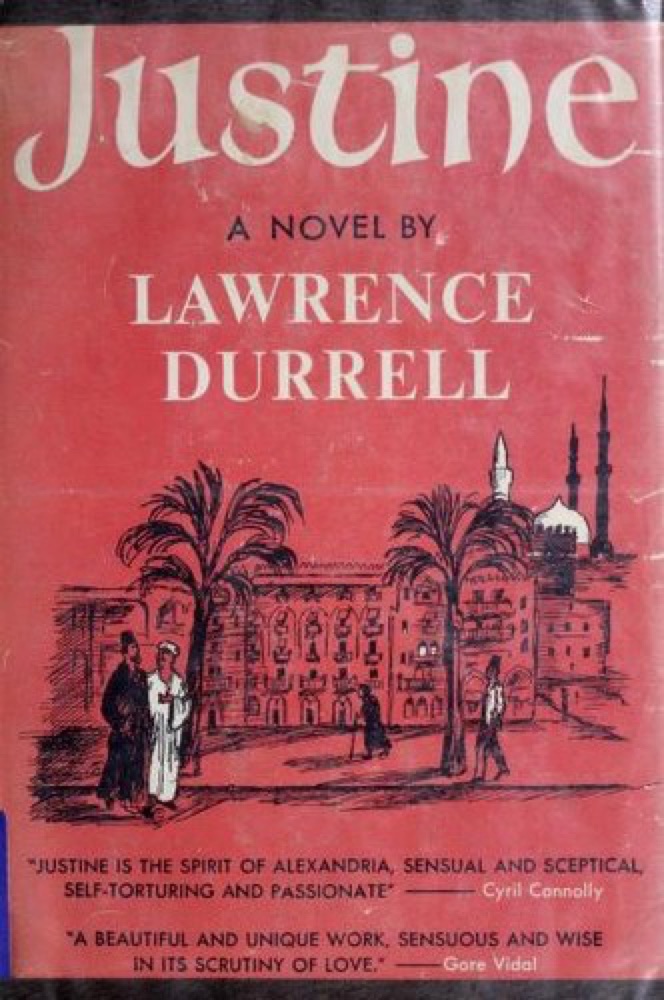 Justine
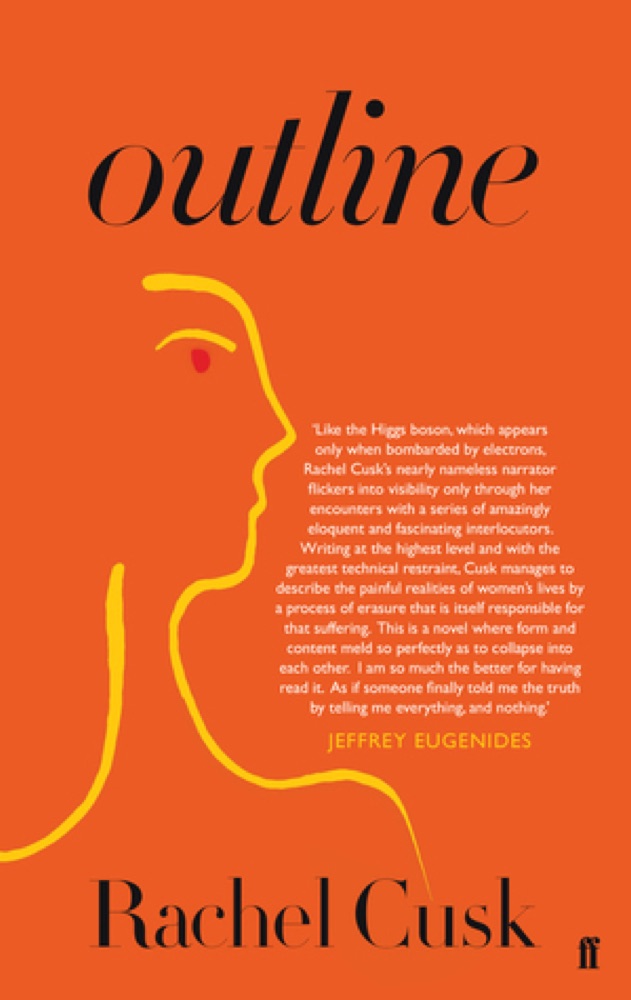 Outline
 Babylonia
 In Sunlight and in Shadow
 NW
NW
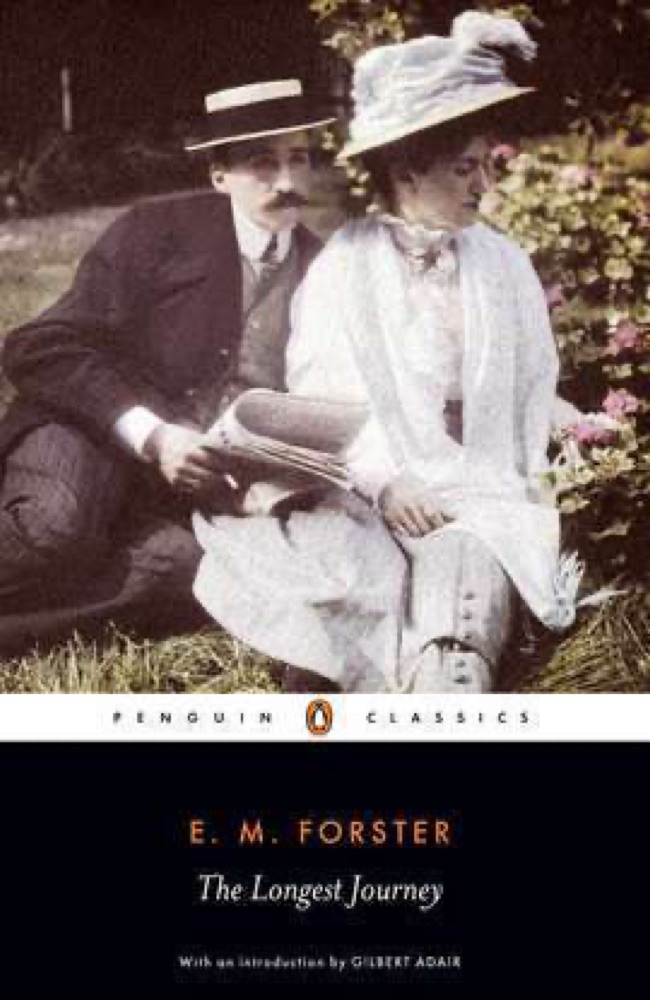 The Longest Journey
 The Portrait of a Lady
 A Room with a View
 The Clockmaker's Daughter
O Pioneers!
The Clockmaker's Daughter
O Pioneers!
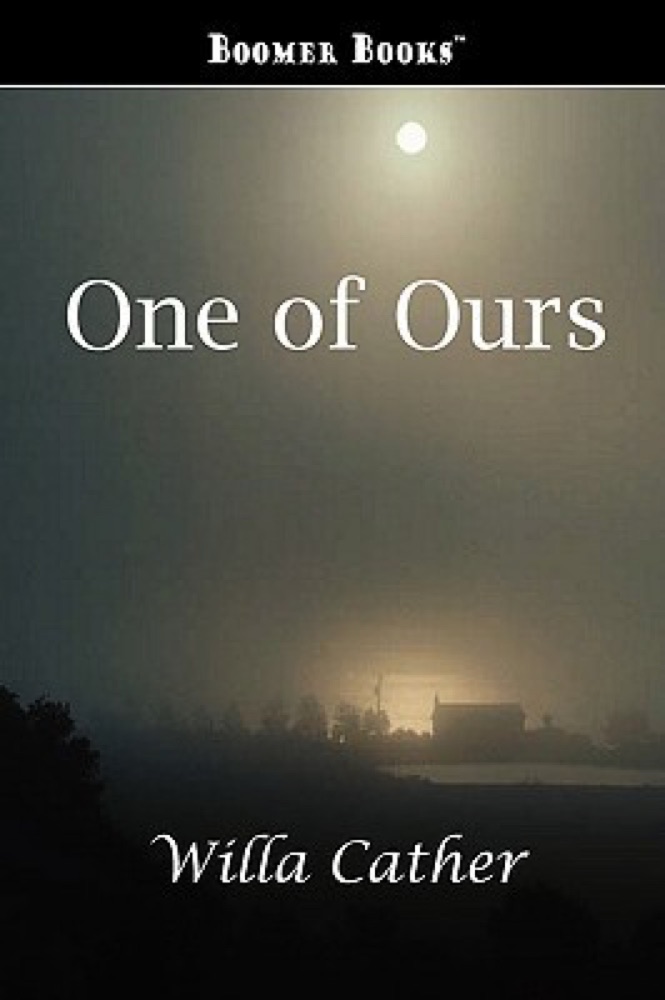 One of Ours
 We Are Not Ourselves
 Johnny Panic and the Bible of Dreams: Short Stories, Prose and Diary Excerpts
 A Reliable Wife
 This Is Happiness
 Tar Baby
 Devotion
 A Tree Grows in Brooklyn
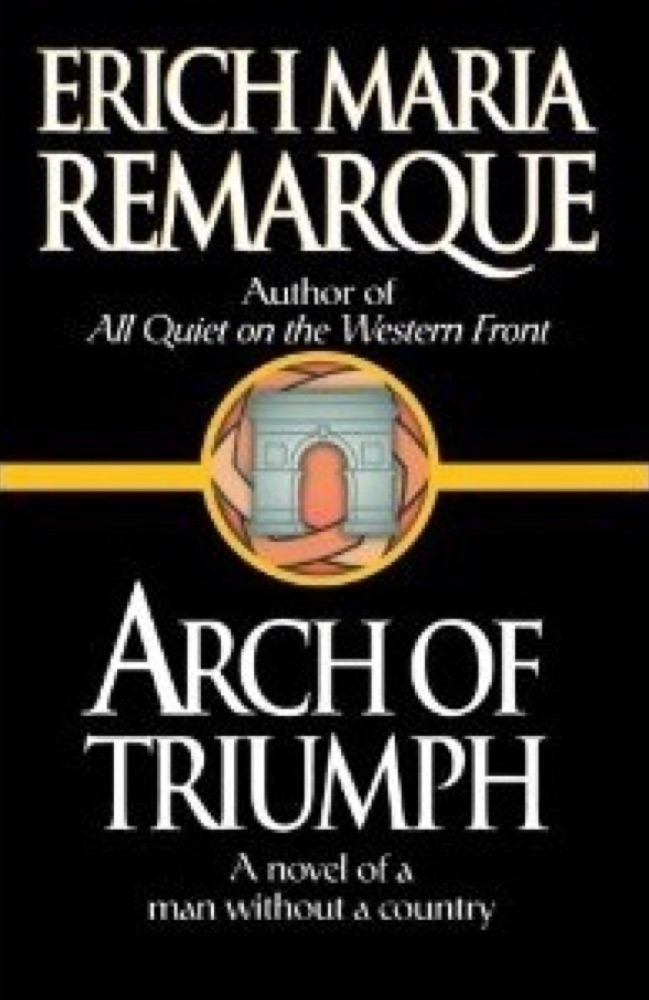 Arch of Triumph
 Girl with Curious Hair
 Main Street
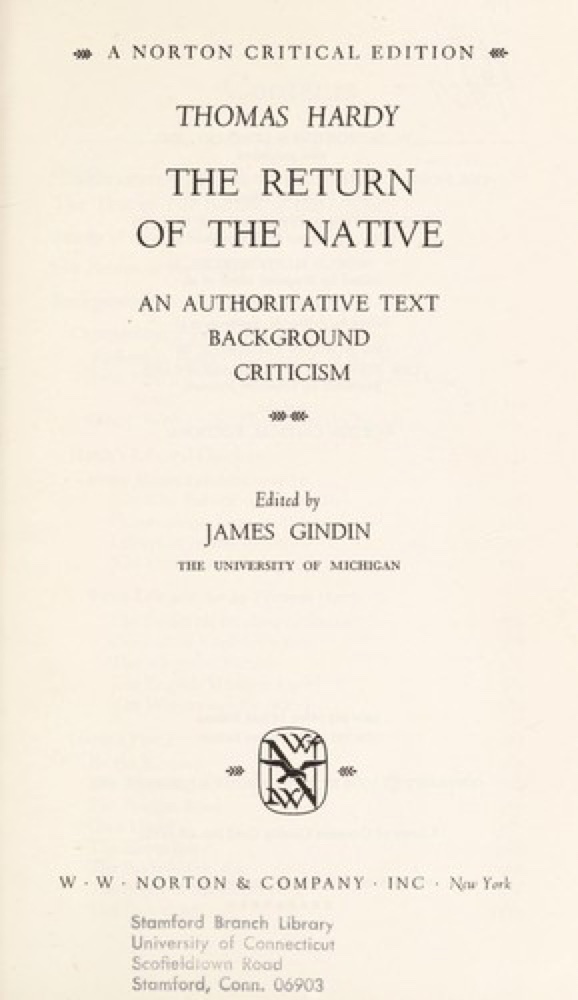 The Return of the Native
 The Awakening
 Fragile Things: Short Fictions and Wonders
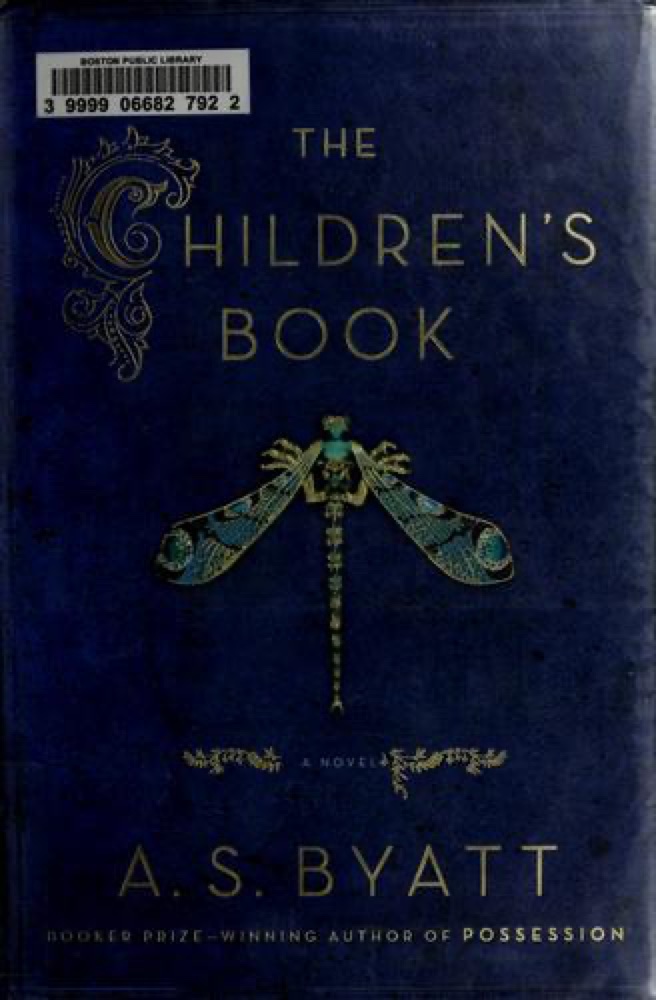 The Children's Book
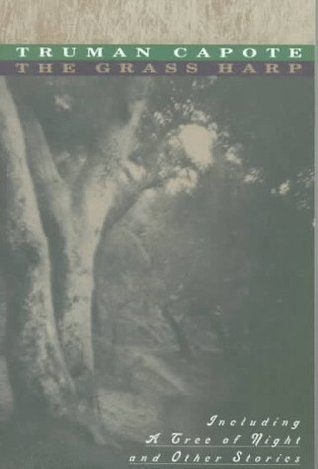 The Grass Harp, Including A Tree of Night and Other Stories
 Runaway
 Too Much Happiness: Stories
 The Passion of Artemisia
 The Old Curiosity Shop
 The Good Soldier
 Gods of Jade and Shadow
 Somebody Else's Daughter
 In the Heart of the Heart of the Country and Other Stories
 Night and Day
 The Story of the Lost Child
 Winesburg, Ohio
 Women in Love
 The God of Small Things
 Monday or Tuesday
 The Marriage Plot
 Desperate Remedies
 Atonement
 The Sea Keeper's Daughters
 The Forgotten Garden
 The Captive & The Fugitive
 The Great Mistake
 Beautiful Ruins