

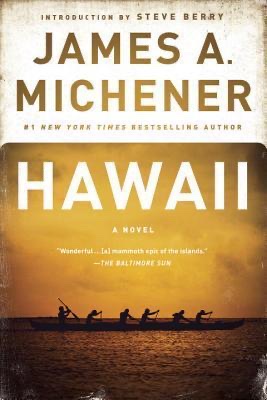
 Hawaii
Quotes from the Book
This is not a promise, this is not threat, it's just the way it's gonna be!!!
a word once written will often accidentally find a life that no one anticipates; it lies
Women like her looked at their world, rolled up their sleeves, and tried to make it better. Now
Detritus, that's the word. The awful accumulation of wrong decisions, improper terms. You scrape away the excrescences of history...and maybe you get down to the bedrock of human society, where diamonds hide. God of my fathers, how I wish we could bring in the psychological drills and probe down to bedrock.
Never ask such a question!” Rhodes exploded. “Anything can be done if men of good principle determine that it shall be done. Have you the courage to strike for immortal goals?” In
they believed that the bright, soaring promises of the New Testament could be used as a basis for government; and
a nation is totally geared to the waging of war, it had better ensure that war keeps occurring somewhere; and
Wrong decisions, Jakob, are never inevitable. A wise man can always turn back from a precipice.
The sanest judgment that can be passed on the genesis of this terrible war between two groups of friends is that it was the result of imperiousness on the English side and intransigence on the Boer. Like
then it occurred to him that a worthy man dedicates himself not to one particular thing which attracts him, but to all tasks; and he
Most important fact of war? Keep your army in existence. Lose the battle, but keep your eye on winning the war.” But
What the Voortrekkers failed to realize in their moment of victory was that they had offered the covenant to God, not He to them.
Nevertheless, in obedience to the covenant as they understood it, they had won a signal victory, which confirmed their belief that He had accepted their offer and had personally intervened on their behalf. No
The Boer nation had become a theocracy, and would so remain. General
The English could bring into this tight area four hundred and forty-eight thousand soldiers, but they could not find space in their ships for the extra medicines and food needed to save emaciated women and children. They could import a hundred thousand horses for their cavalry, but not three cows for their concentration camps. Guns bigger than houses they could haul in, but no hospital equipment. It was insane; it was horrifying...
Watch on YouTube
About James A. Michener
We have collected 101 quotes from 8 books by James A. Michener on BookQuoters.
More about the author →


Book details
- Author
- James A. Michener
- Genre
- Fiction
- Goodreads rating
- 4.22 (22k ratings) →
Keep reading
Hawaii
 Falls the Shadow
 The Dinosaur Lords
 Persepolis Rising
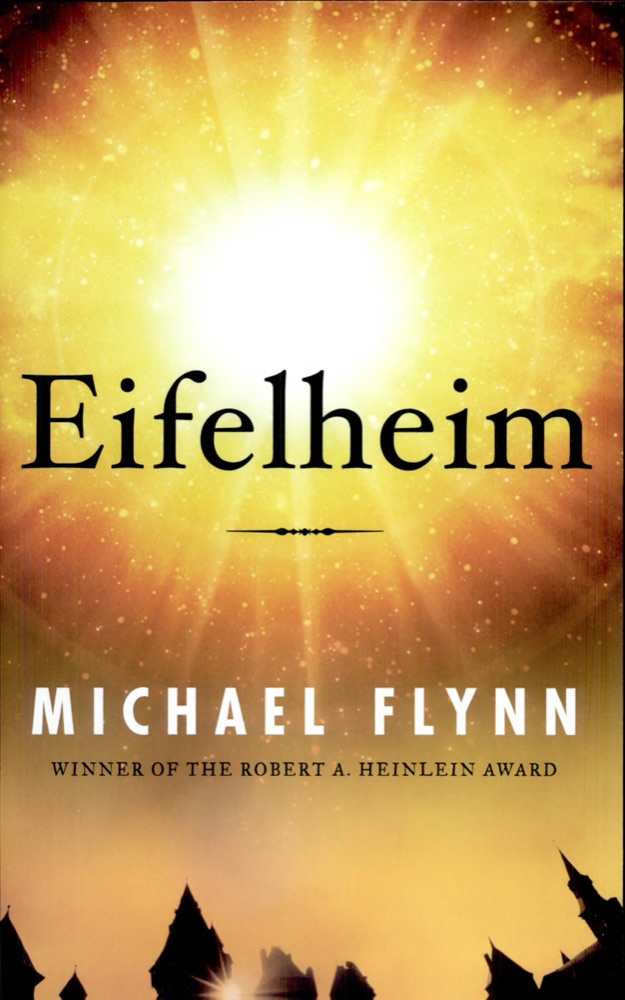 Eifelheim
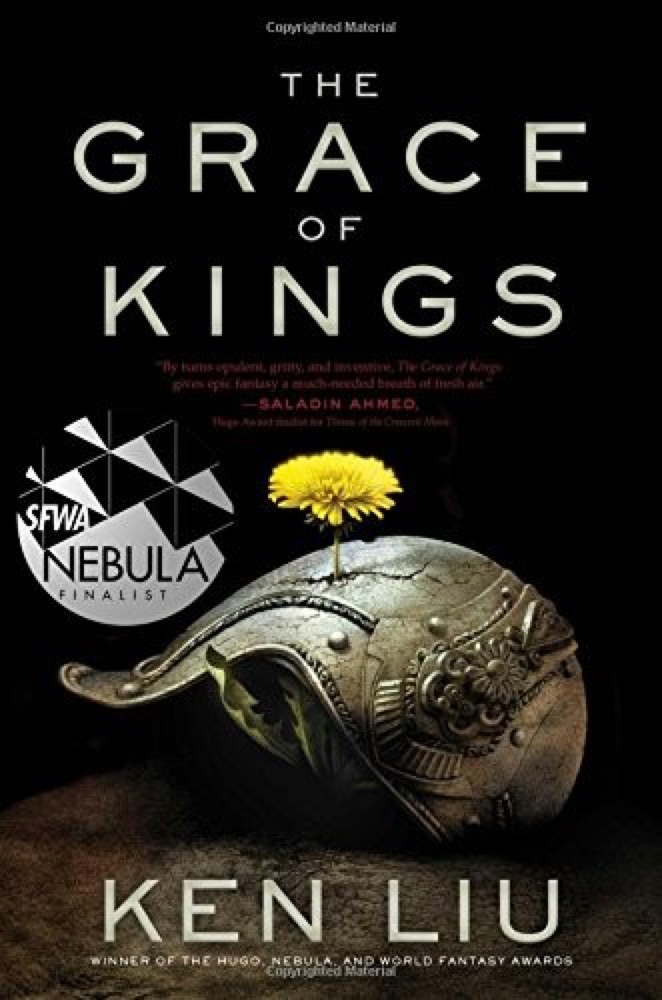 The Grace of Kings
 Alas, Babylon
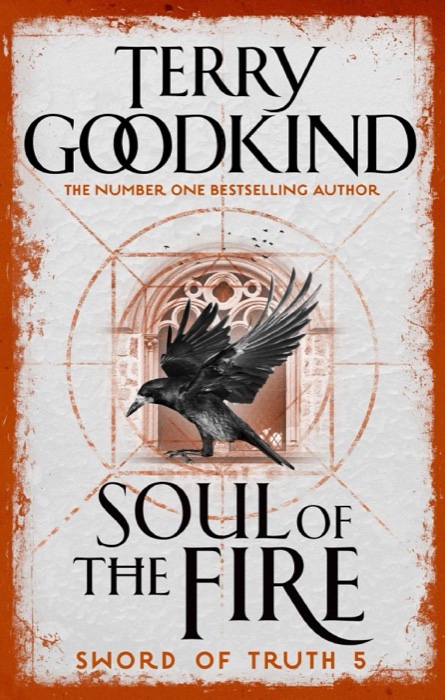 Soul of the Fire
 Anthills of the Savannah
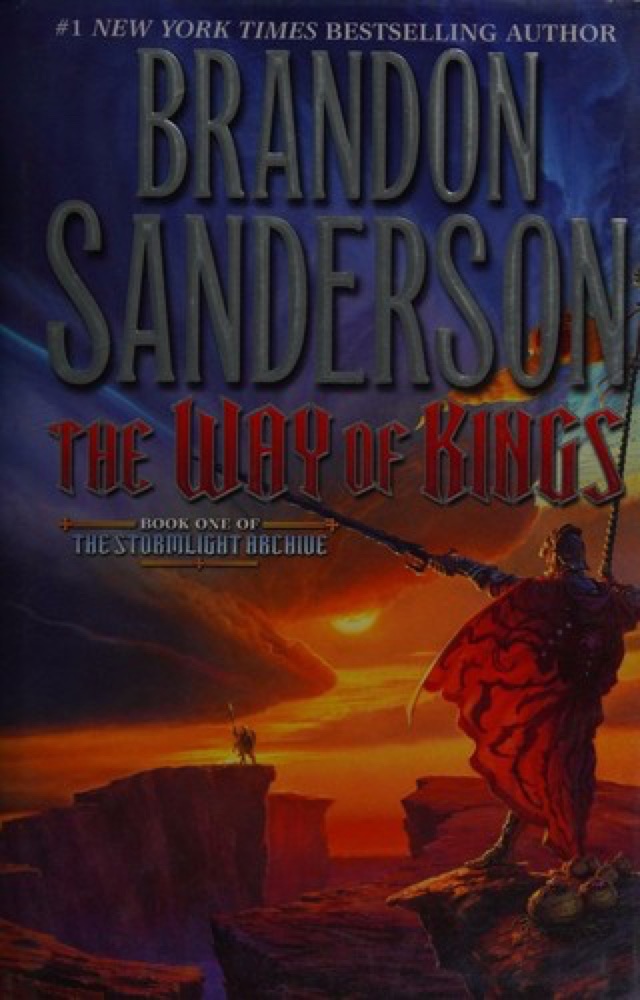 The Way of Kings
 Foundation
 The Once and Future King
 History of the Peloponnesian War
 Closing the Ring
 The Wanting Seed
 Debt of Honor
 Last First Snow
 Fall of Giants
 Earth Abides
 The Pillars of the Earth
 Red Mars
 A Canticle for Leibowitz
 Sacred Hunger
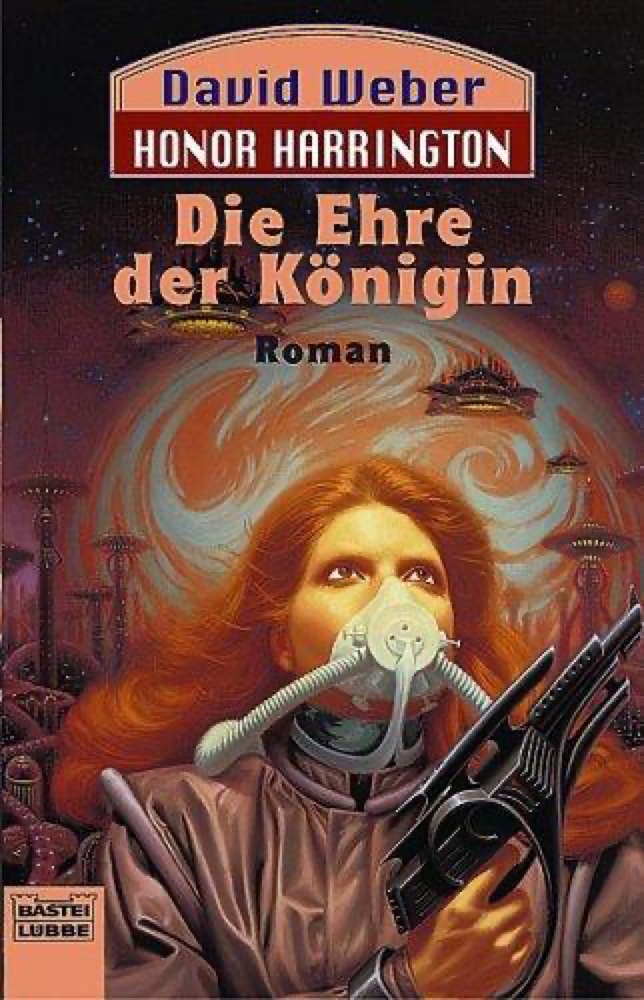 The Honor of the Queen
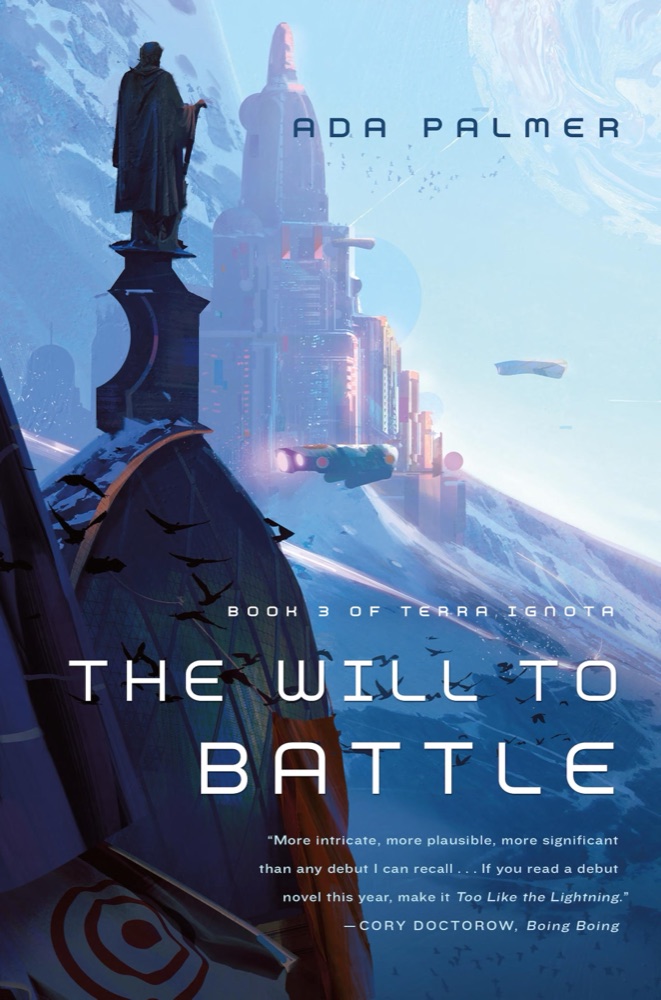 The Will to Battle
 The Histories
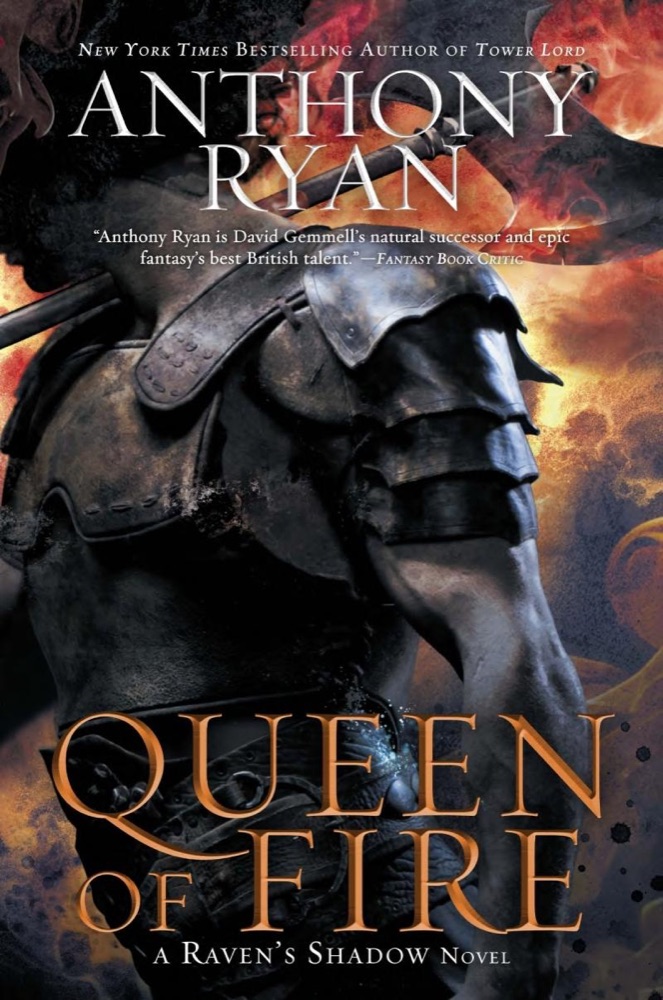 Queen of Fire
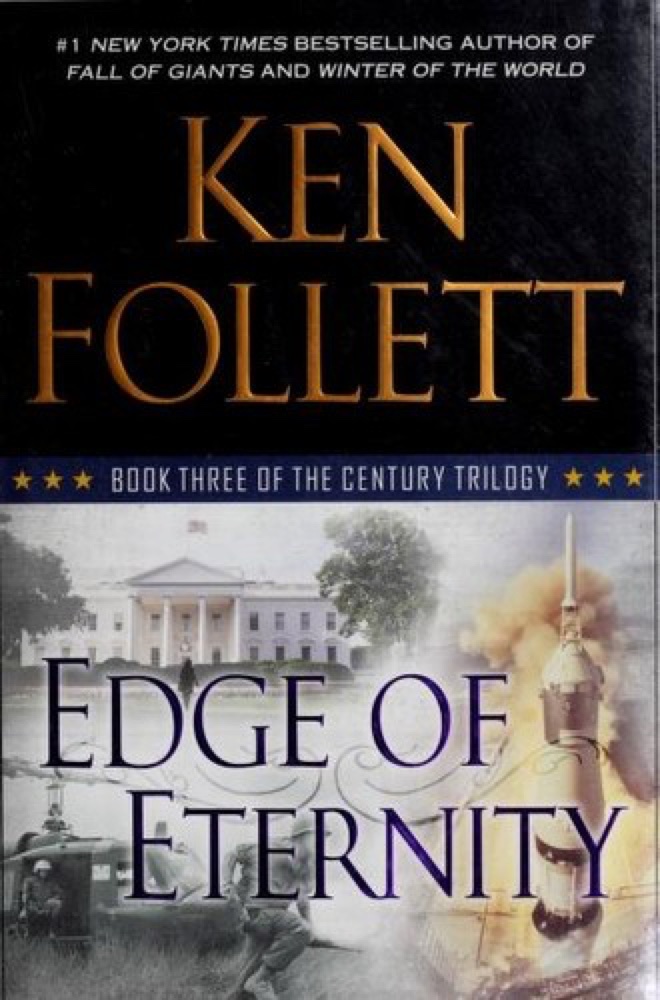 Edge of Eternity
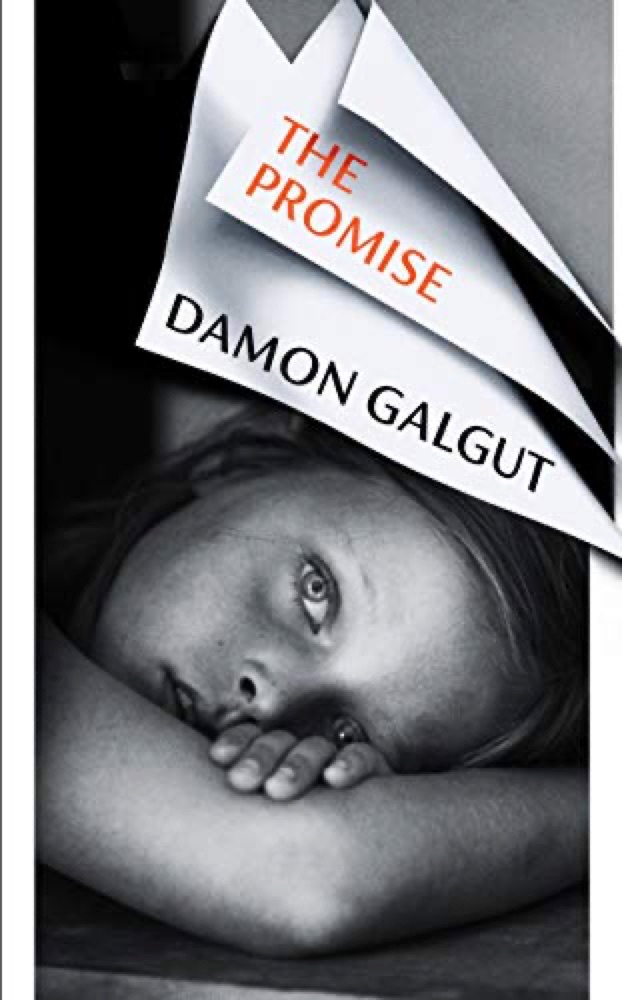 The Promise
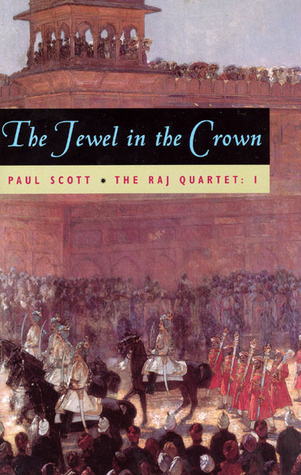 The Jewel in the Crown
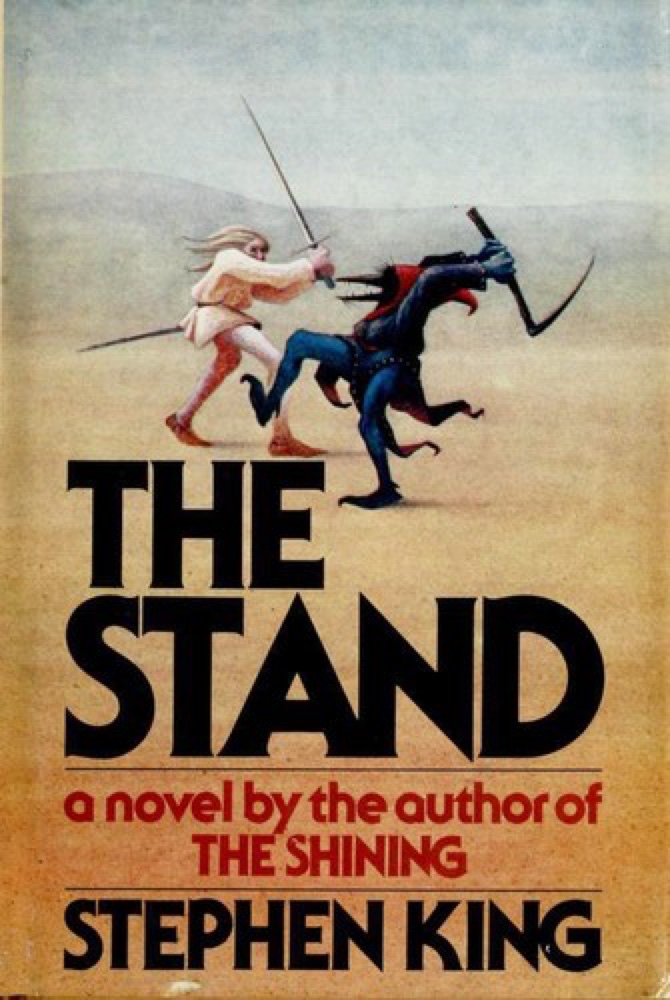 The Stand
 Half the World
 The Wall of Storms
 Use of Weapons
 Oath of Fealty
 The Kingdom of God Is Within You
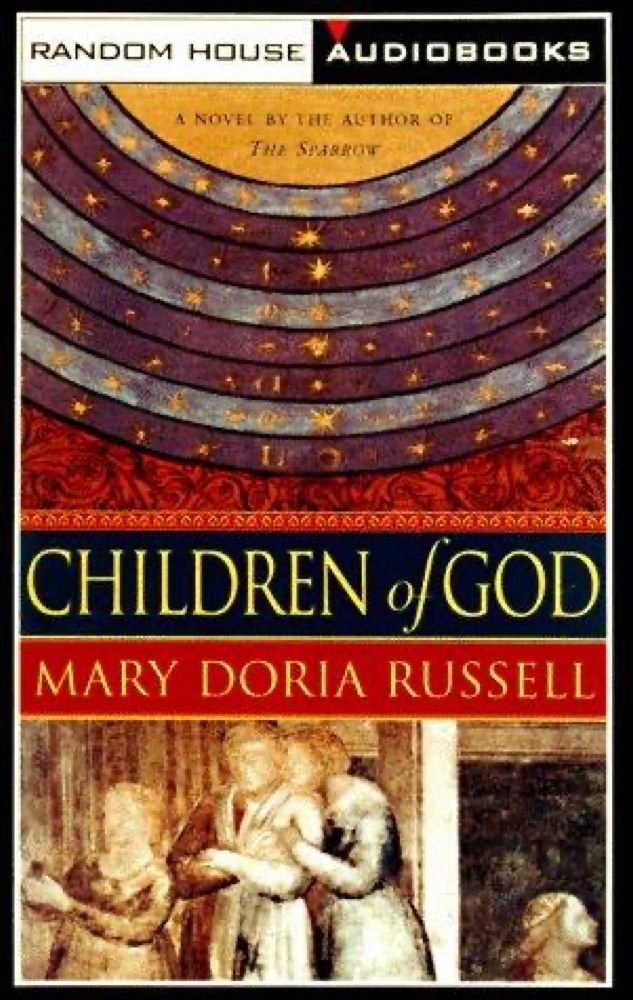 Children of God
 The Virginian
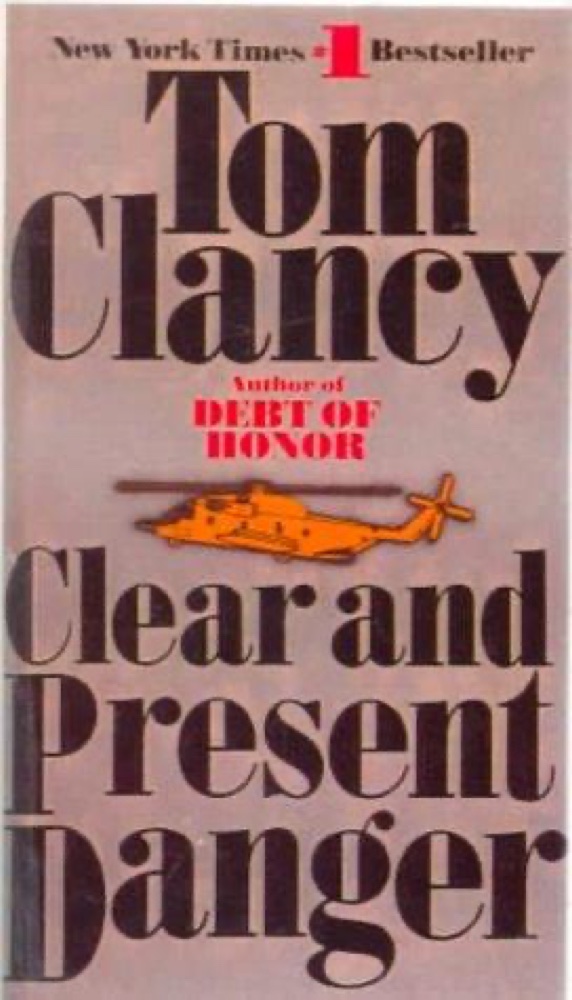 Clear and Present Danger
 Rapture
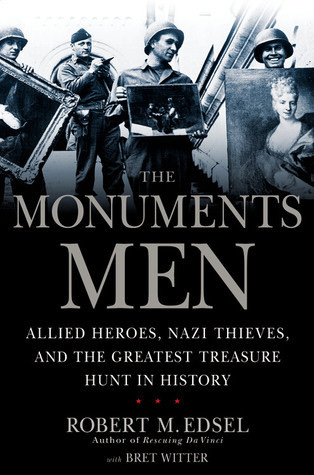 The Monuments Men: Allied Heroes, Nazi Thieves, and the Greatest Treasure Hunt in History
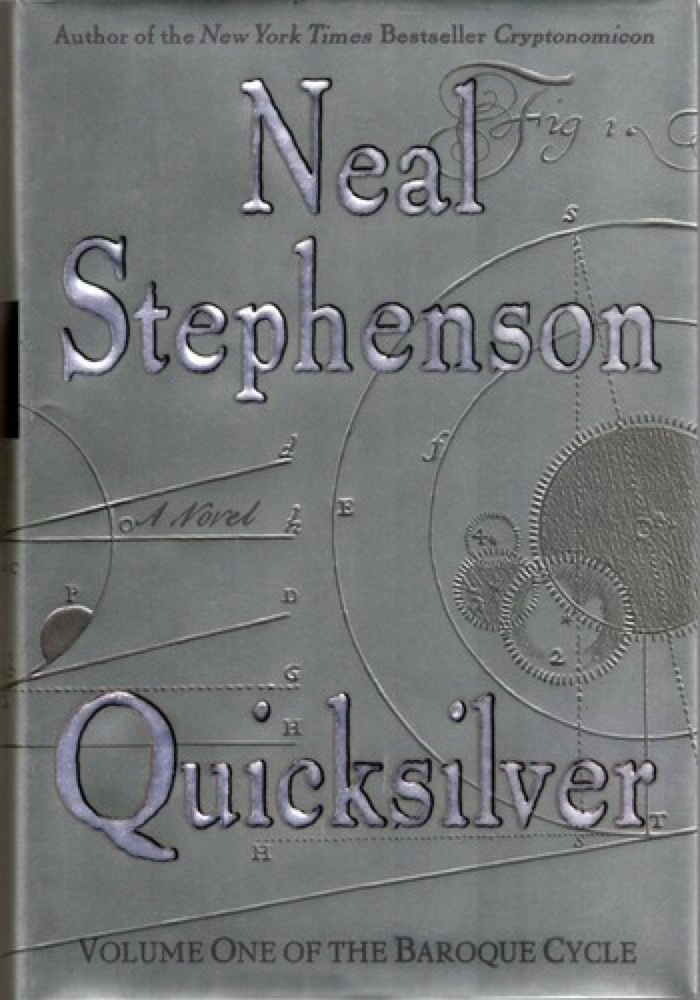 Quicksilver
 The Last of the Mohicans
 Sackett's Land
 The Winds of War
 Empire
 Utopia
 Lord of Chaos
 Forge of Darkness
 Independent Study
 Towers of Midnight
 The First Circle
 Executive Orders
 Babylon's Ashes
 The Mysterious Island
 I Am Pilgrim
 Victory
 Foundation and Empire
 Leviathan
 The Unvanquished