 The Decline and Fall of the Roman Empire
Quotes from the Book
The more corrupt the state, the more numerous the laws.
416
Crime, once exposed, has no refuge but in audacity.
46
So obscure are the greatest events, as some take for granted any hearsay, whatever its source, others turn truth into falsehood, and both errors find encouragement with posterity.
17
But the more I reflect on events recent and past, the more I am struck by the element of the absurd in everything humans do.
6
The practices of the Jews are malevolent and despicable, and have entrenched themselves by their very degeneracy. Deviants of the most depraved kind who had no use for the religion of their predecessors, they took to collecting dues and contributions in order to swell the Jewish treasury; and other reasons for their increasing wealth may be found in their unrelenting loyalty and eager nepotism towards fellow Jews. But all the rest of the world they hold in contempt with the hatred reserved for enemies. They will not feed or intermarry with gentiles. Despite being overtly lustful as a race, the Jews shun carnal dealings with women foreign to their tribe. Among their own kind however, nothing is forbidden. They have adopted the practice of circumcision to show that they are different from others. Those seeking to convert to Judaism adopt the same practices, and the very first lesson they are taught is to despise the gods, shed all feelings of patriotism, and consider parents, children and brothers as readily expendable. However, the Jews make certain that their population increases.
4
in disturbed times uncivilized communities trust and prefer leaders who take risks.
4
Consequently, to get rid of the report, Nero fastened the guilt and inflicted the most exquisite tortures on a class hated for their abominations, called Christians by the populace. Christus, from whom the name had its origin, suffered the extreme penalty during the reign of Tiberius at the hands of one of our procurators, Pontius Pilatus, and a most mischievous superstition, thus checked for the moment, again broke out not only in Judæa, the first source of the evil, but even in Rome, where all things hideous and shameful from every part of the world find their centre and become popular
3
For he would twist a word or a look into a crime and treasure it up in his memory.
2
[Asiaticus responds] Ask your sons, Suillius. They will testify to my masculinity.
2
It seems to me a historian’s foremost duty to ensure that merit is recorded, and to confront evil words and deeds with the fear of posterity’s denunciations.
1
...Ili da navedemo još jedan primer, koji je utoliko instruktivniji što je tu junakinja obična žena iz naroda, koja kako kaže Tacit, "Dotada nije pokazivala nimalo sklonosti za čast i pravdu (15, 51). Prišavši Pisonovoj zaveri ova je žena, po imenu Epiharida, uhapšena i bačena na muke ne bi li priznala optužbe i odala zaverenike za koje je znala. "Ali ni bičevanje, ni vatra, ni bes dželata, utoliko žešći što su se plašili da će im se podsmehnuti jedna žena, nisu slomili Epiharidu: uporno je poricala sve optužbe. Prvi dan istrage ništa nije priznala. Sutradan, dok su je nosili ponovo na mučenje, u nosiljci, jer smrskani udovi nisu mogli da drže telo, otrgne povez sa grudi, načini omču, okači je o naslon od stolice, protne glavu, obesi se svom težinom i ispusti, već slabašnu dušu. Jedna žena, jedna oslobođenica, pružila je divan primer hrabrosti, na najvećim mukama, ne bi li zaštitila tuđe, gotovo nepoznate ljude, dok su slobodni ljudi i muškarci, vitezovi i senatori rimski, još ne okusivši muka, izdavali svoje najmilije i najdraže." Ovakvih i sličnih primera puni su "Anali". I svuda gde su ljudska hrabrost i dostojanstvo odnosili moralnu pobedu nad tiranijom, nasiljem i izopačenošću, imao je Tacit budna čula da to zapazi i istakne, a njegov pesnički talenat davao je ovim scenama tragičku uzvišenost.
1
Watch on YouTube
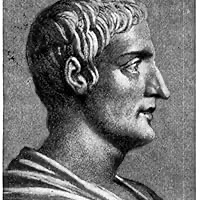
About Tacitus
We have collected 11 quotes from 1 book by Tacitus on BookQuoters.
More about the author →About the book
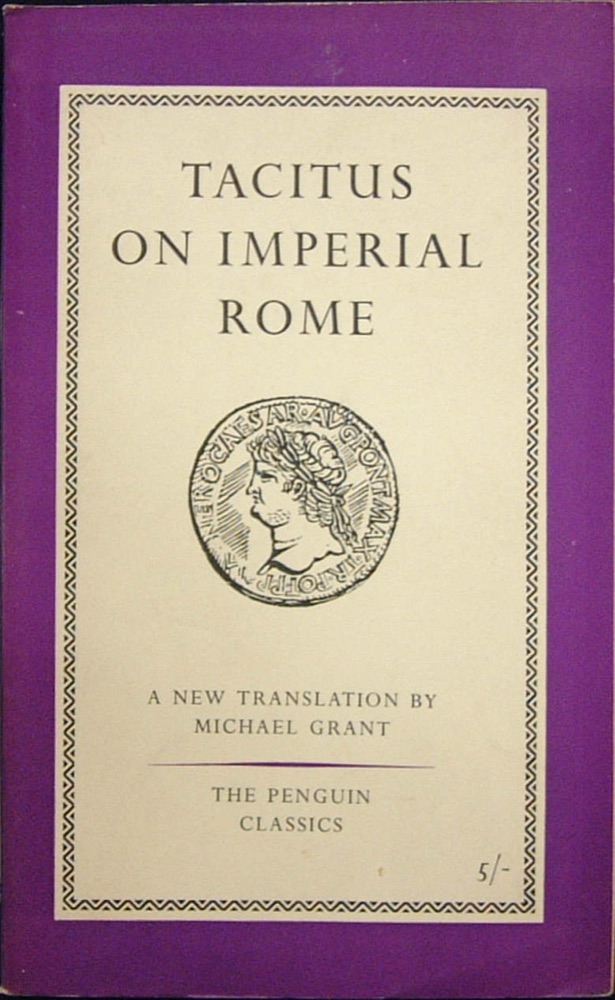
In "The Annals of Imperial Rome", his last and greatest work, Tacitus (AD c.55-c.117) covers the period from AD 14, just before the death of Augustus, to the death of Nero in AD 68. Not all the passages have survived, but in those that have the depth and diversity of genius are manifest. From a vicious, vituperative biography of Tiberius to the more straightforward accounts of Gaius (Caligula), Claudius and Nero, which reveal an extraordinary gift for pictorial description, the Annals carry conviction both as a work of art and as a history. Michael Grant's tranlation of The Annals is a fine one. It captures the emotional patriotism of Tacitus's moral tone, offset by a lucid understanding that Rome is doomed, and conveys with vigor the lives of the great emperors who laid the foundations of modern Europe.
Keep reading
The Decline and Fall of the Roman Empire
 A Distant Mirror: The Calamitous 14th Century
 The History of the Decline and Fall of the Roman Empire Volume I
 The Mask of Dimitrios
 Gulliver's Travels
 The Histories
 Julian
 I, Claudius
 The Eyes of the Dragon
 The Napoleon of Notting Hill
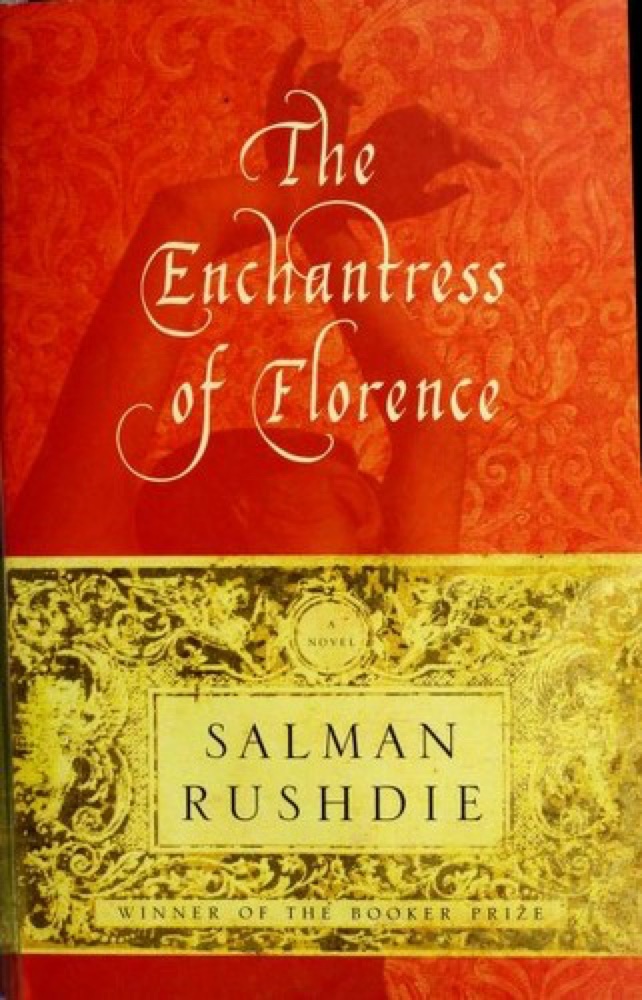 The Enchantress of Florence
 The White Luck Warrior
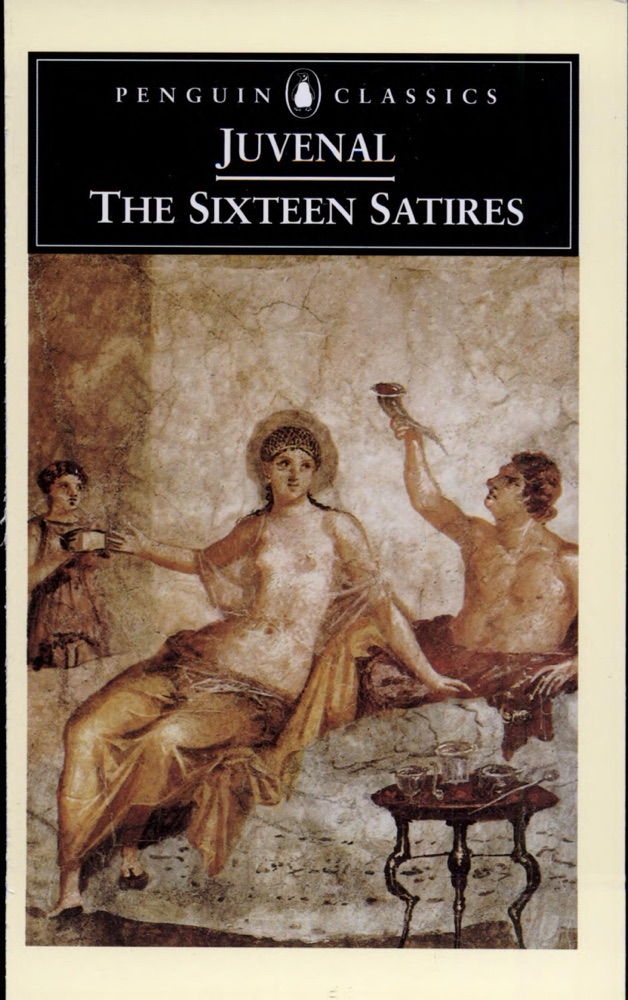 The Sixteen Satires
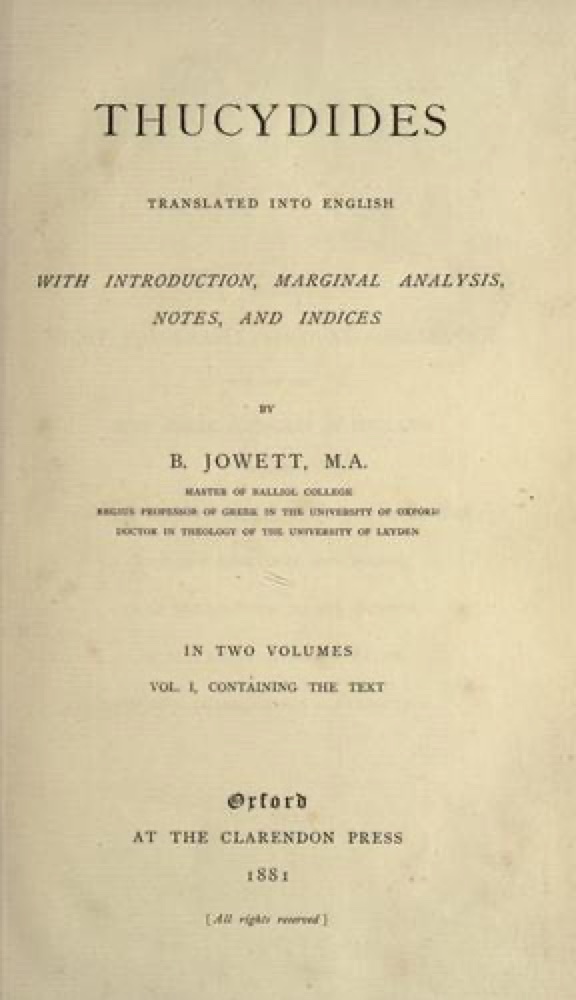 History of the Peloponnesian War
 The Will to Battle
 The House of the Dead
 Arguably: Selected Essays
 The Prague Cemetery
 Crime and Punishment
 Too Like the Lightning
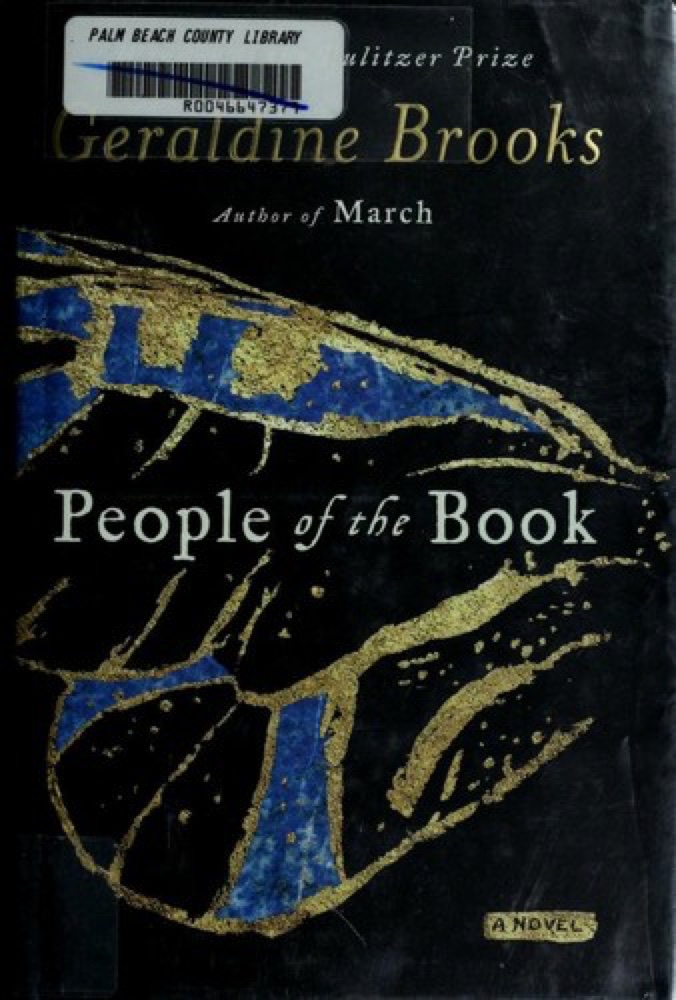 People of the Book
 Conspirata
 The Secret Agent
 The History of Tom Jones, a Foundling
 The Man in the Iron Mask
 The Mirror & the Light
 The Grace of Kings
 Dead Souls
 The Jewel in the Crown
 The Anti-Christ
 Toll the Hounds
 A Drop of Corruption
 The March of Folly: From Troy to Vietnam
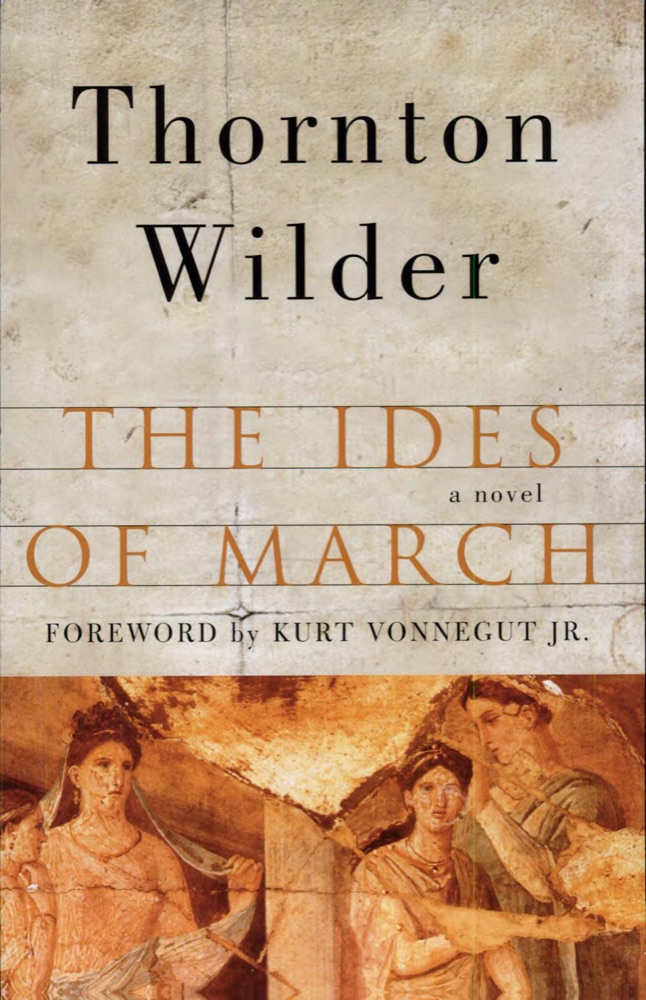 The Ides of March
 The Hangman's Daughter
 The White Plague
 Soul of the Fire
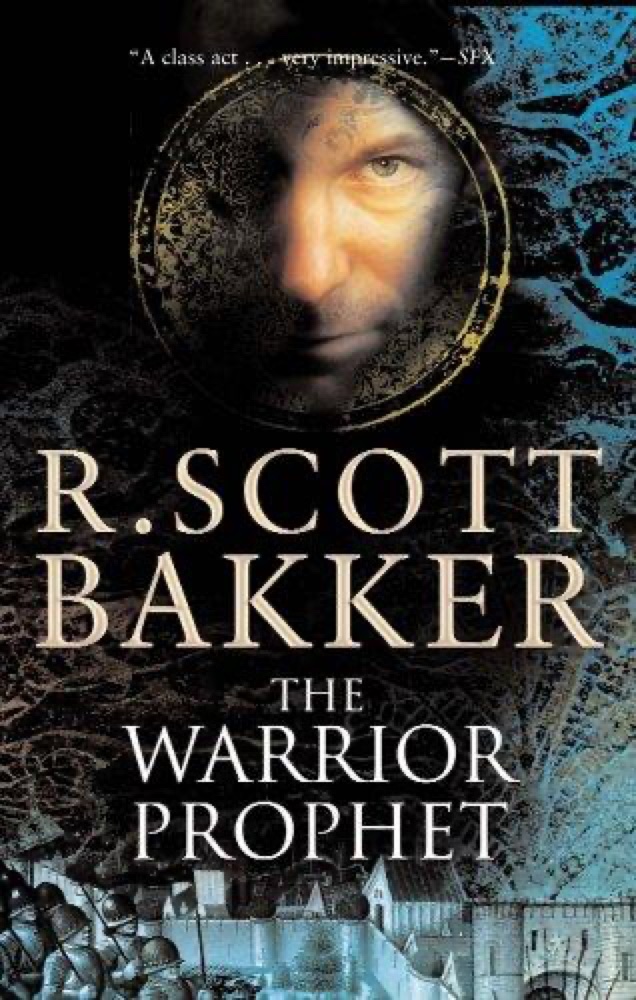 The Warrior Prophet
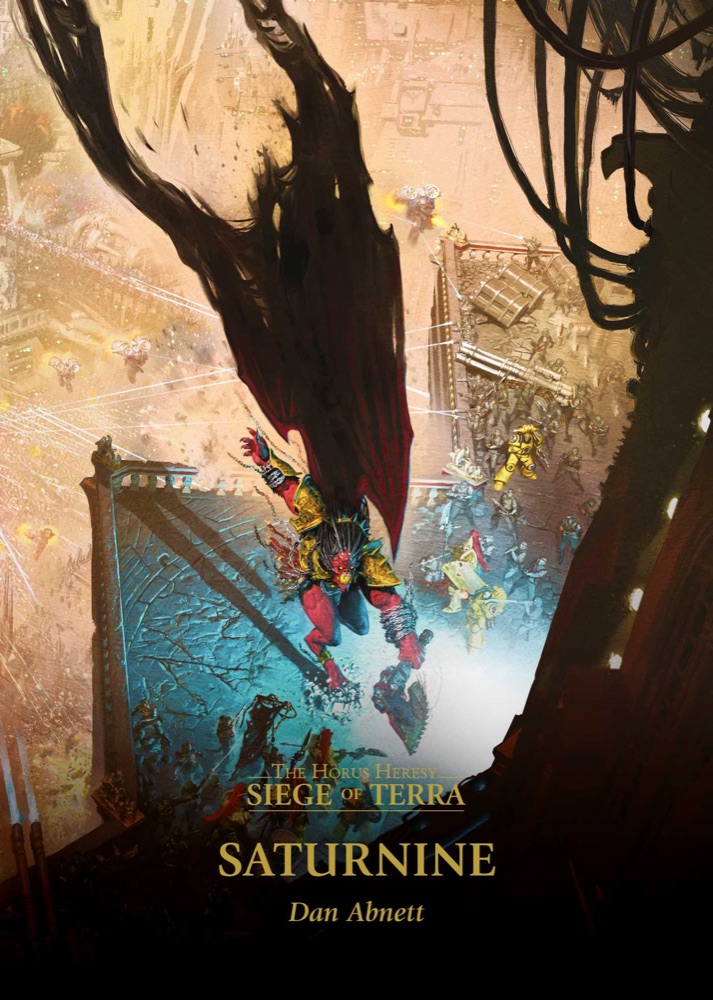 Saturnine
 Foundation and Empire
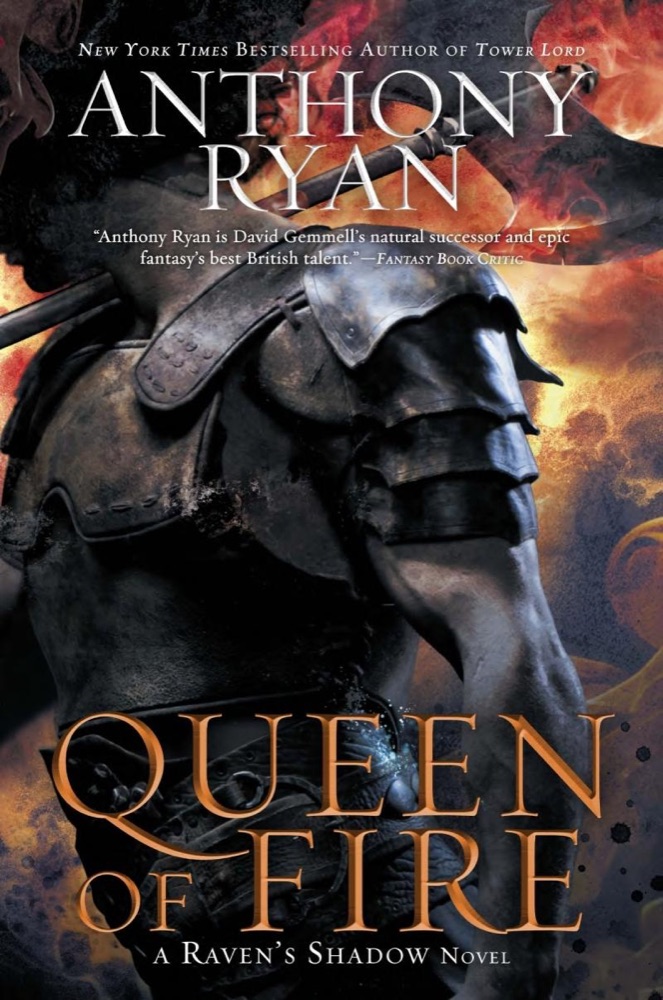 Queen of Fire
 The Memoirs of Cleopatra
 Persian Letters
 Victory City
 River of Smoke
 Following the Equator: A Journey Around the World
 Ship of Fools
 Shame
Shame
 The Ministry of Fear
 The Fall of Babel
 The Arabian Nights
 A Collection of Essays
 Barnaby Rudge
 On the Genealogy of Morals
 Plutarch's Lives
 Under Western Eyes
 Romola
 Armadale