
 Dispatches
Quotes from the Book
Before you leave here, Sir, you’re going to learn that one of the most brutal things in the world is your average nineteen-year-old American boy.
22
The essence of the Marine Corps experience, I decided, was pain.
10
And men who do not expect to receive mercy eventually lose their inclination to grant it.
8
So I guess every generation is doomed to fight its war, to endure the same old experiences, suffer the loss of the same old illusions, and learn the same old lessons on its own.
4
We had survived, but in war, a man does not have to be killed or wounded to become a casualty. His life, his sight, or limbs are not the only things he stands to lose.
4
Ten days passed, ten days of total idleness. The novelty of our surroundings wore off and the battalion began to suffer from a spiritual disease called la cafard by the French soldiers when they were in Indochina. Its symptoms were occasional fits of depression combined with an inconquerable fatigue that made the simplest tasks, like shaving or cleaning a rifle, seem enormous. Its causes were obscure, but they had something to do with the unremitting heat, the lack of action, and the long days of staring at that alien landscape; a lovely landscape, yes, but after a while all that jungle green became as monotonous as the beige of the desert or the white of the Arctic.
2
I saw their living mouths moving in conversation and their dead mouths grinning the taut-drawn grins of corpses. Their living eyes I saw, and their dead eyes still-staring. Had it not been for the fear that I was going crazy, I would have found it an interesting experience, a trip such as no drug could possibly produce. Asleep and dreaming, I saw dead men living; awake, I saw living men dead.
2
General Westmoreland’s strategy of attrition also had an important effect on our behavior. Our mission was not to win terrain or seize positions, but simply to kill: to kill Communists and to kill as many of them as possible. Stack ’em like cordwood. Victory was a high body-count, defeat a low kill-ratio, war a matter of arithmetic.
1
The marines in our brigade were not innately cruel, but on landing at Danang they learned rather quickly that Vietnam was not a place where a man could expect much mercy if, say, he was taken prisoner. And men who do not expect to receive mercy eventually lose their inclination to grant it.
1
Two friends of mine died trying to save the corpses of their men from the battlefield. Such devotion, simple and selfless, the sentiment of belonging to each other, was the one decent thing we found in a conflict otherwise notable for its monstrosities.
1
when we marched into the rice paddies on that damp March afternoon, we carried, along with our packs and rifles, the implicit convictions that the Viet Cong would be quickly beaten and that we were doing something altogether noble and good. We kept the packs and rifles; the convictions, we lost.
1
That is what I wanted, to find in a commonplace world a chance to live heroically. Having known nothing but security, comfort, and peace, I hungered for danger, challenges, and violence.
1
Once in a while, I found flint arrowheads in the muddy creek bank. Looking at them, I would dream of that savage, heroic time and wish I had lived then, before America became a land of salesmen and shopping centers.
1
It is often said that Vietnam, with its quotidian cruelties and pointlessness broadcast on the nightly news, caused Americans to lose their innocence about war. I don’t deny that this is true. The immediate power of the moving image is well attested to. It does, however, call to mind a quip I once heard: “The Americans have lost their innocence, but don’t worry, they’ll find it soon.” The power of the written word has the capacity to counteract this tendency, a value of which broadcast television is at best less capable. It provides every reader with a permanent opportunity for a private encounter with the reality of experience. So perhaps someone reading this book, now or many years in the future, will encounter a passage about a wounded Marine with “the hurt, dumb eyes of a child who has been severely beaten and does not know why.” Or they will read about an experienced NCO’s assessment that “one of the most brutal things in the world is your average nineteen-year-old American boy.
1
We left Vietnam peculiar creatures, with young shoulders that bore rather old heads.
1
No writer ever truly succeeds. The disparity between the work conceived and the work completed is always too great, and the writer merely achieves an acceptable level of failure.
1
The combination of exhaustion, anxiety, alcohol, and drugs had the inevitable effect: I had a nervous collapse and spent the next several days in the psychiatric ward of an East Coast hospital, drugged on Thorazine yet happy that no one could get to me.
1
As the citizens of a democracy, the noisy patriots and protestors had a right to their opinions about Vietnam but not, it seemed to me, to the smug righteousness with which they voiced them, because they hadn’t been there.
1
There was so much human suffering in these scenes that I could not respond to it.
1
On March 8, 1965, as a young infantry officer, I landed at Danang with a battalion of the 9th Marine Expeditionary Brigade, the first U.S. combat unit sent to Indochina.
The war was still being fought, but this desire to go back did not spring from any patriotic ideas about duty, honor, and sacrifice, the myths with which old men send young men off to get killed or maimed.
And if [the writer’s] conscience is clear, his answer to those who in the fulness of a wisdom which looks for immediate profit, demand specifically to be edified, consoled, amused; who demand to be promptly improved, or encouraged, or frightened, or shocked, or charmed, must run thus:—My task which I am trying to achieve is, by the power of the written word to make you hear, to make you feel—it is, above all to make you see. That—and no more, and it is everything. If I succeed, you shall find there according to your deserts: encouragement, consolation, fear, charm—all you demand—and, perhaps, also that glimpse of truth for which you have forgotten to ask.
About Philip Caputo
We have collected 22 quotes from 1 book by Philip Caputo on BookQuoters.
More about the author →About the book
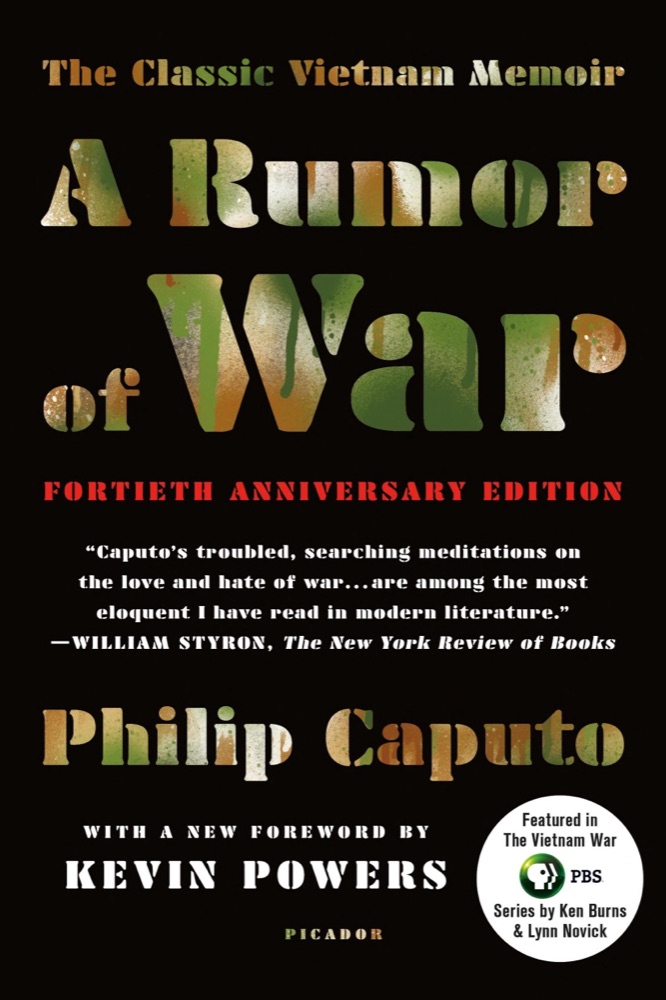
The 40th-anniversary edition of the classic Vietnam memoir—featured in the PBS documentary series The Vietnam War by Ken Burns and Lynn Novick—with a new foreword by Kevin Powers.
In March of 1965, Lieutenant Philip J. Caputo landed at Danang with the first ground combat unit deployed to Vietnam. Sixteen months later, having served on the line in one of modern history’s ugliest wars, he returned home—physically whole but emotionally wasted, his youthful idealism forever gone.
A Rumor of War is far more than one soldier’s story. Upon its publication in 1977, it shattered America’s indifference to the fate of the men sent to fight in the jungles of Vietnam. In the years since then, it has become not only a basic text on the Vietnam War but also a renowned classic in the literature of wars throughout history and, as the author writes, of "the things men do in war and the things war do
Book details
- First published
- 1977
- Author
- Philip Caputo
- Genre
- History
- Goodreads rating
- 4.18 (16k ratings)
Keep reading
Dispatches
 Jarhead : A Marine's Chronicle of the Gulf War and Other Battles
 With the Old Breed: At Peleliu and Okinawa
 The Forgotten Soldier
 If I Die in a Combat Zone, Box Me Up and Ship Me Home
 Regeneration
 Zinky Boys: Soviet Voices from the Afghanistan War
 We Were Soldiers Once... and Young: Ia Drang - The Battle that Changed the War in Vietnam
 All Quiet on the Western Front
 Black Hawk Down
 The Things They Carried
 Generation Kill: Devil Dogs, Iceman, Captain America, and the New Face of American War
 Tree of Smoke
 American War
 The Good Soldiers
 Mr. Lincoln's Army
 American Sniper: The Autobiography of the Most Lethal Sniper in U.S. Military History
 Girl at War
 The Thin Red Line
 The Wars
 Ghost Soldiers: The Epic Account of World War II's Greatest Rescue Mission
 The Naked and the Dead
 What It is Like to Go to War
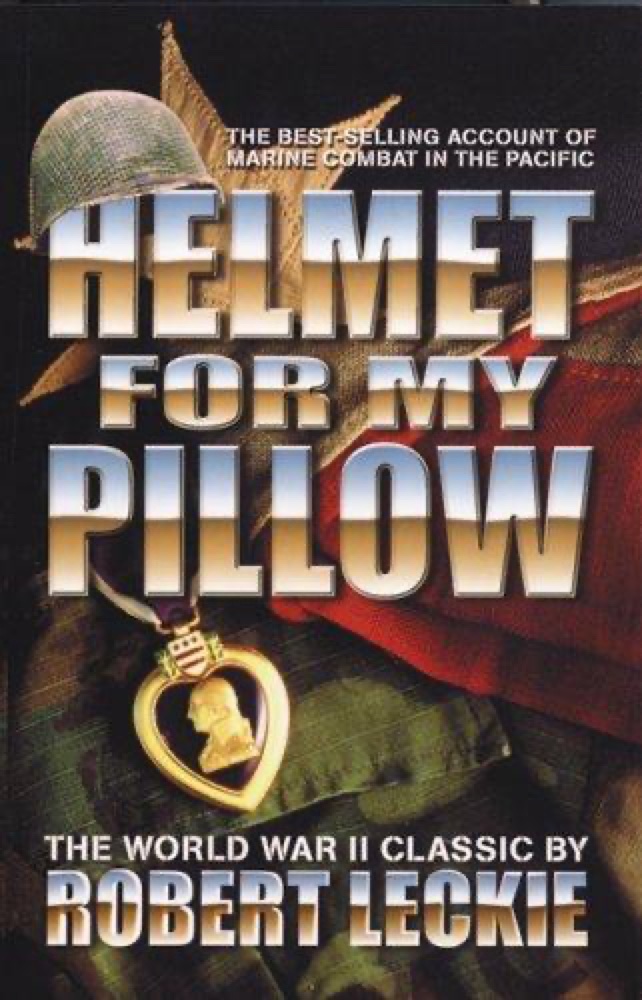 Helmet for My Pillow
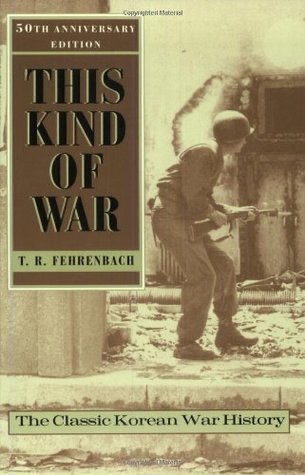 This Kind of War: A Study in Unpreparedness
 Days Without End
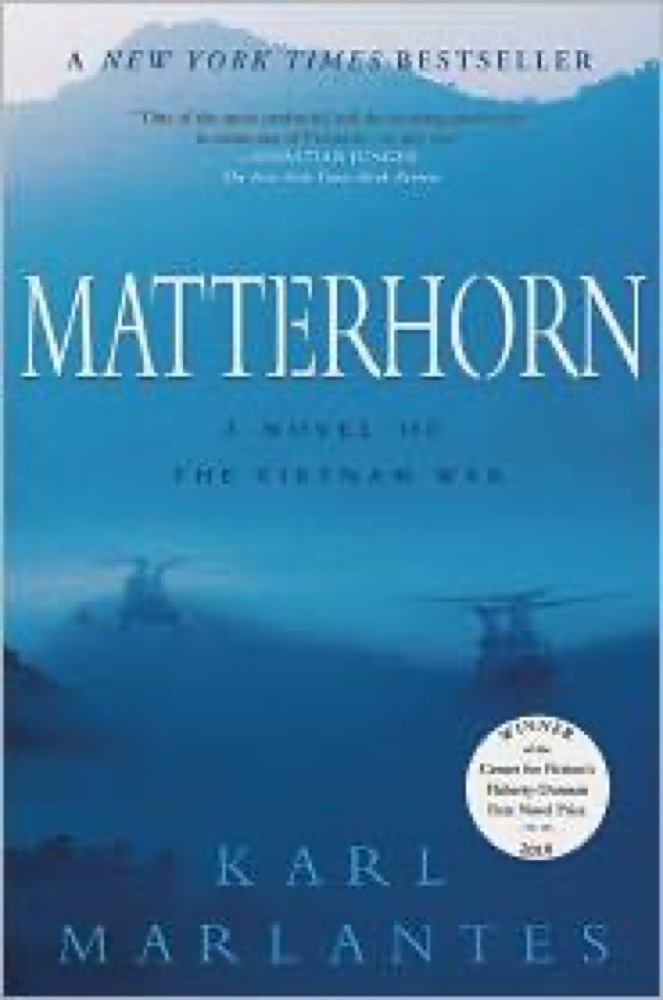 Matterhorn
 What Moves the Dead
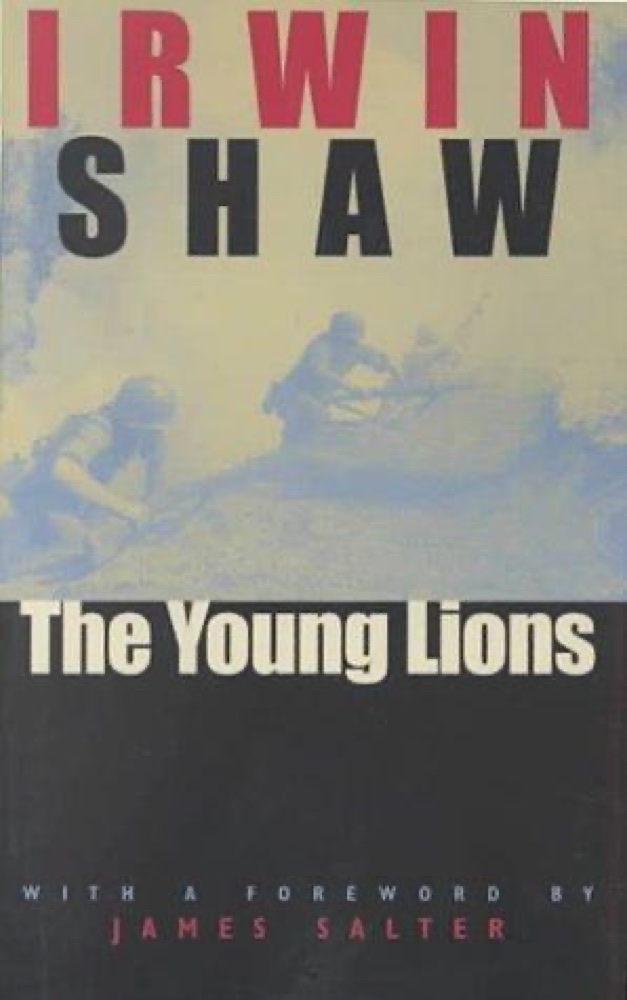 The Young Lions
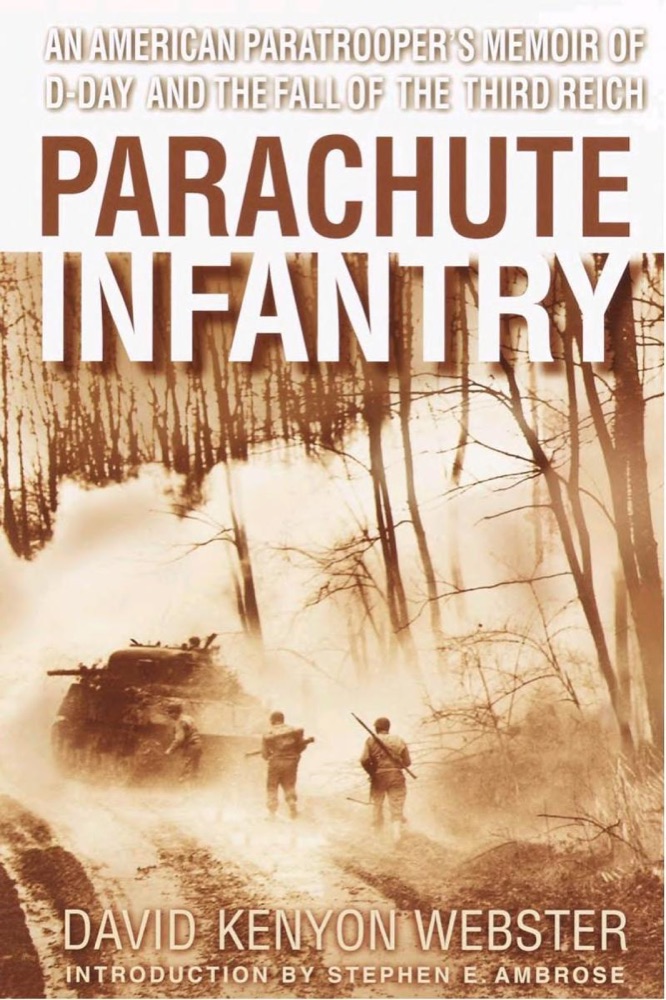 Parachute Infantry: An American Paratrooper's Memoir of D-Day and the Fall of the Third Reich
 The Road Back
 The Killer Angels
 Blood on the Tracks
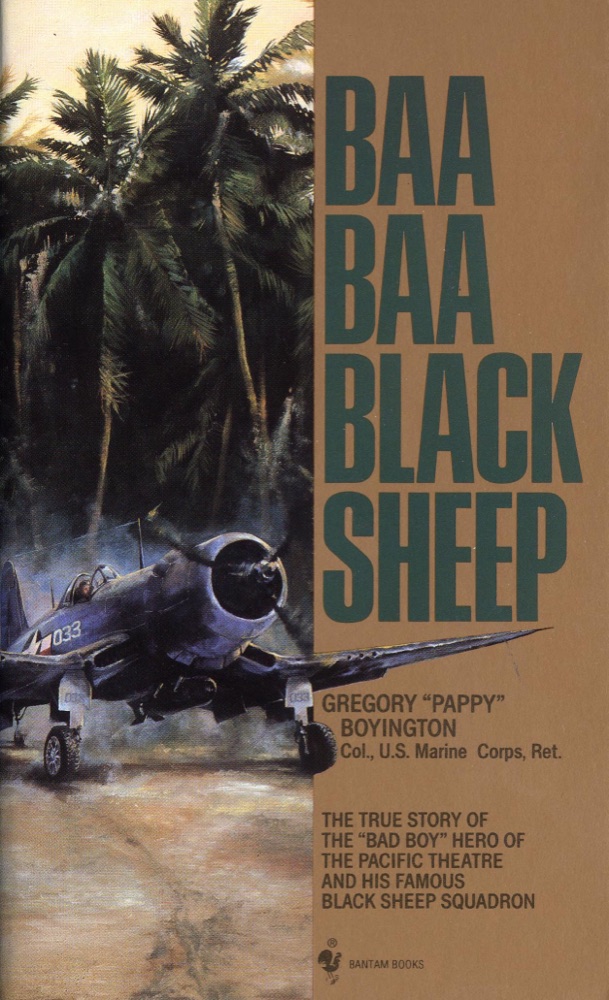 Baa Baa Black Sheep
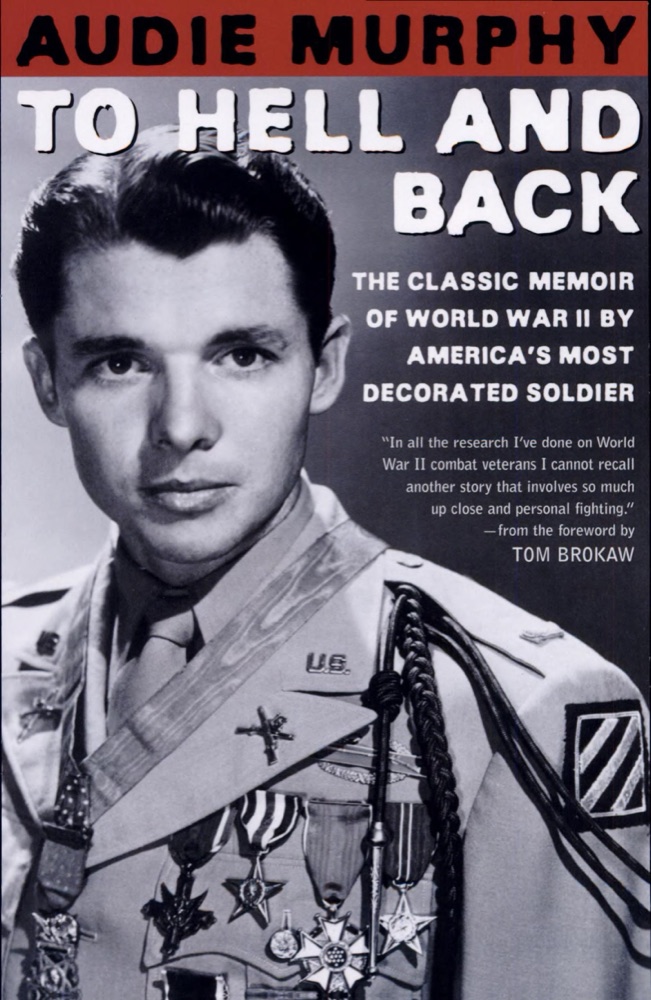 To Hell and Back
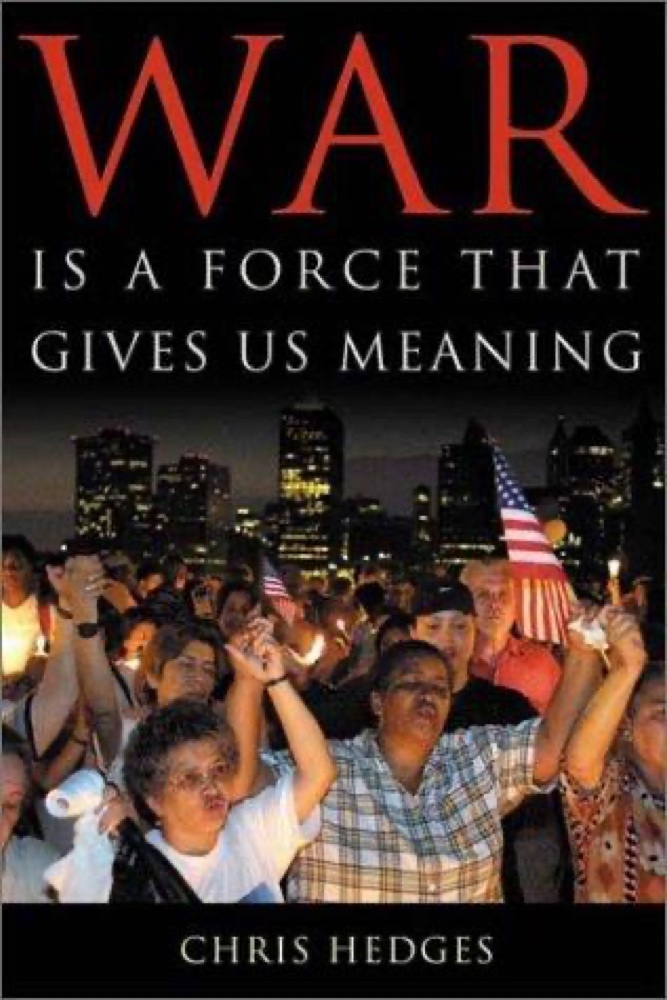 War Is a Force That Gives Us Meaning
 Homage to Catalonia
 The Yellow Birds
 The Moon Is Down
 War
War
 The Unvanquished
 Into the Silence: The Great War, Mallory and the Conquest of Everest
 Testament of Youth
 Woe to Live On
 Vietnam: An Epic Tragedy, 1945-1975
 Billy Lynn's Long Halftime Walk
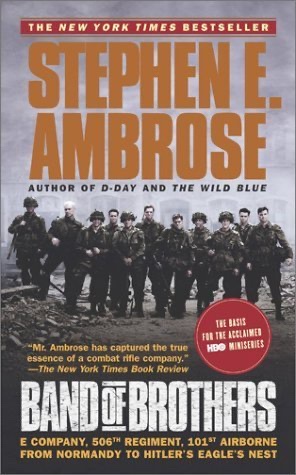 Band of Brothers: E Company, 506th Regiment, 101st Airborne from Normandy to Hitler's Eagle's Nest
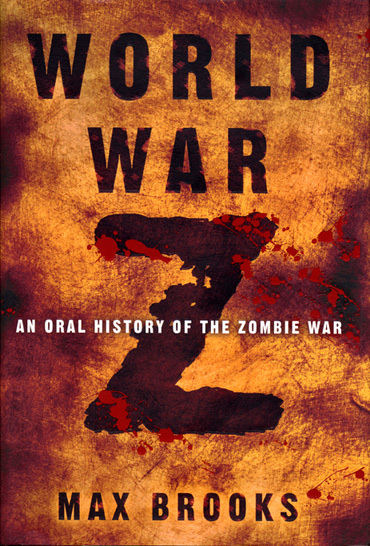 World War Z: An Oral History of the Zombie War
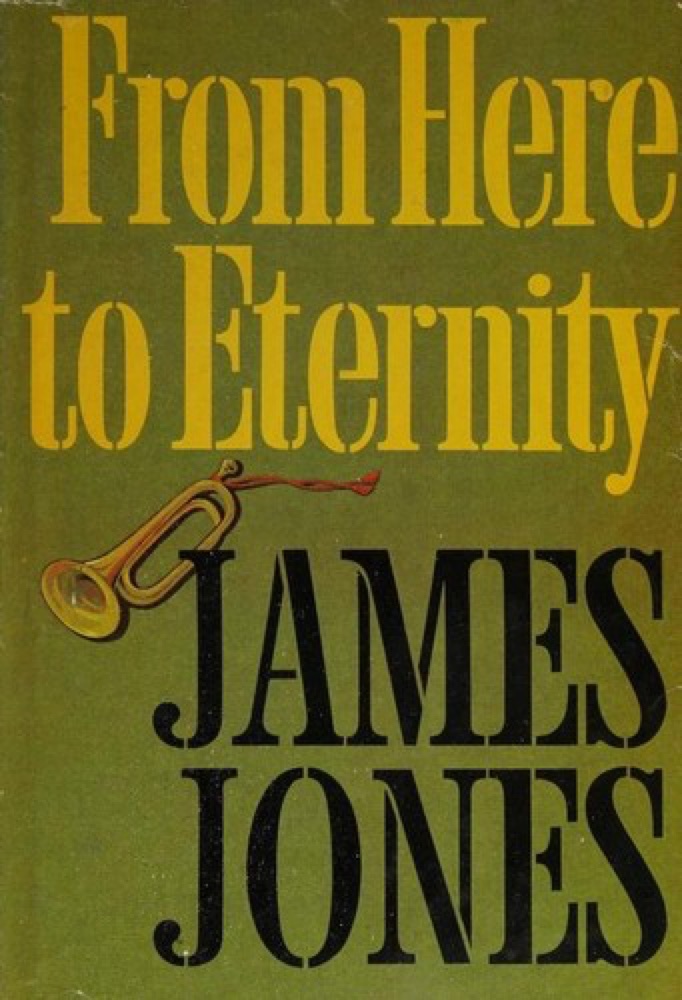 From Here to Eternity
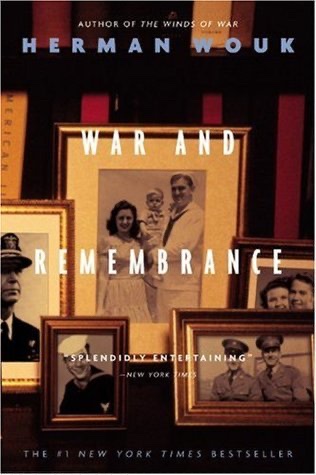 War and Remembrance
 Babylon's Ashes
 The Book of My Lives
 Storm of Steel
 Chasing The Light: Writing, Directing, and Surviving Platoon, Midnight Express, Scarface, Salvador, and the Movie Game
 Salt to the Sea
 The Coldest Winter: America and the Korean War
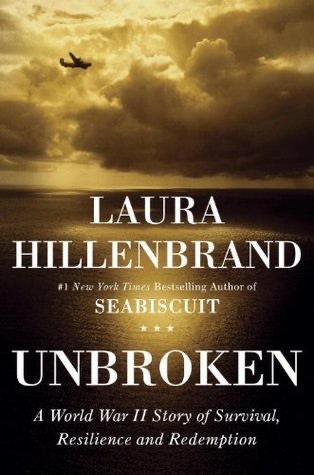 Unbroken: An Extraordinary True Story of Courage and Survival
 All But My Life: A Memoir
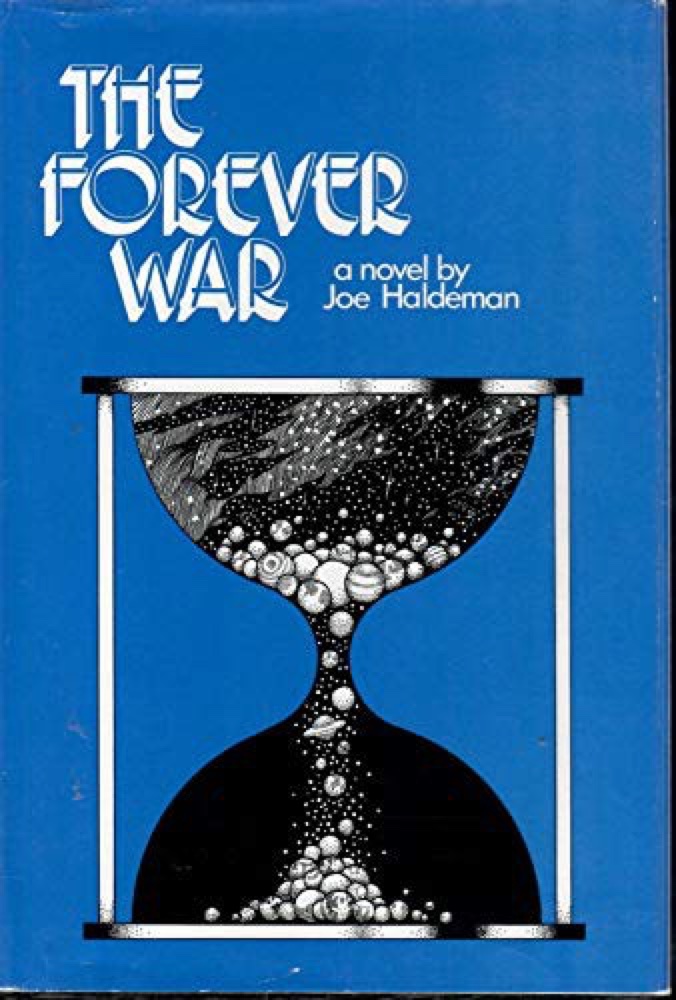 The Forever War
 Dust Child