 The Agony and the Ecstasy
Quotes from the Book
Night does not communicate with the day. It burns up in it. Night is carried to the stake at dawn. And its people along with it—the drinkers, the poets, the lovers. We are a people of the banished, of the condemned.
12
Beauty comes from abandoning the refuge of the old forms for the uncertainty of the present.
8
A pošto su to deca, pričaj im o bitkama i kraljevima, đavolima, slonovima i anđelima, ali ne zaboravi da im pričaš o ljubavi i sličnim stvarima. (epigraf, Radjard Kipling - Životna smetnja)
5
I know that men are children who chase away their despair with anger, their fear with love; they respond to the void by building castles and temples. They cling to stories, they shove them in front of them like banners; everyone makes some story his own so as to attach himself to the crowd that shares it.
4
I’m not looking for love. I’m looking for consolation. Comfort for all these countries we have lost since we left our mother’s womb, which we replace with stories, like greedy children, our eyes wide open to the storyteller. The truth is that there is nothing but suffering: we try to forget, in the arms of strangers, that we will soon vanish.
2
He begins to recite some verses. A Persian poem. I don’t stop desiring when my desire Is fulfilled, when my mouth wins The red lips of my beloved, When my soul expires in the sweetness of her breath. Arslan smiles, he has recognized the inimitable Hafez of Shiraz, which is confirmed by the last couplet: And you will always invoke the name of Hafez In the company of the sad and the brokenhearted.
2
There is nothing more majestic than a bridge. No poem or story can ever have that strength.
2
Since the dawn of time people have had to humiliate themselves before the Caesars.
2
He hears Saint Paul’s phrase in his head: “To learn how to pray, you must go to sea,” and he understands. The immensity of the watery plain frightens him.
2
Noć se ne obraća danu. Ona u njemu sagoreva. U zoru se prinosi na lomaču. A sa njom i njeni ljudi, pijanci, pesnici, ljubavnici.
2
Often one wishes for things to repeat; you want to relive a moment that escaped, return to a gesture that didn’t take place or a word that wasn’t uttered; you try to find again the sounds that were left in your throat, the caress you didn’t dare give, the tightening of the chest that is gone forever.
1
At first sight Mesihi’s is a very different art: the height of the letter, the thickness of the line that gives movement, the disposition of the consonants, space stretching out according to sounds. Clinging to his reed pen, the calligrapher-poet gives a face to words, to phrases, to lines or verses.
1
To learn how to pray, you must go to sea,
Someday you too will yield to the present, even if only in death.
How many works of art will there have to be to put beauty into the world?
Michelangelo dreams of a banquet from long ago, when you could discuss Eros without your speech being slurred by wine, without your elocution being impaired by it, when beauty was only contemplation of beauty, far from these ugly moments prefiguring death, when bodies fought no longer against their fluids, their moods, their desires. He dreams of an ideal banquet, where table companions wouldn’t reel from fatigue or alcohol, when all vulgarity would be banished for the sake of art.
We all ape God in His absence.
He will express his suffering more clearly; he will compose two ghazals on the burning of jealousy, a sweet burning, for it fortifies love by consuming it.
The beverage is sweet, with a taste of herbs; the first two glasses are drunk quickly, to reach a state one will prolong by slowing down the rhythm. He lets himself give in to the sweet derangement of all his senses.
Michelangelo is searching for love. Michelangelo is afraid of love just as he’s afraid of Hell.
Michelangelo was not very handsome, with a forehead that was too broad, a crooked nose — broken during a brawl in his youth — bushy eyebrows, ears that stuck out a little. He couldn’t stand his own face, it was said. It was often said that if he sought perfection of features, beauty in faces, it’s because he himself lacked them completely. Only old age and fame would give him an unparalleled aura, like a kind of patina on an object that started out ugly. Perhaps it’s in this frustration that we can find the energy of his art; in the violence of the era, in the humiliation of artists, in rebellion against nature, in the lure of money, the inextinguishable thirst for advancement and glory that is the most powerful of motivators.
Your drunkenness is so sweet to me that it intoxicates me. You are breathing gently. You are alive. I would like to move over to your side of the world, see into your dreams.
And, more than anything, he loved drawing, the black wound of the ink, that caress scraping the grain of the paper.
Decidedly these Ottomans are masters of light. Bayezid’s library, like his mosque, on a hill, is bathed in an omnipresent but discreet sunlight, whose rays never fall directly on the readers. You need all the attention of a Michelangelo to discover, in the knowledgeable game of placement and orientation of windows, the secret of the miraculous harmony of this simple space whose majesty, instead of crushing the visitor, places him at the center of the arrangement, flatters him, exalts and reassures him.
Watch on YouTube
About Mathias Énard
We have collected 24 quotes from 1 book by Mathias Énard on BookQuoters.
More about the author →About the book
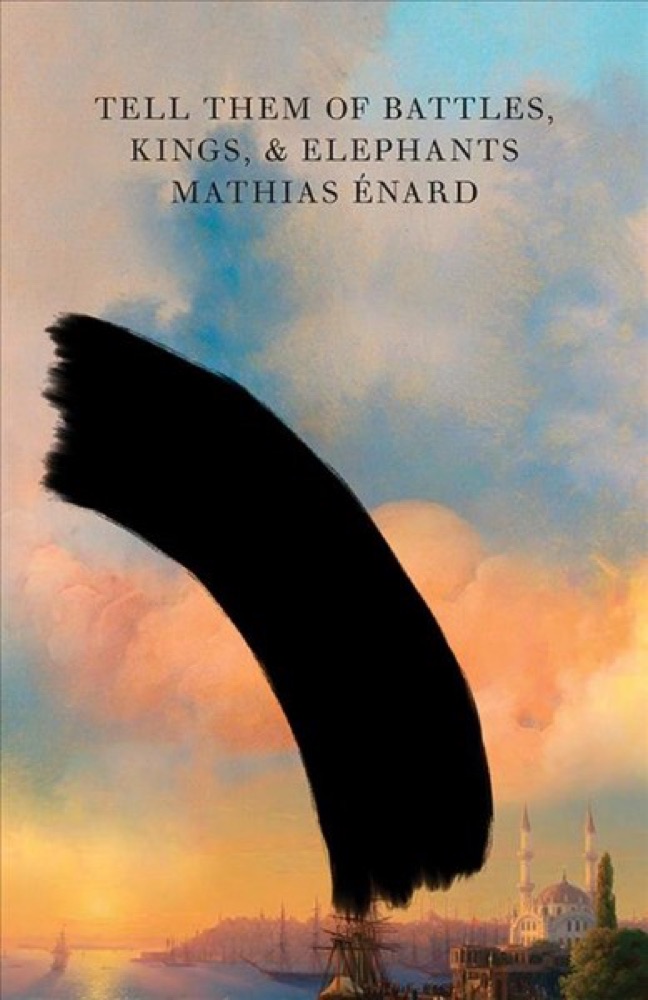
In 1506, Michelangelo – a young but already renowned sculptor – is invited by the sultan of Constantinople to design a bridge over the Golden Horn. The sultan has offered, alongside an enormous payment, the promise of immortality, since Leonardo da Vinci’s design was rejected: ‘You will surpass him in glory if you accept, for you will succeed where he has failed, and you will give the world a monument without equal.’ Michelangelo, after some hesitation, flees Rome and an irritated Pope Julius II – whose commission he leaves unfinished – and arrives in Constantinople for this truly epic project. Once there, he explores the beauty and wonder of the Ottoman Empire, sketching and describing his impressions along the way, and becomes immersed in cloak-and-dagger palace intrigues as he struggles to create what could be his greatest architectural master-work. Constructed from real historical fr
Book details
- First published
- 2010
- Author
- Mathias Énard
- Genre
- Fiction
- Goodreads rating
- 3.85 (7k ratings)
The buzz
- The New YorkerReview in The New Yorkerprofessional review (via Book Marks)
- The Wall Street JournalReview in The Wall Street Journalprofessional review (via Book Marks)
- The GuardianReview in The Guardianprofessional review (via Book Marks)
- NPRReview in NPRprofessional review (via Book Marks)
- Kirkus ReviewsReview in Kirkus Reviewsprofessional review (via Book Marks)
- Publishers WeeklyReview in Publishers Weeklyprofessional review (via Book Marks)
Keep reading
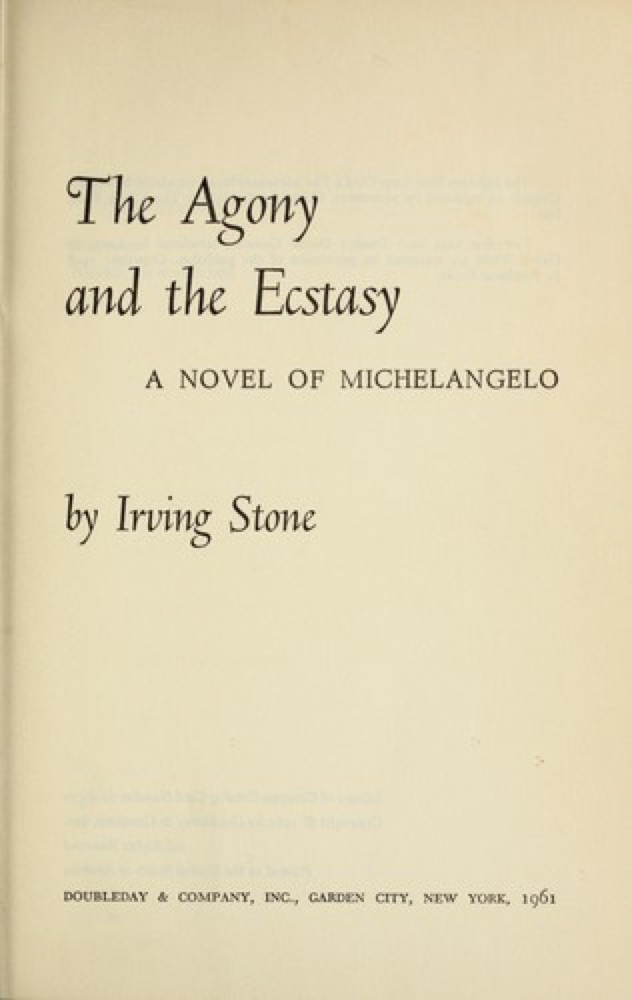
The Agony and the Ecstasy
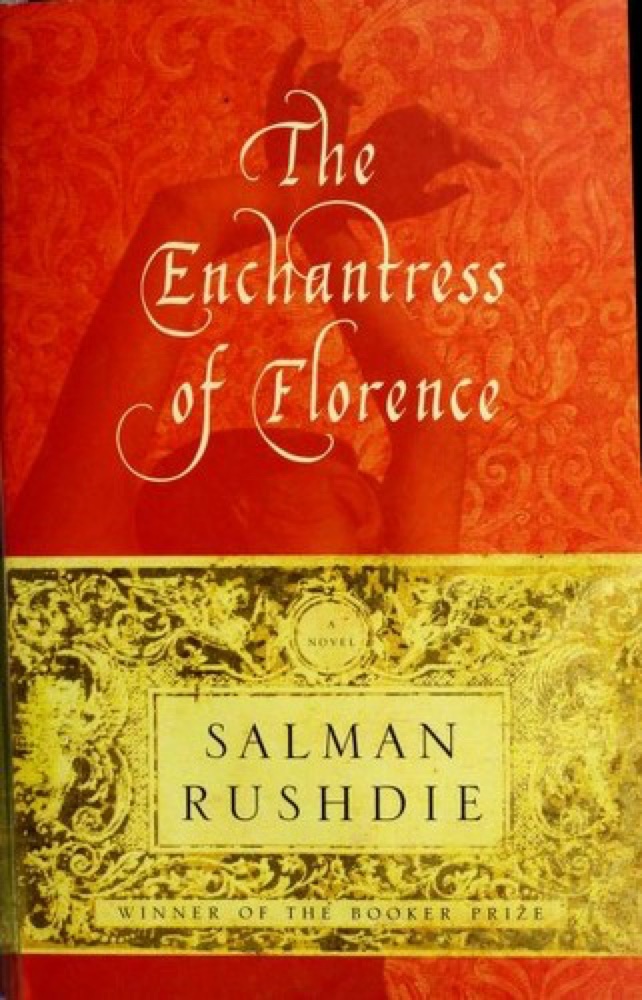 The Enchantress of Florence
 The Architect's Apprentice
 A Soldier of the Great War
 Narcissus and Goldmund
 In Search of Lost Time
 Wind, Sand and Stars
 The Castle of Crossed Destinies
 Ulysses
 Ben-Hur: A Tale of the Christ
 The Conference of the Birds
 Death in Venice and Other Tales
 Arch of Triumph
 The Book of Mirdad: The Strange Story of a Monastery Which Was Once Called the Ark
 Plainwater: Essays and Poetry
 Les Misérables
 Selected Poems
 Oblomov
 The Moor's Last Sigh
 The Divine Comedy
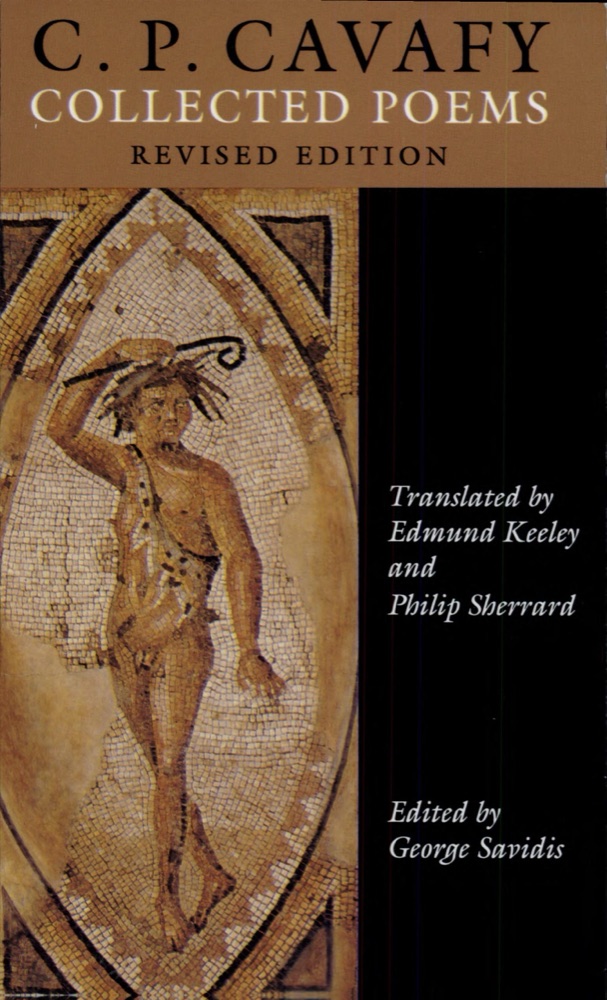 C.P. Cavafy: Collected Poems
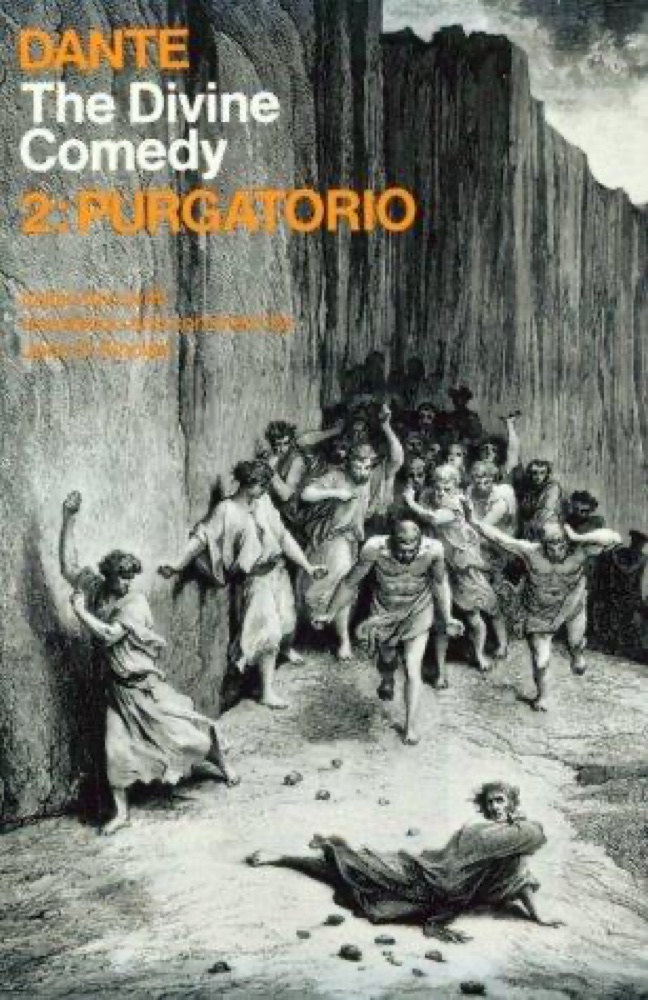 Purgatorio
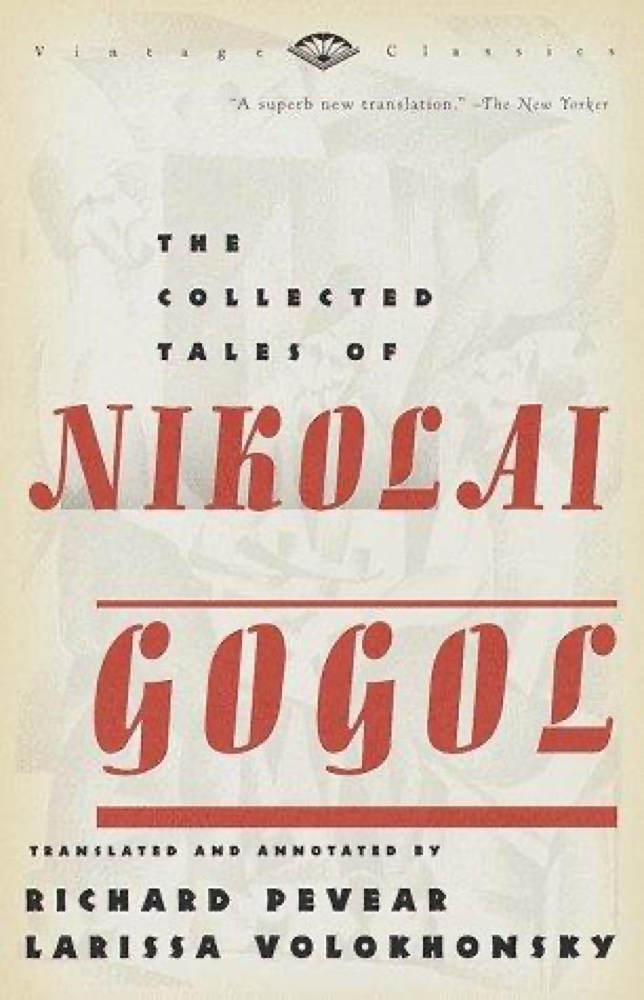 The Collected Tales of Nikolai Gogol
 Sexus
Sexus
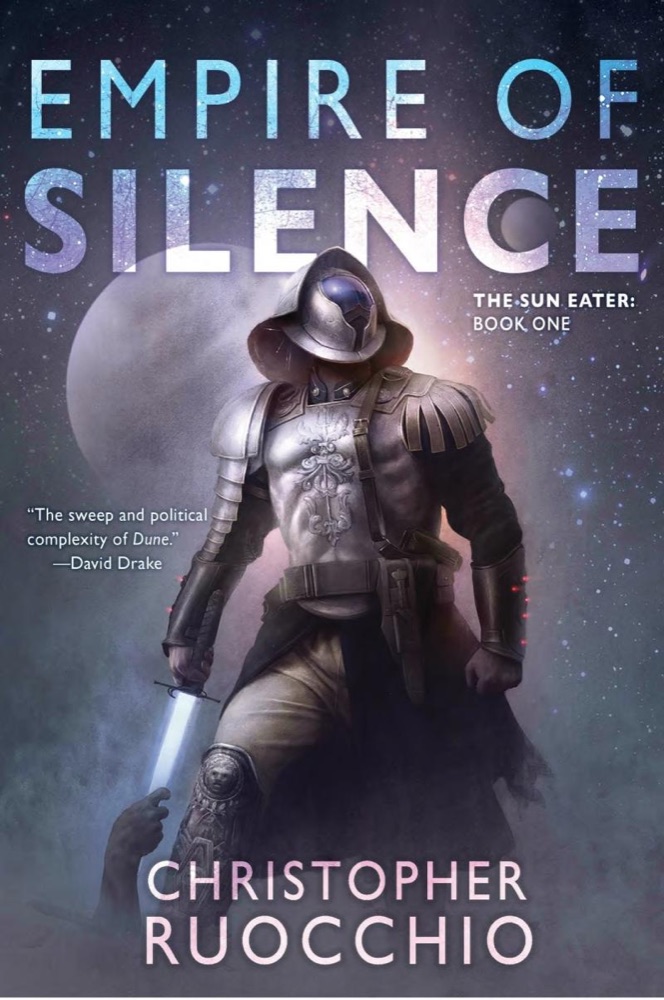 Empire of Silence
 The Collected Poems
 The Island of the Day Before
 The Stories of Vladimir Nabokov
 The Last Man
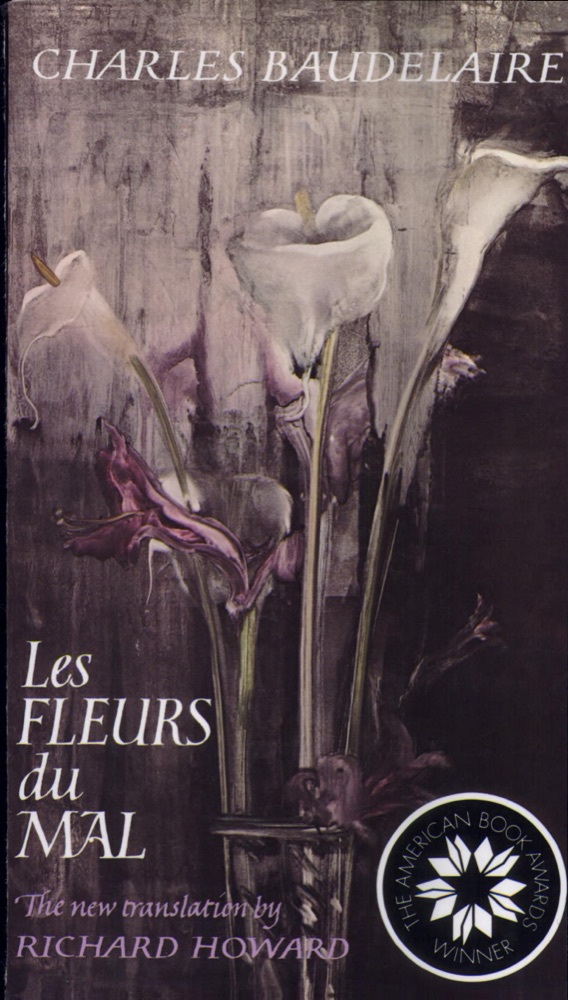 Les Fleurs du Mal
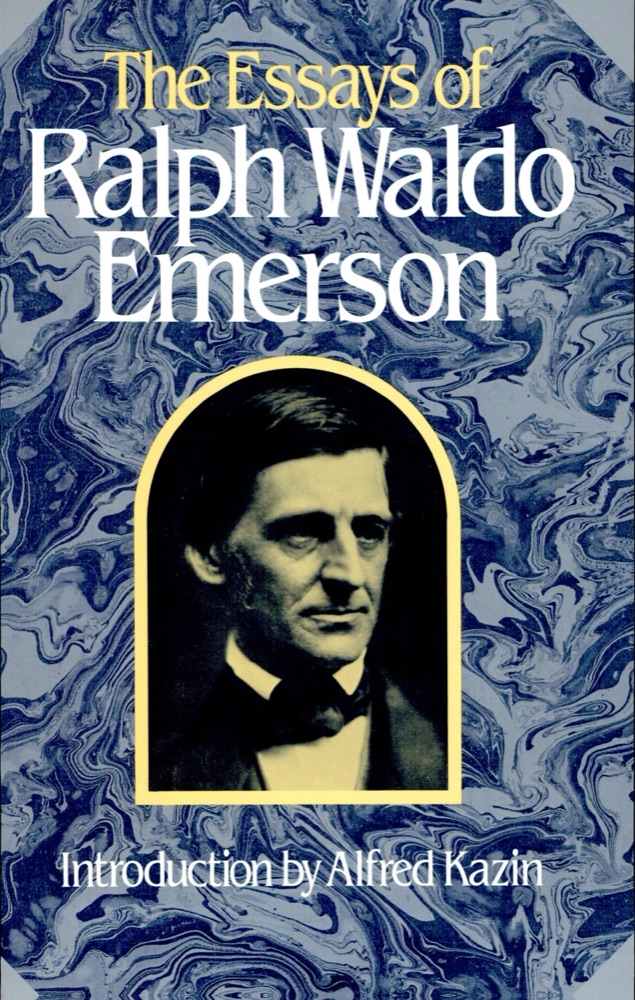 The Essays of Ralph Waldo Emerson
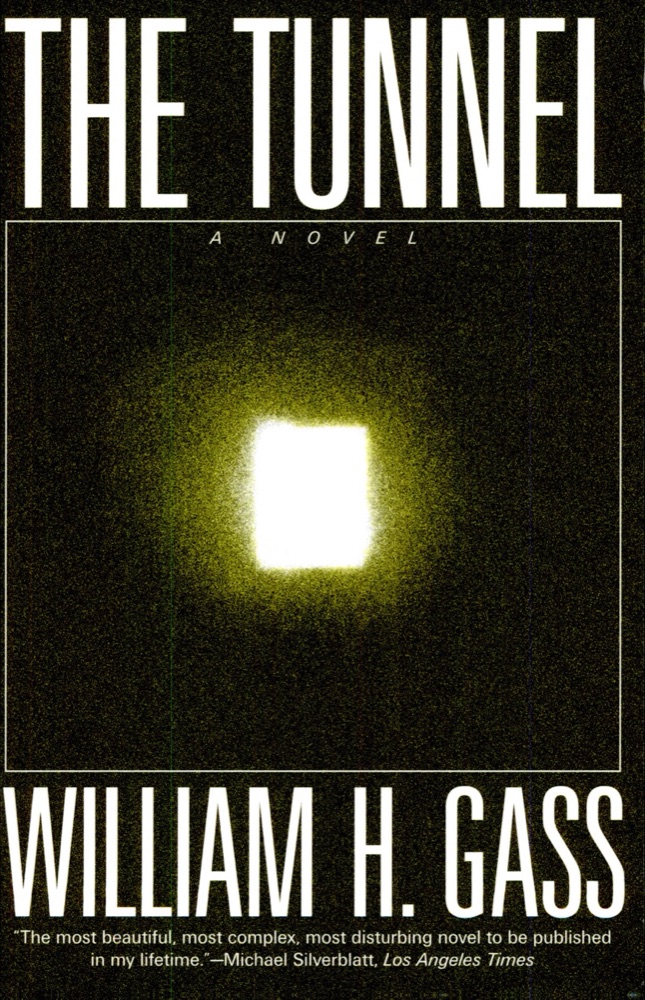 The Tunnel
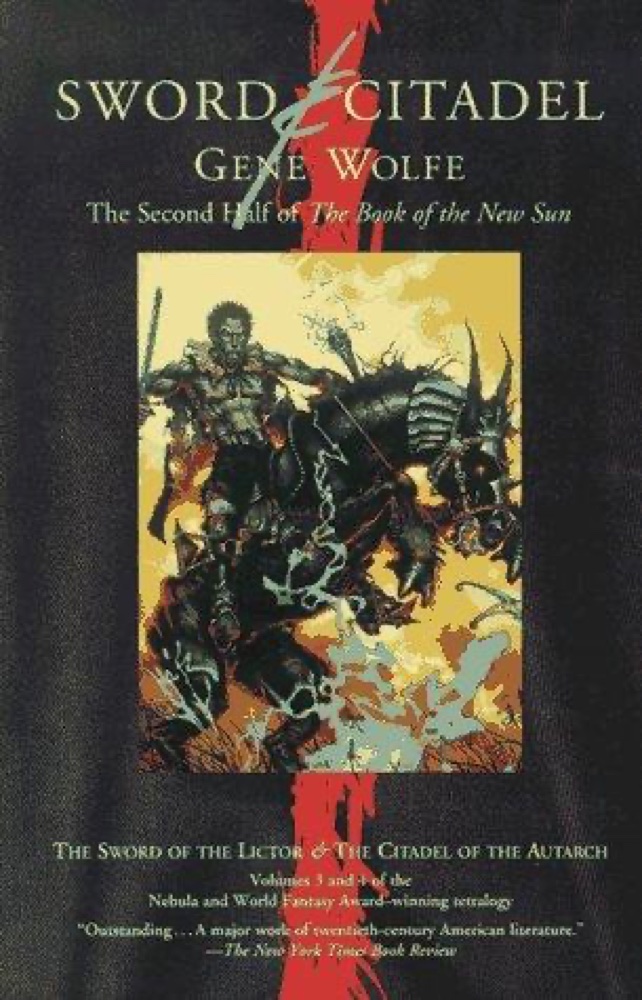 Sword & Citadel
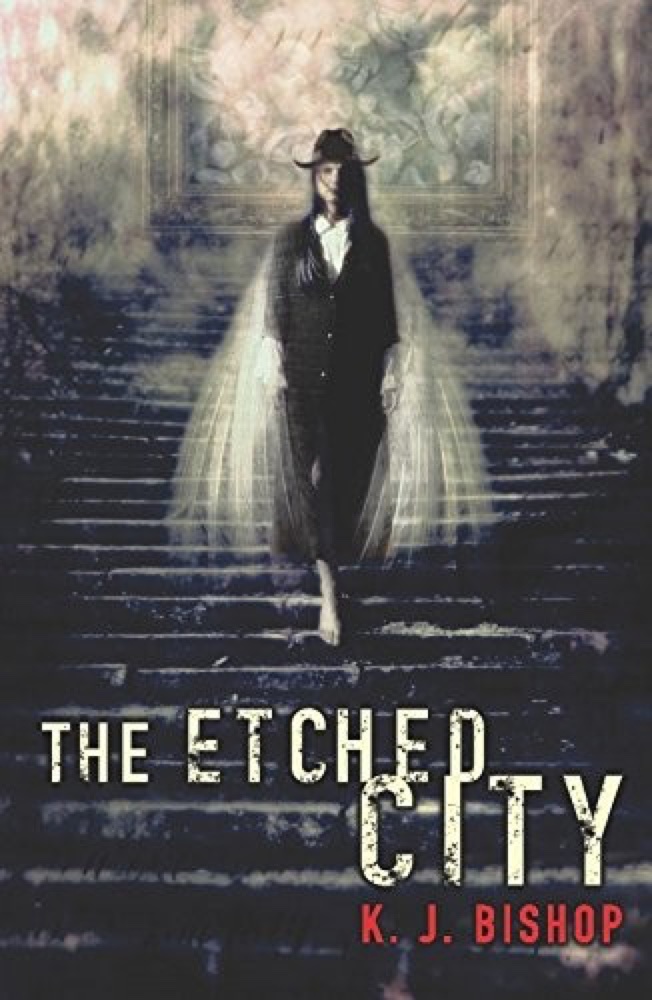 The Etched City
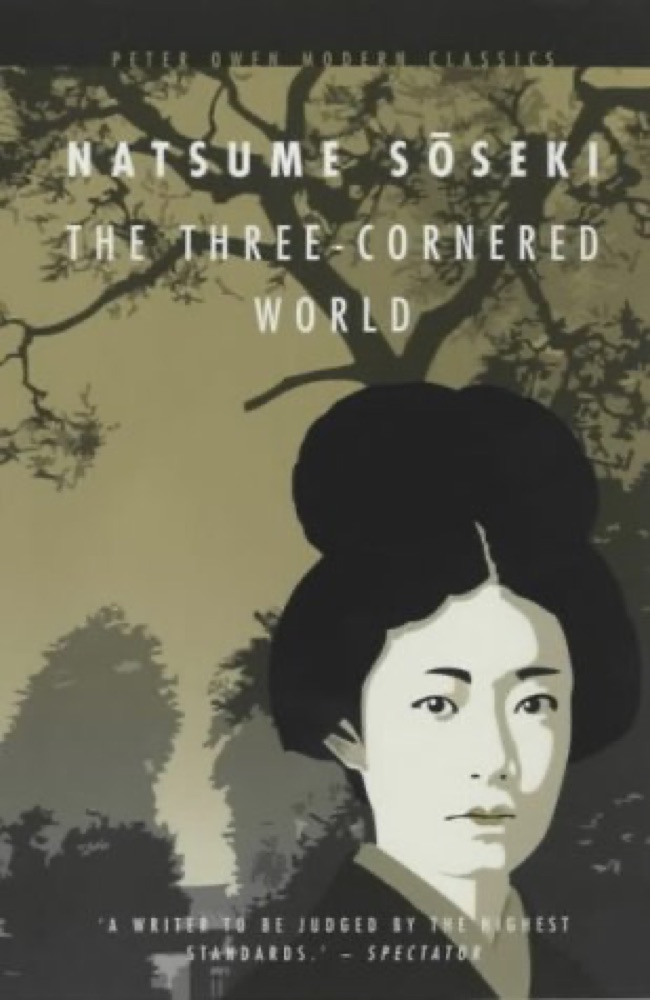 The Three-Cornered World
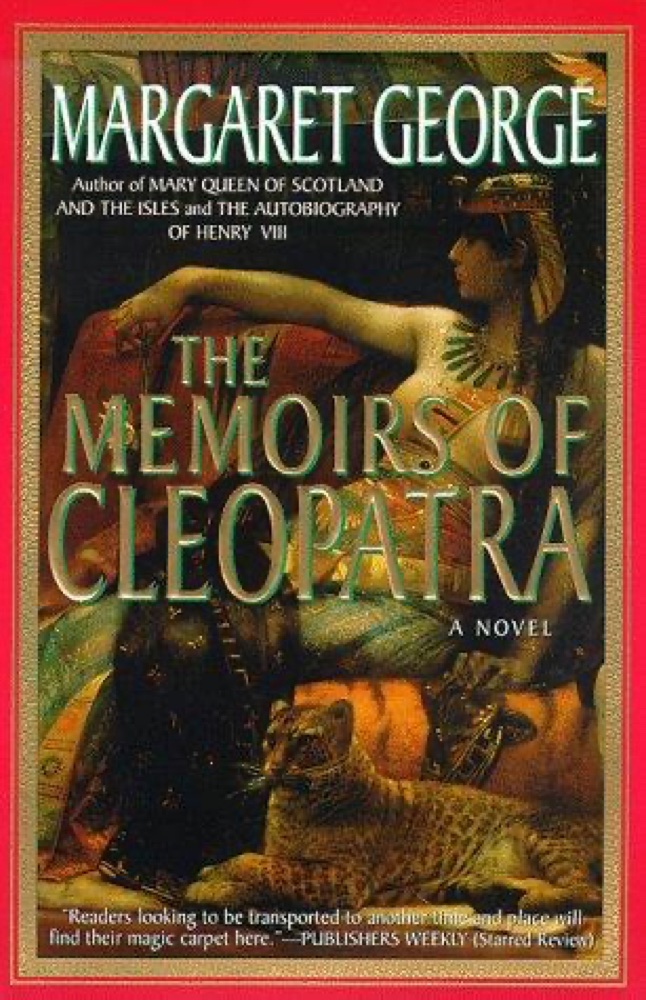 The Memoirs of Cleopatra
 Art and Lies
 The Man Who Laughs
 A Portrait of the Artist as a Young Man
 The Thousand Autumns of Jacob de Zoet
 Brideshead Revisited: The Sacred and Profane Memories of Captain Charles Ryder
 The Museum of Modern Love
 The Temple of the Golden Pavilion
 The Hunchback of Notre-Dame
 Death in Venice
 Spring Snow
 The Letters of Vincent van Gogh
 Winesburg, Ohio
 The Recognitions
 Miss Lonelyhearts
 The Complete Works
 The Hungry Tide
 A Room with a View
 Selected Poems
 Fugitive Pieces
 Birds Without Wings
 The Arabian Nights
 Selected Stories
 Beautiful Ruins