
 The Future of Another Timeline
Quotes from the Book
Are we not witnessing a strange tableau of survival whenever a bird alights on the head of a crocodile, bringing together the evolutionary offspring of Triassic and Jurassic?
4
As UC Berkeley economics professor Brad DeLong put it to me: You get famine if the price of food spikes far beyond that of some people's means. This can be because food is short, objectively. This can be because the rich have bid the resources normally used to produce food away to other uses. You also get famine when the price of food is moderate if the incomes of large groups collapse.... In all of this, the lesson is that a properly functioning market does not seek to advance human happiness but rather to advance human wealth. What speaks in the market is money: purchasing power. If you have no money, you have no voice in the market. The market acts as if it does not know you exist and does not care whether you live or die. DeLong describes a marketplace that leaves people to die - not out of malice , but out of indifference.
3
Humanity's story must be one of constant change because that is one way to transmute hope.
1
The more we cull diversity, the more we are vulnerable to extinction,
Everything I had read in the fields of fiction and science led me to a single, dark conclusion. Humans are screwed, and so is our planet.
Watch on YouTube
About Annalee Newitz
We have collected 26 quotes from 3 books by Annalee Newitz on BookQuoters.
More about the author →More by Annalee Newitz
The Future of Another Timeline
 Four Lost Cities: A Secret History of the Urban Age
About the book
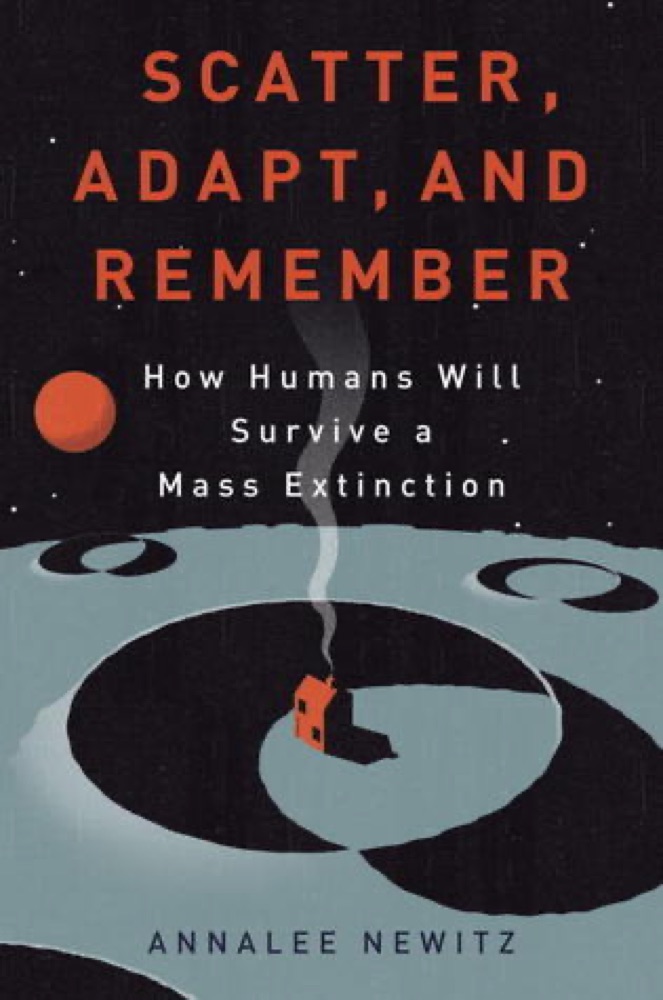
In its 4.5 billion–year history, life on Earth has been almost erased at least half a dozen times: shattered by asteroid impacts, entombed in ice, smothered by methane, and torn apart by unfathomably powerful megavolcanoes. And we know that another global disaster is eventually headed our way. Can we survive it? How?As a species, Homo sapiens is at a crossroads. Study of our planet’s turbulent past suggests that we are overdue for a catastrophic disaster, whether caused by nature or by human interference.It’s a frightening prospect, as each of the Earth’s past major disasters—from meteor strikes to bombardment by cosmic radiation—resulted in a mass extinction, where more than 75 percent of the planet’s species died out. But in Scatter, Adapt, and Remember, Annalee Newitz, science journalist and editor of the science Web site io9.com explains that although global disaster is all but inevi
Book details
- First published
- 2013
- Author
- Annalee Newitz
- Genre
- Nonfiction
- Goodreads rating
- 3.54 (2k ratings)
Keep reading
 The Sixth Extinction: An Unnatural History
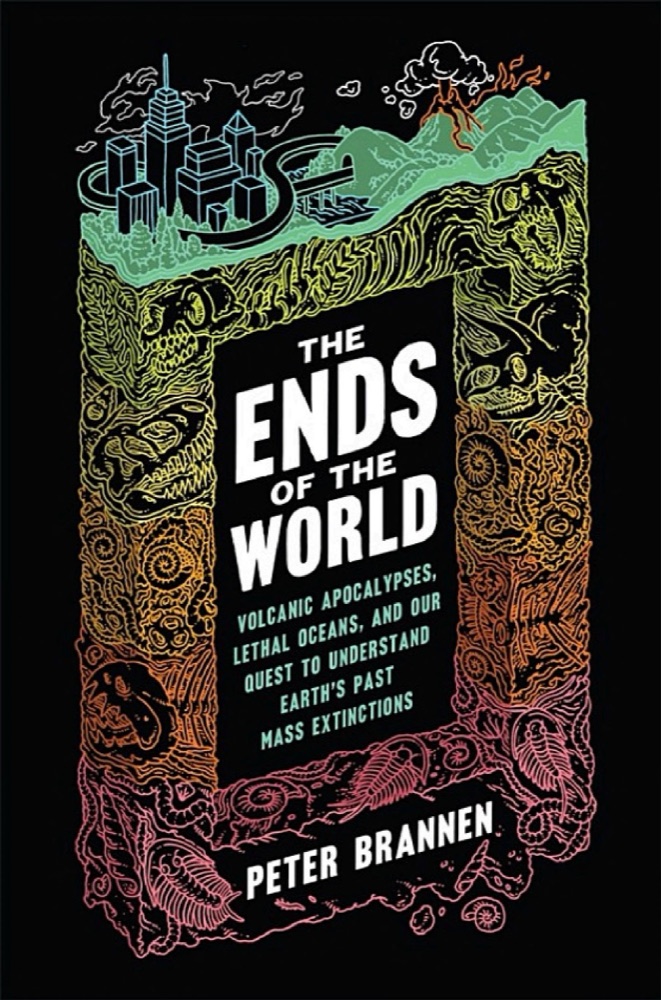 The Ends of the World
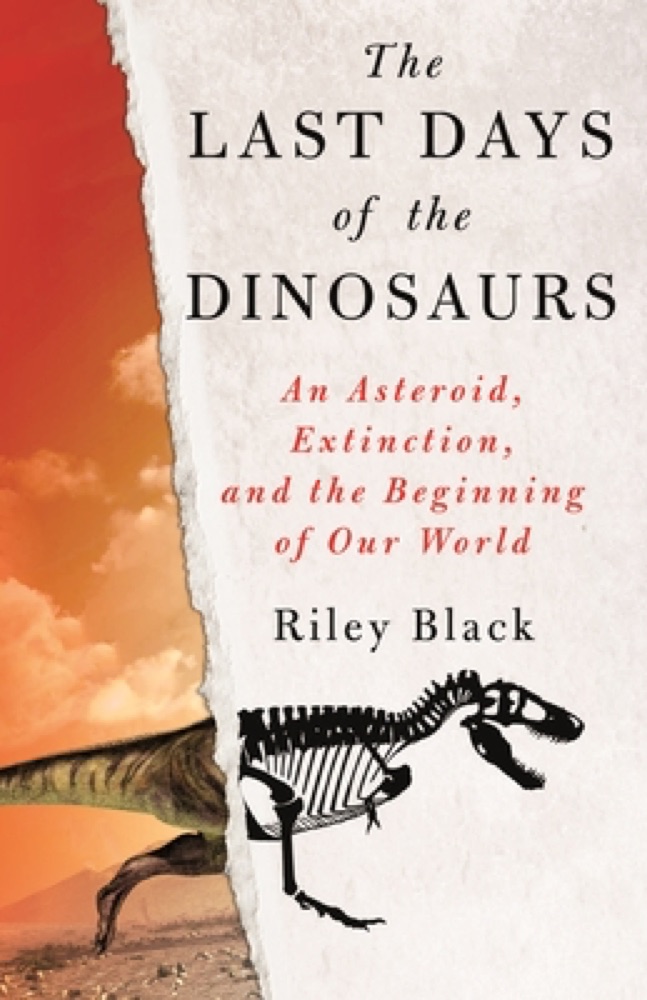 The Last Days of the Dinosaurs: An Asteroid, Extinction, and the Beginning of Our World
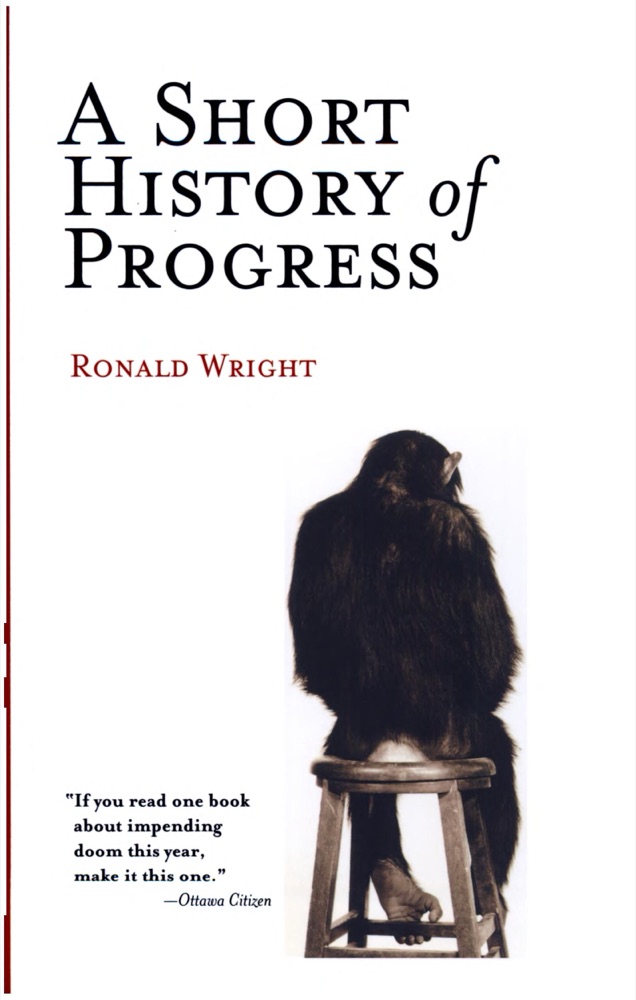 A Short History of Progress
 The Lost World
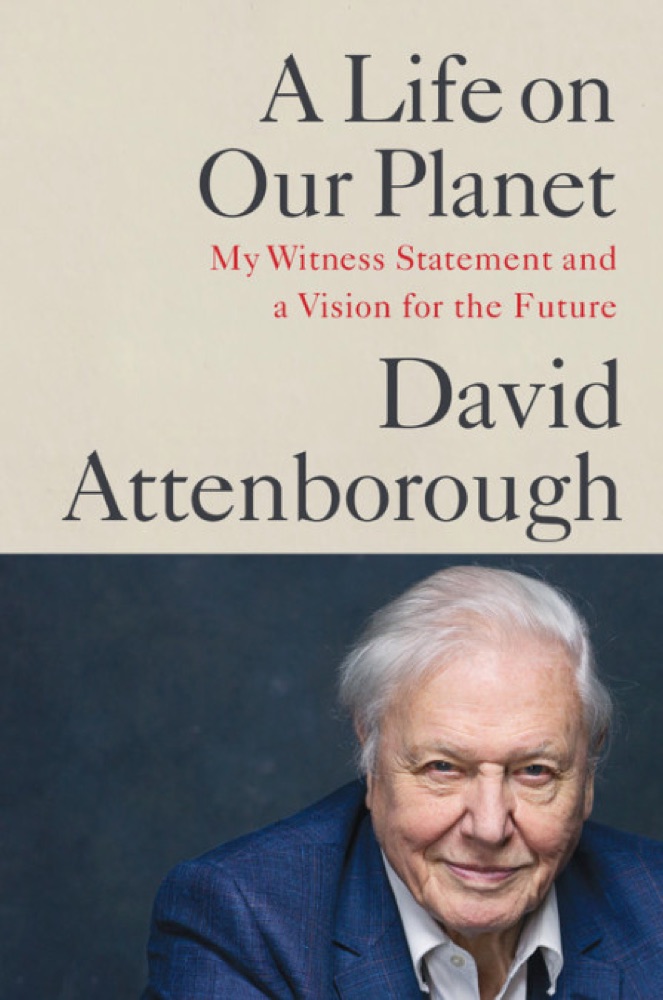 A Life on Our Planet: My Witness Statement and a Vision for the Future
 Falter: Has the Human Game Begun to Play Itself Out?
 The Third Chimpanzee: The Evolution and Future of the Human Animal
 The Story of More: How We Got to Climate Change and Where to Go from Here
 Under a White Sky: The Nature of the Future
 Shadows of Forgotten Ancestors
 Jurassic Park
 Sapiens: A Brief History of Humankind
 The Ministry for the Future
 Death's End
 The World Without Us
 The Social Conquest of Earth
 All We Can Save: Truth, Courage, and Solutions for the Climate Crisis
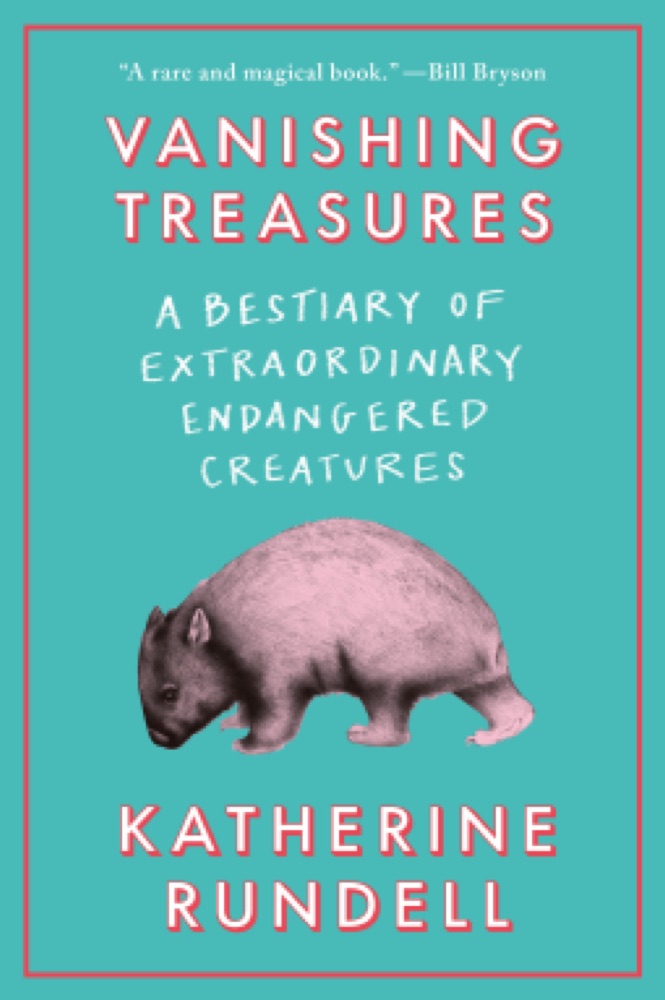 Vanishing Treasures: A Bestiary of Extraordinary Endangered Creatures
 Earth
Earth
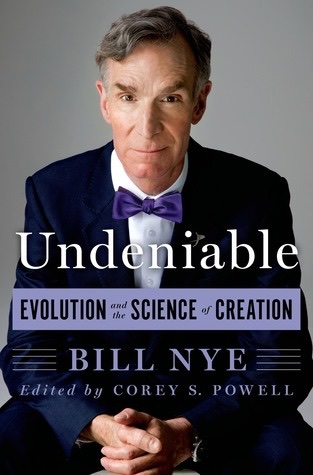 Undeniable: Evolution and the Science of Creation
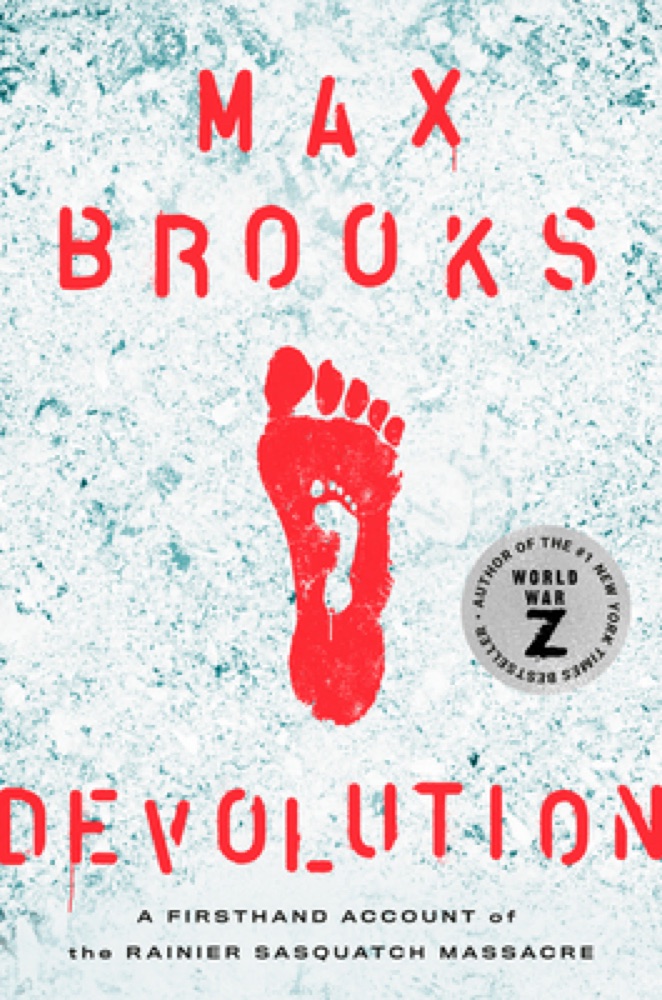 Devolution: A Firsthand Account of the Rainier Sasquatch Massacre
 The Origin of Species
 The Mushroom at the End of the World: On the Possibility of Life in Capitalist Ruins
 Homo Deus: A History of Tomorrow
 Billions & Billions: Thoughts on Life and Death at the Brink of the Millennium
 Genome
 Dragons of Eden: Speculations on the Evolution of Human Intelligence
 Ishmael: An Adventure of the Mind and Spirit
 The Ancestor's Tale: A Pilgrimage to the Dawn of Evolution
 The Evolutionary Void
 The Atlantis Gene
 On Fire: The Case for the Green New Deal
 Endgame, Vol. 1: The Problem of Civilization
 The Fifth Science
 The Three-Body Problem
 The Nutmeg's Curse: Parables for a Planet in Crisis
 The Book of Joan
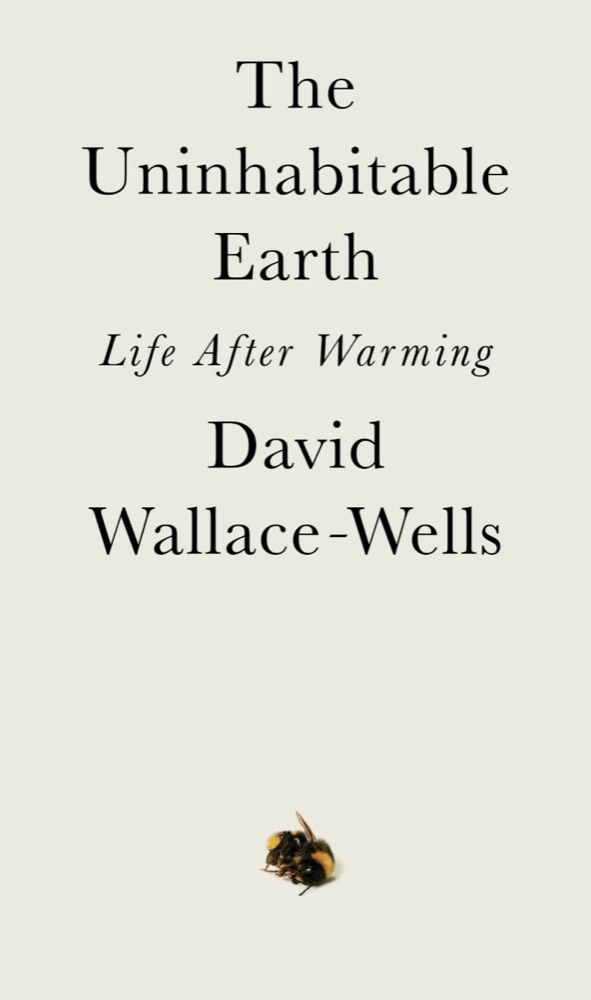 The Uninhabitable Earth: Life After Warming
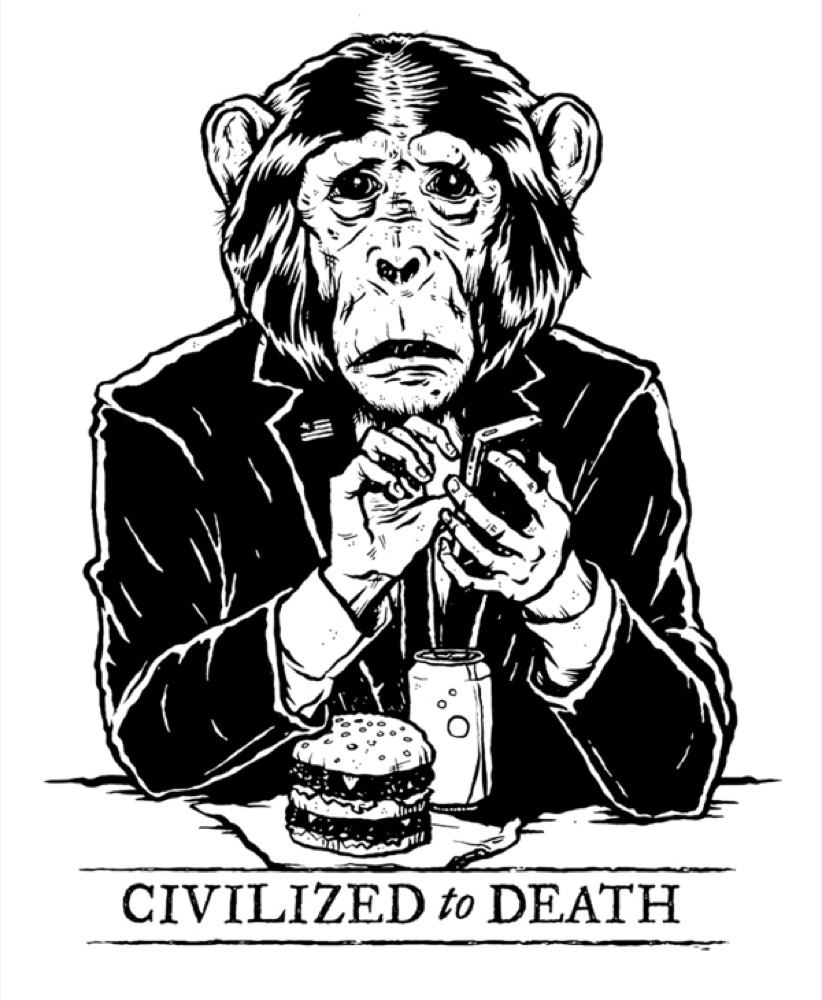 Civilized to Death: What Was Lost on the Way to Modernity
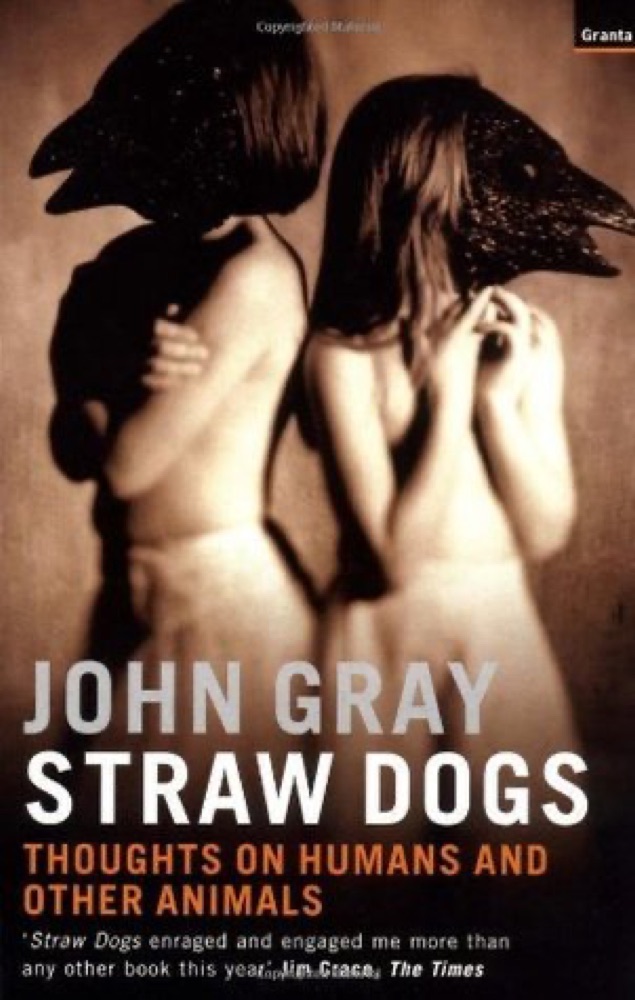 Straw Dogs: Thoughts on Humans and Other Animals
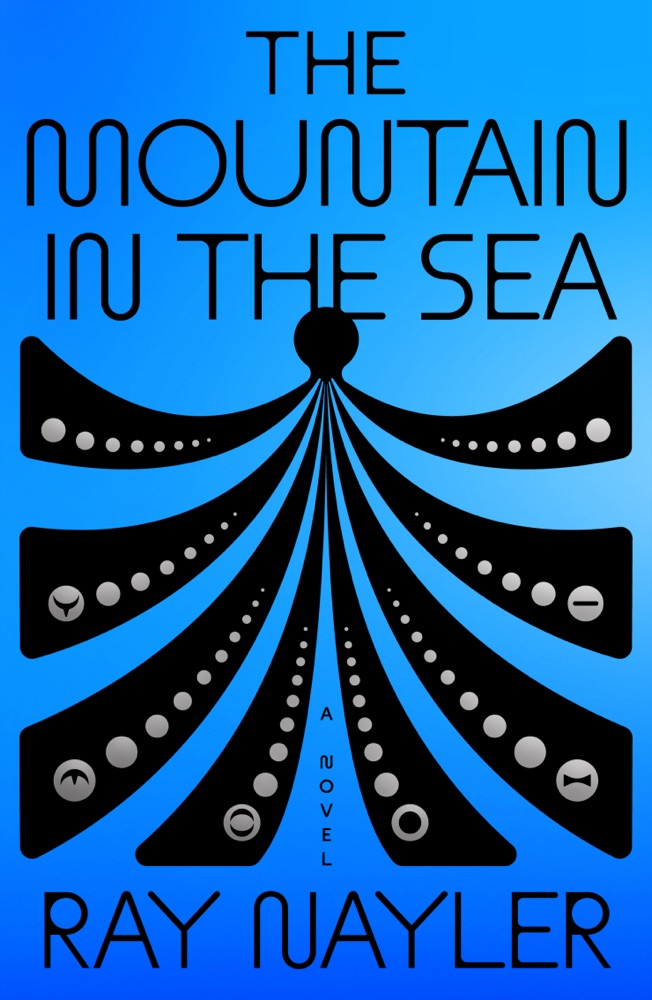 The Mountain in the Sea
 A Short History of Nearly Everything
 Underland: A Deep Time Journey
 The Story of B: An Adventure of the Mind and Spirit
 This Changes Everything: Capitalism vs. The Climate
 The Rational Optimist: How Prosperity Evolves
 The Conspiracy Against the Human Race
 Scythe
 To Be Taught, If Fortunate
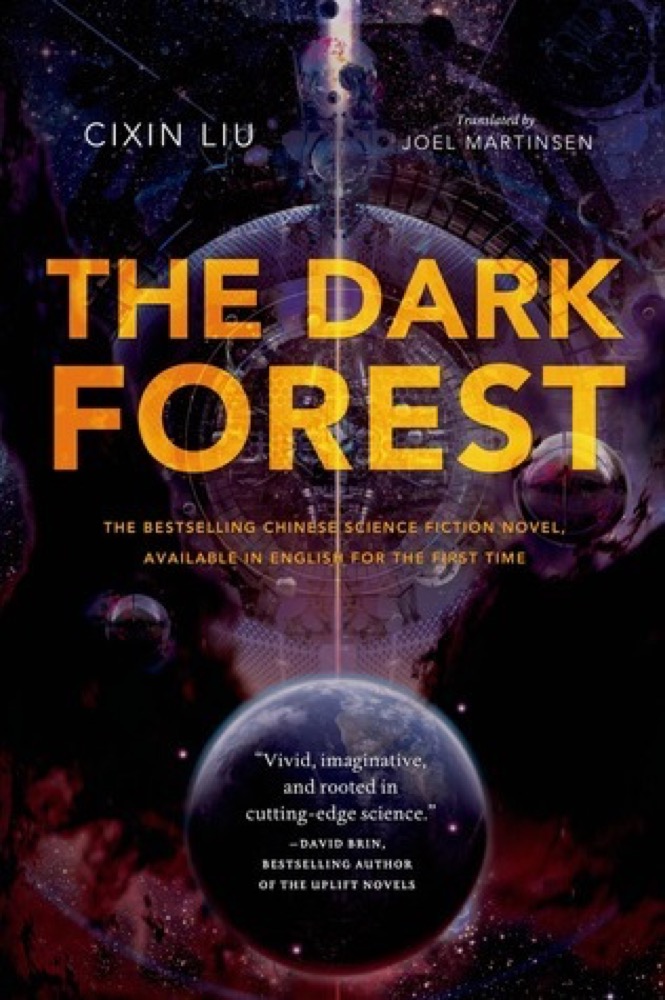 The Dark Forest
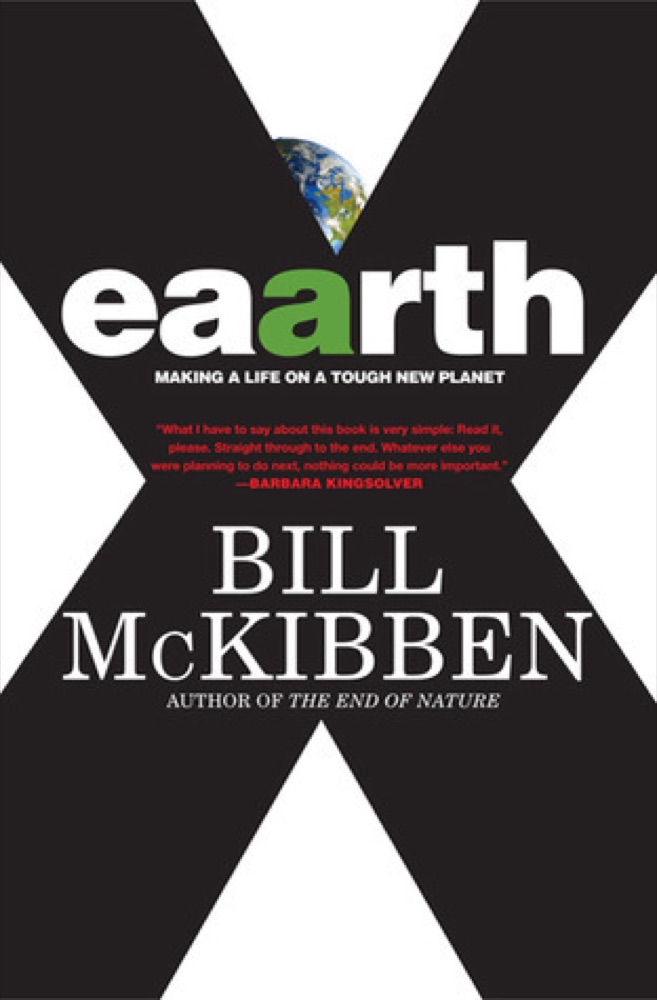 Eaarth: Making a Life on a Tough New Planet
 The Future
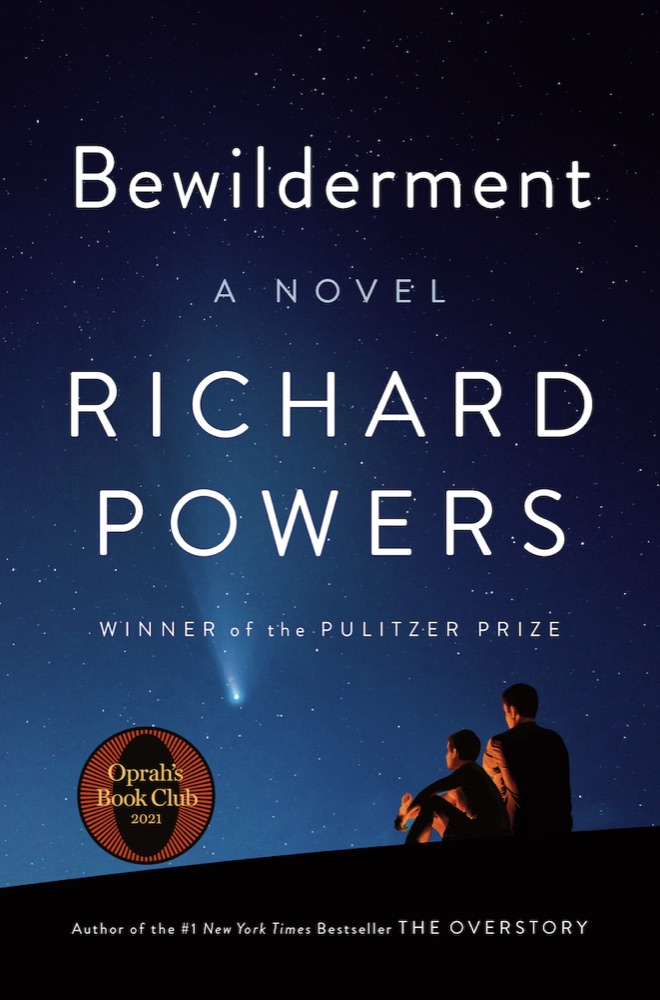 Bewilderment
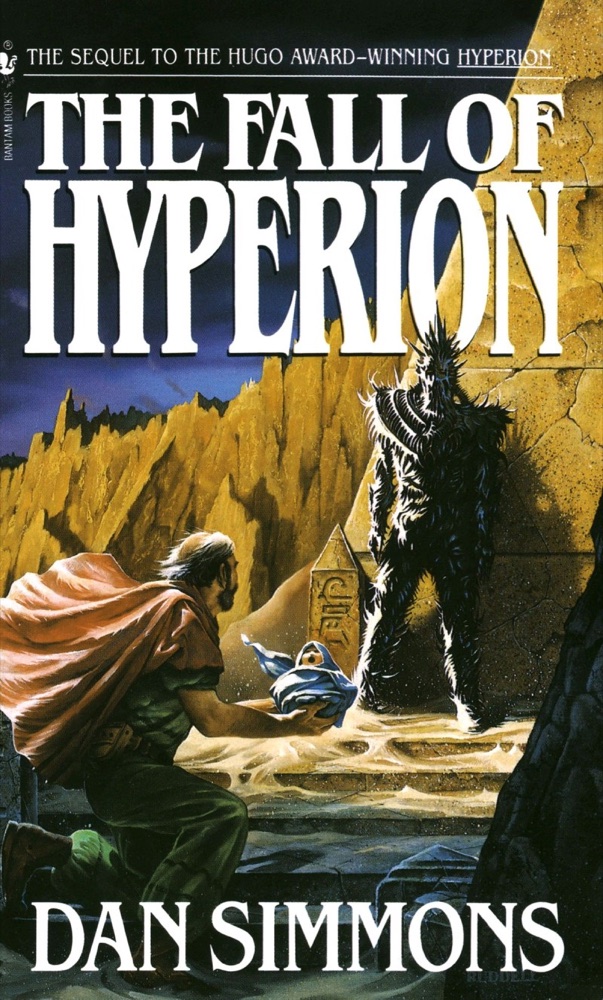 The Fall of Hyperion
 On the Steel Breeze
 The Stone Sky
 Seeker
 A Hunter-Gatherer's Guide to the 21st Century: Evolution and the Challenges of Modern Life
 Genesis