
 Hyperion
Quotes from the Book
In the end--when all else is dust--loyalty to those we love is all we can carry with us to the grave. Faith--true faith--was trusting in that love.
85
I know what cancer was. How is it like humankind?" Sek Hardeen's perfectly modulated, softly accented tones showed a hint of agitation. "We have spread out through the galaxy like cancer cells through a living body, Duré. We multiply without thought to the countless life forms that must die or be pushed aside so that we may breed and flourish. We eradicate competing forms of intelligent life.
80
Mobs have passions, not brains.
55
Its hard to die. Harder to live
49
Every age fraught with discord and danger seems to spawn a leader meant only for that age, a political giant whose absence, in retrospect, seems inconceivable when the history of that age is written.
39
If I should die," said I to myself, "I have left no immortal work behind me - nothing to make my friends proud of my memory - but I have lov'd the principle of beauty in all things, and if I had had time I would have made myself remember'd.
30
I wish we had the technology to fight God on an equal basis. To beard him in his den. To fight back for all of the injustices heaped on humanity. To allow him to alter his smug arrogance or be blown to hell.
28
Pain and darkness have been our lot since the Fall of Man. But there must be some hope that we can rise to a higher level ... that consciousness can evolve to a plane more benevolent than its counterpoint of a universe hardwired to indifference.
27
We are created for precisely this sort of suffering. In the end, it is all we are, these limpid tide pools of self-consciousness between crashing waves of pain. We are destined and designed to bear our pain with us, hugging it tight to our bellies like the young Spartan thief hiding a wolf cub so it can eat away our insides. What other creature in God's wide domain would carry the memory of you, Fanny, dust these nine hundred years, and allow it to eat away at him even as consumption does the same work with its effortless efficiency? Words assail me. The thought of books makes me ache. Poetry echoes in my mind, and if I had the ability to banish it, I would do so at once.
27
Sol Weintraub suddenly understood perfectly why Abraham had agreed to sacrifice Isaac, his son, when the Lord commanded him to do so. It was not obedience. It was not even to put the love of God above the love of his son. Abraham was testing God. By denying the sacrifice at the last moment, by stopping the knife, God had earned the right—in Abraham’s eyes and the hearts of his offspring—to become the God of Abraham. Sol
25
God is the creature, not the creator.
25
But, Dad…” She hesitated. “It will mean raising me all over again. It means suffering through my childhood for a third time. No parent should be asked to do that.” Sol managed a smile. “No parent would refuse that, Rachel.
24
... a society devoted to self-destruction and waste but unwilling to acknowledge its indulgent ways.
21
The Great Change is when humankind accepts its role as part of the natural order of the universe instead of its role as a cancer
16
Love was as hardwired into the structure of the universe as gravity and matter.
15
Sometimes,” said General Morpurgo, taking her hand, “dreams are all that separate us from the machines.
15
THERE WILL BE NO FURTHER MISUSE OF THIS CHANNEL. YOU ARE DISTURBING OTHERS WHO ARE USING IT TO SERIOUS PURPOSE. ACCESS WILL BE RESTORED WHEN YOU UNDERSTAND WHAT IT IS FOR. GOODBYE
15
Religion and ethics were not always - or even frequently - mutually compatible. The demands of religious absolutism or fundamentalism or rampaging relativism often deflected the worst aspects of contemporary culture or prejudices rather than a system which both man and God could live under with a sense of real justice.
14
Sol, listen,” came the Voice, modulated now so it did not boom from far above but almost whispered in his ear, “the future of humankind depends upon your choice. Can you offer Rachel out of love, if not obedience?” Sol heard the answer in his mind even as he groped for the words. There would be no more offerings. Not this day. Not any day. Humankind had suffered enough for its love of gods, its long search for God. He thought of the many centuries in which his people, the Jews, had negotiated with God, complaining, bickering, decrying the unfairness of things but always—always—returning to obedience at whatever the cost. Generations dying in the ovens of hatred. Future generations scarred by the cold fires of radiation and renewed hatred. Not this time. Not ever again.
13
Quality wine, Scotch, and coffee had been the three irreplaceable commodities after the death of Old Earth.
13
God did not choose Herod or Pontius Pilate or Caesar Augustus as His instrument. He chose the unknown son of an unknown carpenter in one of the least important stretches of the Roman Empire.
12
at that moment, the sum of the crowd’s IQ was far below that of its most modest single member. Mobs have passions, not brains.
12
Where religious values might be relative, intellectual values fleeting, moral values ambiguous, and aesthetic values dependent upon an observer, the existence value of any thing is infinite—thus the “mountains in the sun”—and being infinite, equal to every other thing and all truths.
12
... pain has been with him since birth - the universe's gift to a poet ...
12
There would be no more offerings. Not this day. Not any day. Humankind had suffered enough for its love of gods, its long search for God. He thought of the many centuries in which his people, the Jews, had negotiated with God, complaining, bickering, decrying the unfairness of things but always - always - returning to obedience at whatever the cost. Generations dying in the ovens of hatred. Future generations scarred by the cold fires of radiation and renewed hatred.
12
Eagles are extinct," grumbled Morpurgo. "Perhaps they should have attacked the sky. It betrayed them.
12
Those who ignore history’s lessons in the ultimate folly of war are forced to do more than relive them … they may be forced to die by them.
11
We thought we were special, opening our perceptions, honing our empathy, spilling that cauldron of shared pain onto the dance floor of language and then trying to make a minuet out of all that chaotic hurt. It doesn’t matter a damn bit. We’re no avatars, no sons of god or man. We’re only us, scribbling our conceits alone, reading alone, and dying alone.
11
This is some sort of joke, isn't it?" asks Hunt, staring at the flawless blue sky and distant fields. I cough as lightly and briefly as possible into a handkerchief I have made from a towel borrowed from the inn. "Probably," I say. "But then, what isn't?
11
Did you know?
- It is the second book in the Hyperion Cantos, directly continuing the story begun in Hyperion (1989).
- The narrative is largely relayed through the dreams of Joseph Severn, a cybrid recreation of the poet John Keats.
- Its title echoes John Keats' unfinished poem The Fall of Hyperion, and the Cantos is steeped in Keatsian allusion.
- It won the 1991 Locus Award and the British Science Fiction Award for best novel.
- It was nominated for both the Hugo and Nebula Awards.
- The first two novels are sometimes published together as a single volume titled Hyperion Cantos.
About Dan Simmons
Dan Simmons is an American author born in 1948, known for writing across science fiction, horror, and historical fiction. He won the Hugo Award for Hyperion (1989) and has received numerous other genre honors, including the World Fantasy and Bram Stoker Awards.
More about the author →
About the book
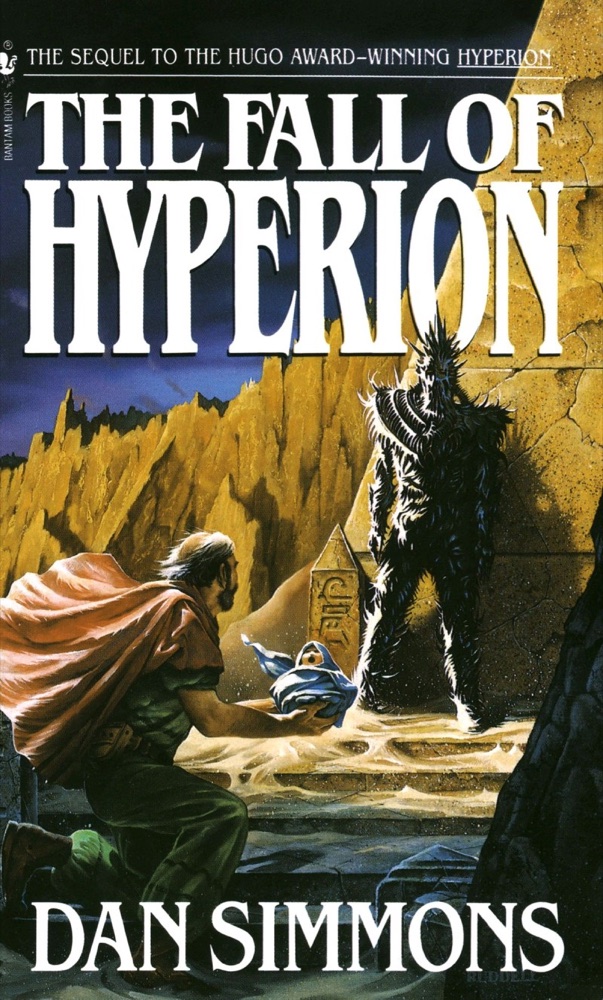
The Fall of Hyperion is Dan Simmons' 1990 science fiction novel, the second volume of the Hyperion Cantos and a direct continuation of 1989's Hyperion. Set in the 29th century, it picks up with the seven pilgrims who have reached the Time Tombs and the deadly creature called the Shrike on the contested world of Hyperion. Their individual fates are woven together with a sweeping galactic crisis as the Hegemony of Man goes to war with the breakaway Ousters, while the true intentions of the artificial-intelligence TechnoCore gradually come to light. Much of the story is relayed through the dreams of Joseph Severn, a recreated personality cybrid of the poet John Keats.
Where Hyperion was structured as a set of self-contained pilgrim tales, The Fall of Hyperion drives toward resolution, braiding personal destinies with interstellar politics, war, and metaphysics. The novel is saturated with the poetry of John Keats, whose unfinished epics share its title, and it explores themes of free will and determinism, the relationship between humanity and its machine creations, sacrifice, and the nature of divinity and time. Simmons draws on Keatsian Romanticism and on questions about whether intelligence and love can survive the forces of technology and entropy.
The book was widely acclaimed on release, winning the 1991 Locus Award and the British Science Fiction Award for best novel, and earning nominations for the Hugo and Nebula Awards. Together with its predecessor it cemented Simmons' reputation in the genre and remains a touchstone of ambitious, literary space opera, frequently cited among the most important science fiction works of its era.
Key characters
- Joseph SevernCybrid recreation of poet John Keats whose dreams reveal events
- The ConsulFormer Hegemony diplomat and one of the Shrike pilgrims
- Fedmahn KassadSoldier of the FORCE military among the pilgrims
- Sol WeintraubScholar whose daughter Rachel is aging backward in time
- Brawne LamiaPrivate investigator pilgrim carrying a Keats personality
- Martin SilenusAging poet among the pilgrims
- Meina GladstoneCEO of the Hegemony directing the war effort
- The ShrikeEnigmatic, deadly time-spanning creature at the Time Tombs
Book details
- First published
- 1990
- Length
- 517 pages
- Series
- Hyperion Cantos #2
- Reading time
- 12 hours
- Author
- Dan Simmons
- Genre
- Science Fiction
- Goodreads rating
- 4.25 (154k ratings)
Critical reception
- Won the 1991 Locus Award for Best Science Fiction Novel.
- Won the 1991 British Science Fiction Award for best novel.
- Nominated for the Hugo and Nebula Awards.
- Regarded, with Hyperion, as a landmark of literary space opera.
Series & reading order
- 1 Hyperion
- 2 The Fall of Hyperion
- 3 Endymion
- 4 The Rise of Endymion
If you liked this, read…
- 1HyperionIts direct predecessor and the opening half of the same story
- 2DuneEpic, politically and philosophically dense far-future space opera
- 3The Book of the New SunLiterary, allusive science fiction with poetic ambition
Keep reading
 Forge of Darkness
 The Rise of Endymion
 Empire of Silence
 Toll the Hounds
 Too Like the Lightning
Hyperion
Too Like the Lightning
Hyperion
 Seven Surrenders
 Two Years Eight Months and Twenty-Eight Nights
 The Fifth Science
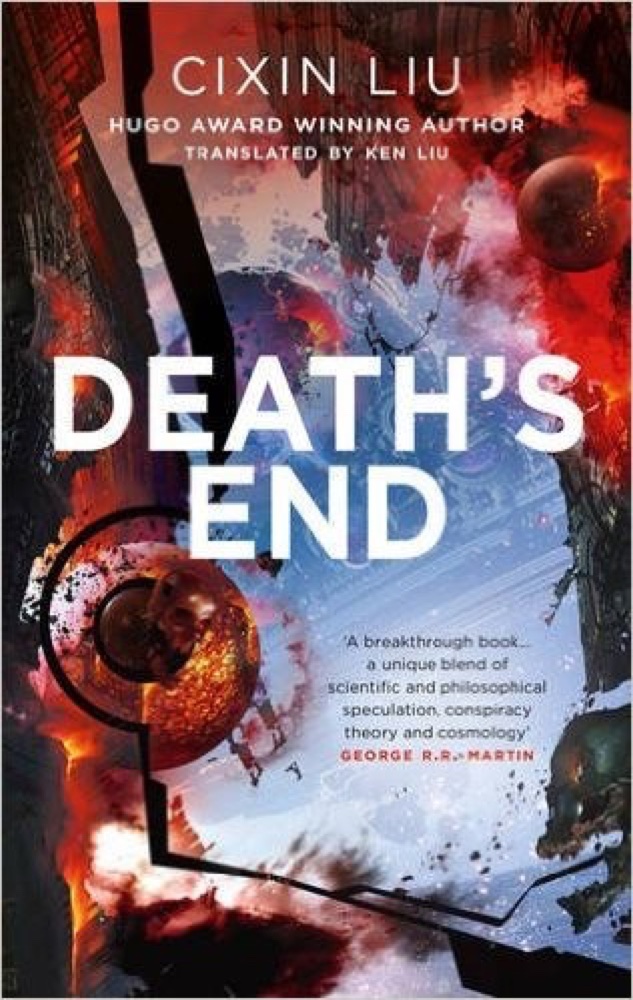 Death's End
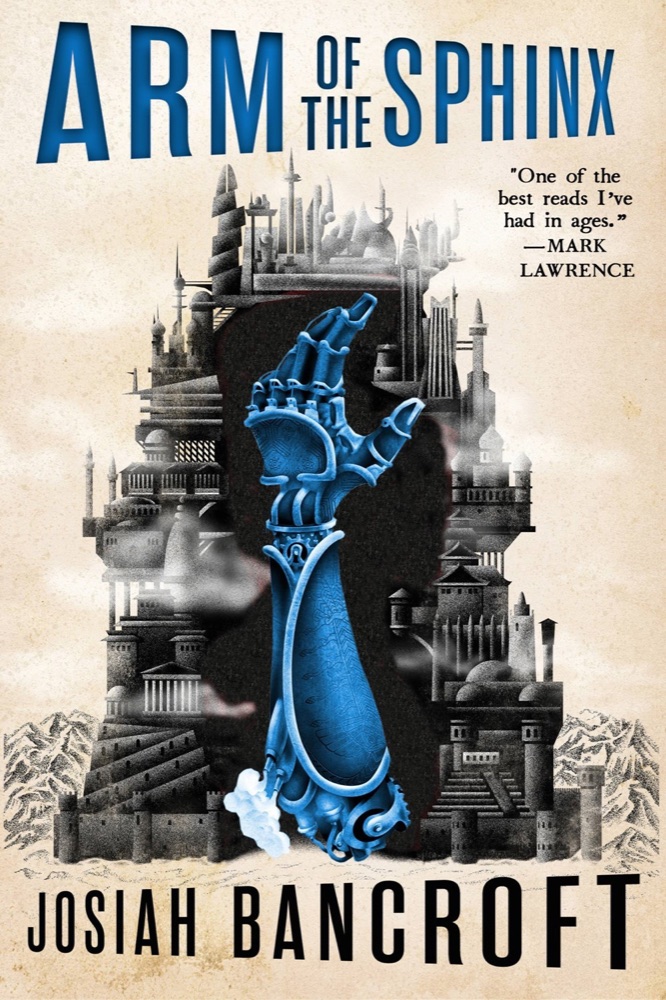 Arm of the Sphinx
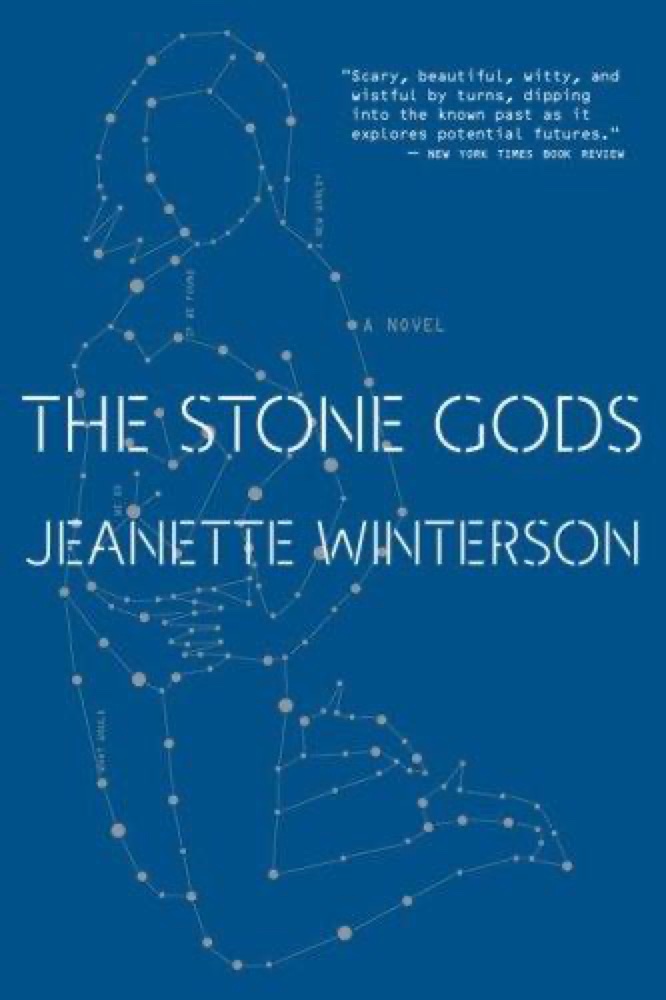 The Stone Gods
 Songs of Distant Earth
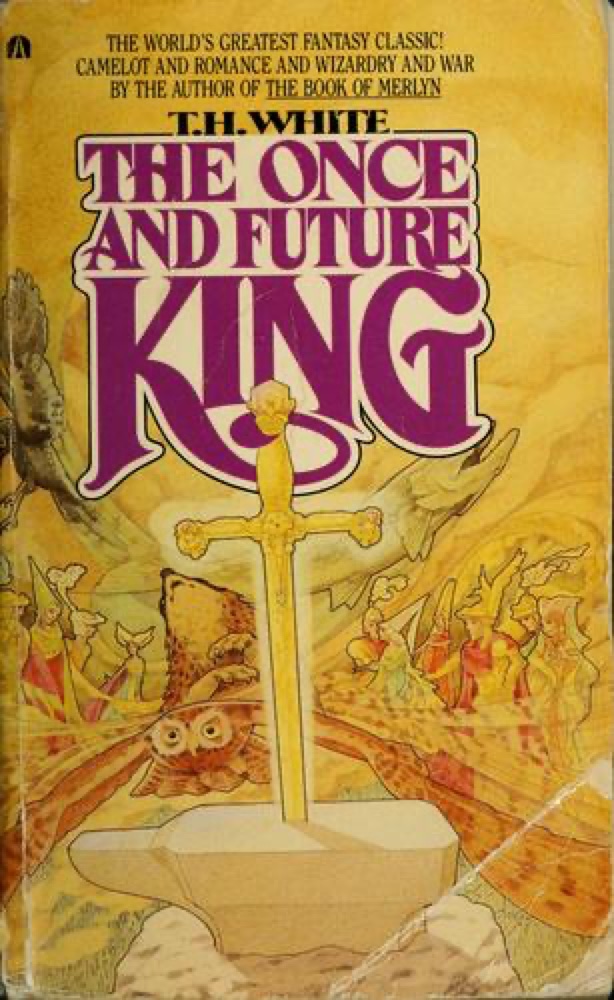 The Once and Future King
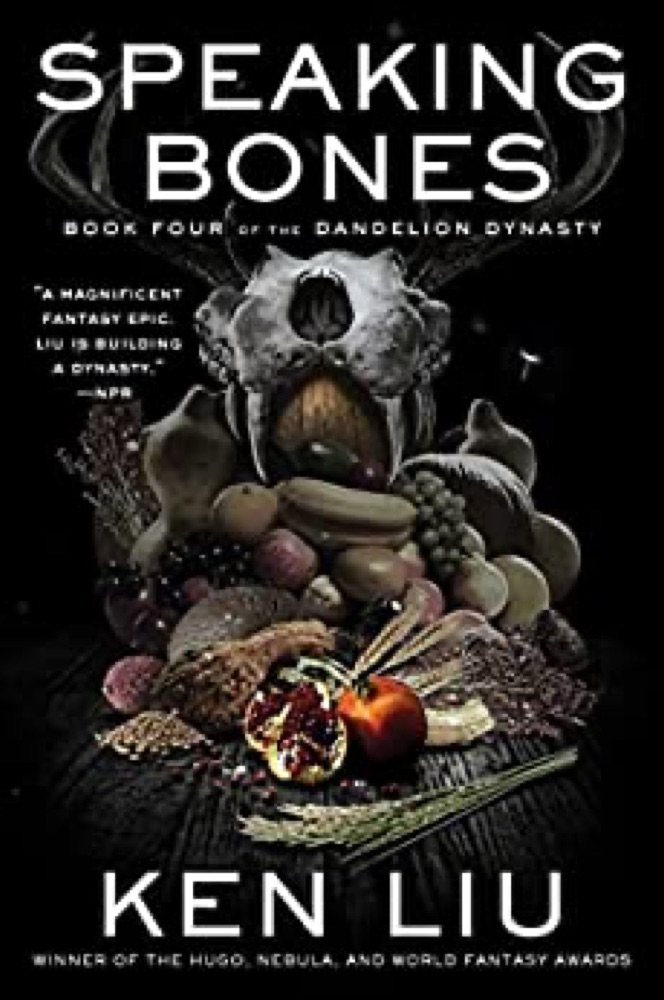 Speaking Bones
 The Fall
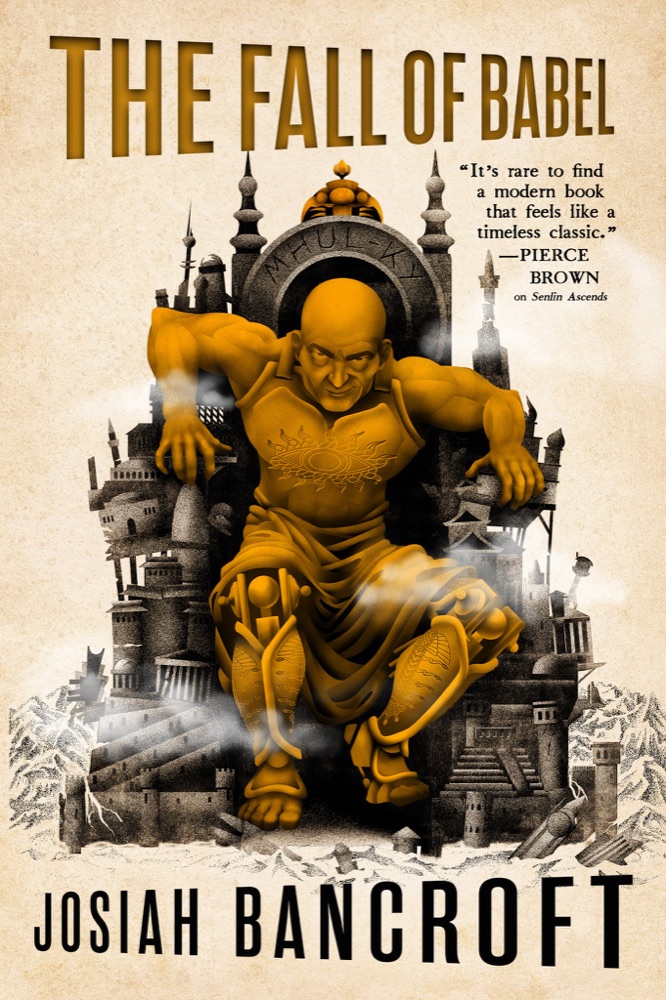 The Fall of Babel
 The Etched City
 The Bonehunters
 The Magus
 The Wolf Gift
 Last First Snow
 Endymion
 Jayber Crow
 The Star Diaries
 The Stardust Grail
 A Canticle for Leibowitz
 Selected Poems
 The Gay Science
 Scythe
 Henderson the Rain King
 The Man in the High Castle
 Taltos
 Sword & Citadel
 The Signature of All Things
 The Empusium
 The Scarlet Gospels
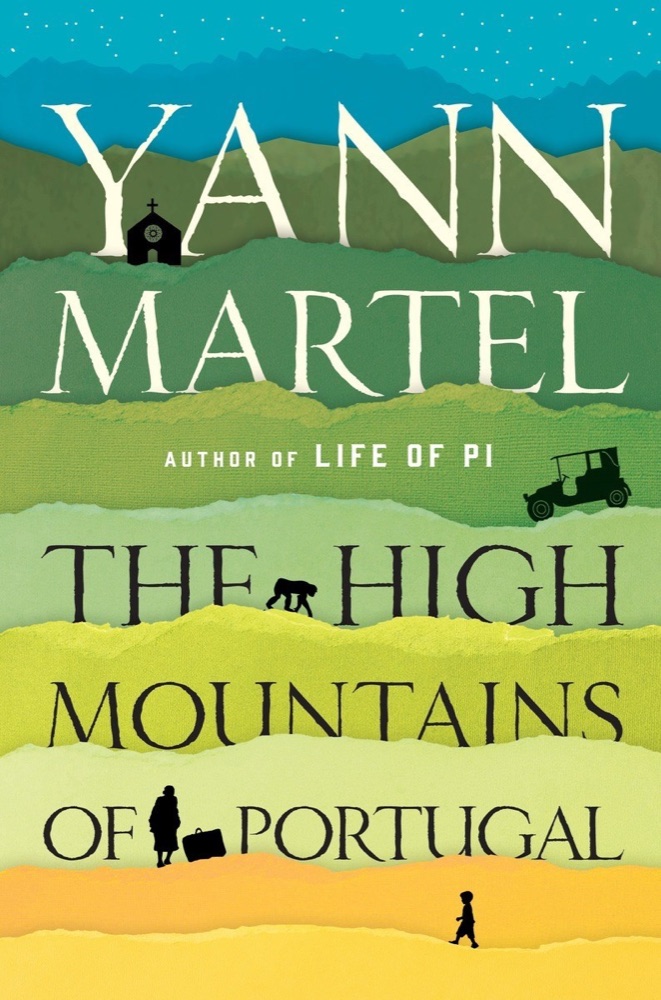 The High Mountains of Portugal
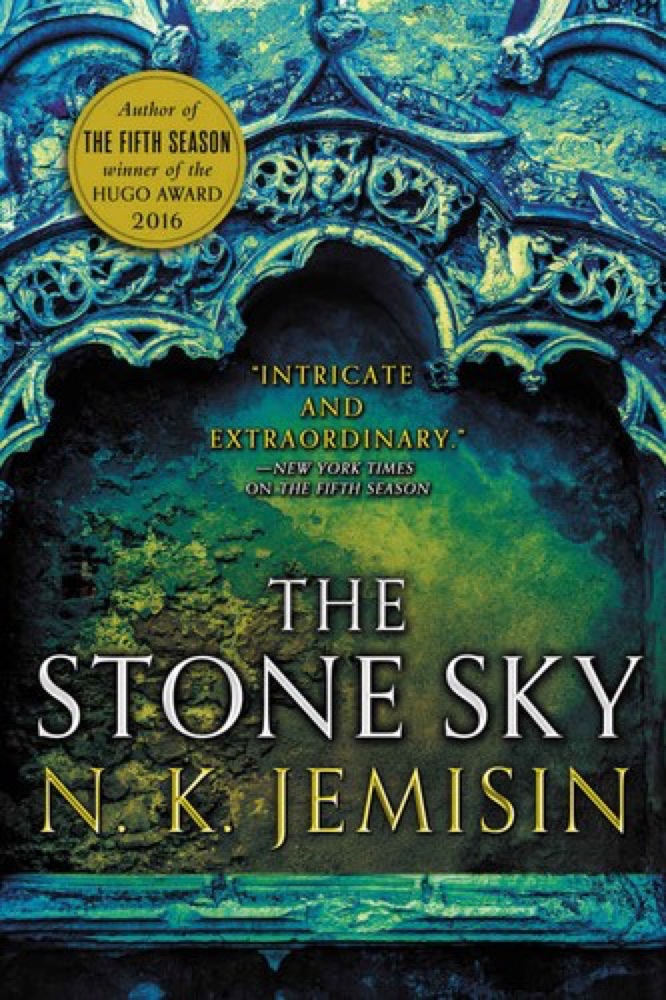 The Stone Sky
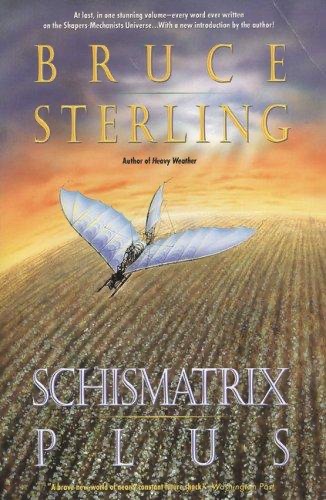 Schismatrix Plus
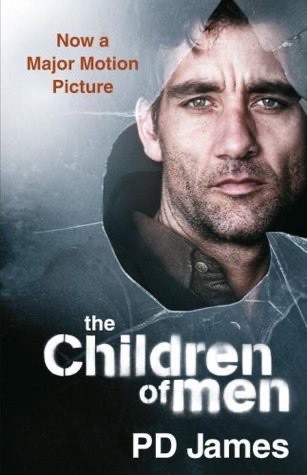 The Children of Men
 The Atlas Complex
 The Darkness That Comes Before
 The Ground Beneath Her Feet
 The Golden Compass
 The Chrysalids
 The Book That Broke the World
 Children of God
 The Lathe of Heaven
 Perelandra
 In the Garden of Iden
 Kushiel's Avatar
 East of Eden
 The Parafaith War
 Childhood's End
 The Claw of the Conciliator
 The Enchantress of Florence
 The Sirens of Titan
 The Hundred Thousand Kingdoms
 The Gone-Away World