
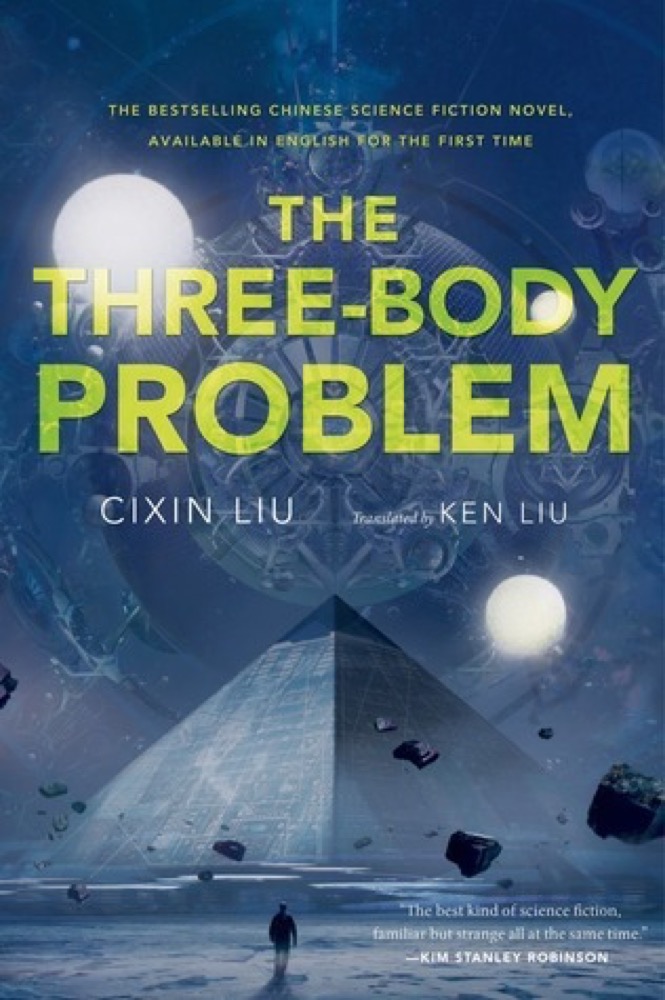
 The Three-Body Problem
Quotes from the Book
The universe is a dark forest. Every civilization is an armed hunter stalking through the trees like a ghost, gently pushing aside branches that block the path and trying to tread without sound. Even breathing is done with care. The hunter has to be careful, because everywhere in the forest are stealthy hunters like him. If he finds other life—another hunter, an angel or a demon, a delicate infant or a tottering old man, a fairy or a demigod—there’s only one thing he can do: open fire and eliminate them. In this forest, hell is other people. An eternal threat that any life that exposes its own existence will be swiftly wiped out. This is the picture of cosmic civilization. It’s the explanation for the Fermi Paradox.
If I destroy you, what business is it of yours?
For the majority of people, what they love exists only in the imagination. The object of their love is not the man or woman of reality, but what he or she is like in their imagination. The person in reality is just a template used for the creation of this dream lover. Eventually, they find out the differences between their dream lover and the template. If they can get used to those differences, then they can be together. If not, they split up. It’s as simple as that. You differ from the majority in one respect: You didn’t need a template.
Make time for civilization, for civilization won't make time.
Staying alive is not enough to guarantee survival. Development is the best way to ensure survival.
It’s a wonder to be alive. If you don’t understand that, how can you search for anything deeper?
Time is the one thing that can’t be stopped. Like a sharp blade, it silently cuts through hard and soft, constantly advancing. Nothing is capable of jolting it even the slightest bit, but it changes everything.
My dad said that people who are sensitive to beauty are good by nature, and if they’re not good, then they can’t appreciate beauty.
Life needed smoothness, but it also needed direction. One could not always be returning to the point of origin.
do you know what the greatest expression of regard for a race or civilization is?” “No, what?” “Annihilation. That’s the highest respect a civilization can receive. They would only feel threatened by a civilization they truly respect.
Without the fear of heights, there can be no appreciation for the beauty of high places.
Ten thousand times the web could be destroyed, and ten thousand times the spider would rebuild it. There was neither annoyance nor despair, nor any delight, just as it had been for a billion years.
Perhaps the outside world really was something akin to a quantum state, and did not exist unless he observed it.
No,no.Don't say where we are!Once we know where we are,then the world becomes as narrow as a map.When we don't know,the world feels unlimited.
The past was like a handful of sand you thought you were squeezing tightly, but which had already run out through the cracks between your fingers. Memory was a river that had run dry long ago, leaving only scattered gravel in a lifeless riverbed.
Earth’s suitability for human life was no coincidence, much less an effect of the anthropic principle, but rather was an outcome of the long-term interaction between the biosphere and the natural environment,
Those two axioms are solid enough from a sociological perspective … but you rattled them off so quickly, like you’d already worked them out,” Luo Ji said, a little surprised. “I’ve been thinking about this for most of my life, but I’ve never spoken about it with anyone before. I don’t know why, really.… One more thing: To derive a basic picture of cosmic sociology from these two axioms, you need two other important concepts: chains of suspicion, and the technological explosion.” “Interesting terms. Can you explain them?” Ye Wenjie glanced at her watch. “There’s no time. But you’re clever enough to figure them out. Use those two axioms as a starting point for your discipline, and you might end up becoming the Euclid of cosmic sociology.” “I’m no Euclid. But I’ll remember what you said and give it a whirl. I might come to you for guidance, though.” “I’m afraid there won’t be that opportunity.… In that case, you might as well just forget I said anything. Either way, I’ve fulfilled my duty. Well, Xiao Luo, I’ve got to go.” “Take care, Professor.” Ye Wenjie went off through the twilight to her final meet-up. The
qualitative change is only produced by long-term quantitative accumulation.
In this forest, hell is other people. An eternal threat that any life that exposes its own existence will be swiftly wiped out. This is the picture of cosmic civilization. It’s the explanation for the Fermi Paradox.
You know how the joke goes: On the way to the execution ground, a condemned criminal complained that it was going to rain, and the executioner said, ‘What have you got to worry about? We’re the ones who’ve got to go back through it!
When twilight fades, you can see the stars. When dawn fades, all that’s left is…” “All that’s left is the harsh light of reality.
The past was like a handful of sand you thought you were squeezing tightly, but which had already run out through the cracks between your fingers. Memory was a river that had run dry long ago, leaving only scattered gravel in a lifeless riverbed. He had lived life always looking out for the next thing, and whenever he had gained, he had also lost, leaving him with little in the end.
The past was like a handful of sand you thought you were squeezing tightly, but which had already run out through the cracks between your fingers.
English, formerly the most widely used language, and Chinese, spoken by the largest population, had blended with each other without distinction to become the world’s most powerful language. Luo Ji learned later that the other languages of the world were undergoing the same fusion.
Are you under the impression that the object of everyone else’s love actually exists?” “Is that even a question?” “Sure. For the majority of people, what they love exists only in the imagination. The object of their love is not the man or woman of reality, but what he or she is like in their imagination. The person in reality is just a template used for the creation of this dream lover. Eventually, they find out the differences between their dream lover and the template. If they can get used to those differences, then they can be together. If not, they split up. It’s as simple as that. You differ from the majority in one respect: You didn’t need a template.
The stern of the ship faced the Solar System, where the sun was by now no more than a yellow star just a bit brighter than the rest. The peripheral spiral arm of the Milky Way lay in this direction, its stars sparse. The depth and expanse of deep space exhibited an arrogance that left no support for the mind or the eyes. “Dark. It’s so fucking dark,” the captain murmured, and then shot himself.
The nurse picked up one of the umbrellas, which must have been fairly heavy, because she had to carry it over her shoulder. “Is it raining out?” She shook her head. “You think I’m carrying an … umbrella?” she said, unfamiliar with the last word. “If it’s not an umbrella, then what is it?” Luo Ji pointed to the device on her shoulder, imagining that she would say some peculiar name for it. But she didn’t. “It’s my bicycle,” she said.
Once we know where we are, then the world becomes as narrow as a map. When we don’t know, the world feels unlimited.
Growing up, his father had used silence rather than speech to educate him, and words were merely the punctuation between the silences.
Did you know?
- The novel is the second book in Liu Cixin's Remembrance of Earth's Past trilogy, between The Three-Body Problem and Death's End.
- It was originally published in Chinese in 2008 and translated into English by Joel Martinsen in 2015.
- The book popularized the 'dark forest' hypothesis as a proposed answer to the Fermi paradox.
- Its central storyline follows the Wallfacer Project, in which four people are given secret strategic authority against the Trisolaran invasion.
- The Trisolarans' sophons expose all human information, leaving the unspoken human mind as humanity's last secret.
About Liu Cixin
Liu Cixin is a Chinese science fiction author, widely regarded as the foremost writer of the genre in China. He is best known for the Remembrance of Earth's Past trilogy, whose first volume, The Three-Body Problem, won the Hugo Award for Best Novel in 2015.
More about the author →More by Liu Cixin
About the book
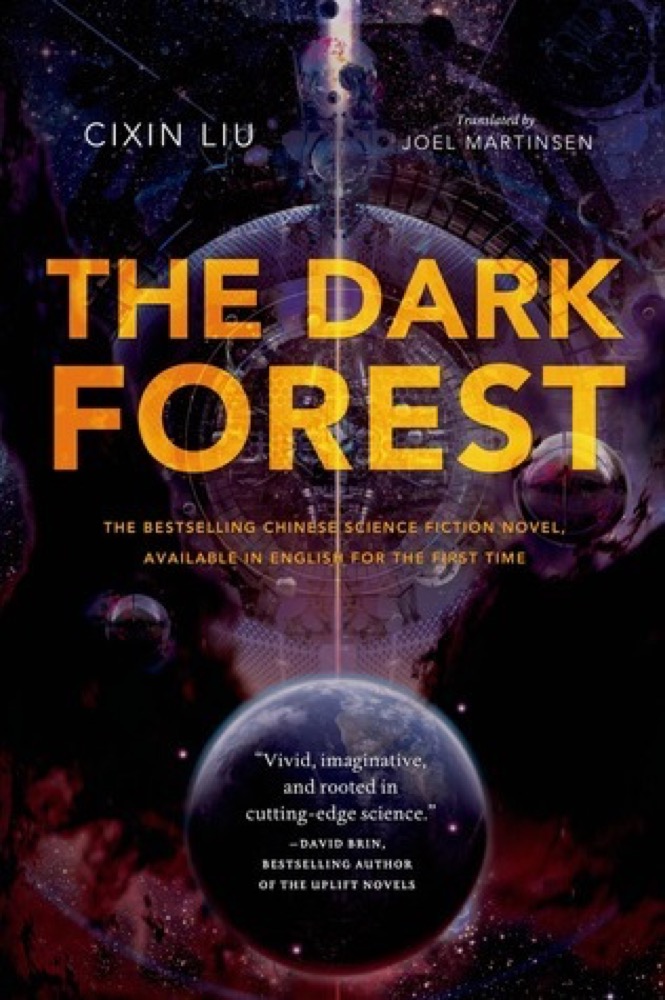
The Dark Forest is the second novel in Liu Cixin's Remembrance of Earth's Past trilogy (also known as the Three-Body series), following The Three-Body Problem. Humanity has learned that an alien fleet from Trisolaris is en route and will arrive in roughly four centuries. Because the Trisolarans have seeded Earth with sophons, subatomic particles that grant them access to all human information, every defense plan is exposed to the enemy. The one thing that remains hidden is the human mind, and this becomes the basis for the Wallfacer Project, which grants four individuals vast resources to devise secret strategies concealed even from the rest of humanity. Three of the Wallfacers are eminent statesmen and scientists; the fourth, Luo Ji, is an unambitious Chinese astronomer and sociologist who cannot understand why he has been chosen or why Trisolaris wants him dead.
The novel is best known for popularizing the 'dark forest' hypothesis, a proposed solution to the Fermi paradox. In this view, the universe is like a dark forest in which every civilization is a hunter who stays silent because any civilization that reveals its location risks destruction by another. This chilling logic of cosmic survival, in which distrust and pre-emptive violence become rational, drives the book's exploration of strategy, deterrence, and the psychology of facing a threat centuries away. Alongside Luo Ji, the story follows figures such as Zhang Beihai, a naval political commissar who publicly promotes confidence while privately believing Earth's defeat is certain.
Originally published in Chinese in 2008 and translated into English by Joel Martinsen in 2015, The Dark Forest broadened the international readership Liu Cixin had gained with the Hugo Award-winning first volume. The book is frequently praised for scaling up the trilogy's ambitions, moving from first contact to the long, tense span of humanity's preparation for war across generations. It remains a landmark of contemporary Chinese science fiction and a central text in discussions of how civilizations might behave in a hostile cosmos.
Key characters
- Luo JiAstronomer and sociologist chosen as the fourth Wallfacer
- Zhang BeihaiNaval political commissar who secretly believes Earth is doomed
- Ye WenjieAstrophysicist who first made contact with Trisolaris
- Da Shi (Shi Qiang)Blunt, pragmatic police officer who aids Luo Ji
Book details
- First published
- 2008
- Author
- Liu Cixin
- Genre
- Fiction
- Goodreads rating
- 4.40 (236k ratings) →
Series & reading order
- 1 The Three-Body Problem
- 2 The Dark Forest
- 3 Death's End
If you liked this, read…
- 1The Three-Body ProblemThe first book in the same trilogy, introducing the Trisolaran threat
- 2Death's EndThe concluding volume of the Remembrance of Earth's Past trilogy
Keep reading
 Death's End
The Three-Body Problem
Death's End
The Three-Body Problem
 Acceptance
 The Fifth Science
 The Stone Gods
 Songs of Distant Earth
 The Stardust Grail
 How High We Go in the Dark
 Killing Commendatore
 Dune
Dune
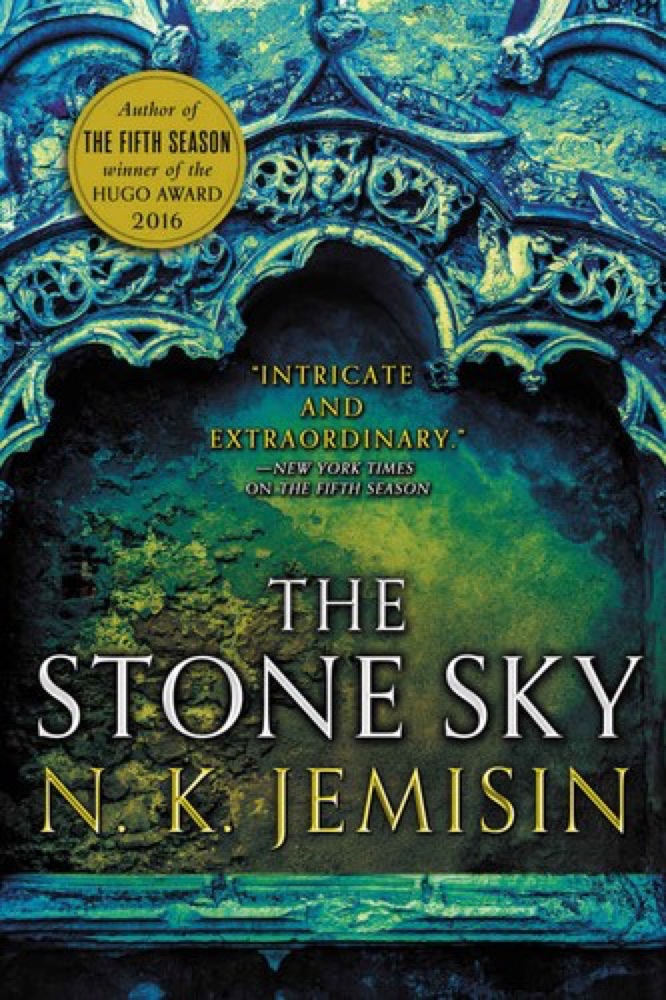 The Stone Sky
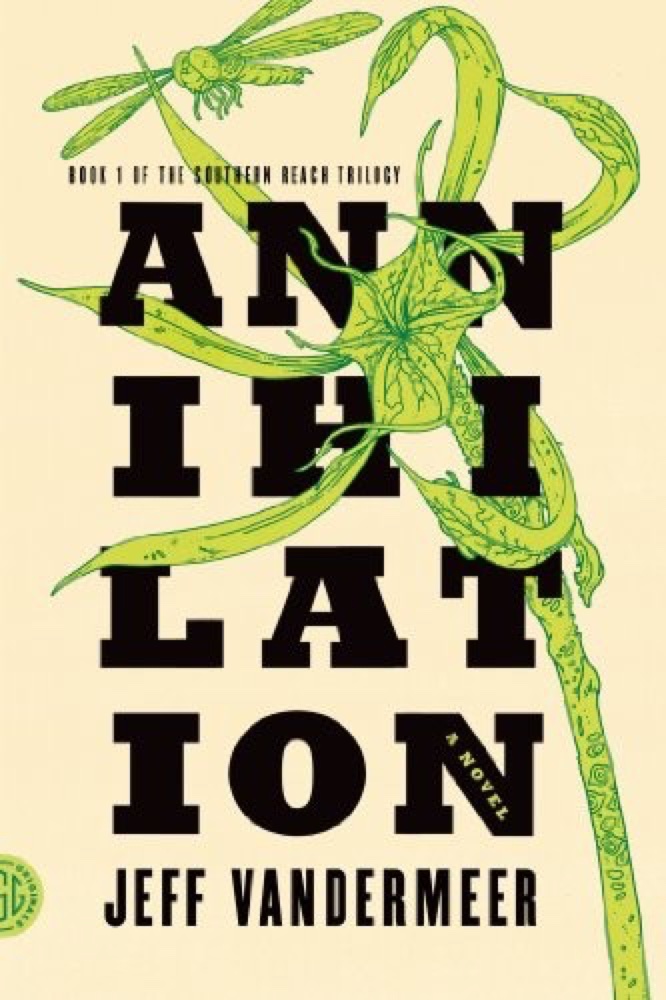 Annihilation
 Hard-Boiled Wonderland and the End of the World
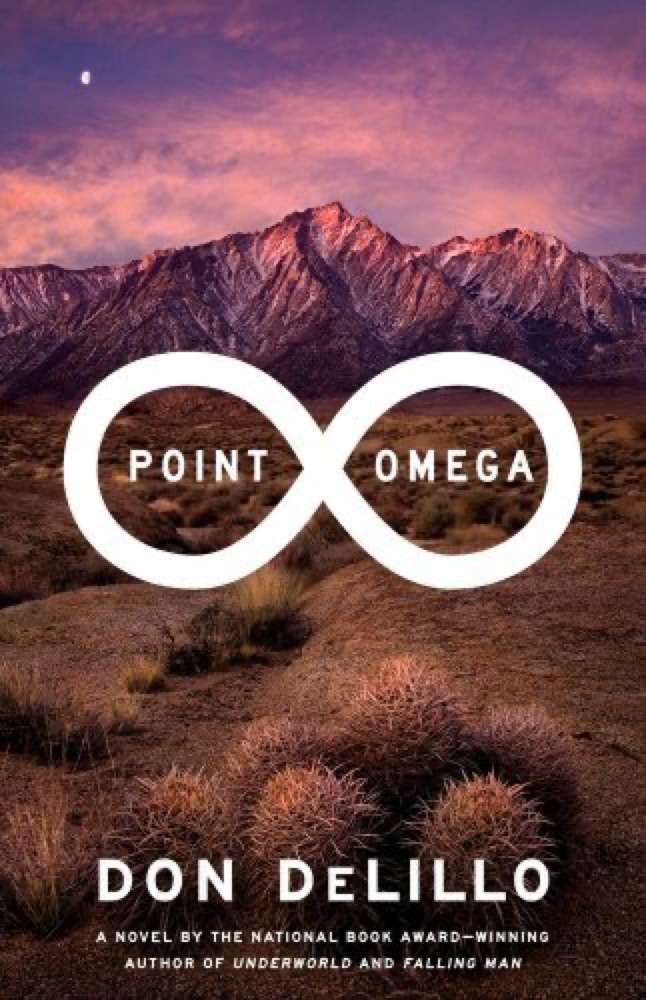 Point Omega
 Cloud Atlas
 The Sheltering Sky
 Light Years
 Red Mars
 West with the Night
 The Empusium
 To Be Taught, If Fortunate
 To Sleep in a Sea of Stars
 Colorless Tsukuru Tazaki and His Years of Pilgrimage
 The Gone-Away World
 Blindsight
 Solaris
 Endymion
 The Time Machine
 Hyperion
 Blue Remembered Earth
 Drive Your Plow Over the Bones of the Dead
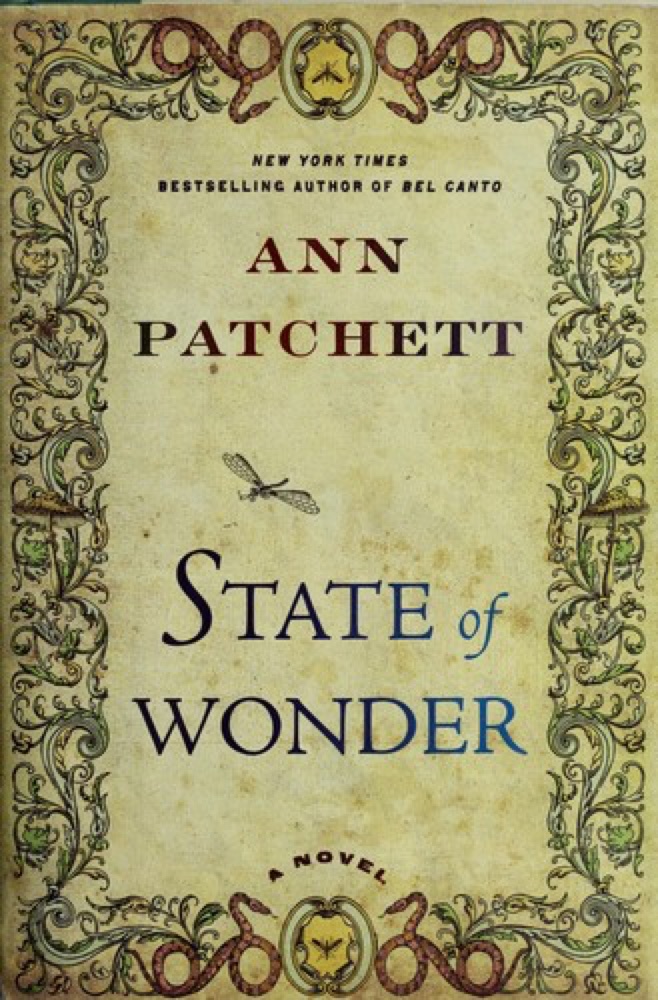 State of Wonder
 Flights
 Oryx and Crake
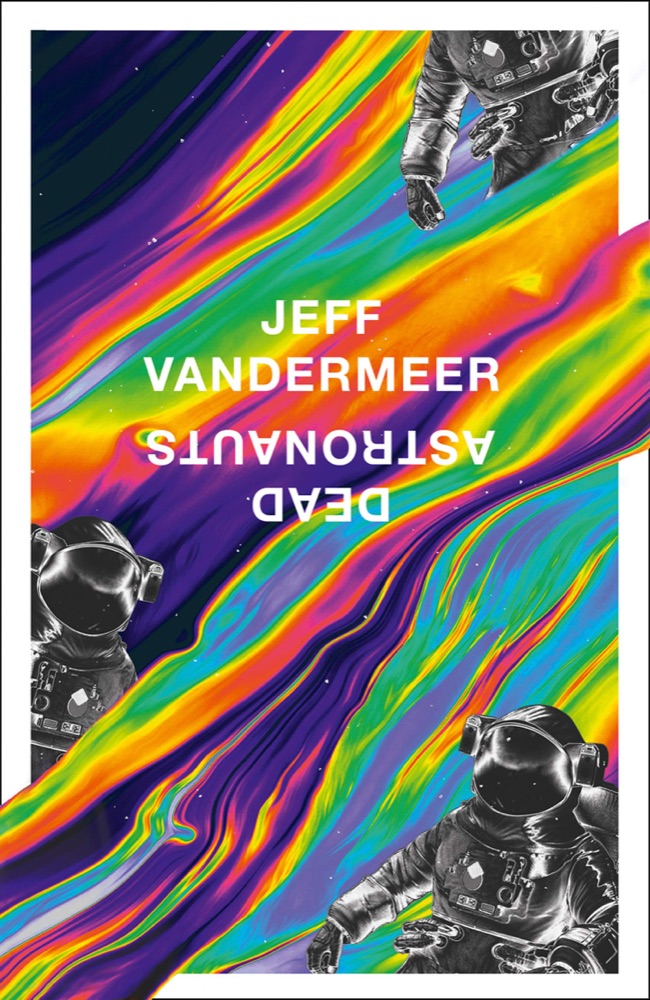 Dead Astronauts
 The Fall
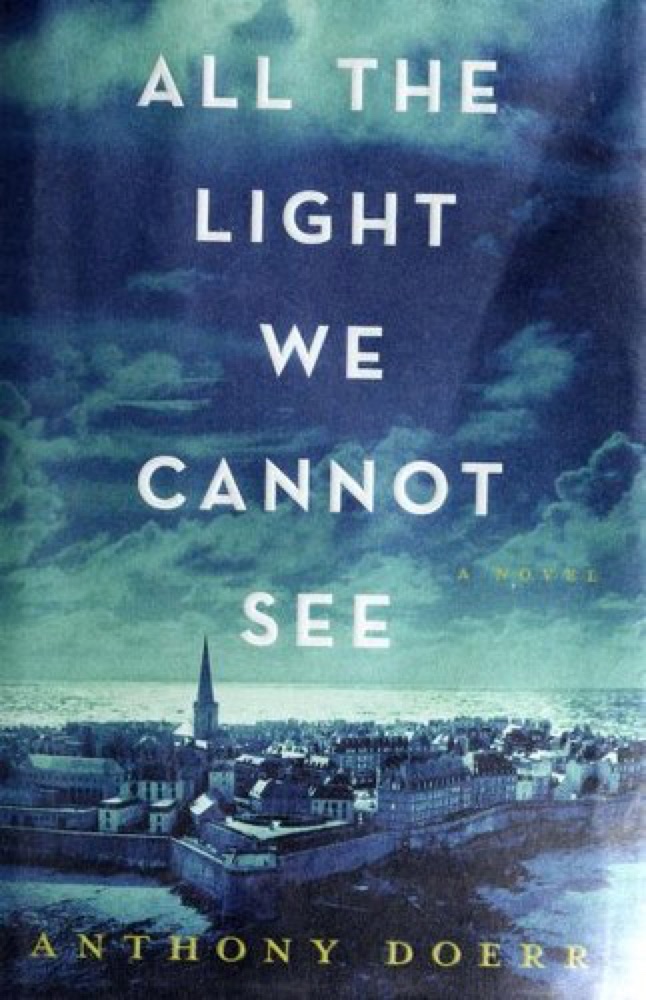 All the Light We Cannot See
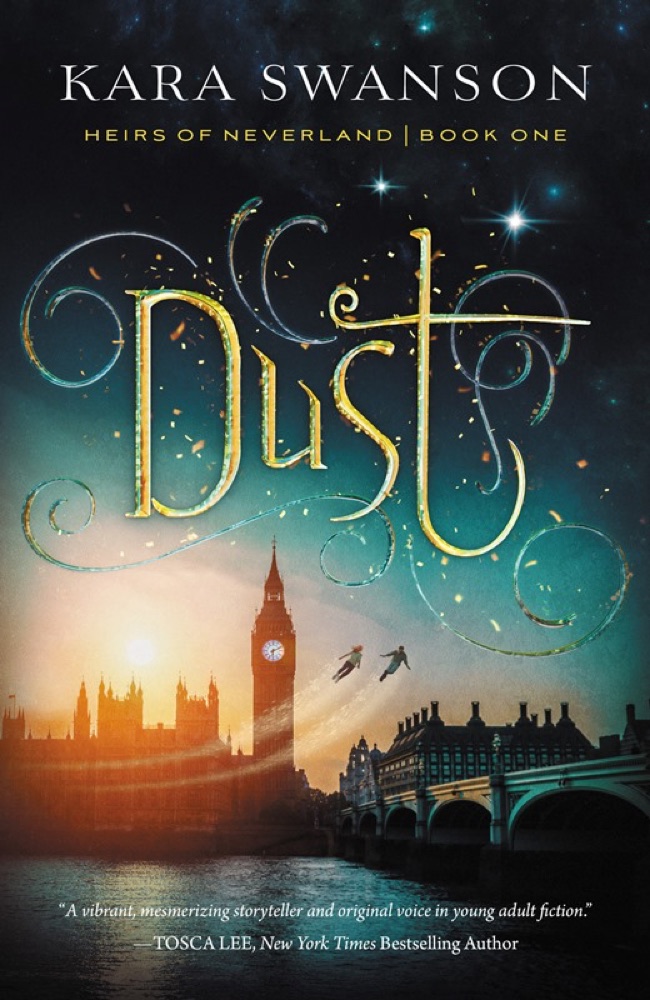 Dust
Dust
 Wayward
 The Magic Mountain
 A Boy and His Dog at the End of the World
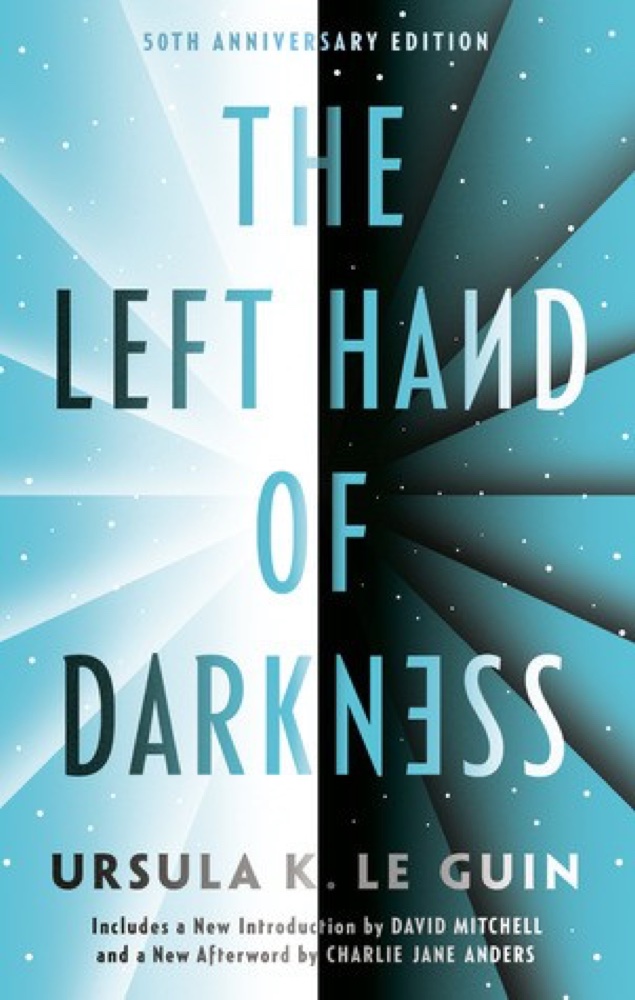 The Left Hand of Darkness
 Always Coming Home
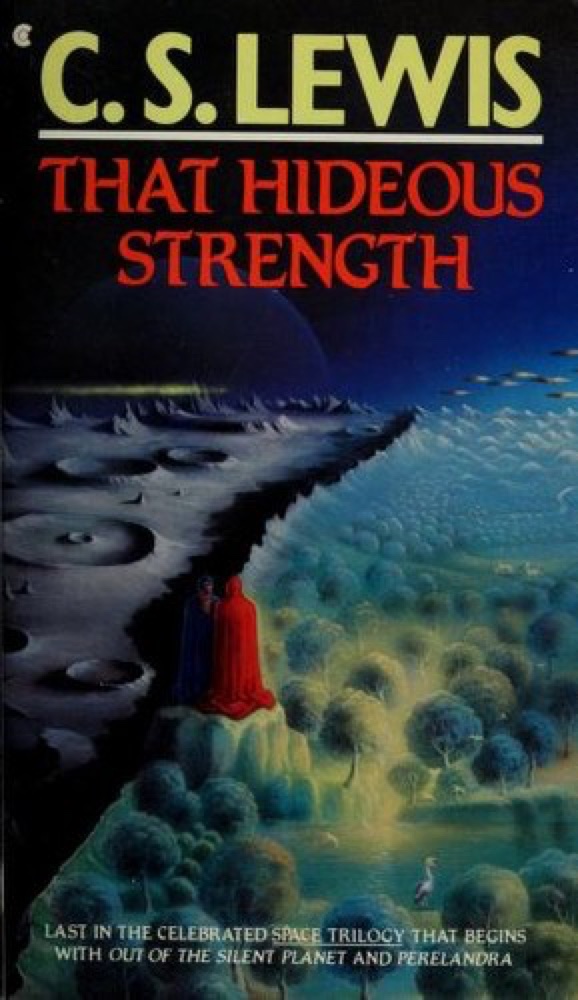 That Hideous Strength
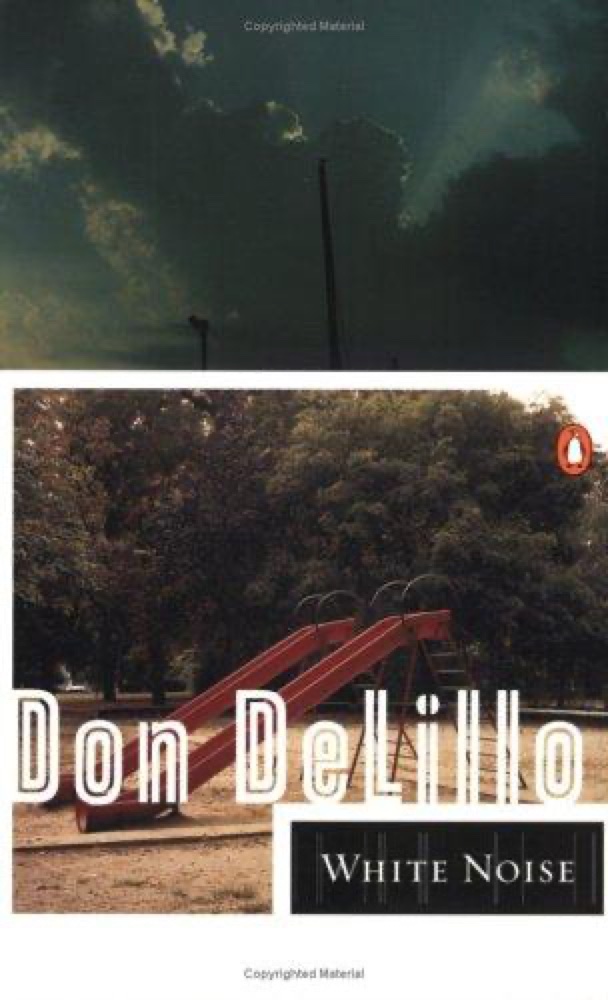 White Noise
 The Water Knife
 Bewilderment
 All the King's Men
 The Rose Field
 We All Looked Up
 Genesis
 The Quiet Game
 Thirteen Moons
 Robopocalypse
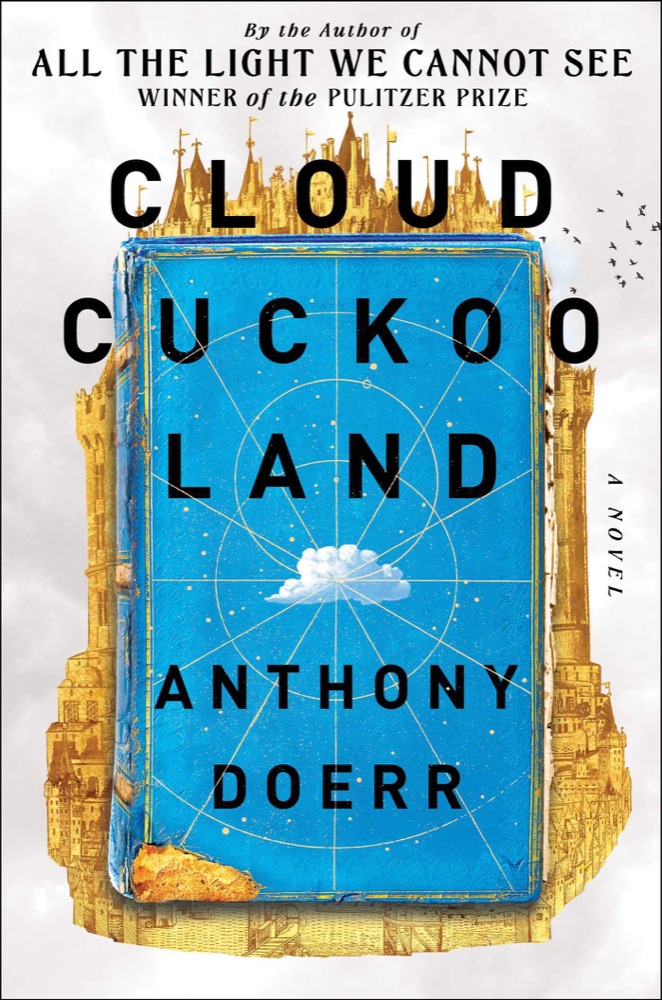 Cloud Cuckoo Land
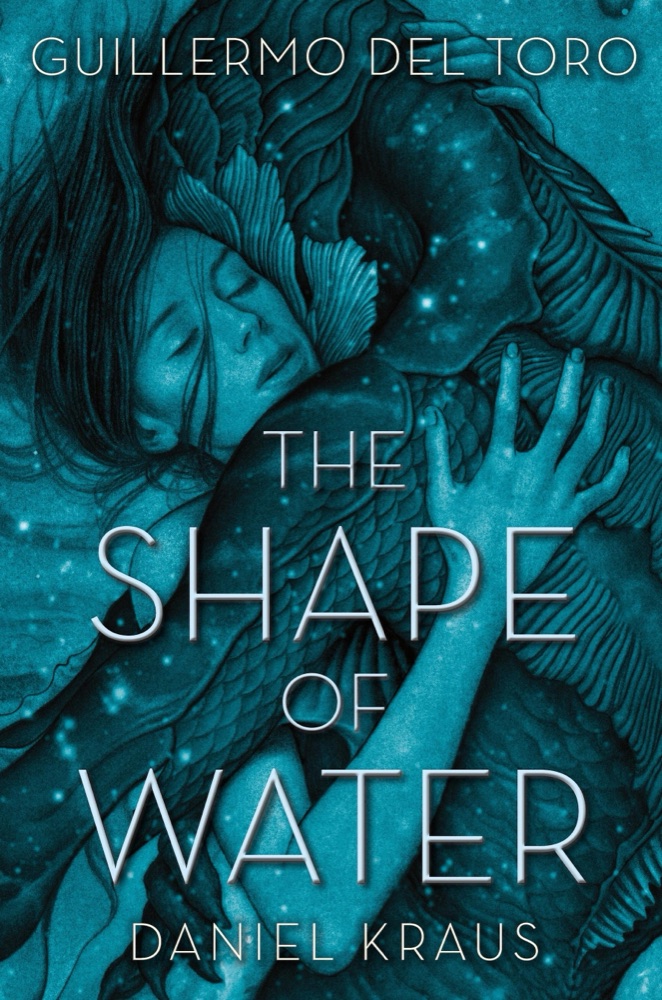 The Shape of Water
 Cities of the Plain
 Moon Palace
 The Fall of Hyperion
 The Book That Broke the World