
 Fathers and Sons
Quotes from the Book
But I had absolutely lost all sense of personal dignity, and could not tear myself away from the spectacle of my own misery.
33
Moreover, probably owing to excessive self-consciousness, perhaps as the result of the generally unfortunate cast of my personality, there existed between my thoughts and feelings, and the expression of those feelings and thoughts, a sort of inexplicable, irrational, and utterly insuperable barrier; and whenever I made up my mind to overcome this obstacle by force, to break down this barrier, my gestures, the expression of my face, my whole being, took on an appearance of painful constraint. I not only seemed, I positively became unnatural and affected. I was conscious of this myself, and hastened to shrink back into myself. Then a terrible commotion was set up within me. I analysed myself to the last thread, compared myself with others, recalled the slightest glances, smiles, words of the people to whom I had tried to open myself out, put the worst construction on everything, laughed vindictively at my own pretensions to 'be like every one else,'—and suddenly, in the midst of my laughter, collapsed utterly into gloom, sank into absurd dejection, and then began again as before—went round and round, in fact, like a squirrel on its wheel. Whole days were spent in this harassing, fruitless exercise.
33
That's what children are for—that their parents may not be bored.
33
Sentimental outbreaks are like liquorice; when first you suck it, it's not bad, but afterwards it leaves a very nasty taste in the mouth.
14
The misfortune of solitary and timid people - who are timid from self-consciousness - is just that, though they have eyes and indeed open them wide, they see nothing, or see everything in a false light, as though through coloured spectacles.
13
In the presence of death all the last earthly vanities disappear. I feel that I am quieting down; I am becoming more simple, more clear. I have acquired sense, but too late!
3
While a man is living he is not conscious of his own life; it becomes audible to him, like a sound, after the lapse of time.
3
I had not expected that. Generally speaking, people like me expect everything in the world except that which ought to happen in the ordinary run of things.
2
So, then, I suffered like a dog which has had the hind part of its body run over by a wheel. Only then, I become definitively aware how much pleasure a man may derive from the contemplation of his own unhappiness. Oh, men ! ye are, in reality, a pitiful race !
1
Liza and the Prince grew more and more attached to each other with every day that passed... But I positively lost all sense of my own dignity, and could not tear myself away from the spectacle of my unhappiness. I remember that one day I made an effort not to go, gave myself my word of honour in the morning that I would remain at home, and at eight o'clock in the evening (I usually went out at seven), I jumped up like a lunatic, put on my hat, and ran, panting, to Kirill Matvyeevitch's.
1
This MS. was read, and contents thereof disapproved, by Peter Zudotyeshin. M. M. M. M. Dear Sir, Peter Zudotyeshin, My dear Sir.
1
Desabafos sentimentais são como alcaçuz: no início, você mastiga e não parece ruim, mas depois fica um gosto horrível na boca.
Watch on YouTube
About Ivan Turgenev
We have collected 83 quotes from 6 books by Ivan Turgenev on BookQuoters.
More about the author →More by Ivan Turgenev
All books by Ivan Turgenev →
About the book
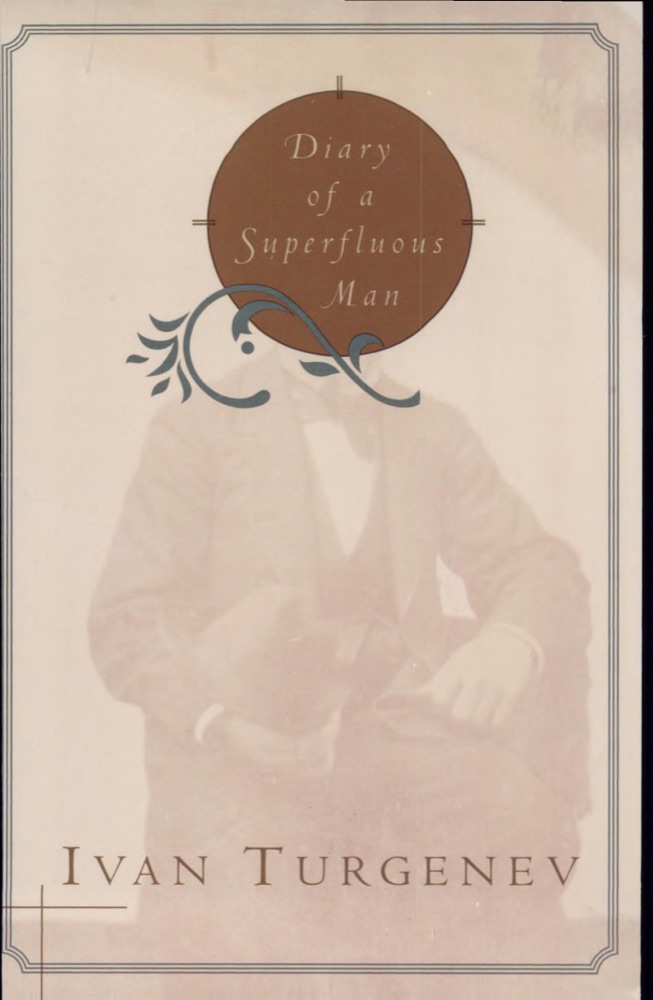
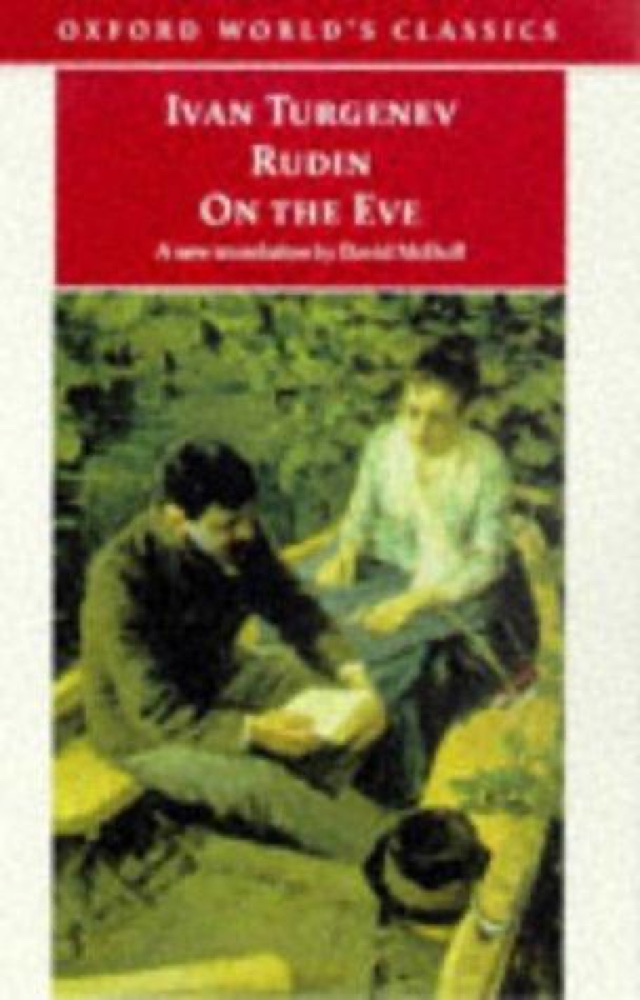
A vivid picture of nineteenth-century Russian society, but above all the poignant story of a man whose mortality becomes the only aspect of life that he shares with his fellow man. When Turgenev published Diary of a Superfluous Man in 1850, he created one of the first literary portraits of the alienated man. Turgenev once said that there was a great deal of himself in the unsuccessful lovers who appear in his fiction. This failure, along with painful self-consciousness, is a central fact for the ailing Chulkaturin in this melancholy tale. As he reflects on his life, he tells the story of Liza, whom he loved, and a prince, whom she loved instead, and the curious turns all their lives took.
Book details
- First published
- 1850
- Author
- Ivan Turgenev
- Genre
- Fiction
- Goodreads rating
- 3.85 (5k ratings)
Keep reading
 Selected Stories of Anton Chekhov
 The Gambler
 Selected Stories
 Pnin
Pnin
 Confessions of a Mask
 The Death of Ivan Ilych and Other Stories
 The Story of a New Name
 The Complete Stories
 The Complete Short Stories
 The Story of the Lost Child
 The Woman Destroyed
 Confessions
 The Lifted Veil
 Testament of Youth
 No Longer Human
 First Love and Other Novellas
 The Untouchable
 Peter Camenzind
 The Setting Sun
 The Naked Civil Servant
 The Crack-Up
 V.
V.
 Autobiography
 The Black Prince
 A Fraction of the Whole
 The Blindfold
Fathers and Sons
The Blindfold
Fathers and Sons
 The Adolescent
 Look at Me
 Min kamp 2
 A Hero of Our Time
 Kokoro
 The Stories of Vladimir Nabokov
 Steppenwolf
 A Dance to the Music of Time: 1st Movement
 Prime of Life
 Giovanni's Room
 London Fields
 Gaudy Night
 Tales of Ordinary Madness
 Moments of Being: A Collection of Autobiographical Writing
 Schoolgirl
 What I Was
 The Days of Abandonment
 Too Much Happiness: Stories
 Invitation to a Beheading
 Without Dogma
 Dubliners
 The Scapegoat
 Childhood, Boyhood, Youth
 The Death of the Heart
 The First Bad Man
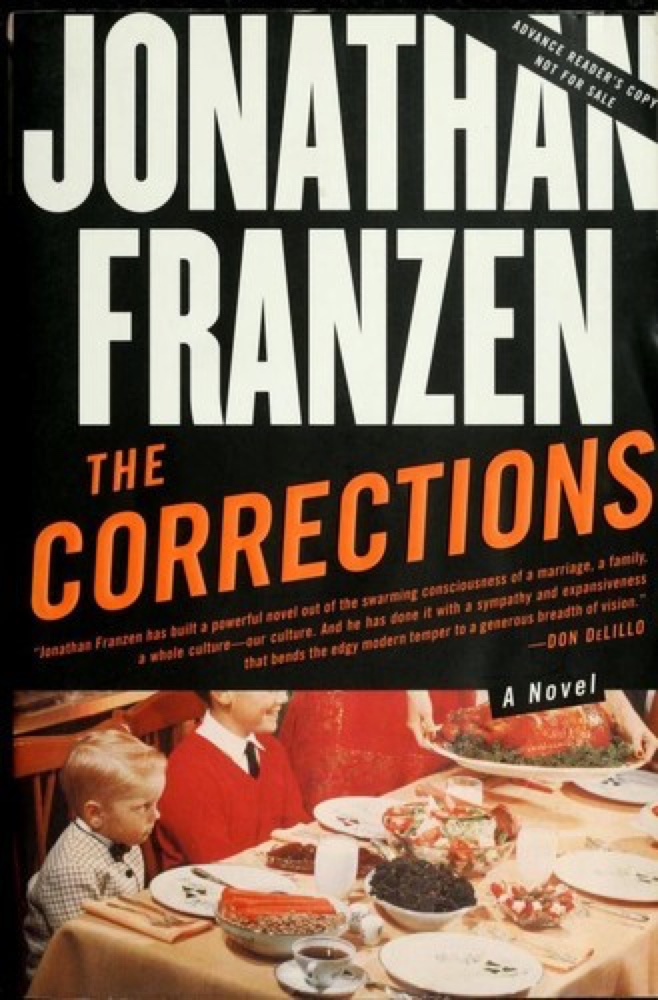 The Corrections
 Wonder Boys
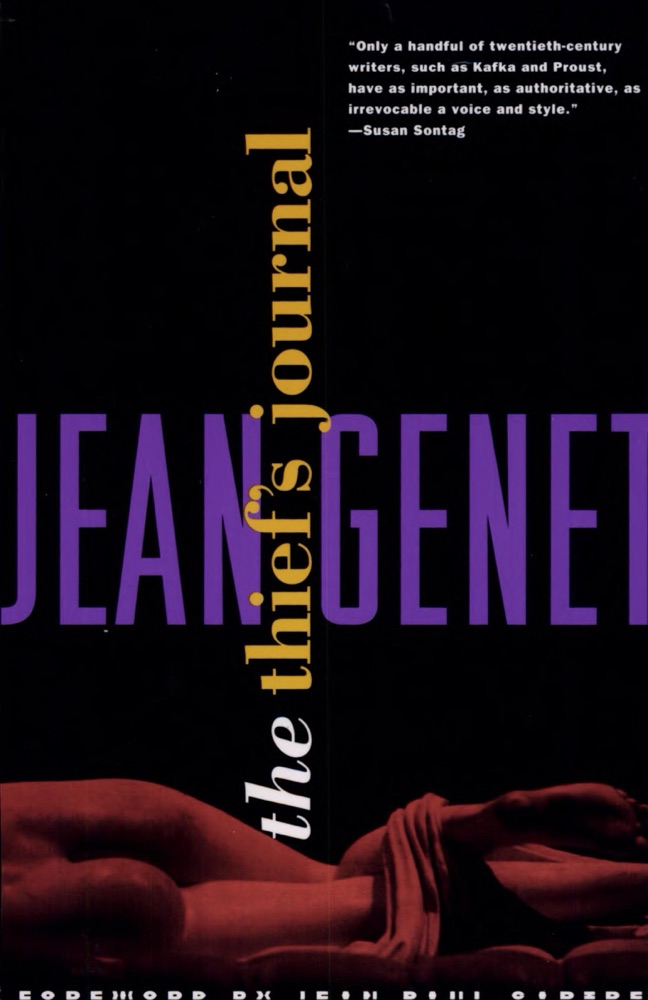 The Thief's Journal
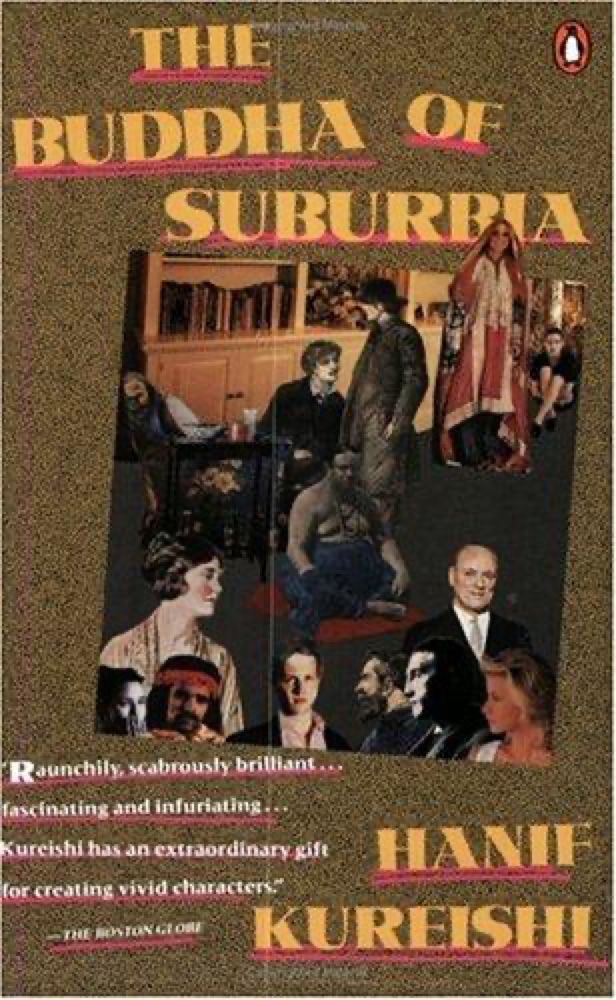 The Buddha of Suburbia
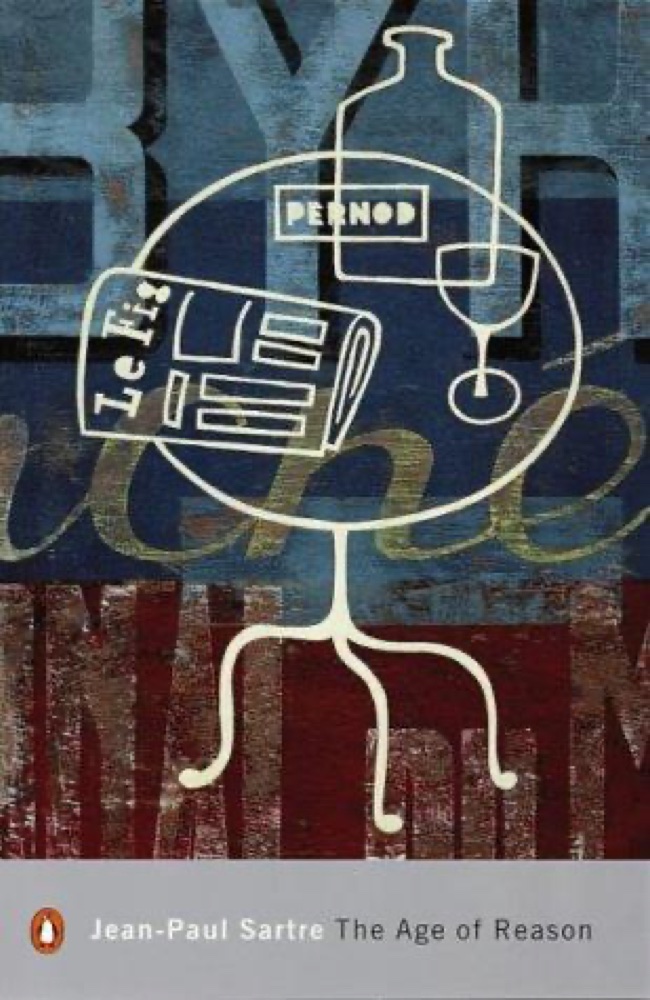 The Age of Reason
 Tropic of Capricorn
 In the Heart of the Heart of the Country and Other Stories
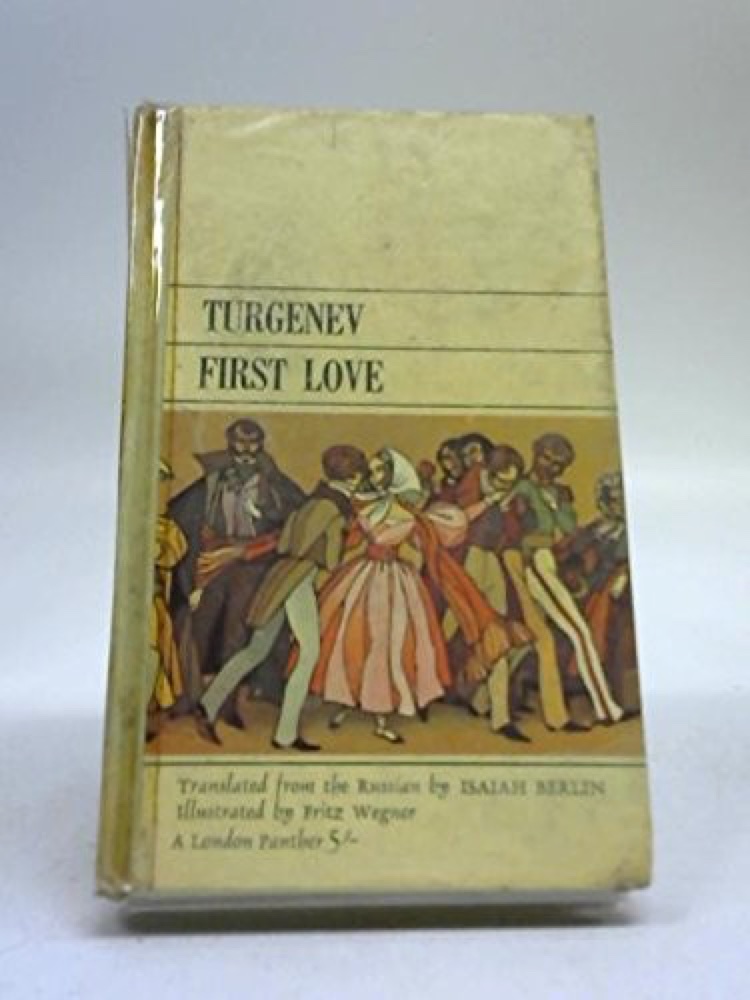 First Love