
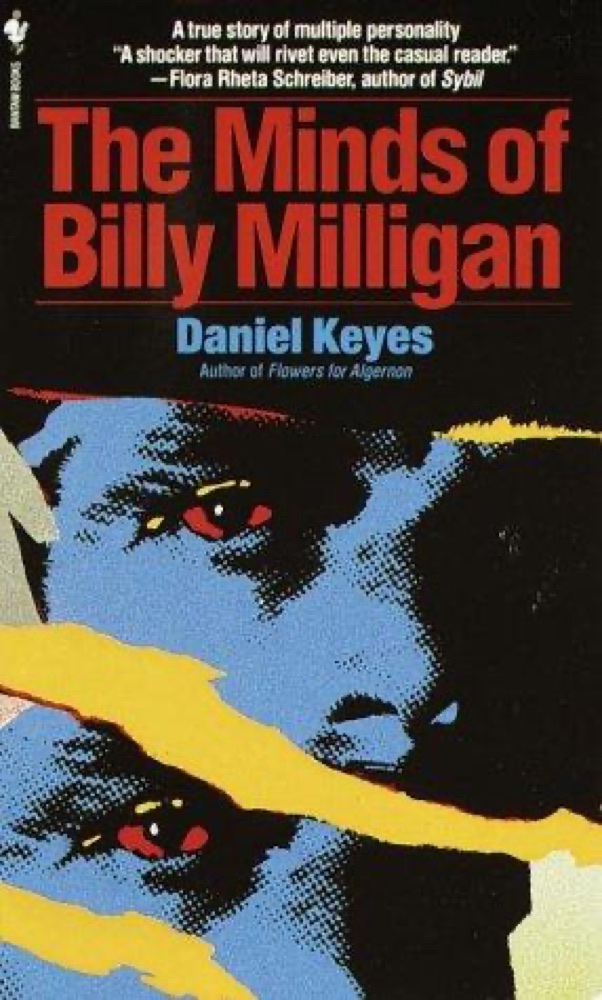
 The Minds of Billy Milligan
Quotes from the Book
I don’t know what’s worse: to not know what you are and be happy, or to become what you’ve always wanted to be, and feel alone.
Thank God for books and music and things I can think about.
Now I understand that one of the important reasons for going to college and getting an education is to learn that the things you've believed in all your life aren't true, and that nothing is what it appears to be.
Its easy to make frends if you let pepul laff at you.
That's the thing about human life--there is no control group, no way to ever know how any of us would have turned out if any variables had been changed.
How strange it is that people of honest feelings and sensibilty, who would not take advantage of a man born without arms or legs or eyes—how such people think nothing of abusing a man with low intelligence.
Intelligence is one of the greatest human gifts. But all too often a search for knowledge drives out the search for love. This is something else I've discovered for myself very recently. I present it to you as a hypothesis: Intelligence without the ability to give and receive affection leads to mental and moral breakdown, to neurosis, and possibly even psychosis. And I say that the mind absorbed in and involved in itself as a self-centered end, to the exclusion of human relationships, can only lead to violence and pain.
...Don't feel sorry for me. I'm glad I had a second chance in life like you said to be smart because I learned a lot of things that I never knew were in this world, and I'm grateful I saw it even for a little bit.
A child may not know how to feed itself, or what to eat, yet it knows hunger.
There are so many doors to open. I am impatient to begin." --Charlie Gordan
Why am I always looking at life through a window?
There are a lot of people who will give money or materials, but very few who will give time and affection.
Strange about learning; the farther I go the more I see that I never knew even existed. A short while ago I foolishly thought I could learn everything - all the knowledge in the world. Now I hope only to be able to know of its existence, and to understand one grain of it. Is there time?
Who's to say that my light is better than your darkness? Who's to say death is better than your darkness? Who am I to say?
Just leave me alone. I'm not myself. I'm falling apart, and I don't want you here.
I'm living at a peak of clarity and beauty I never knew existed. Every part of me is attuned to the work. I soak it up into my pores during the day, and at night—in the moments before I pass off into sleep—ideas explode into my head like fireworks. There is no greater joy than the burst of solution to a problem. Incredible that anything could happen to take away this bubbling energy, the zest that fills everything I do. It's as if all the knowledge I've soaked in during the past months has coalesced and lifted me to a peak of light and understanding. This is beauty, love, and truth all rolled into one. This is joy.
Even in the world of make-believe there have to be rules. The parts have to be consistent and belong together.
No one really starts anything new, Mrs. Nemur. Everyone builds on other men's failures. There is nothing really original in science. What each man contributes to the sum of knowledge is what counts.
But I've learned that intelligence alone doesn't mean a damned thing. Here in your university, intelligence, education, knowledge, have all become great idols. But I know now there's one thing you've all overlooked: intelligent and education that hasn't been tempered by human affection isn't worth a damn...Intelligence is one of the greatest human gifts. But all too often a search for knowledge drives out the search for love...Intelligence without the ability to give and receive affection leads to mental and moral breakdown, to neurosis, and possibly even psychosis.
How can I make him understand that he did not create me? He makes the same mistake as the others when they look at a feeble-minded person and laugh because they don't understand there are human feelings involved.
P.S. please if you get a chanse put some flowrs on Algernons grave in the bak yard.
Only a short time ago, I learned that people laughed at me. Now I can see that unknowingly I joined them in laughing at myself. That hurts the most.
Even a feeble-minded man wants to be like other men." --Charlie Gordan
I'm not close to him." He looked at me defiantly. "But he's put his whole life into this. He's no Freud or Jung or Pavlov or Watson, but he's doing something important and I respect his dedication - maybe even more because he's just an ordinary man trying to do a great man's work, while the great men are all busy making bombs.
I’m “exceptional”- a democratic term used to avoid the damning labels of “gifted” and “deprived” (which used to mean “bright” and “retarded”) and as soon as “exceptional” begins to mean anything to anyone they’ll change it. The idea seems to be: use an expression as long as it doesn’t mean anything to anybody. “Exceptional” refers to both ends of the spectrum, so all my life I’ve been exceptional.
And now - Plato's words mock me in the shadows on the ledge behind the flames: '...the men of the cave would say of him that up he went and down he came without his eyes.
Although we know the end of the maze holds death (and it is something I have not always known--not long ago the adolescent in me thought death could happen only to other people), I see now that the path I choose through that maze makes me what I am. I am not only a thing, but also a way of being--one of many ways--and knowing the paths I have followed and the ones left to take will help me understand what I am becoming.
So this is how a person can come to despise himself-knowing he's doing the wrong thing and not being able to stop.
Did you know?
- Flowers for Algernon began as a novelette published in The Magazine of Fantasy & Science Fiction in April 1959.
- The short-story version won the Hugo Award for Best Short Fiction in 1960, and the expanded novel won the Nebula Award for Best Novel.
- The entire story is told through Charlie Gordon's own progress reports, with spelling and grammar that change to reflect his intelligence.
- Algernon is a laboratory mouse who undergoes the same intelligence-enhancing surgery before Charlie does.
- The 1968 film adaptation, Charly, earned Cliff Robertson the Academy Award for Best Actor.
About Daniel Keyes
Daniel Keyes (1927-2014) was an American writer best known as the author of Flowers for Algernon, a science fiction story about a man with an intellectual disability who undergoes experimental surgery to become a genius before the effects reverse.
More about the author →More by Daniel Keyes
The Minds of Billy Milligan
About the book
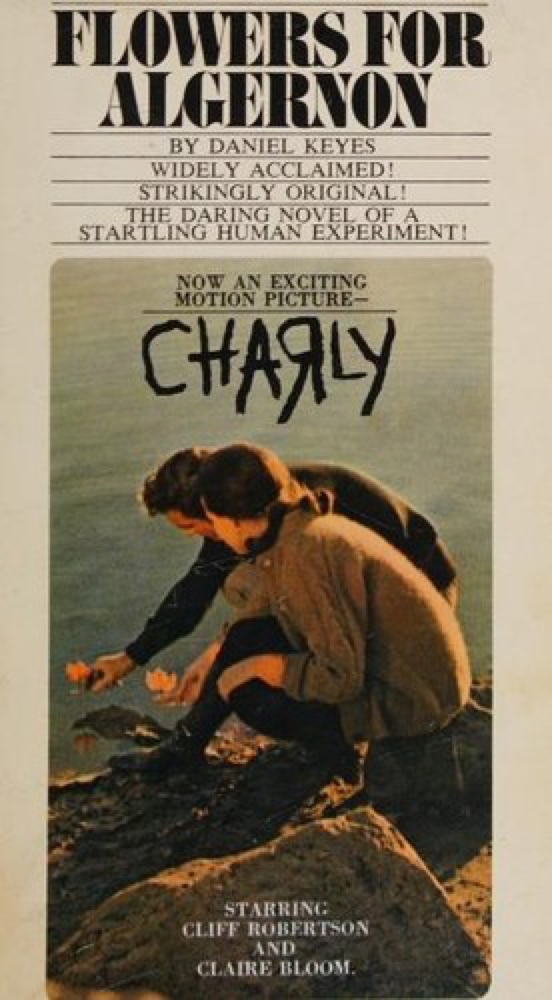
"Flowers for Algernon" by Daniel Keyes is told through the progress reports of Charlie Gordon, a man with an intellectual disability who works as a bakery janitor and attends a literacy class. Selected for an experimental surgery that has already tripled the intelligence of a laboratory mouse named Algernon, Charlie undergoes the procedure and watches his own IQ climb far beyond that of the doctors who treated him. When Algernon's newfound intelligence suddenly begins to fail, Charlie must confront the possibility that his own transformation may be temporary.
The novel explores the relationship between intellect and emotional happiness, the treatment of people with disabilities, and the way the past shapes a person's later life. Because the story is written in Charlie's own words, his shifting spelling, grammar, and insight chart his rise and decline from the inside, giving the reader intimate access to both his brilliance and his losses. Keyes uses this first-person diary form to ask whether greater intelligence brings greater joy, or whether it can isolate a person from the people who once cared for him.
Originally published as a novelette in 1959 and expanded into a novel in 1966, the work won the Hugo Award for its short form and the Nebula Award for its novel form, and it has become a widely taught classic of science fiction. Its central premise inspired the Academy Award-winning 1968 film "Charly" and a stage musical, and the book remains a staple of school curricula for its accessible yet emotionally demanding portrait of Charlie Gordon.
Key characters
- Charlie GordonProtagonist and narrator, a man with an intellectual disability who undergoes the surgery
- AlgernonA laboratory mouse given the intelligence-enhancing surgery before Charlie
- Alice KinnianCharlie's literacy teacher and romantic interest
- Dr. StraussThe surgeon and psychiatrist who performs the operation
- Dr. NemurThe scientist who directs the experiment
Book details
- First published
- 1966
- Length
- 311 pages
- Reading time
- 4 hours
- Author
- Daniel Keyes
- Genre
- Classics
- Goodreads rating
- 4.24 (827k ratings) →
- First line
- “Dr Strauss says I shoud rite down what I think and remembir and evrey thing that happins to me from now on.”
Movie & TV adaptations
- IMDb
- IMDb
- IMDb
If you liked this, read…
- 1Of Mice and MenAnother compact American classic centered on a character with an intellectual disability and the people who protect him
- 2The Curious Incident of the Dog in the Night-TimeA first-person narrative that immerses the reader in a neurodivergent narrator's distinctive point of view
- 3Never Let Me GoA quietly devastating story about people shaped by a scientific experiment beyond their control
Keep reading
 How to Be Good
 Infinite Jest
 Hey Nostradamus!
 The Adolescent
 The Golden Notebook
 The Fault in Our Stars
 Children of the Mind
 Bruiser
 Odd Hours
 A Single Man
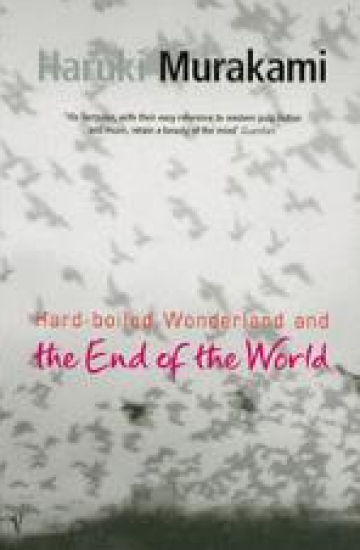 Hard-Boiled Wonderland and the End of the World
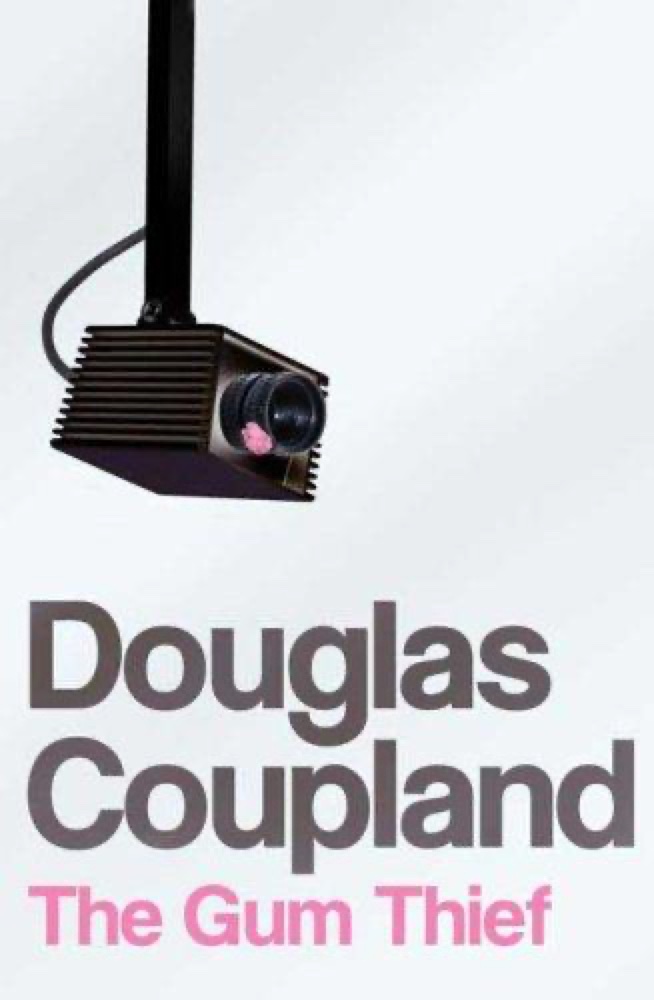 The Gum Thief
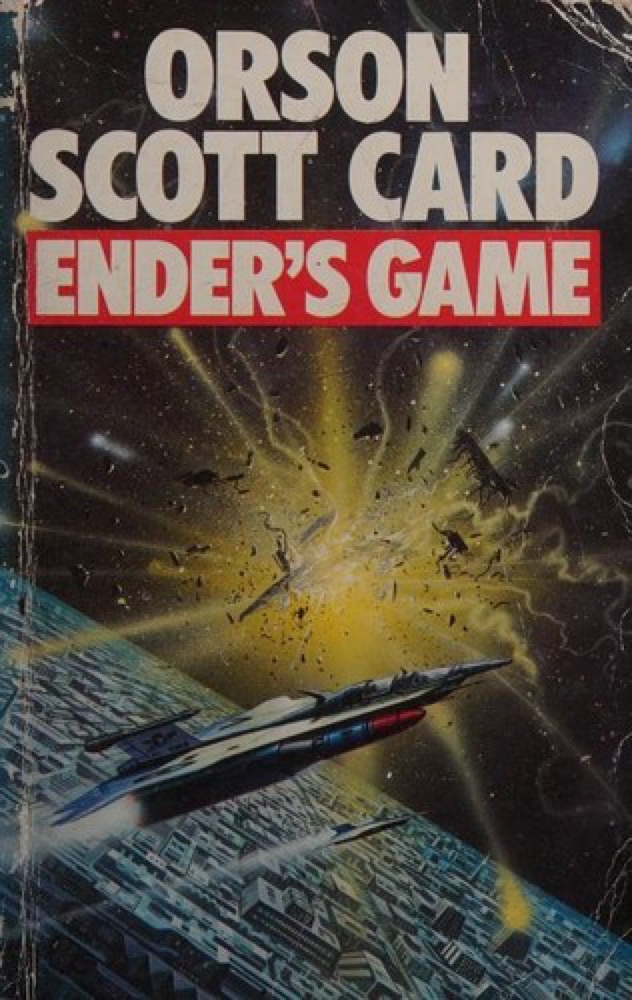 Ender's Game
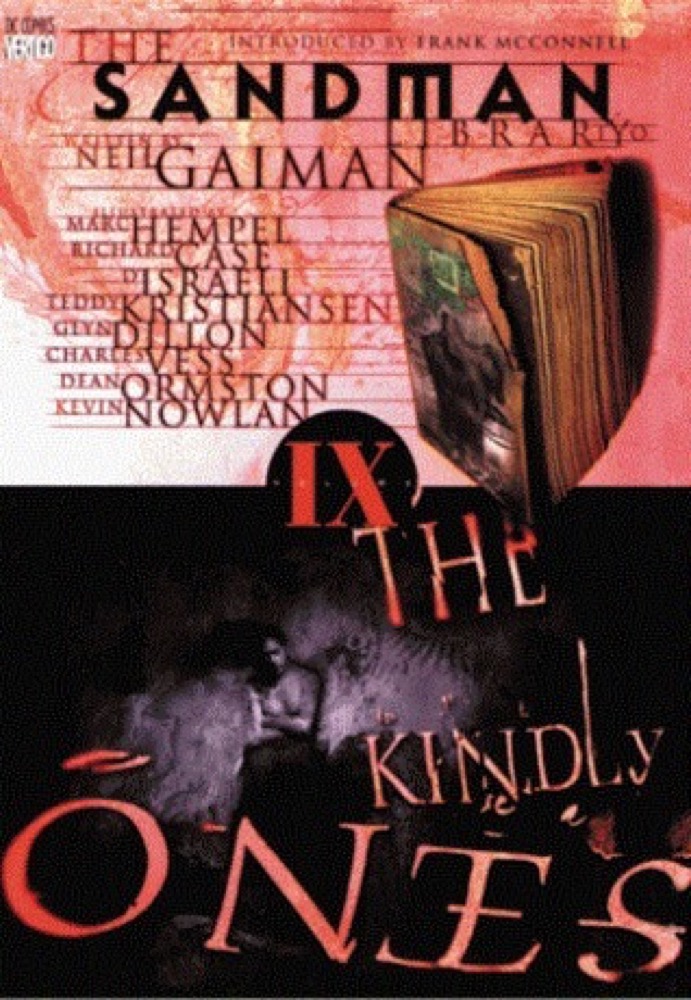 The Kindly Ones
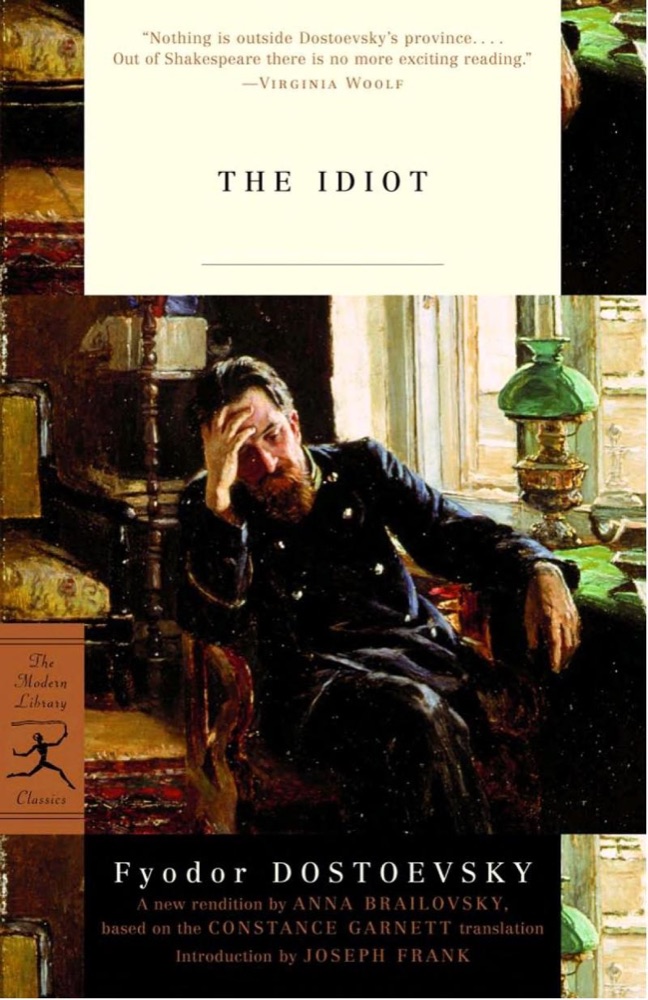 The Idiot
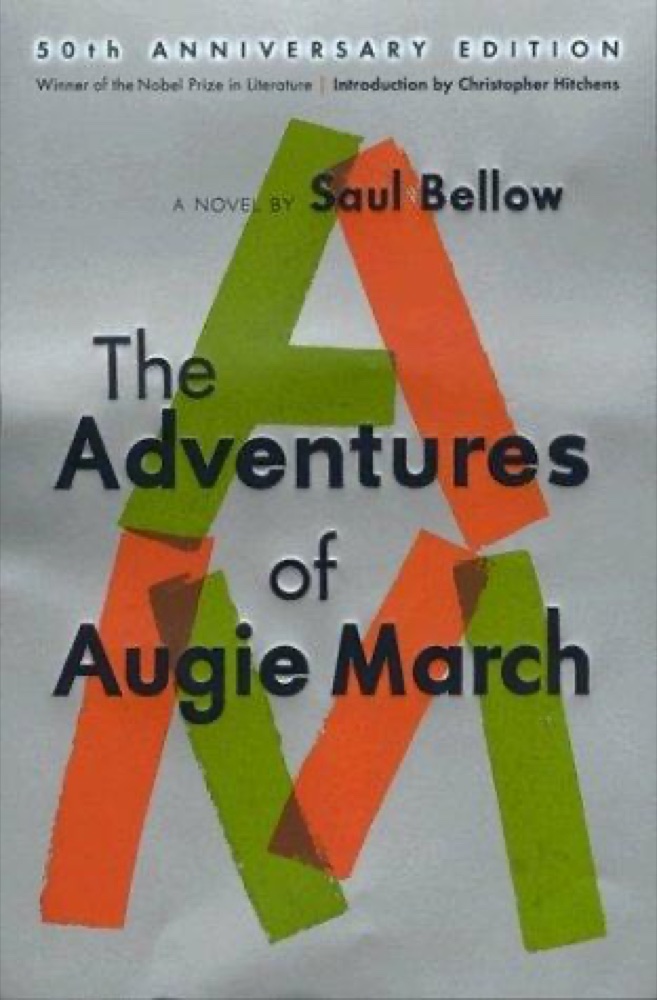 The Adventures of Augie March
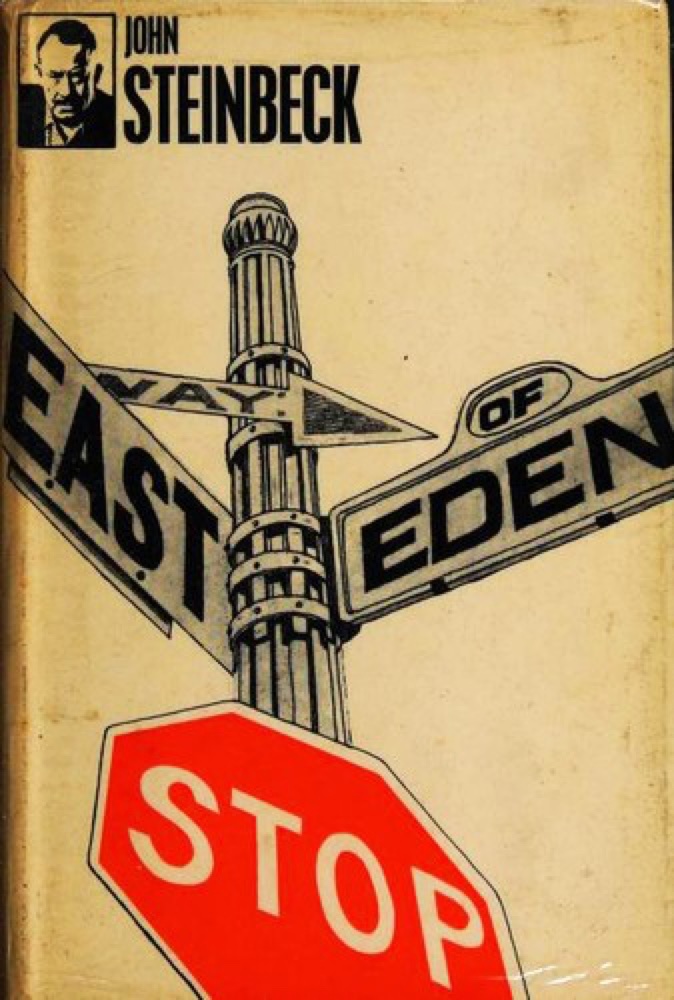 East of Eden
 My Booky Wook
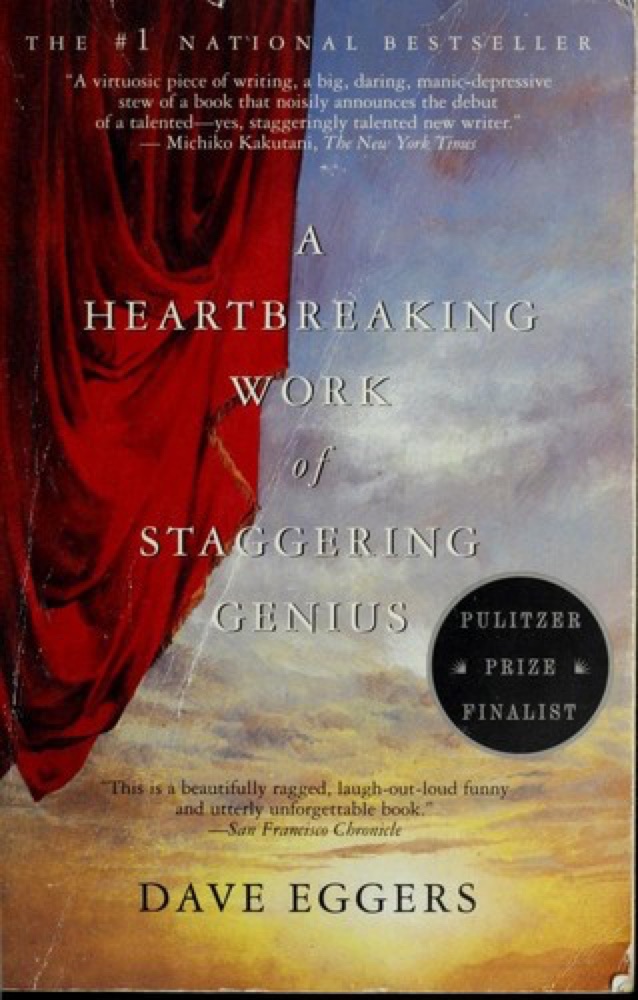 A Heartbreaking Work of Staggering Genius
 Every Exquisite Thing
 God-Shaped Hole
 Henderson the Rain King
 Belong to Me
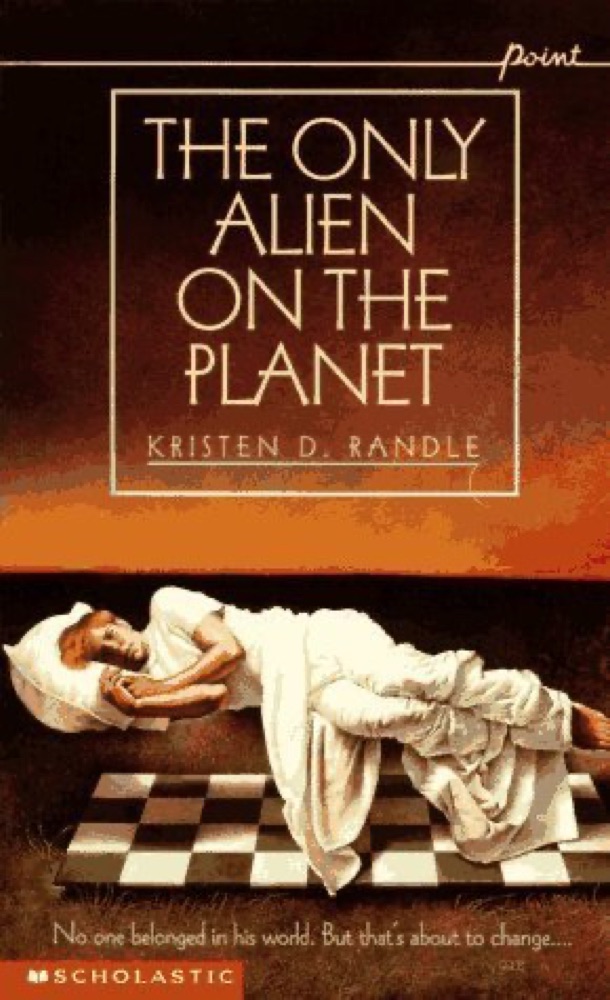 The Only Alien on the Planet
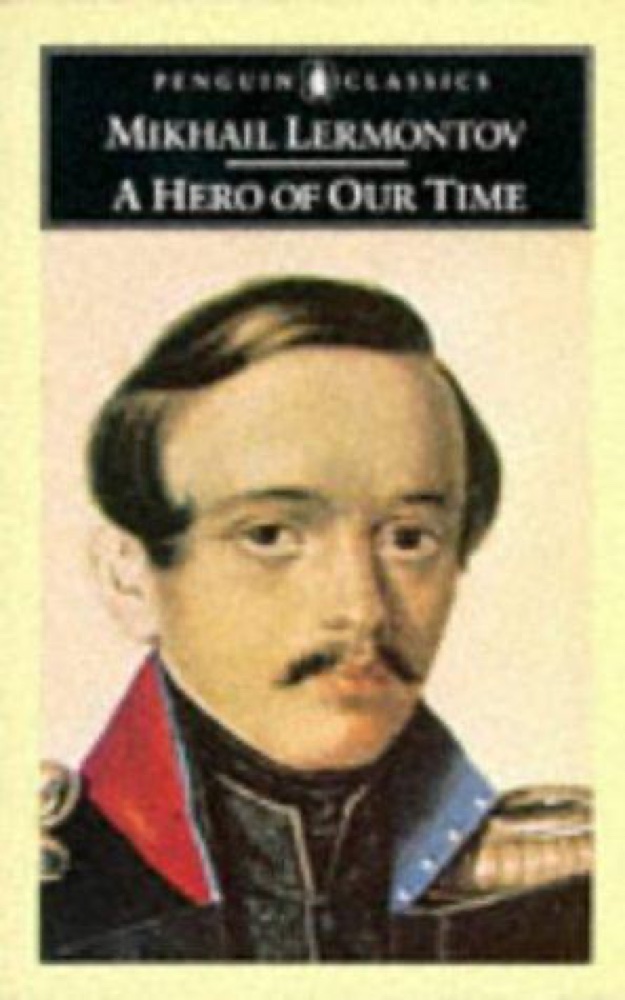 A Hero of Our Time
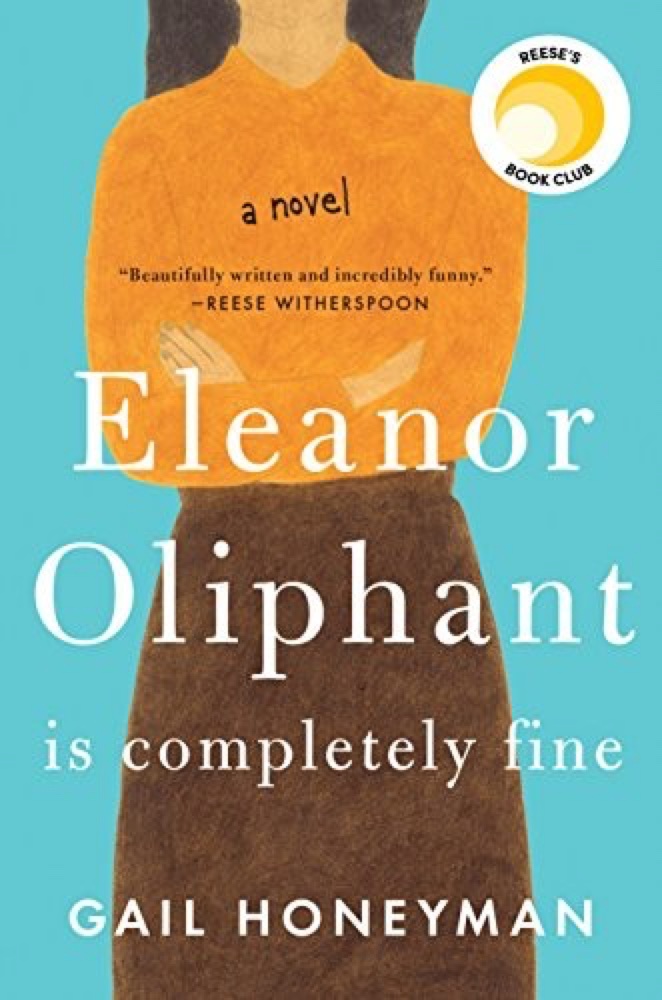 Eleanor Oliphant Is Completely Fine
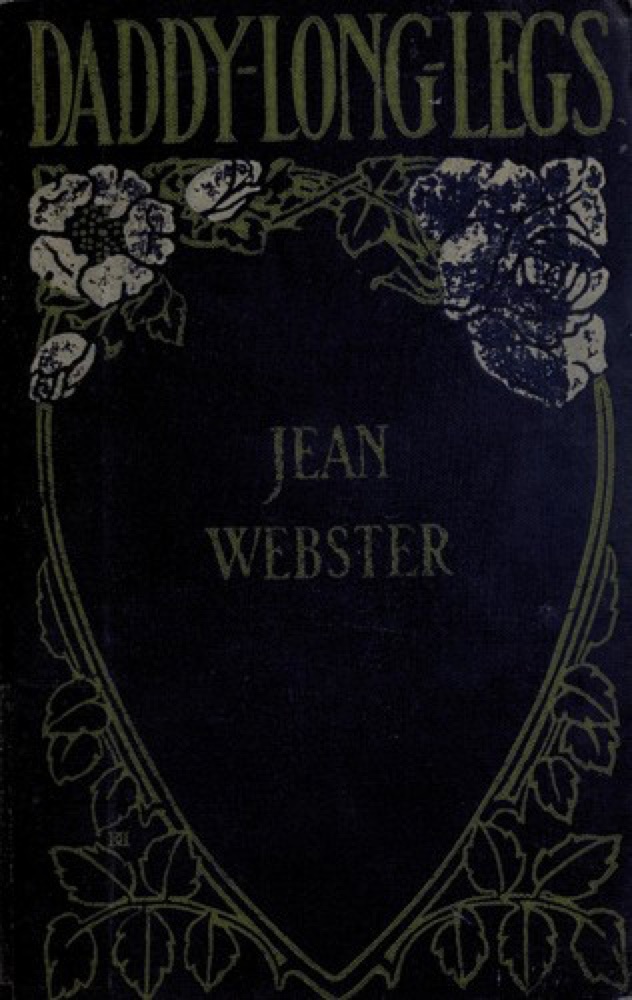 Daddy-Long-Legs
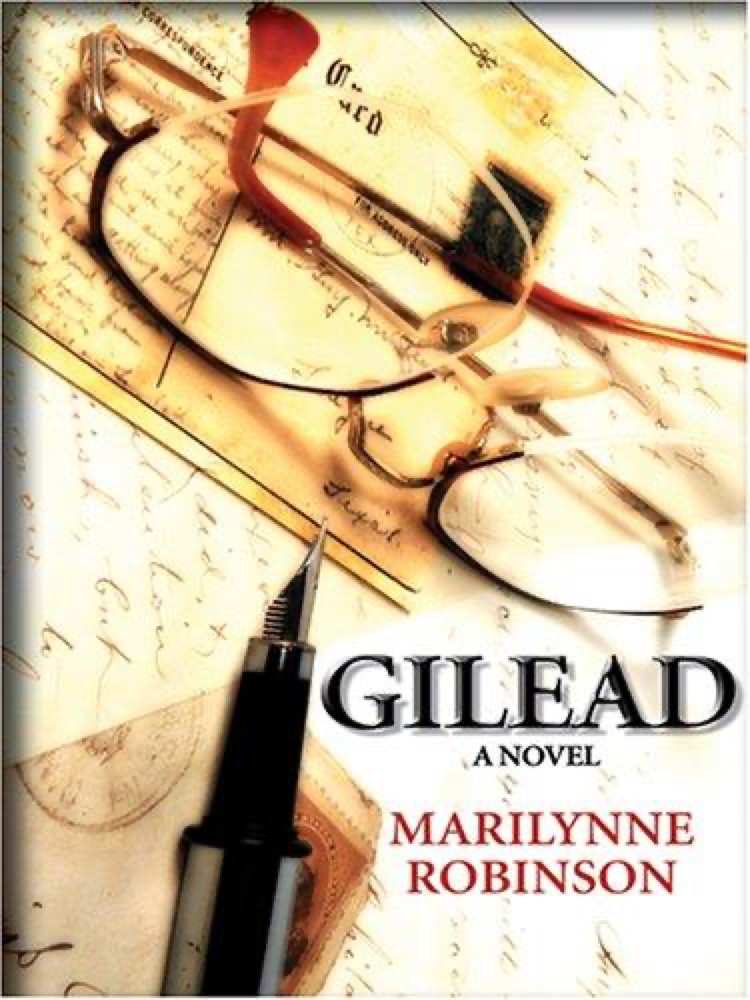 Gilead
 Making Faces
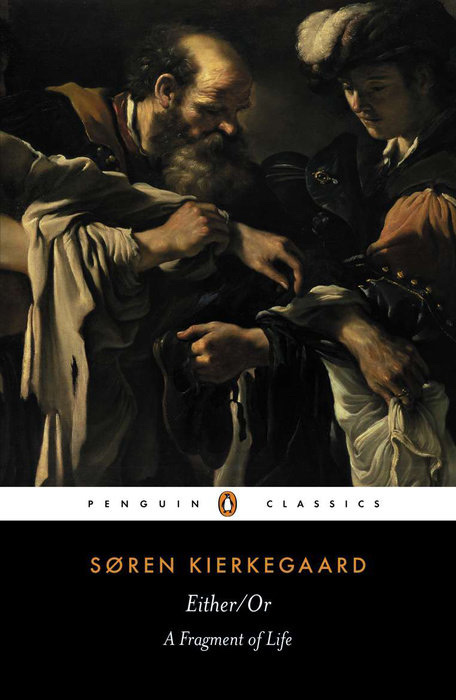 Either/Or: A Fragment of Life
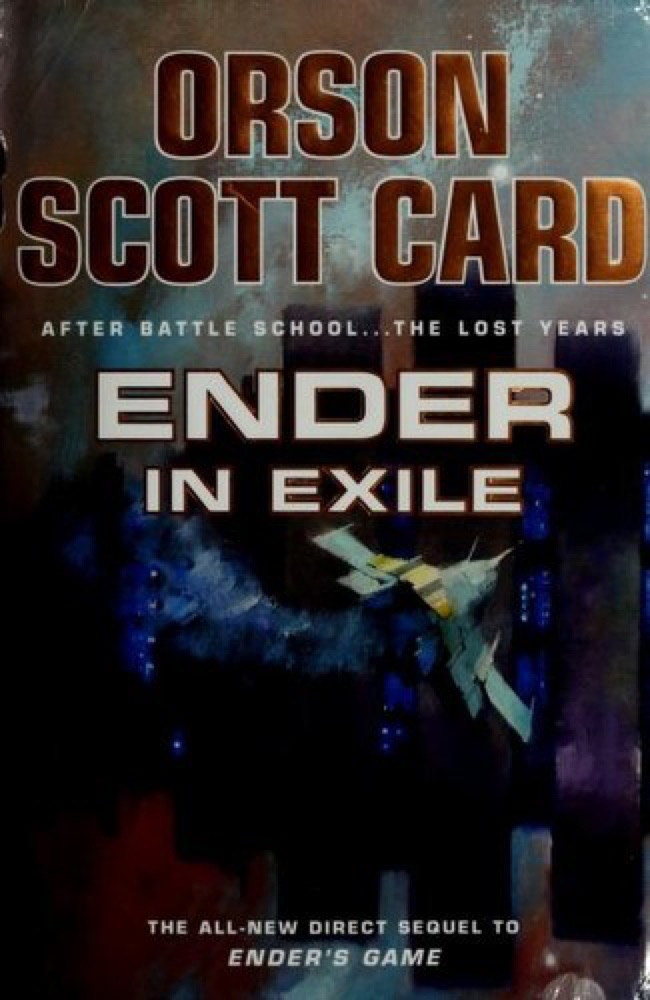 Ender in Exile
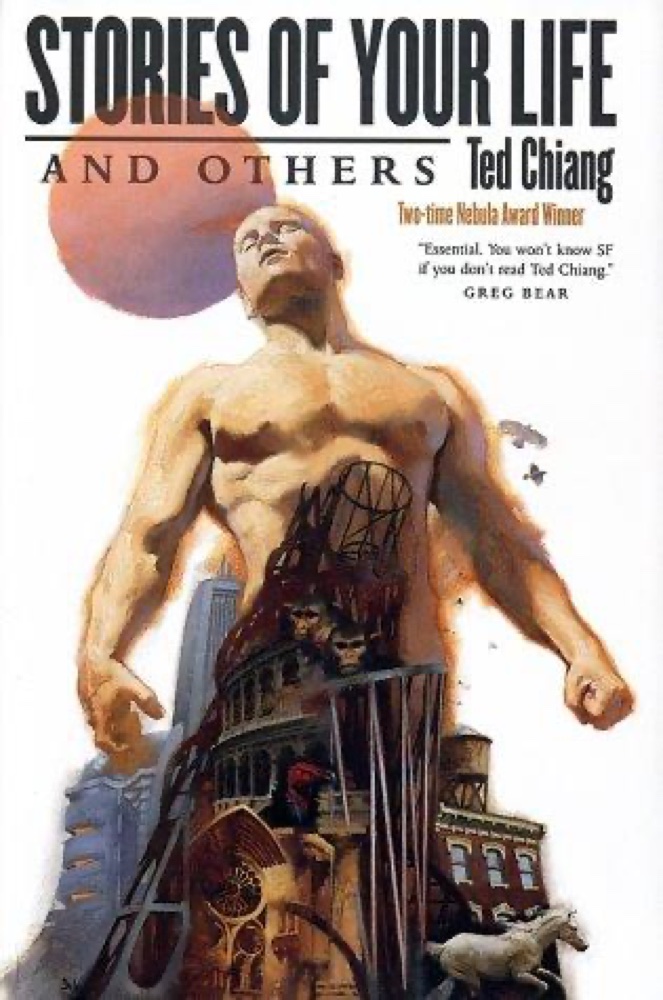 Stories of Your Life and Others
 Words on Bathroom Walls
 Girl with Curious Hair
 Life After Death
 Jasper Jones
 Humans of New York
 The Magus
 Dust Tracks on a Road
 How to Build a Girl
 Cat's Cradle
 Marcelo in the Real World
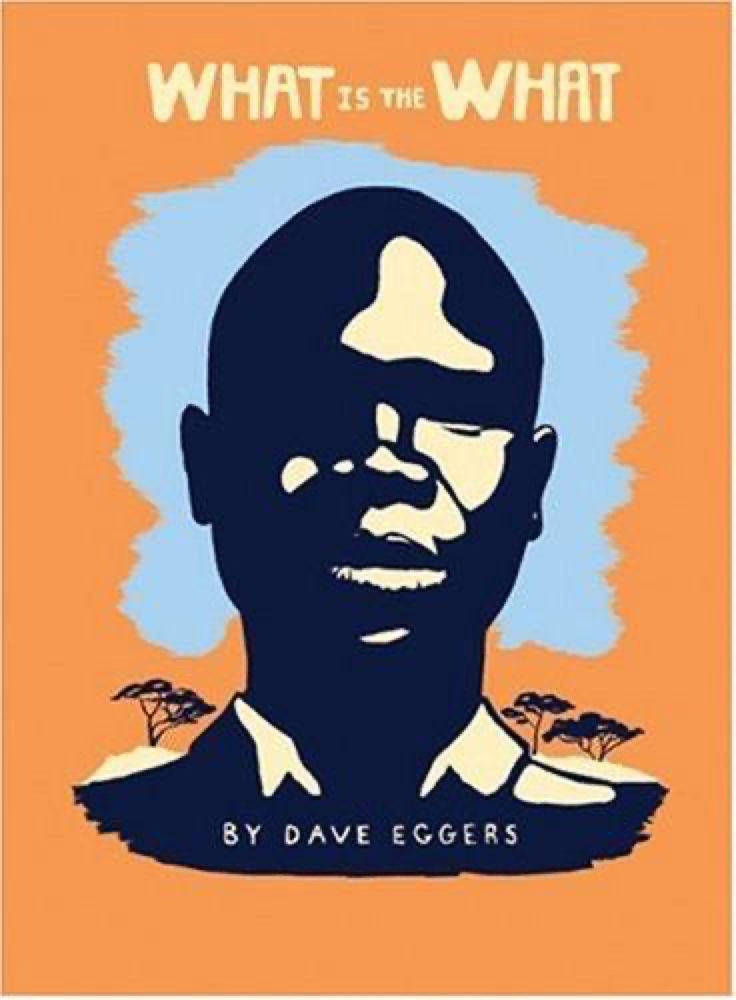 What Is the What
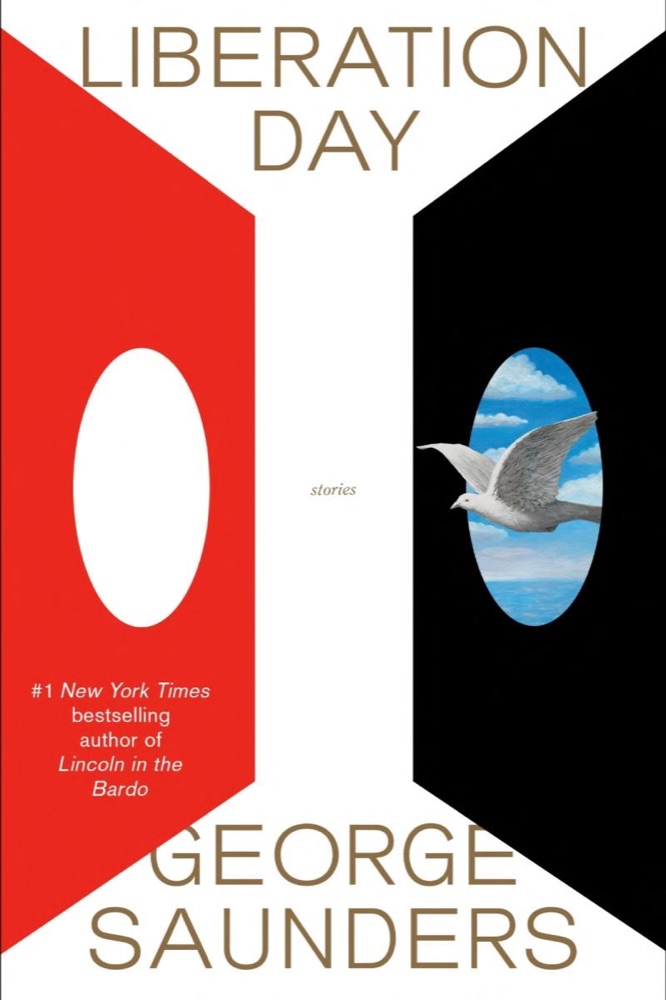 Liberation Day
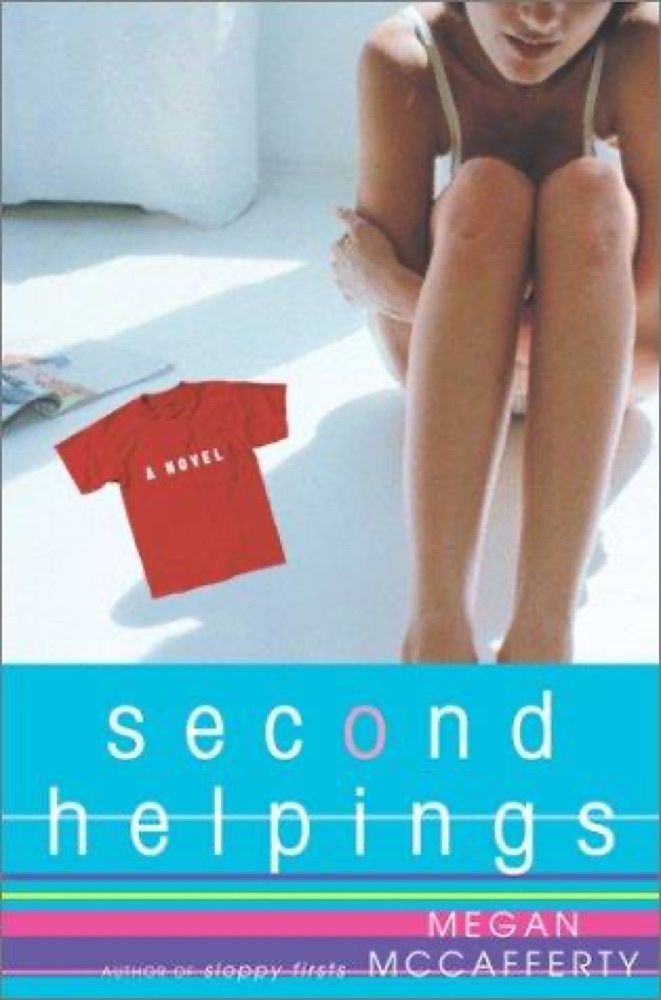 Second Helpings
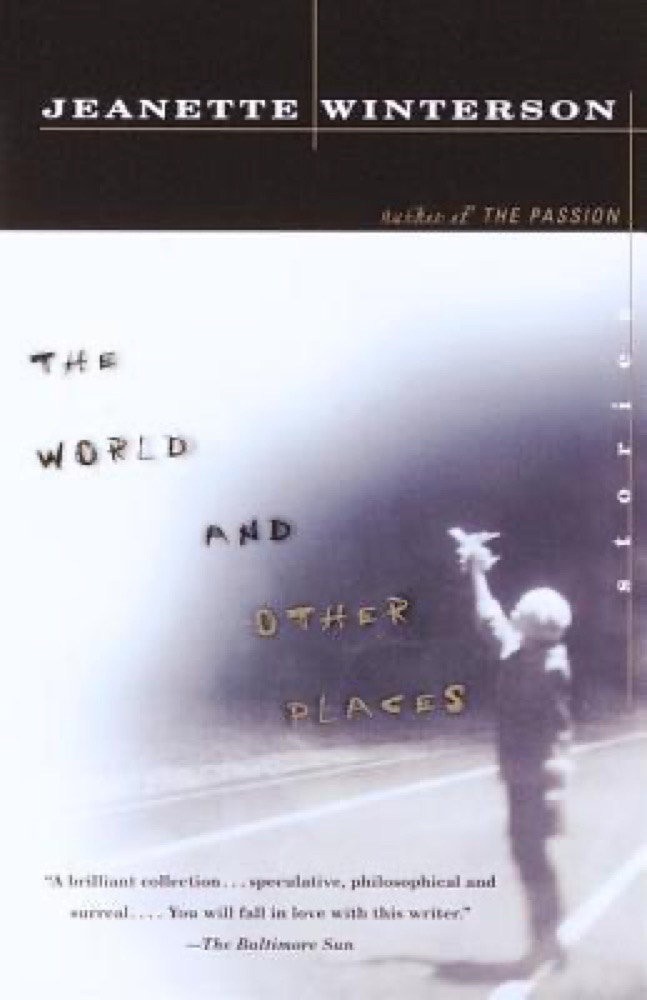 The World and Other Places: Stories
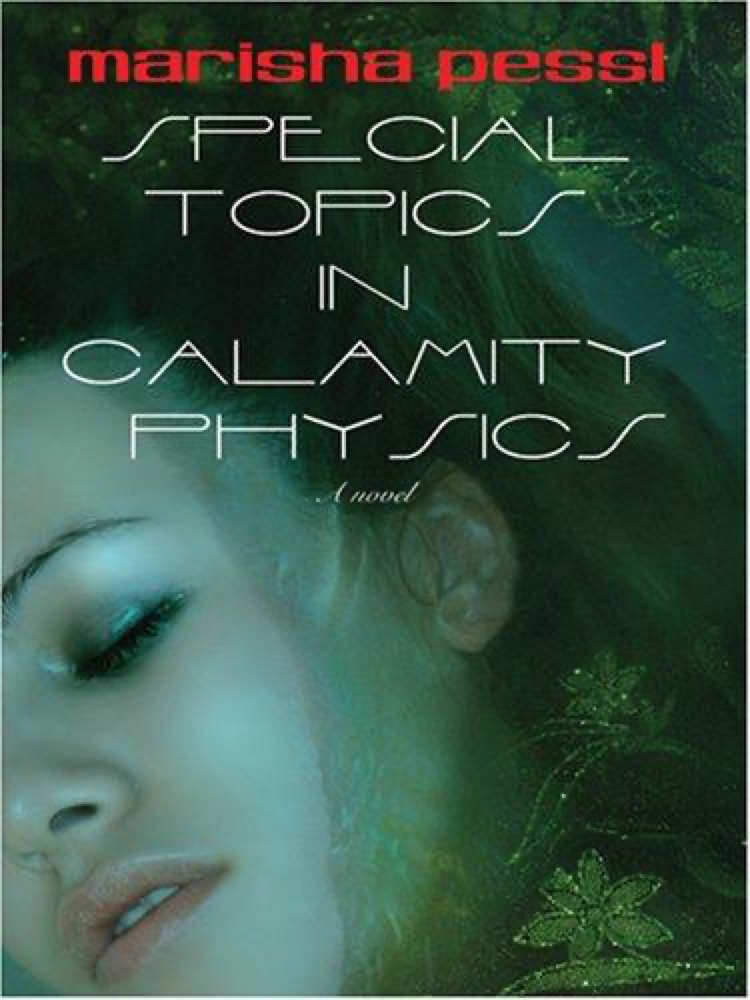 Special Topics in Calamity Physics
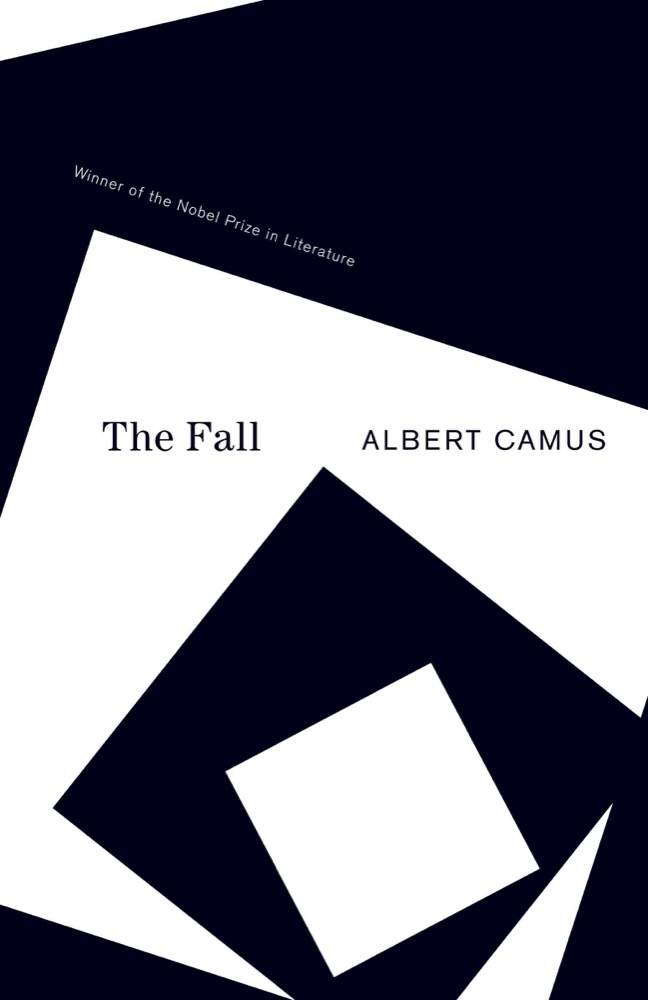 The Fall
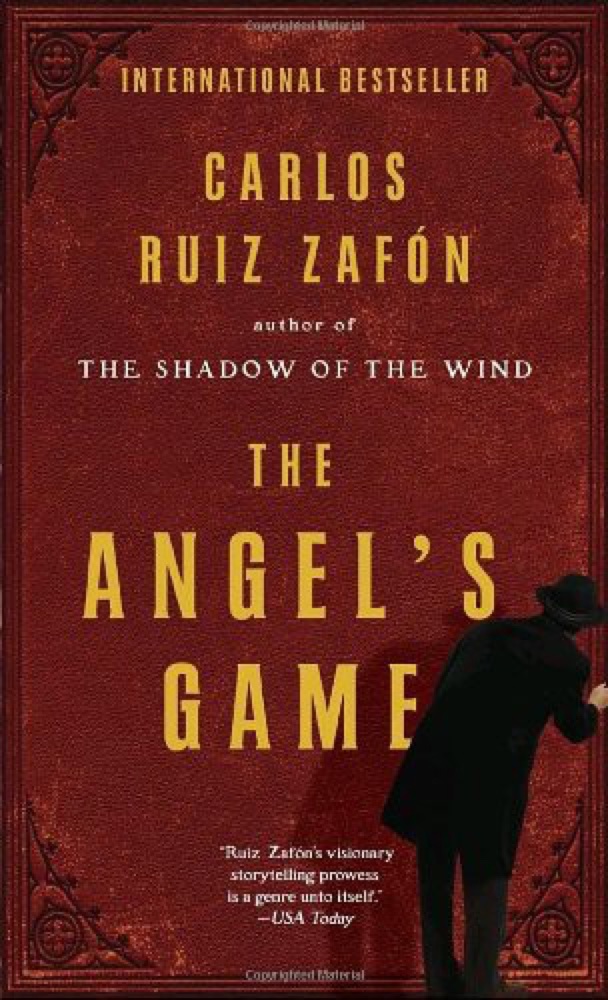 The Angel's Game
 Doctor Zhivago
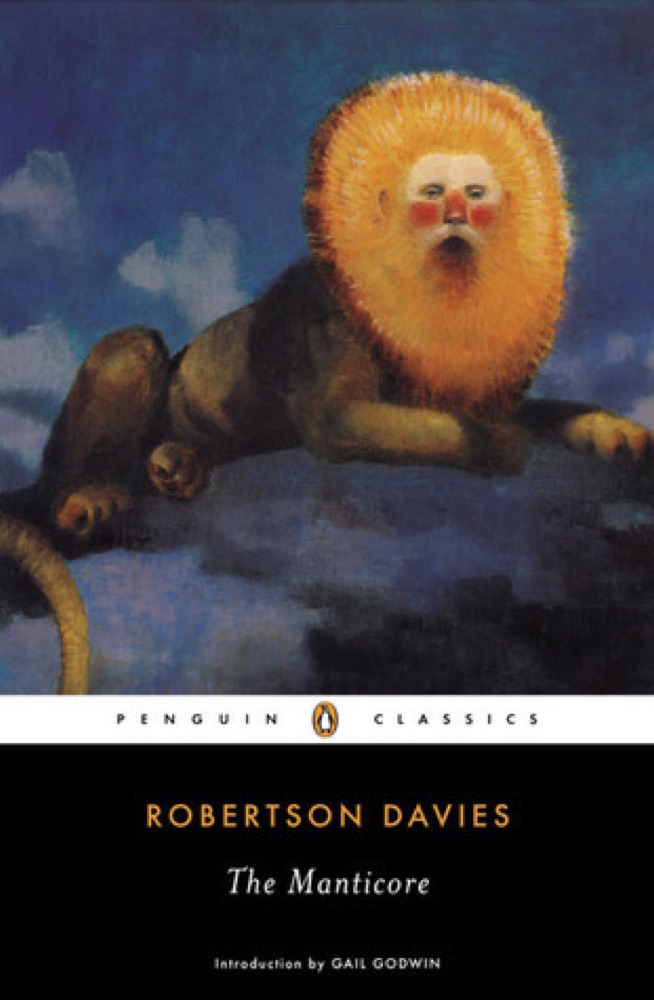 The Manticore
 The Goldfinch
 Tropic of Cancer
 The Fountainhead
 Mosquitoland
 Origin
 Sputnik Sweetheart
 Demian
 Boy's Life
The Minds of Billy Milligan
Boy's Life
The Minds of Billy Milligan