
 Women, Food and God: An Unexpected Path to Almost Everything
Quotes from the Book
If you don’t love it, don’t eat it, and if you love it, savor it.
12
Make food choices that honor your health and taste buds while making you feel good. Remember that you don’t have to eat a perfect diet to be healthy. You will not suddenly get a nutrient deficiency, or gain weight from one snack, one meal, or one day of eating. It’s what you eat consistently over time that matters. Progress, not perfection, is what counts.
7
Having a healthy relationship with food means you are not morally superior or inferior based on your eating choices.
5
Honestly, unless you killed the chef or the farmer, there should be no guilt about your eating choices.
3
Accept your genetic blueprint. Just as a person with a shoe size of eight would not expect realistically to squeeze into a size six, it is equally futile (and uncomfortable) to have a similar expectation about body size. Respect your body, so you can feel better about who you are. It’s hard to reject the diet mentality if you are unrealistic and overly critical of your body shape.
3
The Japanese have the wisdom to keep pleasure as one of their goals of healthy living. In our fury to be thin and healthy, we often overlook one of the most basic gifts of existence—the pleasure and satisfaction that can be found in the eating experience. When you eat what you really want, in an environment that is inviting, the pleasure you derive will be a powerful force in helping you feel satisfied and content. By providing this experience for yourself, you will find that it takes much less food to decide you’ve had “enough.
3
Listen for the body signals that tell you that you are no longer hungry. Observe the signs that show that you’re comfortably full. Pause in the middle of a meal or snack and ask yourself how the food tastes, and what your current fullness level is.
3
Throw out the diet books and magazine articles that offer you the false hope of losing weight quickly, easily, and permanently. Get angry at the lies that have led you to feel as if you were a failure every time a new diet stopped working and you gained back all of the weight. If you allow even one small hope to linger that a new and better diet might be lurking around the corner, it will prevent you from being free to rediscover Intuitive Eating.
3
When you rigidly limit the amount of food you are allowed to eat, it usually sets you up to crave larger quantities of that very food.
2
Call a truce, stop the food fight! Give yourself unconditional permission to eat. If you tell yourself that you can’t or shouldn’t have a particular food, it can lead to intense feelings of deprivation that build into uncontrollable cravings and often, bingeing. When you finally “give in” to your forbidden foods, eating will be experienced with such intensity, it usually results in Last Supper overeating and overwhelming guilt.
2
Dieting may cause stress or make the dieter more vulnerable to its effects. Independent of body weight itself, dieting is correlated with feelings of failure, lowered self-esteem, and social anxiety.
2
Find ways to comfort, nurture, distract, and resolve your emotional issues without using food. Anxiety, loneliness, boredom, and anger are emotions we all experience throughout life. Each has its own trigger, and each has its own appeasement. Food won’t fix any of these feelings. It may comfort for the short term, distract from the pain, or even numb you into a food hangover. But food won’t solve the problem. If anything, eating for an emotional hunger will only make you feel worse in the long run. You’ll ultimately have to deal with the source of the emotion, as well as the discomfort of overeating.
2
Just because someone makes an inappropriate comment does not make it true!
2
Dichotomous or black-and-white thinking can be dangerous and is often based on the premise of achieving perfection. It gives you only two alternatives, one of which is usually neither attainable or maintainable. The other then tends to be the black hole in which you inevitably fall after failing to get to the first. You set your sights so high, constantly chasing an ideal that you can grasp only moments at a time. When the standard for being okay is this lofty, you’re destined to feel lousy most of the time. And we know that when you feel lousy, you’re bound to end up going off the deep end in your eating behavior.
1
Children deprived of food in an attempt to be thin become preoccupied with food, afraid they won’t get enough to eat, and are prone to overeat when they get the chance.
1
In fact, groundbreaking work by therapist and dietitian Ellyn Satter has shown that if you get the parents of overweight kids to back off and let them eat without parental pressure, the kids will eventually eat less. Why? The child begins to hear and understand his own inner signals of hunger and satiety. The child also knows that he or she will have access to food. According to Satter, “Children deprived of food in an attempt to be thin become preoccupied with food, afraid they won’t get enough to eat, and are prone to overeat when they get the chance.” We have found this to be true for adult dieters as well. Only for adults, the Intuitive Eating process has been buried for a long time, often years and years. Instead of having a parent loosen up the pressure, this loosening of pressure has to come from within and against society’s myth of dieting and distorted body worship.
1
We define healthy eating as having a healthy balance of foods and having a healthy relationship with food.
1
You have forgotten what you really like to eat and instead eat what you think you “should” eat.
1
failure of dieting is that it promotes weight stigma by not recognizing that people come in all sizes and shapes and that each individual is worthy just as they are.
And, please keep in mind that these ten principles are simply guidelines and not new rules that can be turned into a new diet. Any desire for weight loss must be put on the back burner, or it will sabotage your process of healing your relationship with food, your mind, and your body.
Food is love, food is comfort, food is reward, food is a reliable friend. And, sometimes, food becomes your only friend in moments of pain and loneliness.
Diet culture is a system of beliefs that: • Worships thinness and equates it to health and moral virtue, which means you can spend your whole life thinking you’re irreparably broken just because you don’t look like the impossibly thin “ideal.” • Promotes weight loss as a means of attaining higher status, which means you feel compelled to spend a massive amount of time, energy, and money trying to shrink your body, even though the research is very clear that almost no one can sustain intentional weight loss for more than a few years. • Demonizes certain ways of eating while elevating others, which means you’re forced to be hyper-vigilant about your eating, ashamed of making certain food choices, and distracted from your pleasure, your purpose, and your power. • Oppresses people who don’t match up with its supposed picture of “health,” which disproportionately harms women, femmes, trans folks, people in larger bodies, people of color, and people with disabilities, damaging both their mental and physical health.
One of the strongest predictors of weight gain is dieting, regardless of the actual body weight of the dieter (O’Hara and Taylor 2018). This is a profound irony, given the medicalization of the pursuit of weight loss. Yet, if dieting were held to the same standards as prescription drugs, it would fail miserably, and wouldn’t even be approved for use in the first place!
They identified four hallmarks of body appreciation: Possessing a favorable opinion of the body despite size and perceived imperfections. Being aware of and attentive to the body’s needs. Engaging in healthy behaviors to take care of the body. Protecting the body by rejecting unrealistic media body ideals.
When women emphasize the functionality of their bodies over appearance, they are more inclined to eat according to their body’s biological cues.
However, when high emotional awareness was coupled with more self-silencing, participants had more disordered eating and less Intuitive Eating. The researchers believe that when women have clarity about their thoughts and feelings, but silence their voices, hunger signals may become confused, which may decrease trust of internal signals of hunger and satiation. The most intuitive and least disordered eaters in the study displayed high emotional awareness and low self-silencing.
Expression of thoughts, feelings, or needs appears to be a critical aspect of healthy eating behaviors.
Intuitive Eating was associated with the following benefits (Ricciardelli 2016): • Greater body appreciation and satisfaction • Positive emotional functioning • Greater life satisfaction • Unconditional self-regard and optimism • Psychological hardiness • Greater motivation to exercise, when focus is on enjoyment rather than guilt or appearance Furthermore, IE was inversely related to: disordered eating, dieting, poor interoceptive awareness, and internalization of the thin ideal.
The way an individual values and responds to these body sensations is known as interoceptive responsiveness.
The principles of Intuitive Eating work either by enhancing interoceptive awareness, or by removing the obstacles to perceiving and responding to the felt sensations in the body. The obstacles are usually from the mind in the form of rules, beliefs, and thoughts.
Watch on YouTube
About Evelyn Tribole
We have collected 30 quotes from 1 book by Evelyn Tribole on BookQuoters.
More about the author →About the book
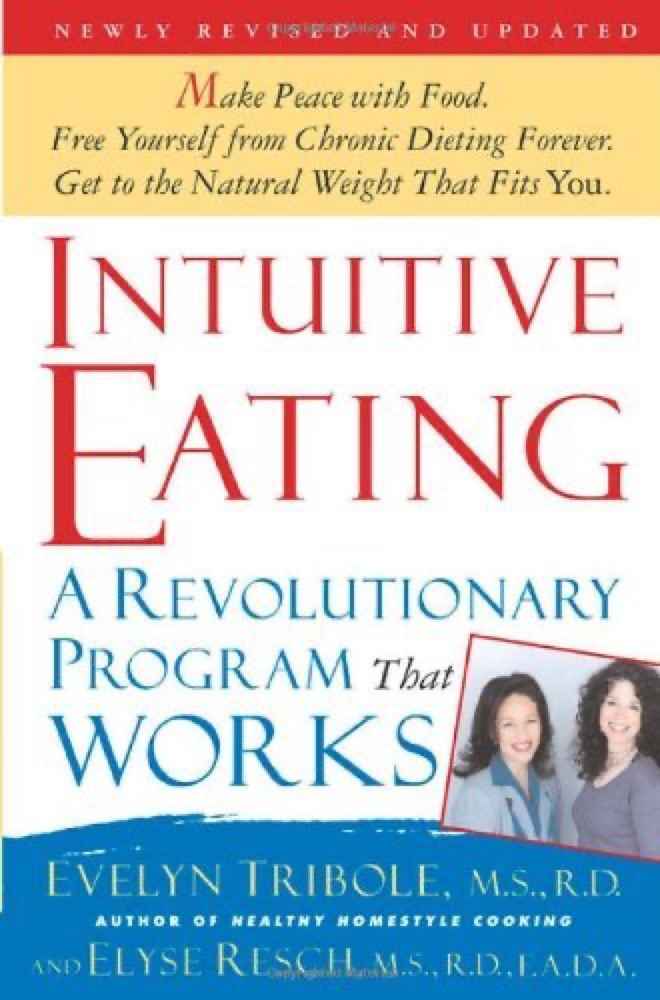
We've all been there-angry with ourselves for overeating, for our lack of willpower, for failing at yet another diet that was supposed to be the last one. But the problem is not you, it's that dieting, with its emphasis on rules and regulations, has stopped you from listening to your body.
Written by two prominent nutritionists, Intuitive Eating focuses on nurturing your body rather than starving it, encourages natural weight loss, and helps you find the weight you were meant to be.
Learn: *How to reject diet mentality forever *How our three Eating Personalities define our eating difficulties *How to feel your feelings without using food *How to honor hunger and feel fullness *How to follow the ten principles of Intuitive Eating, step-by-step *How to achieve a new and safe relationship with food and, ultimately, your body
With much more compassionate, thoughtful advice on satisfying,
Book details
- First published
- 1995
- Author
- Evelyn Tribole
- Genre
- Nonfiction
- Goodreads rating
- 4.23 (21k ratings)
Keep reading
Women, Food and God: An Unexpected Path to Almost Everything
 The Beck Diet Solution
 In Defense of Food: An Eater's Manifesto
 First Bite: How We Learn to Eat
 The 80/10/10 Diet: Balancing Your Health, Your Weight, and Your Life, One Luscious Bite at a Time
 Things No One Will Tell Fat Girls: A Handbook for Unapologetic Living
 Body Positive Power
 It Starts with Food: Discover the Whole30 and Change Your Life in Unexpected Ways
 Eat to Live: The Revolutionary Formula for Fast and Sustained Weight Loss
 Thin Girls
 You Have the Right to Remain Fat
 The Omnivore's Dilemma: A Natural History of Four Meals
 Appetites: Why Women Want
 Unbearable Lightness: A Story of Loss and Gain
 Burnout: The Secret to Unlocking the Stress Cycle
 Wasted: A Memoir of Anorexia and Bulimia
 Whole: Rethinking the Science of Nutrition
 Come as You Are: The Surprising New Science that Will Transform Your Sex Life
 The 4-Hour Body: An Uncommon Guide to Rapid Fat-Loss, Incredible Sex, and Becoming Superhuman
 Why We Get Fat: And What to Do About It
 An Everlasting Meal: Cooking with Economy and Grace
 The China Study: The Most Comprehensive Study of Nutrition Ever Conducted and the Startling Implications for Diet, Weight Loss, and Long-term Health
 French Women Don't Get Fat: The Secret of Eating for Pleasure
 More Than a Body: Your Body Is an Instrument, Not an Ornament
 The Willpower Instinct: How Self-Control Works, Why It Matters, and What You Can Do to Get More of It
 Quit Like a Woman: The Radical Choice to Not Drink in a Culture Obsessed with Alcohol
 The Wisdom of Your Body: Finding Healing, Wholeness, and Connection through Embodied Living
 A Woman Makes a Plan: Advice for a Lifetime of Adventure, Beauty, and Success
 Good Calories, Bad Calories
 Hunger: A Memoir of (My) Body
 Fat Girl Walking: Sex, Food, Love, and Being Comfortable in Your Skin...Every Inch of It
 Gut: The Inside Story of Our Body's Most Underrated Organ
 Eating Animals
 The World Peace Diet
 Cooked: A Natural History of Transformation
 Scarcity Brain: Fix Your Craving Mindset and Rewire Your Habits to Thrive with Enough
 It Was Me All Along
 Feeling Good: The New Mood Therapy
 The Perfectionist's Guide to Losing Control: A Path to Peace and Power
 Food: A Love Story
 Butter
 The Witch's Book of Self-Care: Magical Ways to Pamper, Soothe, and Care for Your Body and Spirit
 Dopamine Nation: Finding Balance in the Age of Indulgence
 Animal, Vegetable, Miracle: A Year of Food Life
 The Opposite of Butterfly Hunting: The Tragedy and The Glory of Growing Up
 The Upward Spiral: Using Neuroscience to Reverse the Course of Depression, One Small Change at a Time
 The Mountain Is You: Transforming Self-Sabotage Into Self-Mastery
 Good Reasons for Bad Feelings: Insights from the Frontier of Evolutionary Psychiatry
 Your Erroneous Zones: Step-By-Step Advice for Escaping the Trap of Negative Thinking and Taking Control of Your Life
 Natural Causes: An Epidemic of Wellness, the Certainty of Dying, and Killing Ourselves to Live Longer
 When the Body Says No: The Cost of Hidden Stress
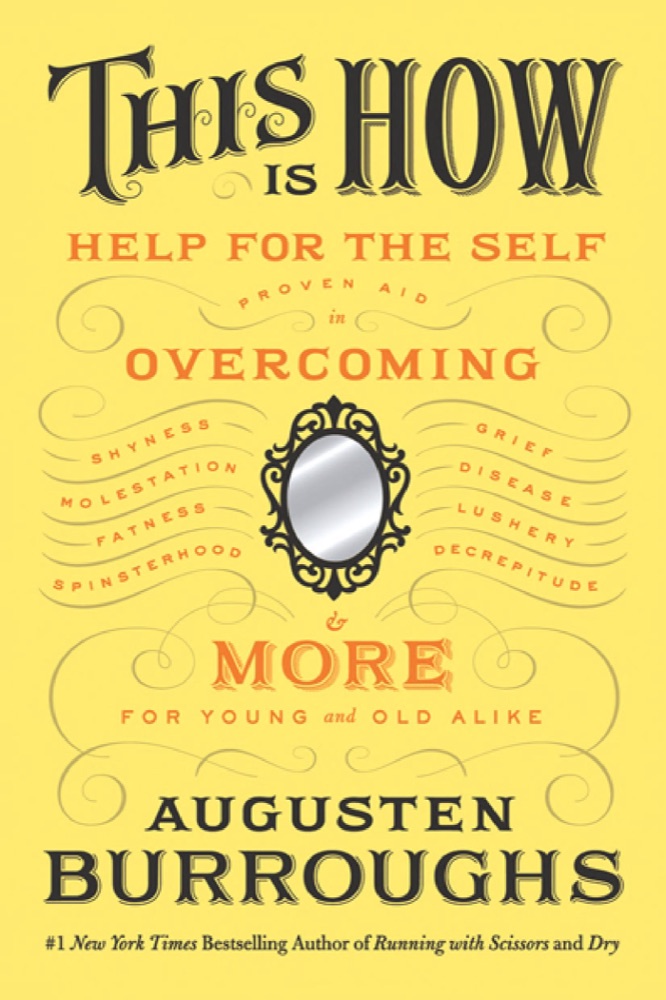 This Is How: Proven Aid in Overcoming Shyness, Molestation, Fatness, Spinsterhood, Grief, Disease, Lushery, Decrepitude & More. For Young and Old Alike.
 If You Can't Take the Heat: Tales of Food, Feminism, and Fury
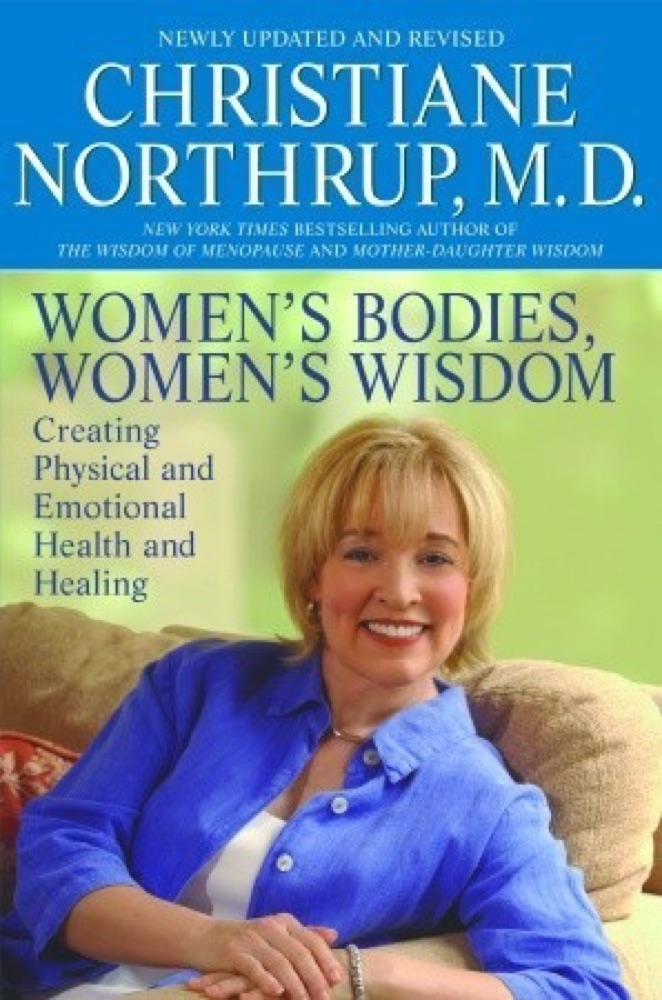 Women's Bodies, Women's Wisdom: Creating Physical and Emotional Health and Healing
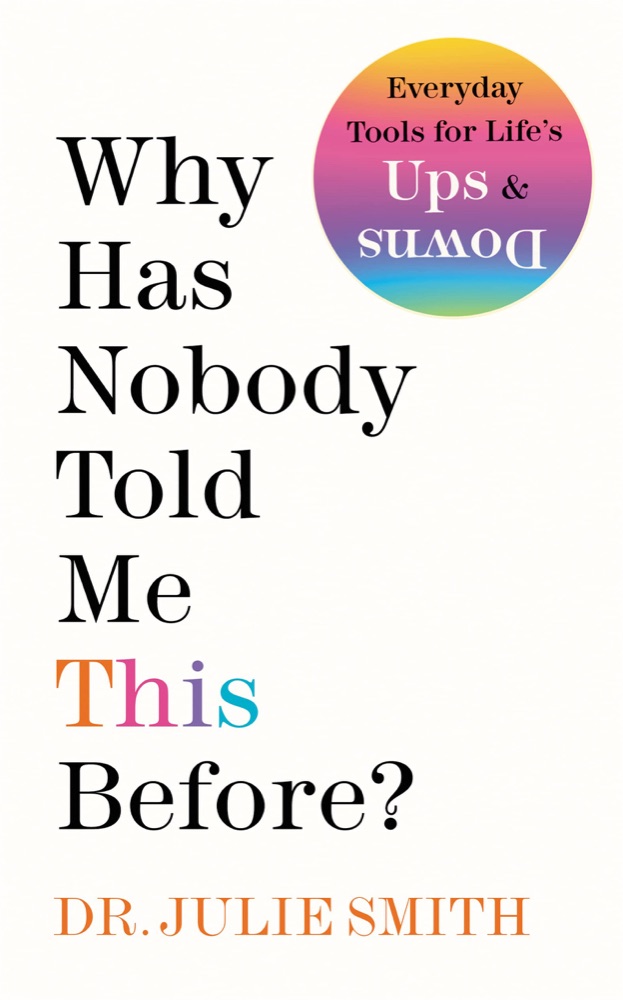 Why Has Nobody Told Me This Before?
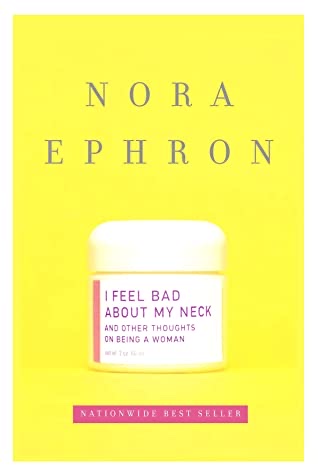 I Feel Bad about My Neck: And Other Thoughts on Being a Woman
 Letting Go: The Pathway To Surrender
 Self-Compassion: The Proven Power of Being Kind to Yourself
 The Unexpected Joy of Being Sober