
 An Untamed State
Quotes from the Book
What does it say about our culture that the desire for weight loss is considered a default feature of womanhood?
143
There is an anxiety in being yourself, though. There is the haunting question of "What if?" always lingering. What if who I am will never be enough? What if I will never be right enough for someone?
116
I buried the girl I had been because she ran into all kinds of trouble. I tried to erase every memory of her, but she is still there, somewhere. She is still small and scared and ashamed, and perhaps I am writing my way back to her, trying to tell her everything she needs to hear.
94
I am stronger than I am broken.
88
It is a powerful lie to equate thinness with self-worth.
80
In yet another commercial, Oprah somberly says, “Inside every overweight woman is a woman she knows she can be.” This is a popular notion, the idea that the fat among us are carrying a thin woman inside. Each time I see this particular commercial, I think, I ate that thin woman and she was delicious but unsatisfying. And then I think about how fucked up it is to promote this idea that our truest selves are thin women hiding in our fat bodies like imposters, usurpers, illegitimates.
75
As a woman, as a fat woman, I am not supposed to take up space. And yet, as a feminist, I am encouraged to believe I can take up space. I live in a contradictory space where I should try to take up space but not too much of it, and not in the wrong way, where the wrong way is any way where my body is concerned.
74
I am not promiscuous with my warmth, but when I share it, my warmth can be as hot as the sun.
67
When I am walking down the street, men lean out of their car windows and shout vulgar things at me about my body, how they see it, and how it upsets them that I am not catering to their gaze and their preferences and desires. I try not to take these men seriously because what they are really saying is, “I am not attracted to you. I do not want to fuck you, and this confuses my understanding of my masculinity, entitlement, and place in this world.” It is not my job to please them with my body.
65
My father believes hunger is in the mind. I know differently. I know that hunger is in the mind and the body and the heart and the soul.
64
The story of my life is wanting, hungering, for what I cannot have or, perhaps, wanting what I dare not allow myself to have.
60
This is a memoir of (my) body because, more often than not, stories of bodies like mine are ignored or dismissed or derided. People see bodies like mine and make their assumptions. They think they know the why of my body. They do not.
53
I am weary of all our sad stories—not hearing them, but that we have these stories to tell, that there are so many.
50
I often say that reading and writing saved my life. I mean that quite literally.
45
The bigger you are, the smaller your world becomes.
40
Part of the reason relationships and friendships can be so difficult for me is because there is a part of me that thinks I have to get things just right. I have to say the right things and do the right things or I won’t be liked or loved anymore.
39
So many years past being raped, I tell myself what happened is “in the past.” This is only partly true. In too many ways, the past is still with me. The past is written on my body. I carry it every single day. The past sometimes feels like it might kill me. It is a very heavy burden.
39
We don’t necessarily know how to hear stories about any kind of violence, because it is hard to accept that violence is as simple as it is complicated, that you can love someone who hurts you, that you can stay with someone who hurts you, that you can be hurt by someone who loves you, that you can be hurt by a complete stranger, that you can be hurt in so many terrible, intimate ways.
37
I was cold, I’ve been told. I often write stories about women who are perceived as cold and resent that perception. I write these women because I know what it’s like to have so much warmth roiling beneath the skin’s surface, ready to be found. I am not cold. I wasn’t ever cold. My warmth was hidden far away from anything that could bring hurt because I knew I didn’t have the inner scaffolding to endure any more hurt in those protected places.
37
I am nowhere near as brave as people believe me to be. As a writer, armed with words, I can do anything, but when I have to take my body out into the world, courage fails me.
32
I reserve my most elaborate delusions and disappointments for myself.
31
This is what most girls are taught—that we should be slender and small. We should not take up space. We should be seen and not heard, and if we are seen, we should be pleasing to men, acceptable to society. And most women know this, that we are supposed to disappear, but it’s something that needs to be said, loudly, over and over again, so that we can resist surrendering to what is expected of us.
30
Fat shaming is real, constant, and rather pointed. There are a shocking number of people who believe they can simply torment fat people into weight loss and disciplining their bodies or disappearing their bodies from the public sphere. They believe they are medical experts, listing a litany of health problems associated with fatness as personal affronts. These tormentors bind themselves in righteousness when they point out the obvious—that our bodies are unruly, defiant, fat. It’s a strange civic-minded cruelty. When people try to shame me for being fat, I feel rage. I get stubborn. I want to make myself fatter to spite the shamers, even though the only person I would really be spiting is myself.
30
I don’t want them, or anyone, to think I am nothing more than the worst thing that has ever happened to me.
29
The medical community is not particularly interested in taking the pain of women seriously.
28
This is the reality of living in my body: I am trapped in a cage. The frustrating thing about cages is that you’re trapped but you can see exactly what you want. You can reach out from the cage, but only so far. It
24
I do not suffer from ignorance where exercise is related. I suffer from inertia.
24
With age comes self-awareness, or something that looks like self-awareness, and so I try to be on the lookout for patterns of behavior, choices I’m making where I’m trying too hard, giving too much, reaching too intently for being right when right is what someone else wants me to be. It’s scary, though, trying to be yourself and hoping yourself is enough. It’s scary believing that you, as you are, could never be enough.
20
You are your body, nothing more, and your body should damn well become less.
20
I was broken and then I broke some more, and I am not yet healed but I have started believing I will be.
19
Watch on YouTube
About Roxane Gay
We have collected 152 quotes from 6 books by Roxane Gay on BookQuoters.
More about the author →More by Roxane Gay
All books by Roxane Gay →
About the book
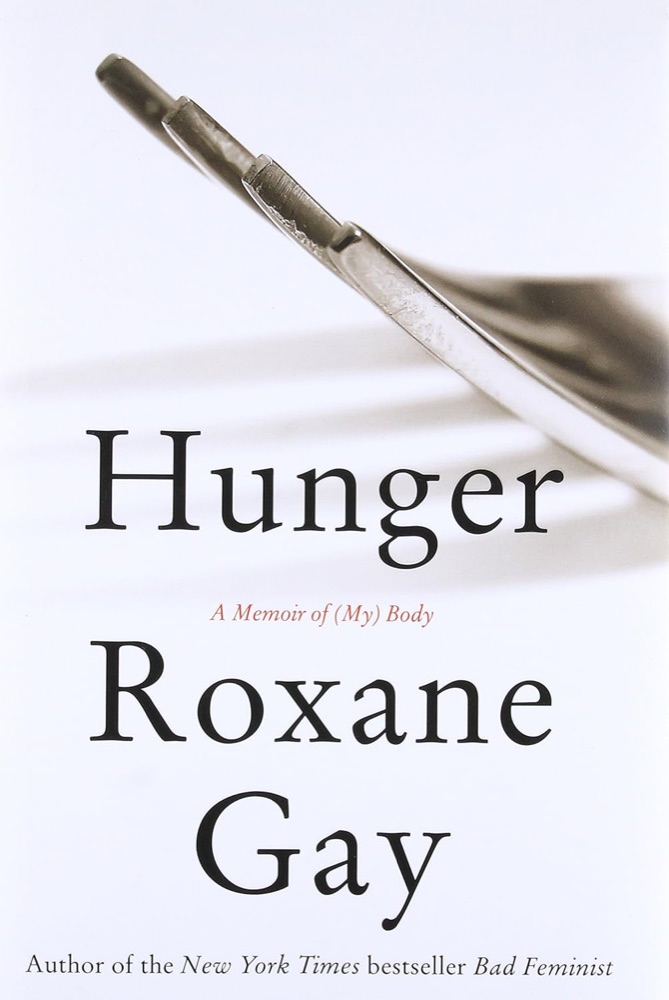
From the New York Times bestselling author of Bad Feminist: a searingly honest memoir of food, weight, self-image, and learning how to feed your hunger while taking care of yourself.
“I ate and ate and ate in the hopes that if I made myself big, my body would be safe. I buried the girl I was because she ran into all kinds of trouble. I tried to erase every memory of her, but she is still there, somewhere. . . . I was trapped in my body, one that I barely recognized or understood, but at least I was safe.”
In her phenomenally popular essays and long-running Tumblr blog, Roxane Gay has written with intimacy and sensitivity about food and body, using her own emotional and psychological struggles as a means of exploring our shared anxieties over pleasure, consumption, appearance, and health. As a woman who describes her own body as “wildly undisciplined,” Roxane understands the tension
Book details
- First published
- 2017
- Author
- Roxane Gay
- Genre
- Nonfiction
- Goodreads rating
- 4.17 (123k ratings)
The buzz
- The New York TimesReview in The New York Timesprofessional review (via Book Marks)
- The New YorkerReview in The New Yorkerprofessional review (via Book Marks)
- The GuardianReview in The Guardianprofessional review (via Book Marks)
- The AtlanticReview in The Atlanticprofessional review (via Book Marks)
- Los Angeles TimesReview in Los Angeles Timesprofessional review (via Book Marks)
- The Boston GlobeReview in The Boston Globeprofessional review (via Book Marks)
Keep reading
 Shrill: Notes from a Loud Woman
 My Body
 Unbearable Lightness: A Story of Loss and Gain
 Thin Girls
 Wasted: A Memoir of Anorexia and Bulimia
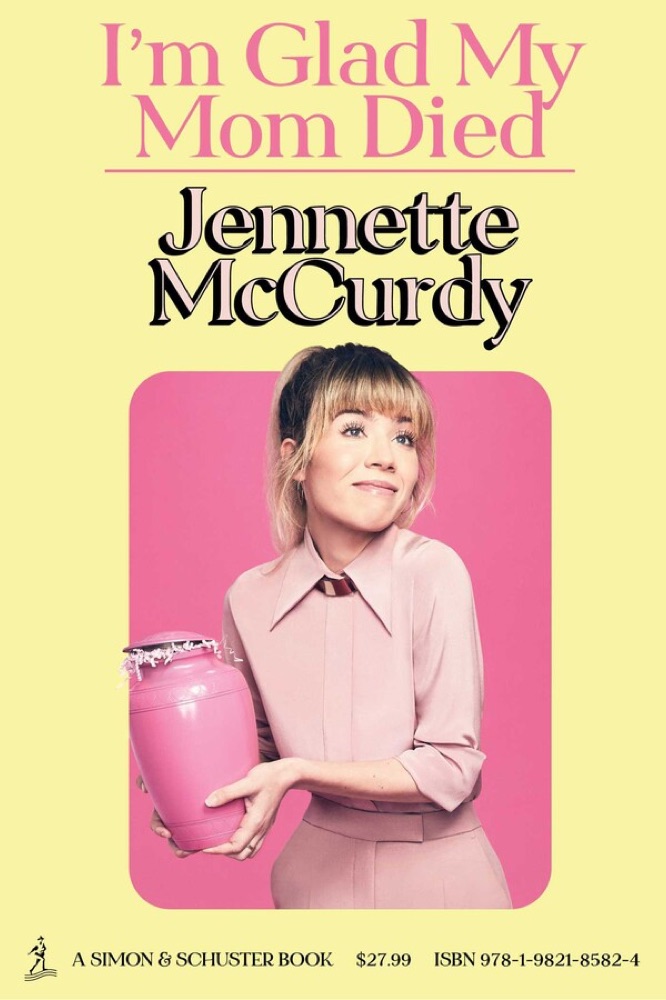 I'm Glad My Mom Died
 Fat Girl Walking: Sex, Food, Love, and Being Comfortable in Your Skin...Every Inch of It
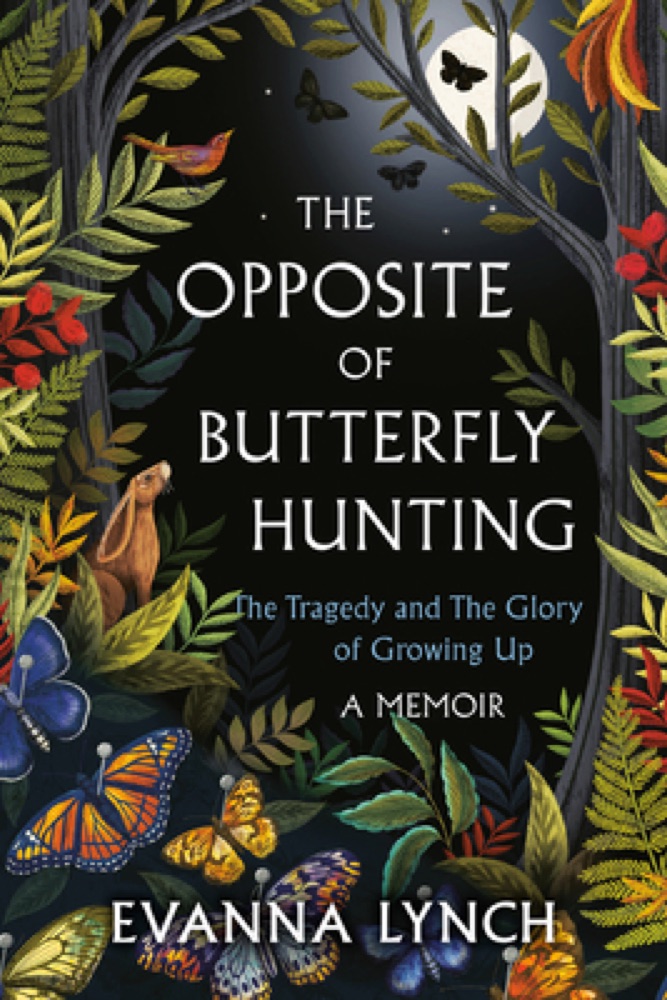 The Opposite of Butterfly Hunting: The Tragedy and The Glory of Growing Up
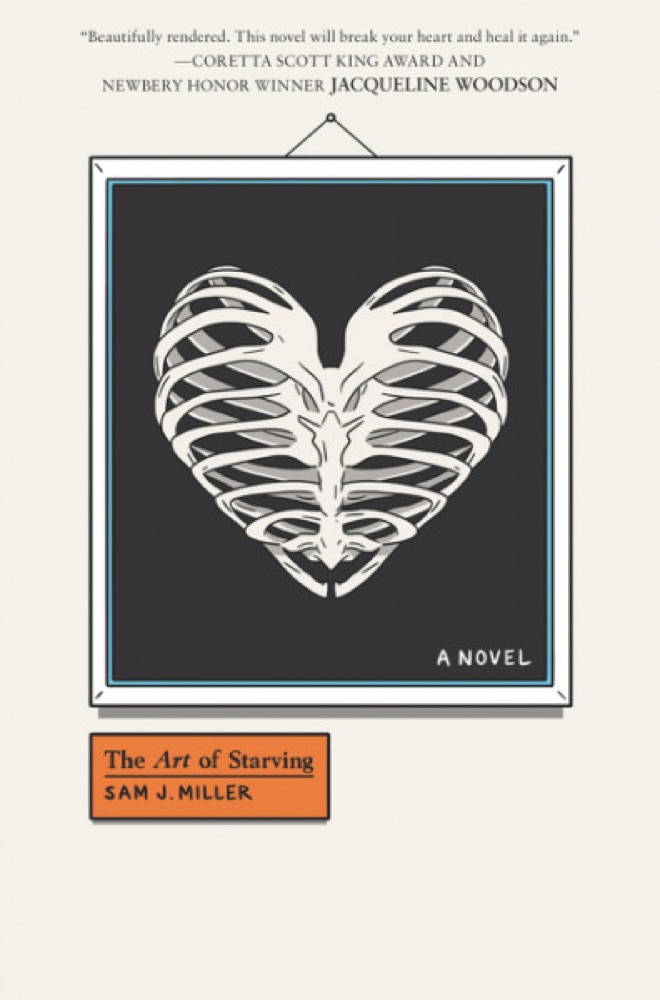 The Art of Starving
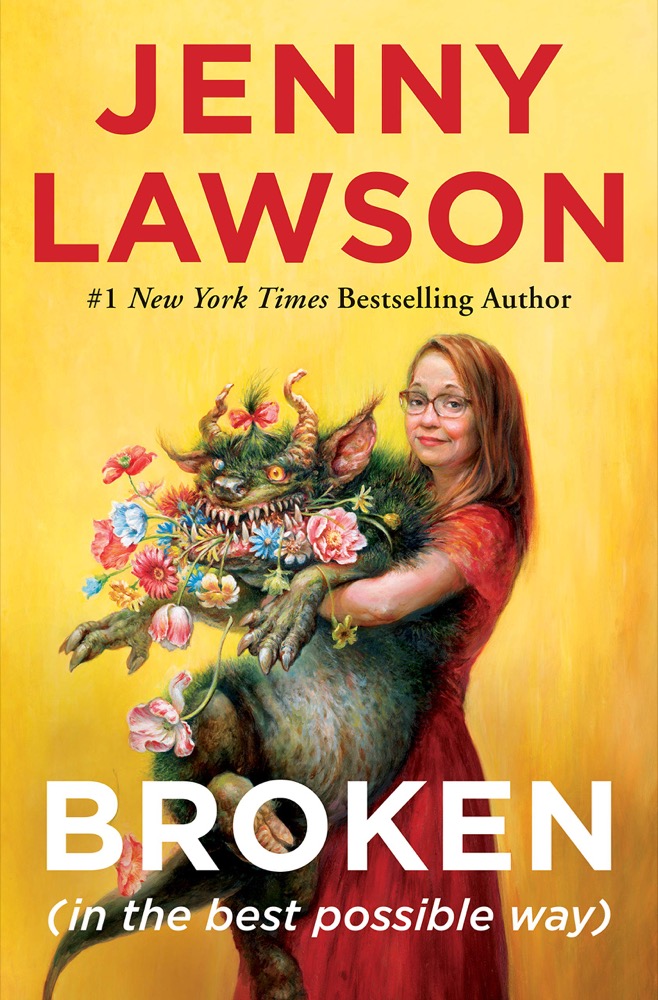 Broken
 Take Me With You
 Heart Berries
 Life of the Party
 On Being Human: A Memoir of Waking Up, Living Real, and Listening Hard
 Not That Kind of Girl: A Young Woman Tells You What She's "Learned"
 Dear Senthuran: A Black Spirit Memoir
 I'm Fine...And Other Lies
 Notes To Self
 You Have the Right to Remain Fat
 All the Women in My Brain: And Other Concerns
 Two or Three Things I Know for Sure
 More, Now, Again: A Memoir of Addiction
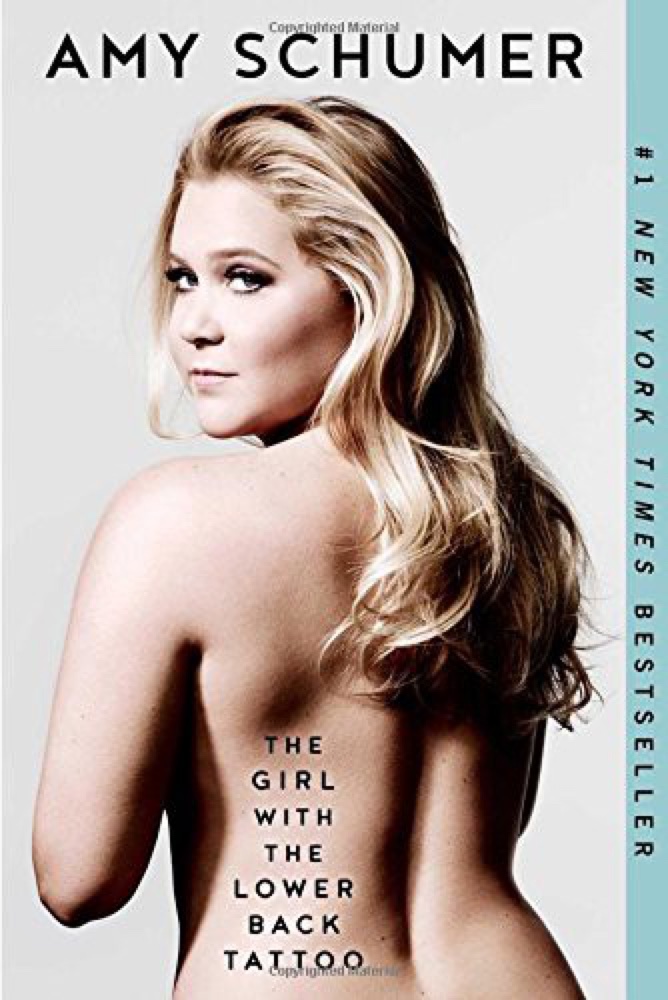 The Girl with the Lower Back Tattoo
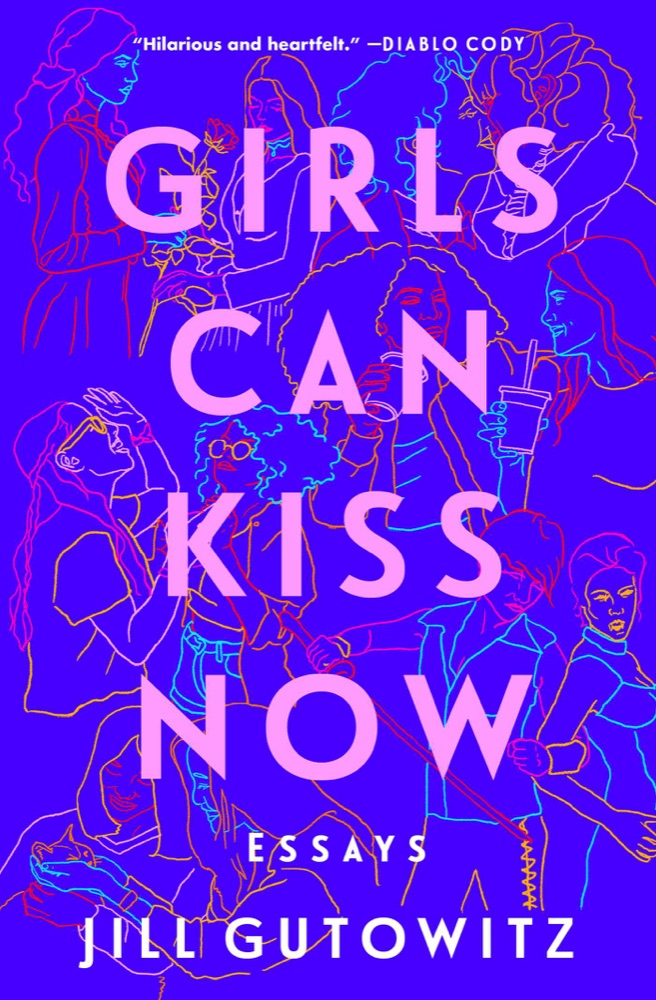 Girls Can Kiss Now: Essays
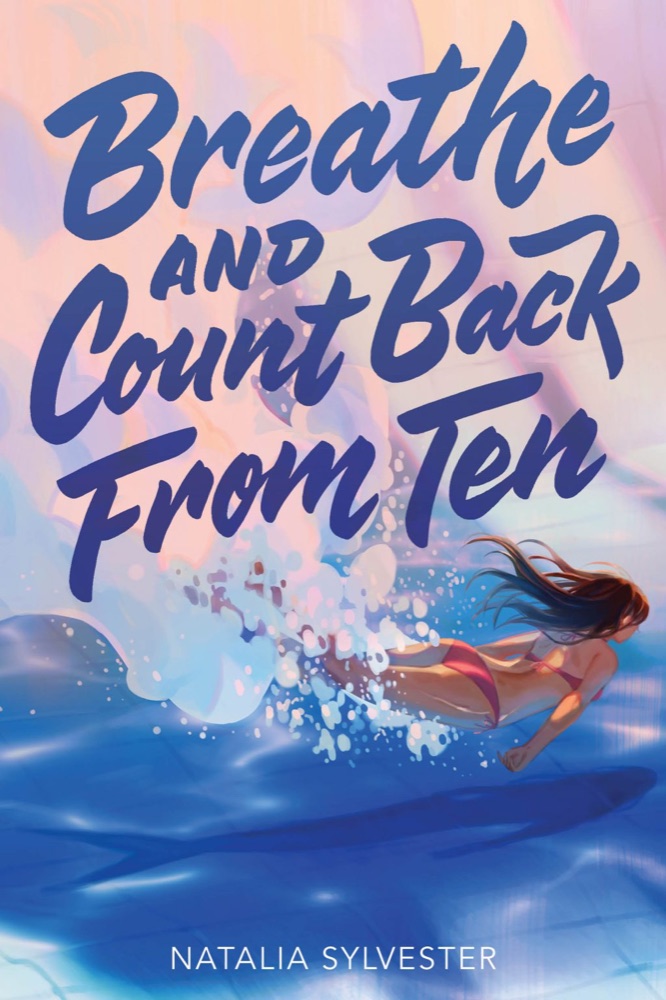 Breathe and Count Back from Ten
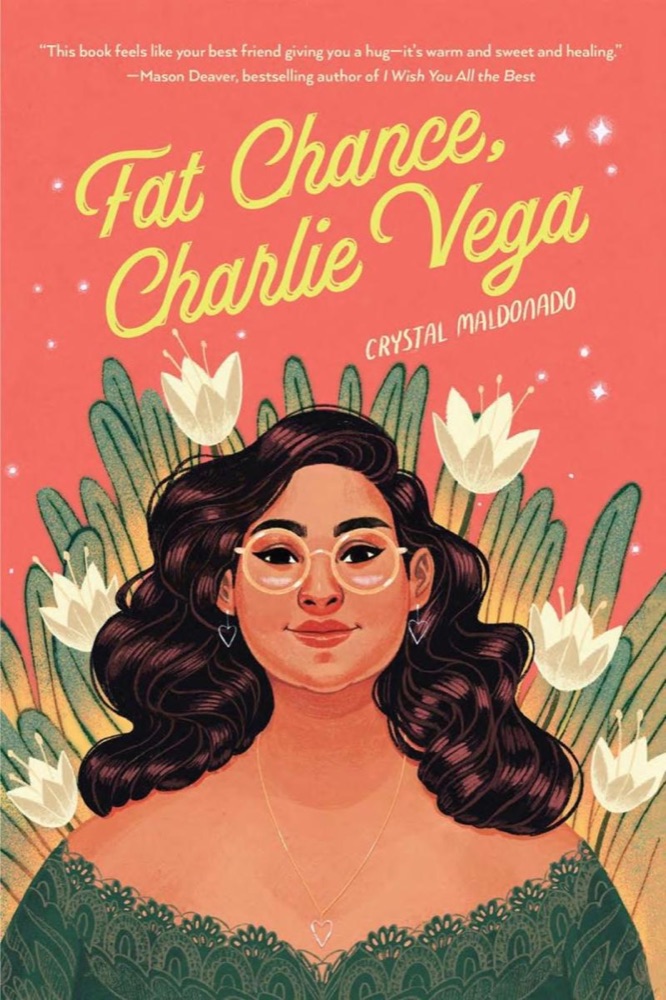 Fat Chance, Charlie Vega
 Paris: A Memoir for Young Women in the Age of Influencers
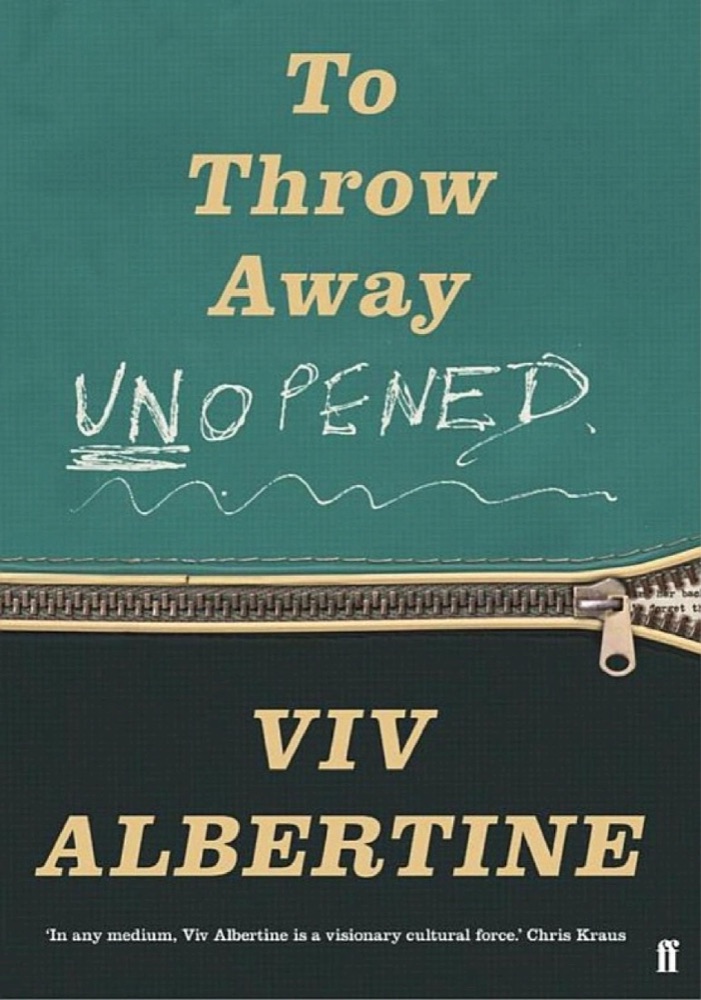 To Throw Away Unopened
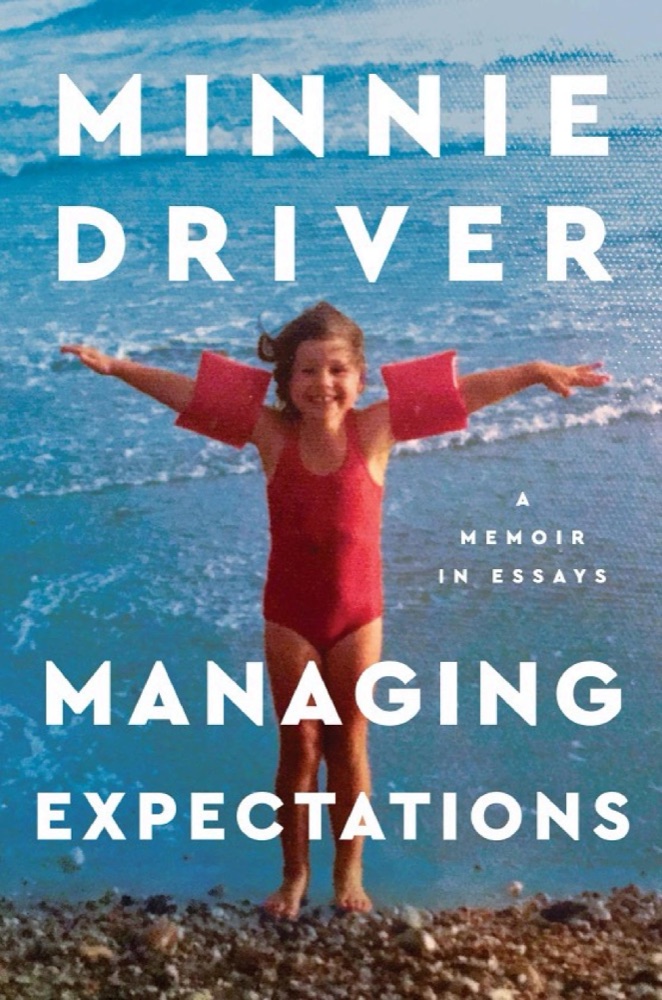 Managing Expectations: A Memoir in Essays – A Poignant Collection of Personal Stories on Acting, Failure, and Motherhood's Joy
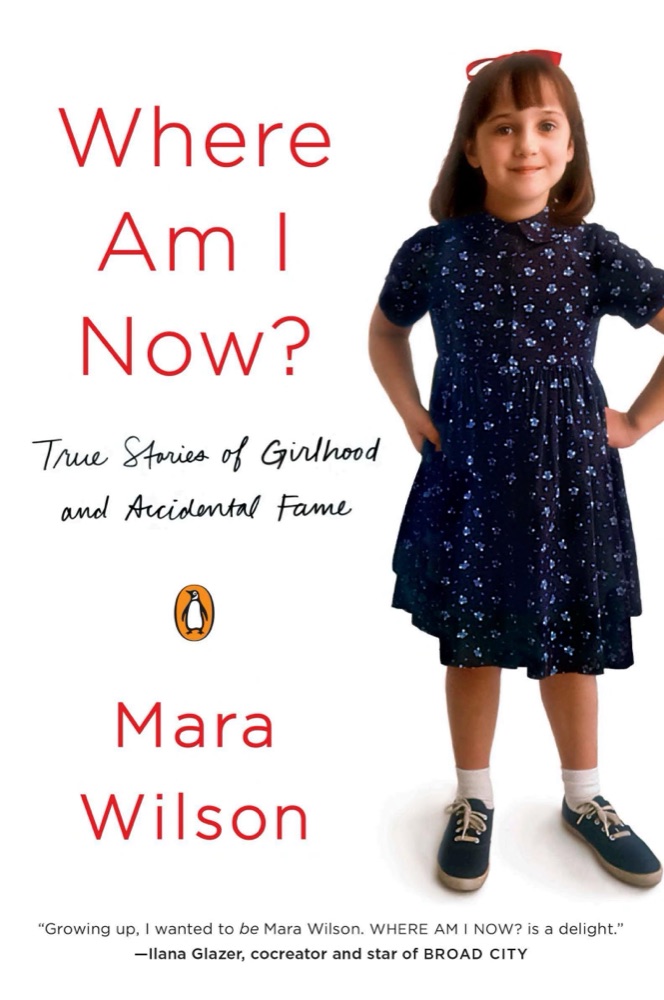 Where Am I Now?
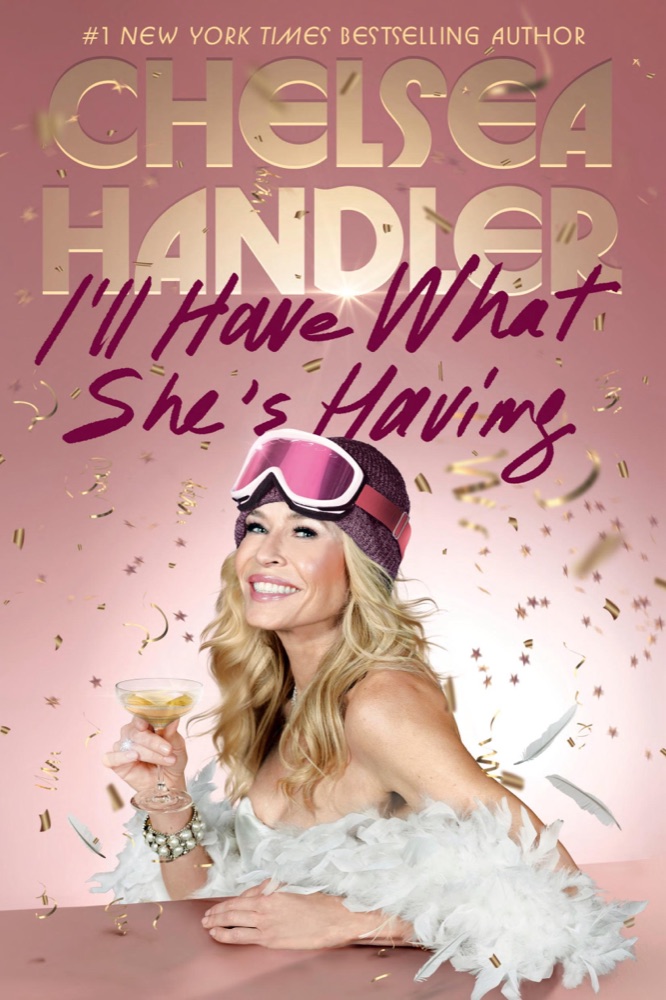 I'll Have What She's Having
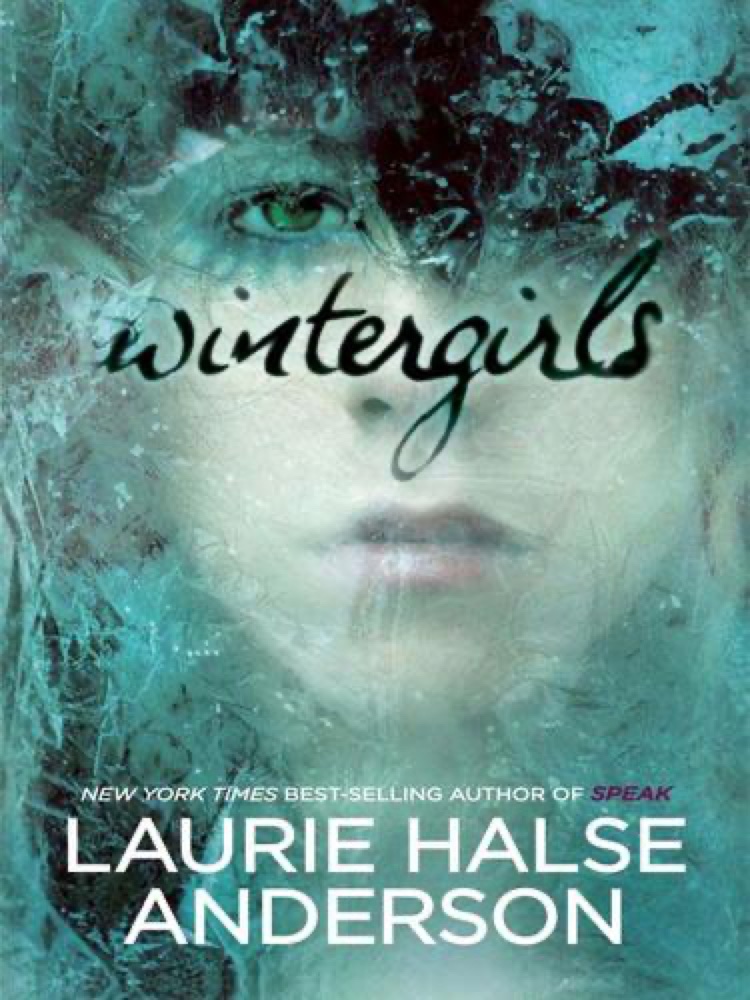 Wintergirls
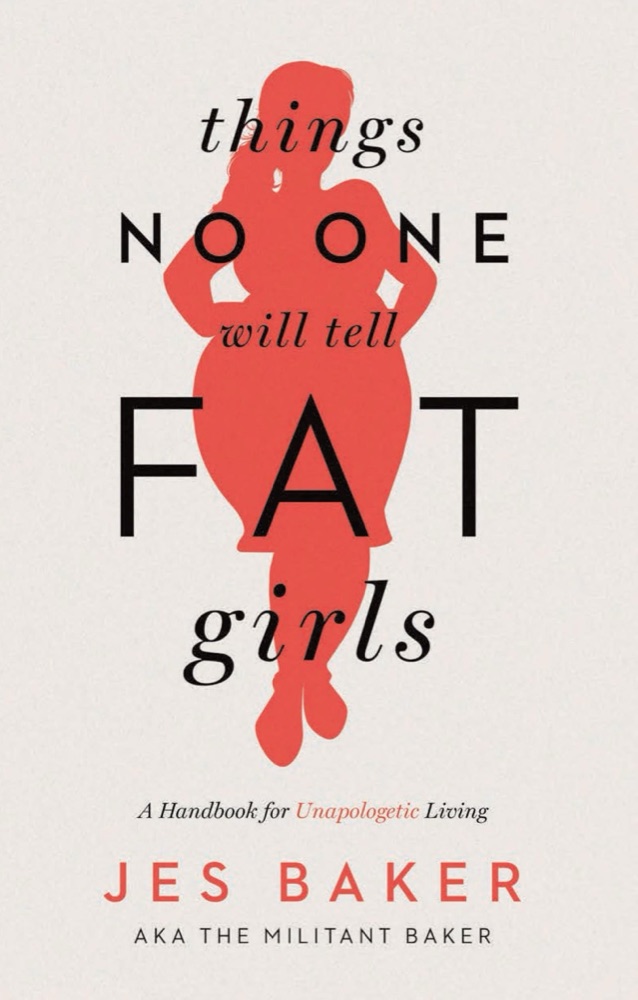 Things No One Will Tell Fat Girls: A Handbook for Unapologetic Living
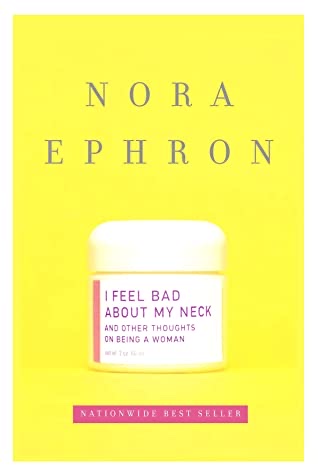 I Feel Bad about My Neck: And Other Thoughts on Being a Woman
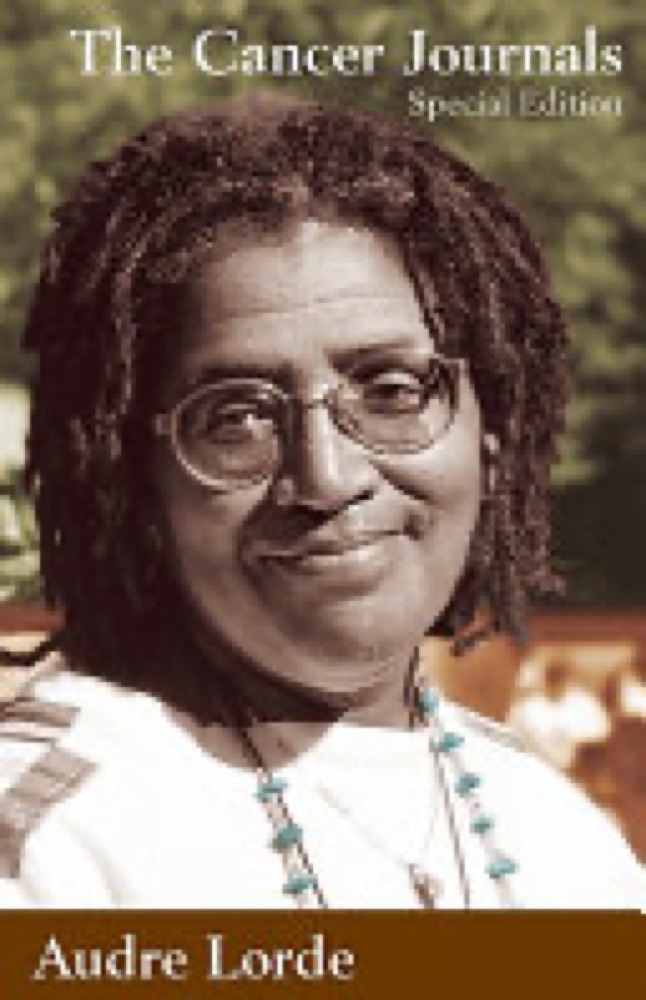 The Cancer Journals
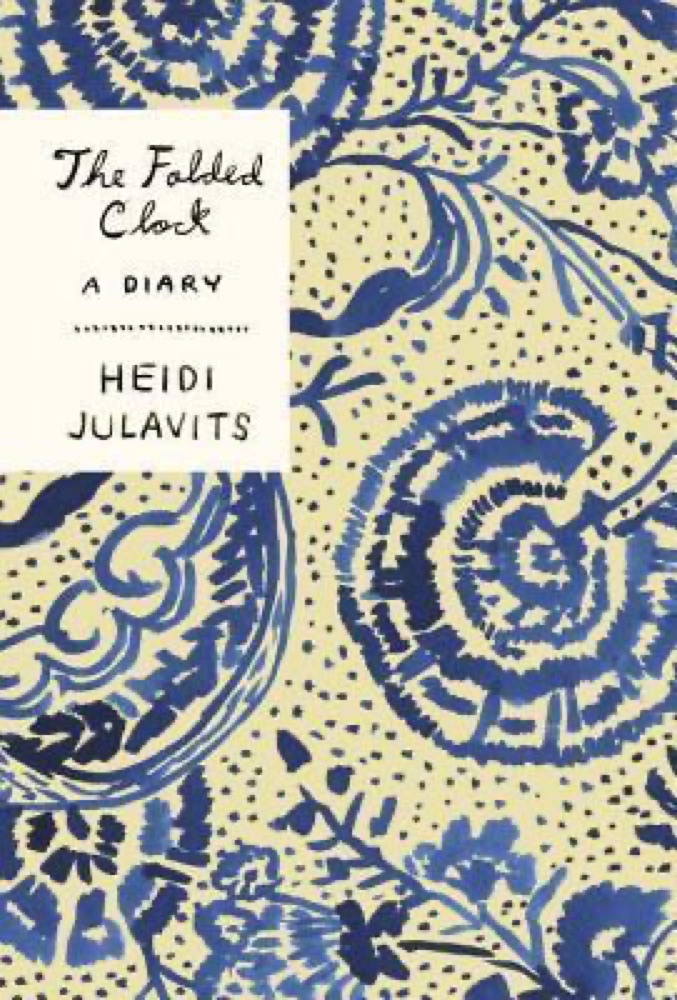 The Folded Clock: A Diary
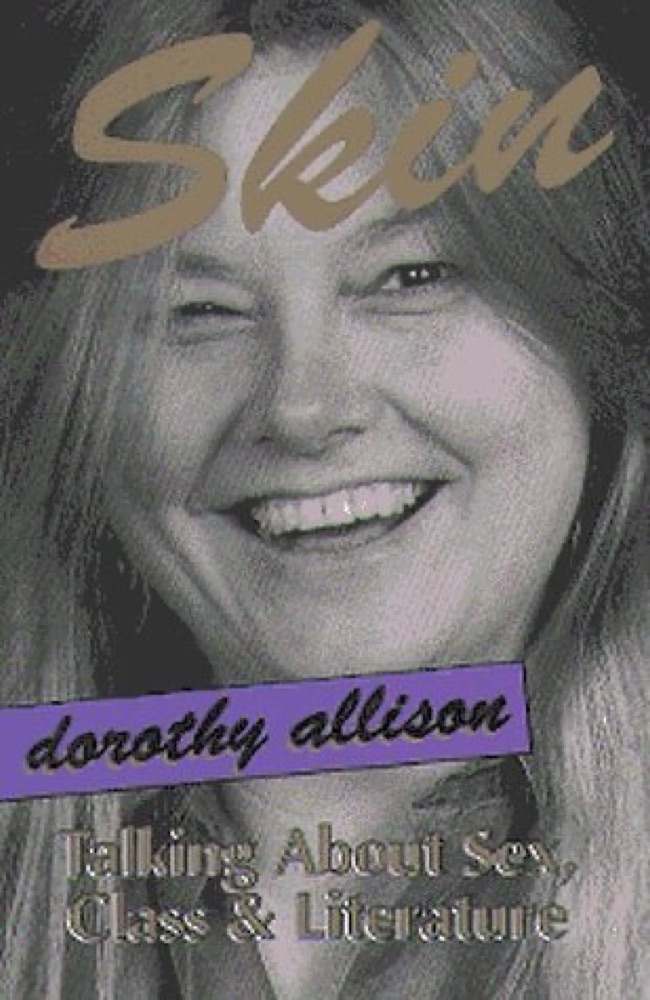 Skin: Talking About Sex, Class And Literature
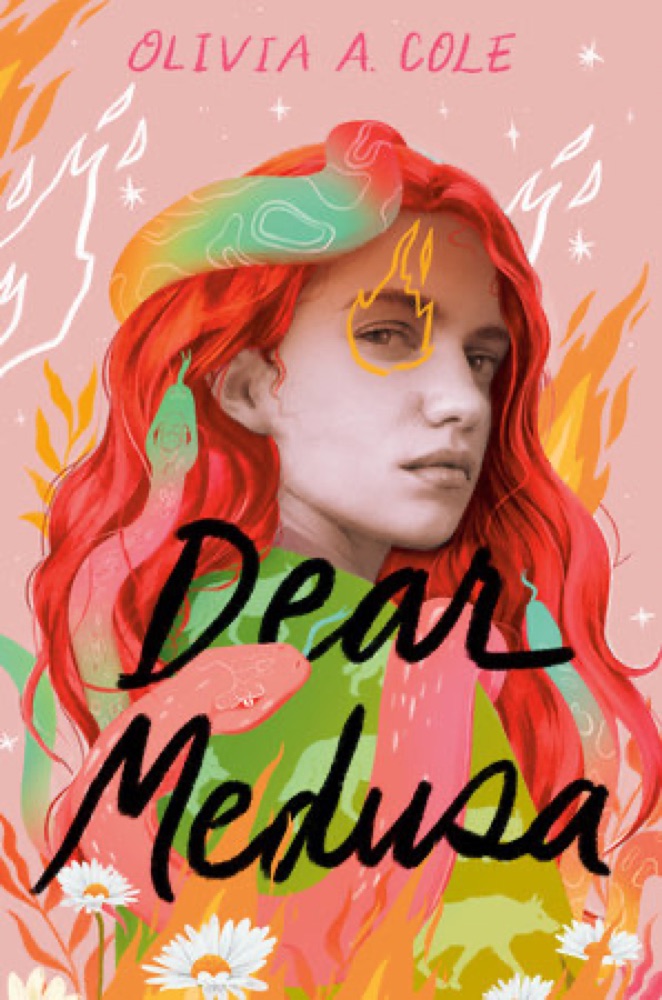 Dear Medusa
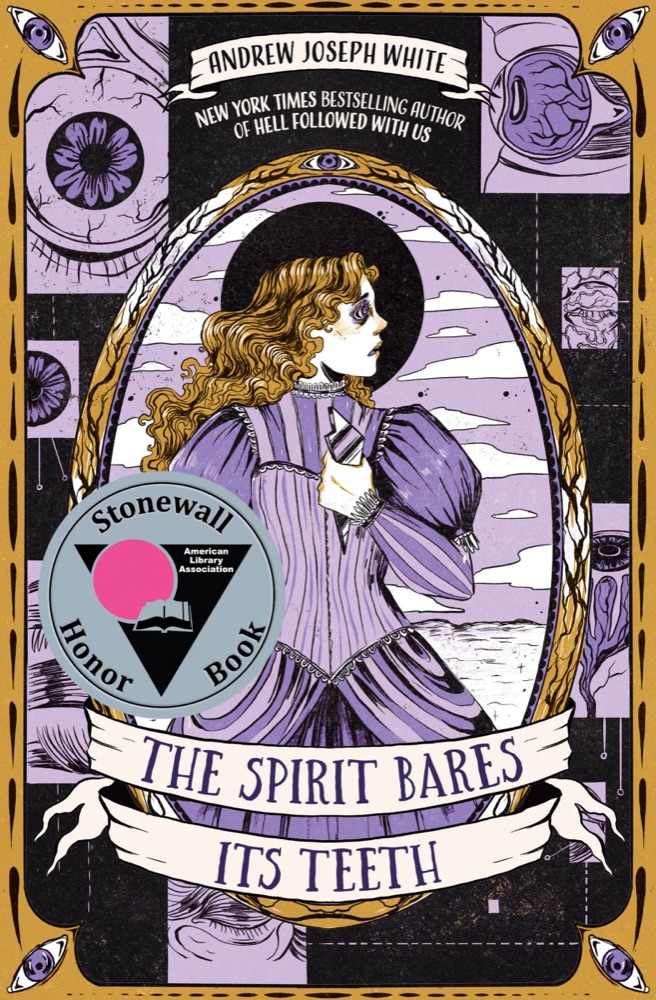 The Spirit Bares Its Teeth
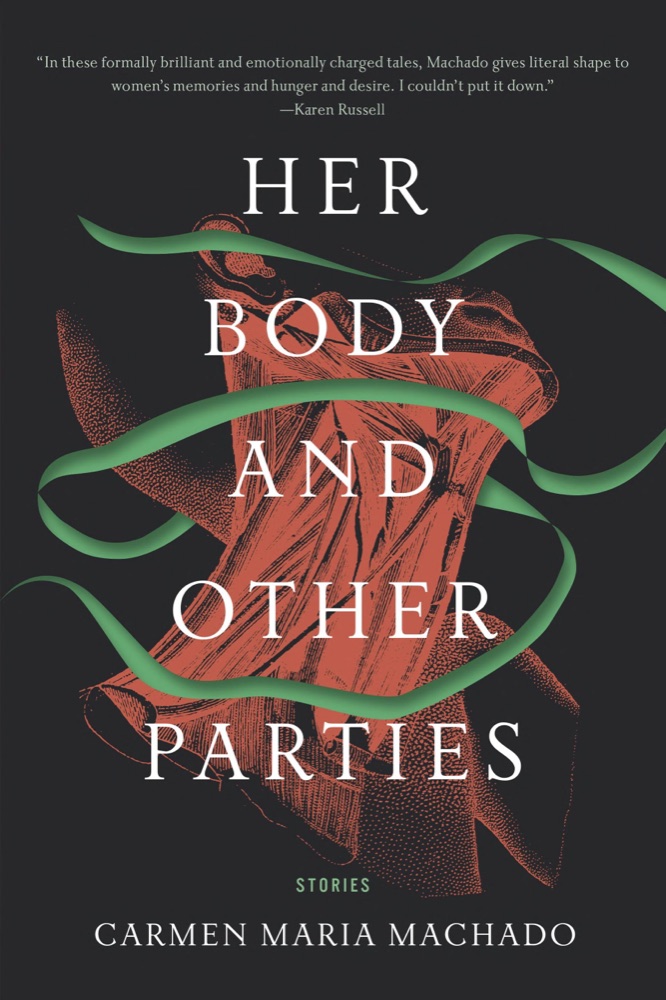 Her Body and Other Parties
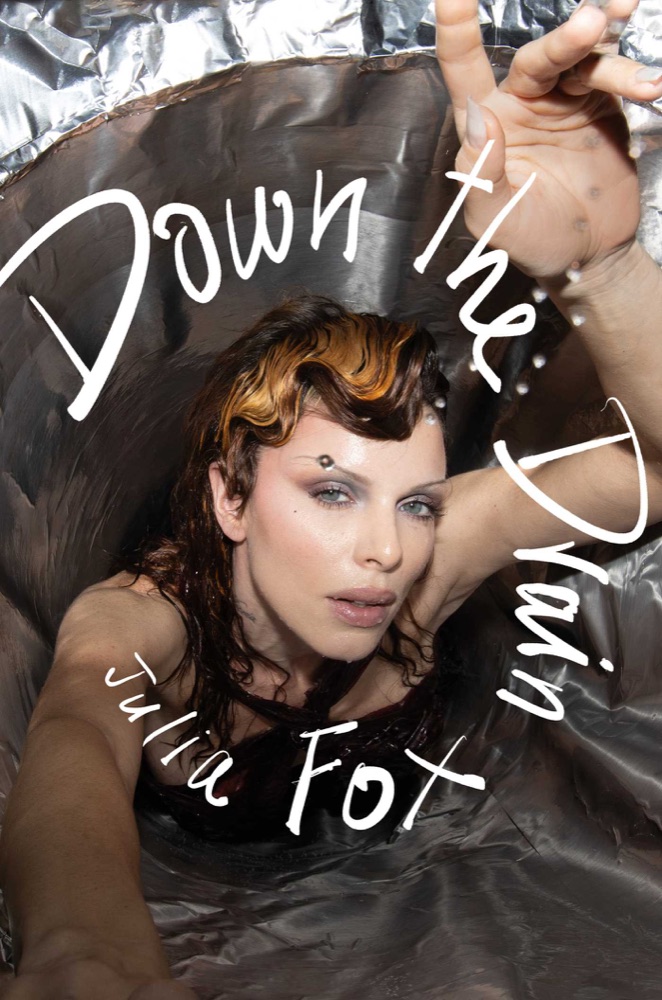 Down the Drain
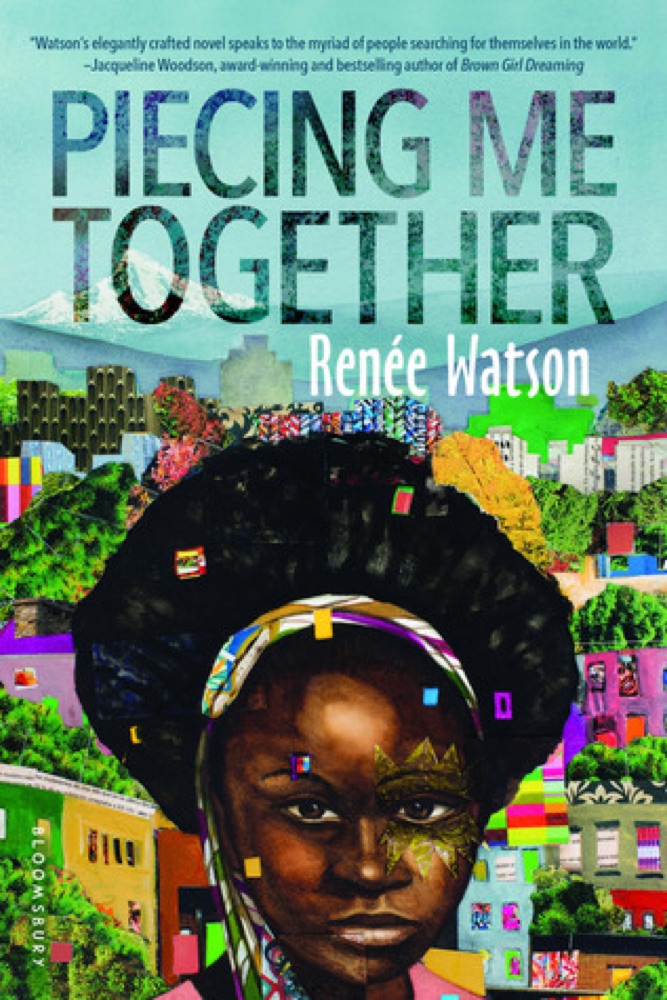 Piecing Me Together
 Good in Bed
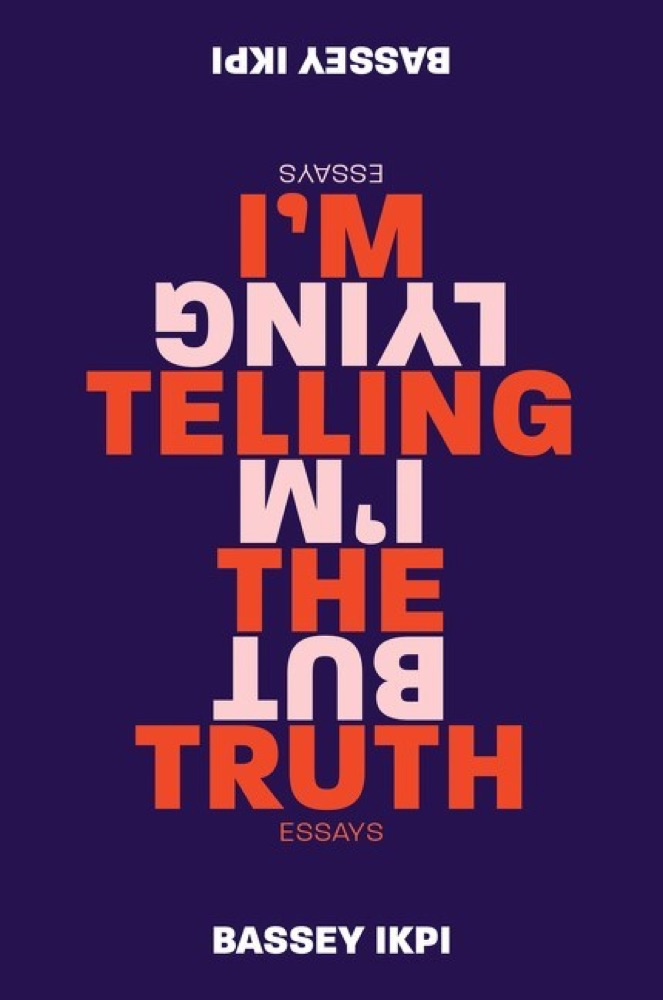 I'm Telling the Truth, but I'm Lying: Essays
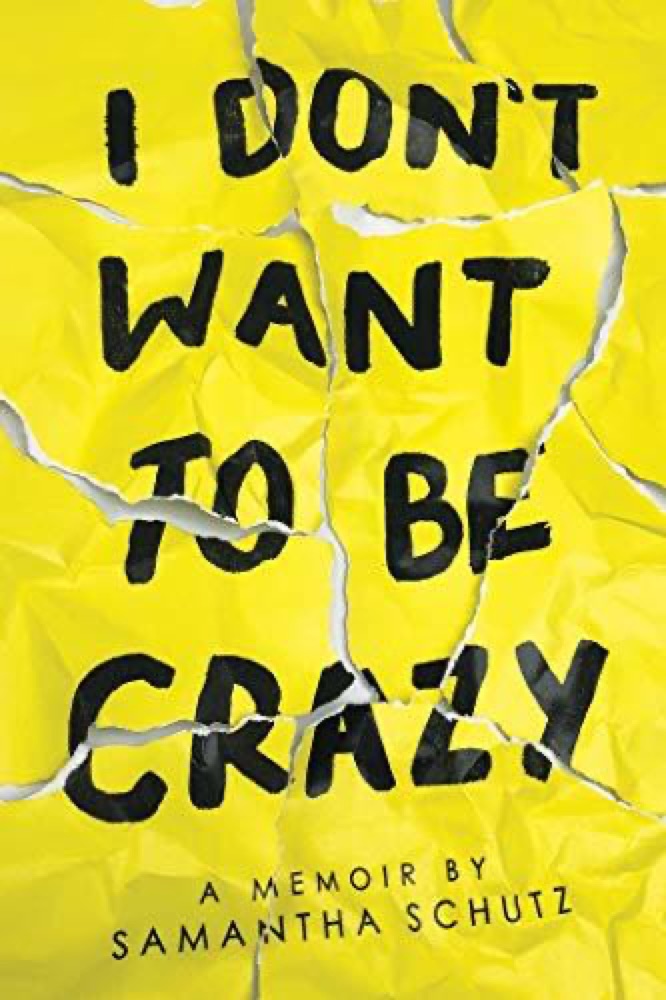 I Don't Want To Be Crazy
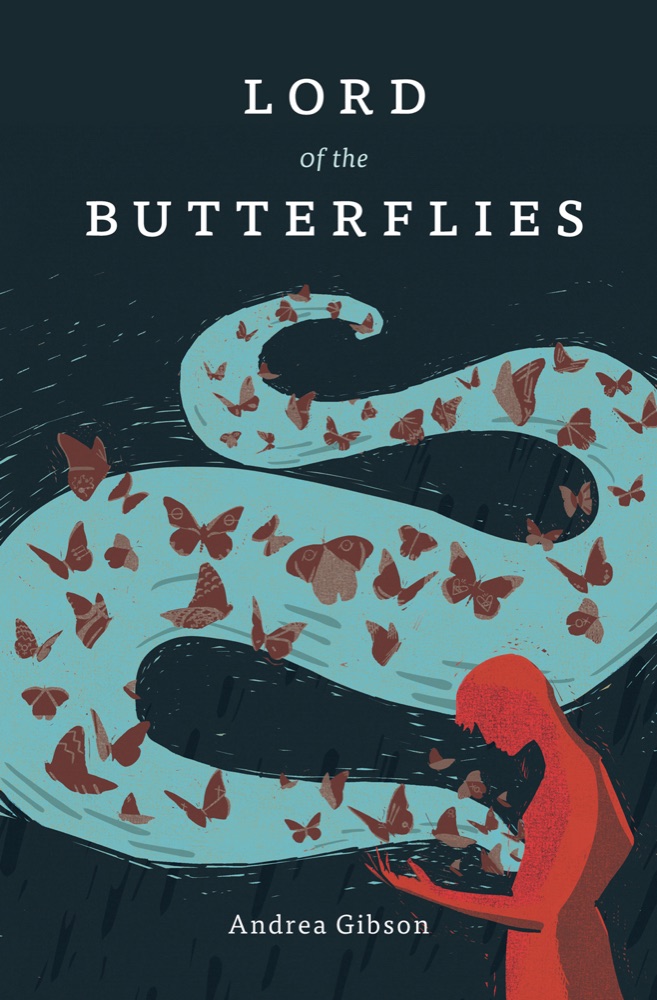 Lord of the Butterflies
 A History of My Brief Body
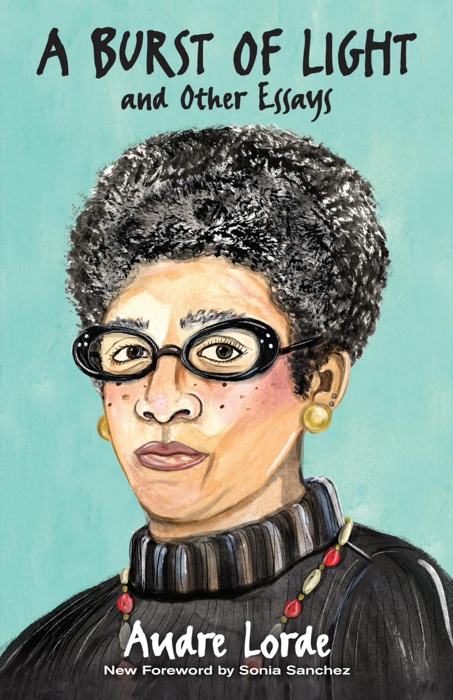 A Burst of Light
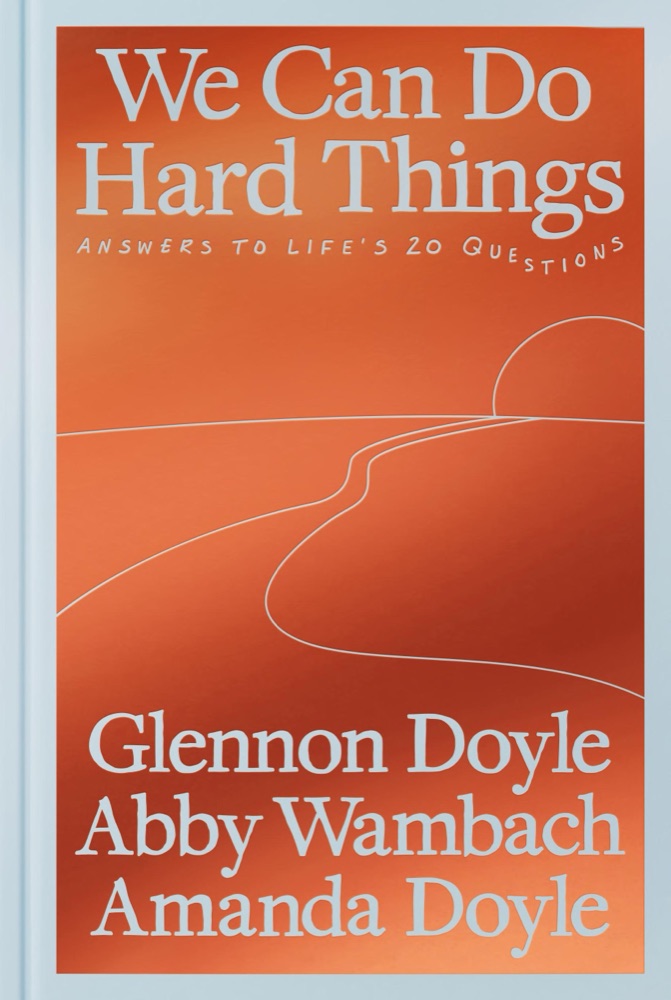 We Can Do Hard Things: Answers to Life's 20 Questions
![[Don't] Call Me Crazy](/i/book/g/b2/dont-call-me-crazy.jpg) [Don't] Call Me Crazy
[Don't] Call Me Crazy
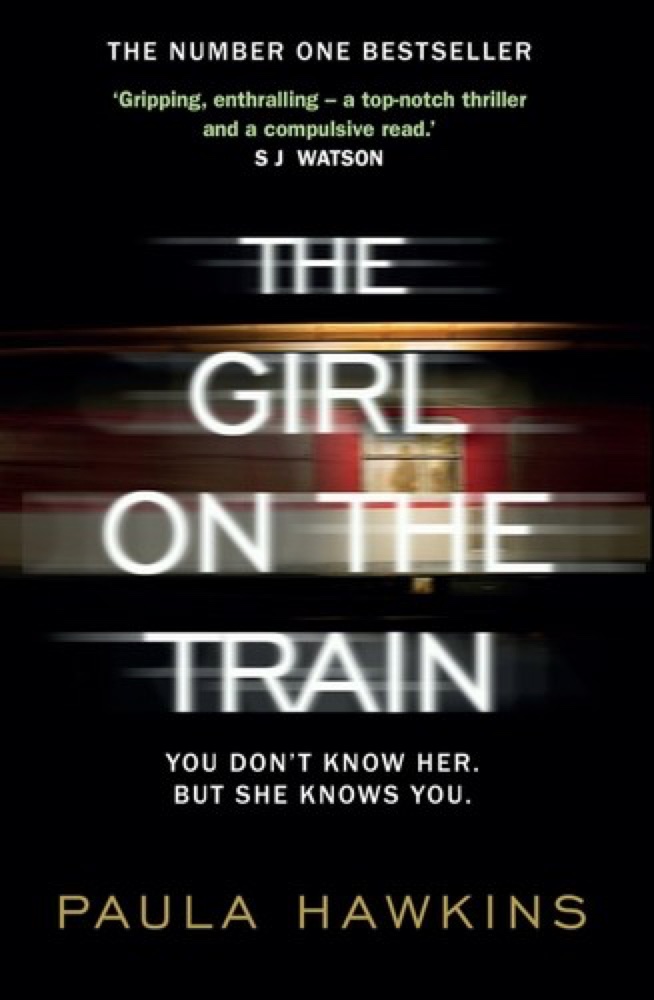 The Girl on the Train
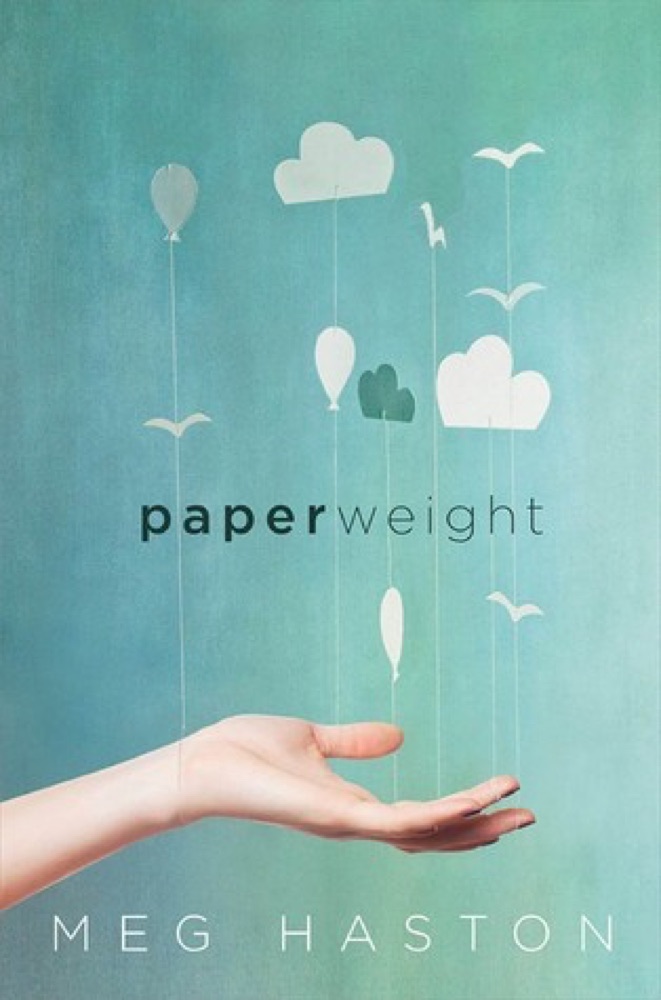 Paperweight
 The Harder I Fight the More I Love You: A Memoir
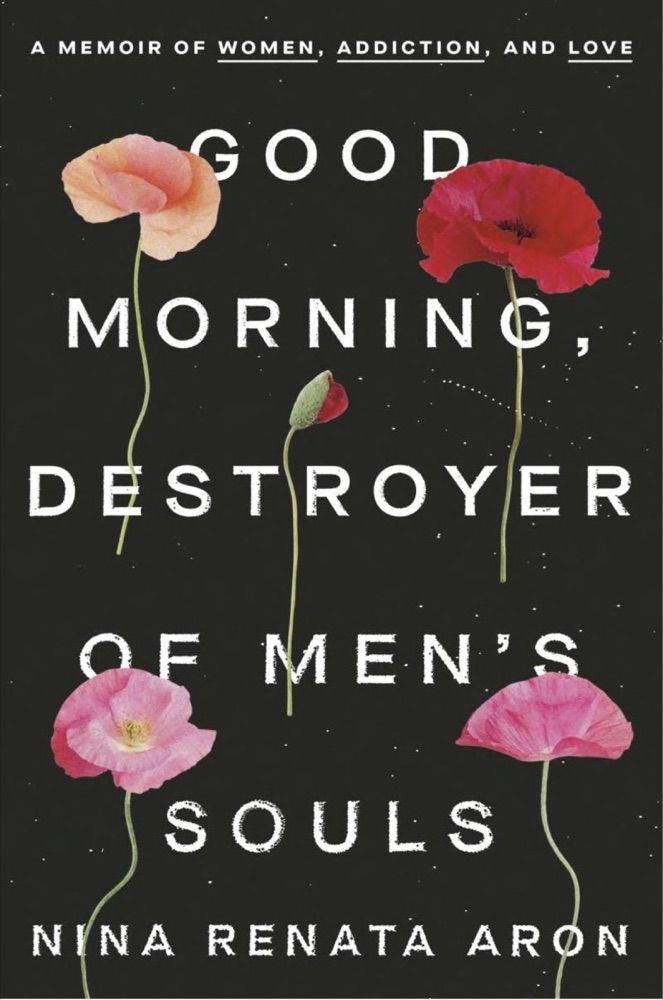 Good Morning, Destroyer of Men's Souls: A Memoir of Women, Addiction, and Love
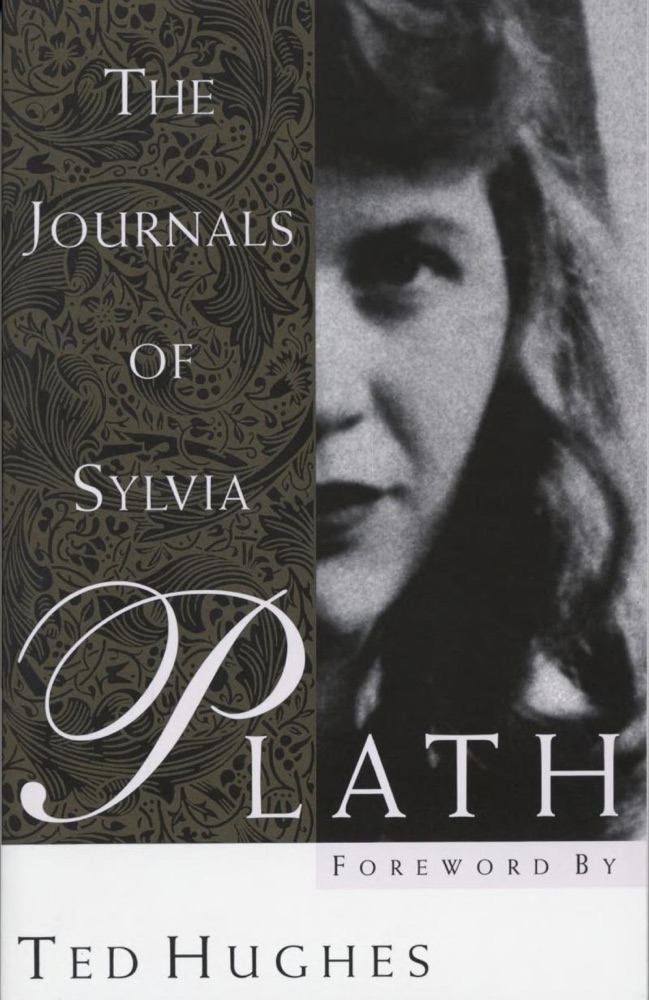 The Journals of Sylvia Plath
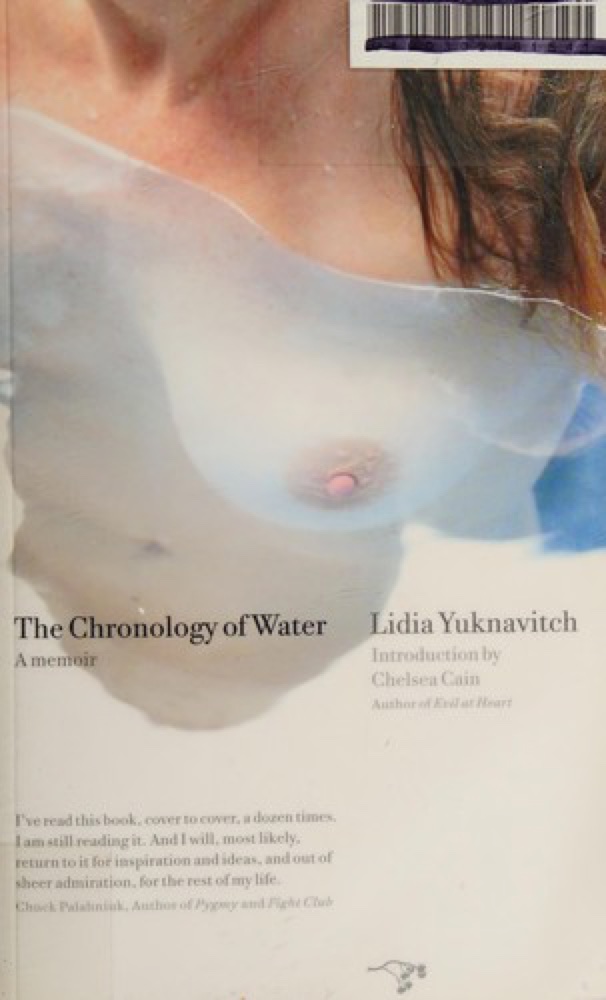 The Chronology of Water
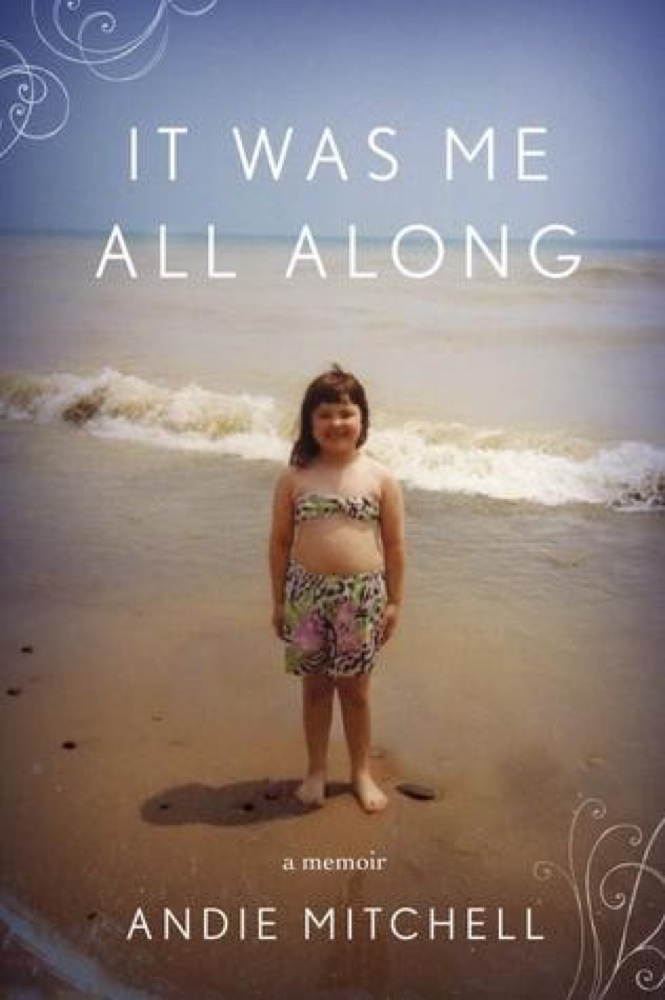 It Was Me All Along
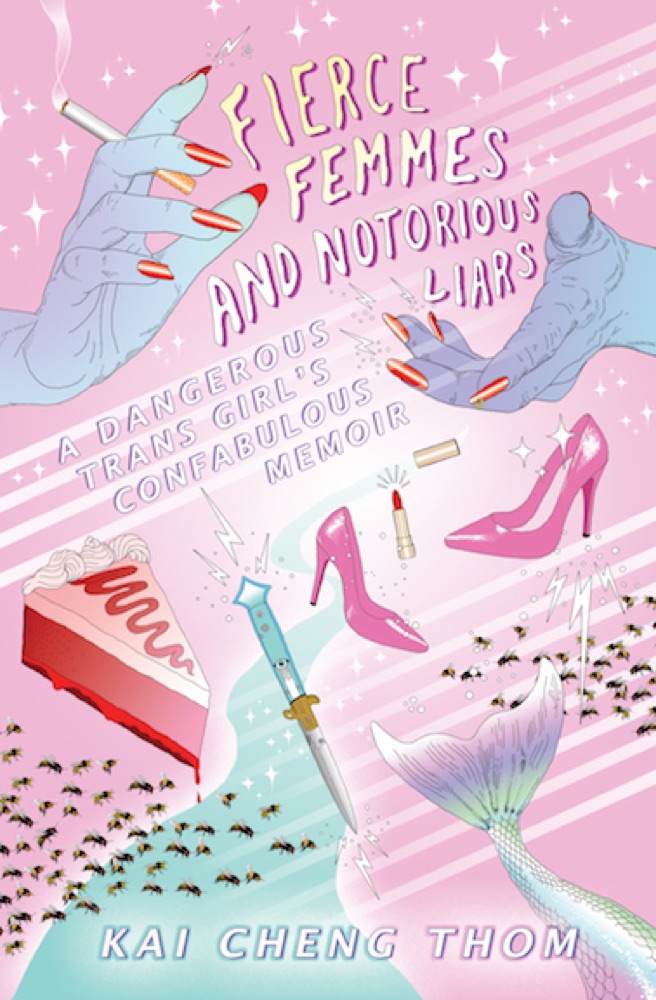 Fierce Femmes and Notorious Liars
![It's Not OK to Feel Blue [and other lies]](/i/book/g/ed/its-not-ok-to-feel-blue-and-other-lies.jpg) It's Not OK to Feel Blue [and other lies]
It's Not OK to Feel Blue [and other lies]