 Hooked
Quotes from the Book
In principle, all women should give themselves permission to demand good treatment, but the world made doing so profoundly difficult
30
Don't you think that's a disease of the contemporary age? It feels like these days our value is determined by how much effort we make from day to day. That matters even more than our results. After a while, the concept of effort starts to become mixed up with things feeling difficult, and then you reach the point where the person seen as the most admirable is the one suffering the most. I think that's the reason people are so vicious towards Manako Kajii. She refuses to live that life, refuses to suffer.
24
She was tired of living her life thinking constantly about how she appeared to others, checking her answers against everyone else’s.
23
If you were accepted by just one person, then you didn’t need to be someone whose beauty was acknowledged by everyone.
19
There are two things that I can simply not tolerate: feminists and margarine.
17
There is nothing in this world so pathetic, so moronic, so meaningless as dieting.
14
Why is it that with nobody to watch over them, men can’t stop themselves from falling into disrepair? And that disrepair is then looked upon kindly and excused by the world, seen not as a failure of personal responsibility but something poignant and tragic.
14
What you need above all is strength . . . A fighting spirit that can withstand the tedium of everyday life without getting blunted by it.
12
Men are inept creatures. They can't build a life for themselves without the support and kindness of a woman.
10
Nobody has to be fully satisfied by just one thing, and nor do they have to aim to be like everyone else. It's plenty of people can enjoy things a good amount, and be satisfied with their life overall.
10
Yet I couldn't rid myself of the sense that if I stopped moving, the merry-go-round called our family would simply cease to rotate. If I stopped moving, then I wouldn't be loved. And if I was the one moving, then I had no proof that I was loved. What did it mean to be loved, in any case? Was it to be needed? Why, then, when I was helping people in this way, did I feel hollow and miserable?
9
Not looking after yourself is a form of violence.
8
By treating himself badly, he had accused the people around him.
8
I feel that all women would like to learn to love themselves the way you do, to act with confidence, but it’s actually the hardest thing of all.
6
And yet Rika had realised a while back that, even if she were to lose a few kilos, she still wouldn’t pass. However beautiful she became, however well she did at work, even if she got married and had children, society didn’t let women off that easily.
6
Pleasantly full as she was, Rika felt like crying. She might dine with someone, but at the end of the meal they would go their separate ways. She couldn’t stay with that person forever. Even with her stomach full of warmth and the taste of delicious food lingering on her tongue, she remained alone. It didn’t matter who she had for company. She was beginning to understand that the more delicious the time she spent with others, the more alone she felt.
6
I don't want friends.' As she shook her head of glossy hair, a smile floated across Kajii's face. 'I don't need friends. I'm only interested in having worshippers.
6
I don't want to give myself up to other people for their consumption. I want to decide how I work and interact with other people based on what I think really matters.
4
When I'm eating good butter I feel somehow as though I were falling.
4
The vinegar in the beurre blanc sauce brought the creamy smoothness of the sea urchin into even starker relief. As the warm sea urchin was crushed on the surface of her tongue, it was transformed into sea-flavoured cream that blended seamlessly with the similarly rich taste of the flan pastry, redolent with egg yolk.
4
The quickest way for a modern Japanese woman to gain the love of a man is to become corpse-like. The kind of men who want those women are dead themselves. Indeed, it’s because they’re dead that they’re so terrified of anyone with a sense of life about them.
3
I do. The ultimate happiness for women is to find their soulmate, raise his children, and make delicious food. And to do so is to make a contribution to society.
3
At the end of the day, men were not looking for a real-life woman, but a professional entertainer.
3
Rika knew that to get herself out of this place, she had to traverse the bewilderingly long path towards the light. To do so, she had to line up the lowest hurdles she could find, and jump them. Starting by calling upon the people she felt able to call on.
3
All you need to do is to eat as much of whatever it is you most desire at any given moment. Listen carefully to your heart and your body. Never eat anything you don’t want to. When you take the decision to live that way, both your mind and your body will commence their transformation.
2
Even if I end up dying alone, I don't think I'll resent people for it. I won't sit around waiting for other people. I'll use my own money to buy ingredients, make the food I want to eat, eat it how I like, and then die.
2
The more times you followed a recipe, the more it became a part of your own body.
2
One day, out of the blue, they just became too much. The faces of people who thought nothing of making endless demands, of being constantly given things. The way they sat at the table simply waiting to be served, not lifting a finger. Their certainty that they would be taken care of, without even having to try. I began, in an instant, to hate them. I couldn't be bothered to buy seasonal ingredients, prepare them, cook, choose the plates, serve up the food, then clear away the dishes and wash up for people like that. When I stopped being in touch, when I stopped doing the housework and the cooking, they panicked. Some of them became hyper-suspicious and their behavior took on a stalkerish air. Some of them, after returning to life alone, began neglecting themselves, and suffered physically as a result. Like babies, all of them, whose mother had ceased looking after them. It's odd, isn't it? Once I had found their incompetence, their reliance on me adorable. I believed, up until that point, that I liked pleasing them. Yet I suddenly saw that it was always just me, working away frenziedly, all alone." Rika didn't fail to notice the slightest change in Kajii's expression, the note of sorrow that went sliding across her peach-hued face. "Don't get the wrong idea. I like serving men and giving them pleasure. Women who don't don't deserve the name. But being with just one man, a changeable woman like me gets bored." "And yet you haven't given up looking for a marriage partner?" "It's just that I haven't met the right person yet." "I feel like what you're saying isn't---" "Cooking is enjoyable, but the moment it becomes a duty, it grows boring. The same is true of sex, and fashion, and beauty. When you're forced to do something, it becomes a chore, and the pleasure disappears." Rick's body felt heavy. She knew this was important, and yet she couldn't bring herself to ask a question. "The kind of wife that the men on those sites are looking for is, at base, a woman with no sense of life about her. Their ideal partner would be a kind of ghost." It wasn't at all hot in the room, and yet Rika's armpits were slick with lukewarm sweat. Even the gap between her sleeves and her wrists felt clammy. "The quickest way for a modern Japanese woman to gain the love of a man is to become corpse-like. The kind of men who want those women dead are dead themselves. Indeed, it's because they're dead that they're so terrified of anyone with a sense of life about them. If those men hadn't met me, if I hadn't rejected them, they'd quite probably have died anyway. They were never really here to begin with.
2
Her loved ones’ issues were their own domains, as individuals, and not places that she could go stomping into. Quite possibly, the only thing she could do was to create a place of escape where the people close to her could come when they needed to.
2
Did you know?
- The novel was inspired by the real-life case of Kanae Kijima, a Japanese woman convicted in connection with the deaths of several men she met through dating.
- Asako Yuzuki's original Japanese edition was published by Shinchosha in 2017 and nominated for the Naoki Prize that year.
- Polly Barton's English translation was published in 2024 by Fourth Estate in the UK and Ecco in the US.
- Butter was named Waterstones Book of the Year in 2024.
- It won the Debut Fiction Award at the British Book Awards in 2025, and its UK sales exceeded its original Japanese sales figures.
- Food and cooking are central to the book, which has been described as part true-crime story and part celebration of rich, indulgent eating.
About Asako Yuzuki
More by Asako Yuzuki
Hooked
About the book
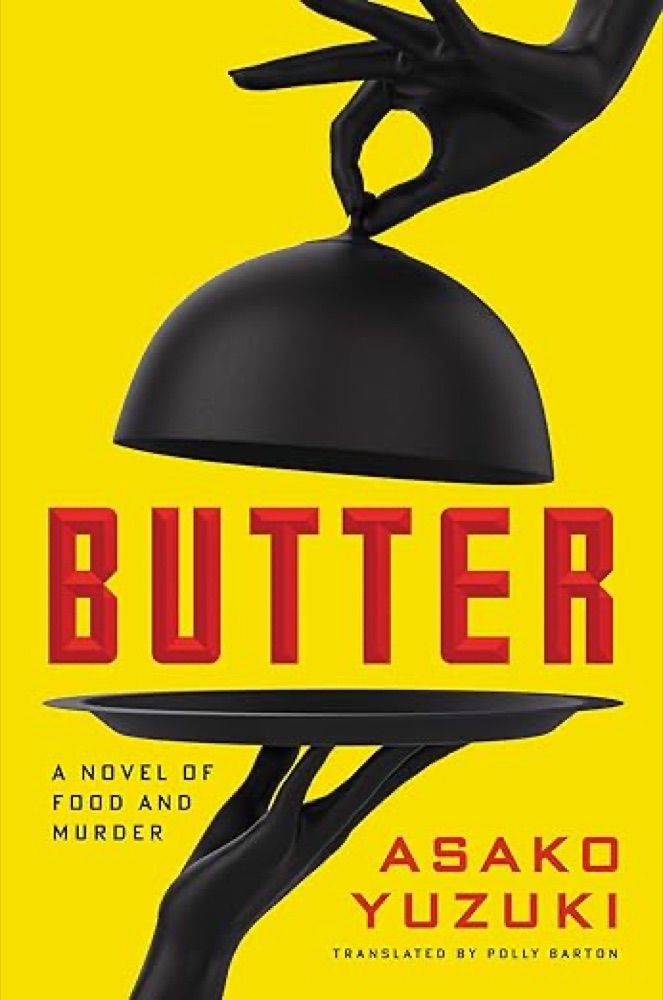
Butter is a literary novel by Japanese author Asako Yuzuki, first published in Japan in 2017 and loosely inspired by the real case of Kanae Kijima, the so-called "Konkatsu killer" convicted in the deaths of several lonely men she had met through dating. The story follows Rika Machida, a driven Tokyo magazine journalist who becomes the first reporter to gain access to Manako Kajii, a gourmet cook imprisoned for the suspected murders of older men she seduced with her cooking. Rather than discussing the crimes directly, Kajii will only talk about food, and as Rika begins recreating the recipes and meals Kajii describes, the relationship between the two women steadily reshapes Rika's appetites, body, and sense of self.
Beneath its true-crime premise, the novel is preoccupied with food, desire, and the relentless social policing of women's bodies in contemporary Japan. Through Rika's transformation it examines fatphobia, the pressure to be thin and self-denying, female friendship and rivalry, and the way misogyny shapes how a woman accused of crimes is judged as much for her looks and appetite as for the acts themselves. Butter uses cooking and eating as a lens on pleasure, control, loneliness, and the expectations placed on women to be small in every sense.
The novel was a bestseller in Japan and was nominated for the Naoki Prize in 2017. Polly Barton's English translation, published in 2024 by Fourth Estate in the UK and Ecco in the US, turned the book into a major international success: it was named Waterstones Book of the Year for 2024 and won the Debut Fiction Award at the British Book Awards in 2025, with UK sales surpassing its original Japanese figures.
Key characters
- Rika MachidaAmbitious Tokyo magazine journalist who interviews and becomes drawn to the imprisoned Kajii
- Manako KajiiGourmet cook imprisoned for the suspected murders of lonely older men, who will only discuss food
- ReikoRika's close friend, who becomes involved in the investigation
Book details
- First published
- 2017
- Length
- 452 pages
- Reading time
- 8 hours
- Author
- Asako Yuzuki
- Genre
- Fiction
- Goodreads rating
- 3.43 (142k ratings)
Critical reception
- Named Waterstones Book of the Year for 2024.
- Won the Debut Fiction Award at the British Book Awards in 2025.
- Became a bestseller in both Japan and the UK, with British sales reported to exceed the original Japanese figures.
- Reviewers, including The Guardian, praised its examination of social stigma around weight and the link between food and emotion.
If you liked this, read…
- 1Convenience Store Woman by Sayaka MurataAnother contemporary Japanese novel dissecting social conformity and the policing of women who deviate from expectations
- 2Kitchen by Banana YoshimotoA Japanese novel that uses food and cooking as a lens on grief, comfort, and connection
Keep reading
 Audition
 Unbearable Lightness: A Story of Loss and Gain
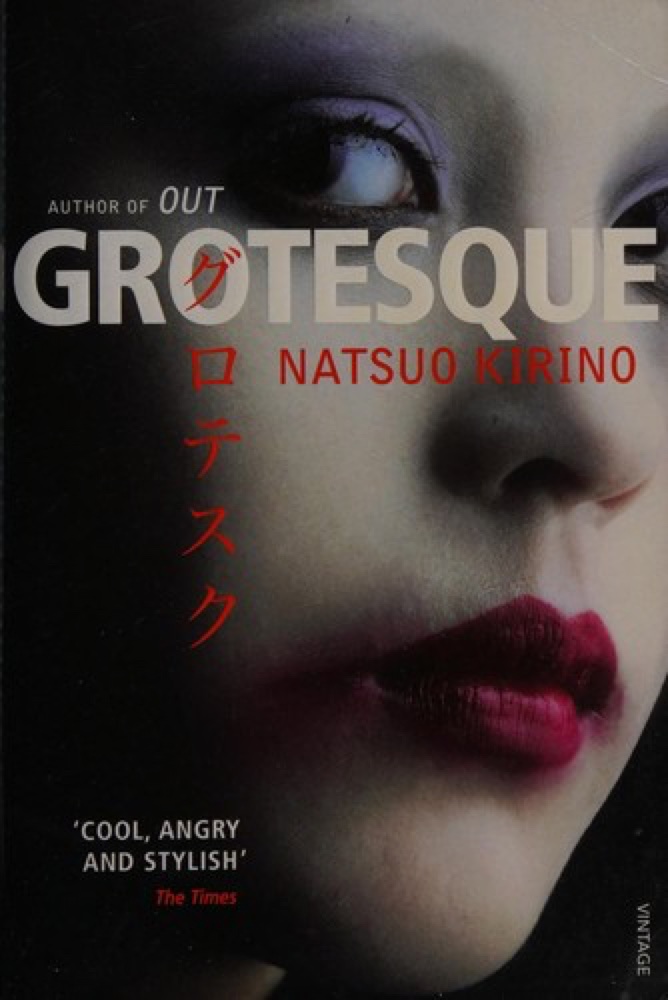 Grotesque
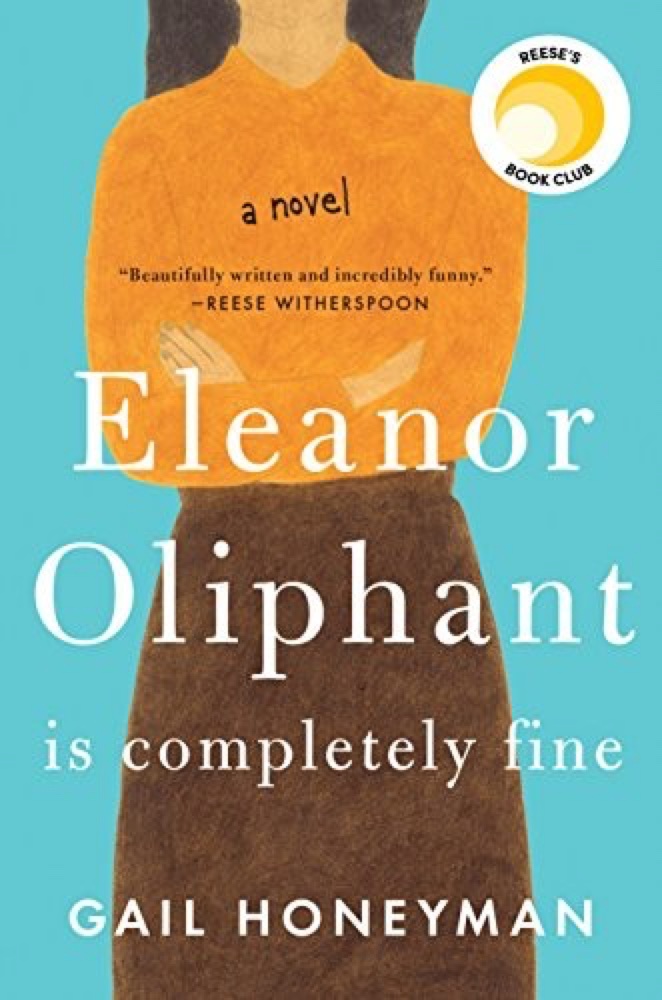 Eleanor Oliphant Is Completely Fine
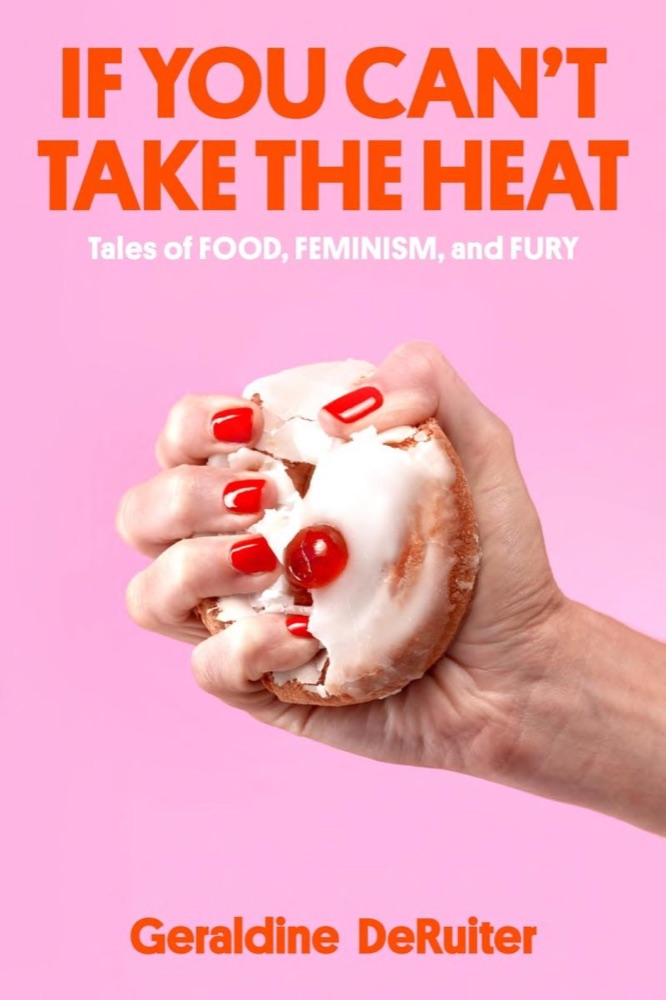 If You Can't Take the Heat: Tales of Food, Feminism, and Fury
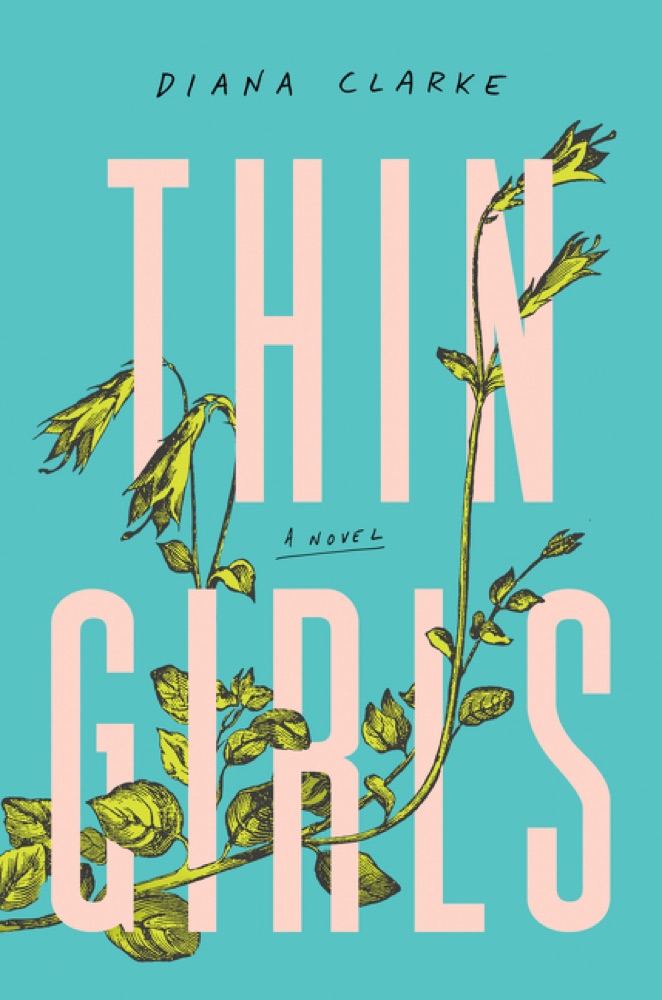 Thin Girls
 A Certain Hunger
 Dream Count
 Shrill: Notes from a Loud Woman
 Natural Beauty
 The Change
 The Woman Warrior
 Humans of New York
 Delicacy
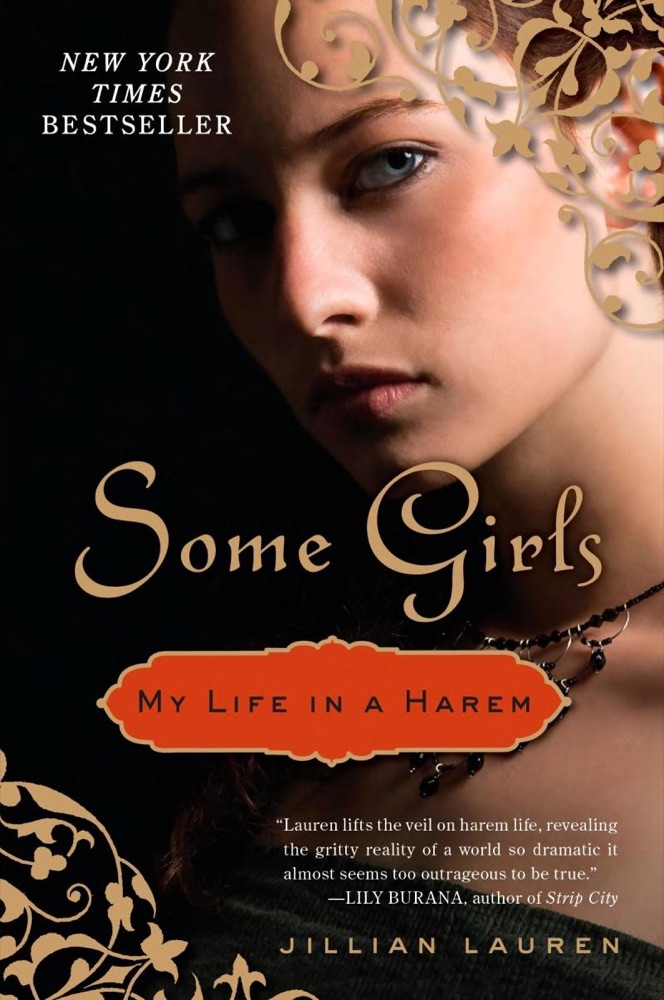 Some Girls: My Life in a Harem
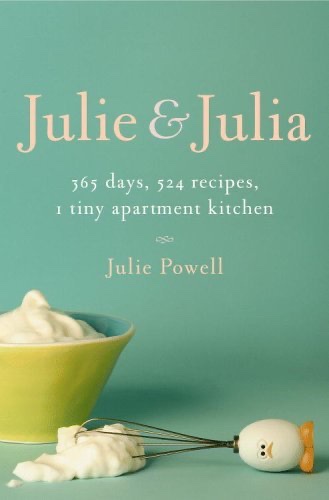 Julie and Julia: 365 Days, 524 Recipes, 1 Tiny Apartment Kitchen: How One Girl Risked Her Marriage, Her Job, and Her Sanity to Master the Art of Living
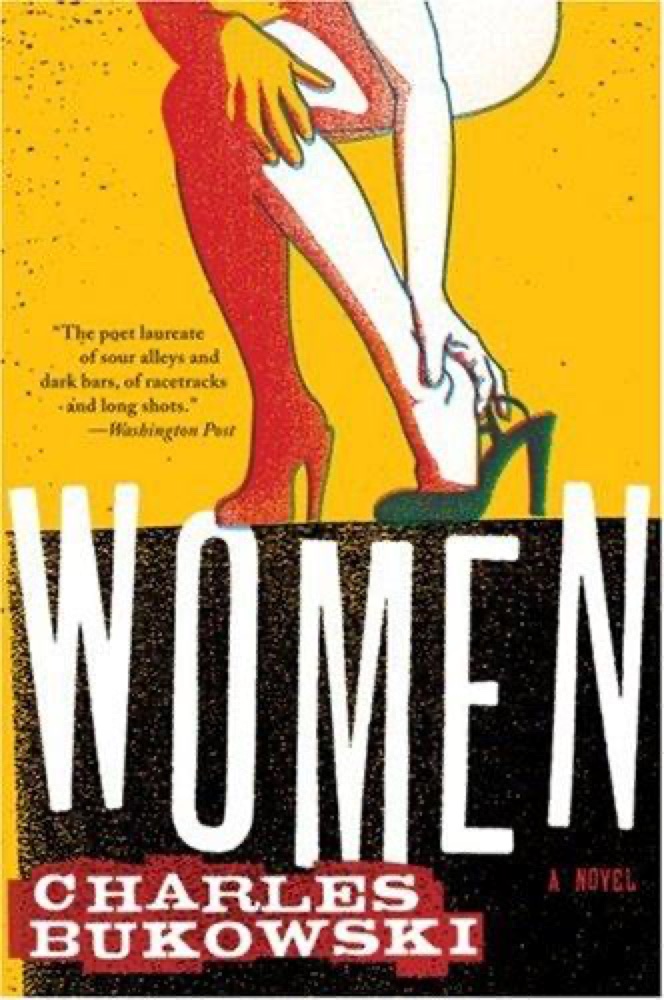 Women
Women
 Fierce Femmes and Notorious Liars
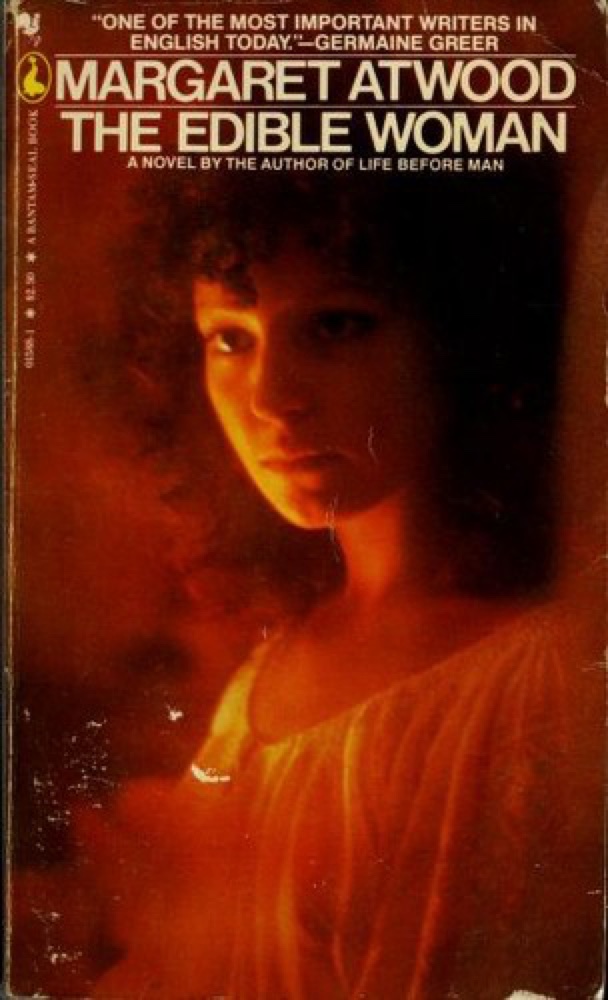 The Edible Woman
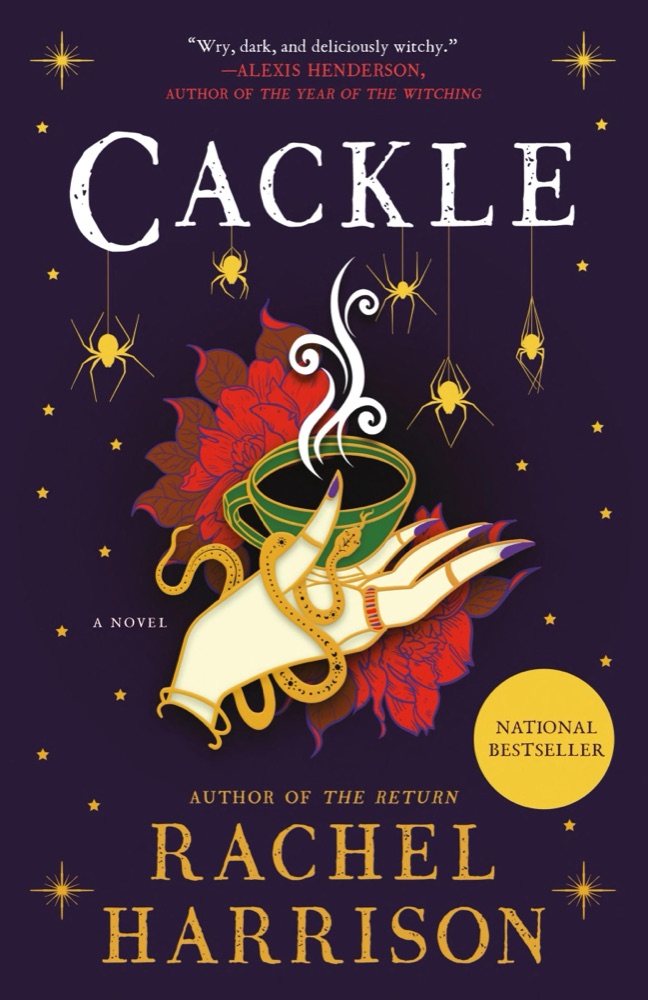 Cackle
 On Beauty
 Joan Is Okay
 Breasts and Eggs
 Lady Chatterley's Lover
 Nine Perfect Strangers
 The Lady's Guide to Petticoats and Piracy
 The Female Man
 Yesteryear
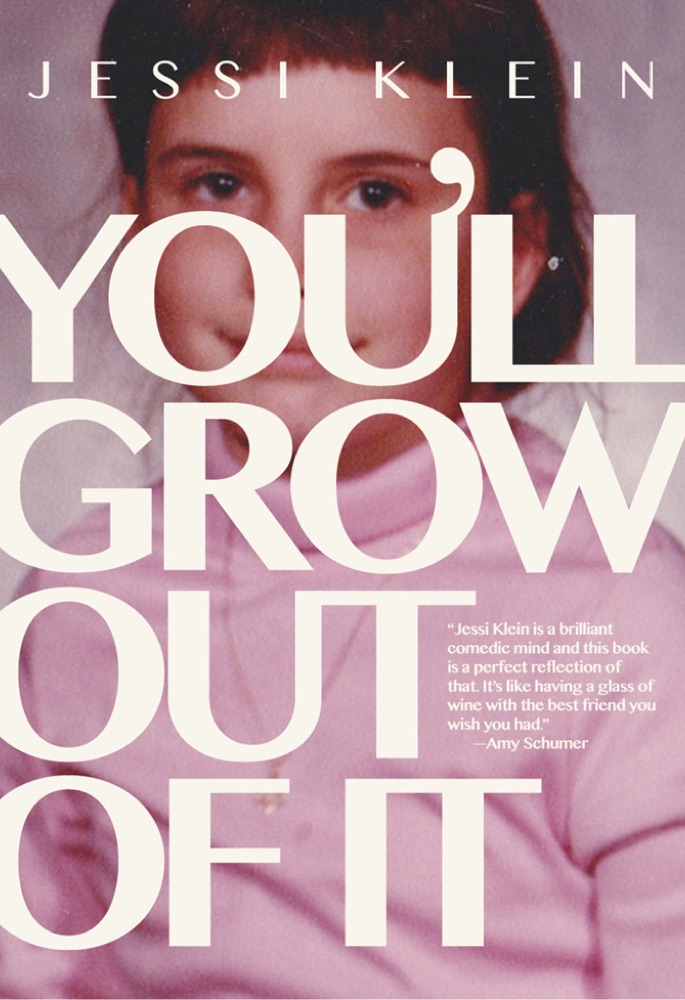 You'll Grow Out of It
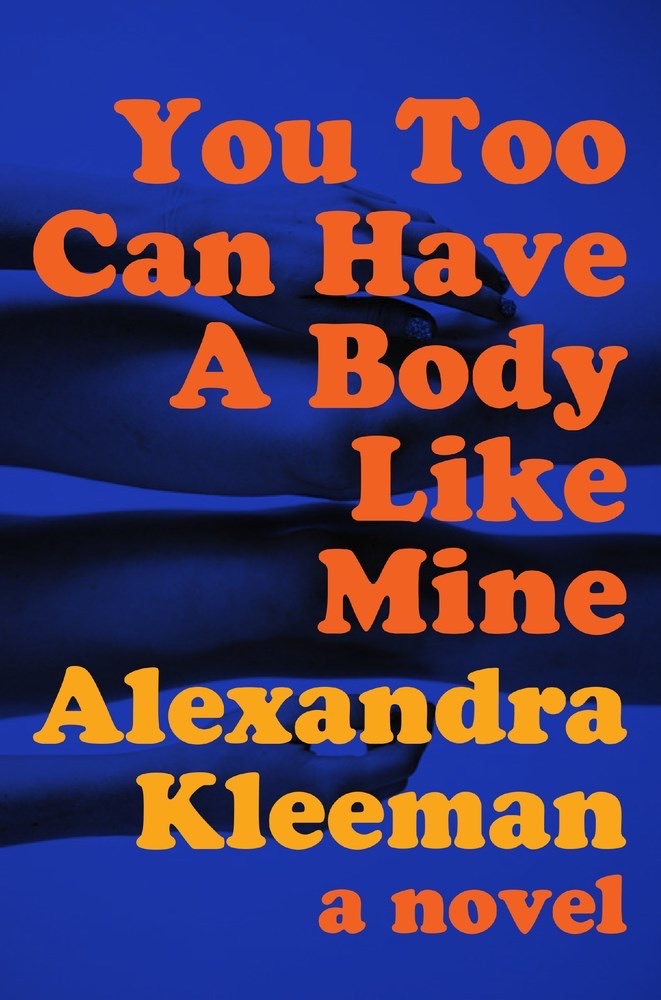 You Too Can Have a Body Like Mine
 Love, Loss, and What We Ate: A Memoir
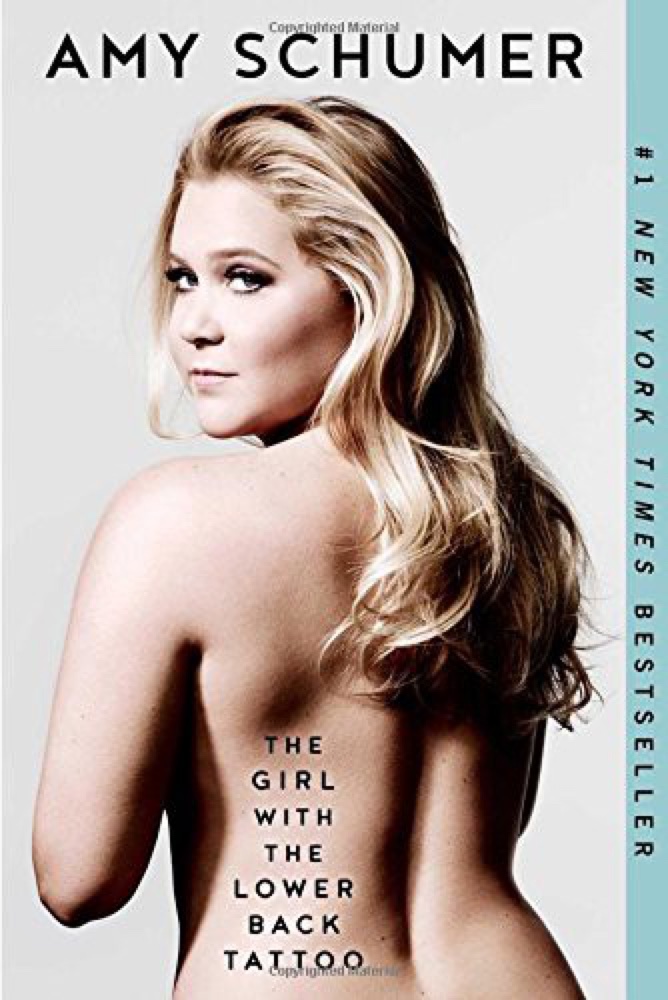 The Girl with the Lower Back Tattoo
 Big Swiss
 Terminal Boredom: Stories
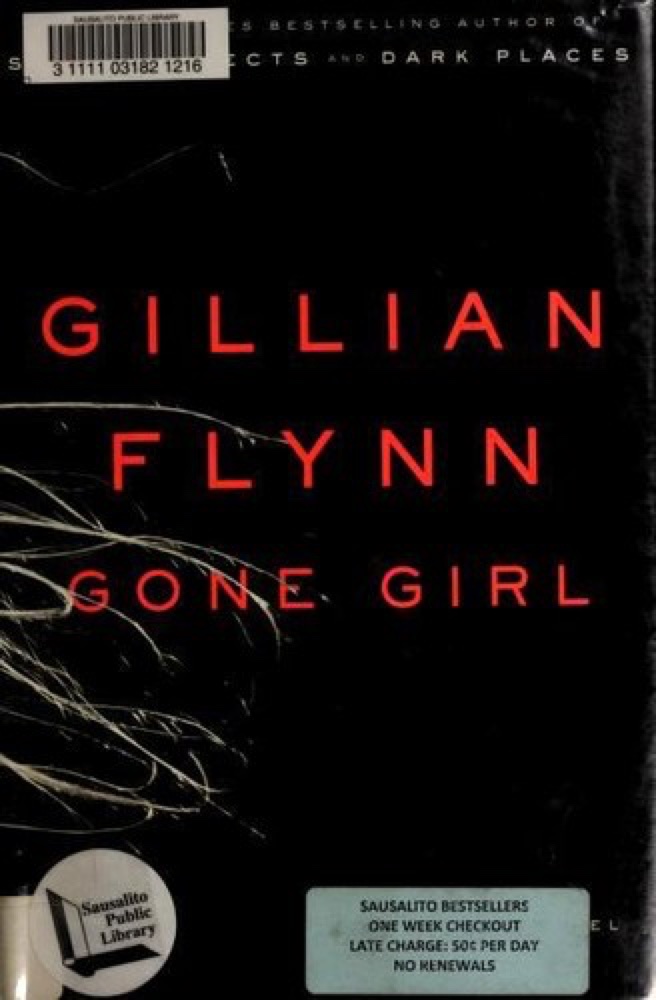 Gone Girl
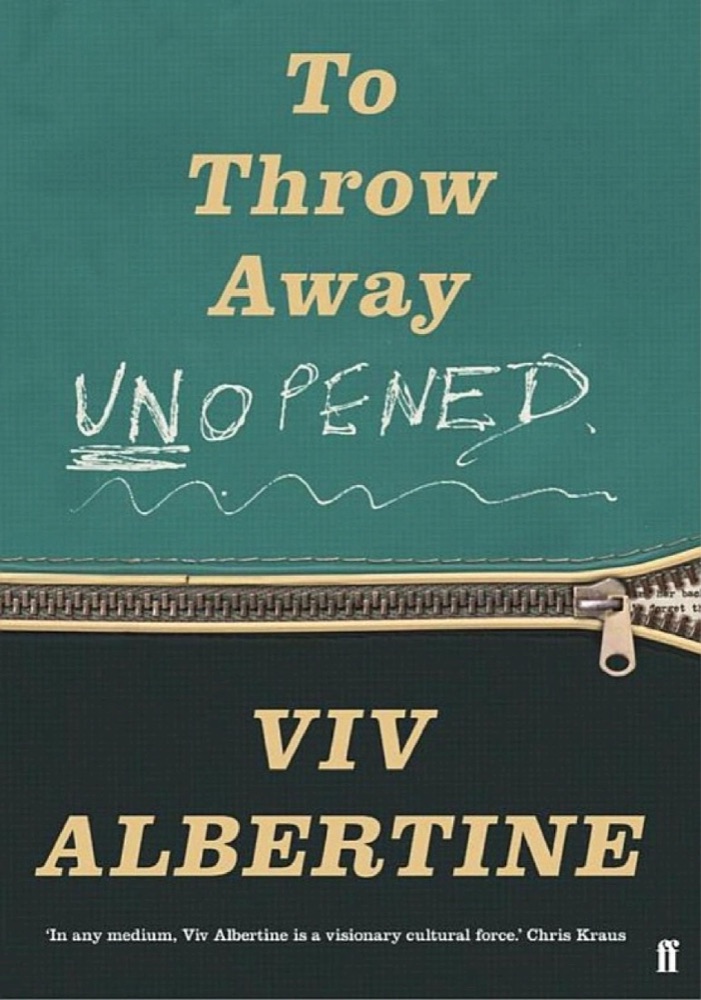 To Throw Away Unopened
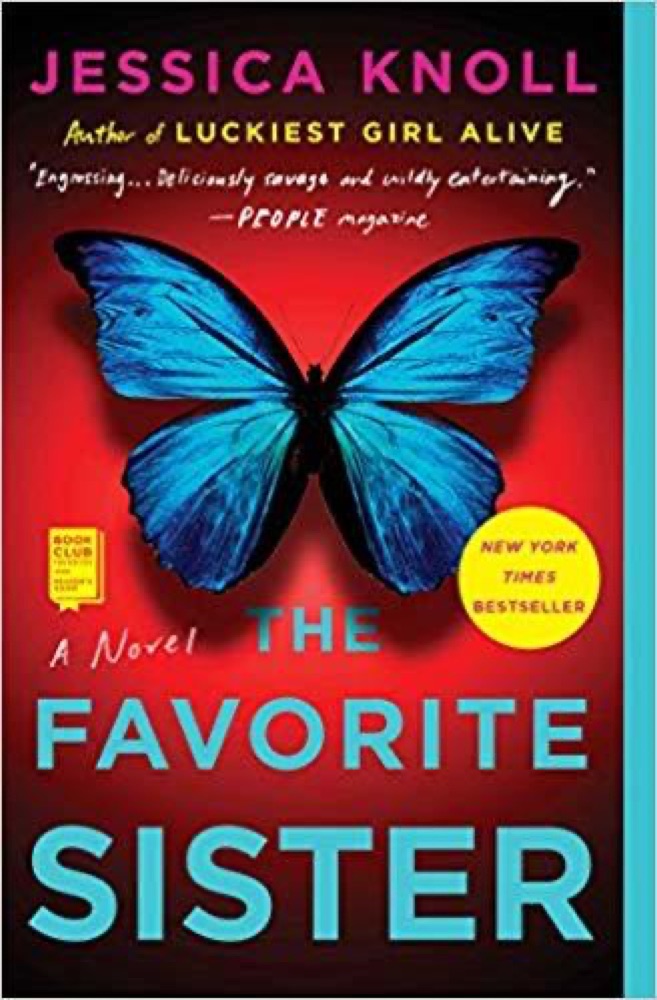 The Favorite Sister
 Sign Here
 The Game: Penetrating the Secret Society of Pickup Artists
 Paris: A Memoir for Young Women in the Age of Influencers
 My Body
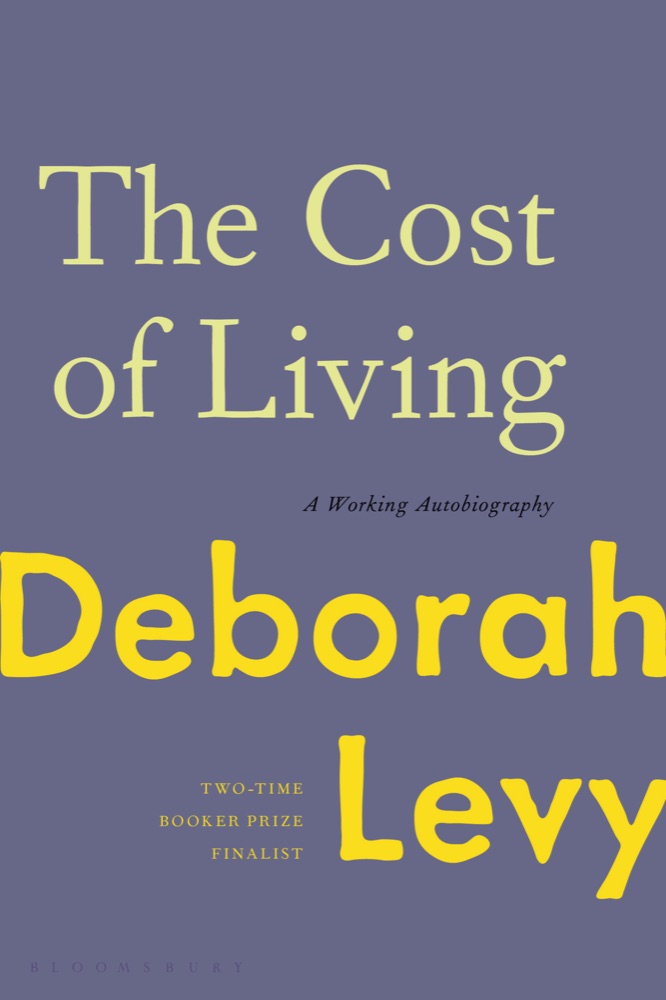 The Cost of Living: A Working Autobiography
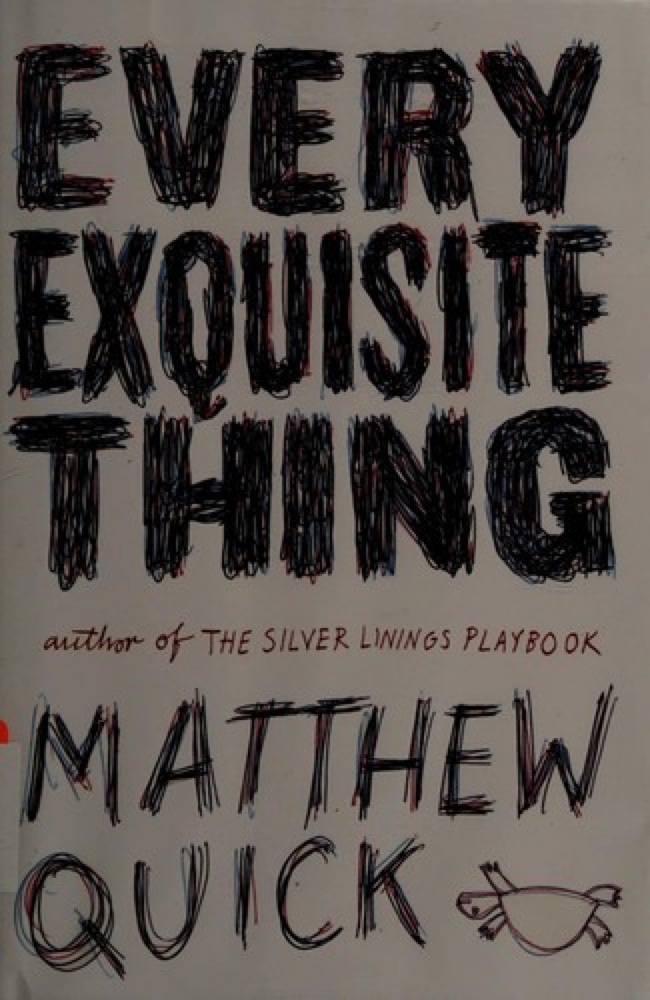 Every Exquisite Thing
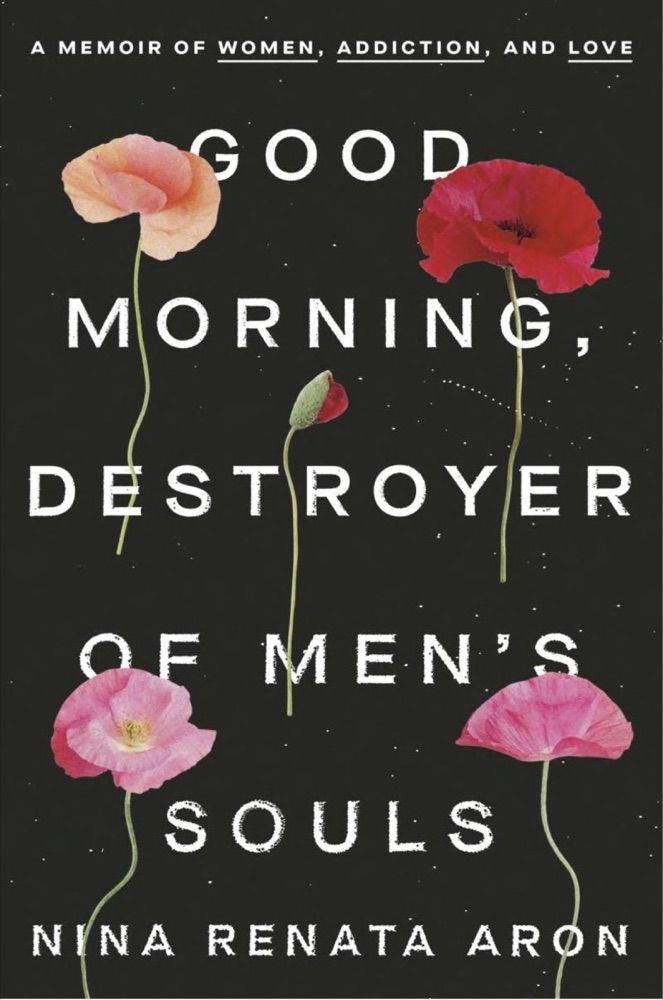 Good Morning, Destroyer of Men's Souls: A Memoir of Women, Addiction, and Love
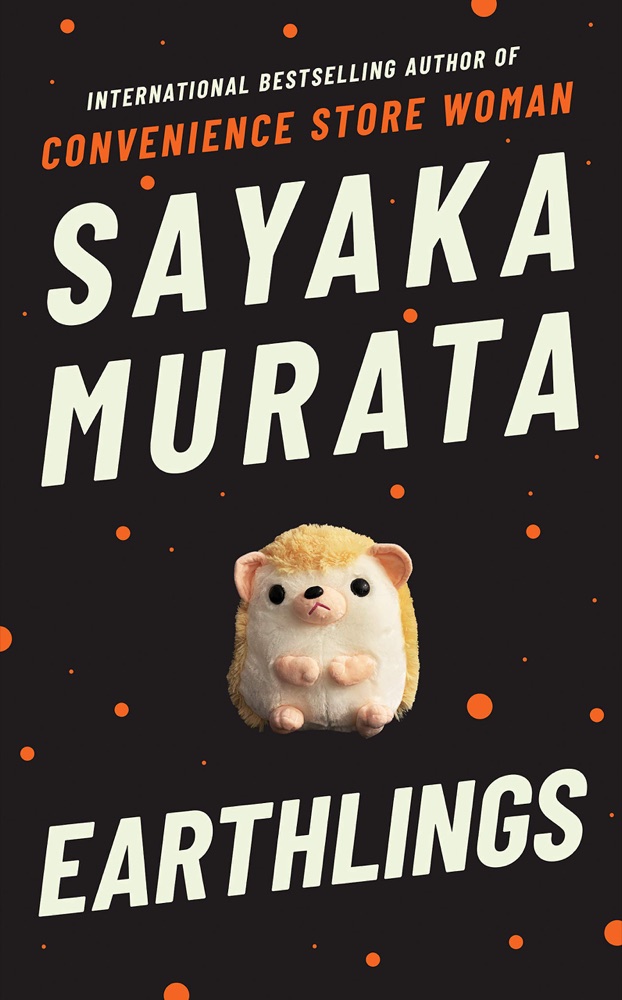 Earthlings
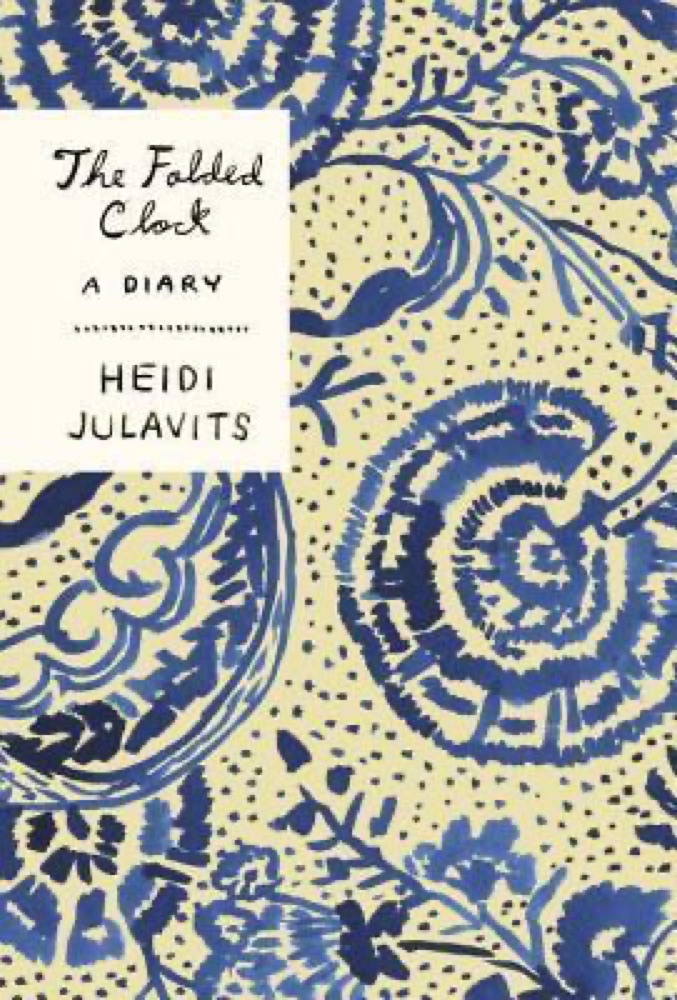 The Folded Clock: A Diary
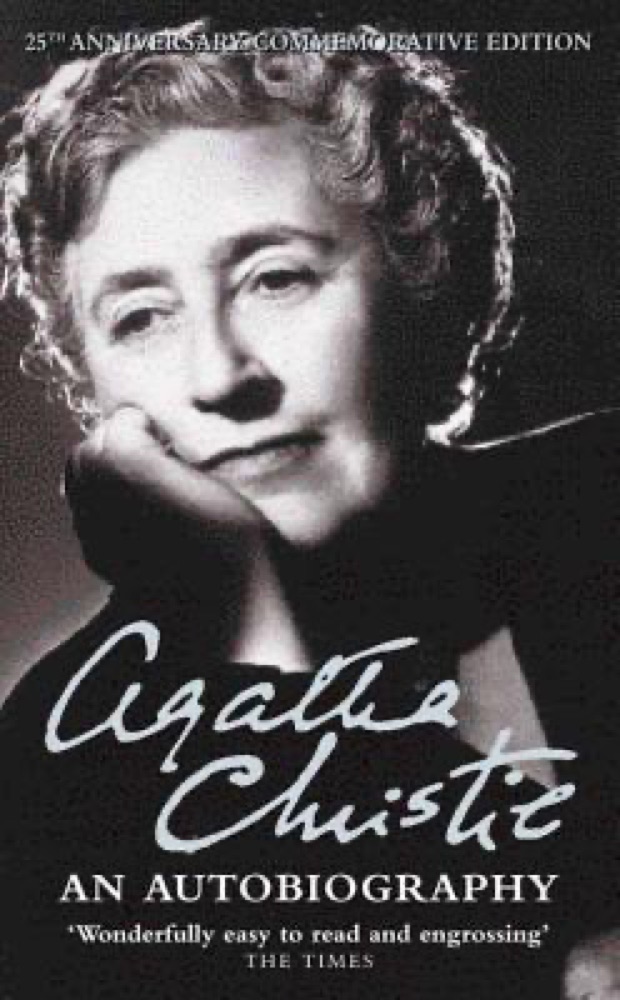 Agatha Christie: An Autobiography
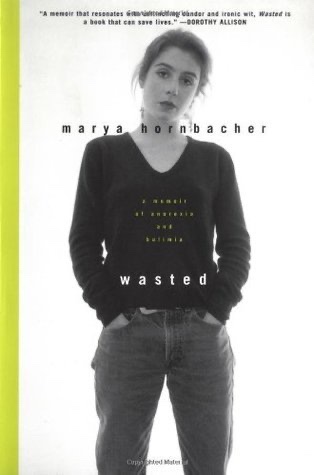 Wasted: A Memoir of Anorexia and Bulimia
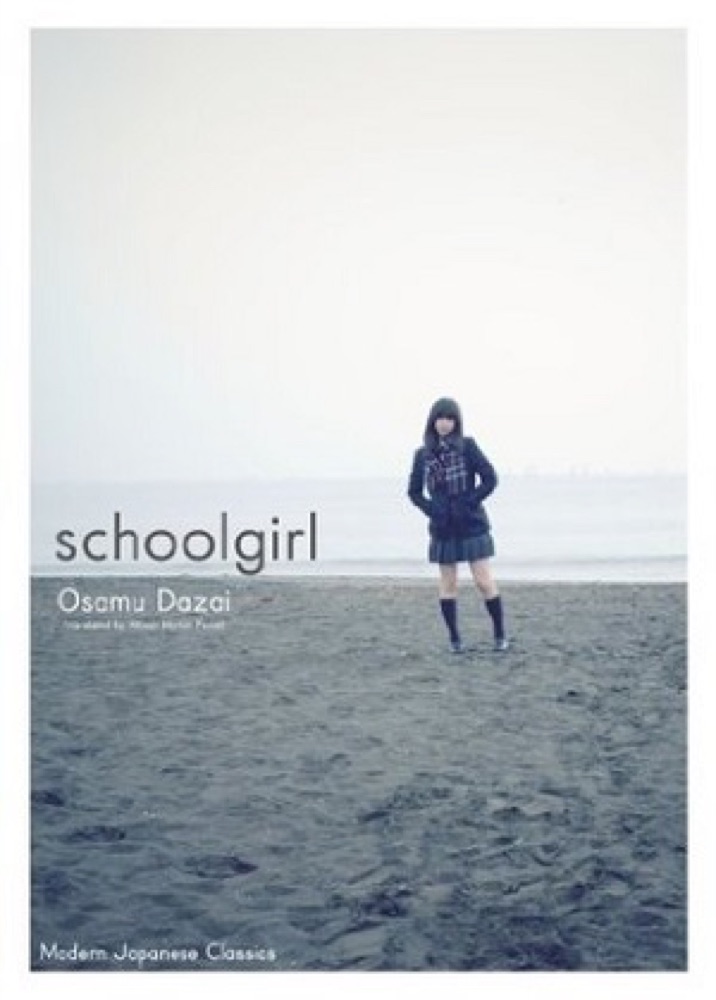 Schoolgirl
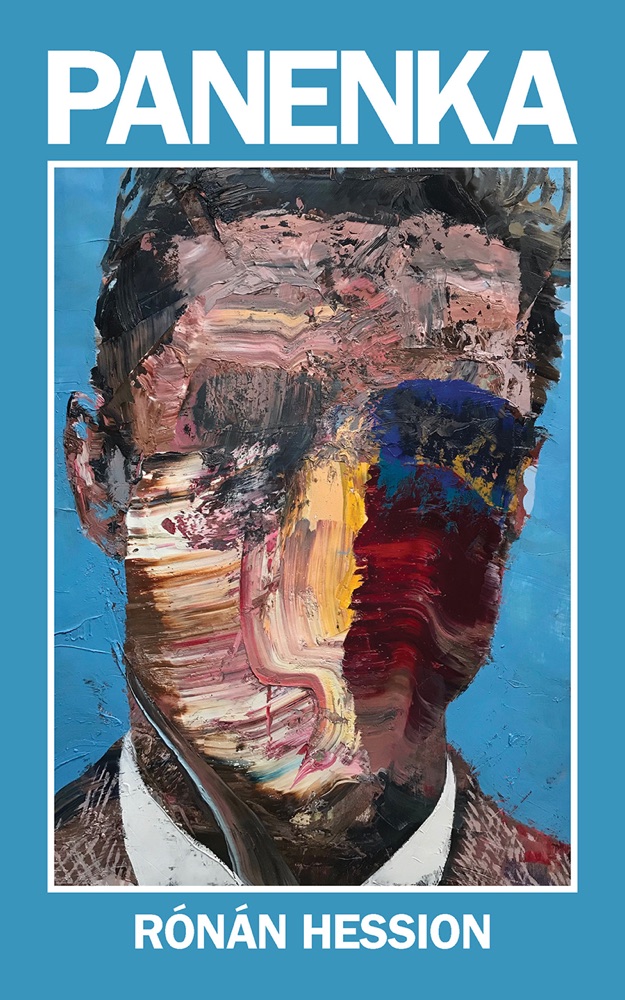 Panenka
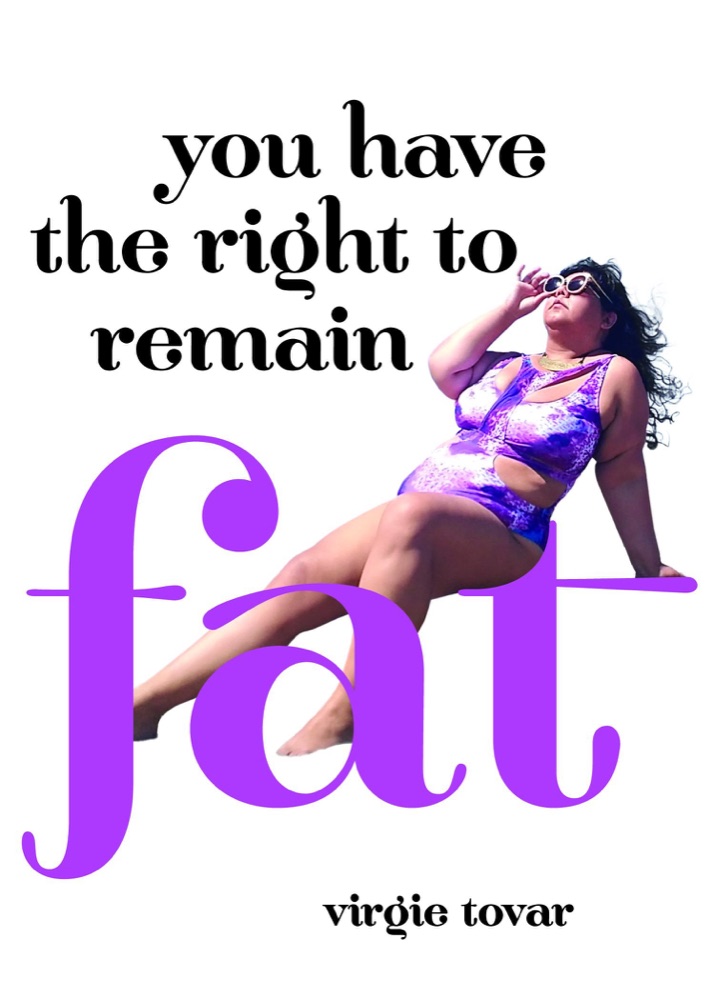 You Have the Right to Remain Fat
 Scrappy Little Nobody
 All Fours
 Conviction
 Pigs in Heaven
 How to Kill Your Family
 Blood, Bones, and Butter: The Inadvertent Education of a Reluctant Chef
 Buy Yourself the F*cking Lilies: And Other Rituals to Fix Your Life, from Someone Who's Been There
 A Study in Scarlet Women
 All the Women in My Brain: And Other Concerns