
 Soccer in Sun and Shadow
Quotes from the Book
Soccer isn't the same as Bach or Buddhism. But it is often more deeply felt than religion, and just as much a part of the community's fabric, a repository of traditions.
28
Critics of soccer contend that the game inherently culminates in death and destruction. They argue that the game gives life to tribal identities which should be disappearing in a world where a European Union and globalization are happily shredding such ancient sentiments. Another similar widely spread thesis that holds that the root cause of violence can be found in the pace of the game itself. Because goals come so irregularly, fans spend far too much time sublimating their emotions, anticipating but never releasing. When those emotions swell and become uncontainable, the fans erupt into dark, Dionysian fits of ecstatic violence.
4
As the Protestants celebrate a goal, they're egged on by the team captain, a long-haired Italian called Lorenzo Amoruso, who has the look of a 1980s male model. Flailing his arms, he urges them to sing their anti-Catholic songs louder. The irony is obvious: Amoruso is a Catholic. For that matter, so are most of the Rangers players. Since the late nineties, Rangers routinely field nearly as many Catholics as Celtic. Their players come from Georgia, Argentina, Germany, Sweden, Portugal and Holland, because money can buy no better ones. Championships mean more than religious purity.
4
there's a long history of resistance movements igniting in the soccer stadium. In the Red Star Revolution, Draza, Krle, and the other Belgrade soccer hooligans helped topple Slobodan Milosevic. Celebrations for Romania's 1990 WOrld Cup qualification carried over into the Bucharest squares, culminating in a firing squad that trained its rifles on the dictator Nicolae Ceausescu and his wife. The movement that toppled the Paraguayan dictator Alfredo Stroessner had the same sportive ground zero.
4
(The paradox of Italian soccer). As everyone knows, Italian men are the most foppish representatives of their sex on the planet. They smear on substantial quantities of hair care products and expend considerable mental energies color-coordinating socks with belts. Because of their dandyism, the world has Vespa, Prada, and Renzo Piano. With such theological devotion to aesthetic pleasure, it is truly perplexing that their national style of soccer should be so devoid of this quality.
3
There's a strange uniformity in the vocabulary European soccer fans use to hate black people. The same primate insults get hurled. Although they've gotten better over time, the English and Italians developed the tradition of making ape noises when black players touched the ball. The Poles toss bananas on the field. This consistency owes nothing to television, which rarely shows these finer points of fan behavior. Nor are these insults considered polite to discuss in public. This trope has simply become a continent-wide folk tradition, transmitted via the stadium, from fan to fan, from father to son.
3
it's the most familial-based societies where the sense of obligation is strongest, that breed the worst nepotism and cronyism.
3
Indeed, this is an important characteristic of the globalization debate: the tendency toward glorifying all things indigenous even when they deserve to be left in the past.
3
He poses the existential question of the modern soccer hooligan: “If football violence doesn’t take place in the stadium, is it even football violence?
1
Barca became my team in 1994 on a winter trip through the city. My visit coincided with the annual gratis opening of Barca’s museum. It is the most visited museum in the city, even ahead of a massive collection of Picasso canvases. With no admission fee, lines crawled across the stadium parking lot, filled with eight-year-old boys and their mothers, silver-haired men paying a visit to old friends in the trophy case, and teenage girls apparently brushing up on team history. The transcendent enthusiasm for a bunch of artifacts and sepia photos moved me. I felt like a nonbeliever watching a religious pilgrimage. And the sheer depth of their faith made me a believer, too.
1
Soccer's appeal lay in its opposition to the other popular sports. For children of the sixties, there was something abhorrent about enrolling kids in American football, a game where violence wasn't just incidental but inherent. They didn't want to teach the acceptability of violence, let alone subject their precious children to the risk of physical maiming. Baseball, where each batter must stand center stage four or five times a game, entailed too many stressful, potentially ego-deflating encounters. Basketball, before Larry Bird's prime, still had the taint of the ghetto. But soccer represented something very different. It was a tabula rasa, a sport onto which a generation of parents could project their values. Quickly, soccer came to represent the fundamental tenets of yuppie parenting, the spirit of Sesame Street and Dr. Benjamin Spock.
1
Arkan had threatened to shoot a rival striker’s kneecap if he scored against Obilic.
Watch on YouTube
About Franklin Foer
We have collected 12 quotes from 1 book by Franklin Foer on BookQuoters.
More about the author →About the book
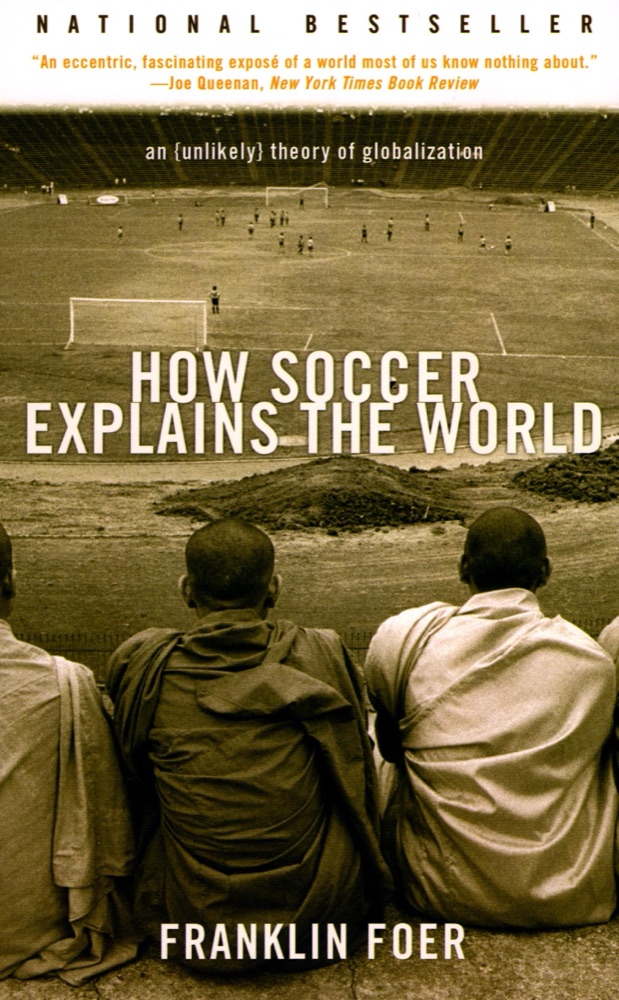
“An eccentric, fascinating exposé of a world most of us know nothing about.” — The New York Times Book Review "An insightful, entertaining, brainiac sports road trip." — The Wall Street Journal "Foer’s skills as a narrator are enviable. His characterizations… are comparable to those in Norman Mailer's journalism." — The Boston Globe A groundbreaking work—named one of the five most influential sports books of the decade by Sports Illustrated—How Soccer Explains the World is a unique and brilliantly illuminating look at soccer, the world’s most popular sport, as a lens through which to view the pressing issues of our age, from the clash of civilizations to the global economy.
Book details
- First published
- 2004
- Author
- Franklin Foer
- Genre
- Nonfiction
- Goodreads rating
- 3.79 (13k ratings)
Keep reading
Soccer in Sun and Shadow
 Fever Pitch
 Rafa
Rafa
 The Player of Games
 The Better Angels of Our Nature: Why Violence Has Declined
 Friday Night Lights: A Town, a Team, and a Dream
 The Strange Death of Europe: Immigration, Identity, Islam
 Leading: Learning from Life and My Years at Manchester United
 Moneyball
 A History of the World in 100 Objects
 Ball Four
 Defying Hitler
 Moneyball
 Arguably: Selected Essays
 The Prague Cemetery
 The Damned Utd
 Wizard of the Crow
 How to Travel With a Salmon & Other Essays
 From Dawn to Decadence: 500 Years of Western Cultural Life, 1500 to the Present
 Creation Lake
 Revenge of the Tipping Point
 The True Believer: Thoughts on the Nature of Mass Movements
 A Collection of Essays
 First As Tragedy, Then As Farce
 Chess Story
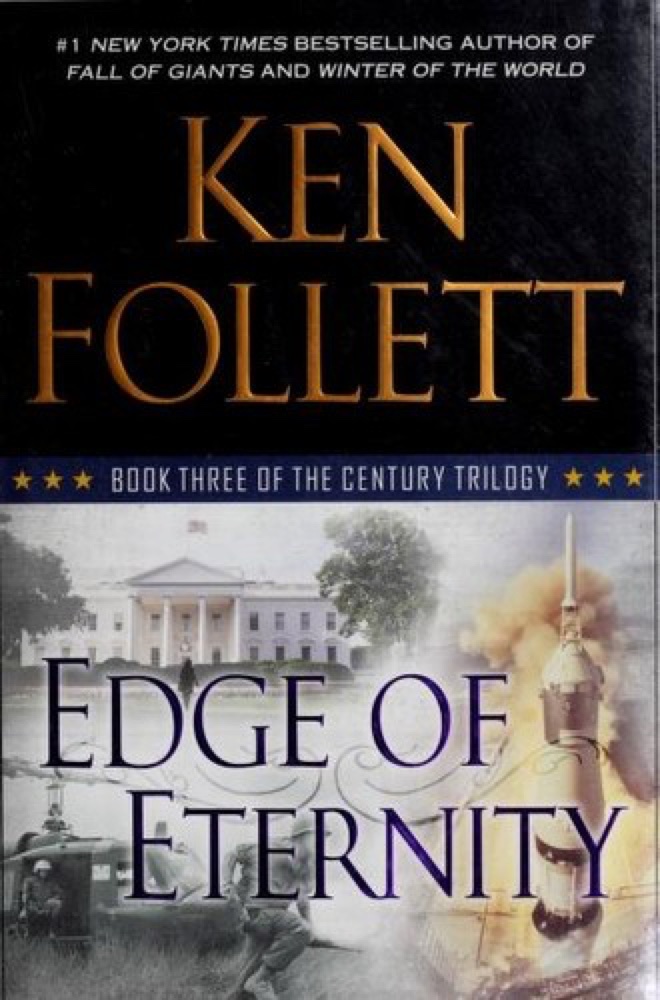 Edge of Eternity
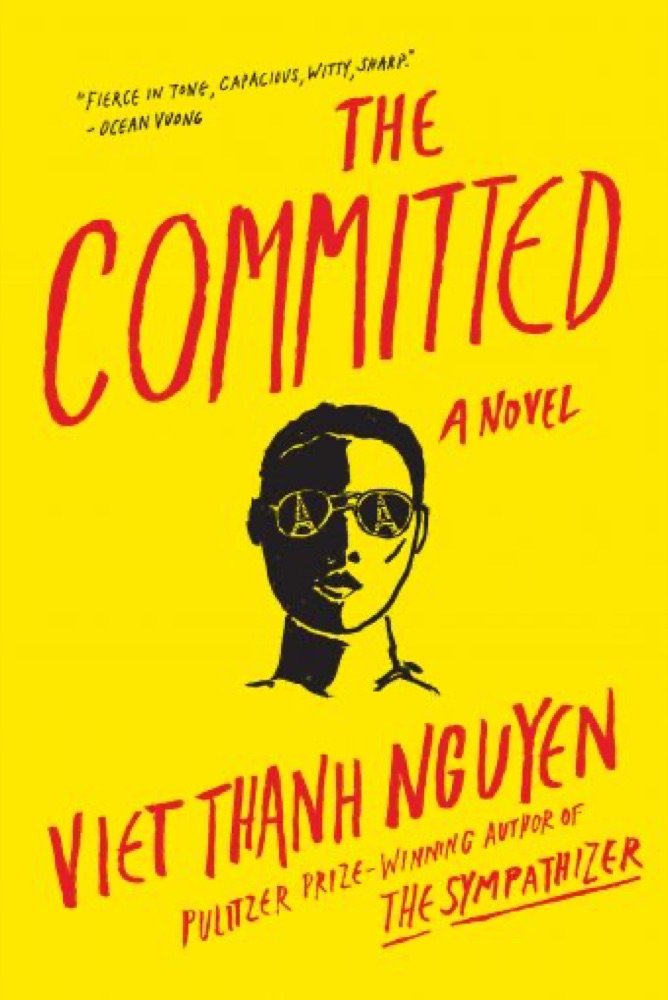 The Committed
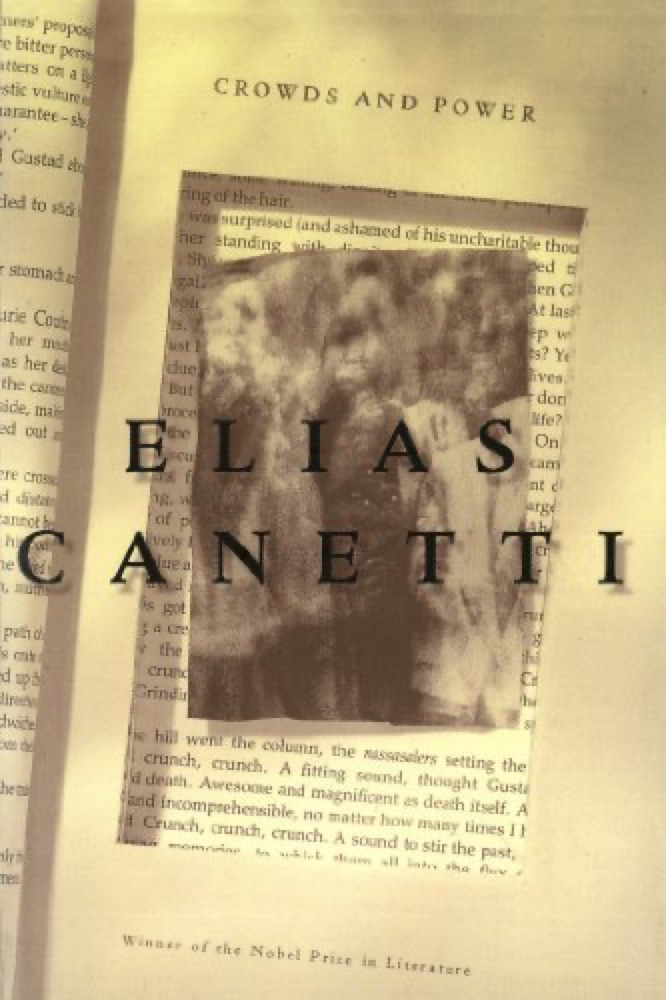 Crowds and Power
 The Book of My Lives
 Modern Times: The World from the Twenties to the Nineties
 Boomerang: Travels in the New Third World
 What's Wrong with the World
 Sex, Drugs, and Cocoa Puffs: A Low Culture Manifesto
 Table for Two
 The World Is Flat: A Brief History of the Twenty-first Century
 Open Veins of Latin America: Five Centuries of the Pillage of a Continent
 The Gone-Away World
 The Tournament
 Villa Incognito
 Friday
 Flashpoints: The Emerging Crisis in Europe
 The Philosopher and the Wolf
 Fall of Giants
 The Fountains of Silence
 Britt-Marie Was Here
 The Gods Themselves
 The Mask of Dimitrios
 Homage to Catalonia
 Cocaine
 The Message
 Endgame, Vol. 1: The Problem of Civilization
 Chinaman: The Legend of Pradeep Mathew
 The War on the West: An Instant NYT Bestselling History of the Modern World
 The Innocents Abroad
 The Shadow of the Sun
 America
 Kingdom Come
 When I Was a Child I Read Books
 Heretics