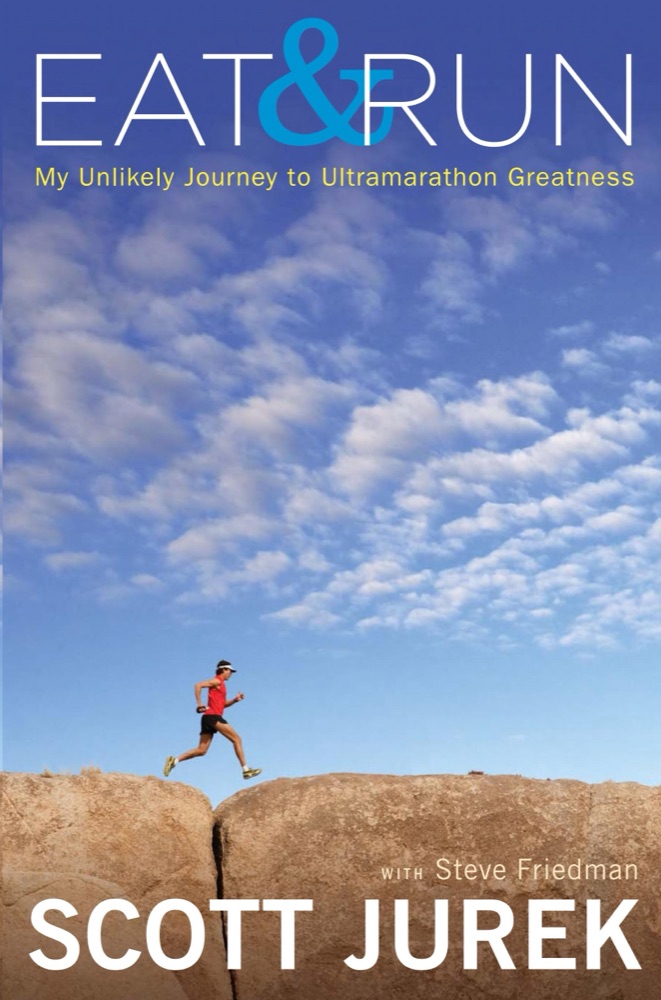
 Eat & Run: My Unlikely Journey to Ultramarathon Greatness
Quotes from the Book
Every morning in Africa, a gazelle wakes up, it knows it must outrun the fastest lion or it will be killed. Every morning in Africa, a lion wakes up. It knows it must run faster than the slowest gazelle, or it will starve. It doesn't matter whether you're the lion or a gazelle-when the sun comes up, you'd better be running.
You don't stop running because you get old, you get old because you stop running.
The reason we race isn't so much to beat each other,... but to be with each other.
If you don't have answers to your problems after a four-hour run, you ain't getting them.
That was the real secret of the Tarahumara: they'd never forgotten what it felt like to love running. They remembered that running was mankind's first fine art, our original act of inspired creation. Way before we were scratching pictures on caves or beating rhythms on hollow trees, we were perfecting the art of combining our breath and mind and muscles into fluid self-propulsion over wild terrain. And when our ancestors finally did make their first cave paintings, what were the first designs? A downward slash, lightning bolts through the bottom and middle--behold, the Running Man. Distance running was revered because it was indispensable; it was the way we survived and thrived and spread across the planet. You ran to eat and to avoid being eaten; you ran to find a mate and impress her, and with her you ran off to start a new life together. You had to love running, or you wouldn't live to love anything else. And like everyhing else we ove--everything we sentimentally call our 'passions' and 'desires' it's really an encoded ancestral necessity. We were born to run; we were born because we run. We're all Running People, as the Tarahumara have always known.
You don't have to be fast. But you'd better be fearless.
Suffering is humbling. It pays to know how to get your butt kicked.
We've got a motto here-you're tougher than you think you are, and you can do more than you think you can.
...there was some kind of connection between the capacity to love and the capacity to love *running*. The engineering was certainly the same: both depended on loosening your grip on your own desires, putting aside what you wanted and appreciating what you've got, being patient and forgiving and... undemanding...maybe we shouldn't be surprised that getting better at one could make you better at the other.
There's something so universal about that sensation, the way running unites our two most primal impulses: fear and pleasure. We run when we're scared, we run when we're ecstatic, we run away from our problems and run around for a good time.
Make friends with pain, and you will never be alone.~Ken Chlouber, Colorado miner and creator of the Leadville Trail 100 mile race
If you don't think you were born to run you're not only denying history. You're denying who you are.
There are two goddesses in your heart,” he told them. “The Goddess of Wisdom and the Goddess of Wealth. Everyone thinks they need to get wealth first, and wisdom will come. So they concern themselves with chasing money. But they have it backwards. You have to give your heart to the Goddess of Wisdom, give her all your love and attention, and the Goddess of Wealth will become jealous, and follow you.” Ask nothing from your running, in other words, and you’ll get more than you ever imagined.
Perhaps all our troubles - all the violence, obesity, illness, depression, and greed we can't overcome - began when we stopped living as Running People. Deny your nature, and it will erupt in some other, uglier way.
Nearly all runners do their slow runs too fast, and their fast runs too slow." Ken Mierke says. "So they're just training their bodies to burn sugar, which is the last thing a distance runner wants. You've got enough fat stored to run to California, so the more you train your body to burn fat instead of sugar, the longer your limited sugar tank is going to last." -The way to activate your fat-burning furnace is by staying below your aerobic threshold--your hard-breathing point--during your endurance runs.
But you can't muscle through a five-hour run that way; you have to relax into it like easing your body into a hot bath, until it no longer resists the shock and begins to enjoy it.
We run when we're scared, we run when we're ecstatic, we run away from our problems and run around for a good time.
Sometimes,' she said, 'it takes a woman to bring out the best in a man.
But yeah, Ann [Trason] insisted, running was romantic; and no, of course her friends didn't get it because they'd never broken through. For them, running was a miserable two miles motivated solely by size 6 jeans: get on the scale, get depressed, get your headphones on, and get it over with. But you can't muscle through a five-hour run that way; you have to relax into it, like easing your body into a hot bath, until it no longer resists the shock and begins to enjoy it.
We were born to run; we were born because we run.
Blaming the running injury epidemic on big, bad Nike seems too easy - but that's okay, because it's largely their fault.
-The reason we race isn't so much to beat each other but to be with each other. -The Hopis consider running a form of prayer; they offer every step as a sacrifice to a loved one, and in return ask the Great Spirit to match their strength with some of his own.
We wouldn't be alive without love we wouldn't have survived without running maybe we shouldn't be surprised that getting better at one could make you better at the other.
That was the real secret of the Tarahumara: they'd never forgotten what it felt like to love running. They remembered that running was mankind's first fine art, our original act of inspired creation.
Distance running was revered because it was indispensable; it was the way we survived and thrived and spread across the planet. You ran to eat and to avoid being eaten; you ran to find a mate and impress her, and with her you ran off to start a new life together. You had to love running, or you wouldn't live to love anything else. And like everything else we love-everything we sentimentally call our 'passions' and 'desires'-it's really an encoded ancestral necessity. We were born to run; we were born because we run.
Lisa Smith-Batchen, the amazingly sunny and pixie-tailed ultrarunner from Idaho who trained through blizzards to win a six-day race in the Sahara, talks about exhaustion as if it's a playful pet. 'I love the Beast,' she says. 'I actually look forward to the Beast showing up, because every time he does, I handle him better. I get him more under control.' Once the Beast arrives, Lisa knows what she has to deal with and can get down to work. And isn't that the reason she's running through the desert in the first place-to put her training to work? To have a friendly little tussle with the Beast and show it who's boss? You can't hate the Beast and expect to beat it; the only way to truly conquer something, as every great philosopher and geneticist will tell you , is to love it.
When I'm out on a long run," she continued, "the only thing in life that matters is finishing the run. For once, my brain isn't going blehblehbleh all the time. Everything quiets down, and the only thing going on is pure flow. It's jus time and the movement and the motion.That's what love--just being a barbarian, running through the woods.
Only recently have we come up with the technology to turn lazing around into a way of life. We've taken our sinewy, durable, hunter-gatherer bodies and plunked them into an artificial world of leisure.
You ran to eat and to avoid being eaten; you ran to find a mate and impress her, and with her you ran off to start a new life together. You had to love running, or you wouldn’t live to love anything else…We were born to run; we were born because we run
Did you know?
- The book began with McDougall's personal question to a doctor about why his foot hurt after running.
- It centers on the Tarahumara (Raramuri) people of Mexico's Copper Canyons, famed for running long distances in thin sandals.
- The mysterious American ultrarunner Micah True, known as Caballo Blanco, is a central figure who organized the canyon race.
- McDougall argues that modern cushioned running shoes, introduced in the 1970s, may contribute to running injuries.
- The book helped popularize the barefoot and minimalist running movements.
- It spent months on the New York Times bestseller list and has sold millions of copies.
About Christopher McDougall
Christopher McDougall is an American author and journalist who worked as a foreign correspondent for the Associated Press, covering conflicts in Rwanda and Angola, before writing the bestseller Born to Run. He lives in rural Pennsylvania.
More about the author →About the book
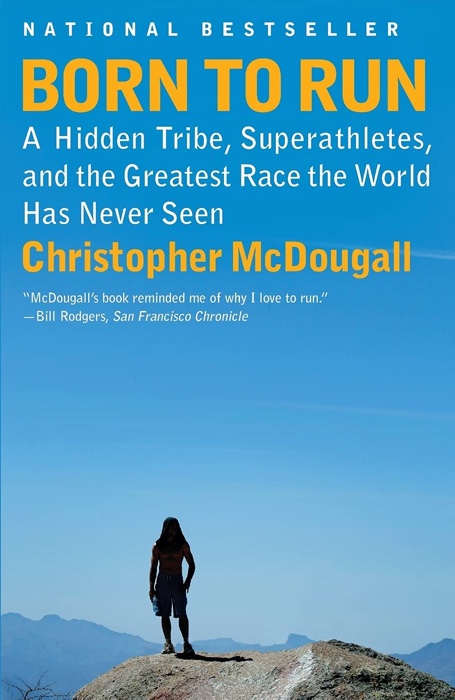
Born to Run is Christopher McDougall's 2009 work of narrative nonfiction that grew out of a deceptively simple question: why does my foot hurt? A journalist and lifelong recreational runner plagued by chronic injuries, McDougall sets off to find the Tarahumara (Raramuri), a reclusive people of Mexico's Copper Canyons renowned for running enormous distances in thin sandals without the injuries that sideline so many American runners. His search leads him to the enigmatic expatriate ultrarunner Micah True, known as Caballo Blanco, and builds toward a climactic footrace deep in the canyons pitting elite American ultra-runners against Tarahumara athletes.
Around that adventure, McDougall weaves reporting on the science of human endurance. He argues that modern heavily cushioned running shoes, introduced in the early 1970s, may contribute to the surge in running injuries, and he champions the endurance running hypothesis: the idea that humans evolved as long-distance runners, capable of chasing down prey across open country through persistence hunting. The book braids these threads with vivid profiles of ultrarunners such as Scott Jurek, Jenn Shelton, and Barefoot Ted.
Blending travelogue, memoir, sports writing, and popular science, Born to Run became a New York Times bestseller and has sold millions of copies. It is widely credited with helping spark the barefoot and minimalist running movements, prompting debate among coaches, podiatrists, and shoe manufacturers about footwear and running form. Its themes of joy, community, and the human capacity for endurance have made it a touchstone for runners and general readers alike.
Book details
- First published
- 2009
- Length
- 304 pages
- Reading time
- 11 hours
- Author
- Christopher McDougall
- Genre
- Nonfiction
- Goodreads rating
- 4.30 (238k ratings) →
If you liked this, read…
- 1Eat and RunUltrarunner Scott Jurek, who appears in Born to Run, tells his own story of endurance and diet.
- 2What I Talk About When I Talk About RunningHaruki Murakami's reflective memoir on the meaning running gives to a life.
- 3The Rise of SupermanSteven Kotler explores the science of flow and peak human performance in endurance and extreme sport.
Keep reading
Eat & Run: My Unlikely Journey to Ultramarathon Greatness
 Once a Runner
 Ultramarathon Man: Confessions of an All-Night Runner
 Why We Run: A Natural History
 What I Talk About When I Talk About Running
 The Terrible and Wonderful Reasons Why I Run Long Distances
 The Running Dream
 The Art of Racing in the Rain
 The Philosopher and the Wolf
 Racing in the Rain: My Life as a Dog
 The End of the World Running Club
 In the Shadow of the Mountain: A Memoir of Courage
 Shoe Dog: A Memoir by the Creator of NIKE
 A Life Without Limits: A World Champion's Journey
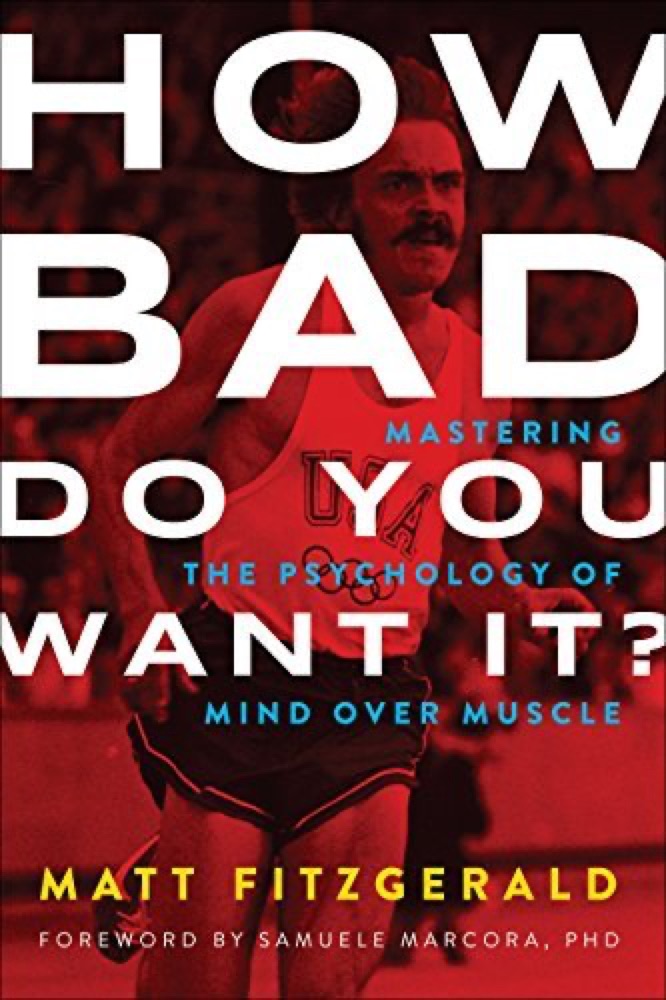 How Bad Do You Want It? Mastering the Psychology of Mind over Muscle
 The Motion of the Body Through Space
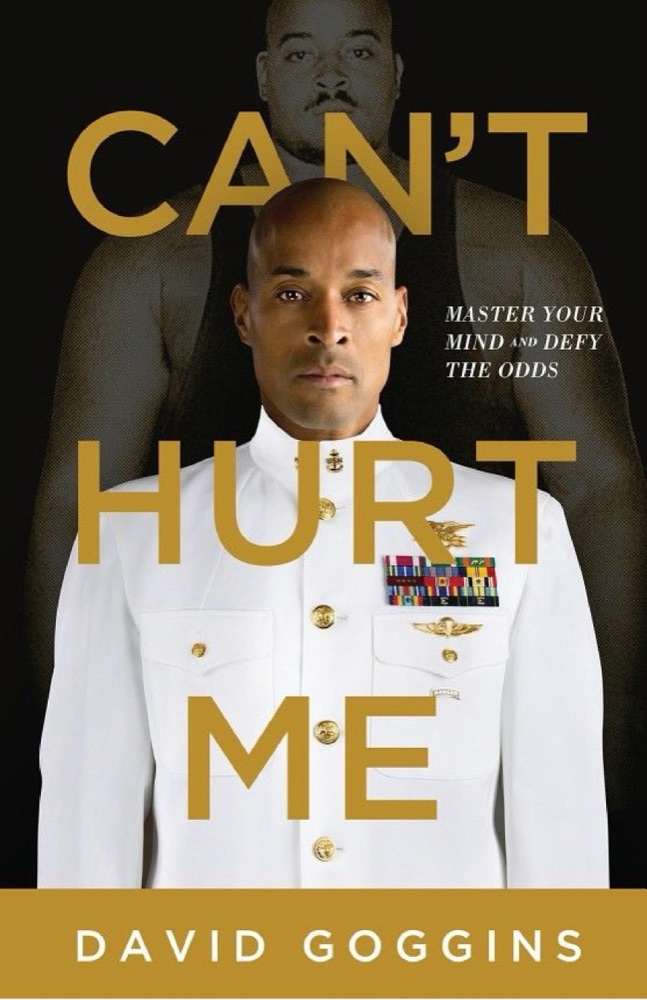 Can't Hurt Me: Master Your Mind and Defy the Odds
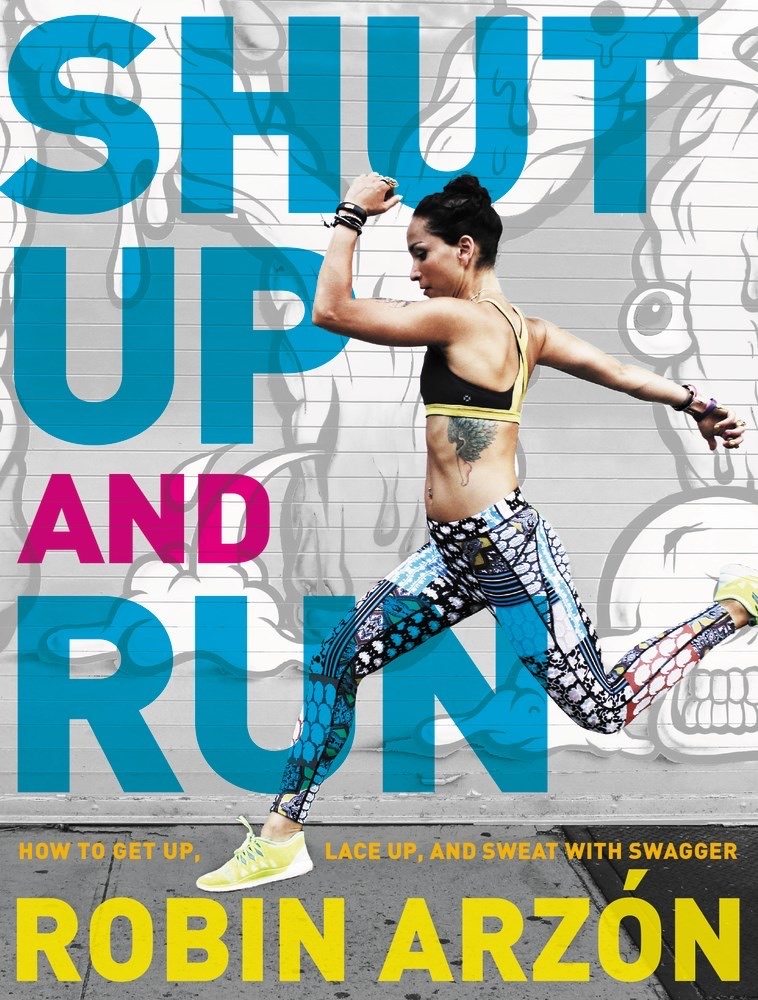 Shut Up and Run: How to Get Up, Lace Up, and Sweat with Swagger – A Bold Fitness Guide from Peloton's Ultramarathon Coach Robin Arzón
 Devil at My Heels: A Heroic Olympian's Astonishing Story of Survival as a Japanese POW in World War II
 Total Recall: My Unbelievably True Life Story
 Between a Rock and a Hard Place
 The Power of One
 What Doesn't Kill Us: How Freezing Water, Extreme Altitude, and Environmental Conditioning Will Renew Our Lost Evolutionary Strength
 Born to Run
 The Boys in the Boat: Nine Americans and Their Epic Quest for Gold at the 1936 Berlin Olympics
 The Winner Stands Alone
 Every Second Counts
 The Art of Impossible: A Peak Performance Primer
 The Memory of Running
 Wings of Fire: An Autobiography
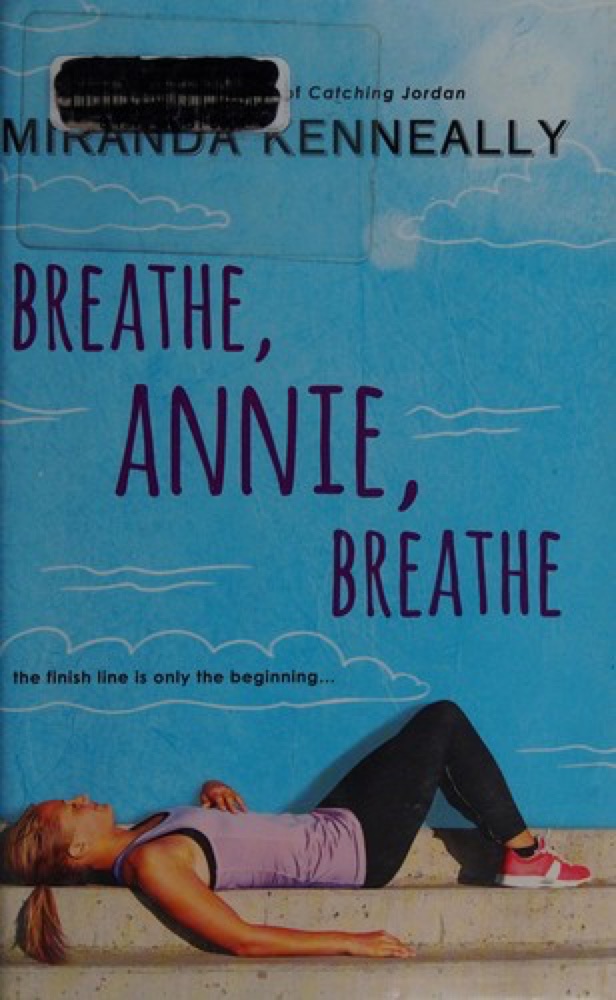 Breathe, Annie, Breathe
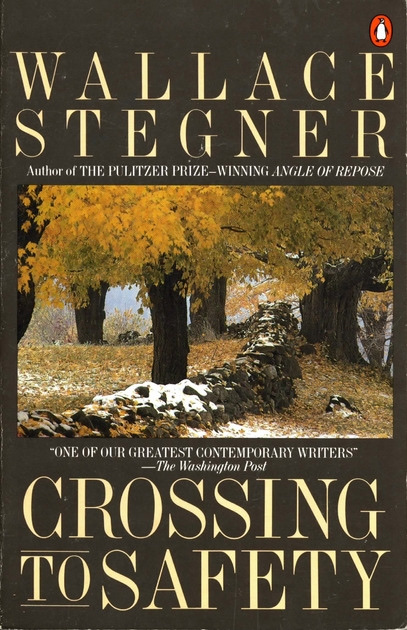 Crossing to Safety
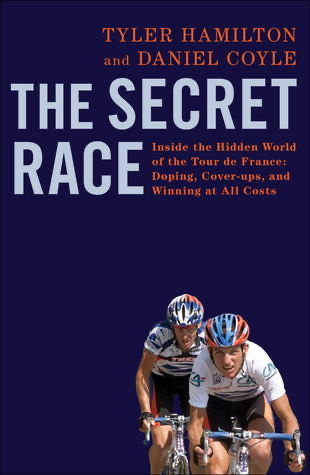 The Secret Race: Inside the Hidden World of the Tour de France: Doping, Cover-ups, and Winning at All Costs
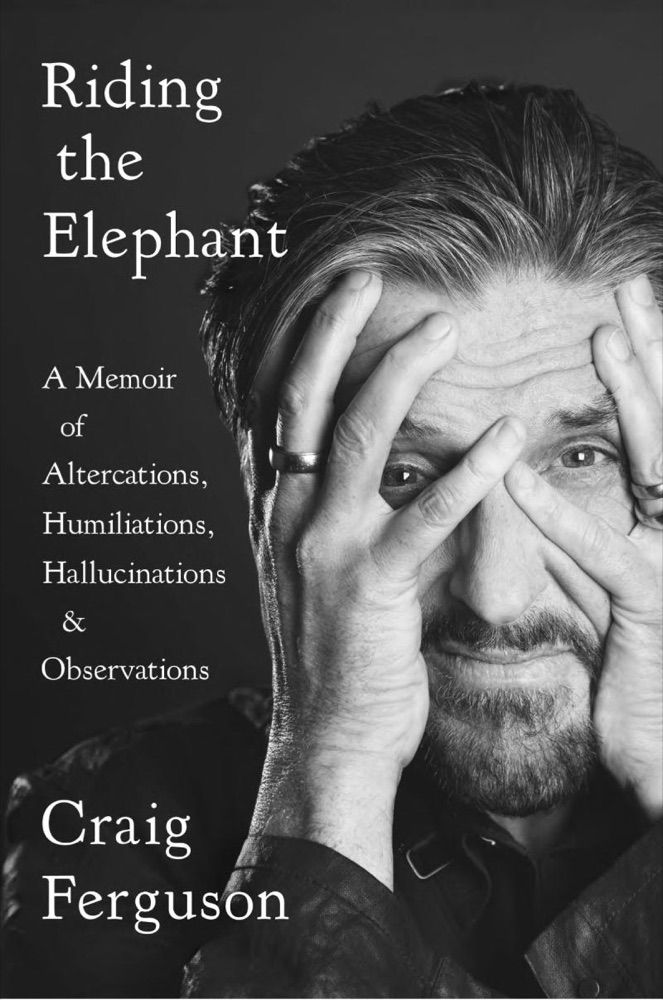 Riding the Elephant: A Memoir of Altercations, Humiliations, Hallucinations, and Observations
 Dottir: My Journey to Becoming a Two-Time CrossFit Games Champion
 The Rider
 Fighting Ruben Wolfe
 Devolution: A Firsthand Account of the Rainier Sasquatch Massacre
 Thrive: The Third Metric to Redefining Success and Creating a Life of Well-Being, Wisdom, and Wonder
 Down and Across
 The Last Englishman
 Outrun the Moon
 The Happiness of Pursuit: Finding the Quest That Will Bring Purpose to Your Life
 Open
Open
 Rough Magic: Riding the World's Loneliest Horse Race
 A Million Miles in a Thousand Years: What I Learned While Editing My Life
 The Long Way to a Small, Angry Planet
 The Secret to Superhuman Strength
 The Resistance
 Running for My Life: One Lost Boy's Journey from the Killing Fields of Sudan to the Olympic Games
 Capital Gaines: Smart Things I Learned Doing Stupid Stuff
 Big Machine
 AWOL on the Appalachian Trail
 The Atlantis Gene
 Mind Gym: An Athlete's Guide to Inner Excellence
 My Fight / Your Fight
 Animal Dreams
 Life Without Limits
 Mrs Funnybones
 The Rise of Superman: Decoding the Science of Ultimate Human Performance