
 Platform
Quotes from the Book
Those who love life do not read. Nor do they go to the movies, actually. No matter what might be said, access to the artistic universe is more or less entirely the preserve of those who are a little fed up with the world.
521
Life is painful and disappointing. It is useless, therefore, to write new realistic novels. We generally know where we stand in relation to reality and don’t care to know any more.
103
Few beings have ever been so impregnated, pierced to the core, by the conviction of the absolute futility of human aspiration. The universe is nothing but a furtive arrangement of elementary particles. A figure in transition toward chaos. That is what will finally prevail. The human race will disappear. Other races in turn will appear and disappear. The skies will be glacial and empty, traversed by the feeble light of half-dead stars. These too will disappear. Everything will disappear. And human actions are as free and as stripped of meaning as the unfettered movements of the elementary particles. Good, evil, morality, sentiments? Pure ‘Victorian fictions.’ All that exists is egotism. Cold, intact, and radiant.
82
There is nothing to suggest a trangression of the universal laws of egotism and malice. It is ridiculous to imagine that at the edge of the cosmos, other well-intentioned and wise beings await to guide us toward some sort of harmony. In order to imagine how they might treat us were we to come into contact with them, it might be best to recall how we treat "inferior intelligences" such as rabbits and frogs. In the best cases they serve as food for us, sometimes also, often in fact, we kill them for the sheer pleasure of killing. Thus, [Author: Lovecraft] warned, would be the true picture of our future relationship to those other intelligent beings. Perhaps some of the more beautiful human species would be honored and would end up on a dissection table - that's all.
12
Quand on aime la vie, on ne lit pas.
11
Adulthood is hell. In the face of such a trenchant position, “moralists” today will utter vague, opprobrious grumblings while waiting for a chance to strike with their obscene intimations. Perhaps Lovecraft actually could not become an adult; what is certain is that he did not want to. And given the values that govern the adult world, how can you argue with him? The reality principle, the pleasure principle, competitiveness, permanent challenges, sex and status—hardly reasons to rejoice. Lovecraft, for his part, knew he had nothing to do with this world. And at each turn he played a losing hand. In theory and in practice. He lost his childhood; he also lost his faith. The world sickened him and he saw no reason to believe that by looking at things better they might appear differently. He saw religions as so many sugar-coated illusions made obsolete by the progress of science. At times, when in an exceptionally good mood, he would speak of the enchanted circle of religious belief, but it was a circle from which he felt banished, anyway.
5
What was he doing? Reading a little, maybe. We can't even be sure of this. In fact, his biographers have to admit they don't know much at all, and that, judging from appearances - at least between the ages of eighteen and twenty-three - he did absolutely nothing.
5
In his entire body of work, there is not a single allusion to two of the realities to which we generally ascribe great importance: sex and money. Truly not one reference. He writes exactly as though these things did not exist. So much so that when a female character does intervene in a story (which occurs altogether twice) one feels an odd twinge of bizarreness, as if he had suddenly decided to describe a Japanese person.
2
İster aşk ister nefret olsun her büyük tutku en nihayetinde özgün bir eser üretir. Beğenmemek mümkün ancak kabul edilmelidir ki: Lovecraft daha çok nefretten yanadır; nefret ve korkudan yana. ... Tüm biçimleriyle hayata bir alternatif sunmak, hayata kalıcı bir karşıtlık, kalıcı bir çıkış yolu oluşturmak: İşte şairin bu dünyadaki en yüce görevi budur. Howard Phillips Lovecraft bu görevi yerine getirmiştir.
Liberal capitalism has extended its grip on consciences: walking hand and hand with it come the mercenary attitude, advertising, the absurd and sneering cult of economic efficiency, the exclusive and unrestrained appetite for material wealth. Even worse, liberalism has extended from the economic domain to the sexual domain. All the sentimental fictions have been shattered. Purity, chastity, fidelity, decency have become ridiculous stigmas. The value of a human being is measured today by his economic efficiency and his erotic potential.
How We Can Learn From Howard Phillips Lovecraft to Turn Our Spirit into a Living Sacrifice
Watch on YouTube
About Michel Houellebecq
We have collected 103 quotes from 5 books by Michel Houellebecq on BookQuoters.
More about the author →More by Michel Houellebecq
About the book
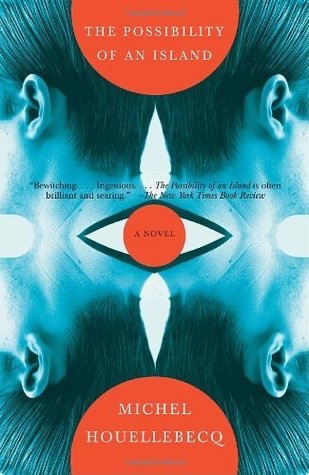
In this prescient work, Michel Houellebecq focuses his considerable analytical skills on H. P. Lovecraft, the seminal, enigmatic horror writer of the early 20th century. Houellebecq’s insights into the craft of writing illuminate both Lovecraft and Houellebecq’s own work. The two are kindred spirits, sharing a uniquely dark worldview. But even as he outlines Lovecraft’s rejection of this loathsome world, it is Houellebecq’s adulation for the author that drives this work and makes it a love song, infusing the writing with an energy and passion not seen in Houellebecq’s other novels to date.
Book details
- First published
- 1991
- Author
- Michel Houellebecq
- Genre
- Nonfiction
- Goodreads rating
- 3.95 (4k ratings)
Keep reading
 The Art of the Novel
 Whatever
 Eyeless in Gaza
 The Language of the Night: Essays on Writing, Science Fiction, and Fantasy
 Moravagine
 The Wave in the Mind: Talks and Essays on the Writer, the Reader and the Imagination
 The Conspiracy Against the Human Race
 The Western Lands
 The Occult
 Nothing to Be Frightened Of
 Twilight of the Idols/The Anti-Christ
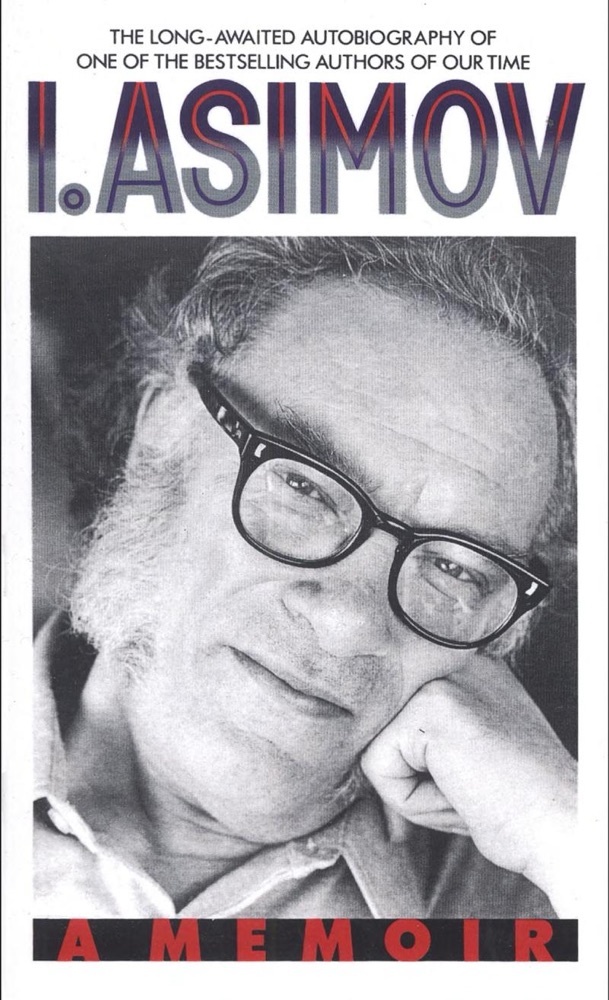 I. Asimov: A Memoir
 Untimely Meditations
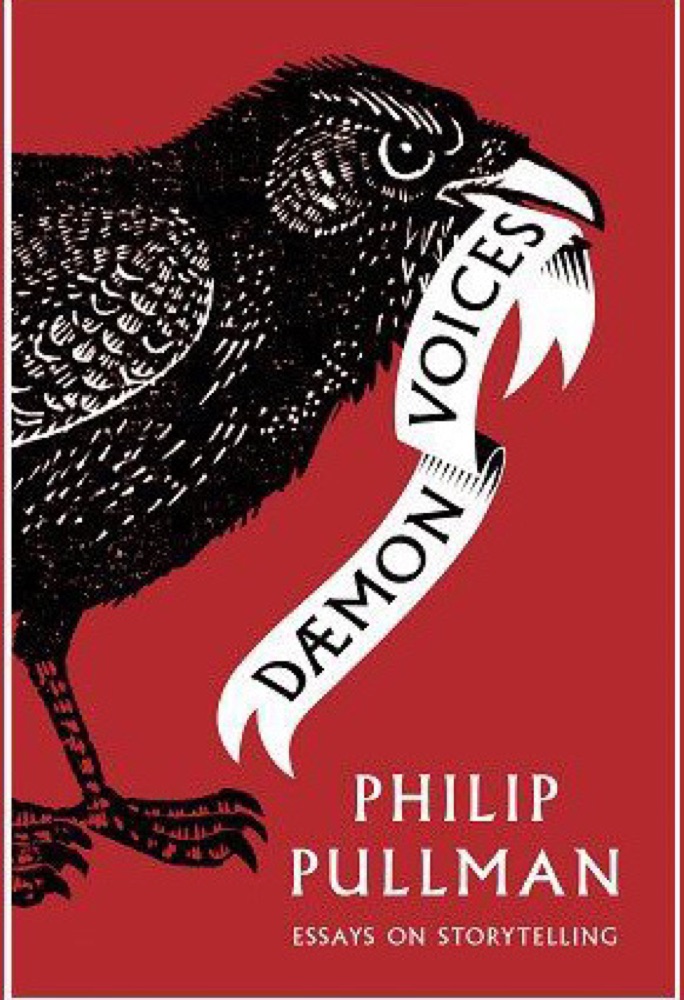 Dæmon Voices
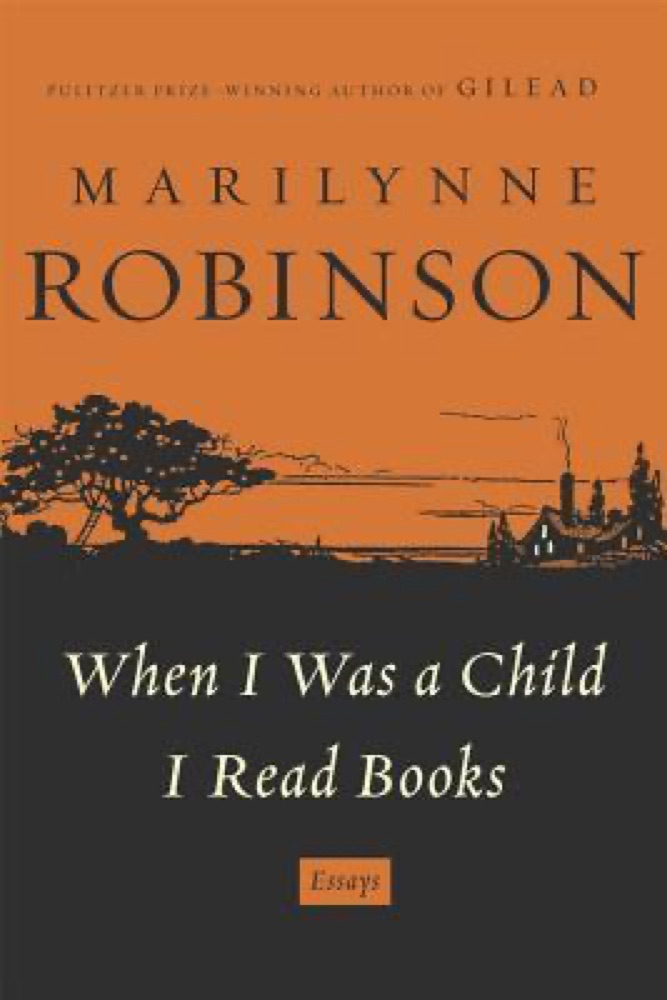 When I Was a Child I Read Books
 The Big Green Tent
 Heretics
 Gnomon
 Maldoror and the Complete Works
 The Temptation to Exist
 The Manticore
 Consider the Lobster and Other Essays
 The World's Last Night: And Other Essays
 Basic Writings of Nietzsche
 Point Counter Point
 Selected Non-Fictions
 The Captive Mind
 The Elementary Particles
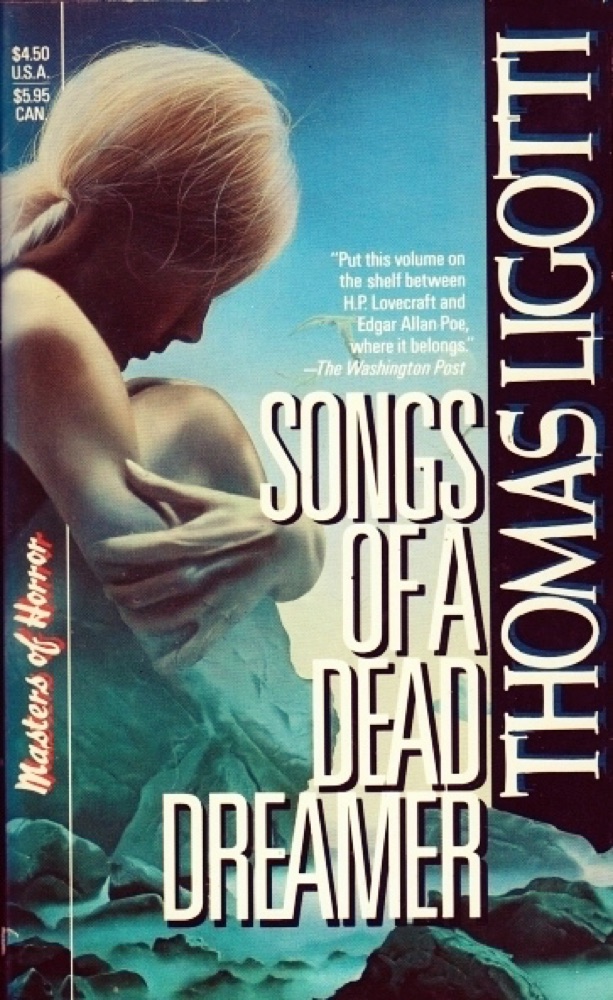 Songs of a Dead Dreamer
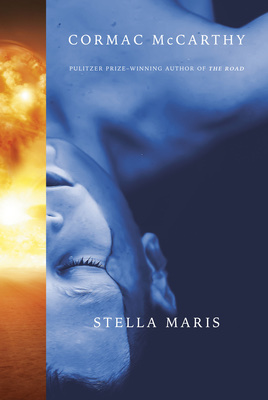 Stella Maris
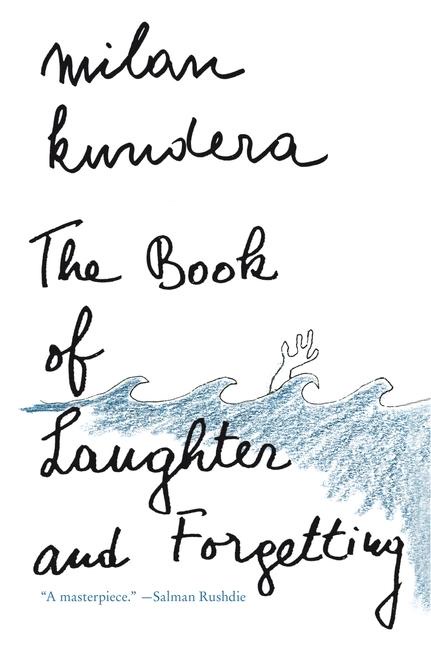 The Book of Laughter and Forgetting
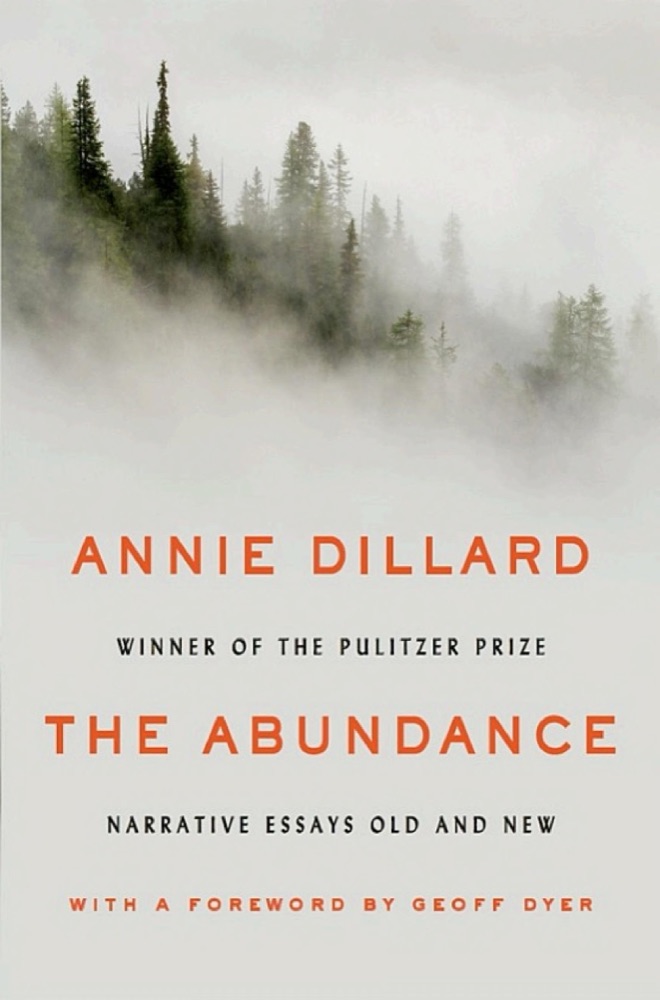 The Abundance
 Mystery and Manners: Occasional Prose
 Nutshell
 Complete Works of Oscar Wilde
 How to Read Literature
 Sexus
Sexus
 Anti-Oedipus: Capitalism and Schizophrenia
 A Language Older Than Words
 The Source of Self-Regard: Selected Essays, Speeches, and Meditations
 The Man in the High Castle
 The World as Will and Representation, Vol 1
 The Man Without Qualities
 Too Like the Lightning
 Burning Questions: Essays and Occasional Pieces, 2004 to 2021
 The Mind of the Maker: Dorothy L. Sayers' Witty Classic on the Trinity, Christianity, and Human Creativity
 The Wisdom of Life
 Reading Lolita in Tehran: A Memoir in Books
 Cultural Amnesia: Necessary Memories from History and the Arts
 Monday or Tuesday
 Red Pill
 Tears and Saints
 No Time To Spare: Thinking About What Matters
 The View from the Cheap Seats: Selected Nonfiction
 Hitch-22: A Memoir
 Myths to Live By
 On the Heights of Despair
 The Triggering Town: Lectures and Essays on Poetry and Writing
 The Fall of Hyperion
 The Futurological Congress: From the Memoirs of Ijon Tichy