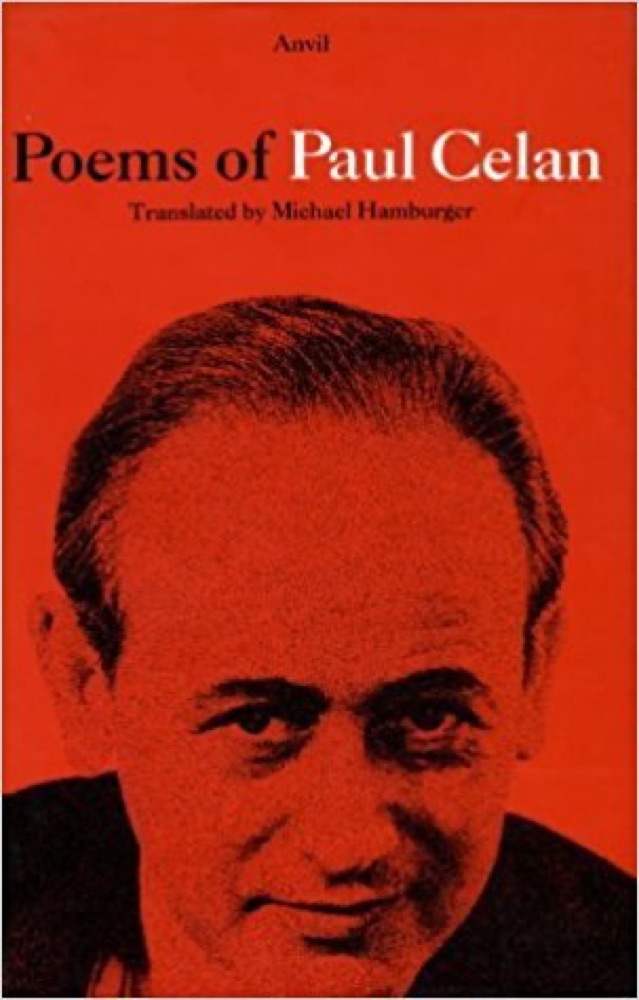
 Poems of Paul Celan
Quotes from the Book
Paths of the mirror" I And above all else, to look with innocence. As if nothing was happening, which is true. II But you, I want to look at you until your face escapes from my fear like a bird from the sharp edge of the night. III Like a girl made of pink chalk on a very old wall that is suddenly washed away by the rain. IV Like when a flower blooms and reveals the heart that isn’t there. V Every gesture of my body and my voice to make myself into the offering, the bouquet that is abandoned by the wind on the porch. VI Cover the memory of your face with the mask of who you will be and scare the girl you once were. VII The night of us both scattered with the fog. It’s the season of cold foods. VIII And the thirst, my memory is of the thirst, me underneath, at the bottom, in the hole, I drank, I remember. IX To fall like a wounded animal in a place that was meant to be for revelations. X As if it meant nothing. No thing. Mouth zipped. Eyelids sewn. I forgot. Inside, the wind. Everything closed and the wind inside. XI Under the black sun of the silence the words burned slowly. XII But the silence is true. That’s why I write. I’m alone and I write. No, I’m not alone. There’s somebody here shivering. XIII Even if I say sun and moon and star I’m talking about things that happen to me. And what did I wish for? I wished for a perfect silence. That’s why I speak. XIV The night is shaped like a wolf’s scream. XV Delight of losing one-self in the presaged image. I rose from my corpse, I went looking for who I am. Migrant of myself, I’ve gone towards the one who sleeps in a country of wind. XVI My endless falling into my endless falling where nobody waited for me –because when I saw who was waiting for me I saw no one but myself. XVII Something was falling in the silence. My last word was “I” but I was talking about the luminiscent dawn. XVIII Yellow flowers constellate a circle of blue earth. The water trembles full of wind. XIX The blinding of day, yellow birds in the morning. A hand untangles the darkness, a hand drags the hair of a drowned woman that never stops going through the mirror. To return to the memory of the body, I have to return to my mourning bones, I have to understand what my voice is saying.
18
I don't know how to speak anymore. And with whom? I never found a soulmate. No one was a dream. They left me with open dreams, with my central wound wide open, with my heart torn. I mourn myself; this is my right. And yet I look down on those who take no interest in me. My only desire has been. I will not say it. Even I, or especially I, betray myself. Like a nursing boy, my soul has been soothed. I don't know how to speak anymore. I can't speak anymore. I have taken apart, what they never gave me, which was all I had. And it is death again. It closes in on me, it is my only horizon. No one resembles my dream. I have felt love and they mistreated it, yes, me, I who never loved. The deepest love will disappear forever. What can we love that isn't a shadow? The sacred dreams of childhood have already died, and with them, those of nature, which loved me.
15
(…) what happened (to Kafka) is the same as what happened to me: he withdrew he went too far into solitude and knew — he must’ve known — you never come back from there
8
I mourn myself; this is my right.
8
Your bones ache on the brink of morning. You split open. I am warning you and I warned you. You disarm. I tell you and I told you. You undress. You divest. You come undone.
7
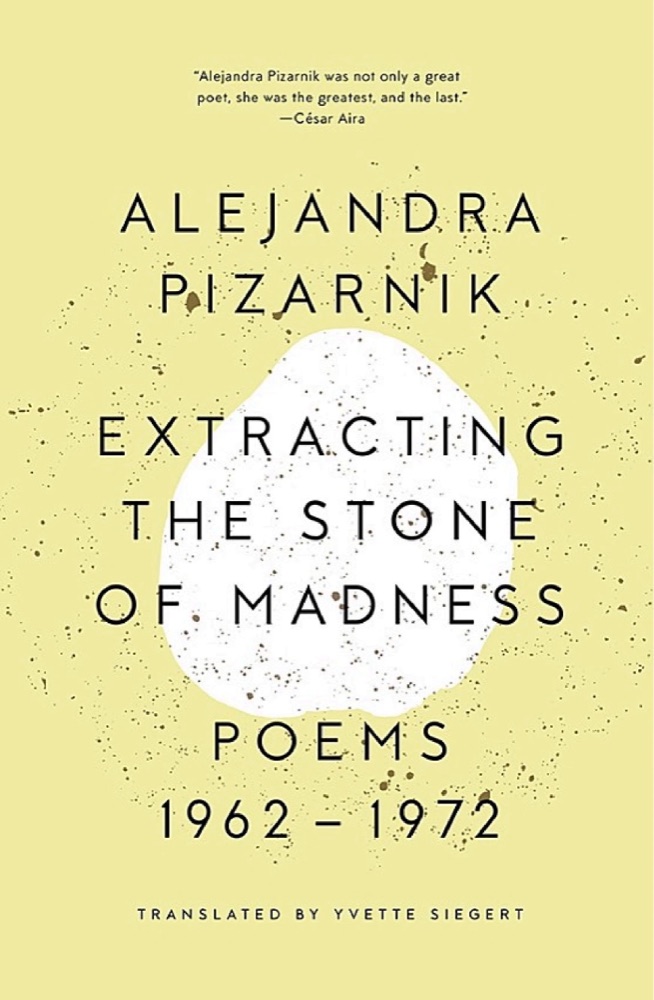
But don’t speak of gardens. Don’t speak of the moon. Don’t speak of roses or the sea. Speak of what you know. Speak of the thing that rings in the marrow, that plays in your eyes with shadow and light. Speak of the endless ache in your bones. Speak of vertigo. Speak of respiration and of desolation and of your treason. It’s so dark, so silent, this process that grips me. Just speak of the silence. — Alejandra Pizarnik, Extracting the Stone of Madness: Poems 1962 – 1972. (New Directions; 1 edition May 17, 2016)
6
And it's always the lilac garden on the other side of the river. If the soul should ask you if that is far from here, you should say, On the other side of the river, not this one, but the one over there.
5
Someone in the garden is delaying the passing of time.
3
All night long I hear the call of death, all night long I hear the song of death down by the river, all night long I hear the voice of death calling out to me.
3
Dusk" The shadow covers the outer petals The wind makes off with the final gestures of leaves The foreign, now twice-silenced sea inside a summer pitied for its lights A longing from here A memory from there
3
Maybe someday we will find refuge in true reality. In the meantime, can I just say how opposed I am to all of this?
2
you have to cry until you break in order to make or utter a small song, to scream so much to fill the holes of absence that's what you did, what I did.
2
I stored up the purest words for making new silences
2
And at night, always, a tribe of mutilated words, looks for refuge in my throat.
1
But you I want to look at until your face fades from my fear, like a bird stepping away from the sharp edges of night. — Alejandra Pizarnik, trans. by Yvette Siegert, from “Paths of the Mirror,” Extracting the Stone of Madness (New Directions; Bilingual edition, May 17, 2016)
1
cada hora, cada día, yo quisiera no tener que hablar. figuras de cera los otros y sobre todo yo, que soy más otra que ellos. nada pretendo en éste poema si no es desanudar mi garganta.
1
Como quien no quiere la cosa. Ninguna cosa. Boca cosida. Párpados cosidos. Me olvidé. Adentro el viento. Todo cerrado y el viento adentro.
Hablo como en mí se habla. No mi voz obstinada en parecer una voz humana sino la otra que atestigua que no he cesado de morar en el bosque.
And it’s always the lilac garden on the other side of the river. If the soul should ask you if that is far from here, you should say, On the other side of the river, not this one, but the one over there. — Alejandra Pizarnik, “Rescue,” Extracting the Stone of Madness: Poems (New Directions May 17, 2016) First published January 1, 1968.
Clock A tiny lady, so tiny, who lives in the heart of a bird goes out at dawn to utter her only syllable: NO
Asking is so far away. And so close, this knowledge of want.
Grises pájaros en el amanecer son a la ventana cerrada lo que a mis males mi poema
Hide me from this battle with words / and put out the furies of my elemental body.
And how many centuries has it been since I’ve been dead and loved you?
I only think of your body but I redo the body of my poem like someone who tries to cure her own wound.
Watch on YouTube
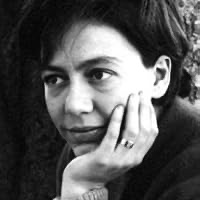
About Alejandra Pizarnik
We have collected 25 quotes from 1 book by Alejandra Pizarnik on BookQuoters.
More about the author →About the book
Revered by the likes of Octavio Paz and Roberto Bolano, Alejandra Pizarnik is still a hidden treasure in the U.S. Extracting the Stone of Madness: Poems 1962–1972 comprises all of her middle to late work, as well as a selection of posthumously published verse. Obsessed with themes of solitude, childhood, madness and death, Pizarnik explored the shifting valences of the self and the border between speech and silence. In her own words, she was drawn to "the suffering of Baudelaire, the suicide of Nerval, the premature silence of Rimbaud, the mysterious and fleeting presence of Lautréamont,” as well as to the “unparalleled intensity” of Artaud’s “physical and moral suffering.”
Book details
- First published
- 1968
- Author
- Alejandra Pizarnik
- Genre
- Literature
- Goodreads rating
- 4.24 (3k ratings)
Keep reading
Poems of Paul Celan
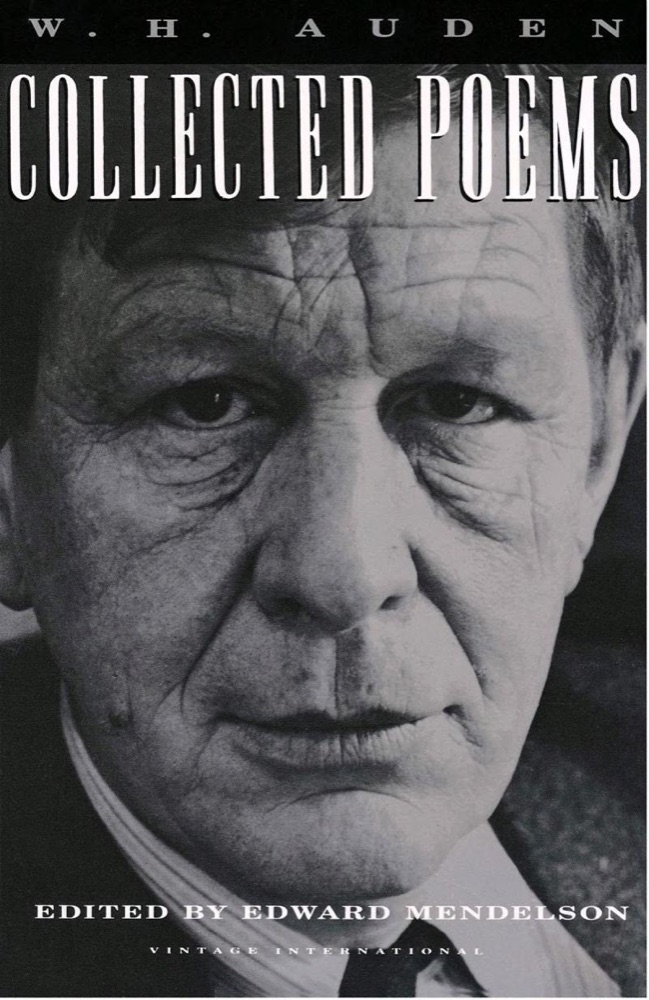 Collected Poems
 The Collected Poems
 The Complete Poems of Anna Akhmatova
 Selected Poems
 The Stream of Life
 The Complete Poems of Emily Dickinson
 By Grand Central Station I Sat Down and Wept
 Brute: Poems
 Greek Lessons
 Book of Longing
 Poems, 1962-2012
 All of Us: The Collected Poems
 The Collected Poems of Audre Lorde
 The Complete Poems
 Poems New and Collected
 The Waves
 Plainwater: Essays and Poetry
 Selected Poems
 Dearly
 The Madness Vase
 Selected Poems
 Diaries, 1910-1923
 The Black Unicorn: Poems
 The Essential Neruda: Selected Poems
 Les Fleurs du Mal
 House of Leaves
 A Breath of Life
 The Waste Land
 Johnny Panic and the Bible of Dreams: Short Stories, Prose and Diary Excerpts
 Meditations in an Emergency
 Sonnets to Orpheus
 The Unnamable
 The Carrying
 Violet Bent Backwards Over the Grass
 Amulet
 Collected Poems, 1909-1962
 Ariel
Ariel
 Near to the Wild Heart
 The Lover
 The Subterraneans
 When You Ask Me Where I'm Going: Young Adult Prose Poetry on Trauma, Feminism, and Empowerment
 Spoon River Anthology
 Tristessa
 The Dream Songs
 Black Spring
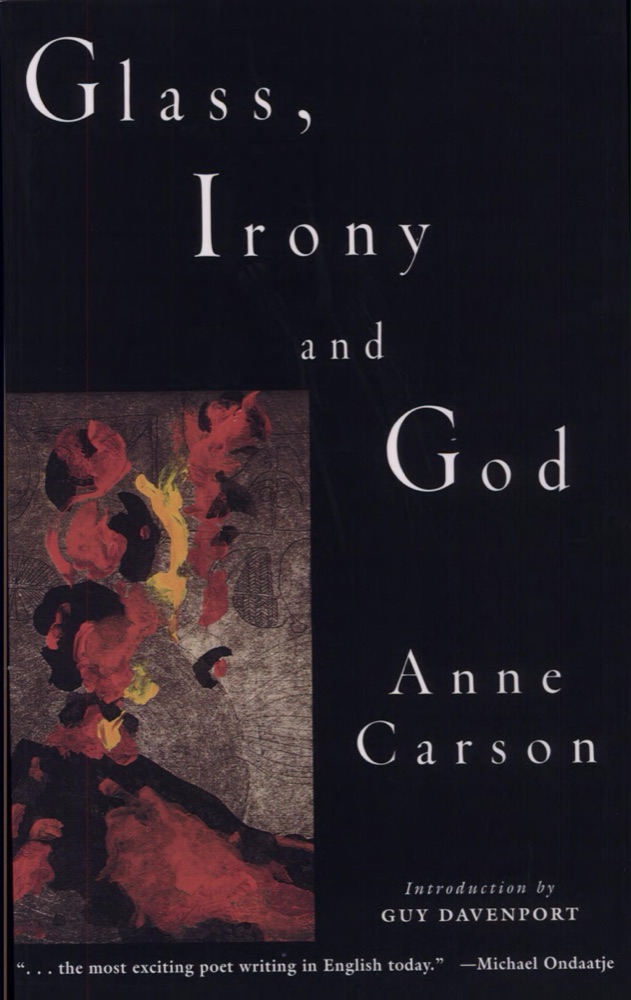 Glass, Irony and God
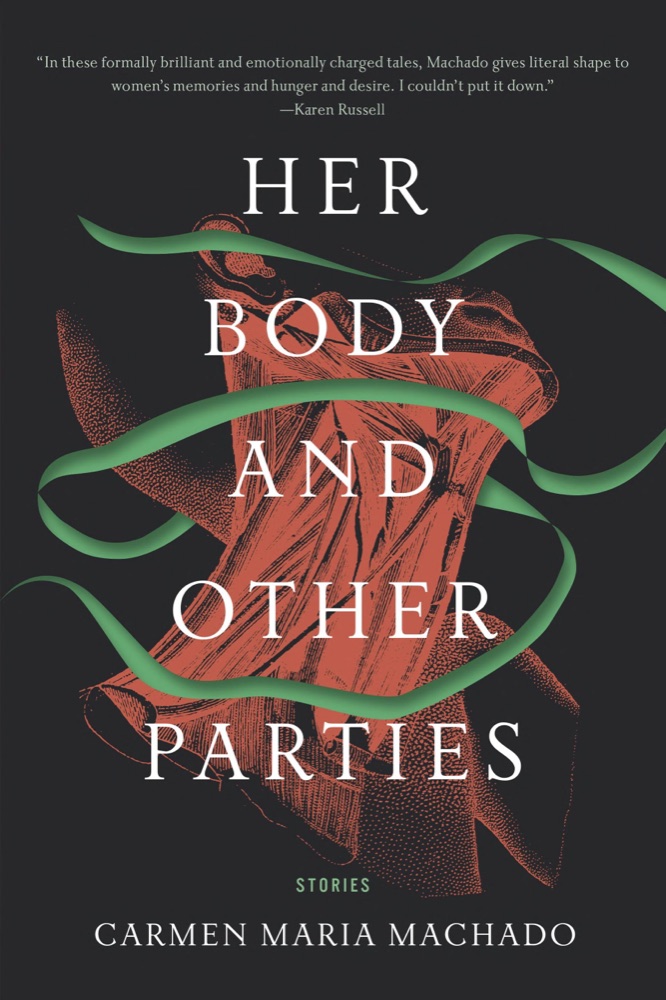 Her Body and Other Parties
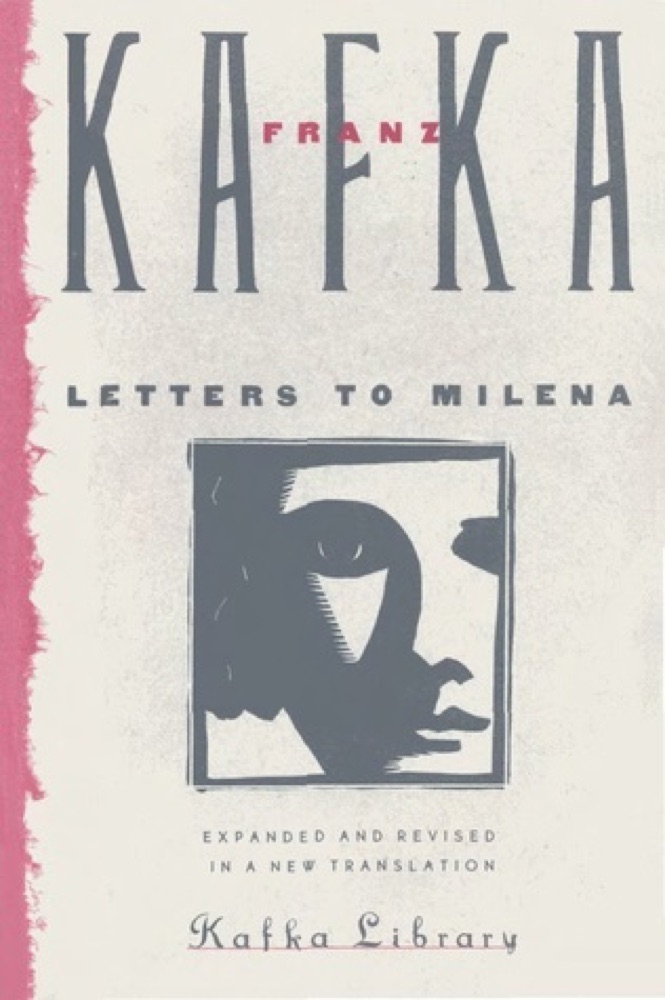 Letters to Milena
 Nejma
Nejma
 The Dream of a Common Language
 Possession
 In the Heart of the Heart of the Country and Other Stories
 Selected Poems
 New and Selected Poems, Vol. 2
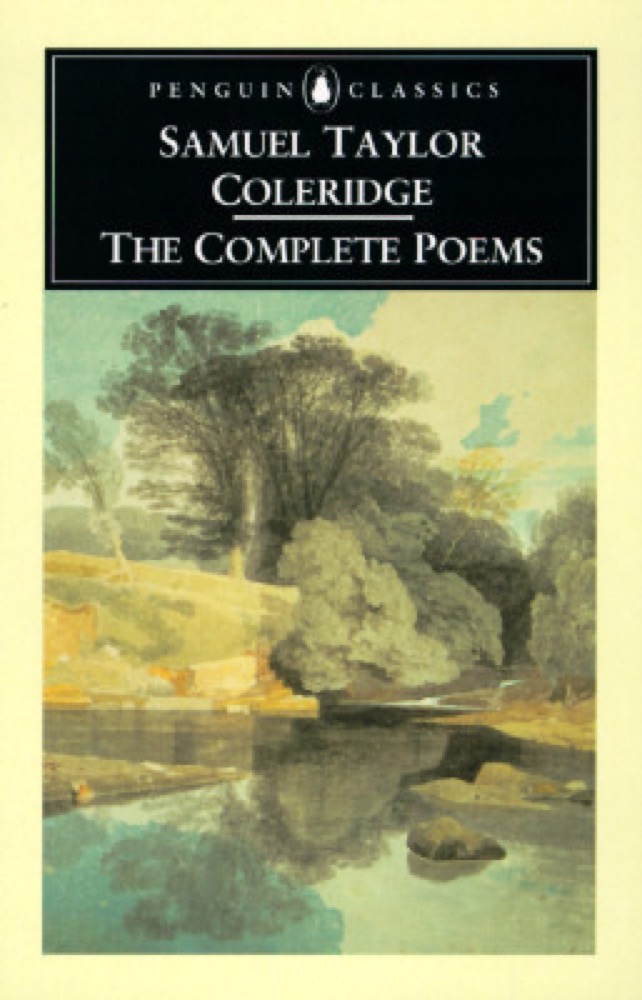 The Complete Poems
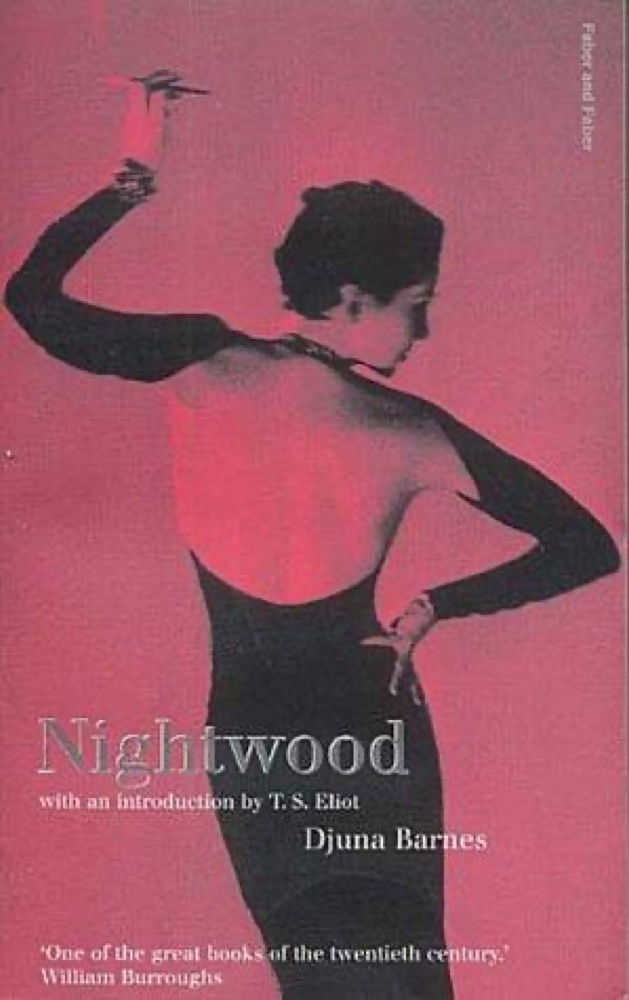 Nightwood
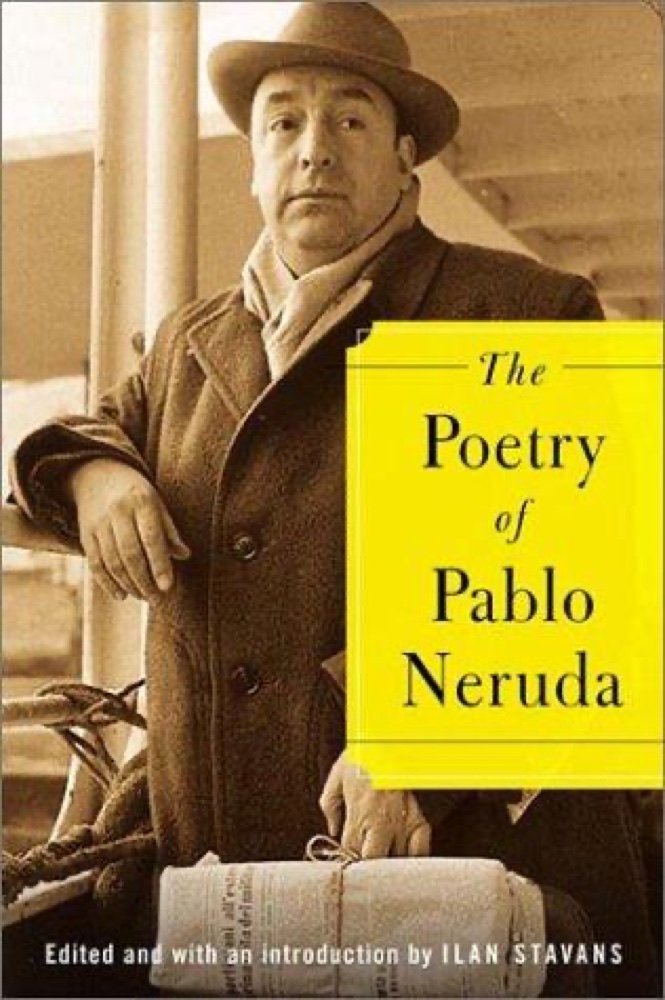 The Poetry of Pablo Neruda
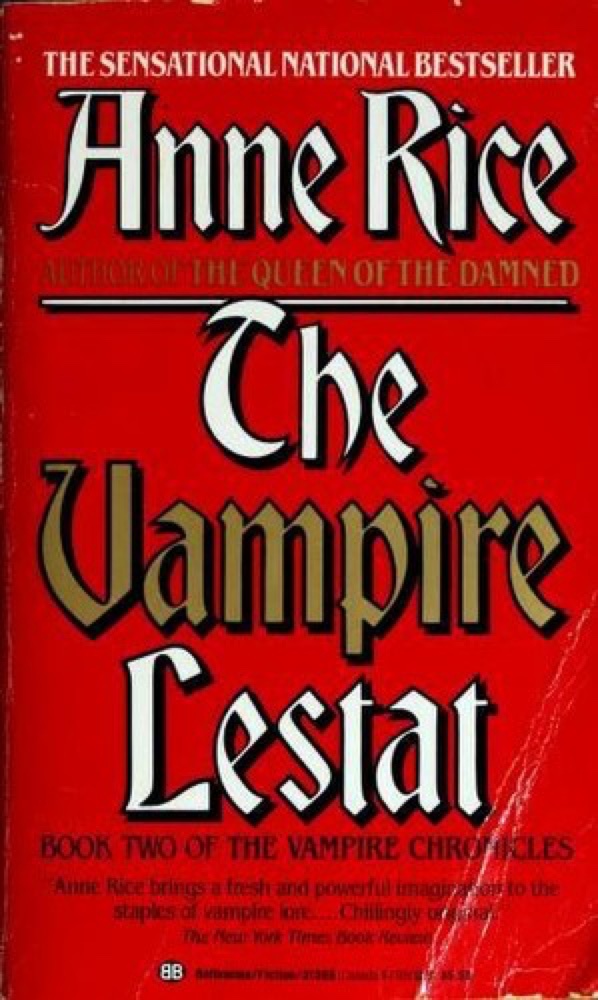 The Vampire Lestat