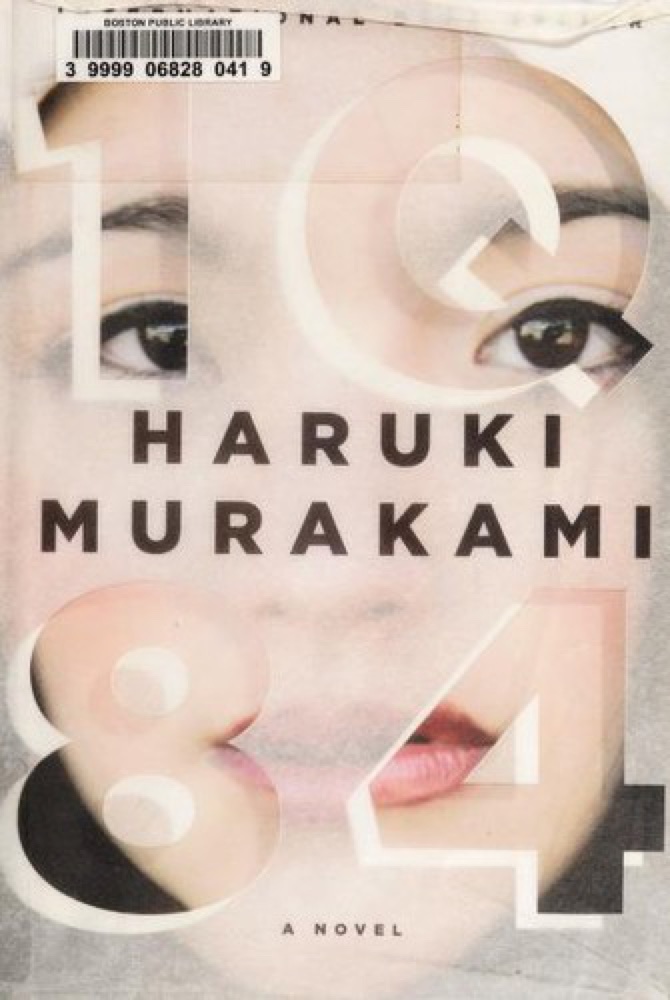
 1Q84
1Q84
Quotes from the Book
Like dry ground welcoming the rain, he let the solitude, silence, and loneliness soak in.
120
So in the end maybe that’s the challenge: to look inside your own heart as perceptively and seriously as you can, and to make peace with what you find there. If we hope to truly see another person, we have to start by looking within ourselves.” Takatsuki
107
Whether you want to or not. But the place you return to is always slightly different from the place you left. That’s the rule. It can never be exactly the same.” A
86
You are a pastel-colored Persian carpet, and loneliness is a Bordeaux wine stain that won’t come out
68
Music has that power to revive memories, sometimes so intensely that they hurt. But
61
No matter how empty it may be, this is still my heart.
49
I wish there was a machine that could accurately measure sadness, and display it in numbers that you could record. And it would be great if that machine could fit in the palm of your hand. I think of this every time I measure the air in my tires.
44
There were times he thought it would have been far better to never have known. Yet he continued to return to his core principle: that, in every situation, knowledge was better than ignorance. However agonizing, it was necessary to confront the facts. Only through knowing could a person become strong.
43
I've finally experienced what the poet felt. The deep sense of loss after you've met the woman you love, have made love, then said goodbye. Like you're suffocating. The same emotion hasn't changed at all in a thousand years.
41
If you don’t know what you’re looking for, it’s not easy to look for it.” Erika
41
Women are all born with a special, independent organ that allows them to lie. This was Dr. Tokai's personal opinion. It depends on the person, he said about the kind of lies they tell, what situation they tell them in, and how the lies are told. But at a certain point in their lives, all women tell lies, and they lie about important things. They lie about unimportant things, too, but they also don't hesitate to lie about the most important things. And when they do, most women's expressions and voices don't change at all, since it's not them lysing, but this independent organ they're equipped with that's acting on its own. That's why - except for a few special cases - they can still have a clear conscience and never lose sleep over anything they say.
38
The proposition that we can look into another person's heart with perfect clarity strikes me as a fool's game. I don't care how well we think we should understand them, or how much we love them. All it can do is cause us pain. Examining your own heart, however, is another matter. I think it's possible to see what's in there if you work hard enough at it. So in the end maybe that’s the challenge: to look inside your own heart as perceptively and seriously as you can, and to make peace with what you find there. If we hope to truly see another person, we have to start by looking within ourselves.
33
When I thought of how I’d been living, how I’d been approaching life, it was all so trite, so miserably pointless. Unimaginative middle-class rubbish, and I wanted to gather it all up and stuff it away in some drawer. Or else light it on fire and watch it go up in smoke (though what kind of smoke it would emit I had no idea).
32
It's strange, isn't it?' the woman said in a pensive voice. 'Everything is blowing up around us, but there are still those who care about a broken lock, and others who are dutiful enough to try to fix it... But maybe that's the way it should be. Maybe working on the little things as dutifully and honestly as we can is how we stay sane when the world is falling apart.
30
When I should have felt real pain, I stifled it. I didn’t want to take it on, so I avoided facing up to it. Which is why my heart is so empty now.
28
Tobacco’s a killer,” Kafuku said. “Being alive is a killer, if you think about it,” Misaki said.
24
One day, I lost sight of her. I happened to glance away for a moment, and when I turned back, she had disappeared.
22
I need to learn not just to forget but to forgive.
22
In his life, after all, he had achieved nothing, had been totally unproductive. He couldn’t make anyone else happy, and, of course, couldn’t make himself happy. Happiness? He wasn’t even sure what that meant. He didn’t have a clear sense, either, of emotions like pain or anger, disappointment or resignation, and how they were supposed to feel. The most he could do was create a place where his heart - devoid now of any depth or weight - could be tethered, to keep it from wandering aimlessly
19
Dreams are the kind of things you can—when you need to—borrow and lend out,
18
Have you ever tried really hard not to love somebody too much?” “Why?” “It’s simple, really. If I love her too much, it’s painful. I can’t take it. I don’t think my heart can stand it, which is why I’m trying not to fall in love with her.” “What are you doing, exactly, so that you don’t love her too much?” “I’ve tried all kinds of things,” he said. “But it all boils down to intentionally thinking negative thoughts about her as much as I can. I mentally list as many of her defects as I can come up with—her imperfections, I should say. And I repeat these over and over in my head like a mantra, convincing myself not to love this woman more than I should.” “Has it worked?” “No, not so well.
17
The scene seemed somehow divorced from reality, although reality, he knew, could at times be terribly unreal.
17
But there are times in this world when it’s not enough just not to do the wrong thing
15
dry ground welcoming the rain, he let the solitude, silence, and loneliness soak in.
15
I’m human, after all. I was hurt. But whether it was a lot or a little I can’t say.
14
Still, when you get to a certain age, and have created your own lifestyle and social standing, and only then start having grave doubts about your value as a human being,
12
Some people are polite, and some are quick. Each one’s a good quality to have, but most of the time quickness trumps politeness.
11
All he could do was wait like this, patiently, until it grew light out and the birds awoke and began their day. All he could do was trust in the birds, in all the birds, with their wings and beaks.
11
Then back to the stage, and the acting. The bright lights, the rehearsed lines. The applause, the falling curtain. Leaving who one was for a brief time, then returning. But the self that one returned to was never exactly the same as the self that one had left behind.
10
Pero el principio de que el saber está por encima de la ignorancia en cualquier situación constituía la base de su manera de pensar y su postura ante la vida. Por muy doloroso que resultase, debía saberlo. Porque sólo el saber fortalece a las personas.
10
Did you know?
- The collection was first published in Japanese by Bungeishunjū in 2014 and in English in 2017.
- Its English translation was the work of two translators, Philip Gabriel and Ted Goossen.
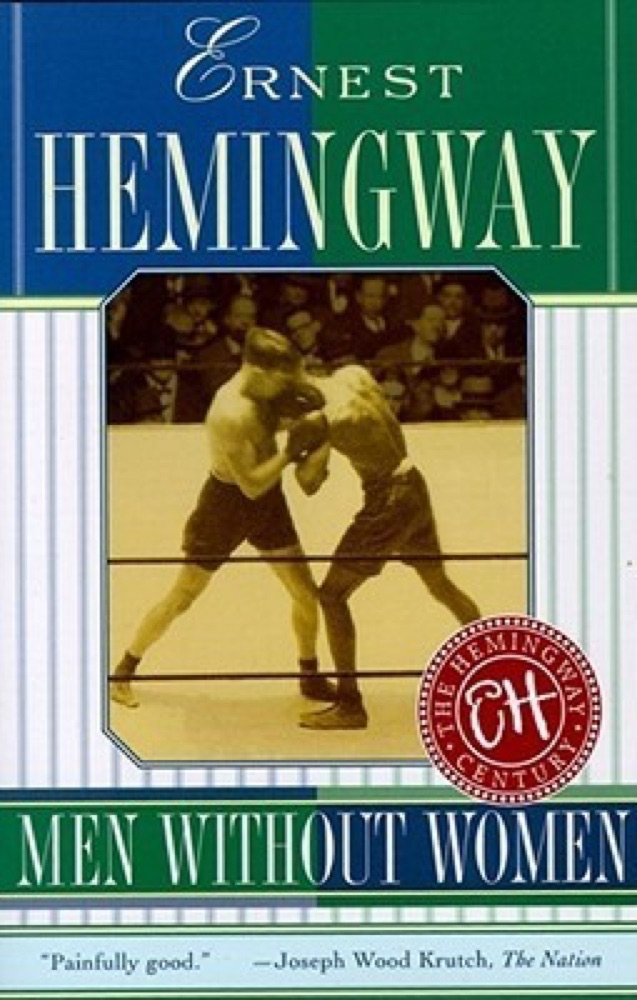
- The title is shared with Ernest Hemingway's 1927 short-story collection Men Without Women.
- Every story features a male protagonist who has lost or been left by a woman.
- The opening story, Drive My Car, became the basis for Ryusuke Hamaguchi's Oscar-winning 2021 film.
- One story, Samsa in Love, reimagines the premise of Kafka's The Metamorphosis.
About Haruki Murakami
Haruki Murakami is a Japanese novelist and short-story writer born in 1949, internationally renowned for surreal, melancholic fiction such as Norwegian Wood, The Wind-Up Bird Chronicle, and 1Q84. His work has been translated into dozens of languages and has earned numerous international literary honors.
More about the author →More by Haruki Murakami
All books by Haruki Murakami →
About the book
Men Without Women is a collection of seven short stories by Japanese author Haruki Murakami, first published in Japanese in 2014 and in English in 2017. As the title suggests, each story centers on a male protagonist who has, in one way or another, lost a woman in his life, whether to another man, to estrangement, or to death. The pieces range from a widowed stage actor confiding in his driver to a man who wakes transformed in a reworking of Kafka, united by Murakami's recurring preoccupation with loneliness and absence.
Thematically the collection circles solitude, longing, memory, and the unknowability of other people, even those we are closest to. Murakami's familiar signatures recur throughout: jazz and the Beatles, cats, dreamlike or surreal turns, and quiet endings that withhold tidy resolution. The shared title nods to Ernest Hemingway's 1927 story collection of the same name, situating Murakami's meditations on masculine isolation within a longer literary lineage.
The book was a commercial success and drew wide attention from critics, who praised its atmosphere and emotional precision while noting its deliberately unresolved, enigmatic quality. Its profile grew further when the story Drive My Car, with elements drawn from Scheherazade and Kino, became the basis for Ryusuke Hamaguchi's 2021 film, which won the Academy Award for Best International Feature Film and was nominated in four categories total.
Key characters
- KafukuWidowed stage actor who hires a driver in Drive My Car
- KinoBar owner withdrawing from the world after his marriage ends, in Kino
- HabaraHousebound man visited by a woman who tells stories in Scheherazade
- Dr. TokaiCosmetic surgeon undone by love in An Independent Organ
- Gregor SamsaMan awakening transformed into a human in Samsa in Love
Book details
- First published
- 2014
- Length
- 288 pages
- Reading time
- 2 hours
- Author
- Haruki Murakami
- Genre
- Fiction
- Goodreads rating
- 3.73 (131k ratings) →
Critical reception
- Reviewers praised the collection's atmosphere and emotional precision, with one critic calling it a sparkling strand of precious stones.
- Critics noted the stories' deliberately unresolved, enigmatic quality, describing them as mesmerizing tales of profound alienation.
- The collection drew added attention after Drive My Car was adapted into the Oscar-winning 2021 film by Ryusuke Hamaguchi.
Movie & TV adaptations
- IMDb
If you liked this, read…
- 1After the QuakeAnother Murakami short-story collection exploring loss and quiet disquiet.
- 2Men Without Women (Hemingway)Hemingway's 1927 collection on masculine solitude that shares the title.
- 3The Elephant VanishesMurakami stories blending the mundane and the surreal.
Keep reading
 Colorless Tsukuru Tazaki and His Years of Pilgrimage
 Dream Count
 The City and Its Uncertain Walls
 First Person Singular: Stories
 Ghost Music
 Embers
 The Lake
 The Reader
 Seven Types of Ambiguity
 A Small Indiscretion
 Memoirs of a Geisha
 The Death of the Heart
 All the Lovers in the Night
 No One Writes Back
 The Zahir
 Kokoro
 Chances Are...
 The Inexplicable Logic of My Life
 The Lies About Truth
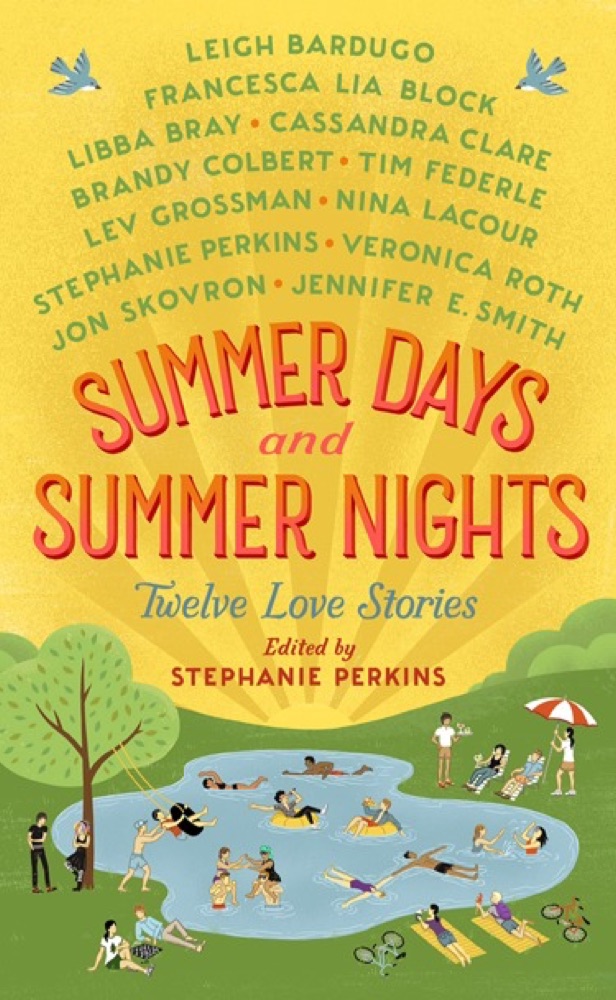 Summer Days and Summer Nights: Twelve Love Stories
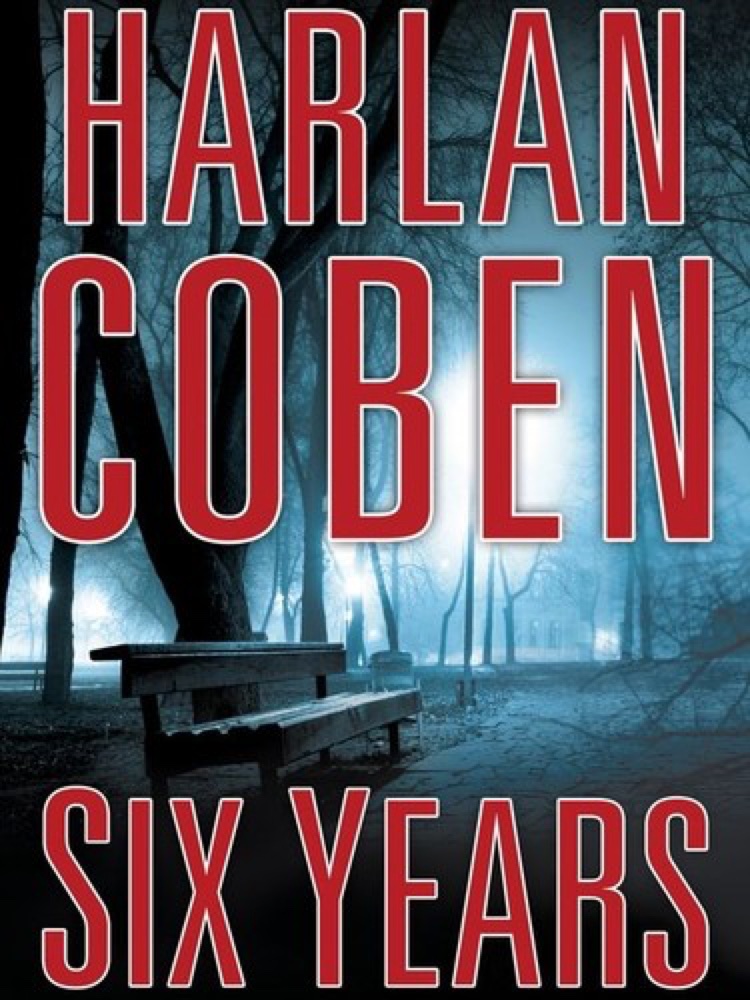 Six Years
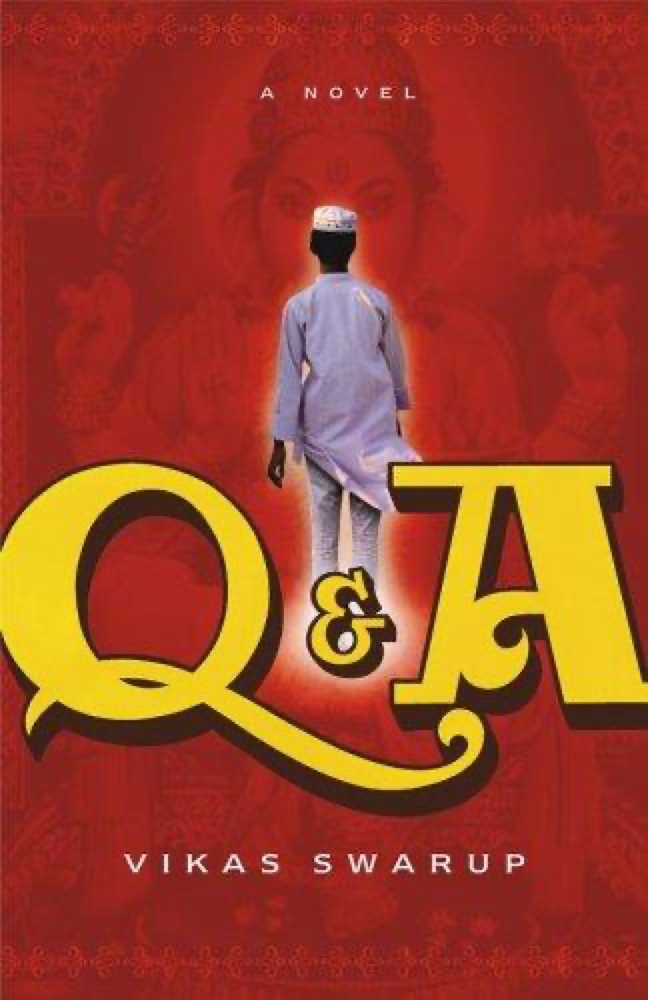 Q & A
Q & A
 The Death of Vivek Oji
 Cold Mountain
 What I Loved
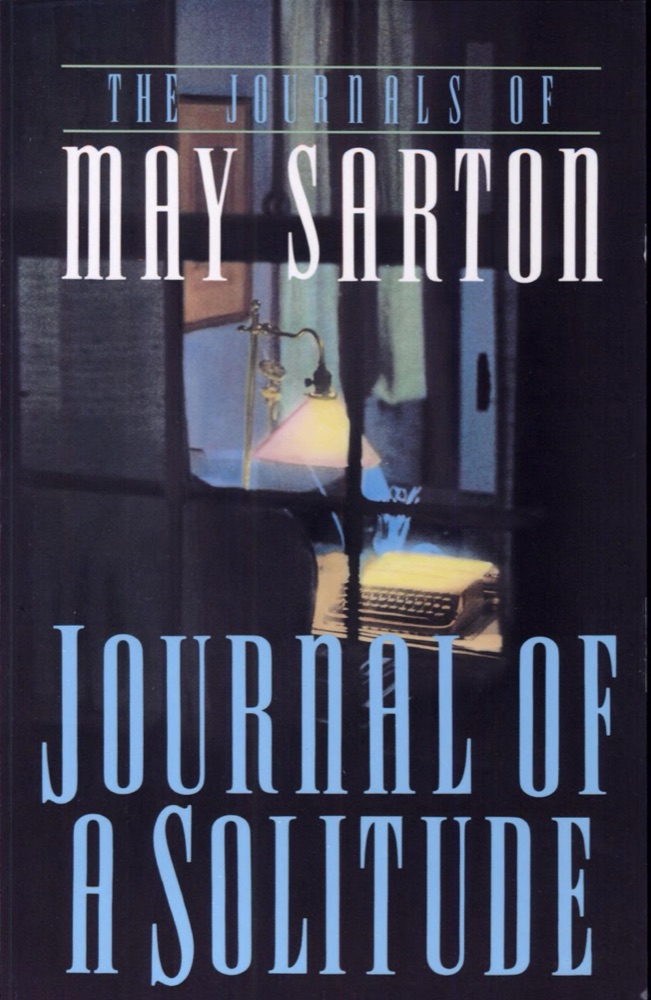 Journal of a Solitude
 Watermelon
 Swann's Way
 Panenka
 Hollow City
 Outline
 The Proposal
 The Heart Is a Lonely Hunter
 Any Human Heart
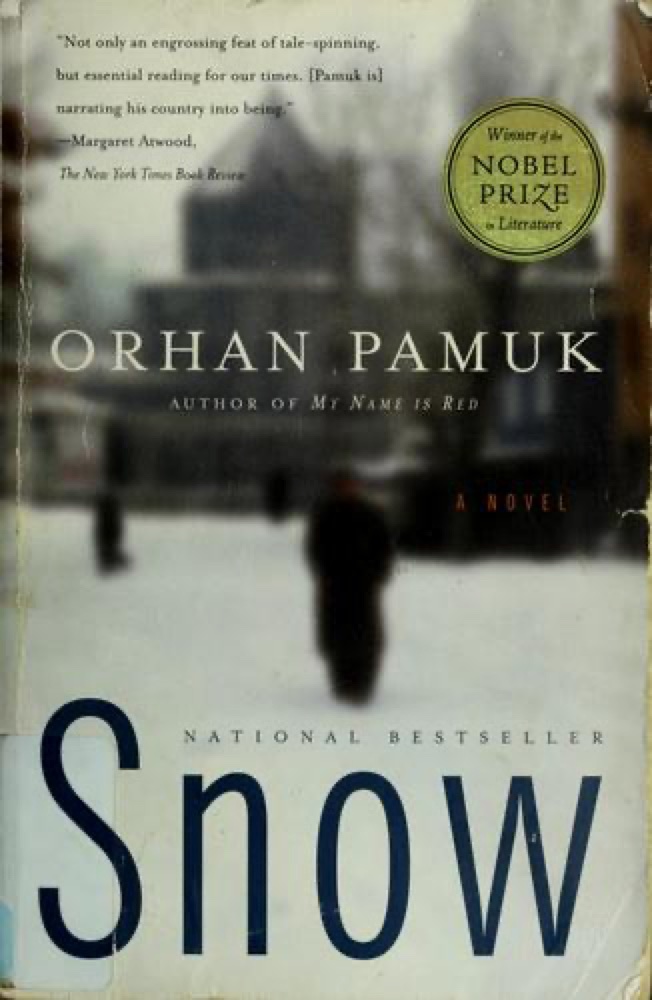 Snow
Snow
 The Collected Stories of Lydia Davis
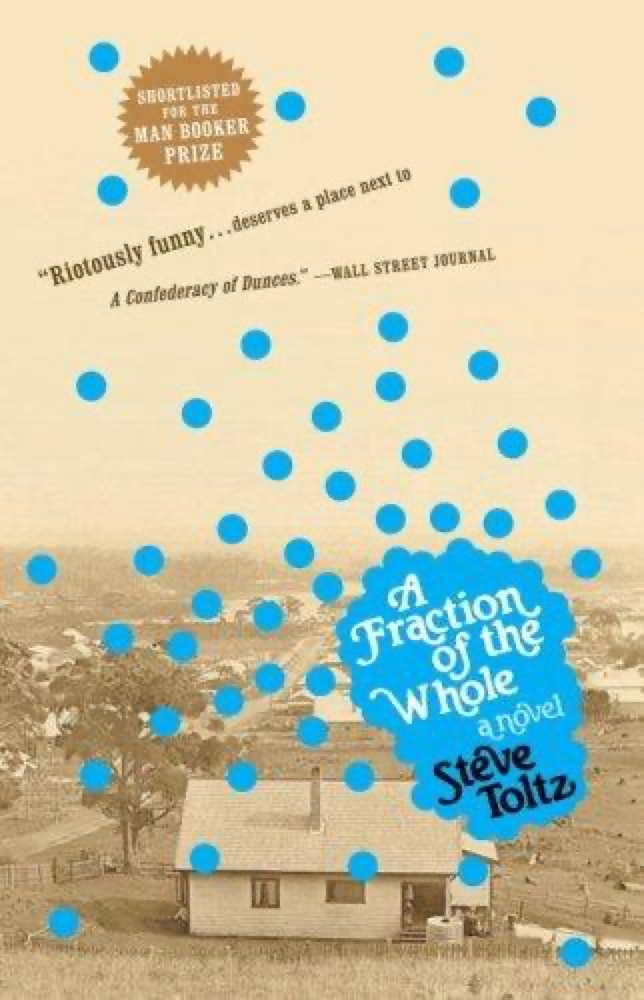 A Fraction of the Whole
 Swimming in the Dark
 The Swan Thieves
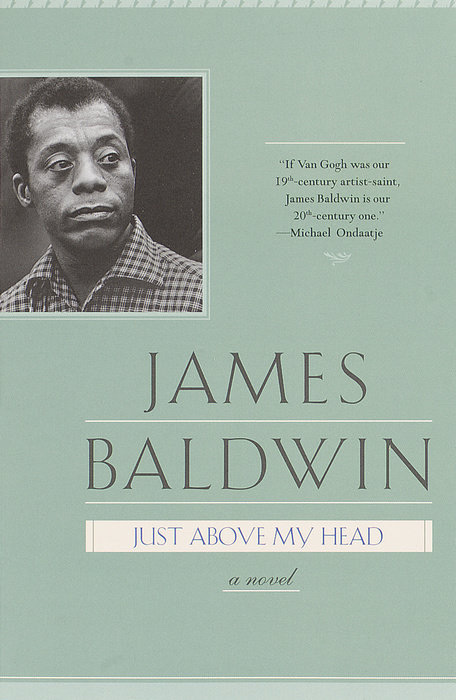 Just Above My Head
 Anthropology of an American Girl
 Under the Udala Trees
 The Valley of Amazement
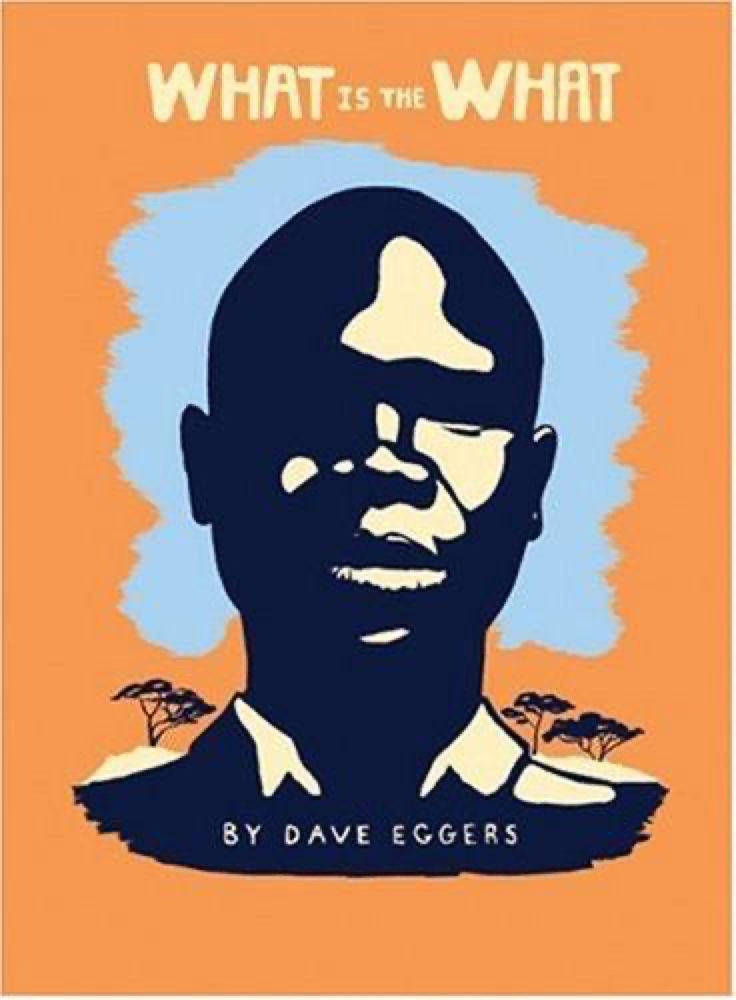 What Is the What
 Arch of Triumph
 Sexing the Cherry
 Great House
 The Story of the Lost Child
 And the Mountains Echoed
 Brideshead Revisited: The Sacred and Profane Memories of Captain Charles Ryder
 Extraordinary Means
 The Stone Diaries
 Stay
Stay
 The Goldfinch
 My Friends
 Range of Motion
 The Color Master: Stories
 The Girl Before
 The Secret Lives of People in Love