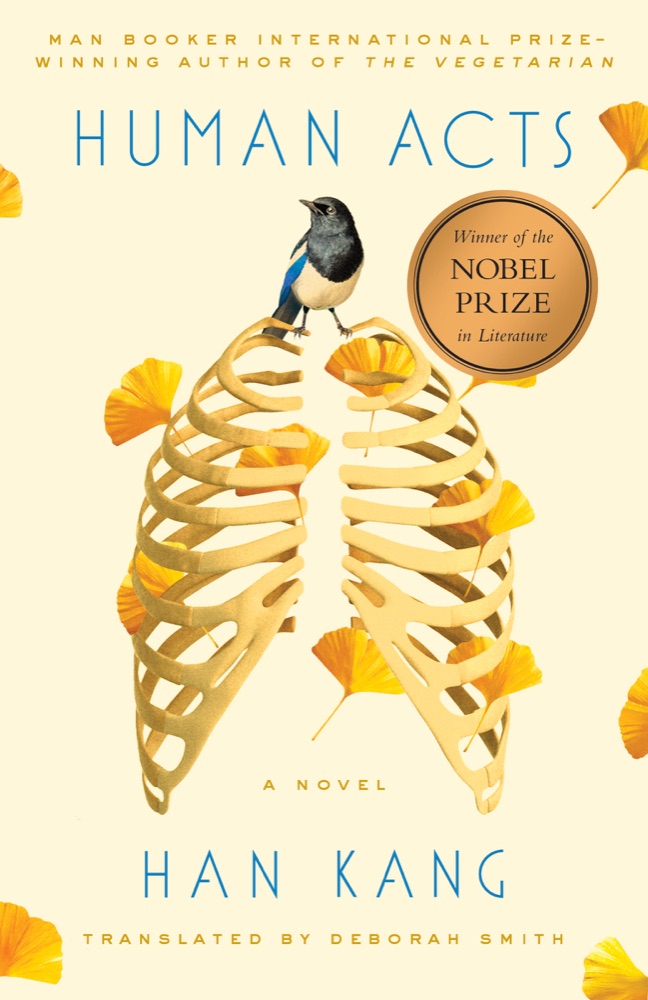

 The White Book
Quotes from the Book
Is it true that human beings are fundamentally cruel? Is the experience of cruelty the only thing we share as a species? Is the dignity that we cling to nothing but self-delusion, masking from ourselves the single truth: that each one of us is capable of being reduced to an insect, a ravening beast, a lump of meat? To be degraded, slaughtered - is this the essential of humankind, one which history has confirmed as inevitable?
318
After you died I could not hold a funeral, And so my life became a funeral.
298
Some memories never heal. Rather than fading with the passage of time, those memories become the only things that are left behind when all else is abraded. The world darkens, like electric bulbs going out one by one. I am aware that I am not a safe person.
139
Soundlessly, and without fuss, some tender thing deep inside me broke. Something that, until then, I hadn't even realized was there.
102
After you died I couldn't hold a funeral, So these eyes that once beheld you became a shrine. These ears that once heard your voice became a shrine. These lungs that once inhaled your breath became a shrine.
100
I'm fighting alone, every day. I fight with the hell that I survived. I fight with the fact of my own humanity. I fight with the idea that death is the only way of escaping this fact.
93
Glass is transparent, right? And fragile. That's the fundamental nature of glass. And that's why objects that are made of glass have to be handled with care. After all, if they end up smashed or cracked or chipped, then they're good for nothing, right, you just have to chuck them away. Before, we used to have a kind of glass that couldn't be broken. A truth so hard and clear it might as well have been made of glass. So when you think about it, it was only when we were shattered that we proved we had souls. That what we really were was humans made of glass.
75
This rain is tears shed by the souls of the departed.
62
Why would you sing the national anthem for people who’d been killed by soldiers? Why cover the coffin with the Taegukgi? As though it wasn’t the nation itself that had murdered them.
60
I never let myself forget that every single person I meet is a member of this human race. And that includes you, professor, listening to this testimony. As it includes myself.
50
The day I stood shoulder to shoulder with hundreds of thousands of my fellow civilians, staring down the barrels of the soldiers' guns, the day the bodies of those first two slaughtered were placed in a handcart and pushed at the head of the column, I was startled to discover an absence in side myself: the absence of fear. I remember feeling that it was all right to die; I felt the blood of a hundred thousand hearts surging together into one enormous artery, fresh and clean...the sublime enormity of a single heart, pulsing blood through that vessel and into my own. I dared to feel a part of it.
44
I still remember the moment when my gaze fell upon the mutilated face of a young woman, her features slashed through with a bayonet. Soundlessly, and without fuss, some tender thing deep inside me broke. Something that, until then, I hadn't realised was there.
36
Bearing that in mind, the question which remains to us is this: what is humanity? What do we have to do to keep humanity as one thing and not another?
31
It happened in Gwangju just as it did on Jeju Island, in Kwantung and Nanking, in Bosnia, and all across the American continent when it was still known as the New World, with such uniform brutality it's as though it is imprinted in our genetic code.
24
Why are we walking in the dark, let's go over there, where the flowers are blooming.
23
A soul doesn't have a body, so how can it be watching us?
19
But at the same time you know that if a time like that spring were to come around again, and even knowing what you know now, you might well end up making a similar choice to the one you'd made then.
18
After you were lost to us, all our hours declined into evening. Evening are our streets and our houses. In this half-light that no longer darkens nor lightens, we eat, and walk, and sleep.
17
Please, write your book so that no one will ever be able to desecrate my brother's memory again.
12
The body that had caused me such shame was going to be devoured by the flames--that was no cause for regret. I wanted to pare myself down to a simpler existence, just as I had while I'd still been alive. I was determined not to be afraid of anything.
11
The flowers that bloom in spring, the willows, the raindrops and snowflakes became shrines. The mornings ushering in each day, the evenings that daily darken, became shrines.
10
Is it possible to bear witness to the fact that I ended up despising my own body, the very physical stuff of my self? That I will fully destroy the warmth, any affection whose intensity was more than I could bear, and ran away? To somewhere colder, somewhere safer. Purely to stay alive.
10
I'd been mistaken when I'd thought of them as victims. They'd stayed behind precisely to avoid such a fate. When I think of those ten days in the life of that city, I think of the moment when a man who'd been lynched, almost killed, found the strength to open his eyes. The moment when, spitting out fragments of teeth along with a mouthful of blood, he held his failing eyes open with his fingers so he could look his attacker straight in the face. The moment when he appeared to remember that he has a face and a voice, to recollect his own dignity, which seemed the memory of a previous life.
9
I'm fighting, alone, every day. I fight with the hell that I survived. I fight with the fact of my own humanity. I fight with the idea that death is the only way of escaping this fact.
9
I looked on in silence as my face blackened and swelled, my features turned into festering ulcers, the contours that had defined me, that had given me clear edges, crumbled into ambiguity, leaving nothing that could be recognized as me.
9
The ordinary soldiers were following the orders of their superiors. How can you call them the nation?” You found this confusing, as though it had answered an entirely different question to the one you’d wanted to ask.
9
You are aware that, as an individual, you have the capacity for neither bravery nor strength.
9
Conscience, the most terrifying thing in the world.
8
Watch on YouTube
About Han Kang
We have collected 139 quotes from 5 books by Han Kang on BookQuoters.
More about the author →More by Han Kang
About the book
A riveting, poetic, and fearless portrait of political unrest and the universal struggle for justice by the acclaimed author of The Vegetarian.
In the midst of a violent student uprising in South Korea, a young boy named Dong-ho is shockingly killed.
The story of this tragic episode unfolds in a sequence of interconnected chapters as the victims and the bereaved encounter suppression, denial, and the echoing agony of the massacre. From Dong-ho’s best friend, who meets his own fateful end, to an editor struggling against censorship; to a prisoner and a factory worker, both suffering from traumatic memories; and to Dong-ho's own grief-stricken mother, their collective heartbreak and acts of hope tell the tale of a brutalized people in search of a voice.
An award-winning, controversial bestseller, Human Acts is a timeless, pointillist portrait of a historic event with reverberation
The buzz
- The New York TimesReview in The New York Timesprofessional review (via Book Marks)
- The Washington PostReview in The Washington Postprofessional review (via Book Marks)
- The Wall Street JournalReview in The Wall Street Journalprofessional review (via Book Marks)
- The GuardianReview in The Guardianprofessional review (via Book Marks)
- NPRReview in NPRprofessional review (via Book Marks)
- Los Angeles TimesReview in Los Angeles Timesprofessional review (via Book Marks)
Keep reading
 Night
Night
 The Silence of Bones
 The Tale of the Body Thief
 The Girl Who Smiled Beads: A Story of War and What Comes After
 No Longer Human
 Hell
Hell
 I Who Have Never Known Men
 Embers
 Dark Inside
 Imagine Me Gone
 All But My Life: A Memoir
 Split Tooth
 The Magus
 Gretel and the Dark
 Close to the Knives: A Memoir of Disintegration
 Swimming in the Dark
 A Little Devil in America: Notes in Praise of Black Performance
 Taltos
 The Emperor of Gladness
 The Body Electric
 The Dark and Hollow Places
 Interview with the Vampire
 The Setting Sun
 The Blind Assassin
 The Spirit Bares Its Teeth
 Pew
Pew
 Tropic of Capricorn
 Time Is a Mother
 The Black Obelisk
 The Red Parts
 The Days of Abandonment
 Nightwood
 Heart of Darkness
The White Book
Heart of Darkness
The White Book
 Mother Night
 Negative Space
 Brideshead Revisited: The Sacred and Profane Memories of Captain Charles Ryder
 A Mercy
 Freshwater
 The Likeness
 Autobiography
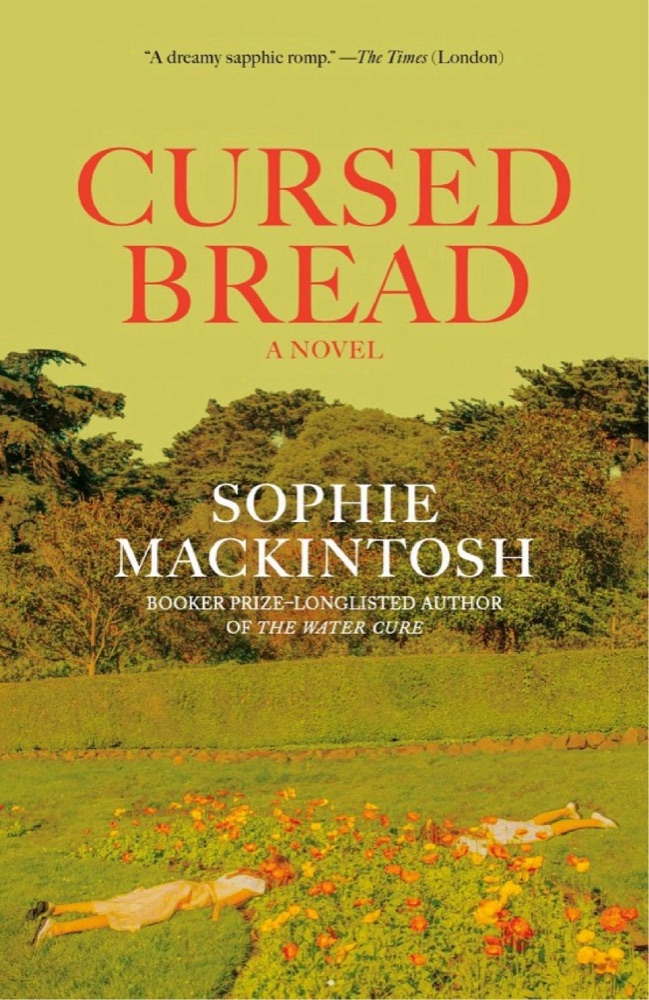 Cursed Bread
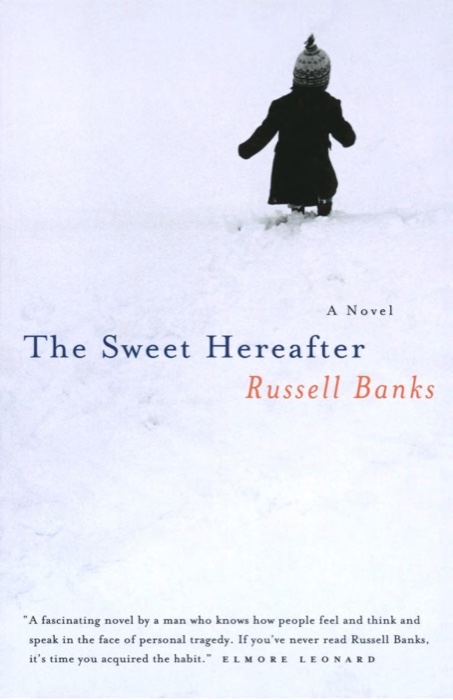 The Sweet Hereafter
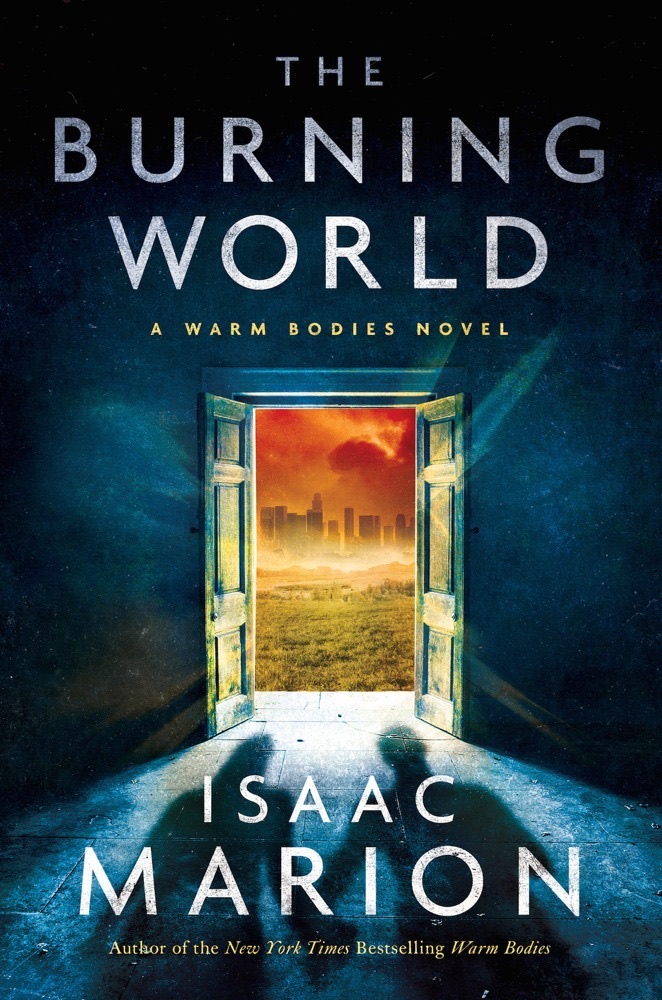 The Burning World
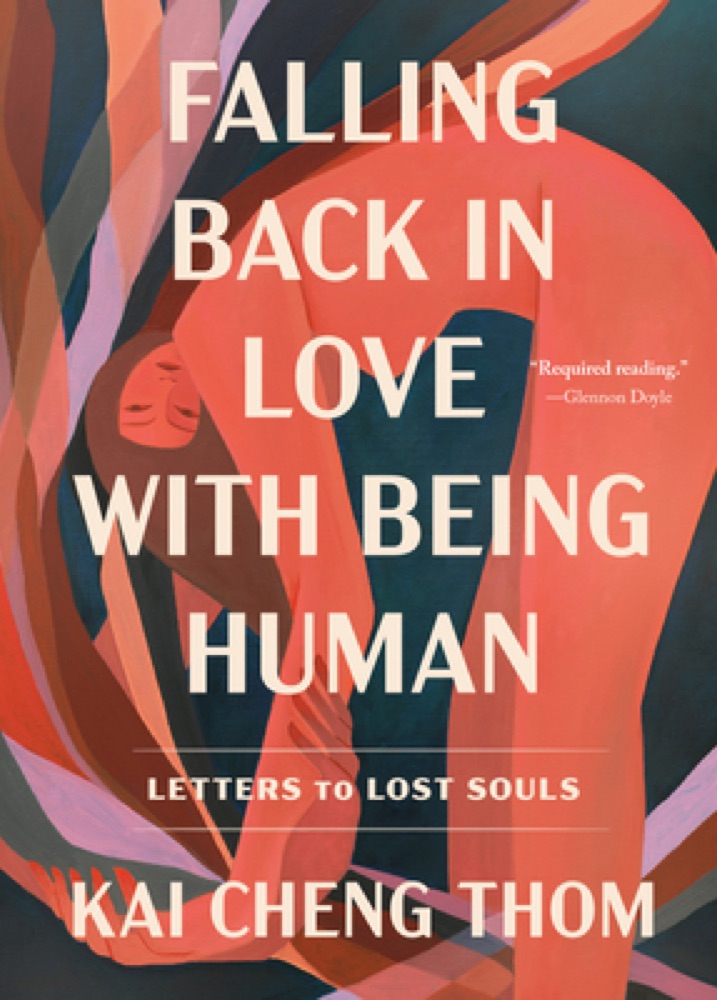 Falling Back in Love with Being Human: Letters to Lost Souls
 What Is the What
 Incantation
 Running with the Demon
 Mischling
 Paperweight
 Night Sky with Exit Wounds
 The Story of the Lost Child
 Solitary
 The Secret History
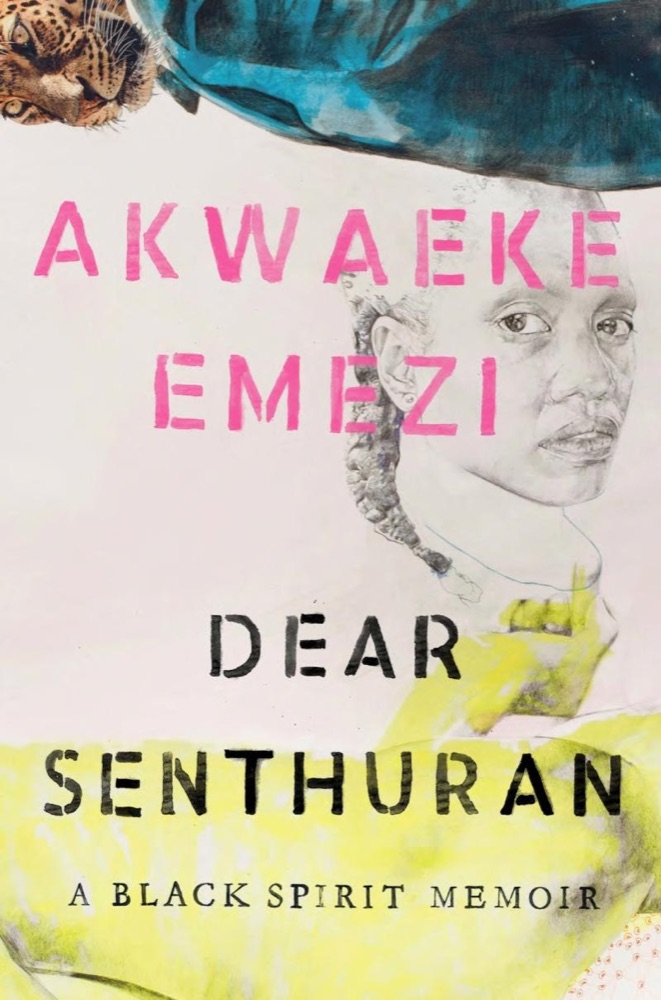 Dear Senthuran: A Black Spirit Memoir
 The Untouchable
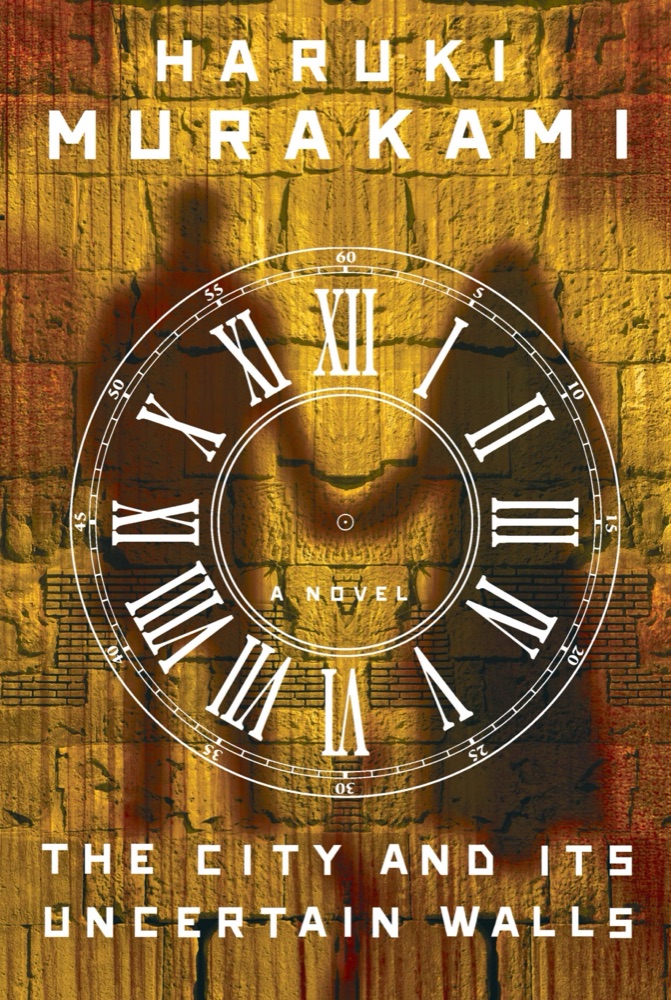 The City and Its Uncertain Walls
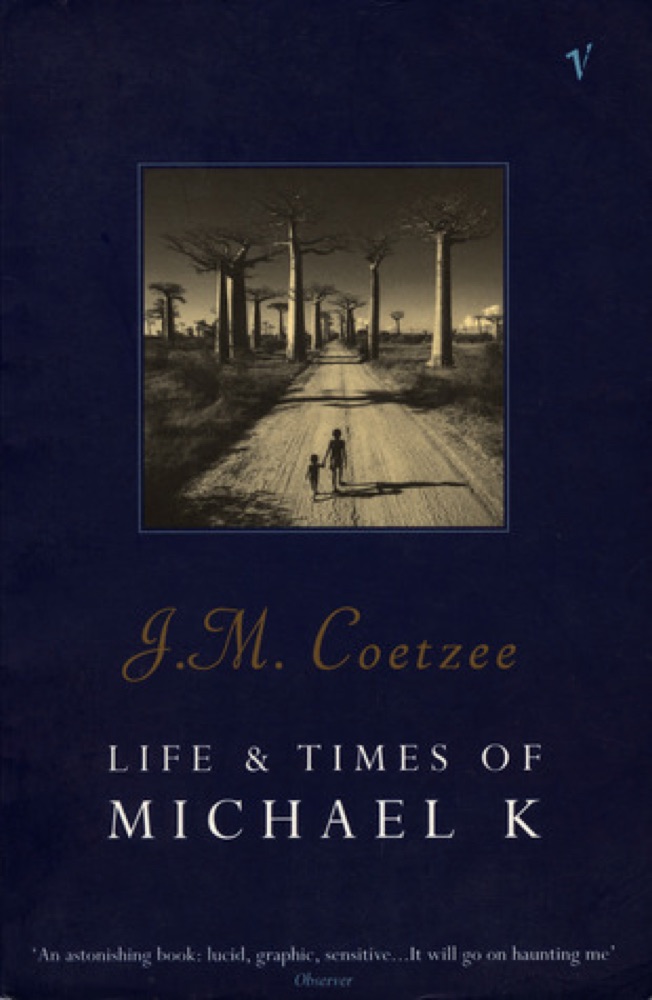 Life & Times of Michael K
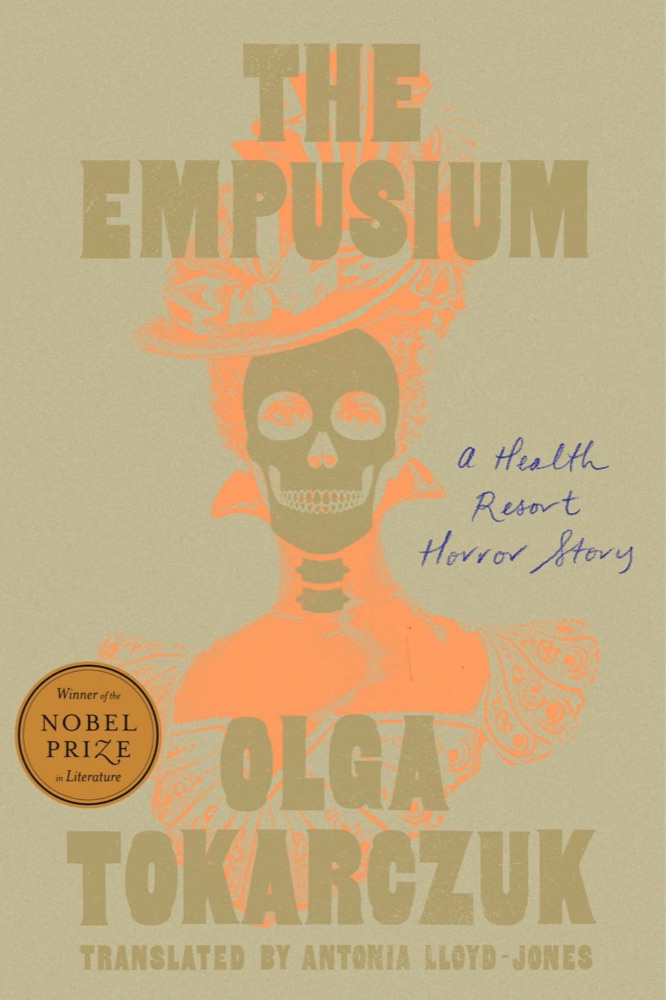 The Empusium
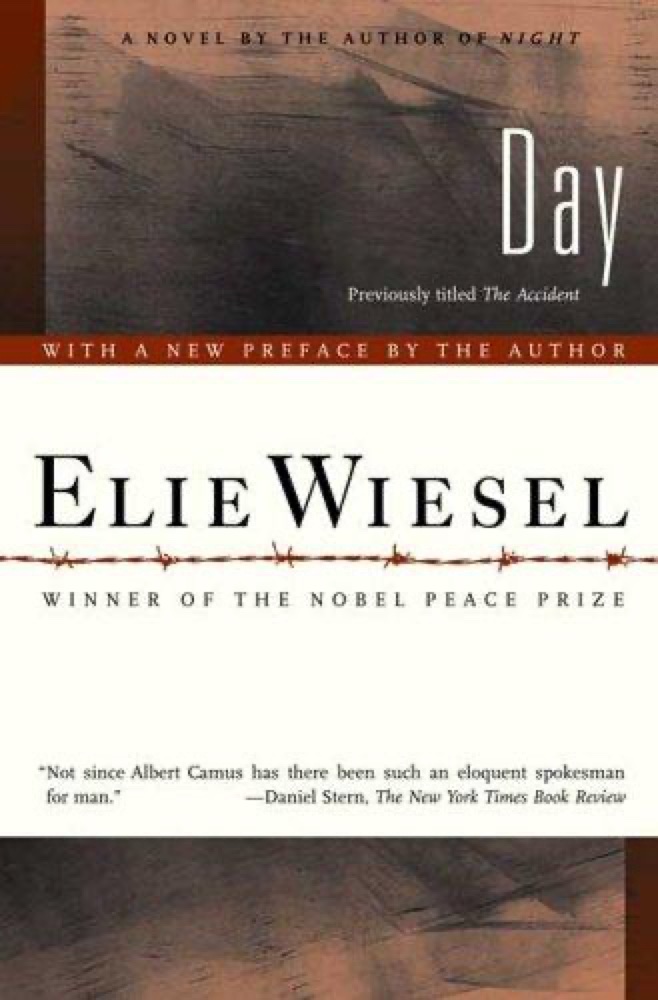 Day
Day