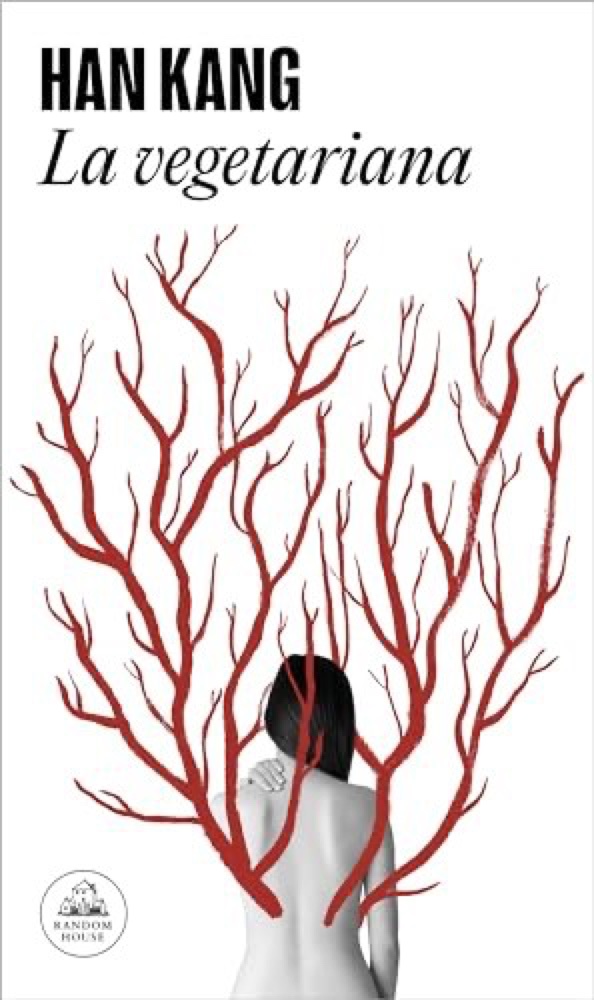

 The White Book
Quotes from the Book
The feeling that she had never really lived in this world caught her by surprise. It was a fact. She had never lived. Even as a child, as far back as she could remember, she had done nothing but endure. She had believed in her own inherent goodness, her humanity, and lived accordingly, never causing anyone harm. Her devotion to doing things the right way had been unflagging, all her successes had depended on it, and she would have gone on like that indefinitely. She didn't understand why, but faced with those decaying buildings and straggling grasses, she was nothing but a child who had never lived.
Why, is it such a bad thing to die?
Time was a wave, almost cruel in its relentlessness
She was no longer able to cope with all that her sister reminded her of. She'd been unable to forgive her for soaring alone over a boundary she herself could never bring herself to cross, unable to forgive that magnificent irresponsibility that had enabled Yeong-hye to shuck off social constraints and leave her behind, still a prisoner. And before Yeong-hye had broken those bars, she'd never even known they were there.
I want to swallow you, have you melt into me and flow through my veins.
She's a good woman, he thought. The kind of woman whose goodness is oppressive.
When a person undergoes such a drastic transformation, there's simply nothing anyone else can do but sit back and let them get on with it.
Life is such a strange thing, she thinks, once she has stopped laughing. Even after certain things have happened to them, no matter how awful the experience, people still go on eating and drinking, going to the toilet and washing themselves - living, in other words. And sometimes they even laugh out loud. And they probably have these same thoughts, too, and when they do it must make them cheerlessly recall all the sadness they'd briefly managed to forget.
The feeling that she had never really lived in this world caught her by surprise. It was a fact. She had never lived. Even as a child, as far back as she could remember, she had done nothing but endure.
This was the body of a beautiful young woman, conventionally an object of desire, and yet it was a body from which all desire had been eliminated. But this was nothing so crass as carnal desire, not for her—rather, or so it seemed, what she had renounced was the very life that her body represented.
This was the body of a beautiful young woman, conventionally an object of desire, and yet it was a body from which all desire had been eliminated.
The pain feels like a hole swallowing her up, a source of intense fear and yet, at the same time, a strange, quiet peace.
Look, sister, I'm doing a handstand; leaves are growing out of my body, roots are sprouting out of my hands...they delve down into the earth. Endlessly, endlessly...yes, I spread my legs because I wanted flowers to bloom from my crotch; I spread them wide...
Yells and howls, threaded together layer upon layer, are enmeshed to form that lump. Because of meat. I ate too much meat. The lives of the animals I ate have all lodged there. Blood and flesh, all those butchered bodies are scattered in every nook and cranny, and though the physical remnants were excreted, their lives still stick stubbornly to my insides.
Sister,” Yeong-hye said, her voice low and calm as if intending to comfort her. Yeong-hye’s old black sweater gave off the faint scent of mothballs. When In-hye didn’t answer, Yeong-hye whispered one more time. “Sister…all the trees of the world are like brothers and sisters.
Or perhaps it was simply that things were happening inside her, terrible things, which no one else could even guess at, and thus it was impossible for her to engage with everyday life at the same time. If so, she would naturally have no energy left, not just for curiosity or interest but indeed for any meaningful response to all the humdrum minutiae that went on on the surface.
Such uncanny serenity actually frightened him, making him think that perhaps this was a surface impression left behind after any amount of unspeakable viciousness had been digested, or else settled down inside her as a kind of sediment.
There's nothing wrong with keeping quiet, after all, hadn't women traditionally been expected to be demure and restrained?
the sight of her lying there utterly without resistance, yet armored by the power of her own renunciation, was so intense as to bring tears to his eyes.
For the first time, she became vividly aware of how much of her life she had spent with her husband. It had been a period of time utterly devoid of happiness and spontaneity. A time that she'd so far managed to get through only by using up every last reserve of perseverance and consideration. All of it self-inflicted.
Her life was no more than a ghostly pageant of exhausted endurance, no more real than a television drama. Death, who now stood by her side, was as familiar to her as a family member, missing for a long time but now returned.
Perhaps the only things he truly loved were his images—those he’d filmed, or then again, perhaps only those he had yet to film.
Can only trust my breasts now. I like my breasts, nothing can be killed by them. Hand, foot, tongue, gaze, all weapons from which nothing is safe. But not my breasts. With my round breasts, I’m okay. Still okay. So why do they keep on shrinking? Not even round anymore. Why? Why am I changing like this? Why are my edges all sharpening–what am I going to gouge
Only Yeong-hye, docile and naive, had been unable to deflect their father's temper or put up any form of resistance. Instead, she had merely absorbed all her suffering inside her, deep into the marrow of her bones. Now, with the benefit of hindsight, In-hye could see that the role that she had adopted back then of the hard-working, self-sacrificing eldest daughter had been a sign not of maturity but of cowardice. It had been a survival tactic.
It called to mind something ancient, something pre-evolutionary, or else perhaps a mark of photosynthesis, and he realized to his surprise that there was nothing at all sexual about it; it was more vegetal than sexual.
As for women who were pretty, intelligent, strikingly sensual, the daughters of rich families—they would only have served to disrupt my carefully ordered existence
Time was a wave, almost cruel in its relentlessness as it whisked her life downstream, a life she had to constantly strain to keep from breaking apart.
I was convinced that there was more going on here than a simple case of vegetarianism.
It melted in the rain ... it all melted ... I'd been just about to go down into the earth. There was nothing else for it if I wanted to turn myself upside down again, you see.
It seemed enough for her to just deal with whatever it was that came her way, calmly and without fuss.
Did you know?
- The novel was first published in Korean in 2007 and did not appear in English until Deborah Smith's translation in 2015.
- It won the 2016 Man Booker International Prize, the first book honored after the award was reconfigured to recognize a single work rather than an author's whole career.
- The prize money was split equally between Han Kang and translator Deborah Smith.
- The book is structured in three parts told from the viewpoints of Yeong-hye's husband, brother-in-law, and sister rather than from Yeong-hye herself.
- Han Kang went on to win the 2024 Nobel Prize in Literature, becoming the first South Korean laureate in the category.
About Han Kang
Han Kang (born 1970 in Gwangju, South Korea) is a South Korean novelist and poet known for spare, poetic prose that confronts violence, trauma, and the fragility of the body. She won the 2016 Man Booker International Prize for The Vegetarian and the 2024 Nobel Prize in Literature, becoming the first South Korean writer to receive it.
More about the author →More by Han Kang
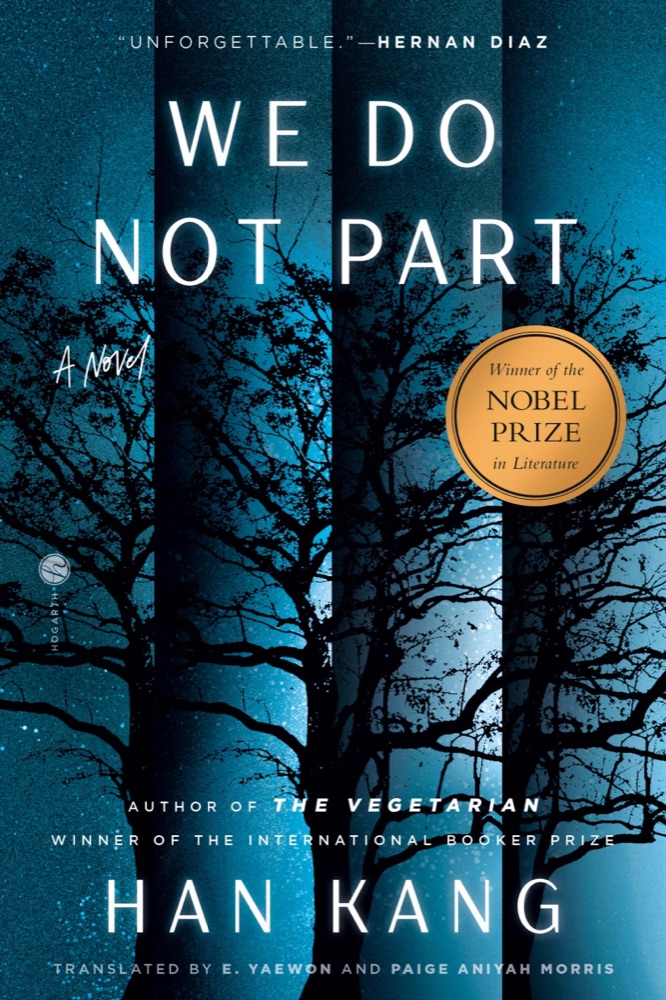
About the book
The Vegetarian is a short novel by the South Korean writer Han Kang, first published in Korean in 2007 and released in Deborah Smith's English translation in 2015. It follows Yeong-hye, an unremarkable young woman whose life is upended when a series of violent, blood-soaked dreams drives her to stop eating meat. In a culture where her refusal reads as an affront, this quiet act of renunciation escalates into a family crisis, and the book unfolds in three linked parts, each told from the perspective of someone around her rather than from Yeong-hye herself.
Narrated in turn by her controlling husband, her artist brother-in-law, and finally her sister In-hye, the novel watches Yeong-hye withdraw ever further from human appetite and, eventually, from humanity itself, as she comes to believe she is turning into a tree. Han Kang uses this premise to probe desire, shame, bodily autonomy, and the everyday violence people inflict on one another in the name of care and normalcy, while asking what innocence and sanity really mean.
The Vegetarian brought Han Kang to international attention, winning the 2016 Man Booker International Prize (now the International Booker Prize) as the first book honored under the award's reconfigured, single-work format, with the prize shared between author and translator. Its spare, unsettling prose helped establish Han as a major world literary voice; she went on to receive the 2024 Nobel Prize in Literature for what the Swedish Academy called her intense poetic prose confronting historical trauma and the fragility of human life.
Key characters
- Yeong-hyeA young woman whose disturbing dreams lead her to give up meat and, gradually, human life
- Mr. CheongYeong-hye's conventional, controlling husband, who narrates the first part
- Yeong-hye's brother-in-lawA video artist obsessed with Yeong-hye, whose perspective drives the second part
- In-hyeYeong-hye's older sister, the emotional center of the final part
Book details
- First published
- 2007
- Author
- Han Kang
- Genre
- Fiction
- Goodreads rating
- 3.65 (432k ratings) →
- First line
- “Before my wife turned vegetarian, I'd always thought of her as completely unremarkable in every way.”
If you liked this, read…
- 1Convenience Store WomanAnother spare East Asian novel about a woman who quietly refuses social norms
- 2Human ActsHan Kang's own novel, continuing her interrogation of violence and the body
Keep reading
 Under the Skin
 The Edible Woman
 A Reliable Wife
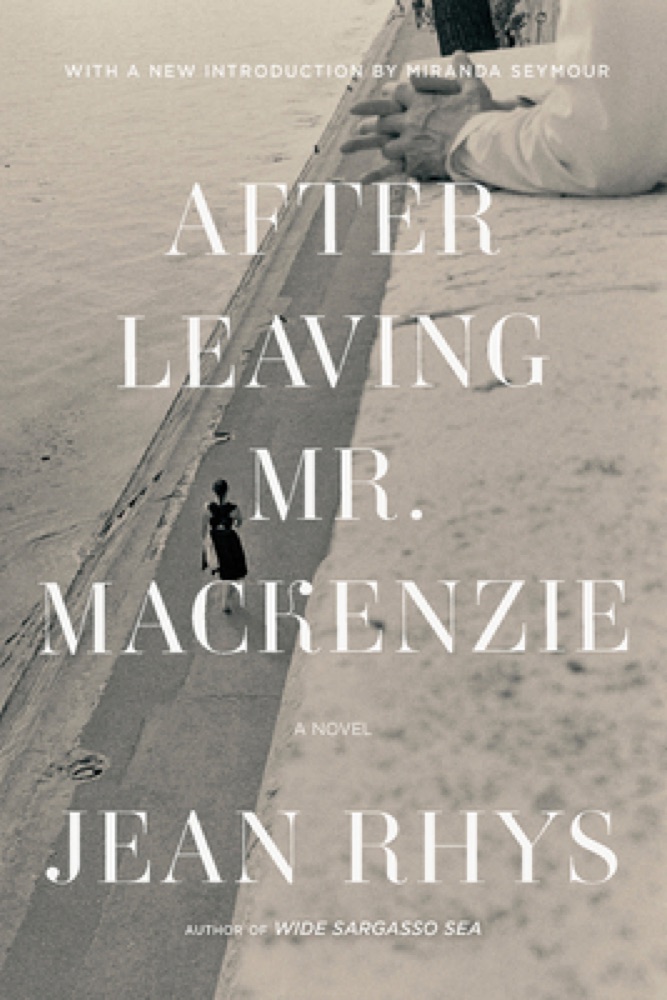 After Leaving Mr. Mackenzie
 The Rainbow
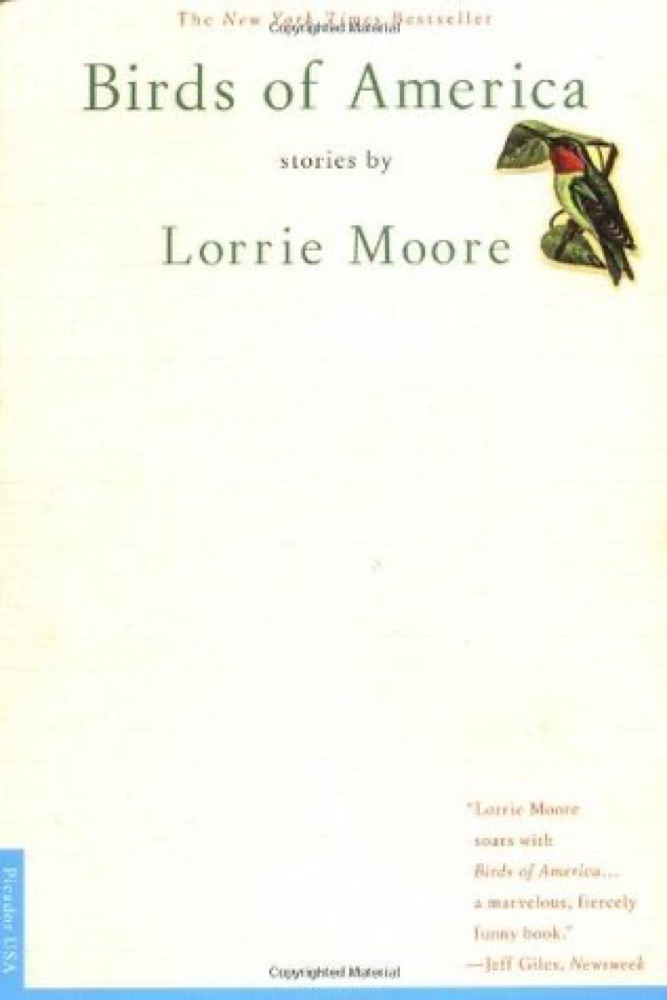 Birds of America
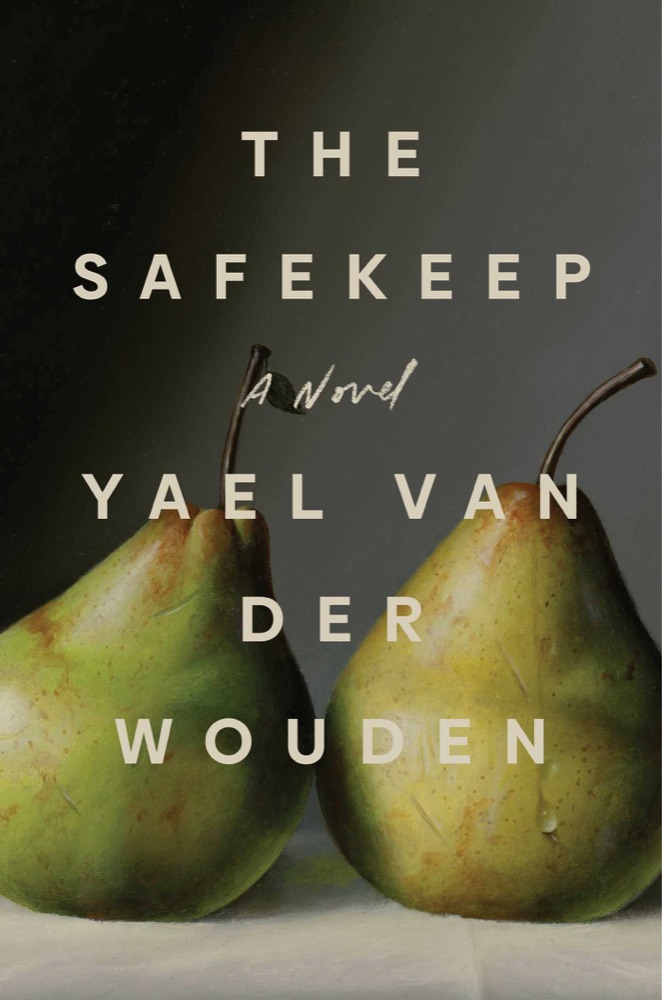 The Safekeep
 Unaccustomed Earth
 The House of Mirth
 The Robber Bride
 The Awakening
 Mrs. Dalloway
 Atonement
 Ammonite
 The Transit of Venus
 Tender Morsels
 Sula
Sula
 Silent Scream
 Tar Baby
 The Memory Keeper's Daughter
 The Woman Destroyed
 The Ministry of Utmost Happiness
 The Wings of the Dove
 The Paying Guests
 A Severed Head
 Intensity
 The Slow Regard of Silent Things
 The Mermaid Chair
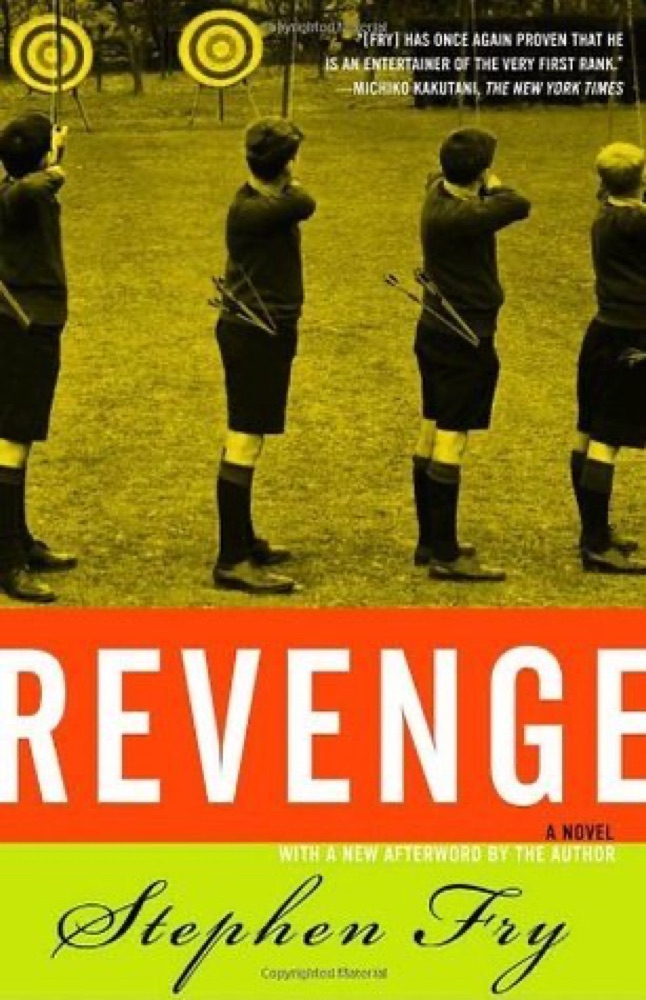 Revenge
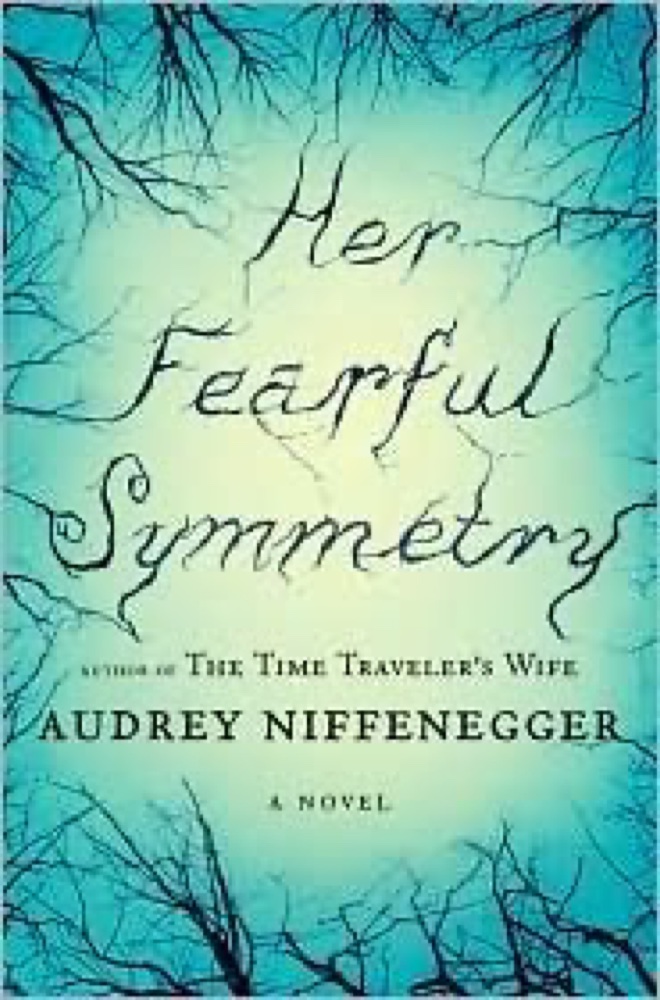 Her Fearful Symmetry
 Tess of the D'Urbervilles
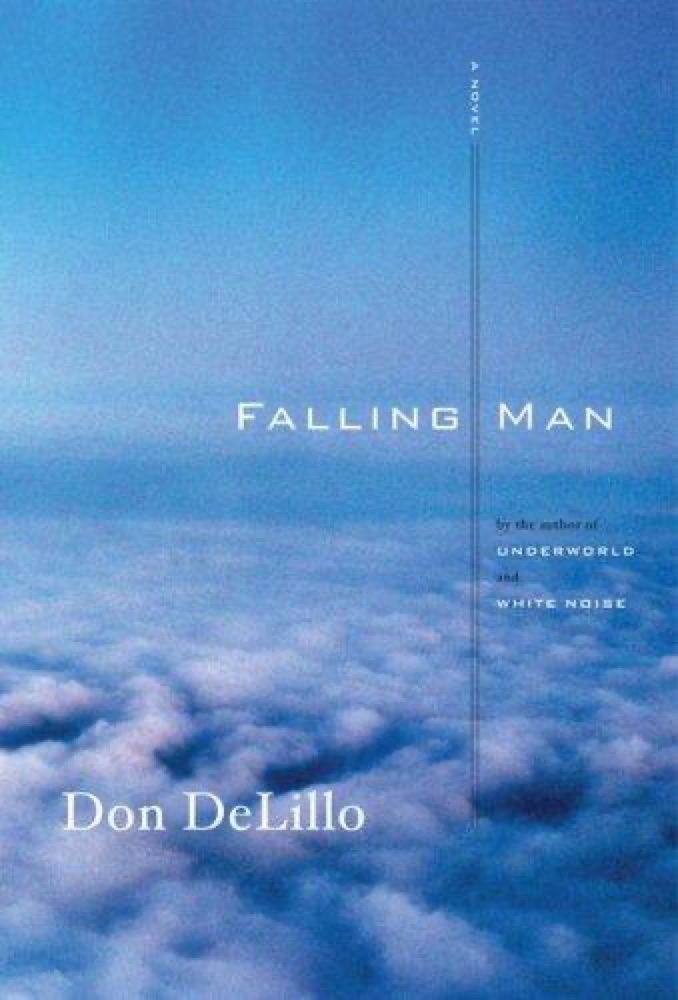 Falling Man
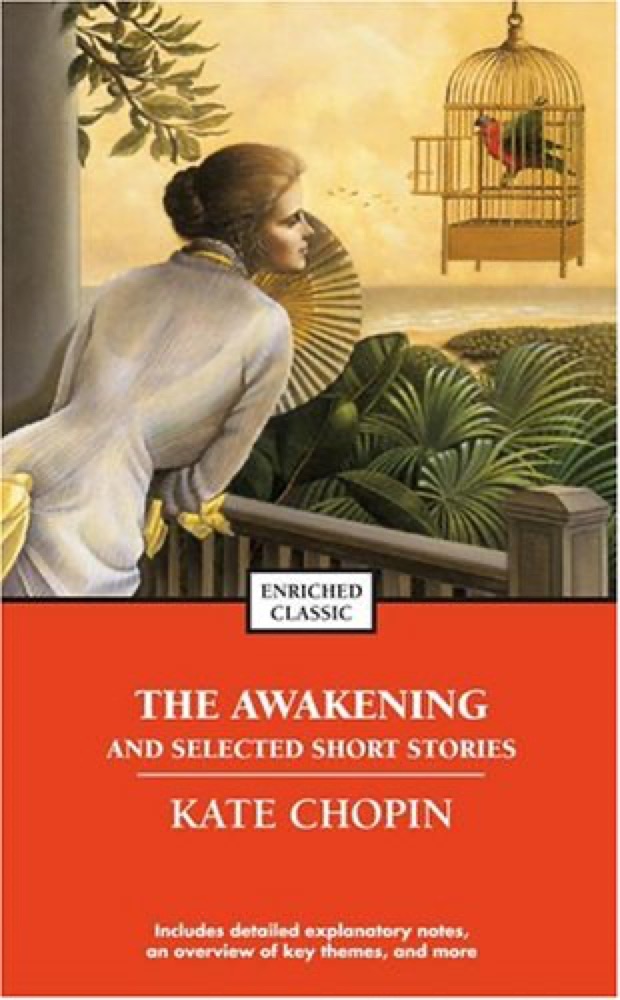 The Awakening and Selected Stories
 The Surgeon
 A Face Like Glass
 The Hellbound Heart
 Idaho
Idaho
 Clear Light of Day
 The Daughter of Doctor Moreau
 The Portrait of a Lady
 Palimpsest
 Briefly, A Delicious Life
 Everything That Rises Must Converge: Stories
 What Is Not Yours Is Not Yours
 The Lowland
 Quicksand
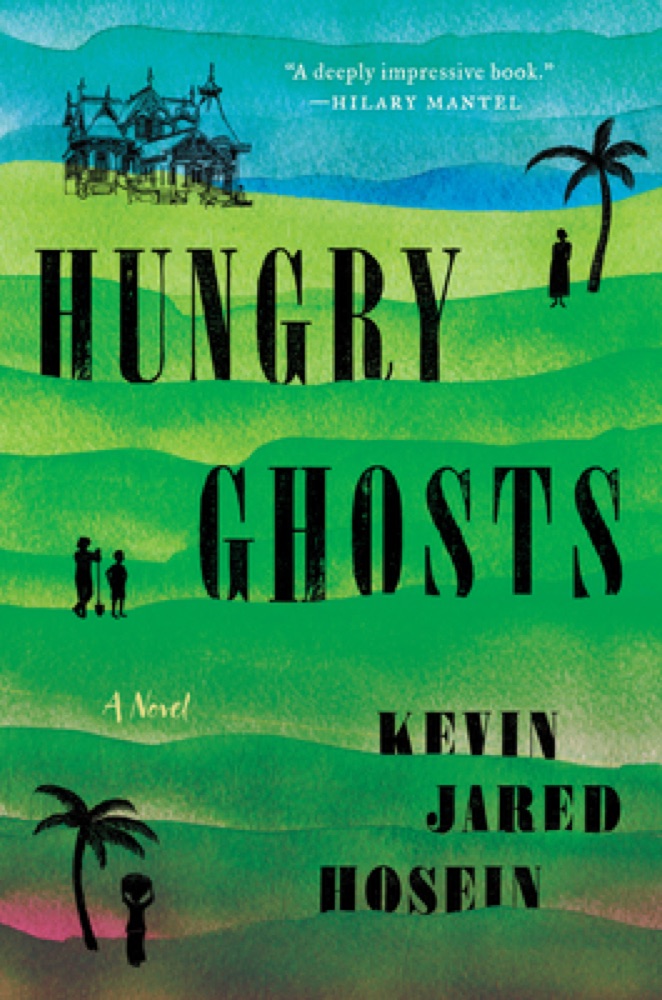 Hungry Ghosts
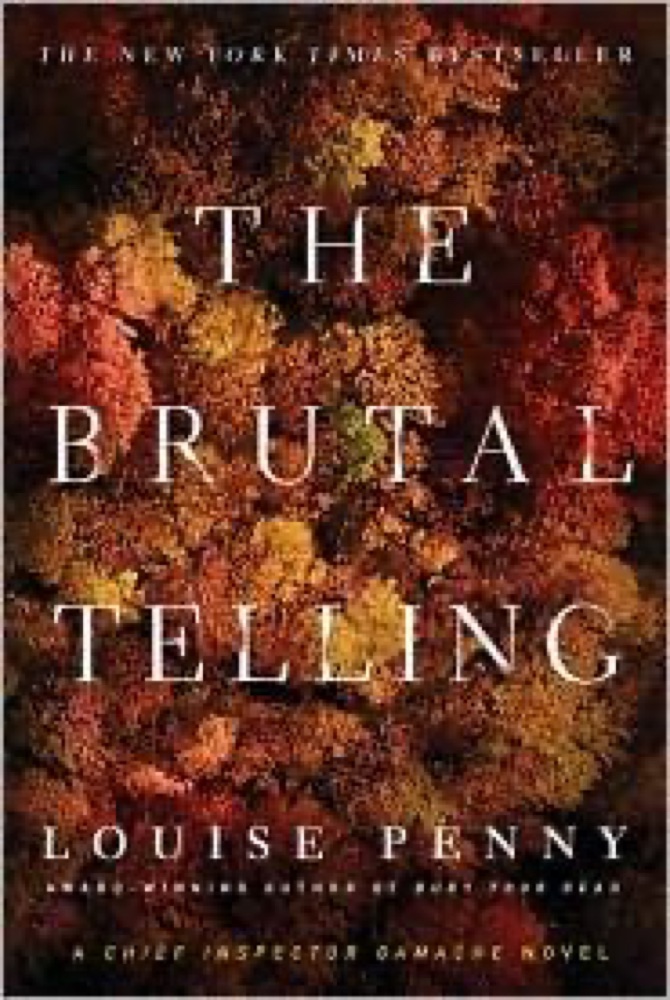 The Brutal Telling
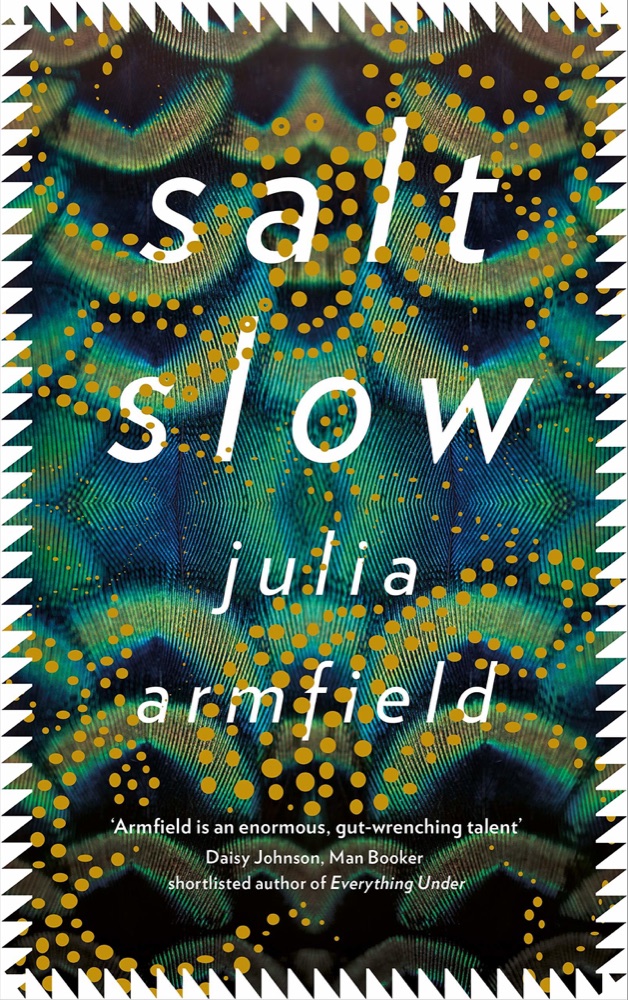 Salt Slow
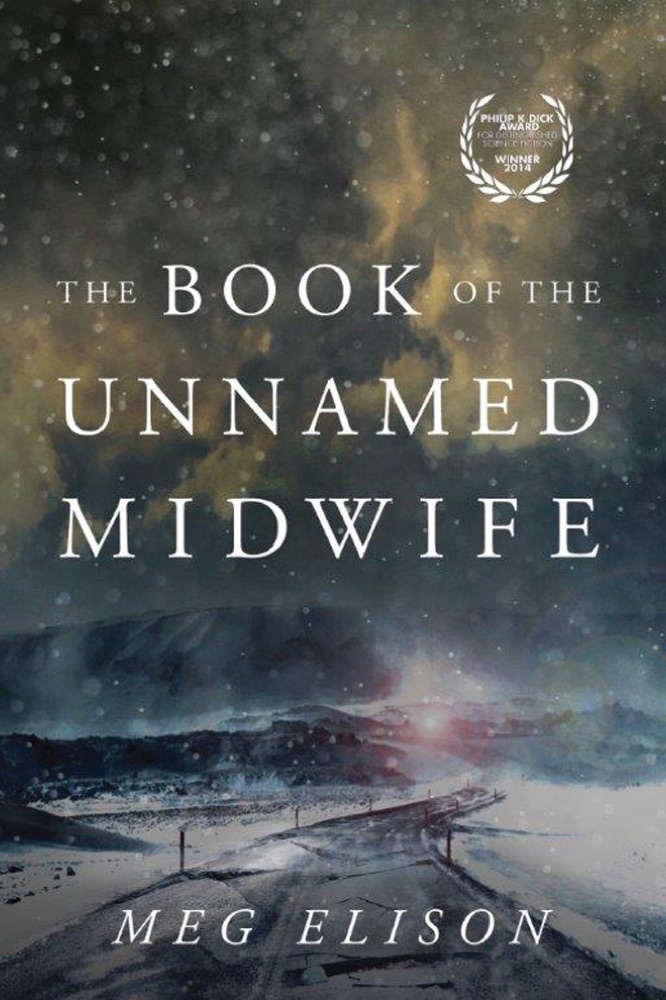 The Book of the Unnamed Midwife
 Gerald's Game
 Home Fire
 Hot Milk
 The Orchardist
 Longbourn
 Falling into Place
 Conversion
 Interpreter of Maladies
 The English Patient
 Prodigal Summer