

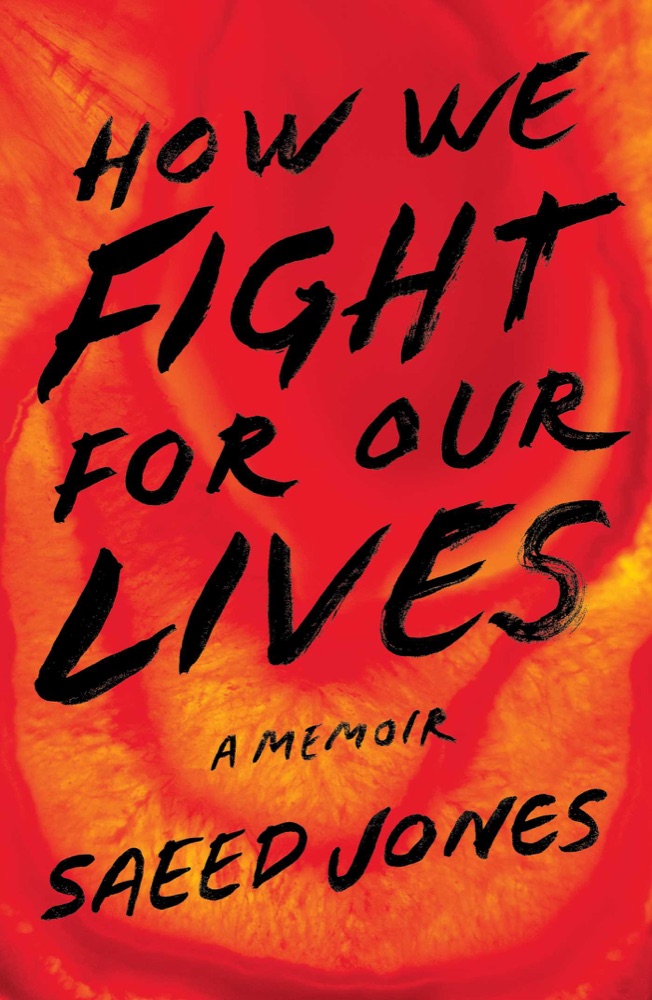
 How We Fight For Our Lives
Quotes from the Book
The truth is: I did want to be my dad's poem. I wanted to be his drawing, his novella, his most refined work of art. I wanted him to shape me with his love and intelligence. I wanted him to edit out my mistakes and many indulgences, with a sharp red pencil or a clean eraser.
9
The heavy warlike losses of the AIDS years were relegated to queer studies classrooms, taught as gay history and not American history.
4
Through meditation or reflection or whatever, find out how to go to that place in yourself that can observe without judging. If you feel jealous, or depressed, or guilty – just try to pay attention to how your body feels. Where does the physical feeling start? Does a tightness go up or down your stomach for instance. If you notice that you’re being critical of yourself – then try to observe yourself doing this without judging it as good or bad. This observer self is the deepest part of you – deeper than your fearful self, guilty self, emotional self, or intellectual self. By observing what’s happening to your body when you go into these head states, you can learn little tricks to alter your body & mood. Like if you catch it early, try countering the negative physical feeling or emotion by doing something nurturing for yourself (exercise or pleasant bath, calling a friend, going to a movie, or whatever). Anyway, this is something I started doing at a time in my life when I was wracked by jealousy, loneliness, self-doubt, excessive self-criticism. And overall it worked.
3
What seems most outlandish in our autobiography is what really happened.
1
The disaster, as Dad and others saw it, was the emerging AIDS crisis and the cultural attacks instigated by conservative against gay men and women in the early 1980s. It was found in the cruel indifference of President Ronald Reagan, who wouldn’t publicly address the epidemic until the end of his second term, after twenty thousand Americans had died, and the hostile rhetoric of conservatives close to Reagan like Jerry Falwell, founder of the Moral Majority, and Pat Buchanan, Reagan’s future speechwriter. In 1983, Buchanan wrote of AIDS, “The poor homosexuals–they have declared war upon nature, and now nature is extracting an awful retribution.
1
Researching Dad’s life, I’ve made contact with his old colleagues and friends and others we knew—people like Joyce Jenkins of Poetry Flash; and Jimmy Siegel, who owns Distractions; and Sean, the smiling Southerner who worked at Coffee Tea & Spice. Speaking with them, I got to hear three powerful words, three words I didn’t know I so badly needed to hear: “I remember you.” With these words, the lights switch on. The music plays. The carousel starts up again and those glittery and colorful horses move up and down and around, delighting my every sense. For a moment, I get to be a child again. I feel wholly me.
If he once failed as a father, it was a noble fail.
My days of torment were over, but the damage was done. I conflated the bullies and my bathroom accidents with an inchoate sense that something was wrong with me. I broadcast my sense of otherness through my slumped posture, downcast expression, and extreme timidity. Kids at school called weird so often that after a while I believed them. I hid myself behind a curtain of tangled hair.
In late 1985, the Reagan White House blocked the use of CDC money for education, leaving the US behind other Western nations in telling its citizens how to avoid contracting the virus. Many Americans still thought you could get AIDS from a toilet seat or a glass of water. According to one poll, the majority of Americans supported quarantining AIDS patients. This heightened awareness set off waves of anxiety across the country, which was often express through jokes (Q: What do you call Rock Hudson in a wheelchair? A: Roll-AIDS!) and violence. Between the years 1985 and 1986, anti-gay violence increased by 42 percent in the US. Even in San Francisco, where Greyhound buses still dropped off gay men and women taking refuge from the prejudice of their hometowns, carloads of teenagers would drive through the Castro looking for targets. In December 1985, a group of teenagers, shouting “diseased faggot” and “you’re killing us all,” dragged a man named David Johnson from his car in a San Francisco parking lot. While his lover looked on in horror, the teenagers kicked and beat Johnson with their skateboards, breaking three of his ribs, bruising his kidneys, an gashing his face and neck with deep fingernail scratches.
Of course, it’s now obvious why he was so angry that day. People don’t move into hospice to live but to die. And that half an egg sandwich I ended up making him–that sandwich was the last meal he ate in our Haight-Ashbury apartment, our one true home.
Watch on YouTube
About Alysia Abbott
We have collected 10 quotes from 1 book by Alysia Abbott on BookQuoters.
More about the author →About the book
A beautiful, vibrant memoir about growing up motherless in 1970s and ’80s San Francisco with an openly gay father.
After his wife dies in a car accident, bisexual writer and activist Steve Abbott moves with his two-year-old daughter to San Francisco. There they discover a city in the midst of revolution, bustling with gay men in search of liberation—few of whom are raising a child.
Steve throws himself into San Francisco’s vibrant cultural scene. He takes Alysia to raucous parties, pushes her in front of the microphone at poetry readings, and introduces her to a world of artists, thinkers, and writers. But the pair live like nomads, moving from apartment to apartment, with a revolving cast of roommates and little structure. As a child Alysia views her father as a loving playmate who can transform the ordinary into magic, but as she gets older Alysia wants more than anything to fit
Book details
- First published
- 2013
- Author
- Alysia Abbott
- Genre
- Biography
- Goodreads rating
- 4.07 (5k ratings)
Keep reading
How We Fight For Our Lives
 Becoming a Man: Half a Life Story
 Sigh, Gone: A Misfit's Memoir of Great Books, Punk Rock, and the Fight to Fit In
 Afterparties
 Notes on Your Sudden Disappearance
 While England Sleeps
 The Bedwetter: Stories of Courage, Redemption, and Pee
 Men We Reaped
 Borrowed Time: An AIDS Memoir
 All the Young Men: A Memoir of Love, AIDS, and Chosen Family in the American South
 They Called Us Exceptional: And Other Lies That Raised Us
 The Discomfort Zone: A Personal History
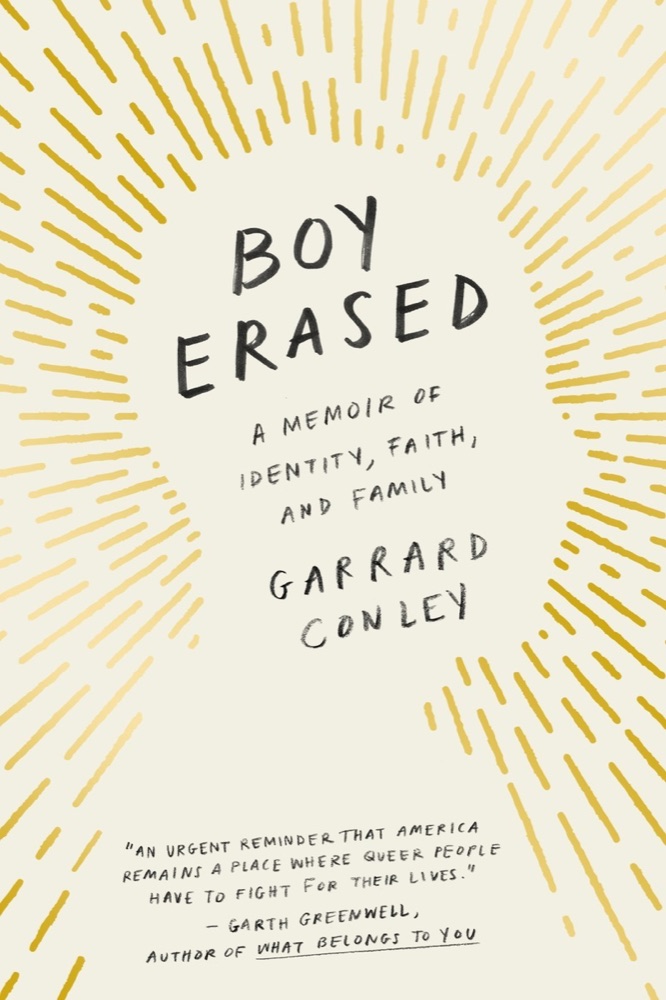 Boy Erased: A Memoir of Identity, Faith, and Family
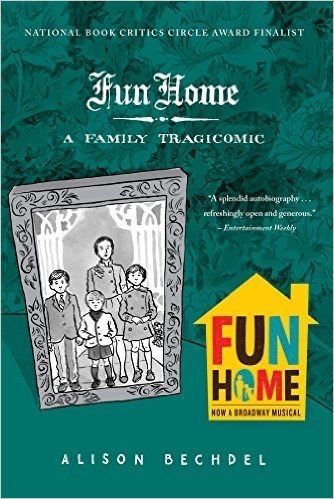 Fun Home: A Family Tragicomic
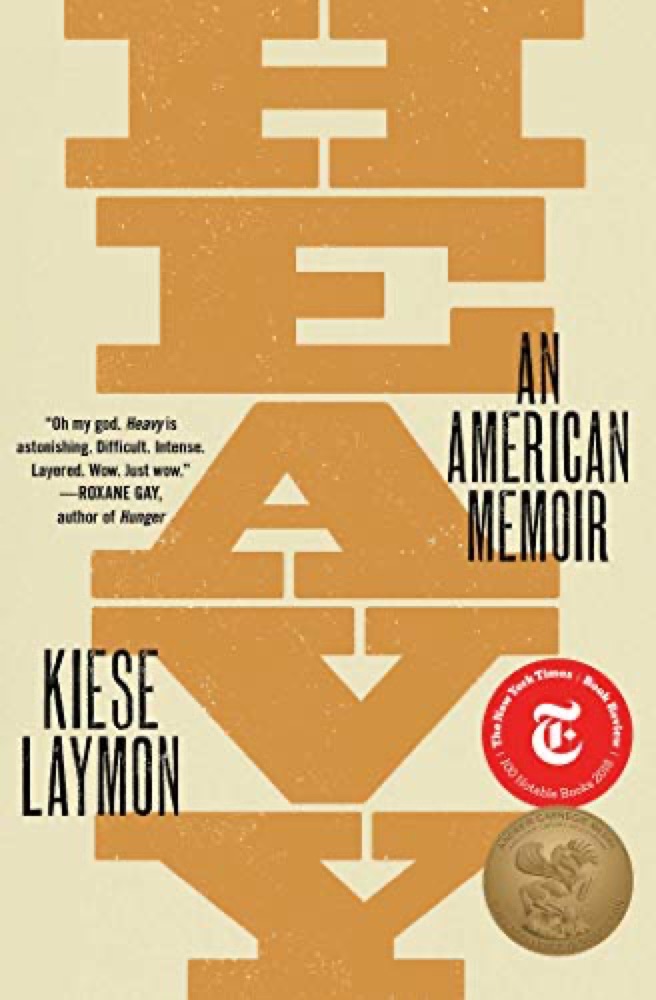 Heavy
Heavy
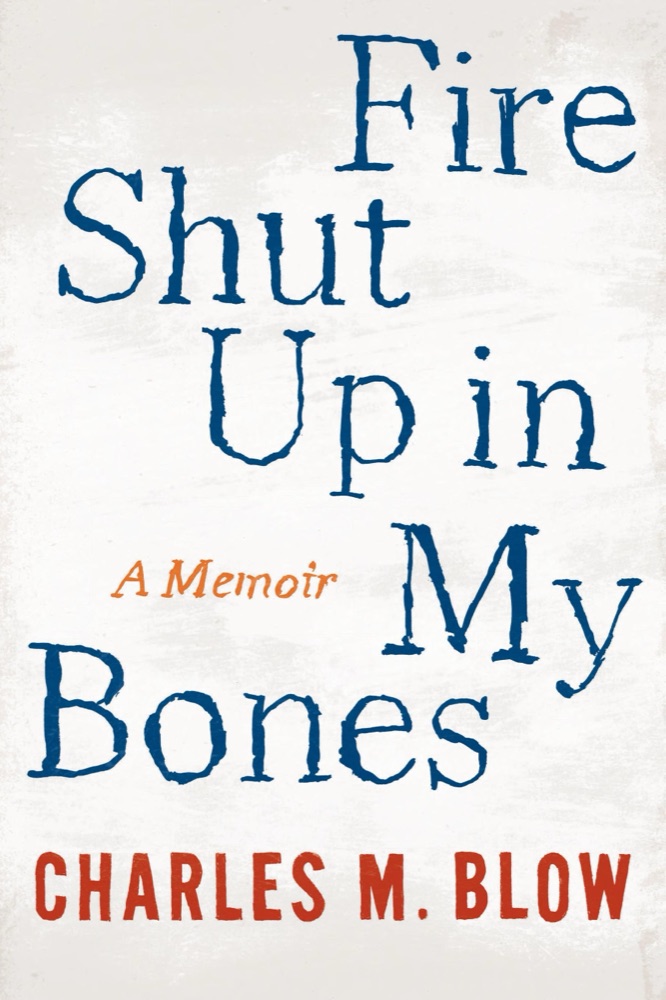 Fire Shut Up in My Bones: A Memoir
 The Rachel Incident
 Middlesex
 Family Life
 The Tender Bar
 The World's Largest Man
 Em and The Big Hoom
 Just Ignore Him
 From Here to the Great Unknown
 A Small Indiscretion
 Women We Buried, Women We Burned: A Memoir
 The Tunnel
 Reckoning: A Memoir
 The Beautiful Struggle: A Father, Two Sons and an Unlikely Road to Manhood
 Anthropology of an American Girl
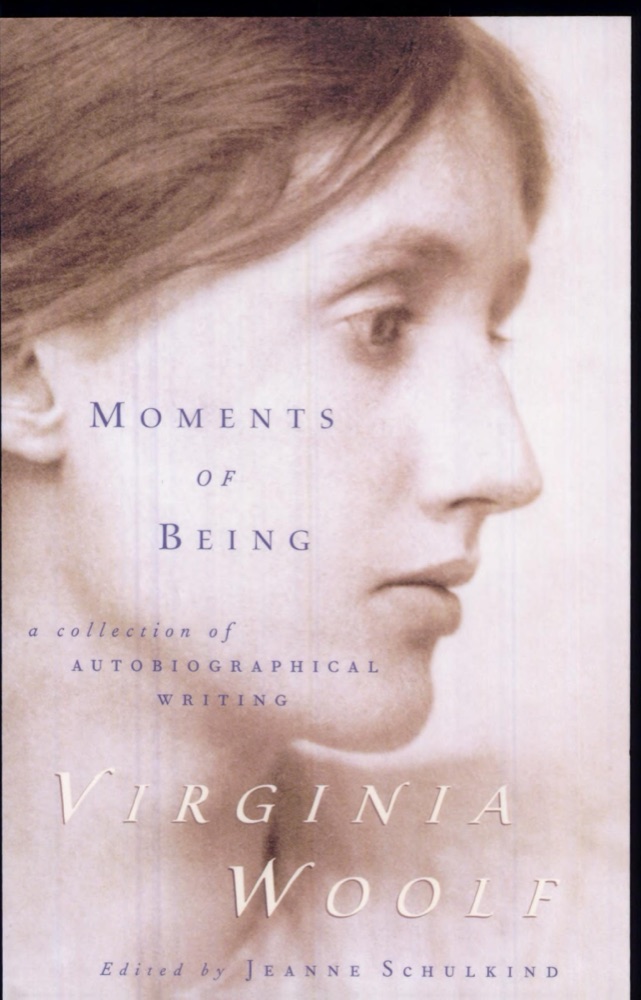 Moments of Being: A Collection of Autobiographical Writing
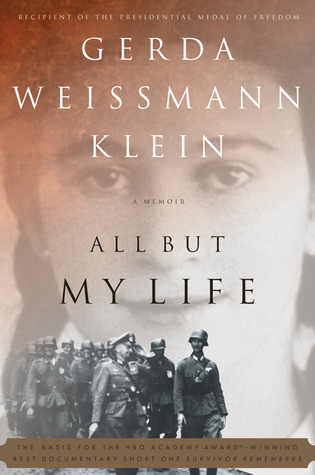 All But My Life: A Memoir
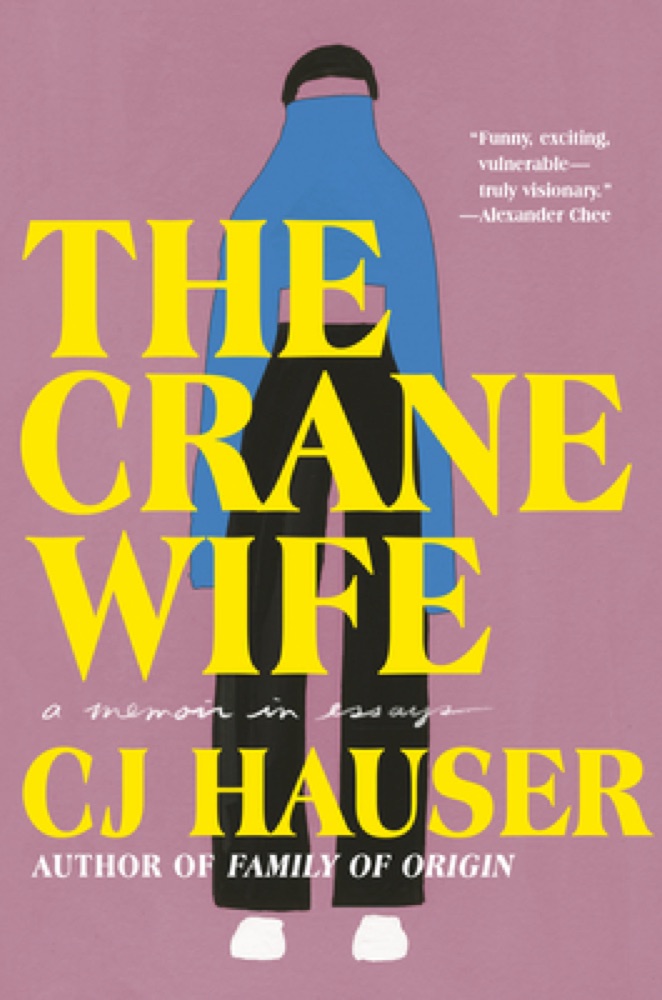 The Crane Wife: A Memoir in Essays
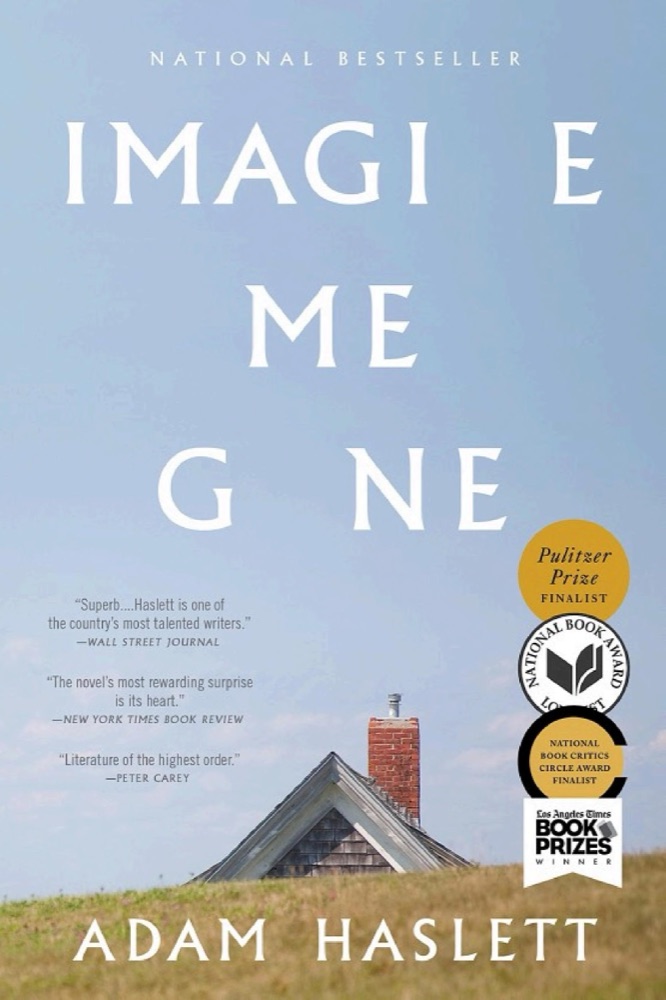 Imagine Me Gone
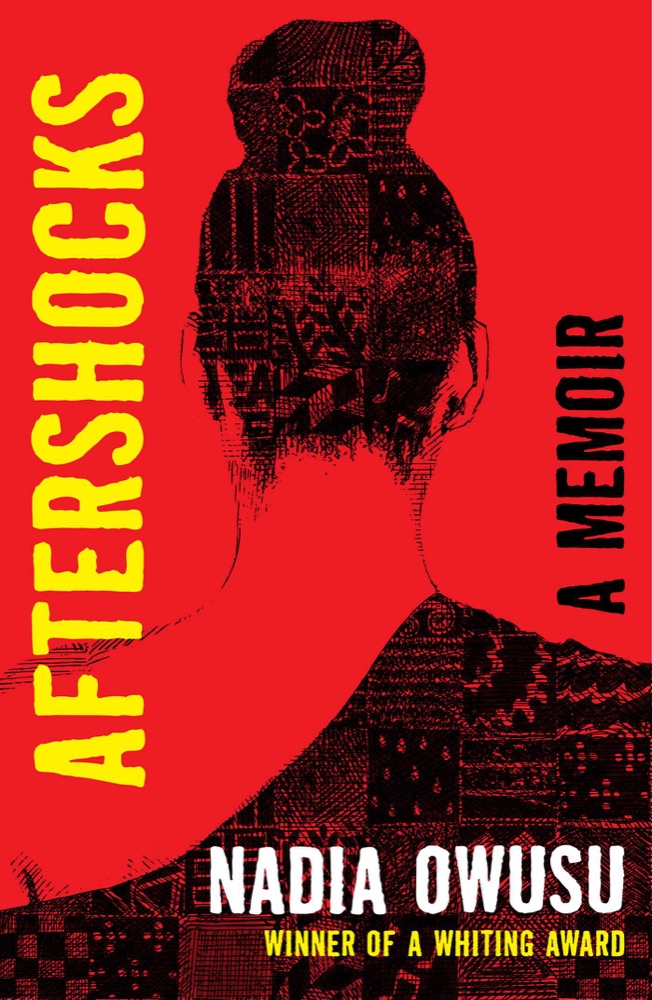 Aftershocks
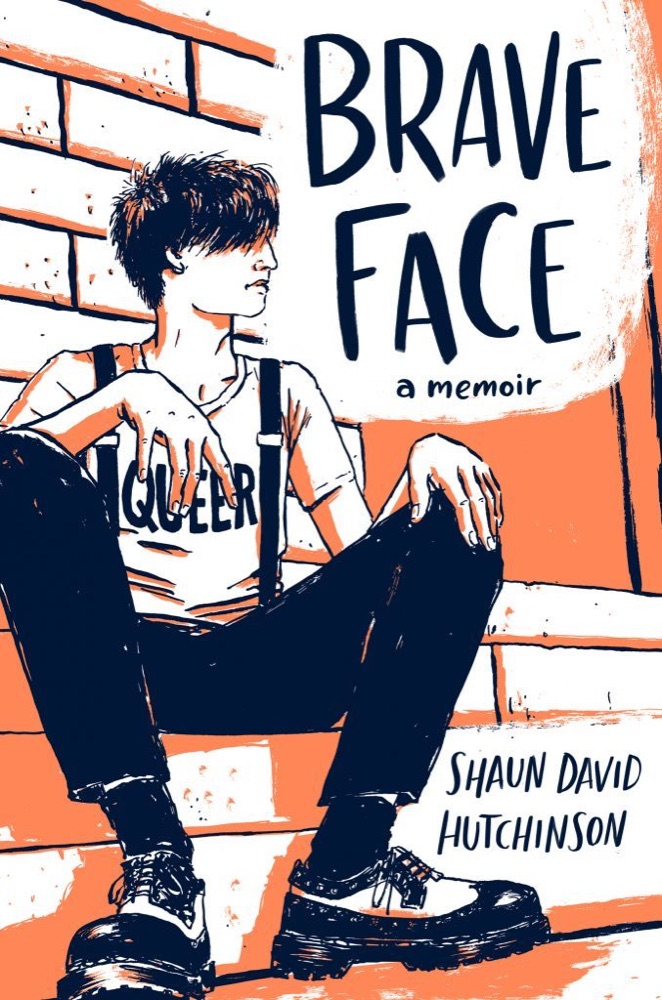 Brave Face
 Ohio
Ohio
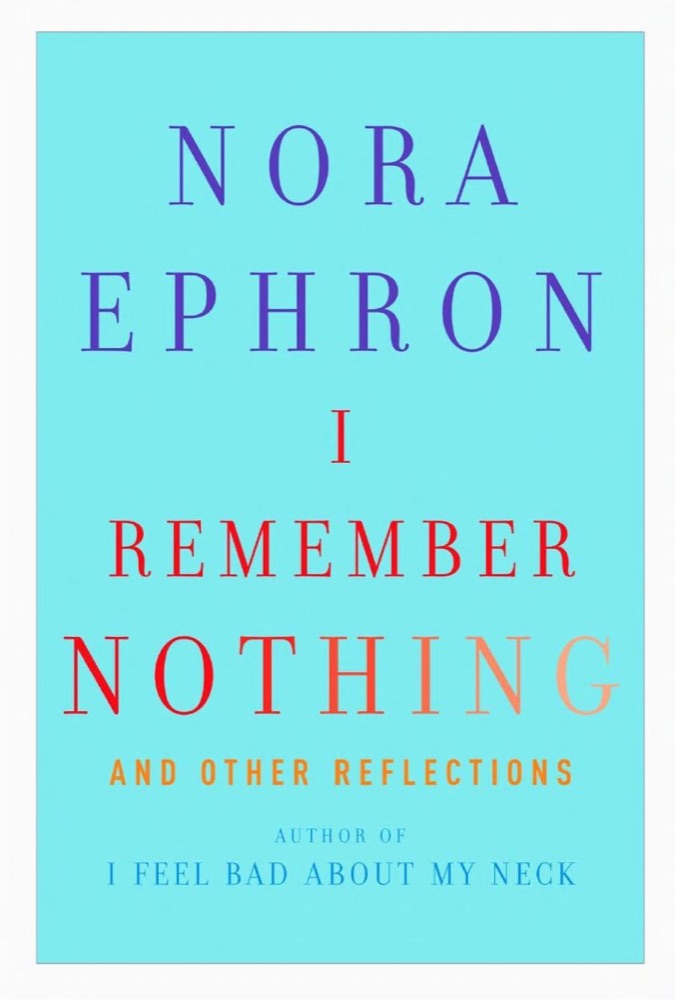 I Remember Nothing: and Other Reflections
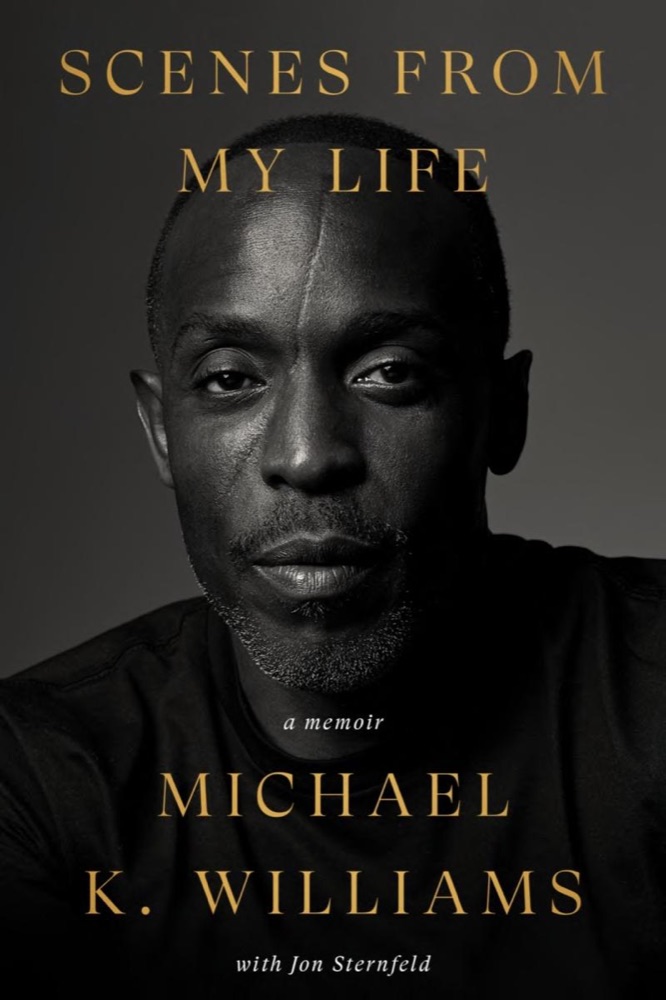 Scenes from My Life: A Memoir
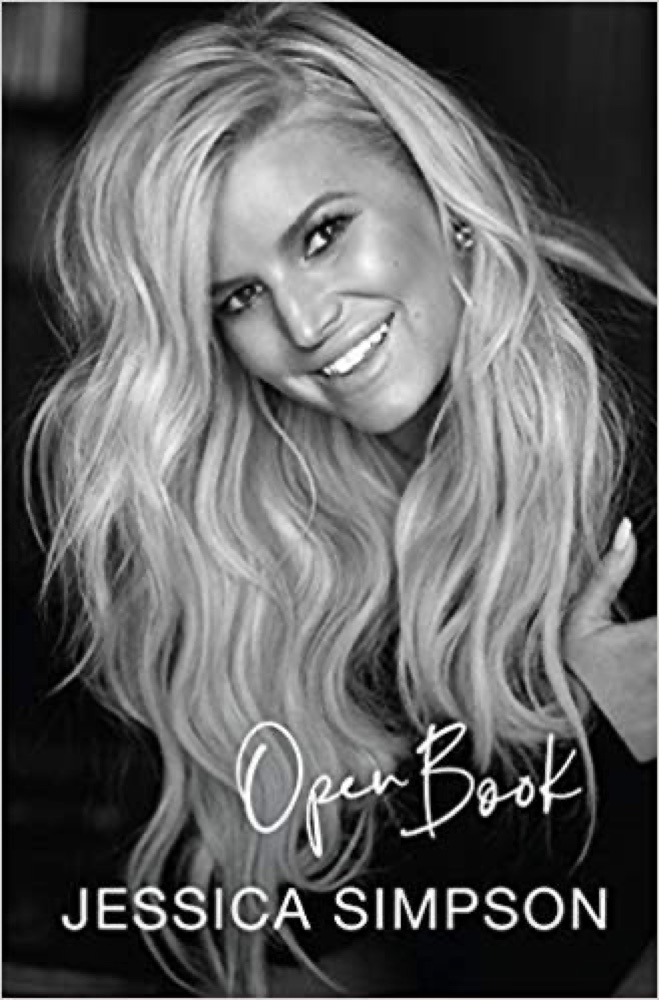 Open Book
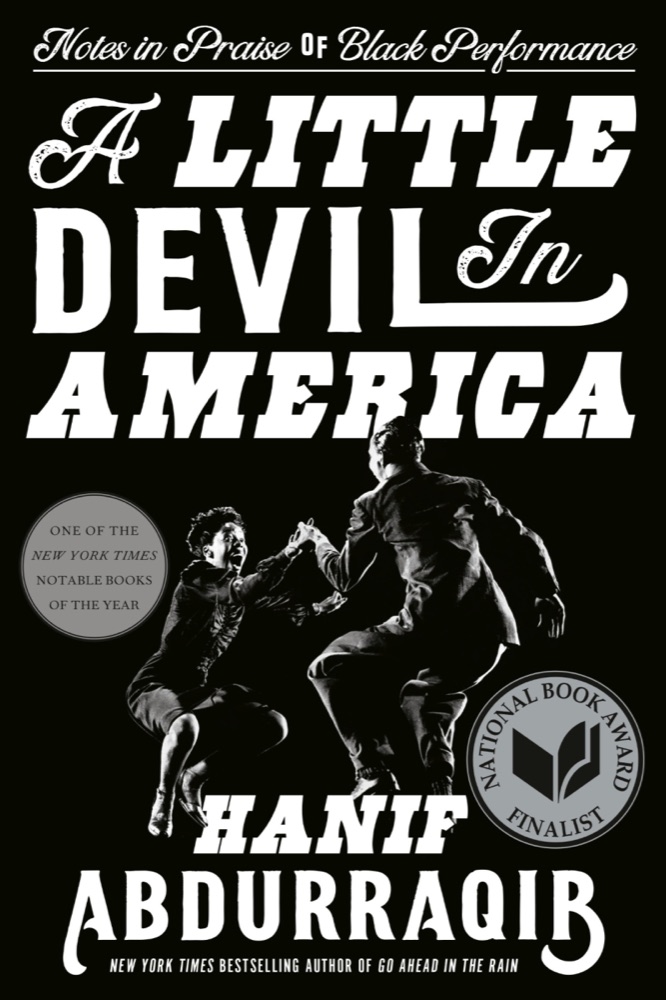 A Little Devil in America: Notes in Praise of Black Performance
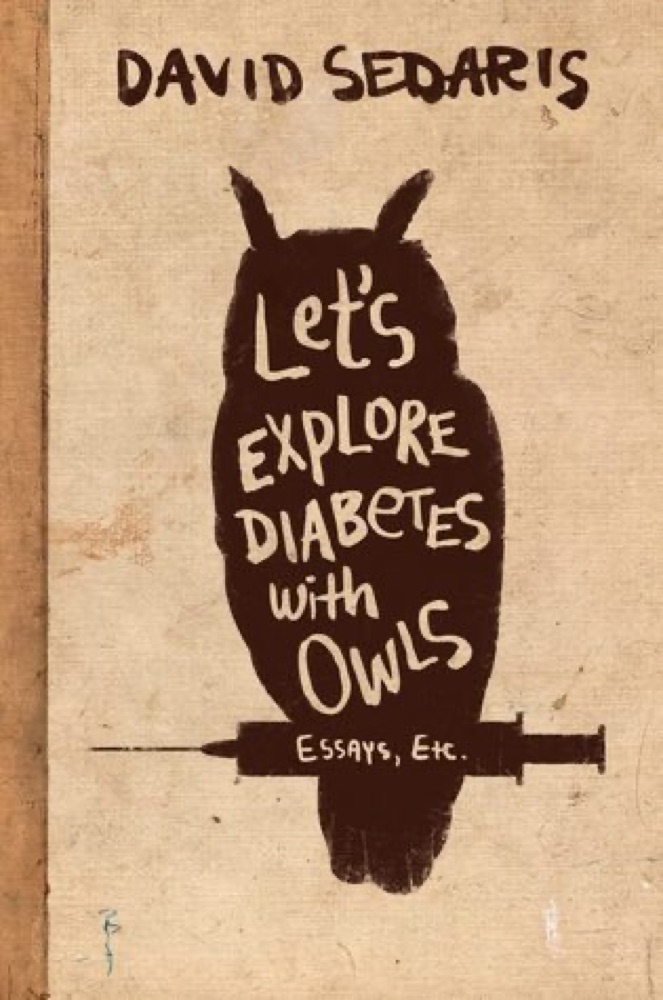 Let's Explore Diabetes with Owls
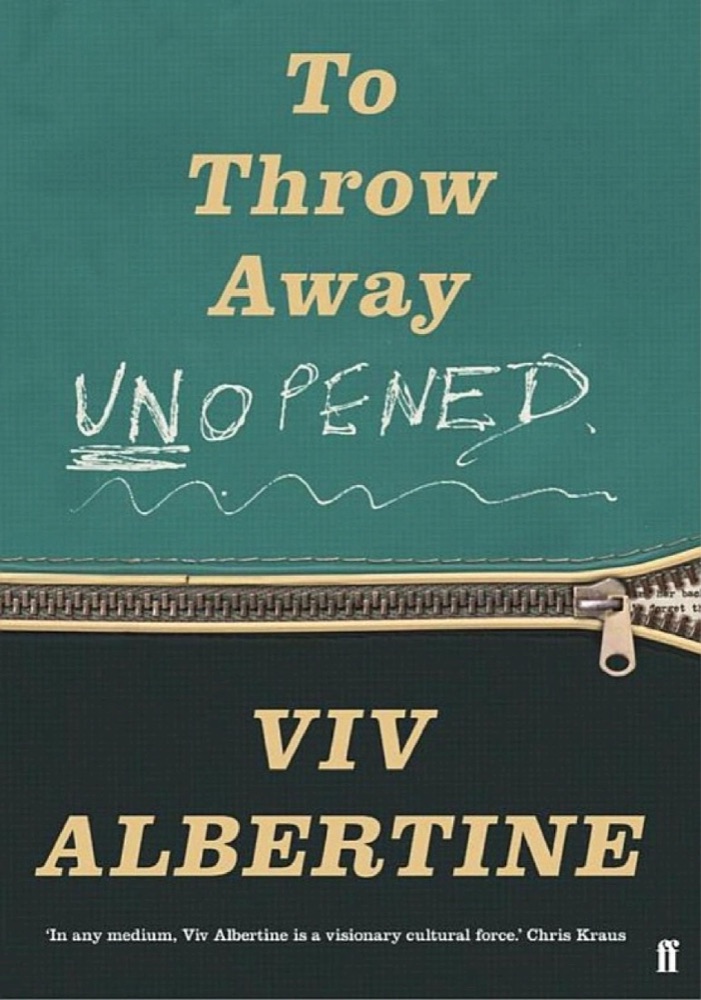 To Throw Away Unopened
 A History of My Brief Body
 Take the Cannoli
 The Fact of a Body: A Murder and a Memoir
 The House of Hidden Meanings
 The Five Stages of Andrew Brawley
 Close to the Knives: A Memoir of Disintegration
 You Better Not Cry: Stories for Christmas
 Broken Horses
 Notes of a Crocodile
 Born to Run
 Punch Me Up to the Gods
 My Father, the Pornographer
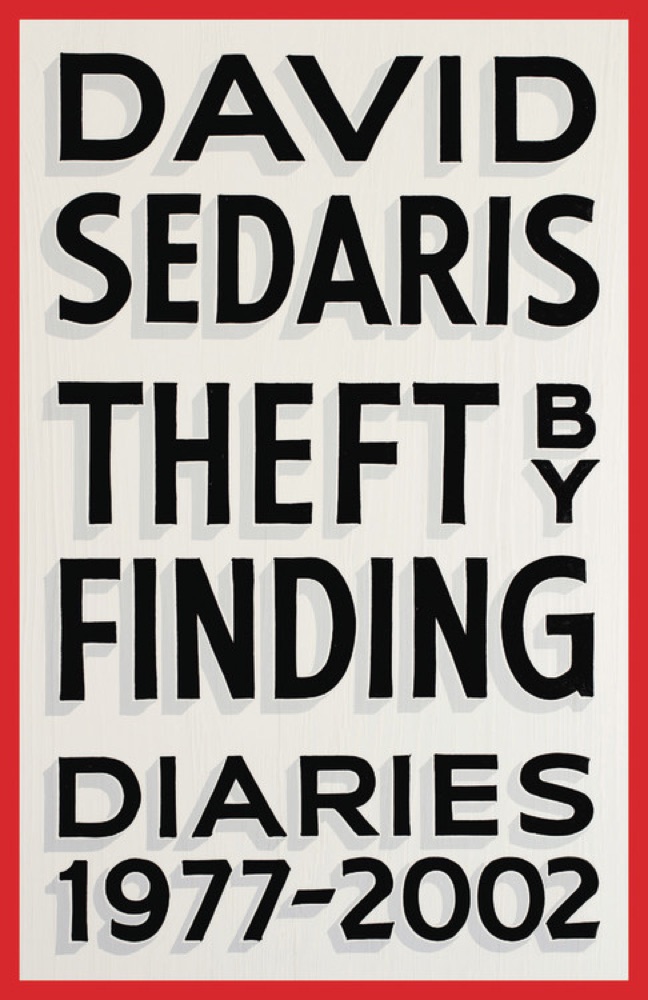 Theft by Finding: Diaries 1977-2002
 Notes from No Man's Land
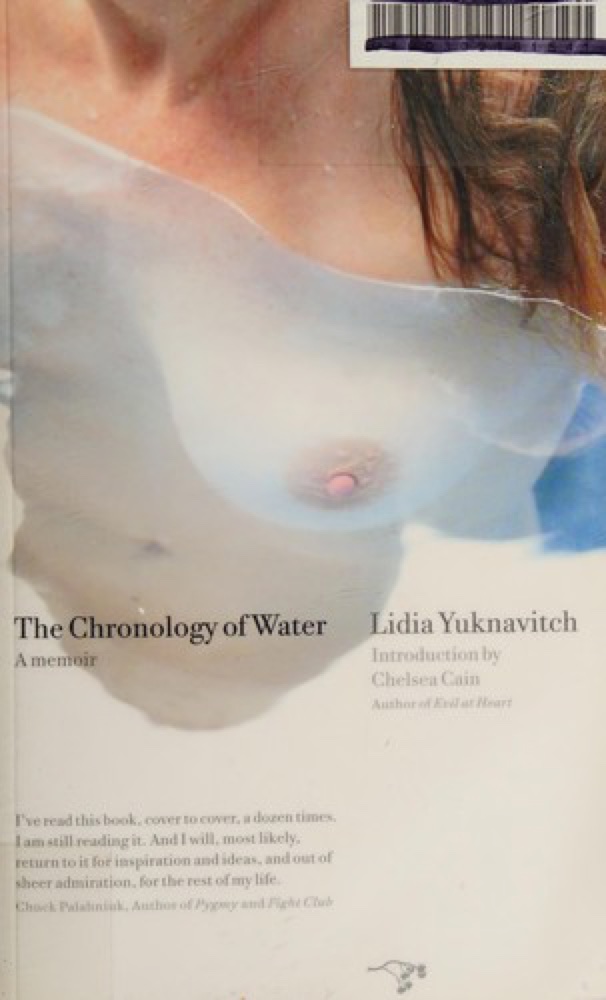 The Chronology of Water
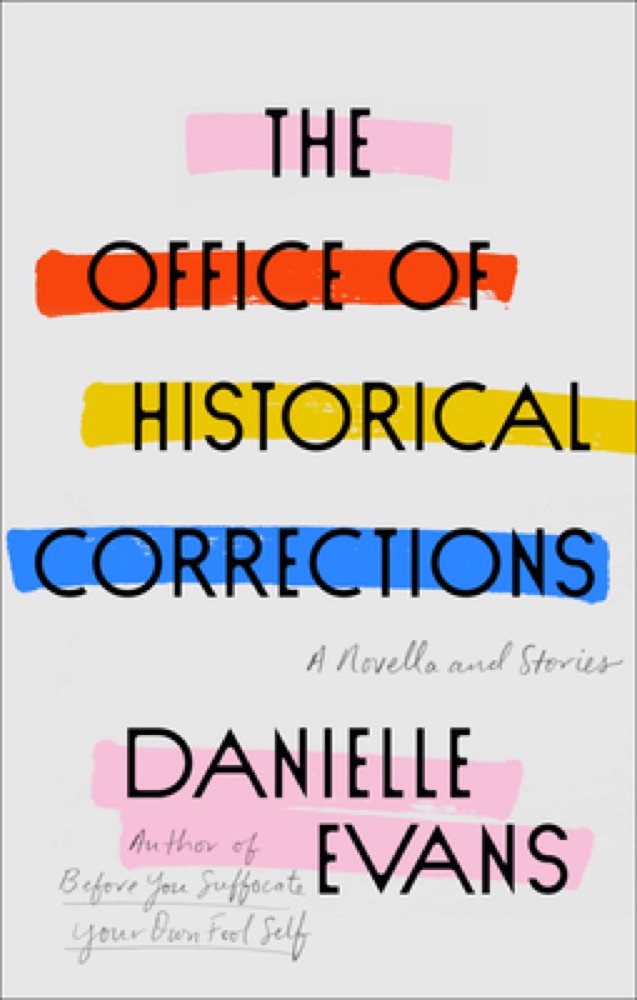 The Office of Historical Corrections