
 Will Grayson, Will Grayson
Quotes from the Book
What a treacherous thing to believe that a person is more than a person.
That's always seemed so ridiculous to me, that people want to be around someone because they're pretty. It's like picking your breakfeast cereals based on color instead of taste.
It is so hard to leave—until you leave. And then it is the easiest goddamned thing in the world.
I'm not saying that everything is survivable. Just that everything except the last thing is.
The town was paper, but the memories were not.
If you don't imagine, nothing ever happens at all.
Did you know that for pretty much the entire history of the human species, the average life span was less than thirty years? You could count on ten years or so of real adulthood, right? There was no planning for retirement, There was no planning for a career. There was no planning. No time for plannning. No time for a future. But then the life spans started getting longer, and people started having more and more future. And now life has become the future. Every moment of your life is lived for the future--you go to high school so you can go to college so you can get a good job so you can get a nice house so you can afford to send your kids to college so they can get a good job so they can get a nice house so they can afford to send their kids to college.
I didn’t need you, you idiot. I picked you. And then you picked me back.
When did we see each other face-to-face? Not until you saw into my cracks and I saw into yours. Before that, we were just looking at ideas of each other, like looking at your window shade but never seeing inside. But once the vessel cracks, the light can get in. The light can get out.
Talking to a drunk person was like talking to an extremely happy, severely brain-damaged three-year-old.
It is easy to forget how full the world is of people, full to bursting, and each of them imaginable and consistently misimagined.
Here's what's not beautiful about it: from here, you can't see the rust or the cracked paint or whatever, but you can tell what the place really is. You can see how fake it all is. It's not even hard enough to be made out of plastic. It's a paper town. I mean, look at it, Q: look at all those culs-de-sac, those streets that turn in on themselves, all the houses that were built to fall apart. All those paper people living in their paper houses, burning the future to stay warm. All the paper kids drinking beer some bum bought for them at the paper convenience store. Everyone demented with the mania of owning things. All the things paper-thin and paper-frail. And all the people, too. I've lived here for eighteen years and I have never once in my life come across anyone who cares about anything that matters.
Maybe all the strings inside him broke.
As long as we don't die, this is gonna be one hell of a story.
Maybe its like you said before, all of us being cracked open. Like each of us starts out as a watertight vessel. And then things happen - these people leave us, or don’t love us, or don’t get us, or we don’t get them, and we lose and fail and hurt one another. And the vessel starts to crack in places. And I mean, yeah once the vessel cracks open, the end becomes inevitable. Once it starts to rain inside the Osprey, it will never be remodeled. But there is all this time between when the cracks start to open up and when we finally fall apart. And its only that time that we see one another, because we see out of ourselves through our cracks and into others through theirs. When did we see each other face to face? Not until you saw into my cracks and I saw into yours. Before that we were just looking at ideas of each other, like looking at your window shade, but never seeing inside. But once the vessel cracks, the light can get in. The light can get out.
You know your problem, Quentin? You keep expecting people not to be themselves. I mean, I could hate you for being massively unpunctual and for never being interested in anything other than Margo Roth Spiegelman, and for, like, never asking me about how it's going with my girlfriend - but I don't give a shit, man, because you're you. My parents have a shit ton of black Santas, but that's okay. They're them. I'm too obsessed with a reference website to answer my phone sometimes when my friends call, or my girlfriend. That's okay, too. That's me. You like me anyway. And I like you. You're funny, and you're smart, and you may show up late, but you always show up eventually.
Margo always loved mysteries. And in everything that came afterward, I could never stop thinking that maybe she loved mysteries so much that she became one.
As much as life can suck, it always beats the alternative.
The way I figure it, everyone gets a miracle. Like, I will probably never be struck by lightening, or win a Nobel Prize, or become the dictator of a small nation in the Pacific Islands, or contract terminal ear cancer, or spontaneously combust. But if you consider all the unlikely things together, at least one of them will probably happen to each of us. I could have seen it rain frogs. I could have stepped foot on Mars. I could have been eaten by a whale. I could have married the Queen of England or survived months at sea. But my miracle was different. My miracle was this: out of all the houses in all the subdivisions in all of Florida, I ended up living next door to Margo Roth Spiegelman.
I'm starting to realize that people lack good mirrors. It's so hard for anyone to show us how we look, & so hard for us to show anyone how we feel.
Nothing ever happens like you imagine it will
And all at once I knew how Margo Roth Spiegelman felt when she wasn't being Margo Roth Spiegelman: she felt empty. She felt the unscaleable wall surrounding her. I thought of her asleep on the carpet with only that jagged sliver of sky above her. Maybe Margo felt comfortable there because Margo the person lived like that all the time: in an abandoned room with blocked-out windows, the only light pouring in through holes in the roof. Yes. The fundamental mistake I had always made—and that she had, in fairness, always led me to make—was this: Margo was not a miracle. She was not an adventure. She was not a fine and precious thing. She was a girl.
Peeing is like a good book in that it is very, very hard to stop once you start.
At some point, you gotta stop looking up at the sky, or one of these days you'll look back down and see that you floated away, too.
Isn't it also that on some fundamental level we find it difficult to understand that other people are human beings in the same way that we are? We idealize them as gods or dismiss them as animals.
And I wanted to tell her that the pleasure for me wasn't planning or doing or leaving; the pleasure was in seeing our strings cross and separate and then come back together.
Poetry is just so emo." he said. "Oh, the pain. The pain. It always rains. In my soul.
Radar threw his books into his locker and shut it. Then the din of conversation around us quieted just a bit as he turned his eyes toward the heavens and shouted, "IT IS NOT MY FAULT THAT MY PARENTS OWN THE WORLD'S LARGEST COLLECTION OF BLACK SANTAS.
The rules of capitalization are so unfair to words in the middle of a sentence.
It was nice - in the dark and the quiet... and her eyes looking back, like there was something in me worth seeing.
Did you know?
- John Green drew inspiration for the book from encountering the concept of "paper towns" while on a road trip through South Dakota.
- The novel debuted at number five on the New York Times bestseller list for children's books.
- It won the 2009 Edgar Award for best young adult novel.
- A key location in the story is Agloe, New York, a real "paper town" originally invented by mapmakers as a copyright trap.
- The book was adapted into a 2015 film starring Nat Wolff and Cara Delevingne.
About John Green
John Green is an American author and YouTube creator, best known for bestselling young adult novels including "Looking for Alaska" and "The Fault in Our Stars." He co-founded the educational and vlogging "vlogbrothers" channel with his brother Hank Green.
More about the author →More by John Green
All books by John Green →
About the book
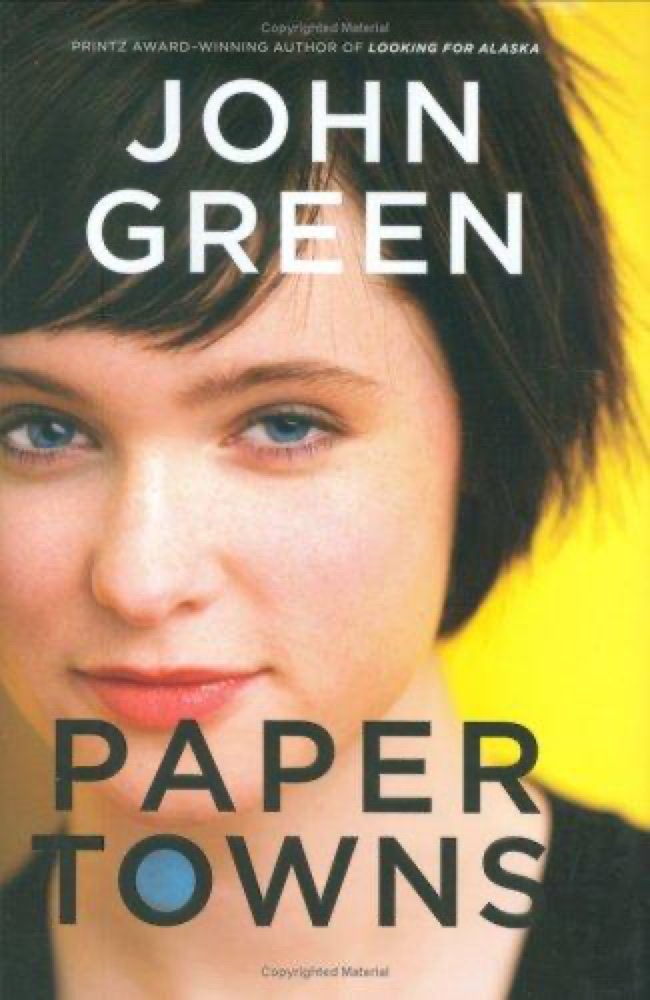
"Paper Towns" is a 2008 young adult novel by John Green that follows Quentin "Q" Jacobsen, a cautious, rule-following high school senior in Orlando, Florida. When his enigmatic neighbor and lifelong crush, Margo Roth Spiegelman, pulls him into a night of elaborate revenge-fueled adventures and then abruptly vanishes, Q becomes convinced she has left a trail of clues meant for him. Together with his friends Ben, Radar, and Margo's friend Lacey, he sets out to decode her whereabouts, a search that eventually points toward the concept of "paper towns"—fictitious places mapmakers insert to catch copyright infringers.
At its heart the novel is about the danger of idealizing another person. As Q chases his mental image of Margo, he slowly realizes that the girl he imagined is as invented as the paper town of Agloe, New York. Green weaves together themes of perception, identity, adolescence, and the gap between who people are and who we imagine them to be. The story balances comic road-trip energy with a quieter meditation on how truly knowing someone requires seeing them as they are rather than as a mirror for our own longing.
Released by Dutton Books, "Paper Towns" debuted at number five on the New York Times bestseller list for children's books and won the 2009 Edgar Award for best young adult mystery. Written by one of the most influential voices in contemporary YA fiction, it was adapted into a 2015 feature film and remains a widely read coming-of-age story about growing up, letting go of illusions, and learning to imagine others complexly.
Key characters
- Quentin "Q" JacobsenThe protagonist and narrator, a cautious, rule-following high school senior
- Margo Roth SpiegelmanQ's enigmatic neighbor and longtime crush who disappears
- Ben StarlingQ's best friend, providing much of the story's comic relief
- Marcus "Radar" LincolnQ's intellectual friend who helps with the search
- Lacey PembertonMargo's longtime friend who joins the search for her
Book details
- First published
- 2008
- Length
- 305 pages
- Reading time
- 2 hours
- Author
- John Green
- Genre
- Fiction
- Goodreads rating
- 3.70 (1.5M ratings) →
- First line
- “The way I figure it, everyone gets a miracle.”
Movie & TV adaptations
- IMDb
If you liked this, read…
- 1Looking for AlaskaJohn Green's own debut, another YA story of a boy fixated on an elusive, complicated girl
- 2The Fault in Our StarsGreen's most famous novel, sharing his voice-driven, emotionally resonant YA storytelling
- 3An Abundance of KatherinesAnother Green road-trip novel blending humor with coming-of-age reflection
Keep reading
 Turtles All the Way Down
 The Beginning of Everything
 Mosquitoland
 A Fraction of the Whole
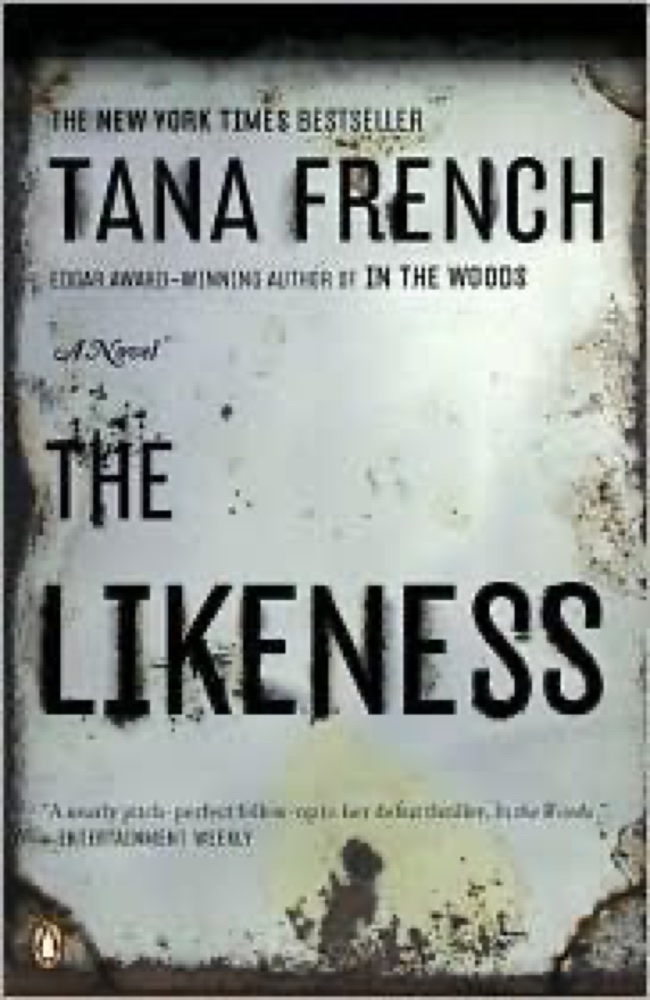 The Likeness
 Hard-Boiled Wonderland and the End of the World
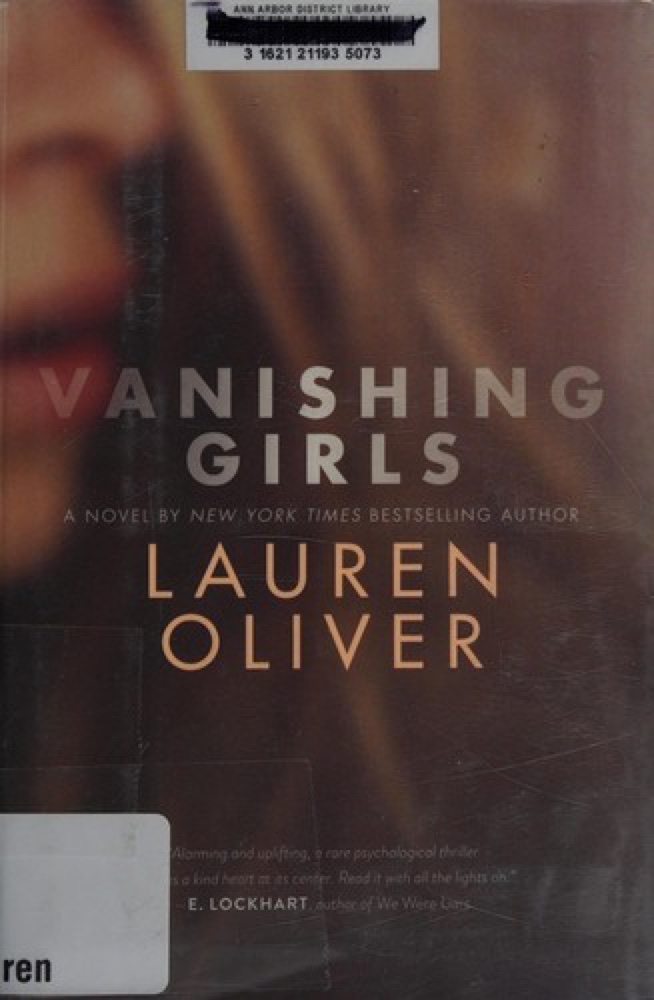 Vanishing Girls
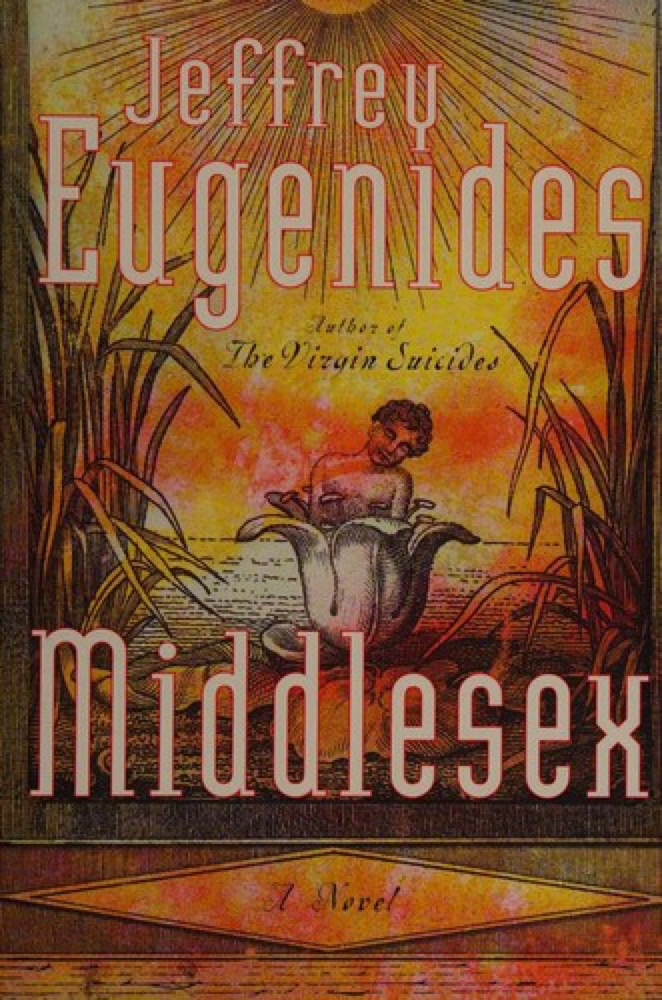 Middlesex
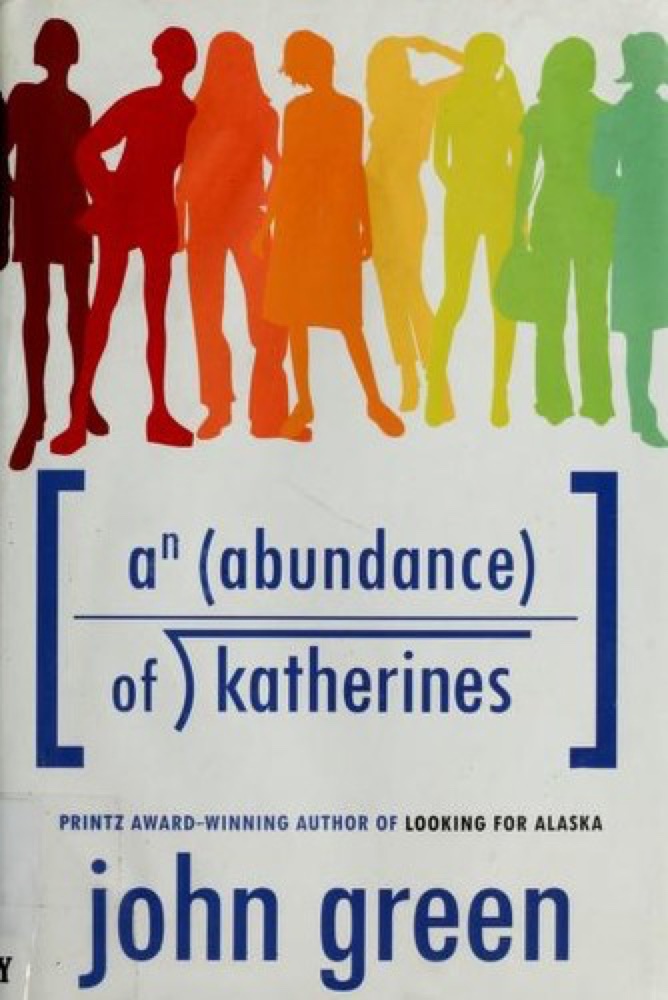 An Abundance of Katherines
 At the Edge of the Universe
 Every Exquisite Thing
 A Long Way Down
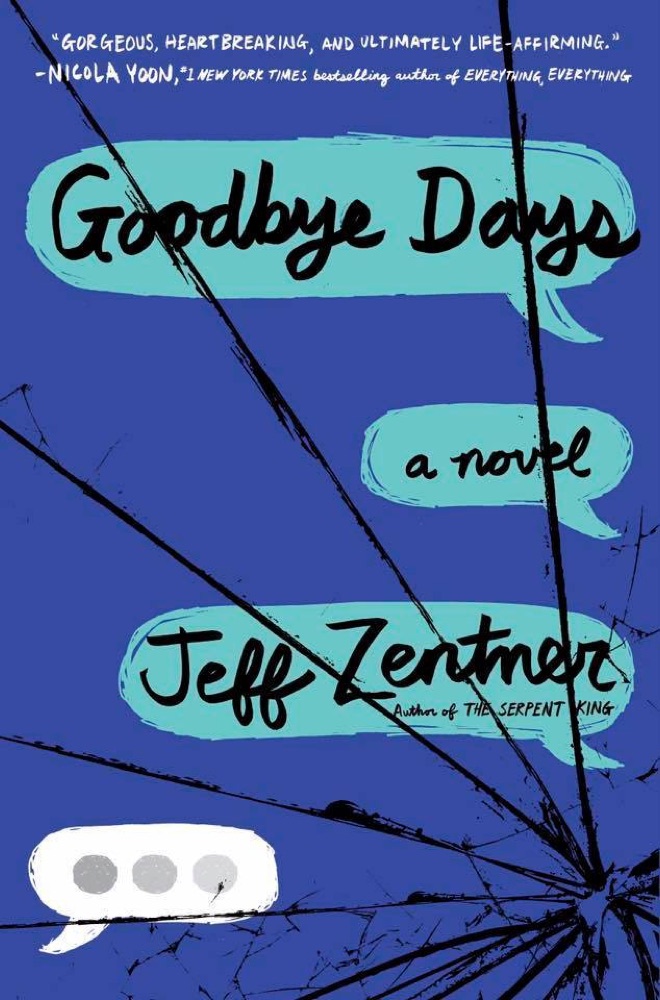 Goodbye Days
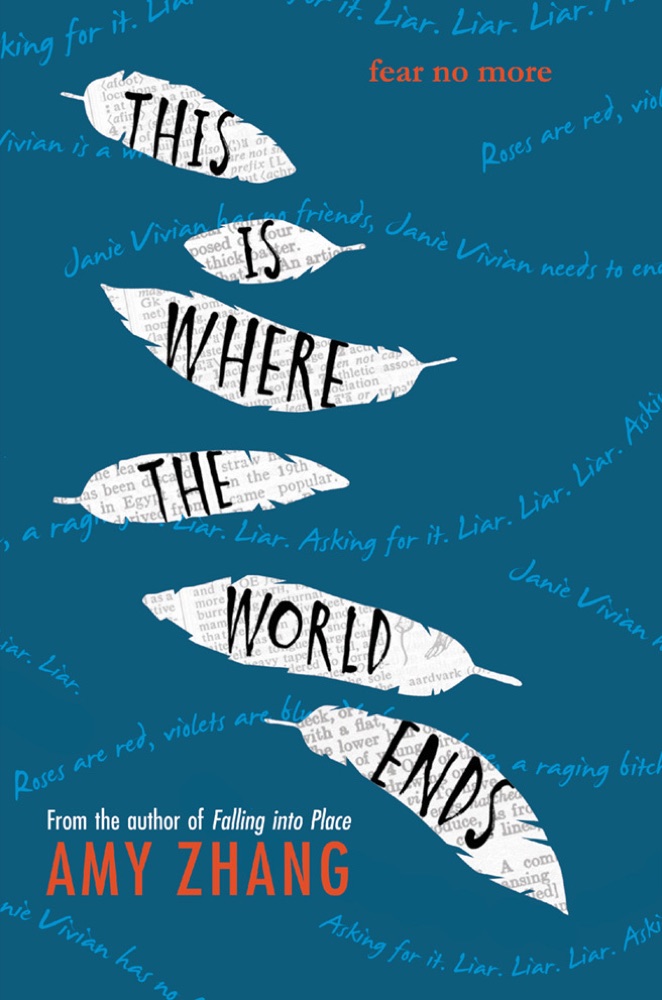 This Is Where the World Ends
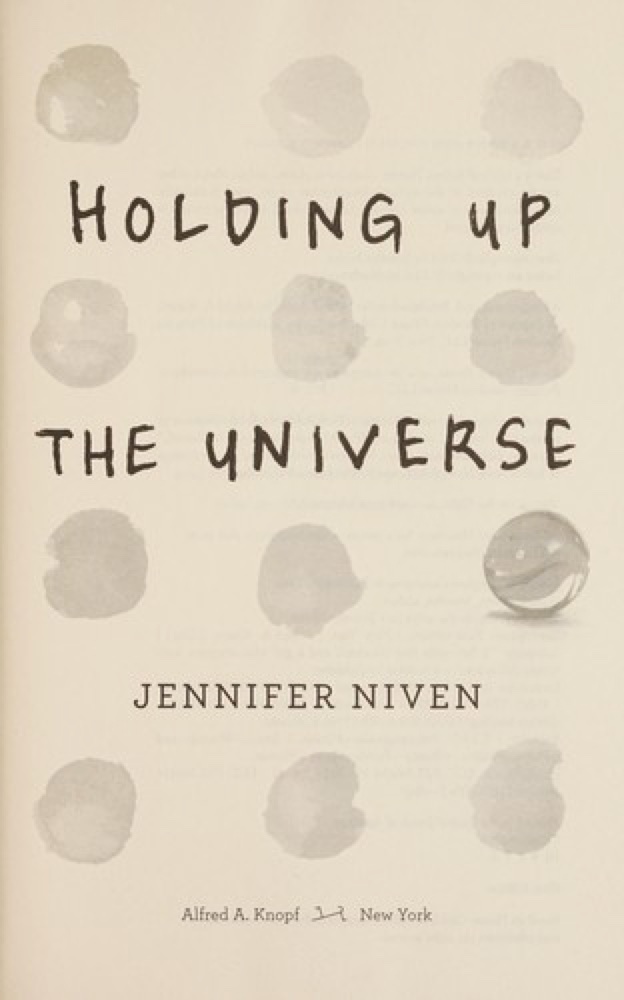 Holding Up the Universe
 Cracked Up to Be
 Invisibility
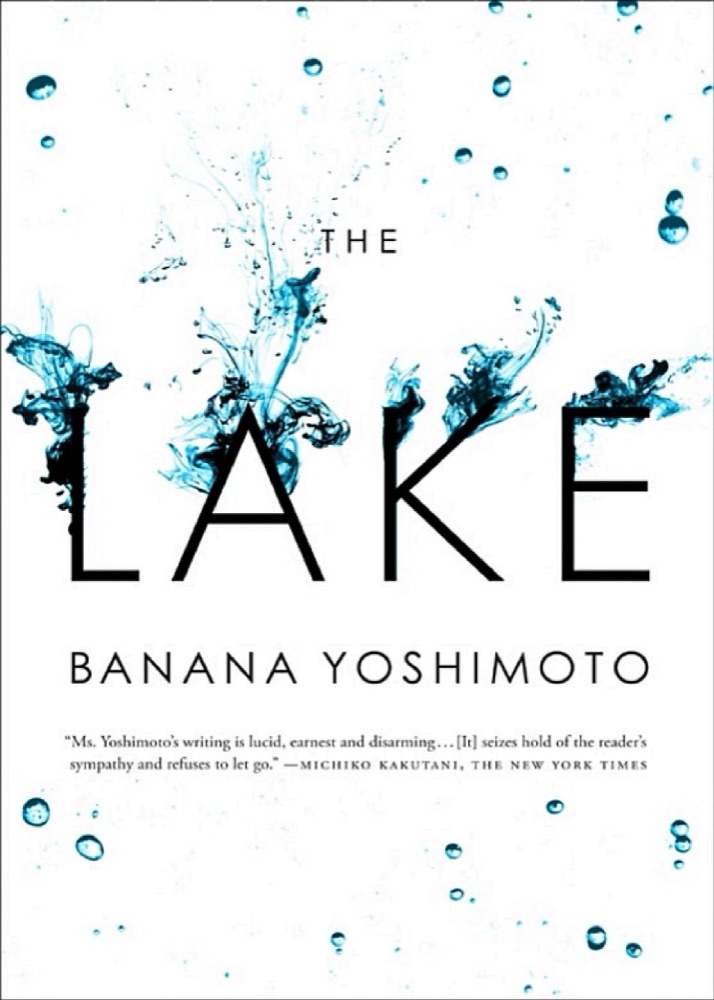 The Lake
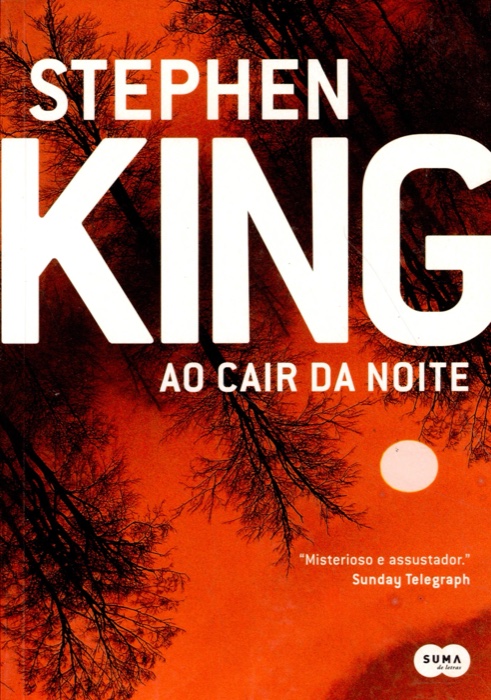 Just After Sunset
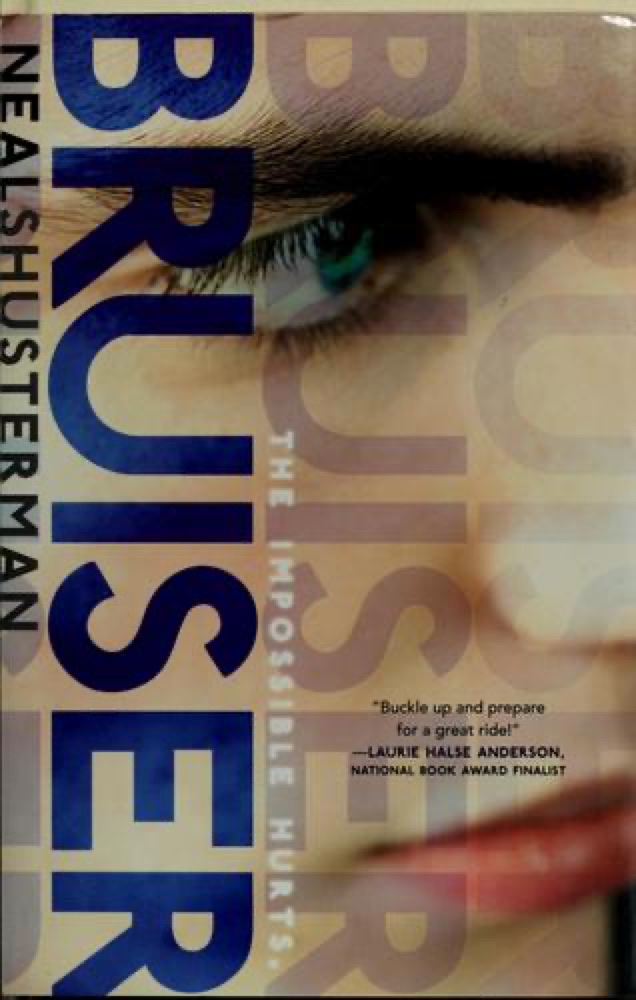 Bruiser
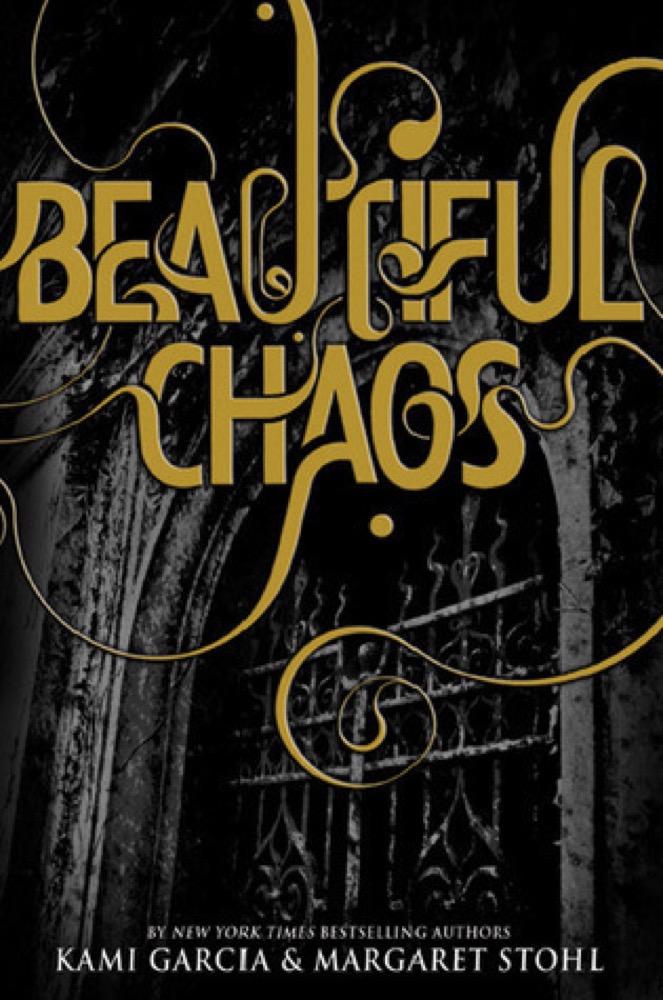 Beautiful Chaos
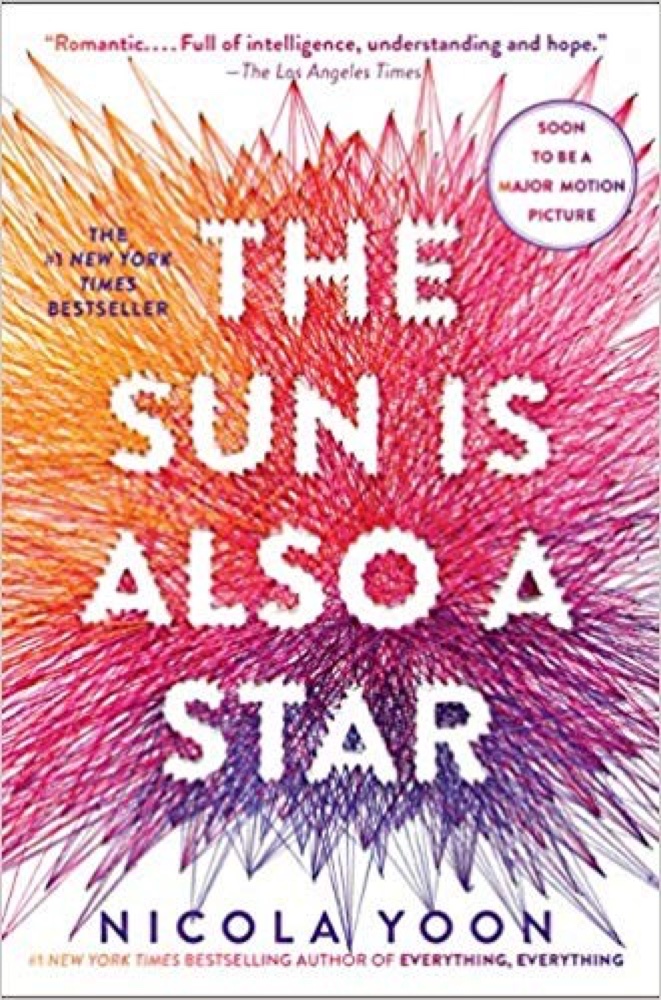 The Sun Is Also a Star
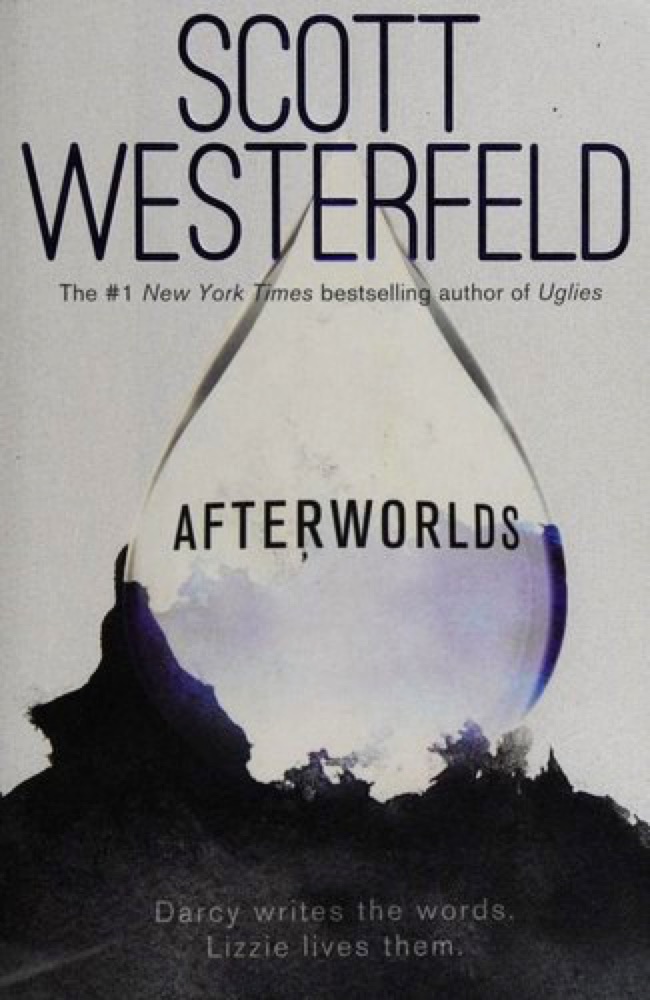 Afterworlds
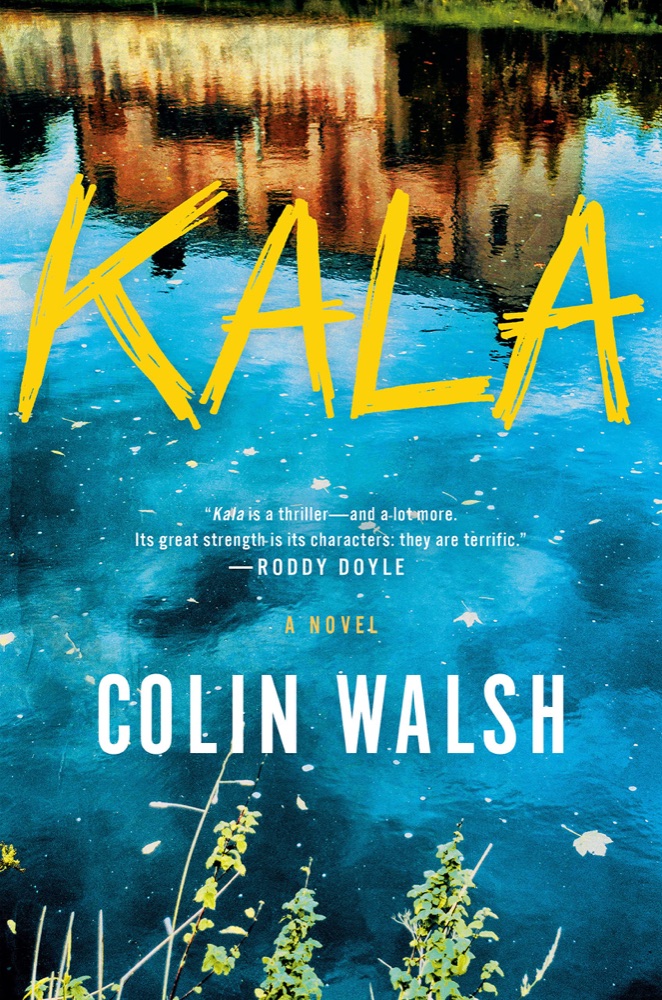 Kala
Kala
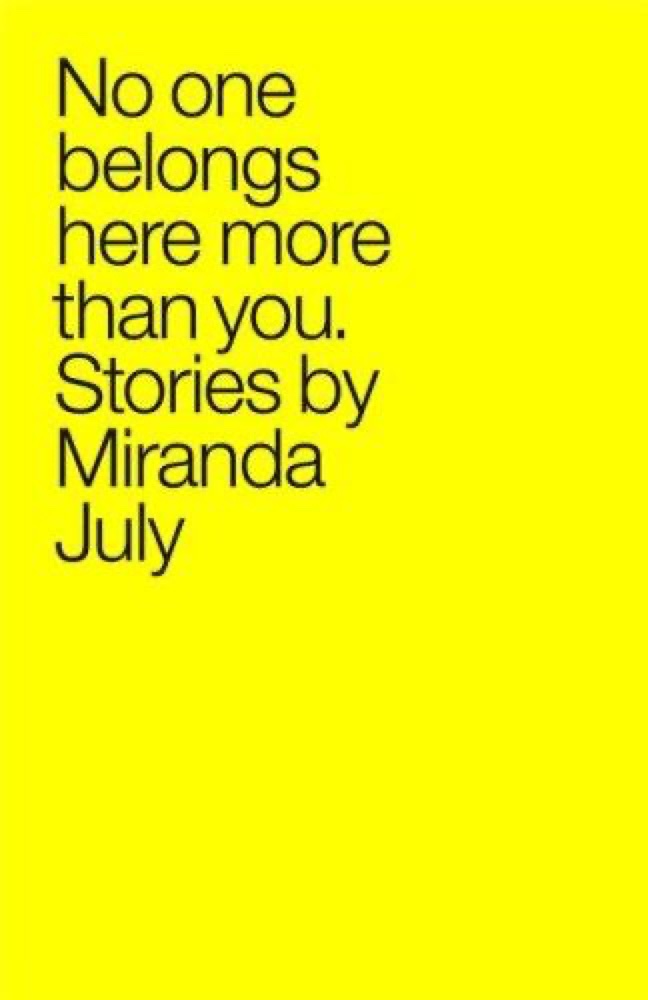 No One Belongs Here More Than You
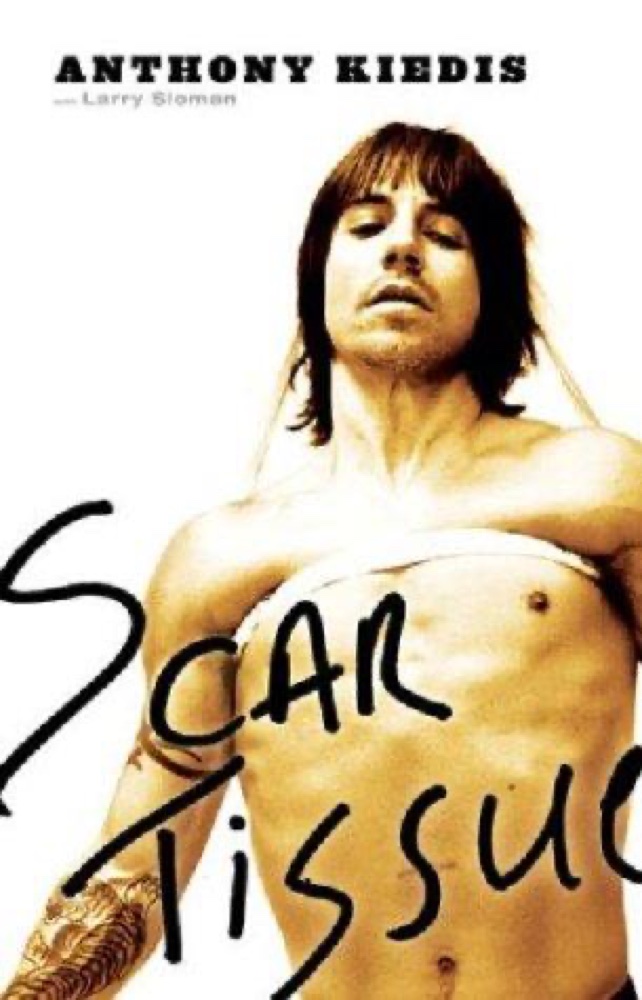 Scar Tissue
 Pandemonium
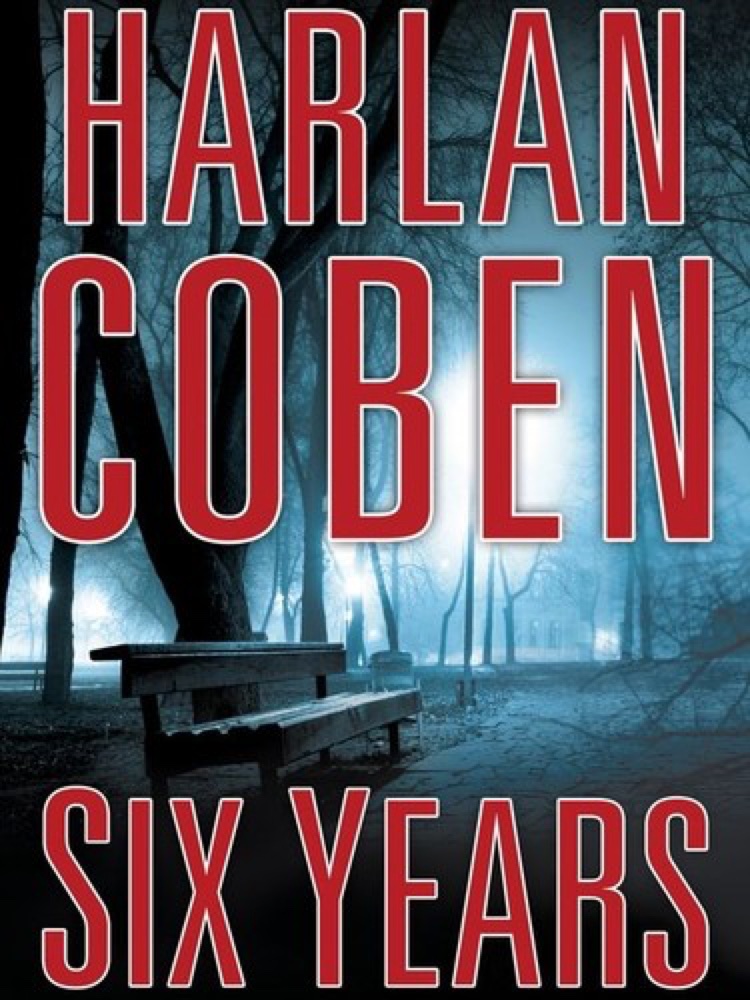 Six Years
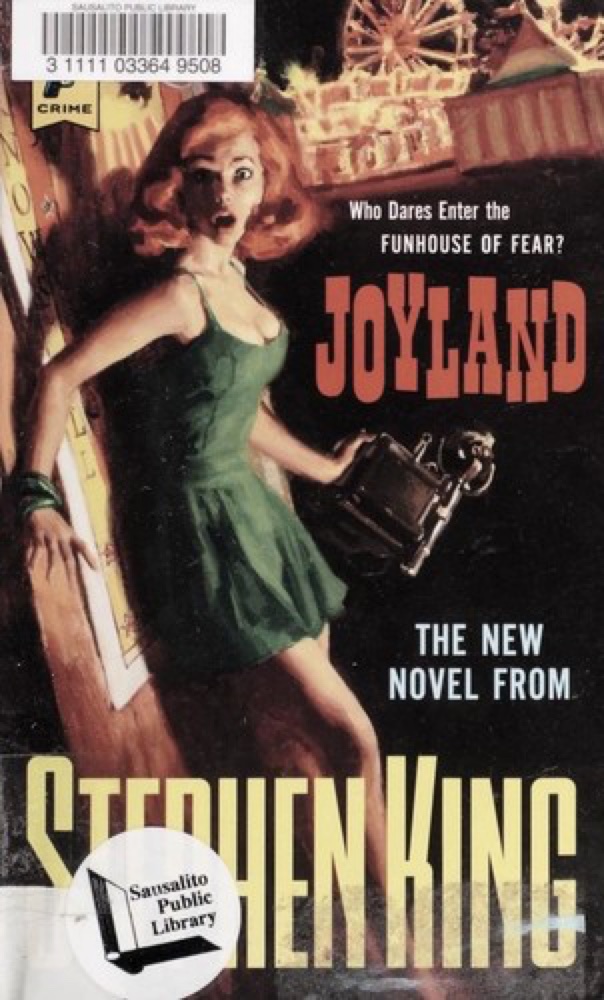 Joyland
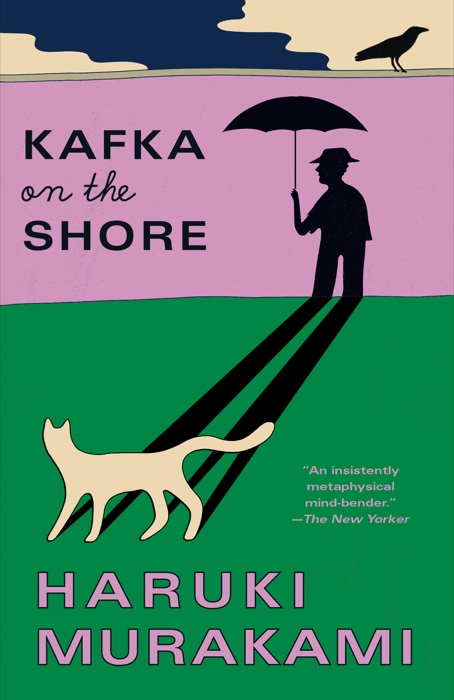 Kafka on the Shore
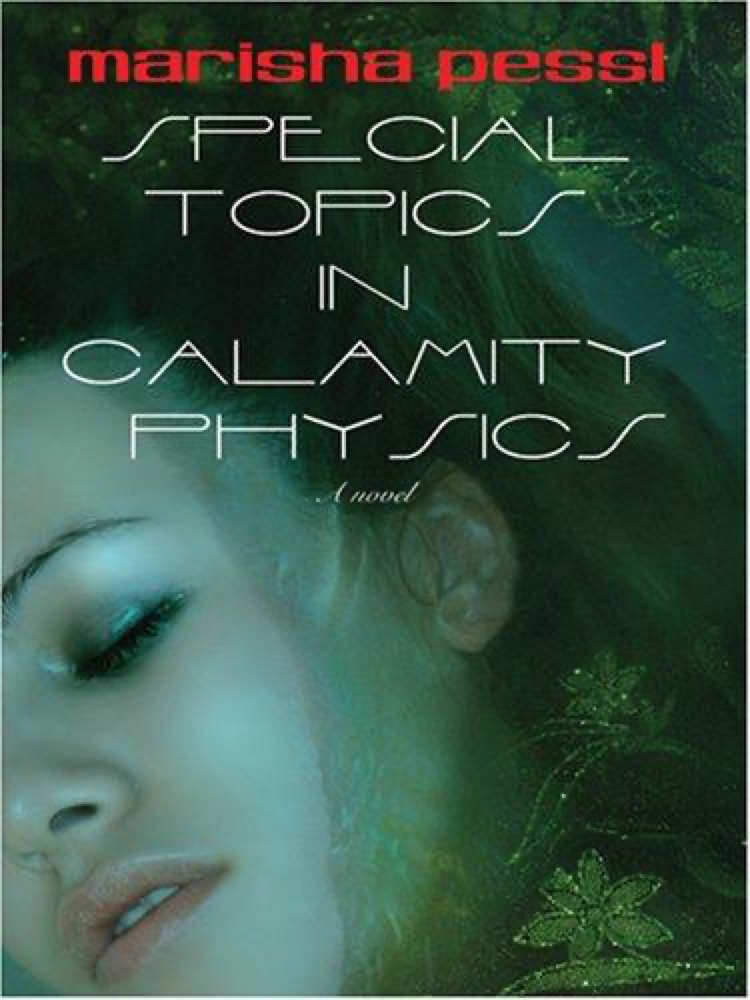 Special Topics in Calamity Physics
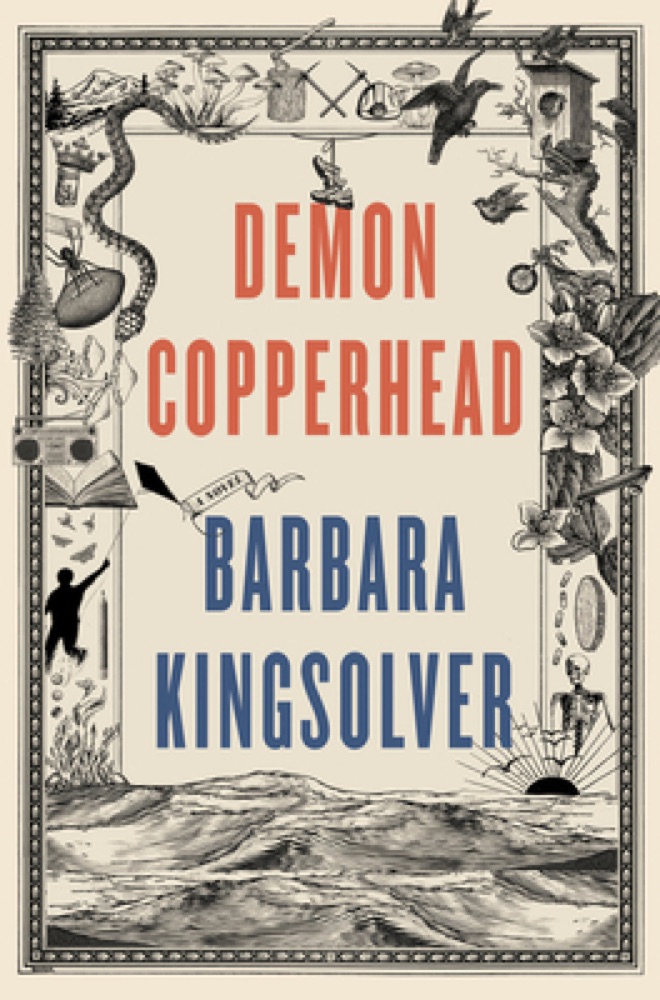 Demon Copperhead
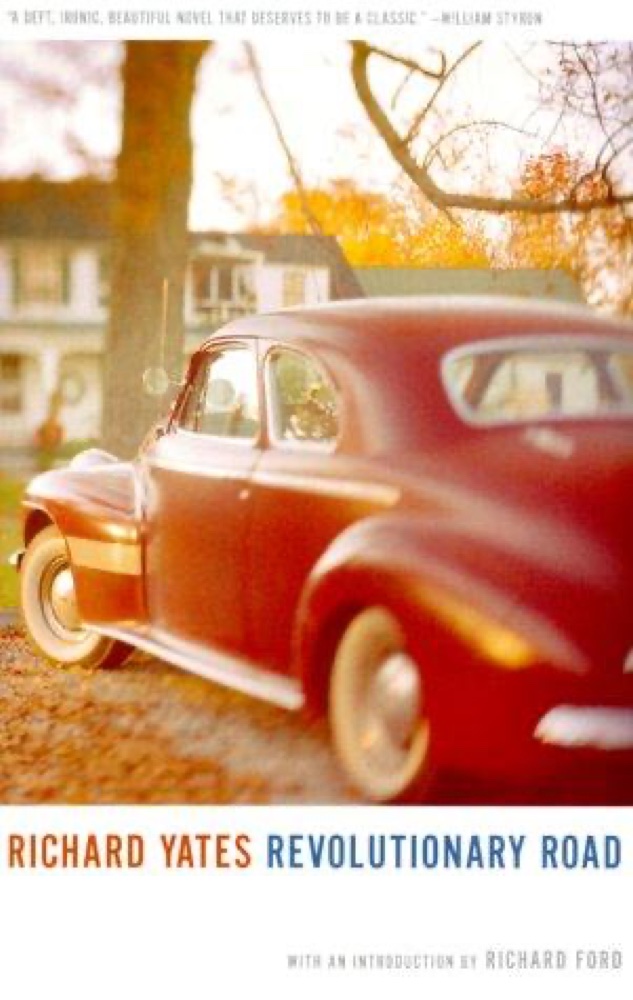 Revolutionary Road
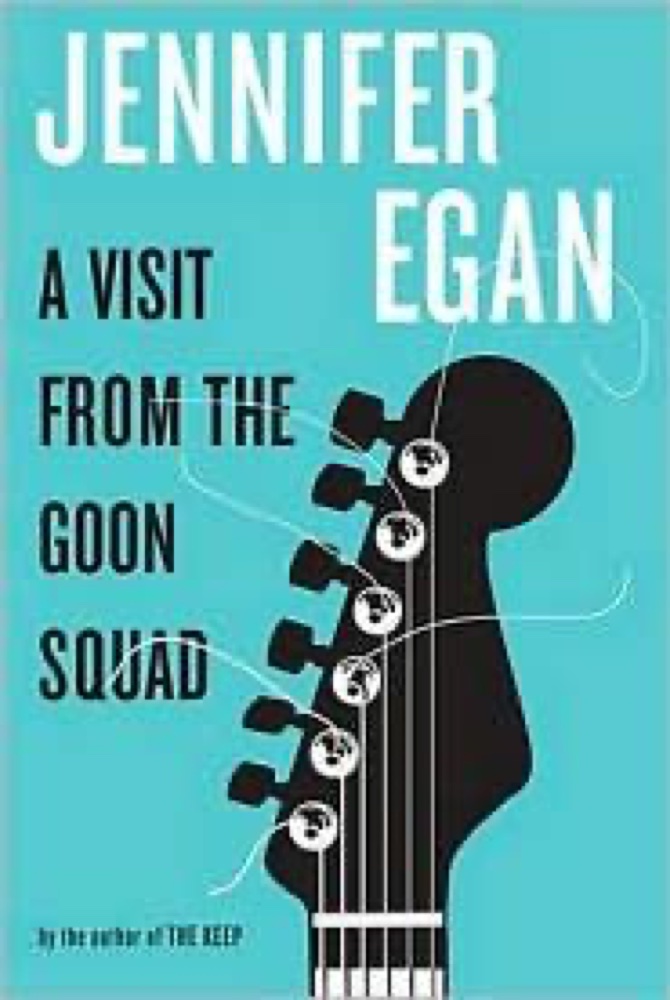 A Visit from the Goon Squad
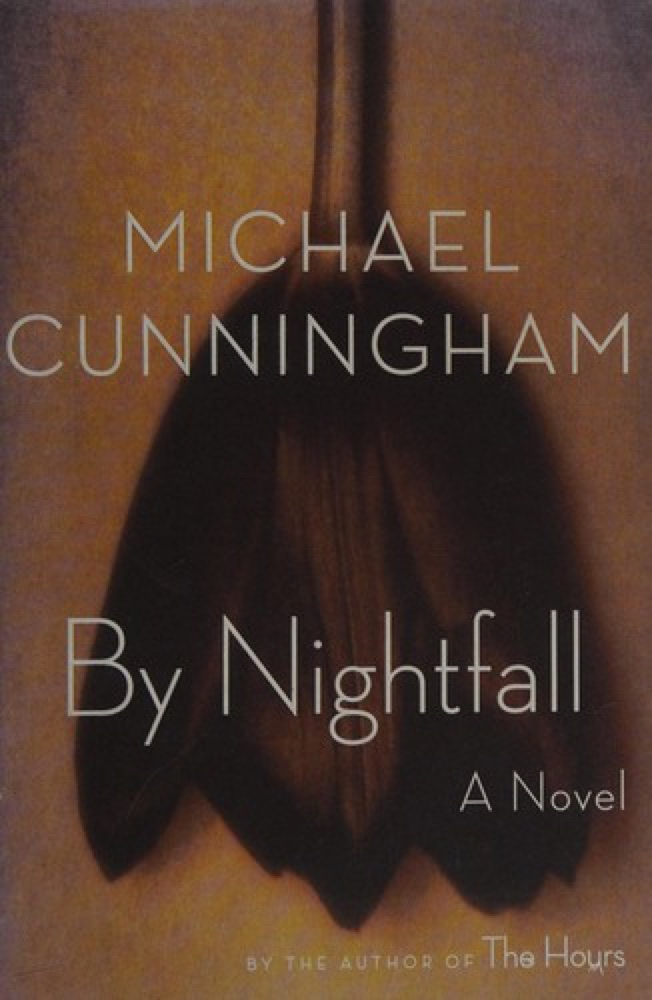 By Nightfall
 Making Faces
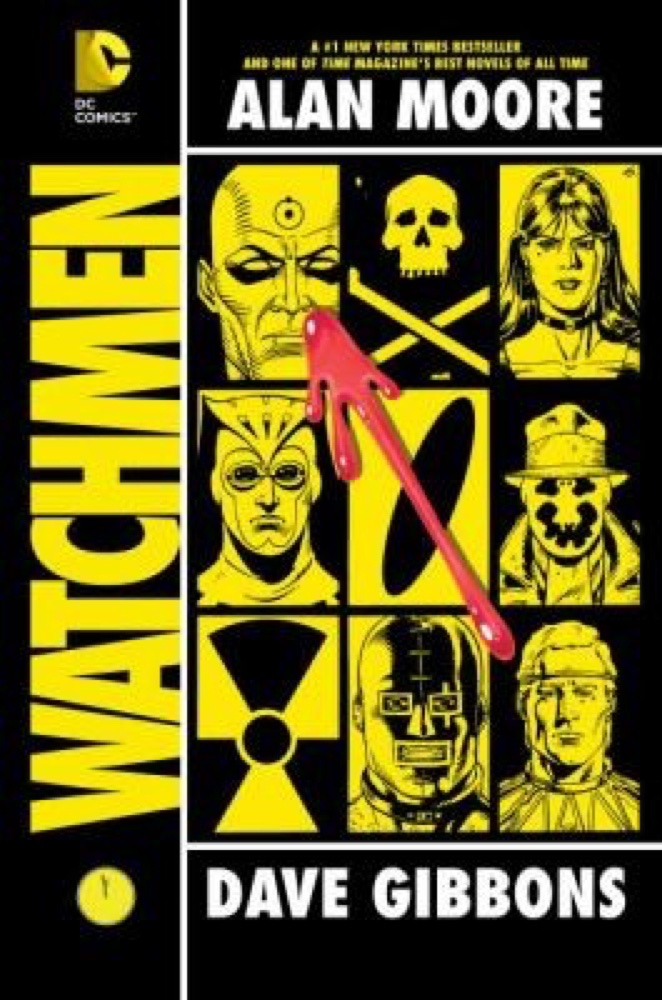 Watchmen
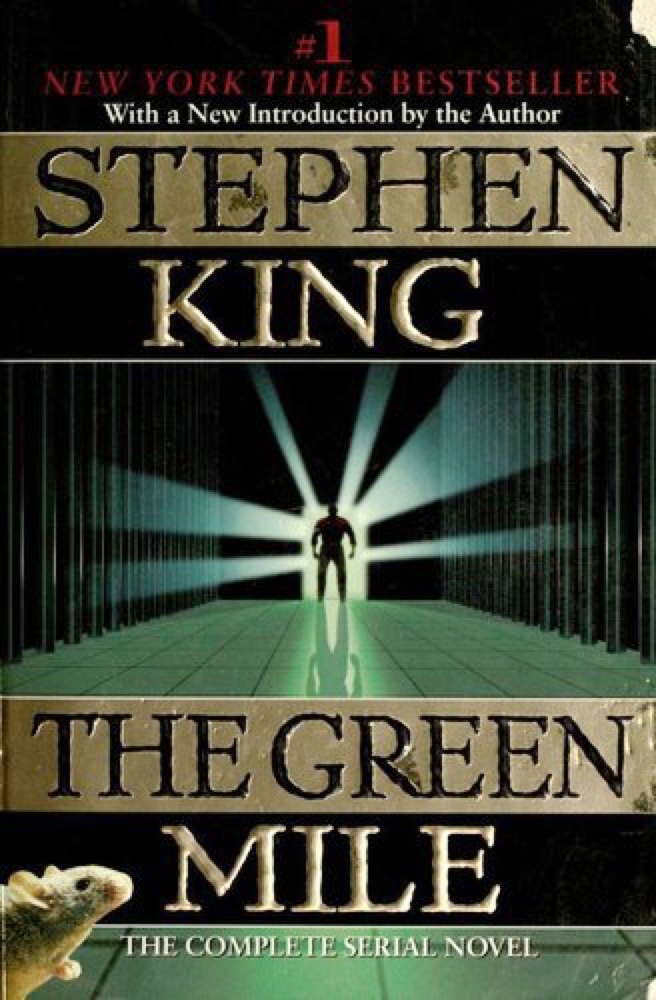 The Green Mile
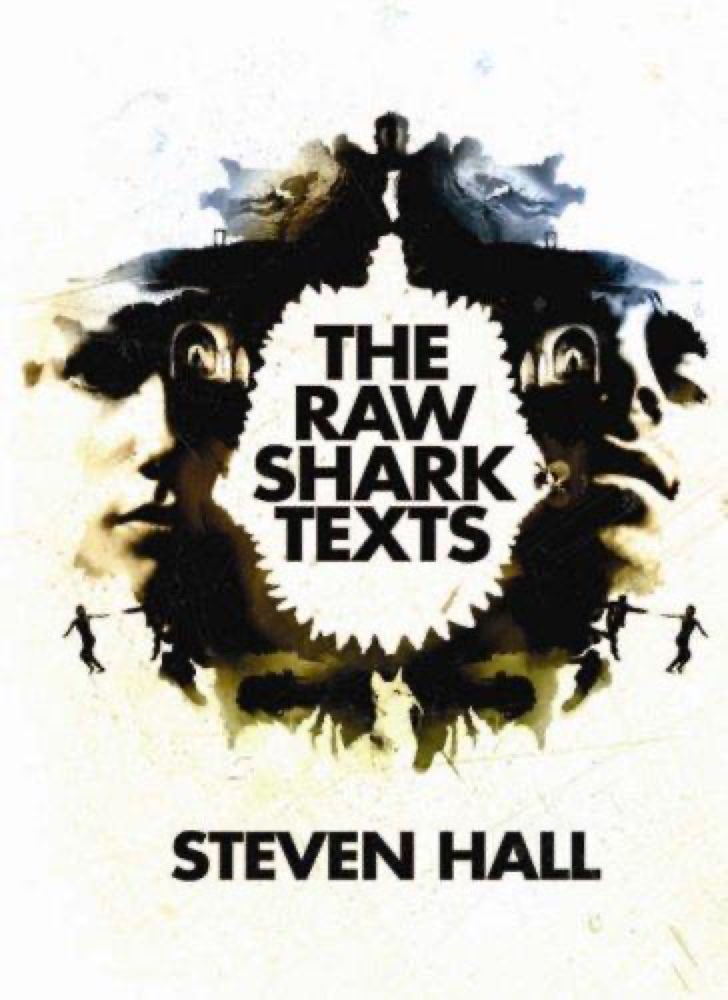 The Raw Shark Texts
 The Shining Girls
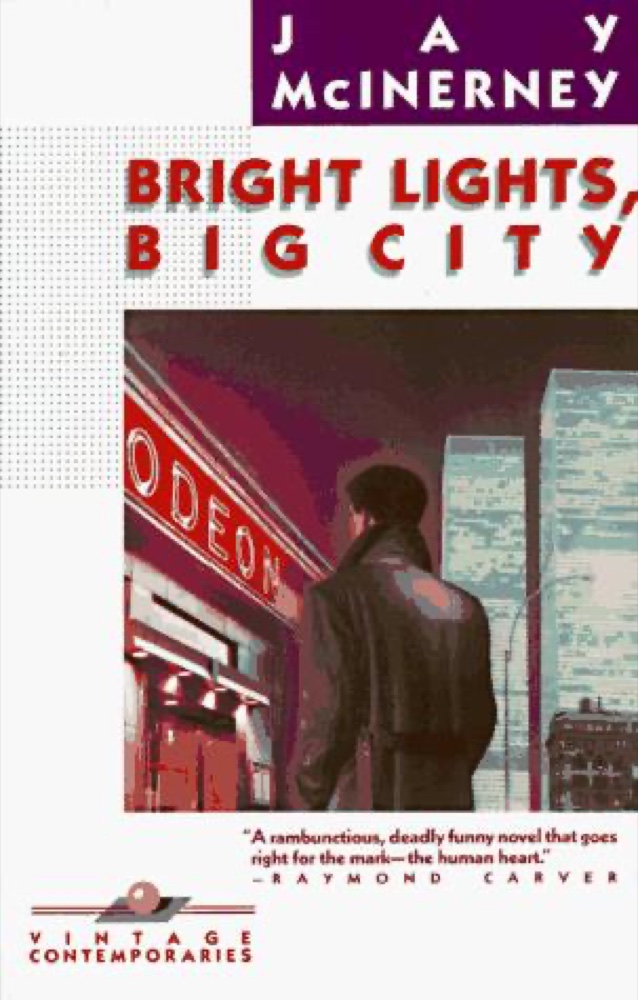 Bright Lights, Big City
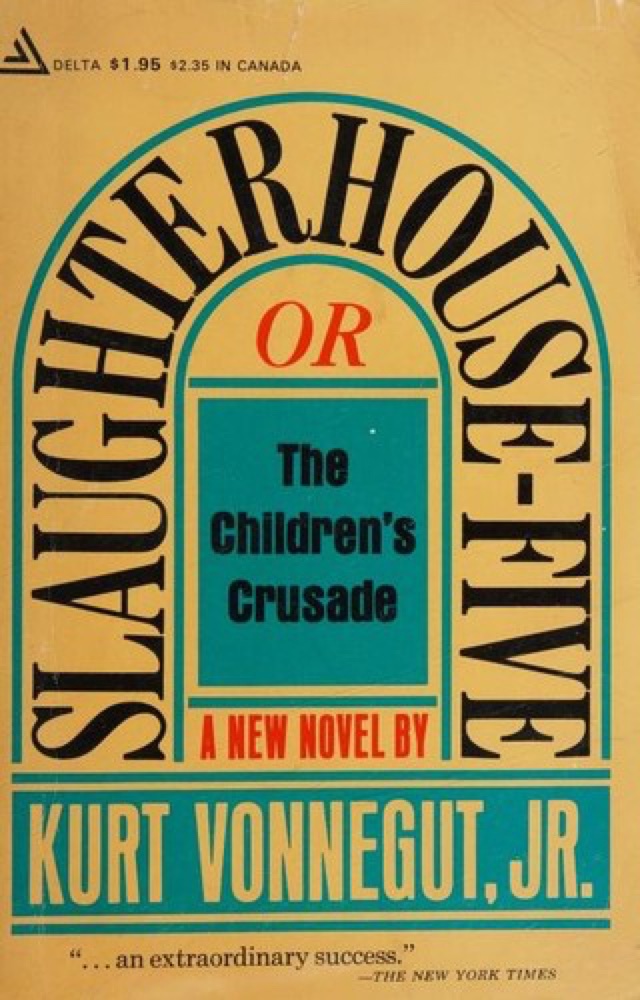 Slaughterhouse-Five
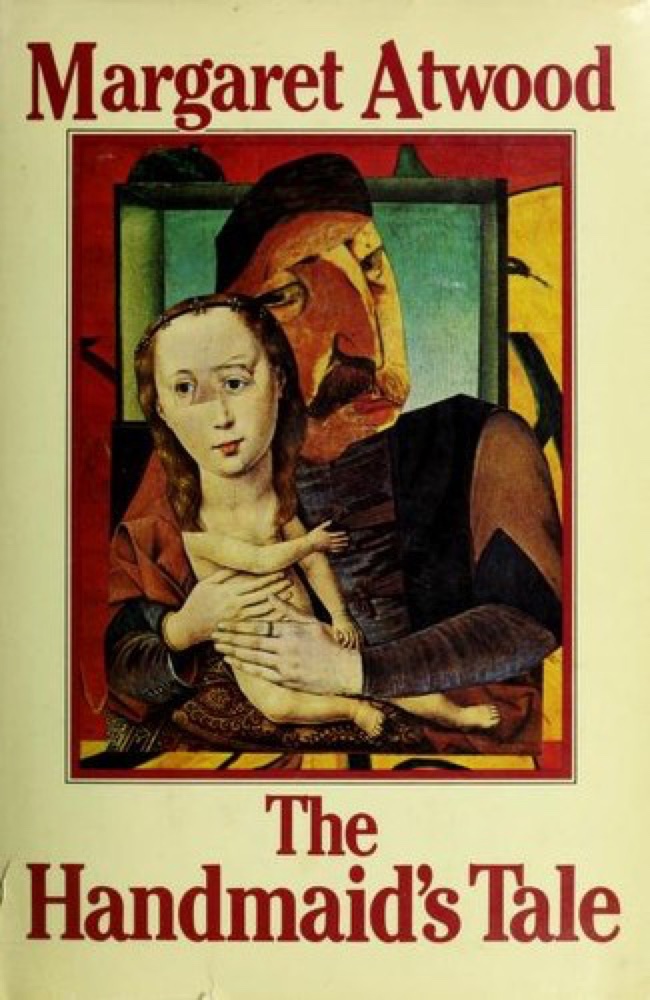 The Handmaid's Tale
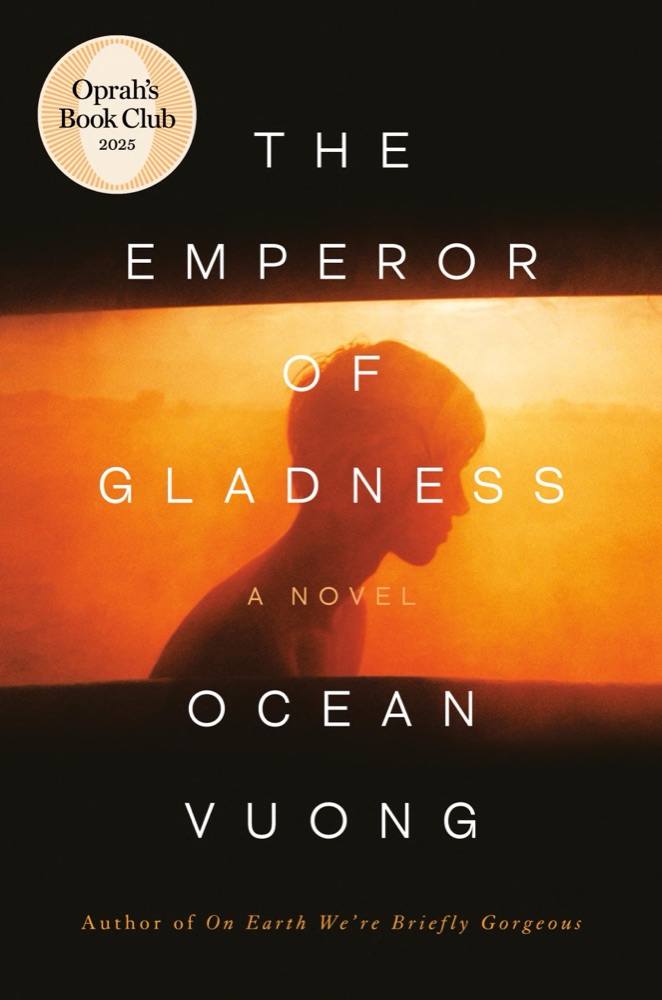 The Emperor of Gladness
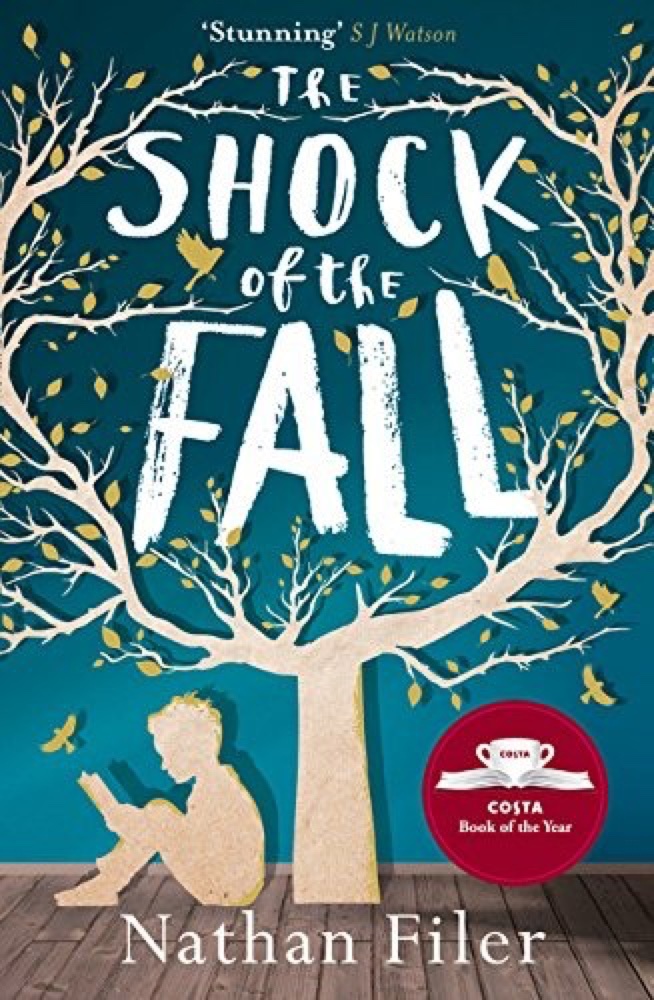 The Shock of the Fall
 The Mandarins
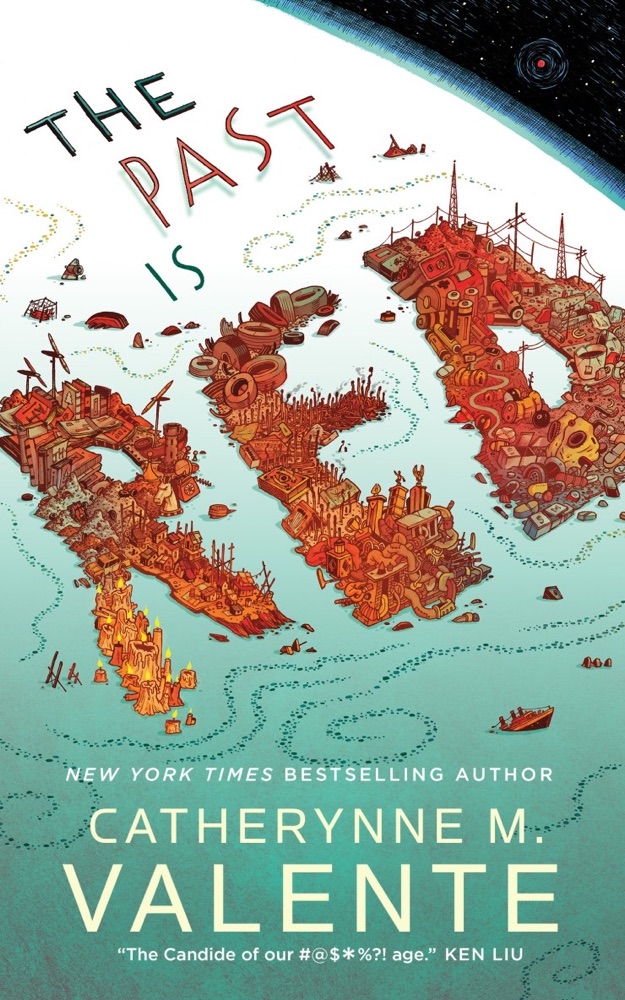 The Past Is Red
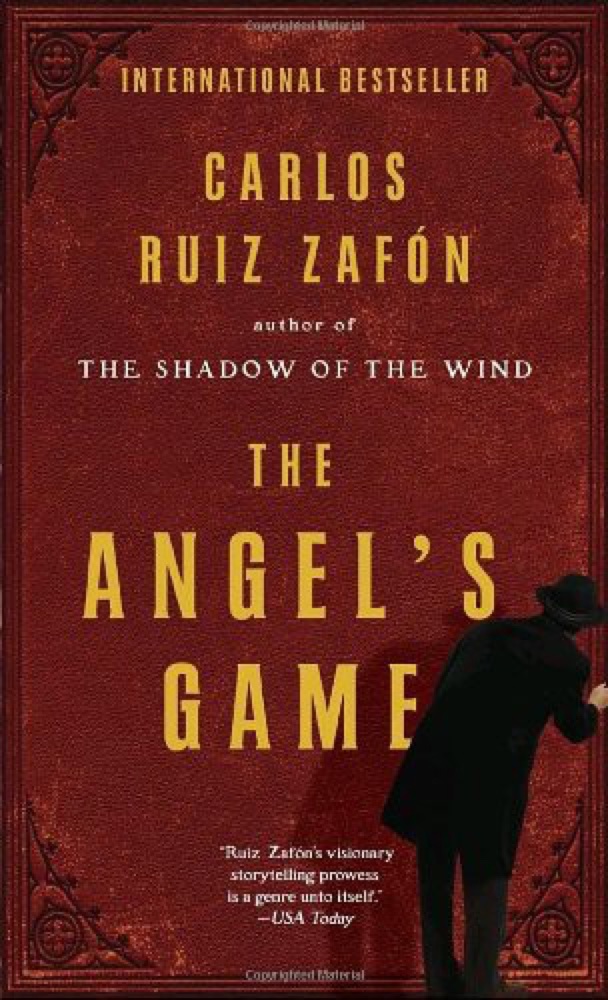 The Angel's Game
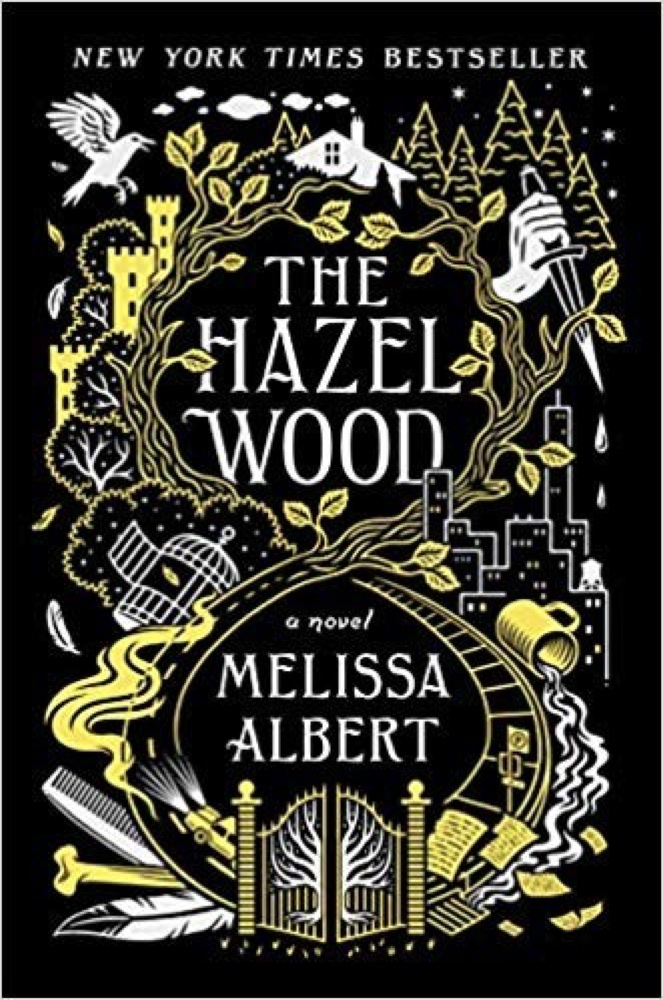 The Hazel Wood
 I Was Here
 Looking for Alaska
 The Moon and More
 Ilustrado
 One Hundred Names
 Our Chemical Hearts
 We Are All the Same in the Dark
 Oblivion
 number9dream
 Belong to Me