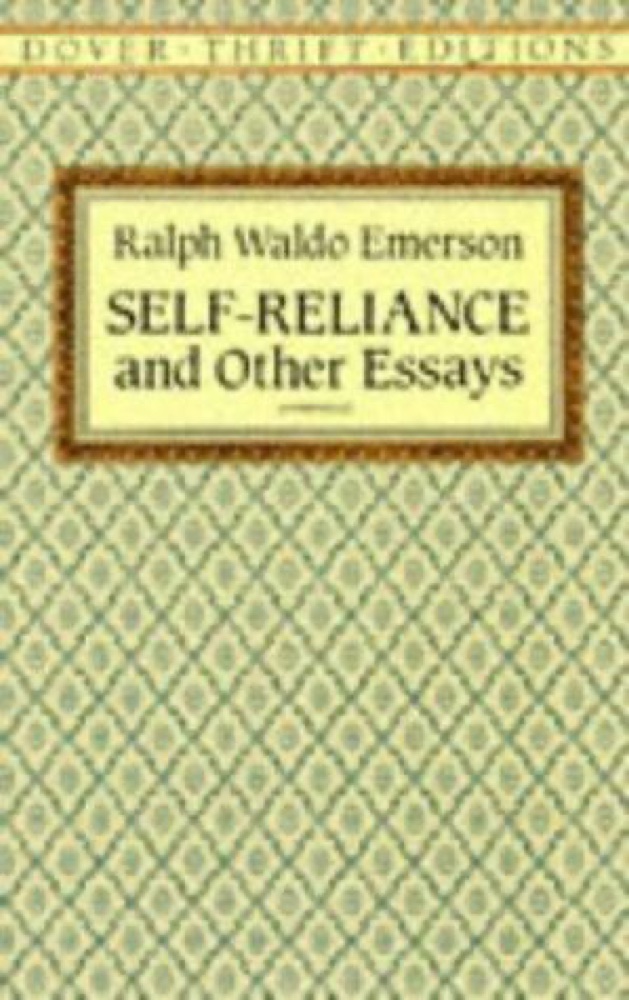
 Self-Reliance and Other Essays
Quotes from the Book
There is an optical illusion about every person we meet.
57
I am not solitary whilst I read and write, though nobody is with me. But if a man would be alone, let him look at the stars.
2
Cleansed by the elemental light and wind, steeped in the sea of beautiful forms which the field offers us, we may chance to cast a right glance back upon biography.
1
These roses under my window make no reference to former roses or to better ones; they are for what they are; they exist with God today. There is no time for them. There is simply the rose; it is perfect in every moment of its existence. But man postpones or remembers; he does not live in the present, but with reverted eye laments the past, or heedless of the riches that surround him, stands on tiptoe to forsee the future. He cannot be happy and strong until he too lives with nature in the present, above time. — Ralph Waldo Emerson, Essays and Lectures (Penguin, 1983)
1
Our eyes are holden that we cannot see things that stare us in the face, until the hour arrives when the mind is ripened; then we behold them, and the time when we saw them not is like a dream. — Ralph Waldo Emerson, from “Spiritual Laws,” Essays and Lectures. (Library of America November 15, 1983)
1
The next great influence into the spirit of the scholar, is, the mind of the Past,—in whatever form, whether of literature, of art, of institutions, that mind is inscribed. Books are the best type of the influence of the past, and perhaps we shall get at the truth,—learn the amount of this influence more conveniently,—by considering their value alone.
Watch on YouTube
About Ralph Waldo Emerson
We have collected 139 quotes from 7 books by Ralph Waldo Emerson on BookQuoters.
More about the author →More by Ralph Waldo Emerson
Self-Reliance and Other Essays
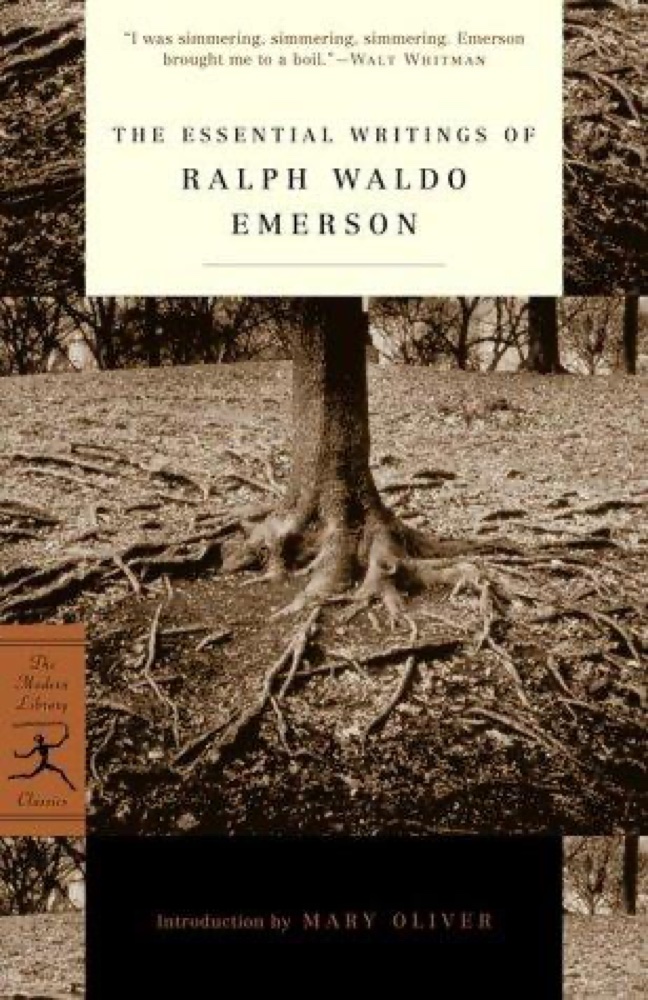 The Essential Writings of Ralph Waldo Emerson
 Nature and Selected Essays
 Essays and Poems
About the book
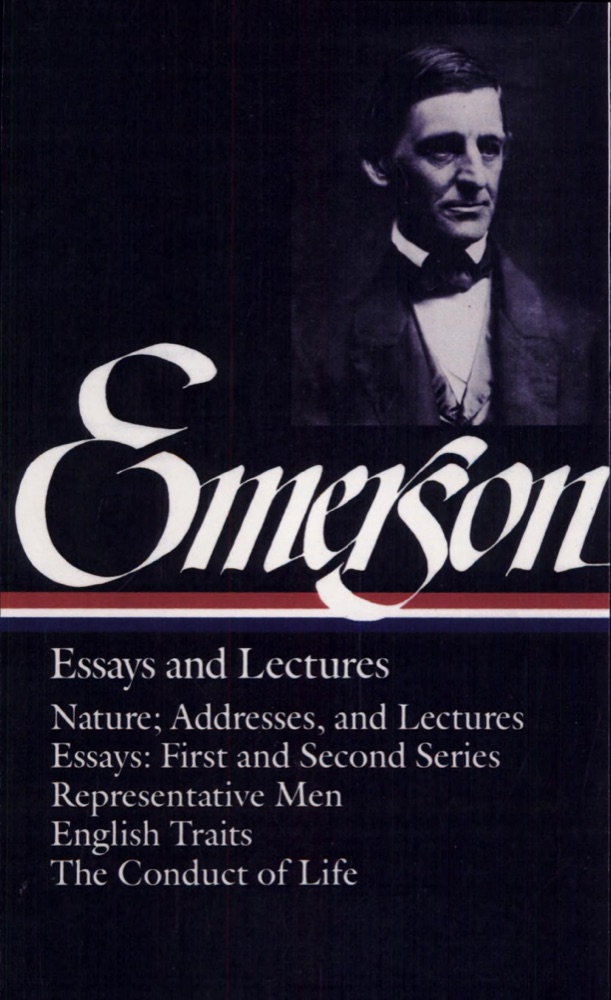
This first Library of America volume of Emerson’s writing covers the most productive period of his life, 1832–1860. Our most eloquent champion of individualism, Emerson acknowledges at the same time the countervailing pressures of society in American life. Even as he extols what he called “the great and crescive self,” he dramatizes and records its vicissitudes.
Here are the indispensable and most renowned works, including “The American Scholar” (“our intellectual Declaration of Independence,” as Oliver Wendell Holmes called it), “The Divinity School Address,” considered atheistic by many of his listeners, the summons to “Self-Reliance,” along with the more embattled realizations of “Circles” and, especially, “Experience.” Here, too, are his wide-ranging portraits of Montaigne, Shakespeare, and other “representative men,” and his astute observations on the habits, lives, and prospects
Book details
- First published
- 1983
- Author
- Ralph Waldo Emerson
- Genre
- Philosophy
- Goodreads rating
- 4.31 (3k ratings)
Keep reading
 The Essays of Ralph Waldo Emerson
Nature and Selected Essays
The Essays of Ralph Waldo Emerson
Nature and Selected Essays
 Time Regained
The Essential Writings of Ralph Waldo Emerson
Time Regained
The Essential Writings of Ralph Waldo Emerson
 Monday or Tuesday
 Selected Non-Fictions
 The Common Reader
 The Abundance
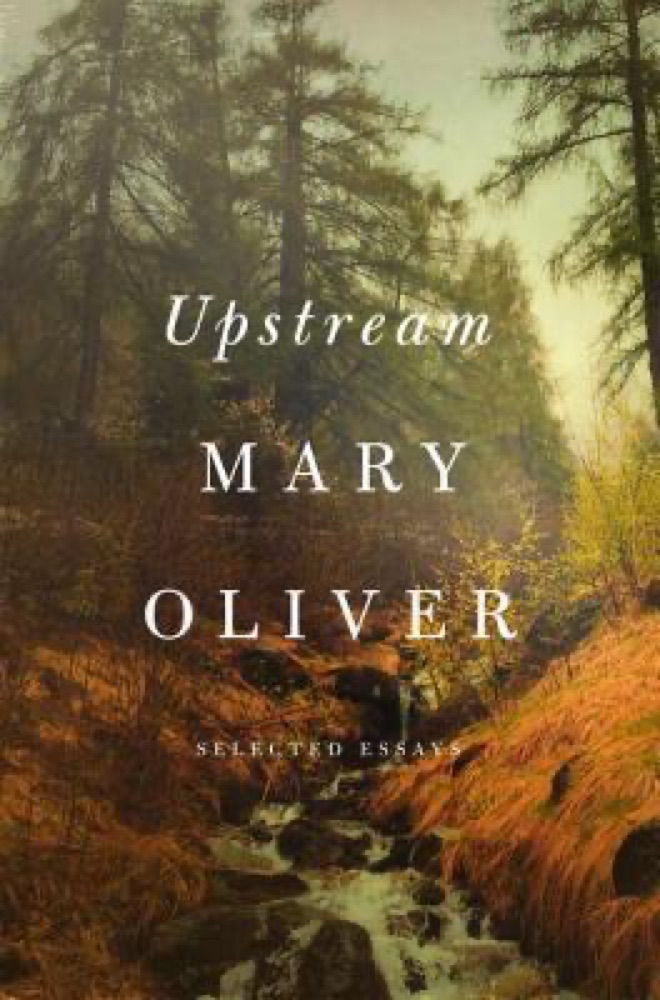 Upstream: Selected Essays
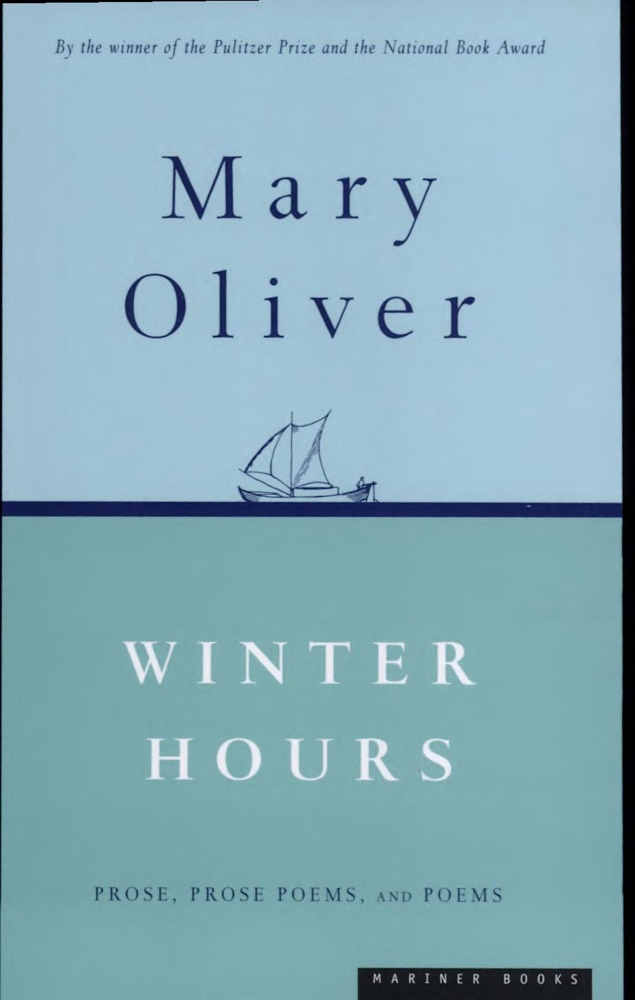 Winter Hours: Prose, Prose Poems, and Poems
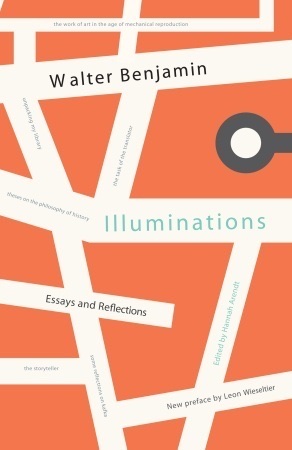 Illuminations: Essays and Reflections
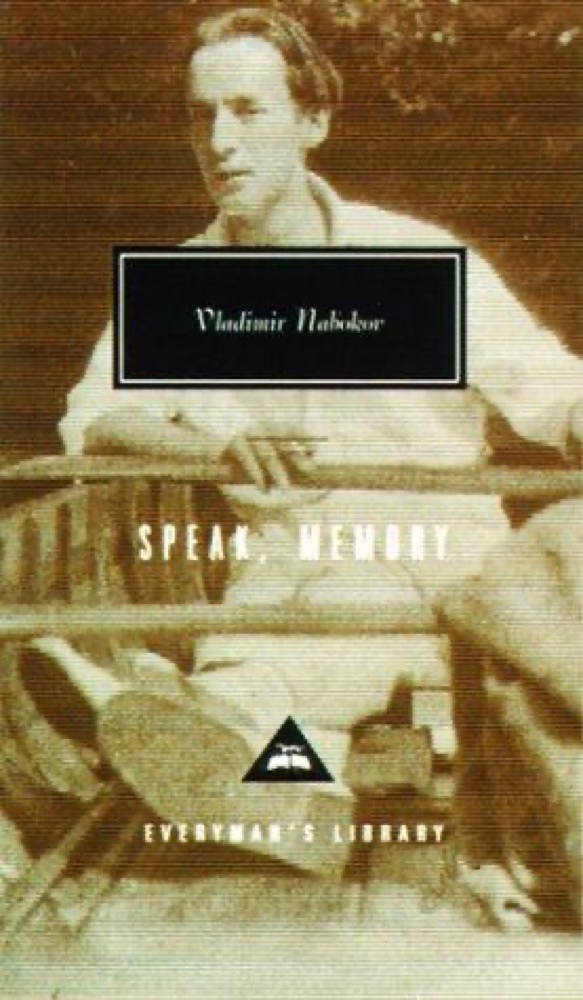 Speak, Memory
 Madness, Rack, and Honey: Collected Lectures
 The Poetics of Space
 The Name of the Rose
 The Notebooks of Malte Laurids Brigge
 Autumn
 The Letters of Vincent van Gogh
 The Doors of Perception & Heaven and Hell
 Daniel Deronda
 The Paper Menagerie and Other Stories
 Figuring
 Lectures on Literature
 The Story of My Life
 Jacob's Room
 Swann's Way
 Hourglass: Time, Memory, Marriage
 The Book of Form and Emptiness
 Wind, Sand and Stars
 Flights
 In Search of Lost Time
 Spring and All
 Stories of Your Life and Others
 The Intellectual Life: Its Spirit, Conditions, Methods
 West with the Night
 How to Live: A Life of Montaigne in One Question and Twenty Attempts at an Answer
 How Proust Can Change Your Life
 The Angel Esmeralda
 The Celtic Twilight: Faerie and Folklore
 Labyrinths: Selected Stories and Other Writings
 What We See When We Read
 Knife: Meditations After an Attempted Murder
 Narcissus and Goldmund
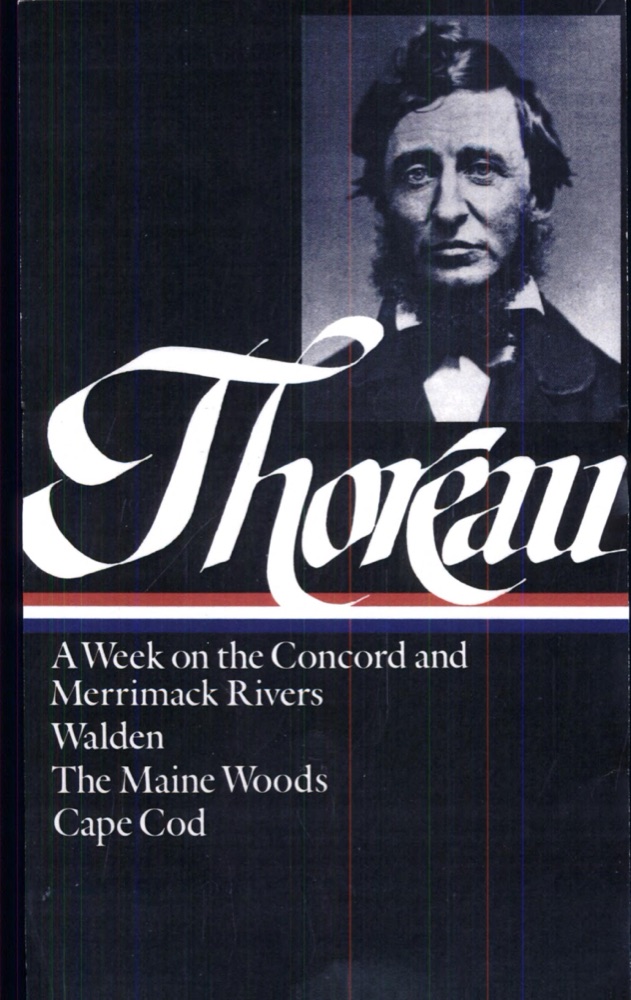 Henry David Thoreau: A Week, Walden, The Maine Woods, Cape Cod
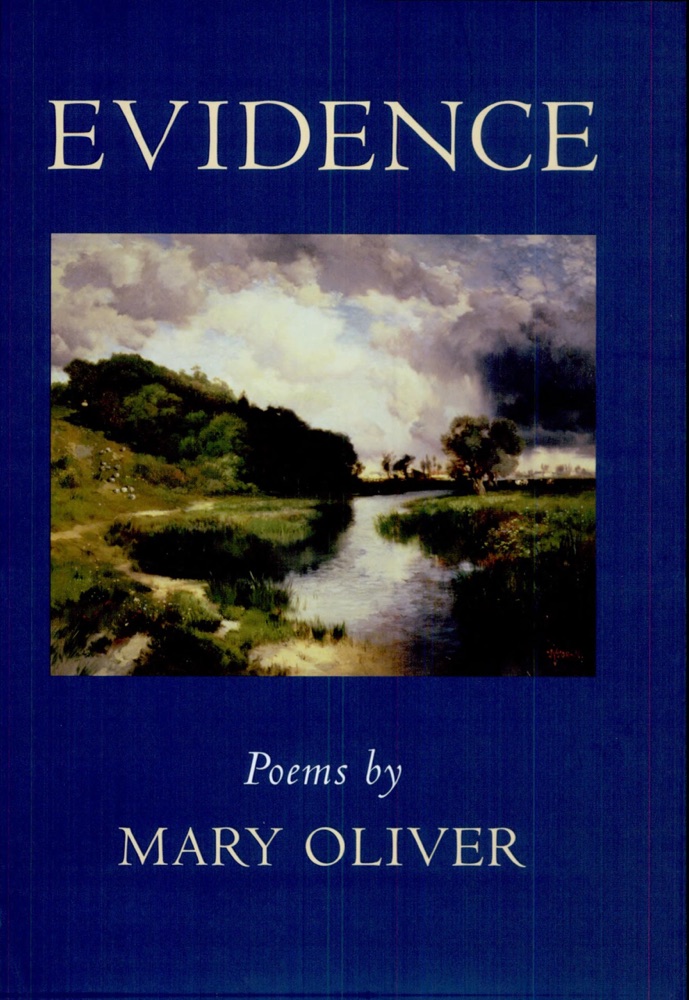 Evidence: Poems
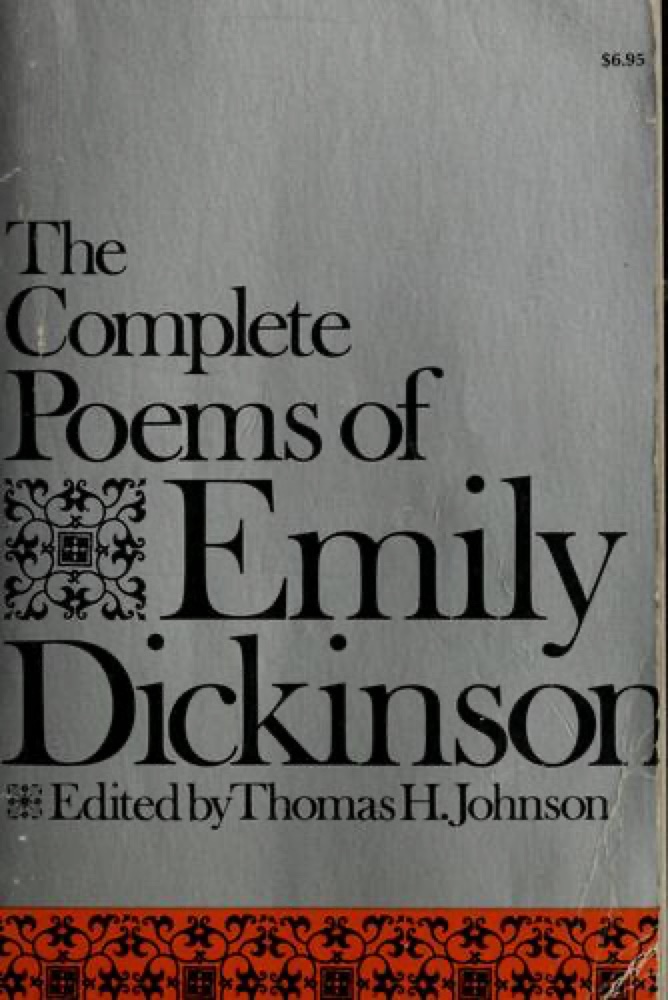 The Complete Poems of Emily Dickinson
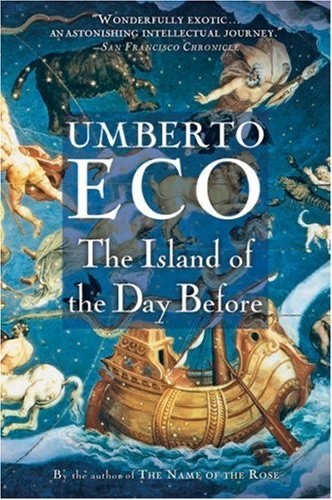 The Island of the Day Before
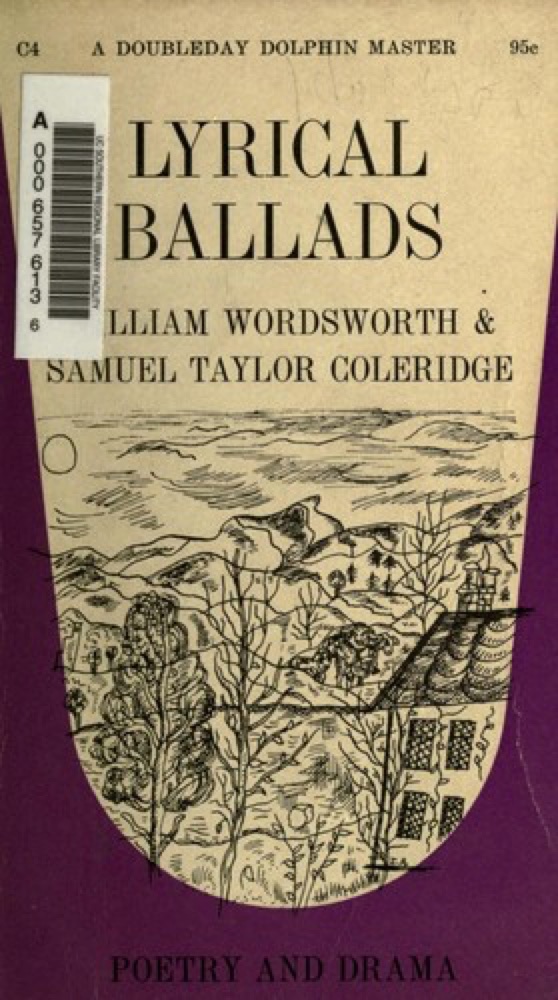 Lyrical Ballads
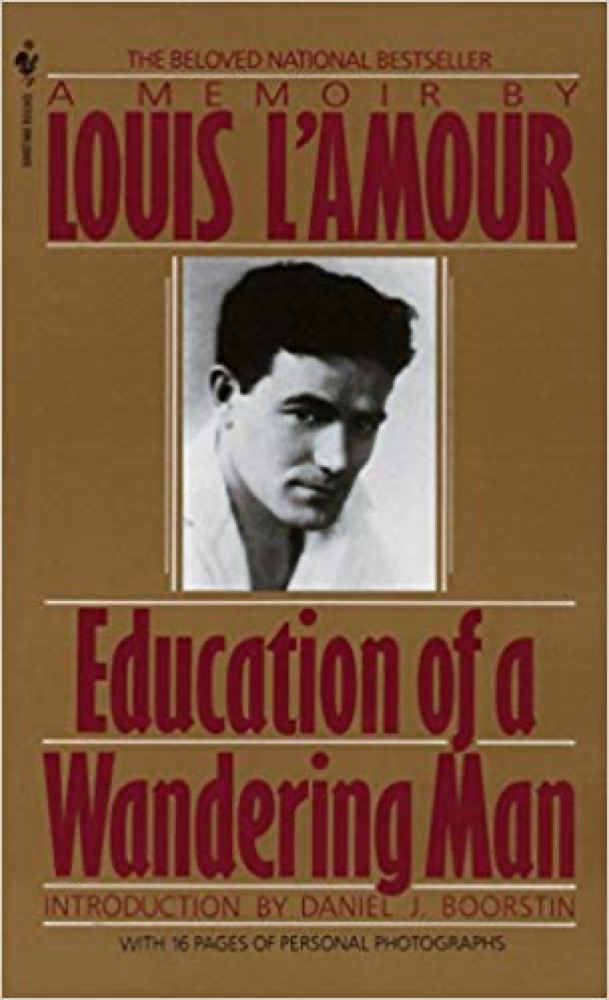 Education of a Wandering Man: A Memoir
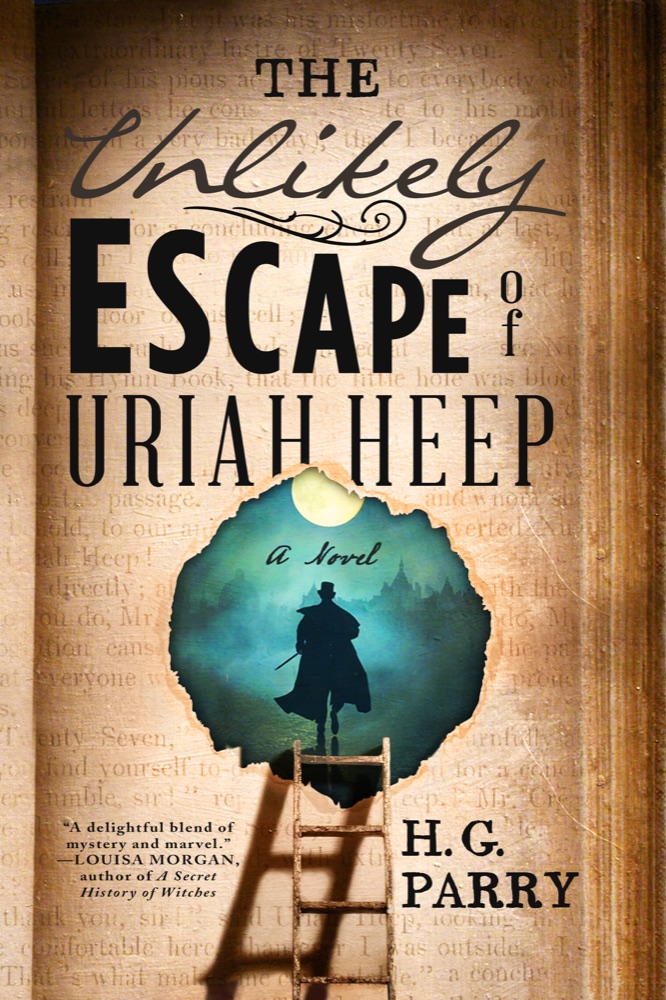 The Unlikely Escape of Uriah Heep
 Surprised by Joy: The Shape of My Early Life
 An Experiment in Criticism
 The Stories of Vladimir Nabokov
 The Enchanted
 Complete Works of Oscar Wilde
 The Medium is the Massage
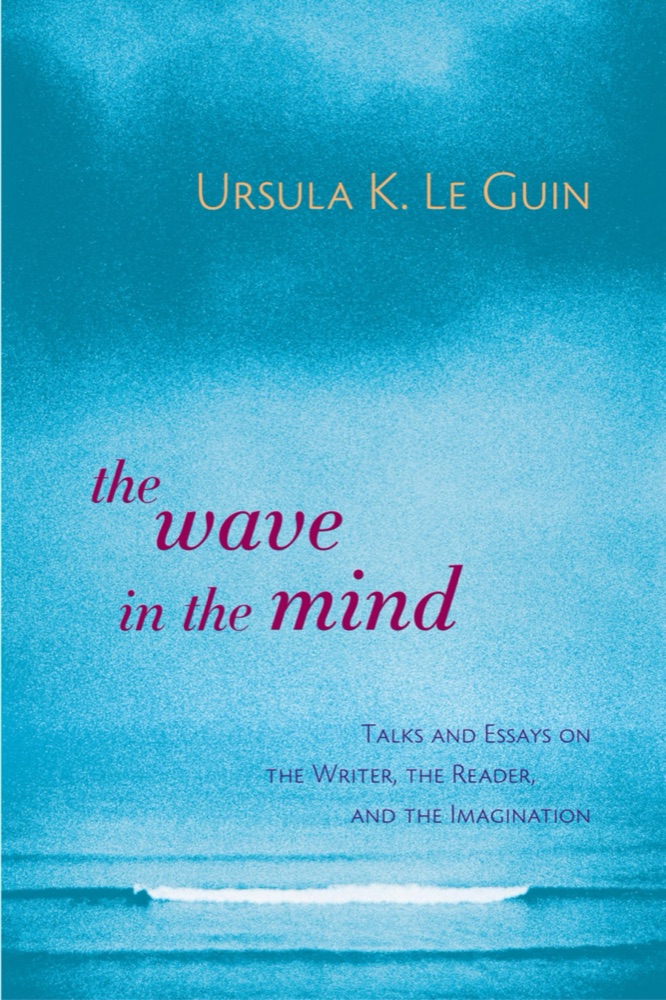 The Wave in the Mind: Talks and Essays on the Writer, the Reader and the Imagination
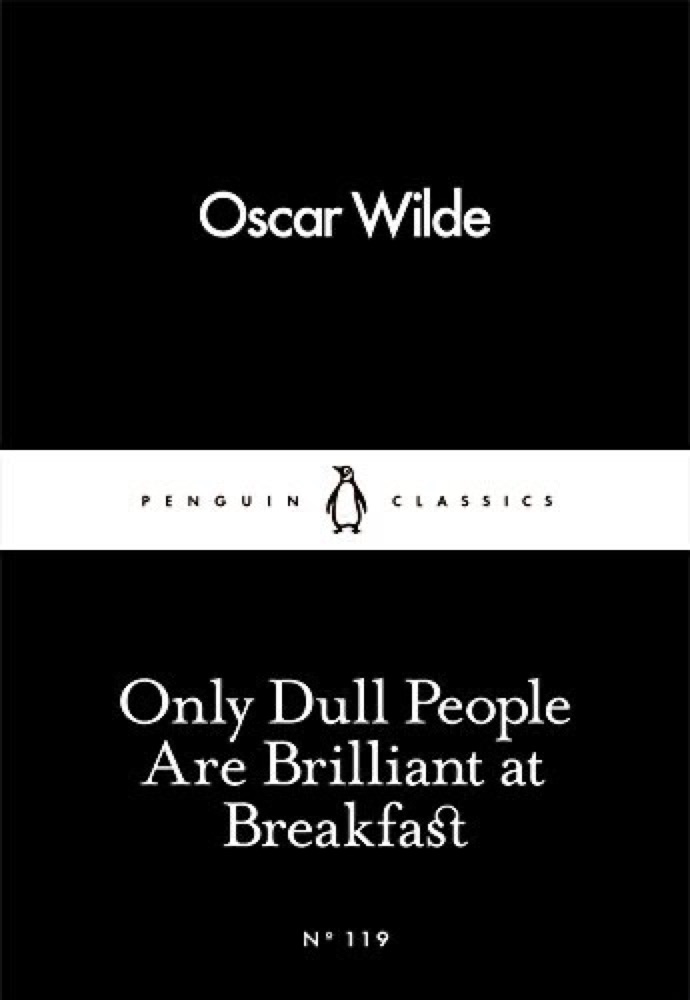 Only Dull People Are Brilliant at Breakfast
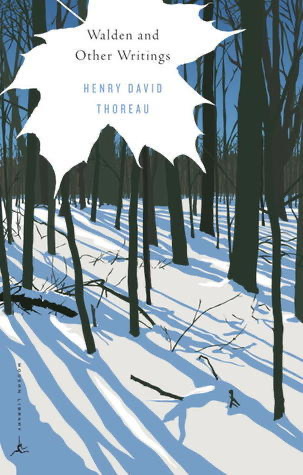 Walden and other writings
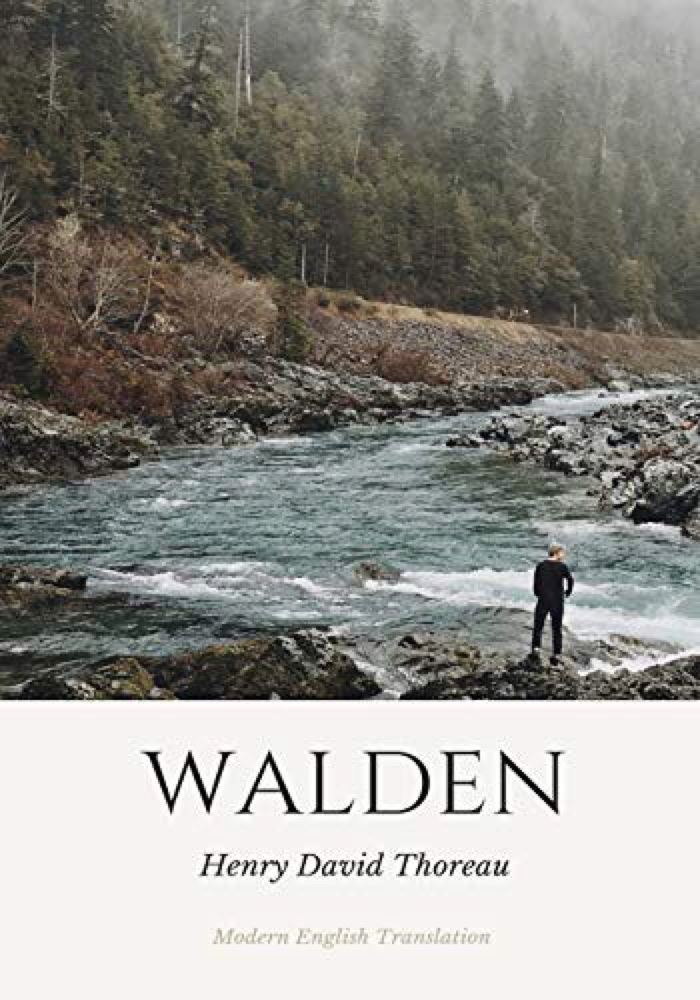 Walden