
 Behind the Beautiful Forevers: Life, Death, and Hope in a Mumbai Undercity
Quotes from the Book
And at the moment of contact, they do not know if the hand that is reaching for theirs belongs to a Hindu or Muslim or Christian or Brahmin or untouchable or whether you were born in this city or arrived only this morning or whether you live in Malabar Hill or New York or Jogeshwari; whether you’re from Bombay or Mumbai or New York. All they know is that you’re trying to get to the city of gold, and that’s enough. Come on board, they say. We’ll adjust.
A city like Bombay, like New York, that is a recent creation on the planet and does not have a substantial indigenous population, is full of restless people. Those who have come here have not been at ease somewhere else. And unlike others who may have been equally uncomfortable wherever they came from, these people got up and moved. As I have discovered, having once moved, it is difficult to stop moving.
Each person’s life is dominated by a central event, which shapes and distorts everything that comes after it and, in retrospect, everything that came before.
I am an exile; citizen of the country of longing.
It is the sexual frenzy of a closed society, and the women of Golpitha are the gutters for these men's emissions.
The stacks of pav have been sprinkled with chutney— the top half of the inside of the bun is bathed in green chutney, the bottom with red garlic chutney— and the assistant reaches out with one hand, in one continuous arc of his arm opening the pav, scooping up two of the vadas, one in each nest of pav, and delivering it to the hungry customer. I walk away from the stall and crush the vada by pressing down on it with the pav; little cracks appear in the crispy surface, and the vada oozes out its potato-and-pea mixture. I eat. The crispy batter, the mouthful of sweet-soft pav tempering the heat of the chutney, the spices of the vada mixture —dark with garam masala and studded with whole cloves of garlic that look like cashews—get masticated into a good mouthful, a good mouth-feel. My stomach is getting filled, and I feel I am eating something nourishing after a long spell of sobbing. Borkar has done his dharma.
This is the true meaning of exile : some insurmountable force that keeps you from going back.
The man who comes to fix the cable approaches her when she is alone in the house. 'Is there anything to eat?' he asks. 'There are some chapatis,' she replies. 'Can I get something to eat?' he repeats.
It is as difficult to move down the caste ladder as it is to move up.
A hit man's character is defined above all by narcissism, that complex mix of egotism and self-hatred.
The gang war will never end. Because at it's core , it is not the gangsters against the police or the gangster against another. It is a young man with a Mauser against history personal and political, it is revolution one murder at a time.
Love exposes you, makes you vulnerable and kills the personas you built on top of your true self.
We lived in Bombay and we lived in Mumbai and sometimes, I lived in both of them at the same time.
Then there was the bhaiyyani next door, who Santosh started fucking two days after she got her first period and has been fucking steadily for five years, with the threat: “If you don’t allow me to fuck you I’ll kill you.” He climbs into her window when her drunk father is away, or passed out, and rapes her. There is nothing gentle about sexuality in the slum; it is furtive and feral. Once, a group of boys was spying on a couple asleep near the door of their room; the man had a hand on one of his wife’s breasts. Santosh reached in through the opening for the letterbox and started squeezing the wife’s other breast; she slept on, thinking that her husband was squeezing both. When she felt the extra pressure on one, she woke up and screamed but was too afraid to tell her husband what had happened. Much of what a woman in the slum puts up with she endures silently, because, as Sunil points out, “How can she tell the world what has been done to her?” They go after women who are vulnerable: the very young, the children or wives of drunkards, or women not right in the head. When their men discover what’s being done to them, they too most often keep it quiet. Who would want the world to know? What does it say about their manliness, that they were unable to protect their women? I
Watch on YouTube
About Suketu Mehta
We have collected 14 quotes from 1 book by Suketu Mehta on BookQuoters.
More about the author →Book details
- Author
- Suketu Mehta
- Genre
- History
- Goodreads rating
- 3.95 (11k ratings) →
Keep reading
Behind the Beautiful Forevers: Life, Death, and Hope in a Mumbai Undercity
 Milk Teeth
 Moth Smoke
 The Lives of Others
 The Ministry of Utmost Happiness
 The Association of Small Bombs
 All This Could Be Different
 Serious Men
 The Day of the Scorpion
 The Blue Bar
 White Teeth
 What We All Long For
 The Loneliness of Sonia and Sunny
 Narcopolis
 Sixty Stories
 Severance
 Paradise of the Blind
 The Wasted Vigil
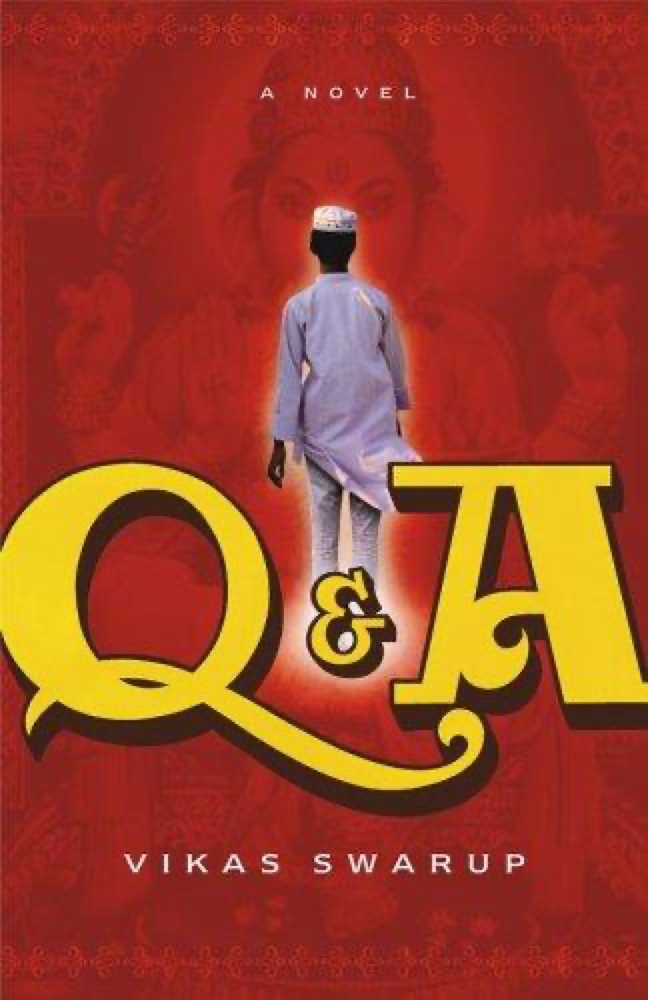 Q & A
Q & A
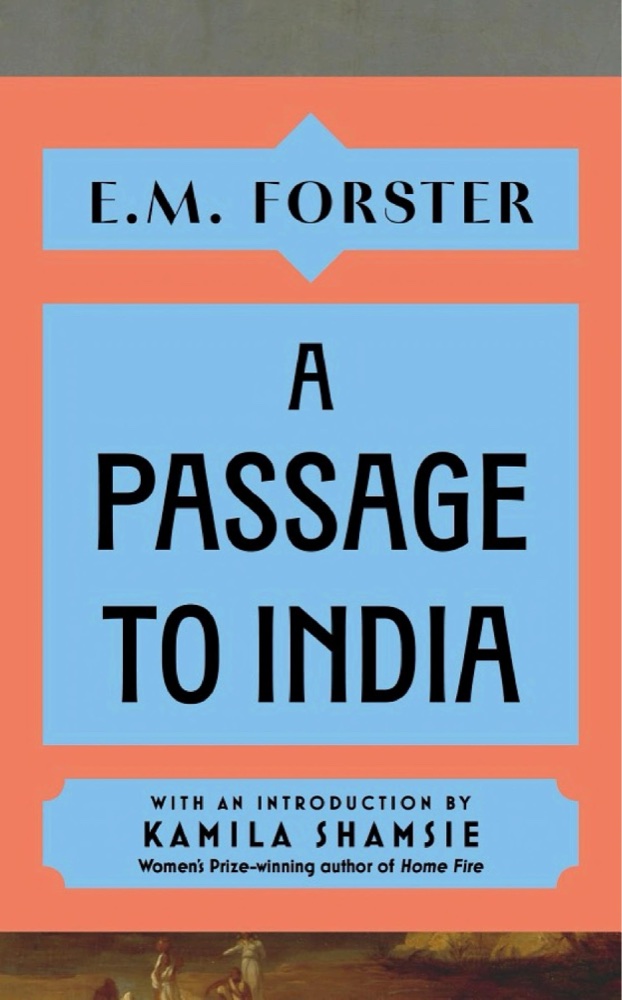 A Passage to India
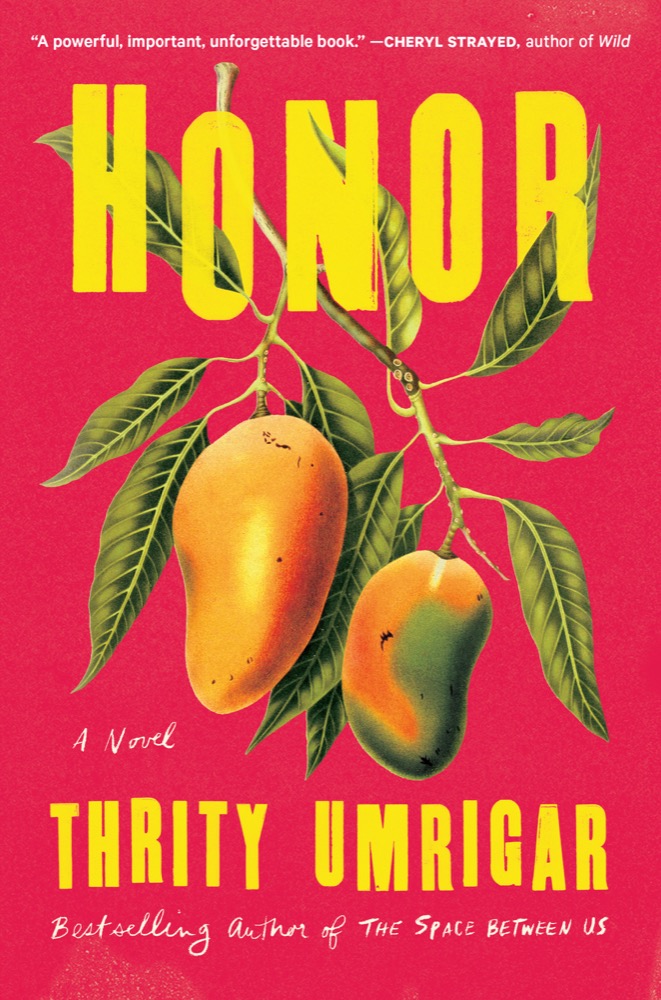 Honor
Honor
 The Reluctant Fundamentalist
 The Inheritance of Loss
 The Kite Runner
 Shalimar the Clown
 Shame
Shame
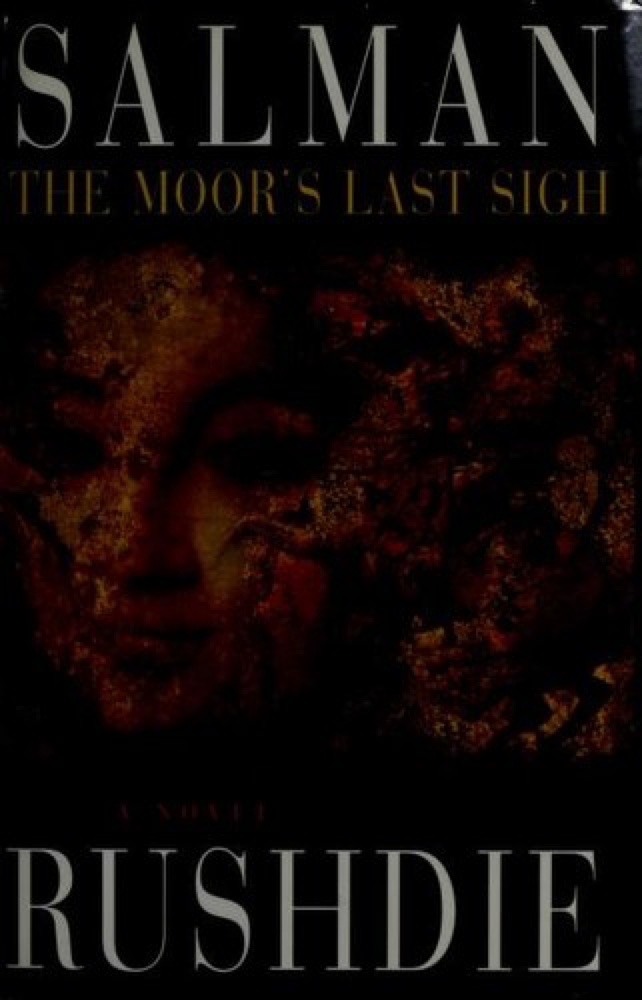 The Moor's Last Sigh
 Sita: Warrior of Mithila
 Gun Island
 Disoriental
 Red Dust: A Path Through China
 Brick Lane
 Another Country
 Home Fire
 Bright Lights, Big City
 Blackfish City
 The Lazarus Project
 Open City
 The Bastard of Istanbul
 City of Djinns: A Year in Delhi
 Cuckold
 Sorcerer's Apprentice
 A Guardian and a Thief
 Sea of Poppies
 The Jewel in the Crown
 Ghachar Ghochar
 The Story of the Lost Child
 Kartography: A Lyrical Literary Romance of Fated Love and Secrets in Pakistan
 The Book of My Lives
 The Tsar of Love and Techno
 Princess: A True Story of Life Behind the Veil in Saudi Arabia
 A Bend in the River
 The Secret Keeper of Jaipur
 Underworld
 The Toughest Indian in the World
 Close to the Knives: A Memoir of Disintegration
 The Cat's Table
 Dream Count
 Purity
 A Memory Called Empire