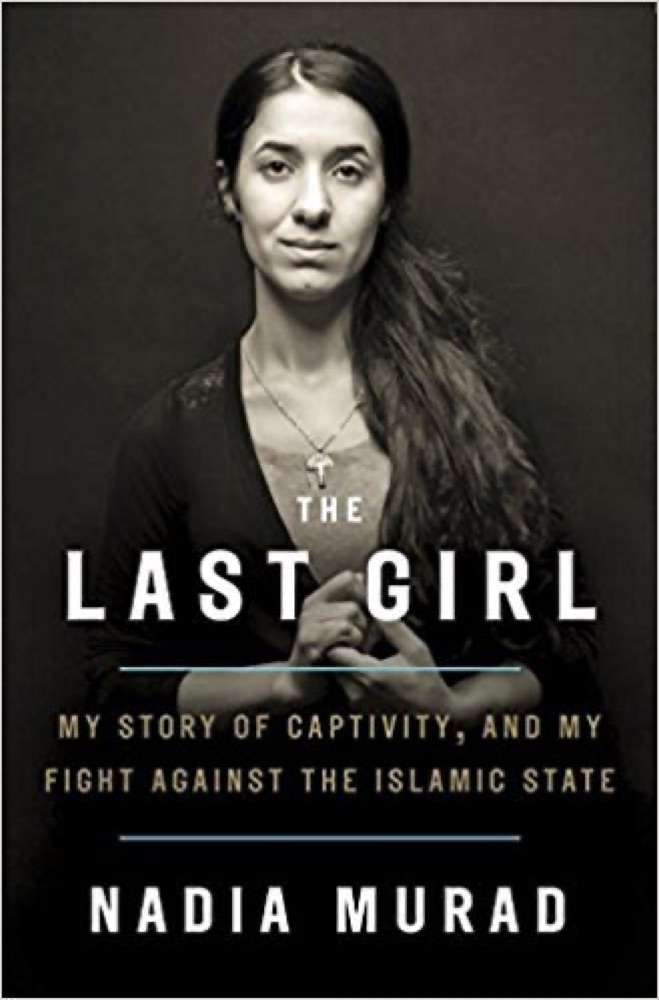
 Daughters of Smoke and Fire
Quotes from the Book
I want to be the last girl in the world with a story like mine.
37
Our faith is in our actions. We welcome strangers into our homes, give money and food to those who have none, and sit with the body of a loved one before burial. Even being a good student, or kind to your spouse, is an act equal to prayer. Things that keep us alive and allow poor people to help others, like simple bread, are holy.
16
There was no good reason to deny innocent people a safe place to live.
14
I would have to be careful what I said, because words mean different things to different people, and your story can easily become a weapon to be turned on you.
10
Since leaving Kocho, I had begged for death, I had willed Salman to kill me or asked God to let me die or refused to eat or drink in the hopes I would fade away. I had thought many times that the man who raped and beat me would kill me. But death had never come. In the checkpoint bathroom, I began to cry. For the first time since I left Kocho, I thought I actually might die. And I also knew for sure that I didn't want to.
9
I still think that being forced to leave your home out of fear is one of the worst injustices a human being can face. Everything you love is stolen, and you risk your life to live in a place that means nothing to you and where, because you come from a country now known for war and terrorism, you are not really wanted. So you spend the rest of your years longing for what you left behind while praying not to be deported. Hezni’s story made me think that the path of the Iraqi refugee always leads backward, to prison or to where you came from.
8
Prayer is meant to be a personal expression, not a chore or an empty ritual. You can pray silently by yourself or out loud, and you can pray alone or in a group, as long as everyone in that group is also Yazidi.
7
I don’t know why God spared me,” he said. “But I know I need to use my life for good.
7
I would say somewhat bitterly, “Look at how great life is in Kurdistan, while we are living in these poor villages,” and my mother would scold me. “They deserve good lives, Nadia,” she would say. “They went through a genocide under Saddam, you know.
7
More often than I’ve prayed in temples, I’ve prayed in the fields, on our rooftop, even in the kitchen, helping my mother cook.
6
At some point, there was rape and nothing else. This becomes your normal day. You don't know who is going to open the door next to attack you, just that it will happen and that tomorrow might be worse. You stop thinking about escaping or seeing your family again. Your past life becomes a distant memory, like a dream. Your body doesn't belong to you, and there's no energy to talk or to fight or to think about the world outside. There is only rape and the numbness that comes with accepting that this is now your life. Fear was better. With fear, there is assumption that what is happening isn't normal. Sure, you feel like your heart will explode and you will throw up, you cling desperately to your family and friends and your grovel in front of the terrorists, you cry until you go blind, but at least you do something. Hopelessness is close to death.
6
We had no ambition for more land or power, and nothing in the religion commands us to conquer non-Yazidis and spread our faith.
6
Rape has been used throughout history as a weapon of war. I never thought I would have something in common with women in Rwanda—before all this, I didn’t know that a country called Rwanda existed—and now I am linked to them in the worst possible way, as a victim of a war crime that is so hard to talk about that no one in the world was prosecuted for committing it until just sixteen years before ISIS came to Sinjar.
5
You say we came out of nowhere, but we sent you messages,” he said, his rifle swinging at his side. “When we took the hen and the chicks, it was to tell you we were going to take your women and children. When we took the ram, it was like taking your tribal leaders, and when we killed the ram, it meant we planned on killing those leaders. And the young lamb, she was your girls.
5
This is what it means to be Iraqi under ISIS, I thought. We are homeless. Living at checkpoints until we live at refugee camps.
5
Every time I tell my story, I feel that I am taking some power away from the terrorists.
4
I’m crying for you, because you did this for me. You saved my life.” “It was my duty,” he said. “That’s all.
4
Still, most of the escaped sabaya were tight-lipped about their time with ISIS, as I had been at first, and I understood why. It was their tragedy and their right not to tell anyone.
4
couldn’t understand, though, why a woman would join the jihadists and openly celebrate the enslavement of girls the way Morteja’s mother did. Any woman in Iraq, no matter her religion, had to struggle for everything. Seats in parliament, reproductive rights, positions at universities—all these were the results of long battles. Men were content to stay in power, so power had to be taken from them by strong women. Even Adkee’s insistence on driving our tractor was a gesture of equality and a challenge to those men.
3
My story, told honestly and matter-of-factly, is the best weapon I have against terrorism, and I plan on using it until those terrorists are put on trial. There is still so much that needs to be done. World leaders and particularly Muslim religious leaders need to stand up and protect the oppressed.
3
How is everything, Nadia," he said. "It's hot." I replied, smiling a little bit. "Never forget," Nasser said, teasing me. "It's very hot, Nasser, it's very hot.
3
They made the decision to do nothing, and their betrayals were like bullets before the real bullets came.
2
No había visto mi reflejo desde aquella mañana en Hamdaniya y me daba miedo ver qué aspecto podía tener. Doblé el vestido de Kathrine y lo guardé con cuidado. «Lo conservaré hasta que esté libre, y entonces se lo devolveré», pensé. Fui a tirar la abaya a la basura, pero me detuve en el último instante y decidí guardarla como prueba de lo que me había hecho el EI.
2
The story we use to explain the core of our faith and everything we think of as good about the Yazidi religion is the same story others use to justify genocide against us.
2
Yazidism is an ancient monotheistic religion, spread orally by holy men entrusted with our stories.
2
. I still think that being forced to leave your home out of fear is one of the worst injustices a human being can face. Everything you love is stolen, and you risk your life to live in a place that means nothing to you and where, because you come from a country now known for war and terrorism, you are not really wanted.
2
Nasser turned to me, a serious expression on his face. “Nadia, you’re with Sabah now, and you’ll be going to join the rest of your family. There’s no need for me to come. But I need to ask you something. Do you feel safe? If you are scared at all that something is going to happen to you or that they will do anything to you because you were a sabiyya, I’ll stay with you.
2
Watch on YouTube
About Nadia Murad
We have collected 27 quotes from 1 book by Nadia Murad on BookQuoters.
More about the author →About the book
WINNER OF THE NOBEL PEACE PRIZE
In this intimate memoir of survival, a former captive of the Islamic State tells her harrowing and ultimately inspiring story.
Nadia Murad was born and raised in Kocho, a small village of farmers and shepherds in northern Iraq. A member of the Yazidi community, she and her brothers and sisters lived a quiet life. Nadia had dreams of becoming a history teacher or opening her own beauty salon.
On August 15th, 2014, when Nadia was just twenty-one years old, this life ended. Islamic State militants massacred the people of her village, executing men who refused to convert to Islam and women too old to become sex slaves. Six of Nadia's brothers were killed, and her mother soon after, their bodies swept into mass graves. Nadia was taken to Mosul and forced, along with thousands of other Yazidi girls, into the ISIS slave trade.
Nadia would be held cap
Book details
- First published
- 2017
- Author
- Nadia Murad
- Genre
- Nonfiction
- Goodreads rating
- 4.48 (29k ratings)
The buzz
- The New York TimesReview in The New York Timesprofessional review (via Book Marks)
- The Washington PostReview in The Washington Postprofessional review (via Book Marks)
- EconomistReview in Economistprofessional review (via Book Marks)
- VultureReview in Vultureprofessional review (via Book Marks)
- Kirkus ReviewsReview in Kirkus Reviewsprofessional review (via Book Marks)
- Publishers WeeklyReview in Publishers Weeklyprofessional review (via Book Marks)
Keep reading
Daughters of Smoke and Fire
 Infidel
 Son of Hamas
 Hostage: An NYT Bestselling War Memoir of Survival and the Human Spirit in Gaza
 I Am Malala: The Story of the Girl Who Stood Up for Education and Was Shot by the Taliban
 The Complete Persepolis
 Then They Came for Me: A Family's Story of Love, Captivity, and Survival
 Emergency Sex (And Other Desperate Measures): True Stories from a War Zone
 The Empire of Gold
 The Girl Who Smiled Beads: A Story of War and What Comes After
 How Dare the Sun Rise: Memoirs of a War Child
 Uncultured: A Memoir
 Zinky Boys: Soviet Voices from the Afghanistan War
 I Shall Not Hate: A Gaza Doctor's Journey on the Road to Peace and Human Dignity
 The Kite Runner
 Princess: A True Story of Life Behind the Veil in Saudi Arabia
 Internment
 Disoriental
 Skyhunter
 A Fort of Nine Towers: An Afghan Family Story
 Traitor to the Throne
 Indians in Pakistan
 Holocaust
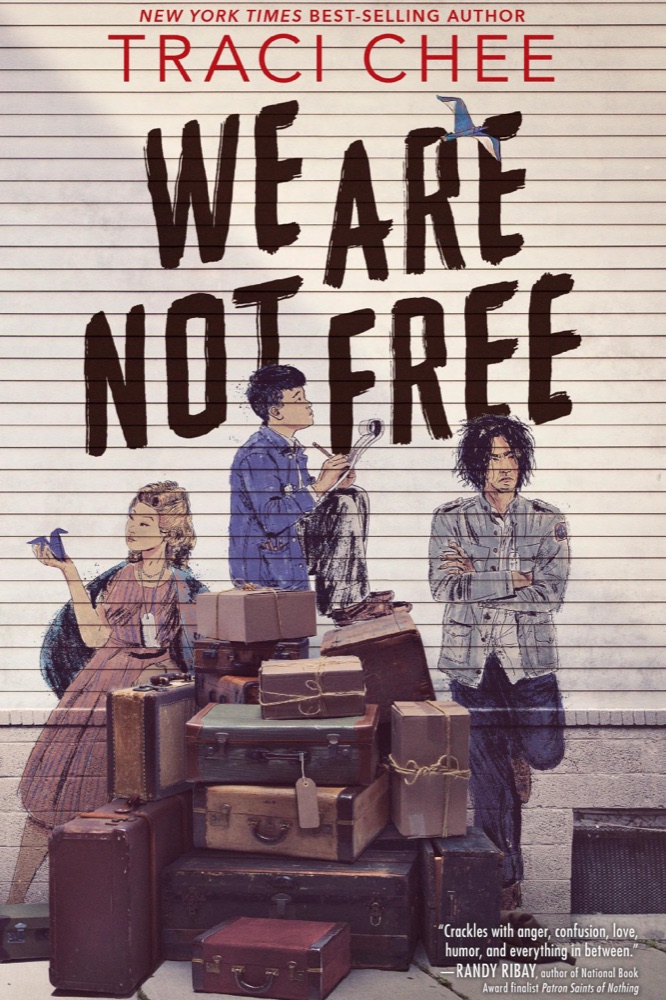 We Are Not Free
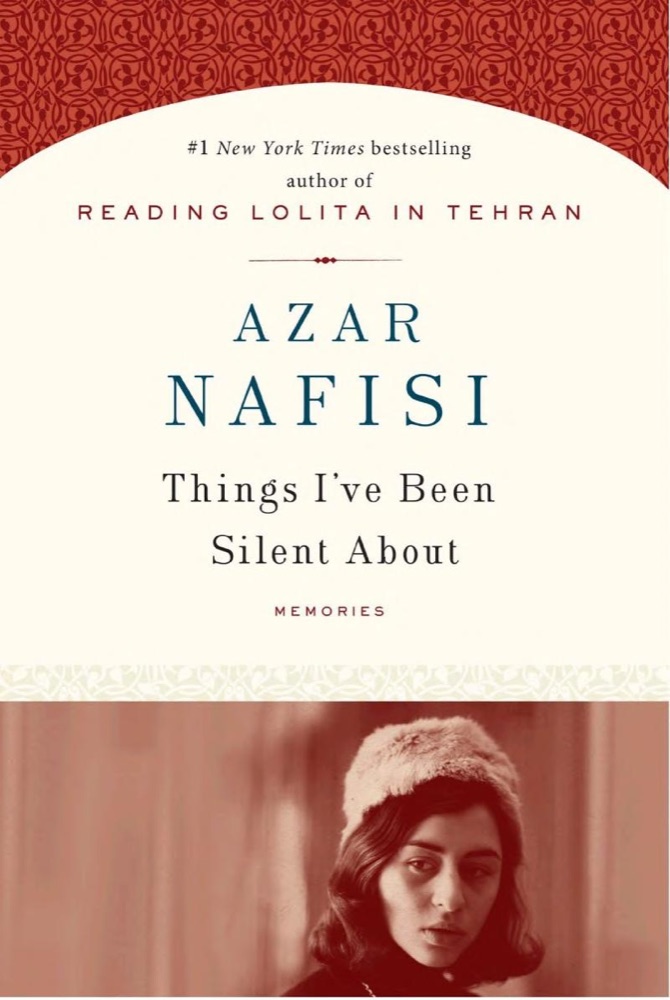 Things I've Been Silent About
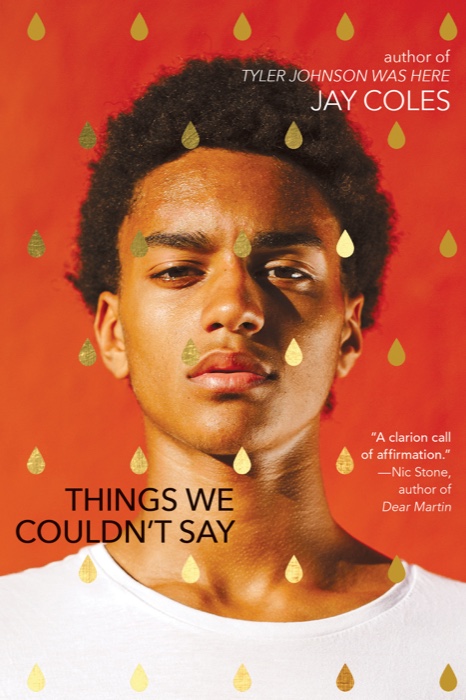 Things We Couldn't Say
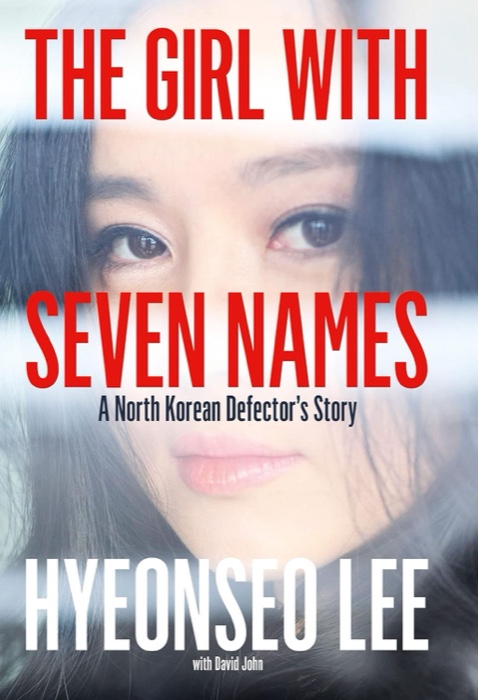 The Girl with Seven Names: A North Korean Defector’s Story
 The Ashfire King
 All But My Life: A Memoir
 Left to Tell: Discovering God Amidst the Rwandan Holocaust
 Patron Saints of Nothing
 A House in the Sky
 The Stardust Thief
 The Wasted Vigil
 In Order to Live: A North Korean Girl's Journey to Freedom
 The Sandcastle Girls
 The Gilded Ones
 My Story
 The Night Diary
 Rebel of the Sands
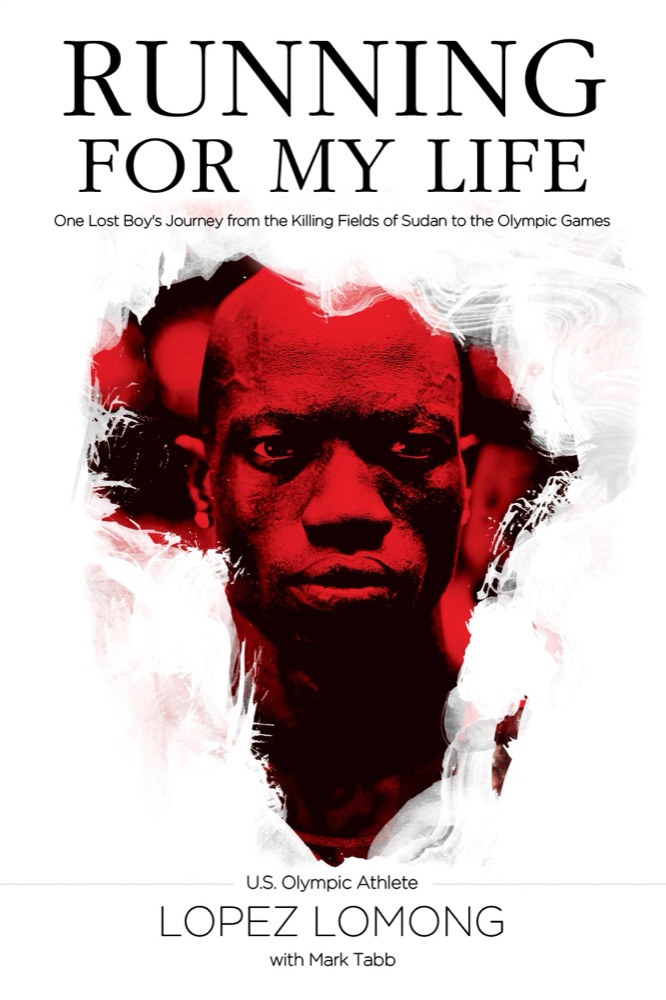 Running for My Life: One Lost Boy's Journey from the Killing Fields of Sudan to the Olympic Games
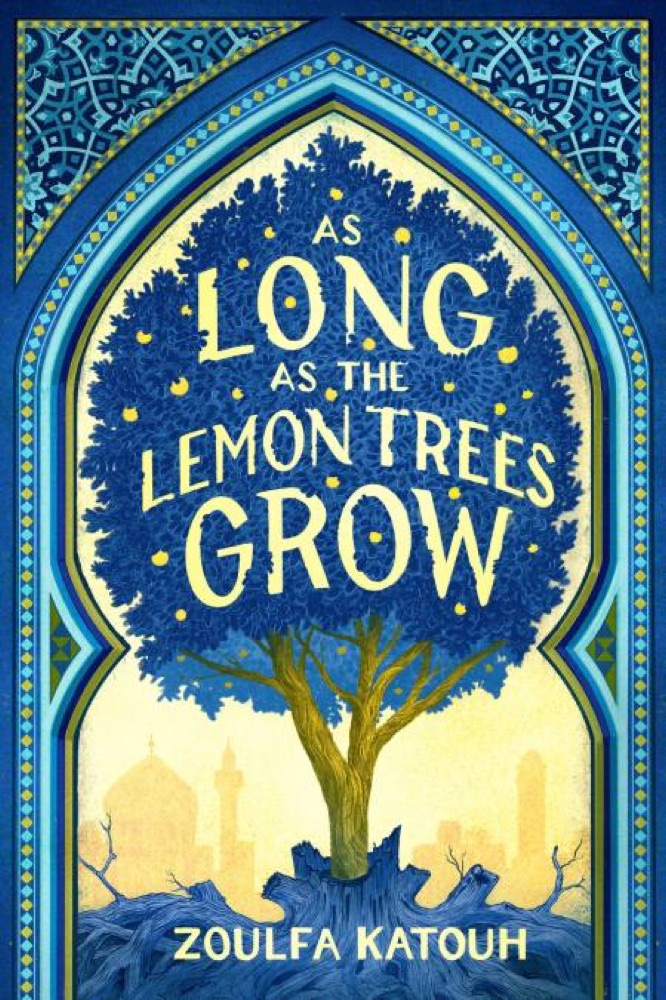 As Long as the Lemon Trees Grow
 Minor Detail
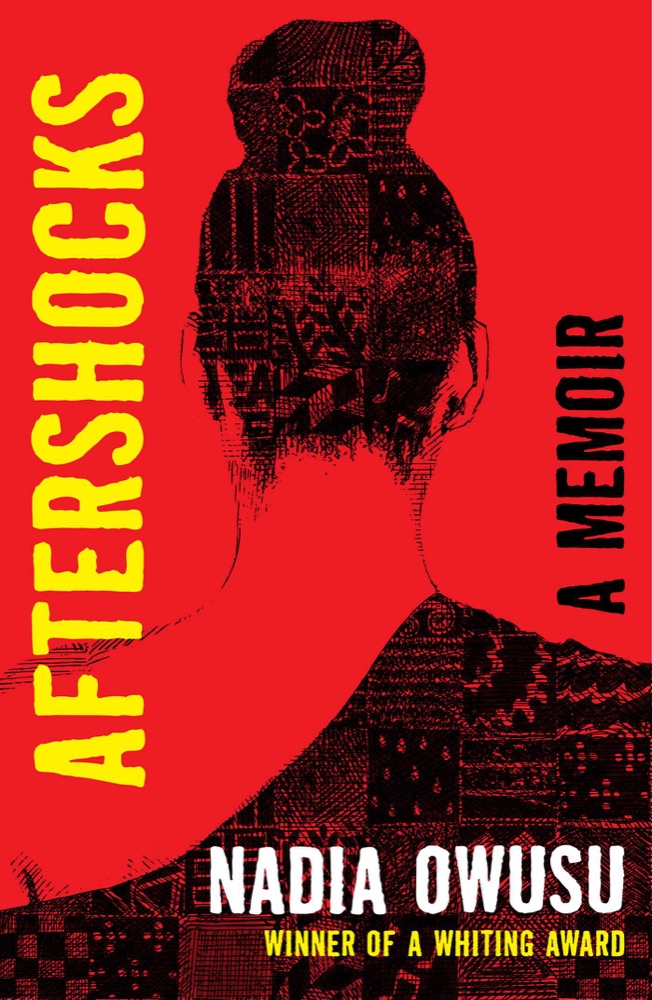 Aftershocks
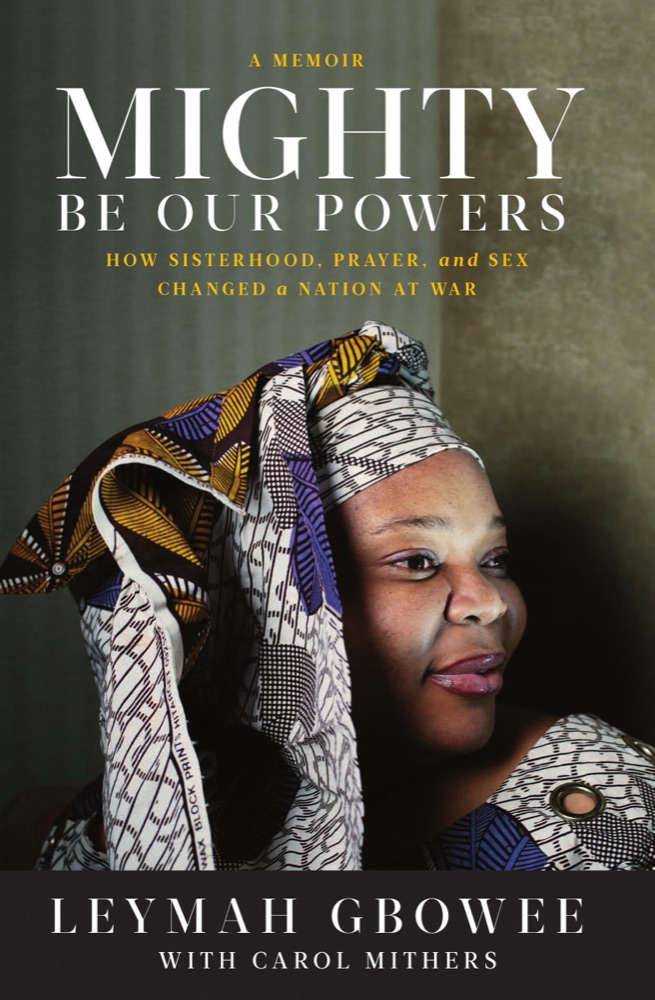 Mighty Be Our Powers: How Sisterhood, Prayer, and Sex Changed a Nation at War
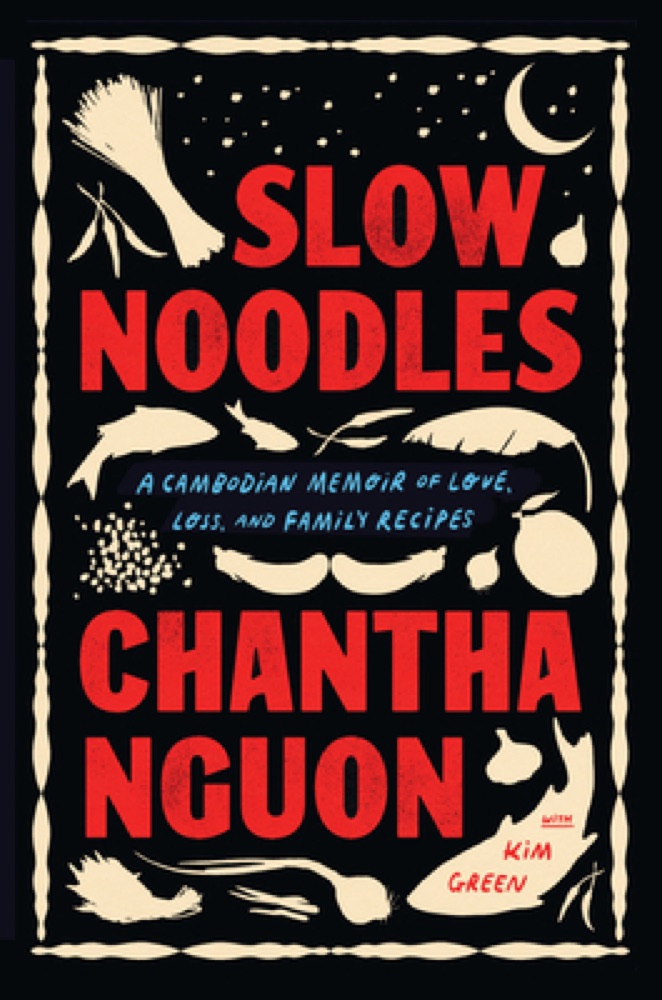 Slow Noodles: A Cambodian Memoir of Love, Loss, and Family Recipes
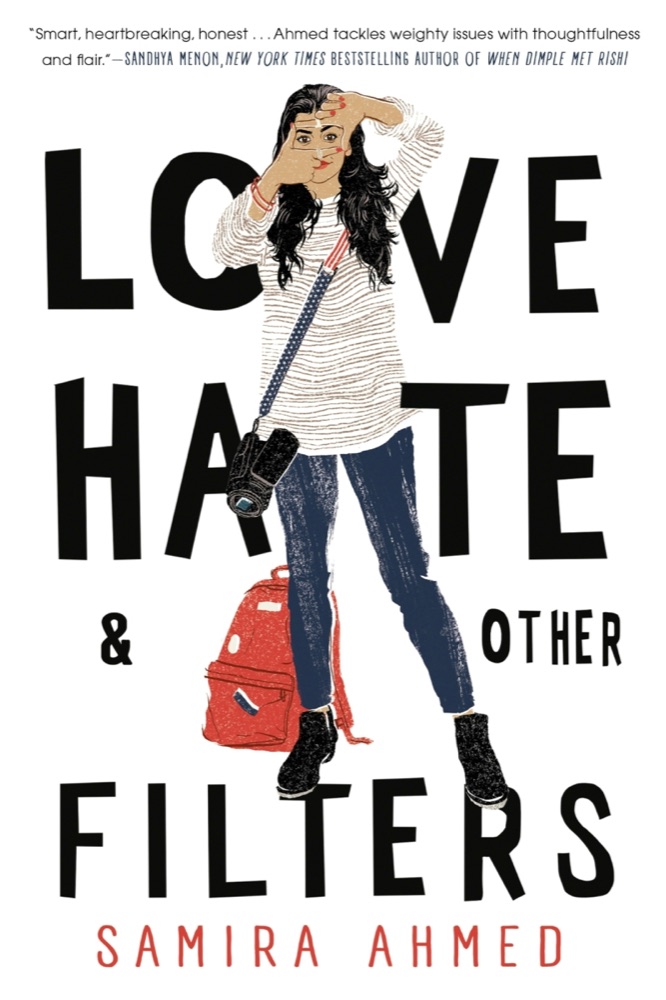 Love, Hate & Other Filters
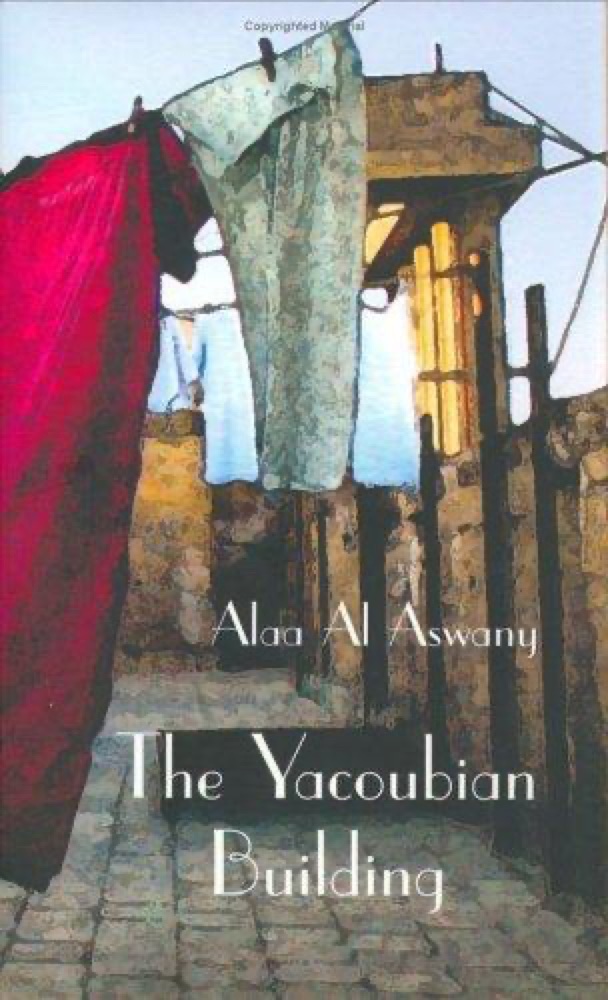 The Yacoubian Building
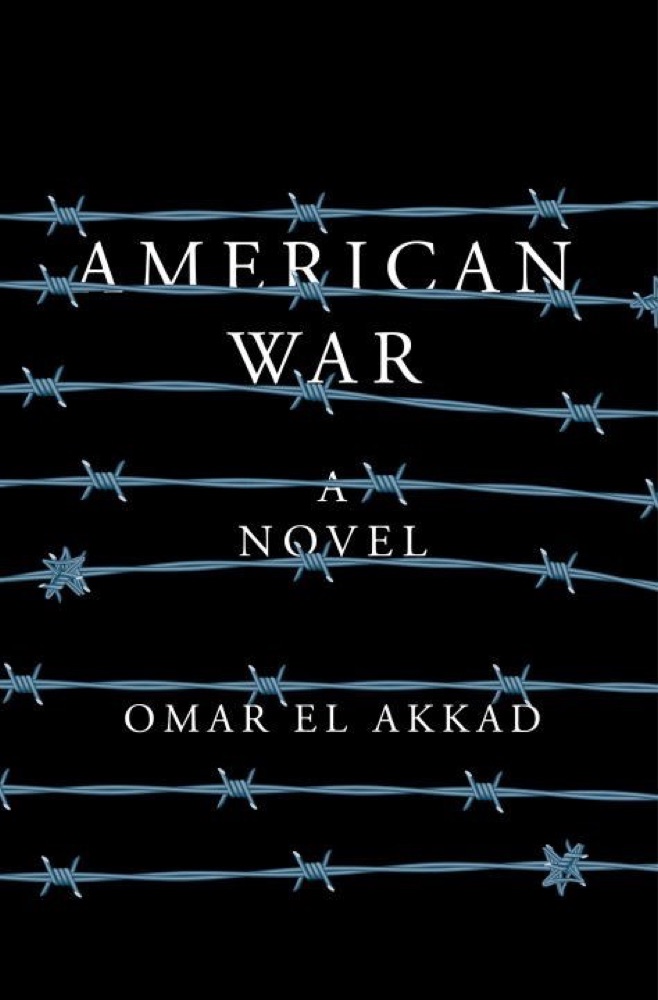 American War
 One Day, Everyone Will Have Always Been Against This
 Hero at the Fall
 Things You May Find Hidden in My Ear: Poems from Gaza
 Two Brothers
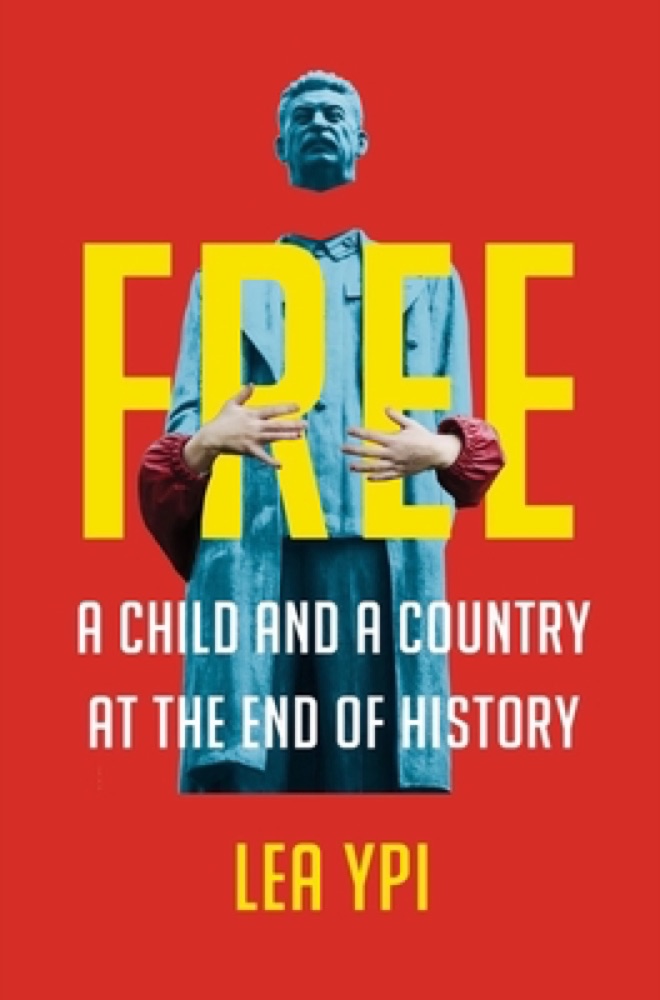 Free: A Child and a Country at the End of History
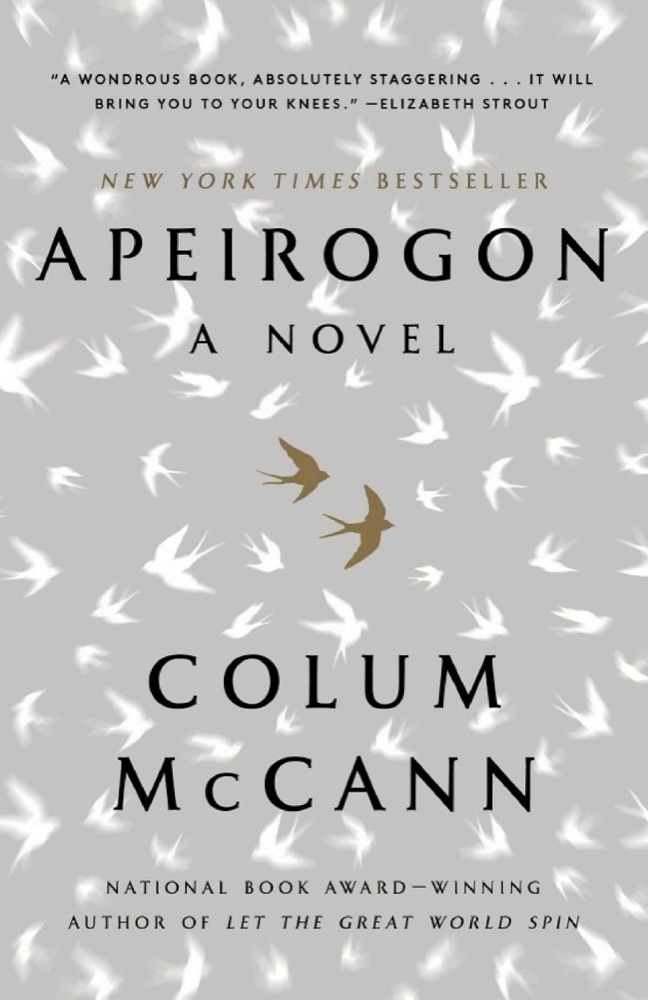 Apeirogon
 The Little Drummer Girl
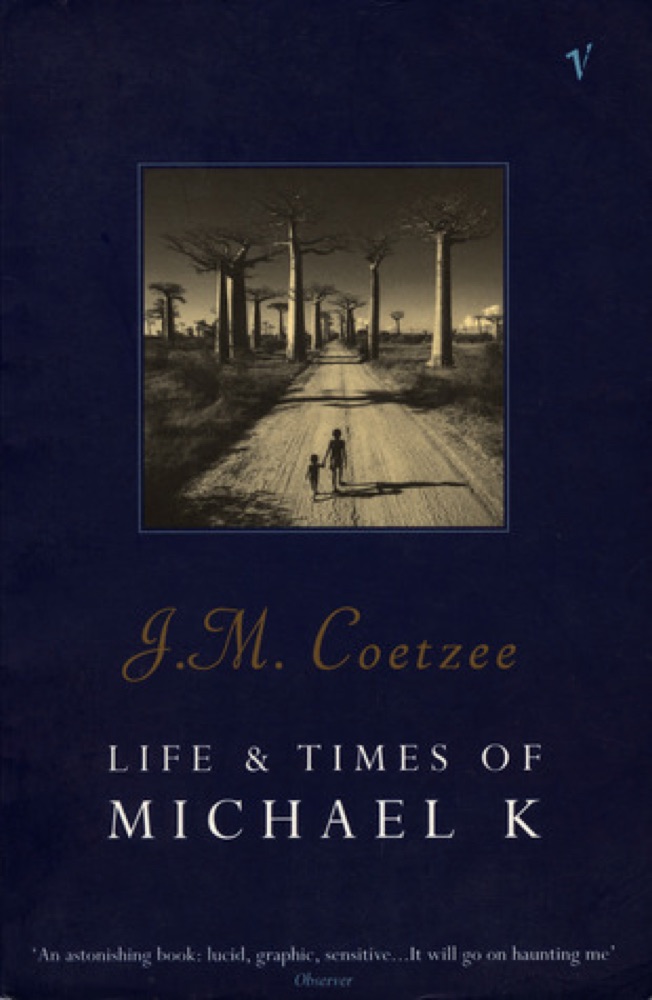 Life & Times of Michael K
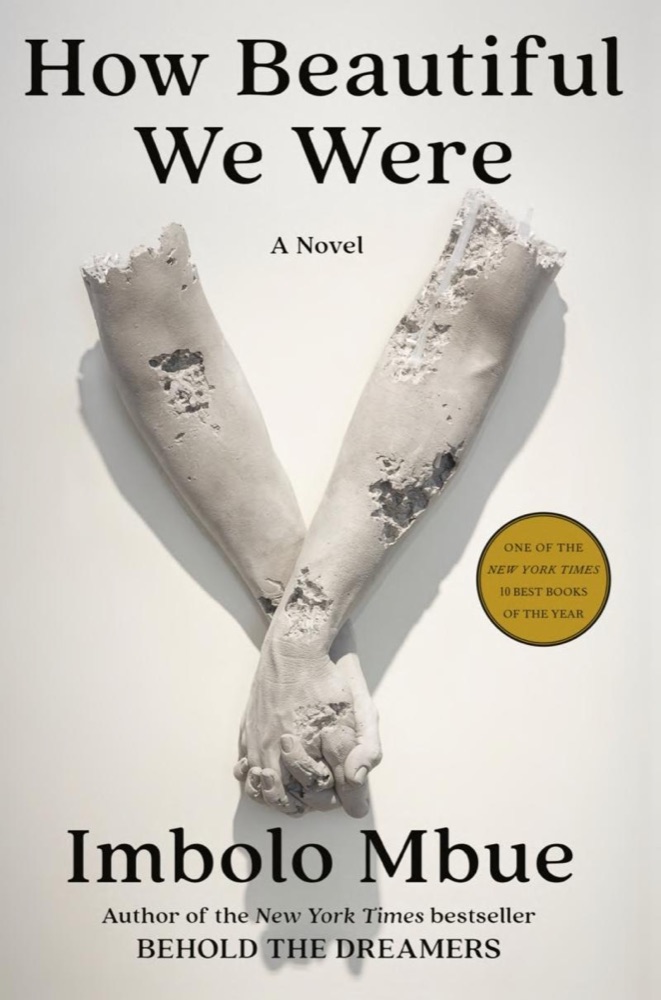 How Beautiful We Were
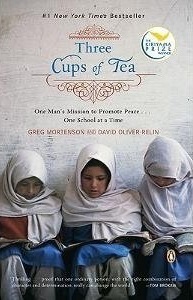 Three Cups of Tea: One Man's Mission to Promote Peace ... One School at a Time
 Night
Night