 The Communist Manifesto
Quotes from the Book
In a higher phase of communist society, after the enslaving subordination of the individual to the division of labor, and therewith also the antithesis between mental and physical labor, has vanished; after labor has become not only a means of life but life's prime want; after the productive forces have also increased with the all-around development of the individual, and all the springs of co-operative wealth flow more abundantly—only then can the narrow horizon of bourgeois right be crossed in its entirety and society inscribe on its banners: From each according to his ability, to each according to his needs!
222
Ognuno secondo le sue capacità; a ognuno secondo i suoi bisogni!
1
Everyone should be able to attend to his religious as well as his bodily needs without the police sticking their nose in.
1
Freedom consists in converting the state from an organ superimposed upon society into one completely subordinate to it
Every step of real movement is more important than a dozen programmes.
Defining by a general law the expenditures on the...school....is a very different thing from appointing the state as educator of the people. Government and church should rather be equally excluded from any influence on the school.
Watch on YouTube
About Karl Marx
We have collected 168 quotes from 7 books by Karl Marx on BookQuoters.
More about the author →More by Karl Marx
All books by Karl Marx →

About the book
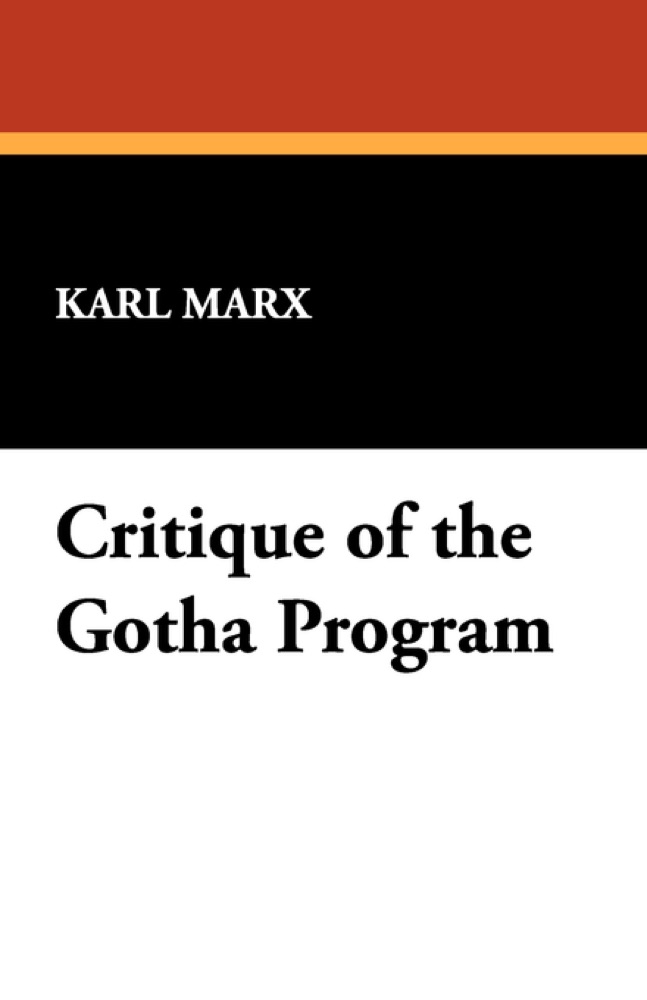
Offering perhaps Marx's most detailed pronouncement on programmatic matters of revolutionary strategy, The Critique of the Gotha Program discusses the "dictatorship of the proletariat", the period of transition from capitalism to communism, proletarian internationalism and the party of the working class. It is notable also for elucidating the principles of "To each according to his contribution" as the basis for a "lower phase" of communist society directly following the transition from capitalism and "From each according to his ability, to each according to his needs" as the basis for a future "higher phase" of communist society. In describing the lower phase, he states that "the individual receives from society exactly what he gives to it" and advocates remuneration in the form of non-transferable labor vouchers as opposed to money. The Critique of the Gotha Program, published after hi
Book details
- First published
- 1875
- Author
- Karl Marx
- Genre
- Nonfiction
- Goodreads rating
- 4.31 (3k ratings)
Keep reading
 The Road to Serfdom
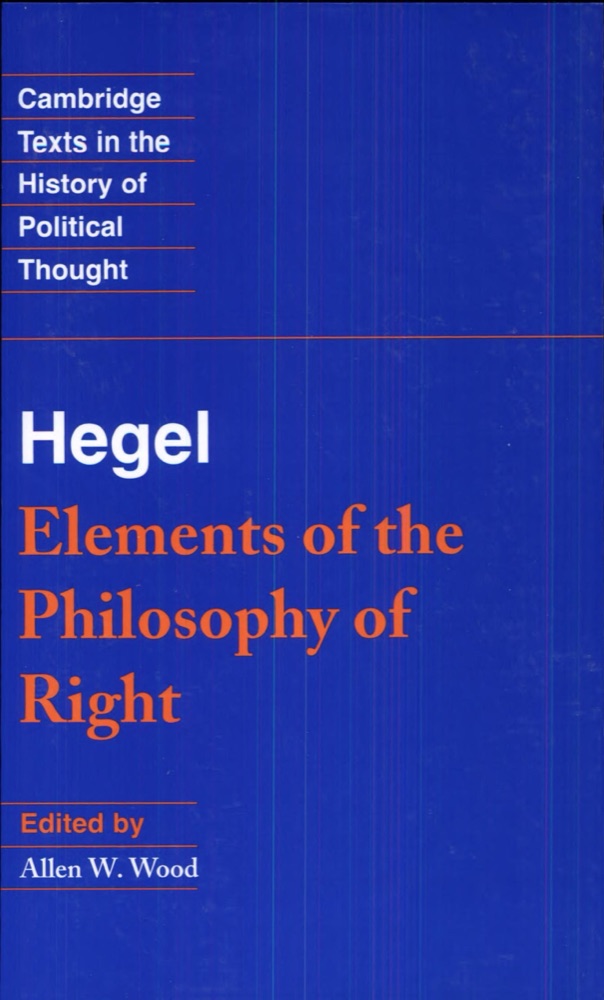 Elements of the Philosophy of Right
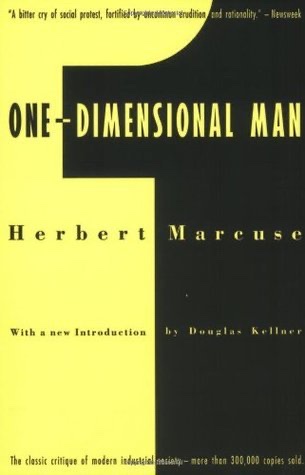 One-Dimensional Man: Studies in the Ideology of Advanced Industrial Society
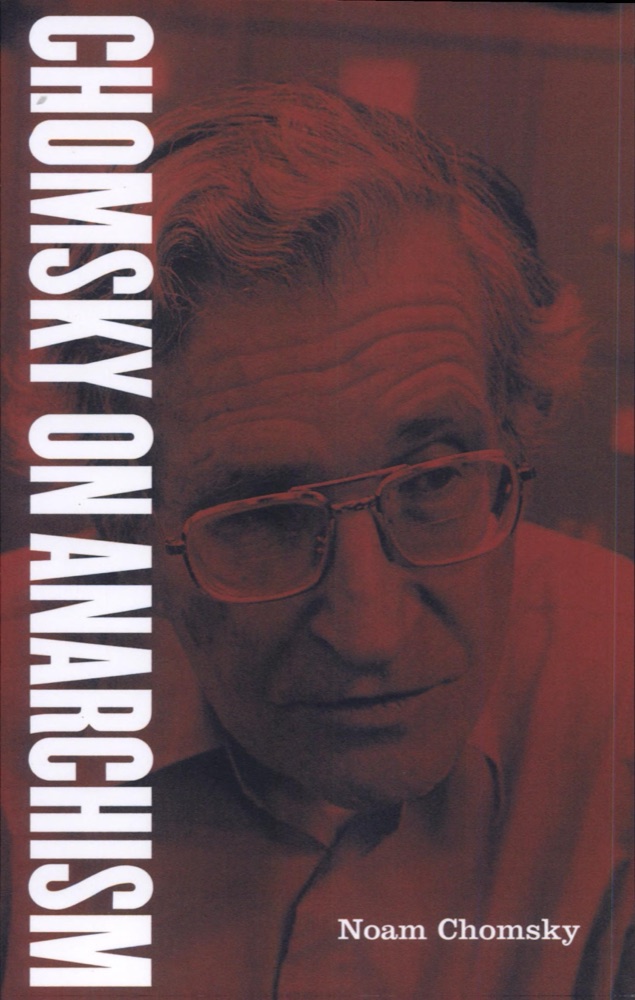 Chomsky On Anarchism
 Capitalism: The Unknown Ideal
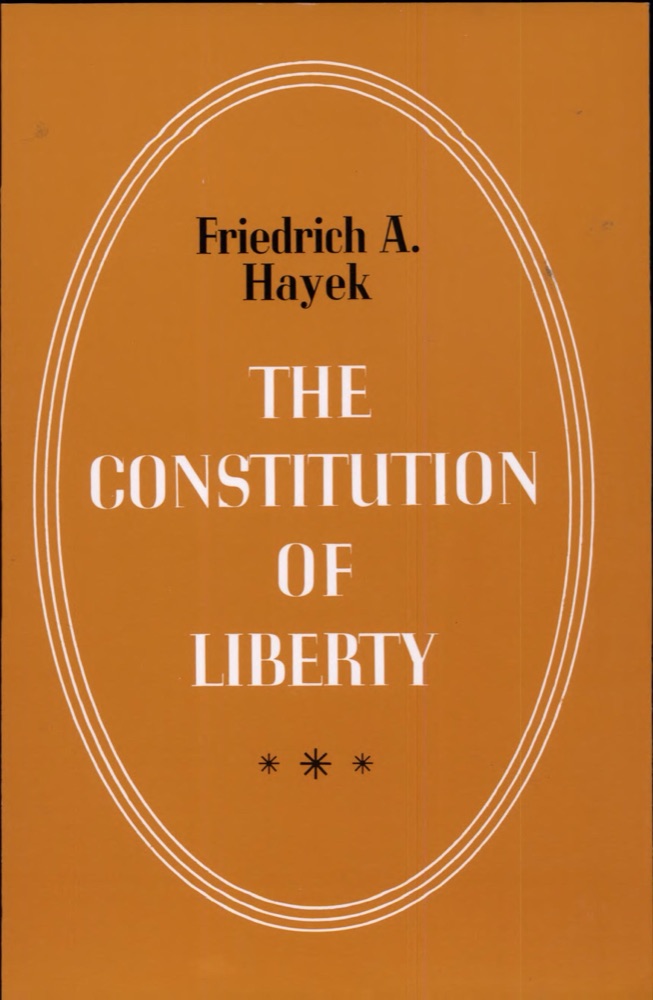 The Constitution of Liberty
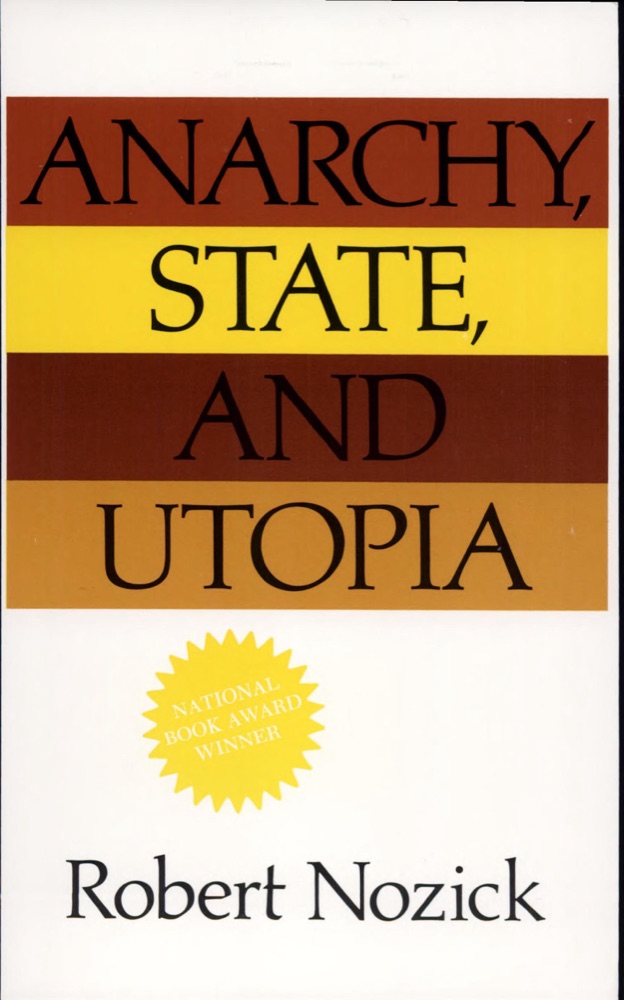 Anarchy, State, and Utopia
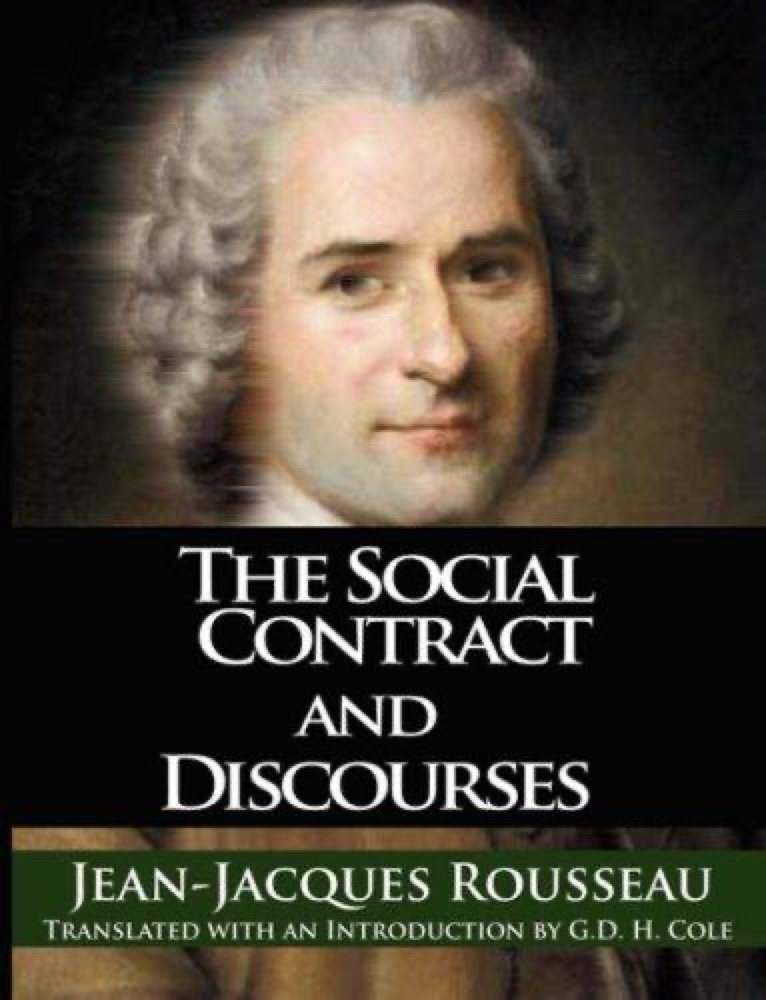 The Social Contract
 Reflections on the Revolution in France
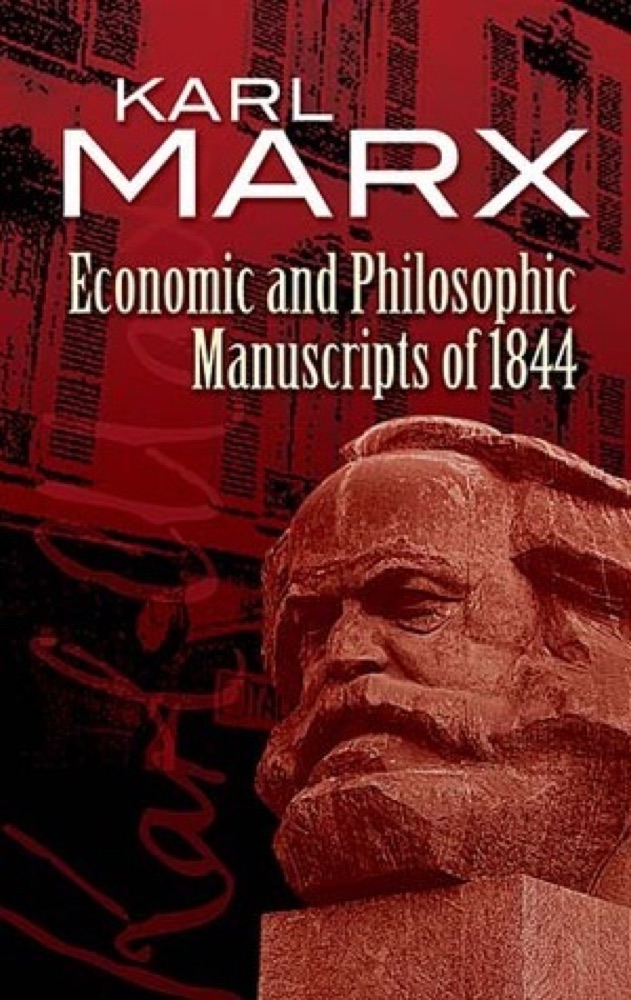 Economic & Philosophic Manuscripts of 1844
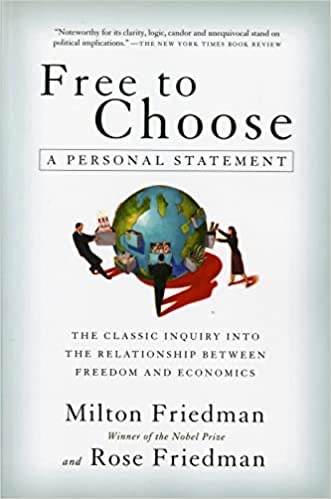 Free to Choose: A Personal Statement
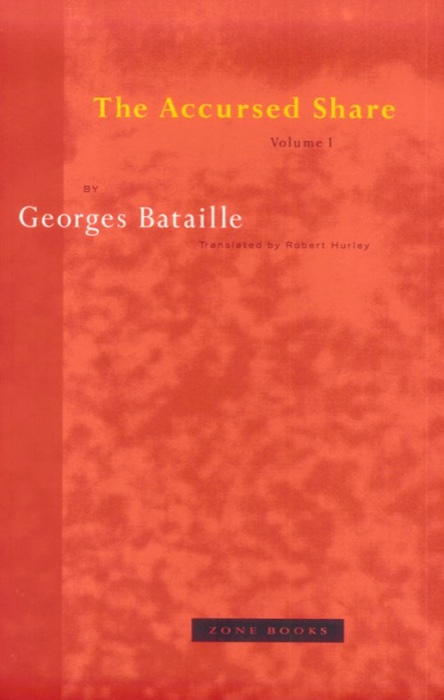 The Accursed Share: An Essay on General Economy, Volume I: Consumption
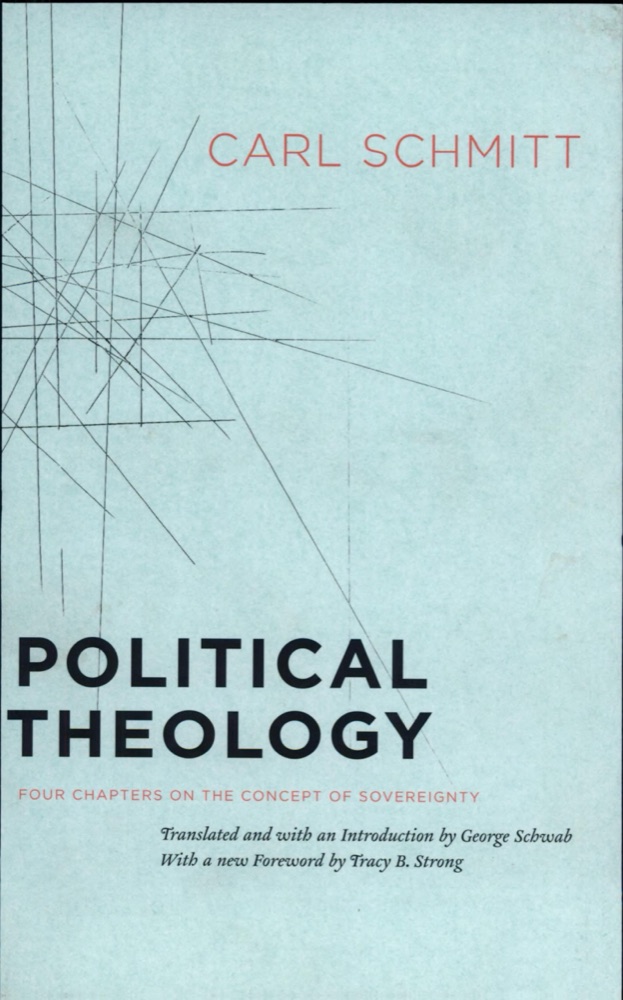 Political Theology: Four Chapters on the Concept of Sovereignty
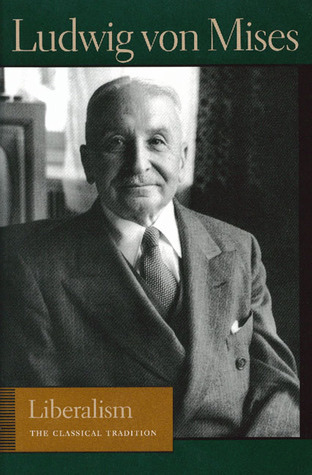 Liberalism: The Classical Tradition
 Rights of Man
 On Liberty
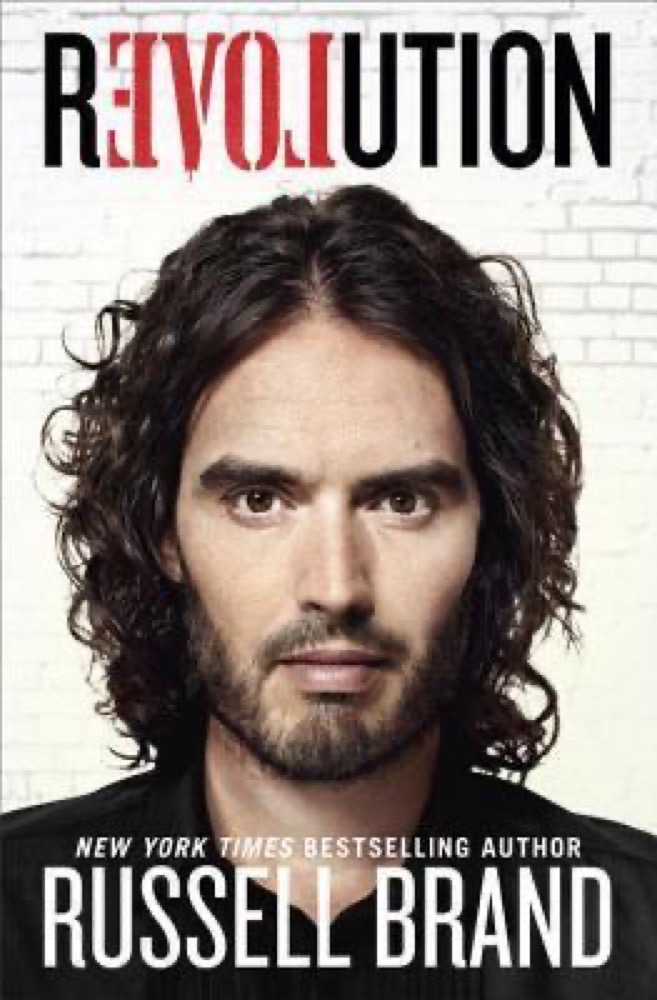 Revolution
 Capitalism and Freedom
 Socialism: Utopian and Scientific
 Civil Disobedience
 Socialism: An Economic and Sociological Analysis
The Communist Manifesto
Socialism: An Economic and Sociological Analysis
The Communist Manifesto
 Power vs. Force
 Freedom
 Behold a Pale Horse
 A Theory of Justice
 Politics
 The Undiscovered Self
 The Law
 Civil Disobedience and Other Essays
 Democracy in America
 Quotations from Chairman Mao Tsetung
 Second Treatise of Government
 The 5000 Year Leap: A Miracle That Changed the World
 Letters and Papers from Prison
 Walden Two
 The Protestant Ethic and the Spirit of Capitalism
 Coming Apart: The State of White America, 1960-2010
 A Theology of Liberation
 Human Action: A Treatise on Economics
 On Liberty and Other Essays
 The Soul of Man Under Socialism
 Rules for Radicals: A Pragmatic Primer for Realistic Radicals
 The Republic
 On Freedom
 The Ego and Its Own
 Why Marx Was Right
 Capital
 The Revolt of the Masses
 Selections from the Prison Notebooks
 An Inquiry into the Nature and Causes of the Wealth of Nations
 Justice: What's the Right Thing to Do?
 Ill Fares the Land
 The Freedom Manifesto
 The Iron Heel
 The Right to Be Lazy
 The Way of All Flesh
 Pedagogy of the Oppressed
 Let Us Dream: The Path to a Better Future
 Escape from Freedom