 Jesus and the Disinherited
Quotes from the Book
If there is no friendship with them [the poor] and no sharing of the life of the poor, then there is no authentic commitment to liberation, because love exists only among equals.
43
[Neighbor is] not he whom I find in my path, but rather he in whose path I place myself, he whom I approach and actively seek.
37
Charity is today a 'political charity.'. . . it means the transformation of a society structured to benefit a few who appropriate to themselves the value of the work of others. This transformation ought to be directed toward a radical change in the foundation of society, that is, the private ownership of the means of production.
20
The denunciation of injustice implies the rejection of the use of Christianity to legitimize the established order.
19
We take it for granted that Jesus was not interested in political life: his mission was purely religious. Indeed we have witnessed . . . the 'iconization' of the life of Jesus: 'This is a Jesus of hieratic, stereotyped gestures, all representing theological themes. In this way, the life of Jesus is no longer a human life, submerged in history, but a theological life -- an icon.
18
In the final analysis, poverty means death: lack of food and housing, the inability to attend properly to health and education needs, the exploitation of workers, permanent unemployment, the lack of respect for one's human dignity, and unjust limitations placed on personal freedom in the areas of self-expression, politics, and religion.
13
The theory of dependence will take the wrong path and lead to deception if the analysis is not put within the framework of the worldwide class struggle.
7
There are not two histories, one profane and one sacred, 'juxtaposed' or 'closely linked.' Rather there is only one human destiny.
7
History is no longer as it was for the Greeks, an anamnesis, a remembrance. It is rather a thrust into the future.
7
The unqualified affirmation of the univeral will of salvation has radically changed the way of conceiving the mission of the Church in the world. . . . The work of salvation is a reality which occurs in history.
7
But there is one thing that is privileged to be a paradoxical sign of God, in relation to which men are able to manifest their deepest commitment -- our Neighbor. The sacrament of our Neighbor!' -- Congar
6
Man is saved if he opens himself to God and to others, even if he is not clearly aware that he is doing so. This is valid for Christians and non-Christians alike -- for all people. . . . We can no longer speak properly of a profane world. A qualitative and intensive approach replaces a quantitative and extensive one.
5
If there is no friendship with them and no sharing of the life of the poor, then there is no authentic commitment to liberation, because love exists only among equals.
4
The Exodus from Egypt, the home of sacred monarchy, reinforces this idea [desacralization of creation]: it is the 'desacralization' of social praxis. . . . In Egypt, work is alienated and, far from building a just society, contributes rather to increasing injustice and to widening the gap between exploiters and exploited.
4
The God of Exodus is the God of history and of political liberation more than he is the God of nature.
4
The use of a variety of tools does not mean sacrificing depth of analysis; the point is only not to be simplistic but rather to insist on getting at the deepest causes of the situation, for this is what it means to be truly radical.
3
Since the Enlightenment, the political order is an order of freedom. The political structures are no longer given, previous to man's freedom, but are rather realities based on freedom, taken on and modified by man. . . . This new definition of politics carefully distinguishes between state and society. The distinction . . . allows us to differentiate between the public sphere of the state of the Church (or the combination of them) as powers from the public sphere 'in which the interests of all men as a social group are expressed.
3
Is the Church fulfilling a purely religious role when by its silence or friendly relationships it lends legitimacy to a dictatorial and oppressive government?
2
although the privileged of this world can accept the existence of human poverty on a massive scale and not be overawed by it (after all, it is something that cannot be hidden away in our time), problems begin when the causes of this poverty are pointed out to them. Once causes are determined, then there is talk of "social injustice," and the privileged begin to resist. This is especially true when to structural analysis there is added a concrete historical perspective in which personal responsibilities come to light. But it is the conscientization and resultant organization of poor sectors that rouse the greatest fears and the strongest resistance.
2
Love of Enemies' does not ease tensions; rather it challenges the whole system and becomes a subversive formula. Universal love comes down from the level of abstractions and becomes concrete and effective by becoming incarnate in the struggle for the liberation of the oppressed.
2
An essential clue to the understanding of poverty in liberation theology is the distinction, made in the Medellín document "Poverty of the Church," between three meanings of the term "poverty": real poverty as an evil—that is something that God does not want; spiritual poverty, in the sense of a readiness to do God's will; and solidarity with the poor, along with protest against the conditions under which they suffer.
2
The neighbor was the Samaritan who approached the wounded man and made him his neighbor. The neighbor, as has been said, is not the one whom I find in my path, but rather the one in whose path I place myself, the one whom I approach and actively seek.
1
Jesus preached and made present the reign of God. The church must then, in solidarity, faith, hope, and love, do the same. As the sacrament of salvation, the church strives to make present a communion with God and with others. It is not a gatekeeper. It does not seek to exclude. Rather, it strives to overcome barriers and be a vehicle for inclusion and communion among all people.
1
One of the great insights of the twentieth-century struggles for justice is that the great problems that we face, such as racism, poverty, and the climate crisis, are structural in nature. They have long histories and are embedded socially in ways that are often masked in day-to-day life.
1
The challenge liberation theology puts forward is to understand Jesus as God-incarnate who demands that the church incarnate itself in the world: no, not in the centers of power and wealth, but in the peripheries that long to hear good news. Indeed, for so much talk about secularization as the great challenge to faith today, a theology of liberation suggests that it is idolatry, the temptation of the gods of money, power, and hatred, more than disbelief that is the great challenge.
1
To be converted is to know and experience the fact that, contrary to the laws of physics, we can stand straight, according to the Gospel, only when our center of gravity is outside ourselves.
1
In liberation theology the way to rational talk of God is located within a broader and more challenging course of action: the following of Jesus.
1
The understanding of the faith is also following along new paths in our day: the social, psychological, and biological sciences. The social sciences, for example, are extremely important for theological reflection in Latin America. Theological thought not characterized by such a rationality and disinterestedness would not be truly faithful to an understanding of the faith.
To paraphrase a well-known text of Pascal
Without a real commitment against exploitation and alienation and for a society of solidarity and justice
Watch on YouTube
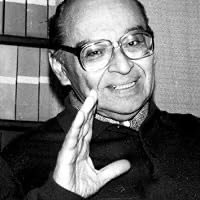
About Gustavo Gutiérrez
We have collected 30 quotes from 1 book by Gustavo Gutiérrez on BookQuoters.
More about the author →About the book
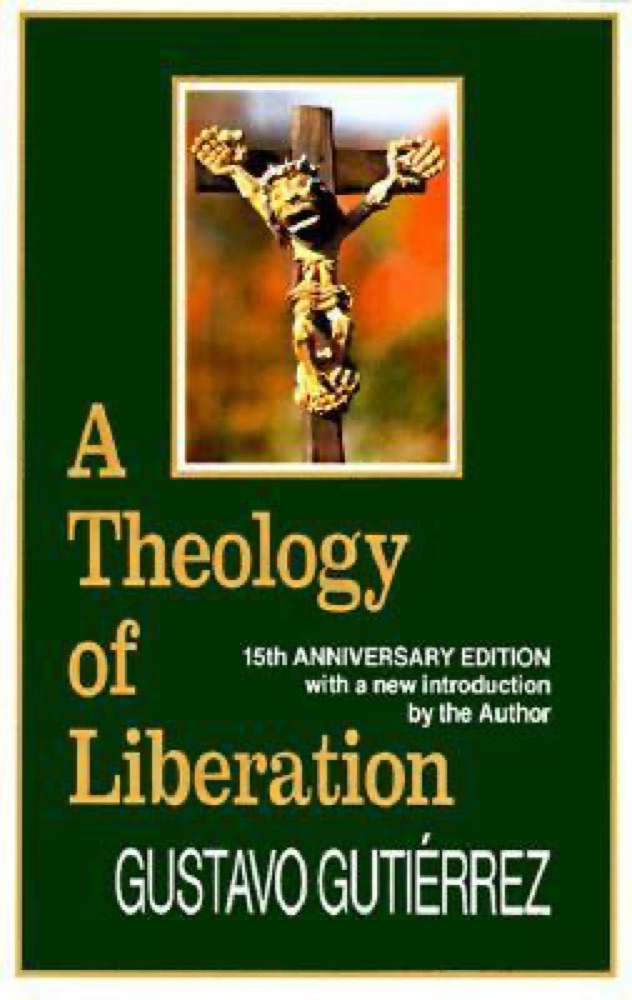
This is the credo and seminal text of the movement which was later characterized as liberation theology. The book burst upon the scene in the early seventies, and was swiftly acknowledged as a pioneering and prophetic approach to theology which famously made an option for the poor, placing the exploited, the alienated, and the economically wretched at the centre of a programme where "the oppressed and maimed and blind and lame" were prioritized at the expense of those who either maintained the status quo or who abused the structures of power for their own ends. This powerful, compassionate and radical book attracted criticism for daring to mix politics and religion in so explicit a manner, but was also welcomed by those who had the capacity to see that its agenda was nothing more nor less than to give "good news to the poor", and redeem God's people from bondage.
Book details
- First published
- 1971
- Author
- Gustavo Gutiérrez
- Genre
- Nonfiction
- Goodreads rating
- 4.18 (2k ratings)
Keep reading
Jesus and the Disinherited
 Ethics
 Resident Aliens: Life in the Christian Colony
 The Gospel in a Pluralist Society
 Let Us Dream: The Path to a Better Future
 Exclusion & Embrace: A Theological Exploration of Identity, Otherness, and Reconciliation
 Jesus for President: Politics for Ordinary Radicals
 Live Not by Lies: A Manual for Christian Dissidents
 The Long Loneliness: The Autobiography of the Legendary Catholic Social Activist ― A Memoir about the Worker Movement and Spiritual Conversion
 The Holy Longing: The Search for a Christian Spirituality
 Total Truth: Liberating Christianity from its Cultural Captivity
 Pedagogy of the Oppressed
 Letters and Papers from Prison
 Life of Christ
 We Who Wrestle with God: Perceptions of the Divine
 The Prophetic Imagination
 The Kingdom of God Is Within You
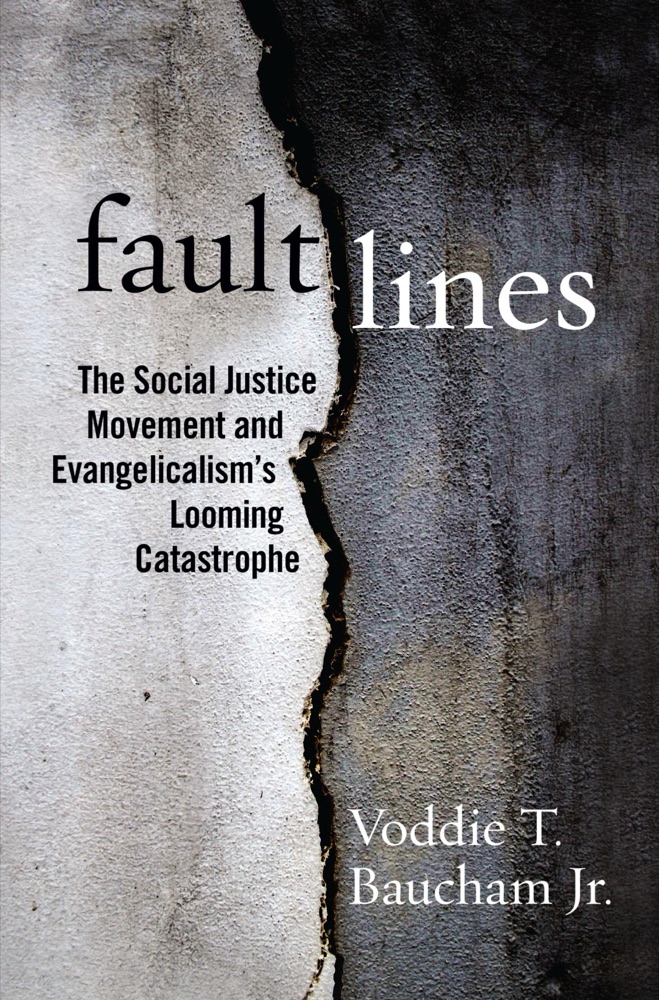 Fault Lines: The Social Justice Movement and Evangelicalism's Looming Catastrophe
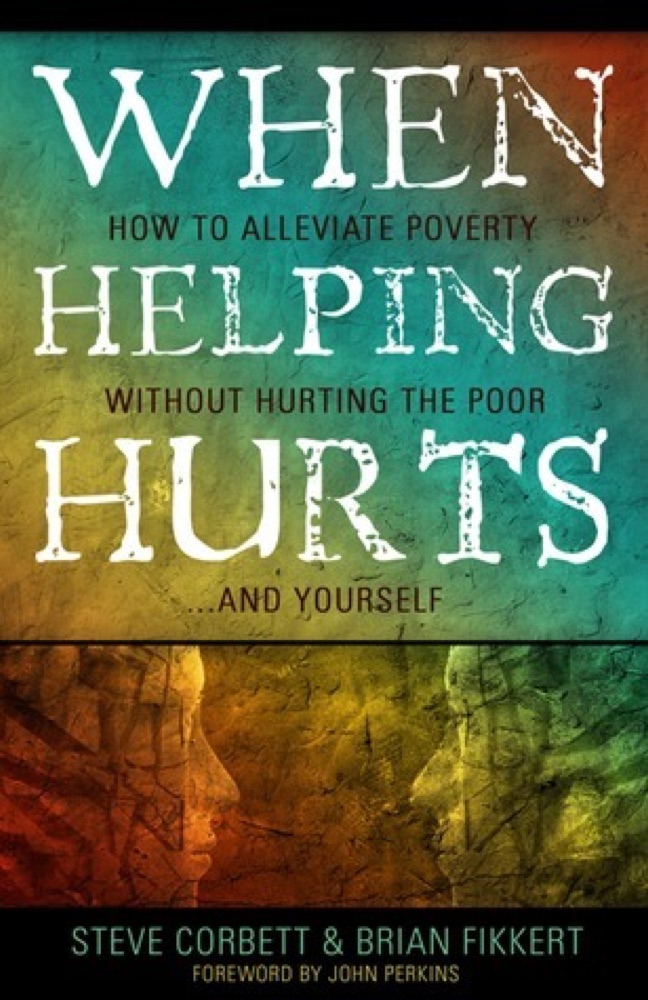 When Helping Hurts: How to Alleviate Poverty without Hurting the Poor...and Yourself
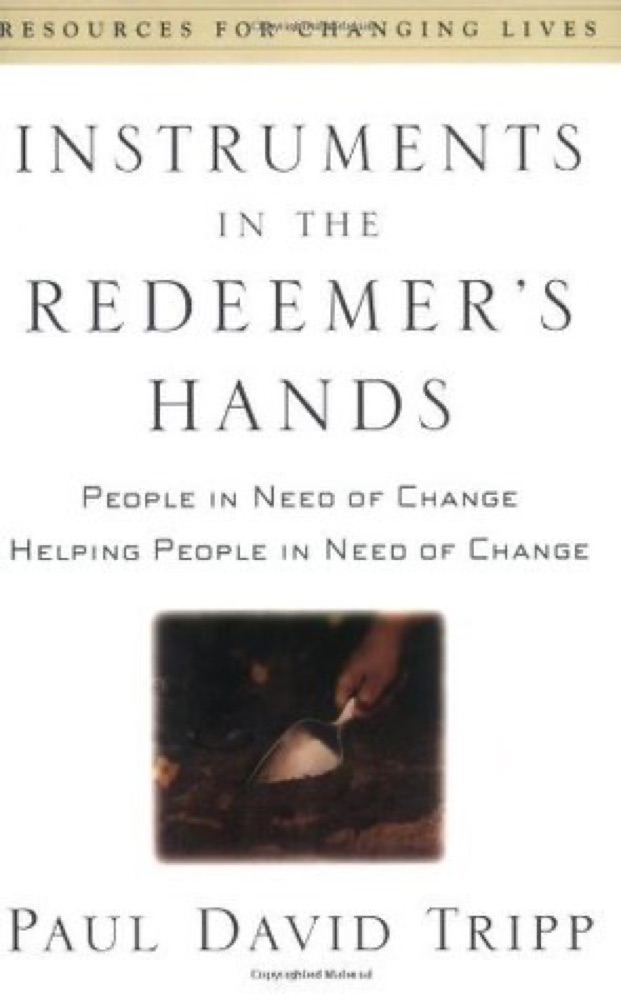 Instruments in the Redeemer's Hands: People in Need of Change Helping People in Need of Change
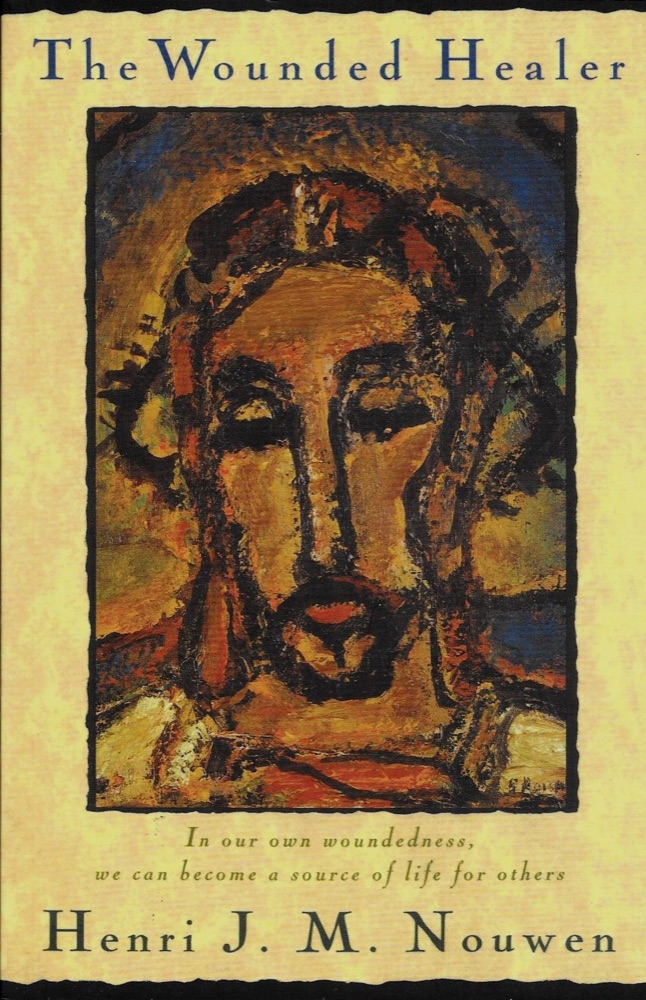 The Wounded Healer
 Jesus of Nazareth: The Infancy Narratives
 The Deeply Formed Life: Five Transformative Values to Root Us in the Way of Jesus
 Generous Justice: How God's Grace Makes Us Just
 The Crucible of Doubt: Reflections On the Quest for Faith
 The Irresistible Revolution: Living as an Ordinary Radical
 The Cross of Christ
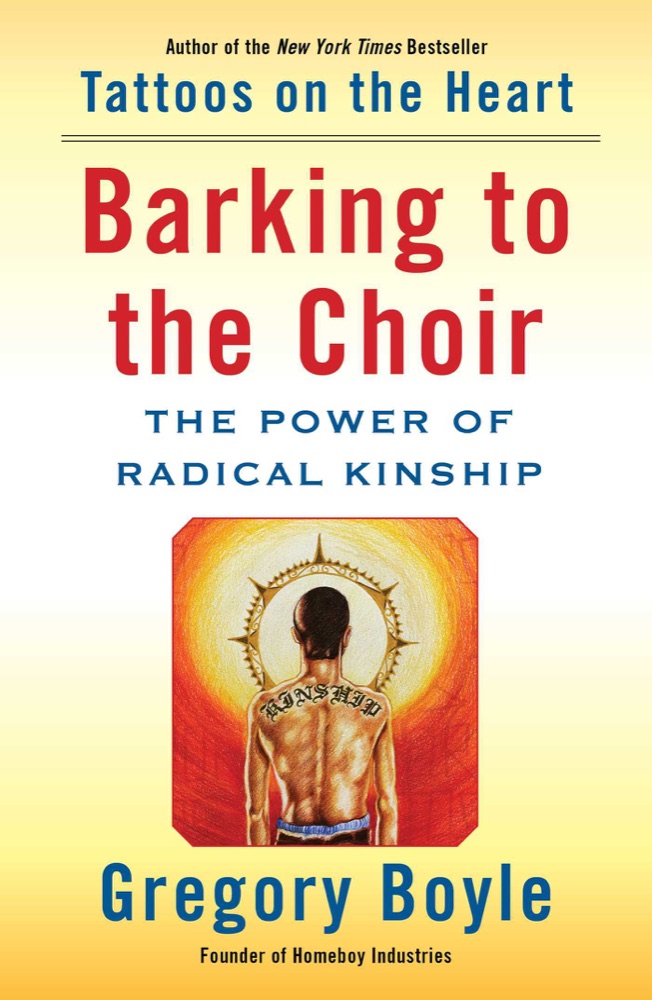 Barking to the Choir: The Power of Radical Kinship
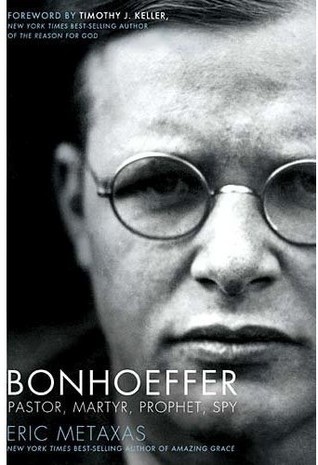 Bonhoeffer: Pastor, Martyr, Prophet, Spy
 The Benedict Option: A Strategy for Christians in a Post-Christian Nation
 The Prodigal God: Recovering the Heart of the Christian Faith
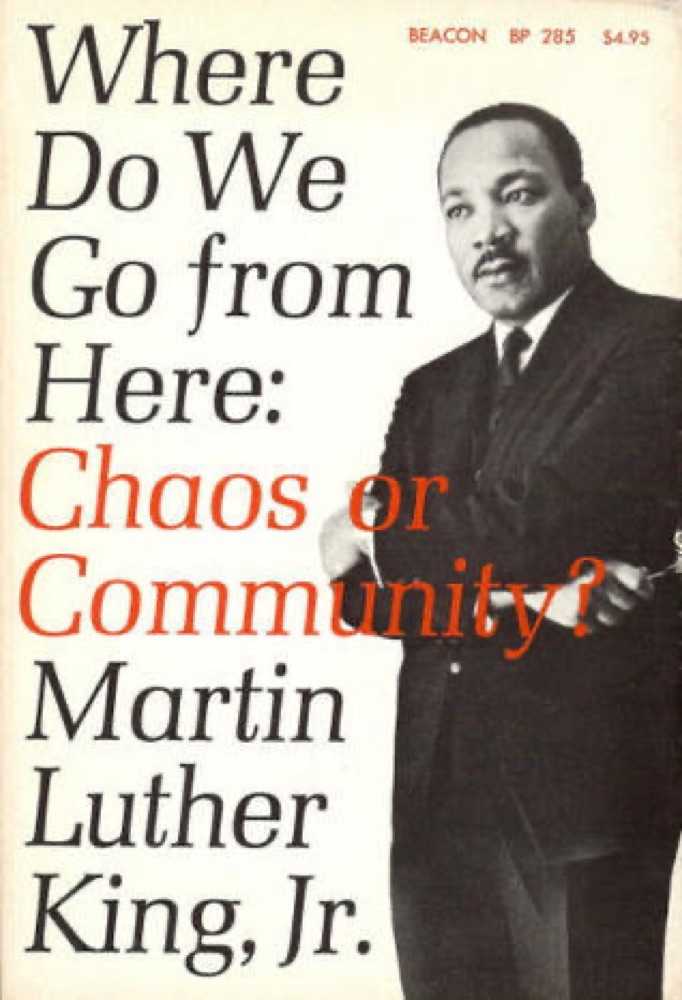 Where Do We Go from Here: Chaos or Community?
 The Will to Power
 After Virtue
 Amazing Grace: A Vocabulary of Faith
 Studies in the Sermon on the Mount
 The Reason for God: Belief in an Age of Skepticism
 The War of the Poor
 Rules for Radicals: A Pragmatic Primer for Realistic Radicals
 Jesus Among Other Gods: The Absolute Claims of the Christian Message
 Compassion (&) Conviction: The AND Campaign's Guide to Faithful Civic Engagement
 The Anti-Christ
 Renovation of the Heart: Putting On the Character of Christ
 The Perennial Philosophy
 The Spirit of the Disciplines: Understanding How God Changes Lives
 The Politics of Jesus
 The Orthodox Way
 Celebration of Discipline: The Path to Spiritual Growth
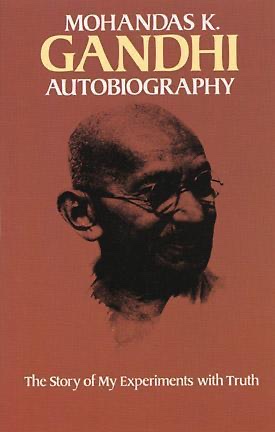 The Story of My Experiments With Truth
 The Divine Conspiracy: Rediscovering Our Hidden Life in God
 Letter from the Birmingham Jail
 Bad Religion: How We Became a Nation of Heretics
 The Rage Against God: How Atheism Led Me to Faith
 Simply Christian
 Daybreak: Thoughts on the Prejudices of Morality
 Tattoos on the Heart: The Power of Boundless Compassion
 A History of God: The 4,000-Year Quest of Judaism, Christianity, and Islam
 Political Theology: Four Chapters on the Concept of Sovereignty
 Searching for God Knows What
 A Pilgrimage to Eternity: From Canterbury to Rome in Search of a Faith