 The Secret Thoughts of an Unlikely Convert: An English Professor's Journey Into Christian Faith
Quotes from the Book
Ignoring our emotions is turning our back on reality. Listening to our emotions ushers us into reality. And reality is where we meet God. . . . Emotions are the language of the soul. They are the cry that gives the heart a voice. . .
13
When we deny our pain, losses, and feelings year after year, we become less and less human. We transform slowly into empty shells with smiley faces painted on them. Sad to say, that is the fruit of much of our discipleship in our churches. But when I began to allow myself to feel a wider range of emotions, including sadness, depression, fear, and anger, a revolution in my spirituality was unleashed. I soon realized that a failure to appreciate the biblical place of feelings within our larger Christian lives has done extensive damage, keeping free people in Christ in slavery.
11
When genuine love is released in a relationship, God’s presence is manifest.
10
As Parker Palmer said, “Self-care is never a selfish act—it is simply good stewardship of the only gift I have, the gift I was put on earth to offer others. Anytime we can listen to true self and give it the care it requires, we do it not only for ourselves, but for the many others whose lives we touch.
10
Jesus was not SELFLESS. He did not live as if ONLY other people counted. He knew his value and worth. He had friends. He asked people to help him. At the same time Jesus was not SELFISH. He did not live as if nobody counted. He gave his life out of love for others. From a place of loving union with his Father, Jesus had a mature, healthy 'true self.
10
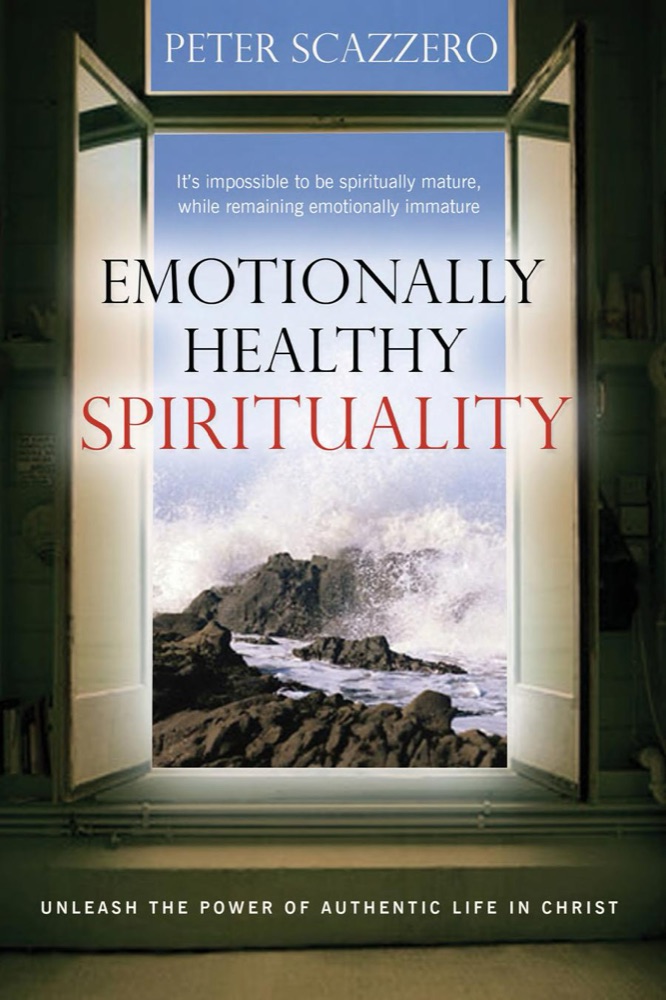
emotional health and spiritual maturity are inseparable. It is not possible to be spiritually mature while remaining emotionally immature.
10
Every time I make an assumption about someone who has hurt or disappointed me without confirming it, I believe a lie about this person in my head. This assumption is a misrepresentation of reality. Because I have not checked it out with the other person, it is very possible I am believing something untrue. It is also likely I will pass that false assumption around to others.
9
Life can be difficult, so have fun whenever you can to the glory of God.
7
Loving well is the goal of the Christian life.
7
True spirituality frees us to live joyfully in the present.
7
By failing to let others be themselves before God and move at their own pace, we inevitably project onto them our own discomfort with their choice to live life differently than we do.
7
Our relationship with God and relationship with others are two sides of the same coin.
6
You can’t have the true peace of Christ’s kingdom with lies and pretense.
5
Respect is not a feeling. It is how we treat another person.
5
The Bible does not spin the flaws and weaknesses of its heroes. Moses was a murderer. Hosea’s wife was a prostitute. Peter rebuked God! Noah got drunk. Jonah was a racist. Jacob was a liar. John Mark deserted Paul. Elijah burned out. Jeremiah was depressed and suicidal. Thomas doubted. Moses had a temper. Timothy had ulcers. And all these people send the same message: that every human being on earth, regardless of their gifts and strengths, is weak, vulnerable, and dependent on God and others.
4
Christian spirituality, without an integration of emotional health, can be deadly—to yourself, your relationship with God, and the people around you.
4
Solitude is the practice of being absent from people and things to attend to God.
4
Be willing to tolerate the discomfort necessary for growth.
4
The vast majority of us go to our graves without knowing who we are.
4
Changing the way we have lived for twenty or forty or sixty years is nothing short of a revolution. 4.
3
The critical issue on the journey with God is not “Am I happy?” but “Am I free?
3
God never loses any part of our past for his future when we surrender ourselves to him. Every mistake, sin, and detour we take in the journey of life is taken by God and becomes his gift for a future of blessing.
3
BILL OF RIGHTS Respect means I give myself and others the right to: Space and privacy (e.g., knocking on doors before entering, not opening one another’s mail, respecting each other’s needs for quiet and space); Be different (e.g., allowing preferences for food, movies, volume of music, and how we spend our time); Disagree (e.g., making room for each person to think and see life differently); Be heard (e.g., listening to each other’s desires, opinions, thoughts, feelings, etc.); Be taken seriously (e.g., listening and being present to one another); Be given the benefit of the doubt (e.g., checking out assumptions rather than judging one another when misunderstandings arise); Be told the truth (e.g., counting on the truth when asking each other for information—from “Did you study for the test that you failed?” to “Why were you late coming home?”); Be consulted (e.g., checking and asking when decisions will affect others); Be imperfect and make mistakes (e.g., leaving “room” for breaking things, forgetting things, letting each other down unintentionally, failing tests when we have studied, etc.); Courteous and honorable treatment (e.g., using words that don’t hurt, asking before using, consulting when appropriate, treating each other as I-Thou’s); and Be respected (e.g., taking one another’s feelings into account)
2
The problem, however, is that you inevitably find, as I did, something still missing. In fact, the spirituality of most current discipleship models often only adds an additional protective layer against people growing up emotionally. When people have authentic spiritual experiences -- such as worship, prayer, Bible studies, and fellowship -- they mistakenly believe they are doing fine, even if their relational life is fractured and their interior world is disordered. Their apparent 'progress' then provides a spiritual reason for not doing the hard work of maturing. They are deceived. I know. I lived that way for almost seventeen years. Because of the spiritual growth in certain areas of my life and in those around me, I ignored the glaring signs of emotional immaturity that were everywhere in and around me.
2
According to Gallup polls and sociologists, one of the greatest scandals of our day is that “evangelical Christians are as likely to embrace lifestyles every bit as hedonistic, materialistic, self-centered and sexually immoral as the world in general.”3 The statistics are devastating: Church members divorce their spouses as often as their secular neighbors. Church members beat their wives as often as their neighbors. Church members’ giving patterns indicate they are almost as materialistic as non-Christians. White evangelicals are the most likely people to object to neighbors of another race. Of the “higher-commitment” evangelicals, a rapidly growing number of young people think cohabitation is acceptable prior to marriage.4 Ron Sider, in his book The Scandal of the Evangelical Conscience, summarizes the level of our compartmentalization: “Whether the issue is marriage and sexuality or money and care for the poor, evangelicals today are living scandalously unbiblical lives. . . . The data suggest that in many crucial areas evangelicals are not living any differently from their unbelieving neighbors.”5 But you don’t need a lot of statistics to know how true this is. Just ask Angela, a new member of our congregation whose question to me also explained why she had dropped out of church for five years: “Why is it that so many Christians make such lousy human beings?
2
When, out of fear, we avoid conflict and appease people, we are false peacemakers. For
2
We can’t change—or better said, invite God to change us—when we are unaware and do not see the truth.
2
Christianity is not about our disciplined pursuit of God, but about God’s relentless pursuit of us—to
2
Regardless of how we might feel about another human being, they are made in God’s image and of infinite value and worth.
2
Watch on YouTube
About Peter Scazzero
About the book
What Are You Missing?Peter Scazzero learned the hard way: you can’t be spiritually mature while remaining emotionally immature. Even though he was pastor of a growing church, he did what most people do: Avoid conflict in the name of Christianity Ignore his anger, sadness, and fear Use God to run from God Live without boundaries Eventually God awakened him to a biblical integration of emotional health, a relationship with Jesus, and the classic practices of contemplative spirituality. It created nothing short of a spiritual revolution, utterly transforming him and his church.In this book Scazzero outlines his journey and the signs of emotionally unhealthy spirituality. Then he provides seven biblical, reality-tested ways to break through to the revolutionary life Christ meant for you.“The combination of emotional health and contemplative spirituality,” he says, “unleashes the Holy Sp
Book details
- First published
- 2006
- Author
- Peter Scazzero
- Genre
- Nonfiction
- Goodreads rating
- 4.25 (23k ratings)
Keep reading
The Secret Thoughts of an Unlikely Convert: An English Professor's Journey Into Christian Faith
 The Life You've Always Wanted: Spiritual Disciplines for Ordinary People
 The Holy Longing: The Search for a Christian Spirituality
 Abba's Child: The Cry of the Heart for Intimate Belonging
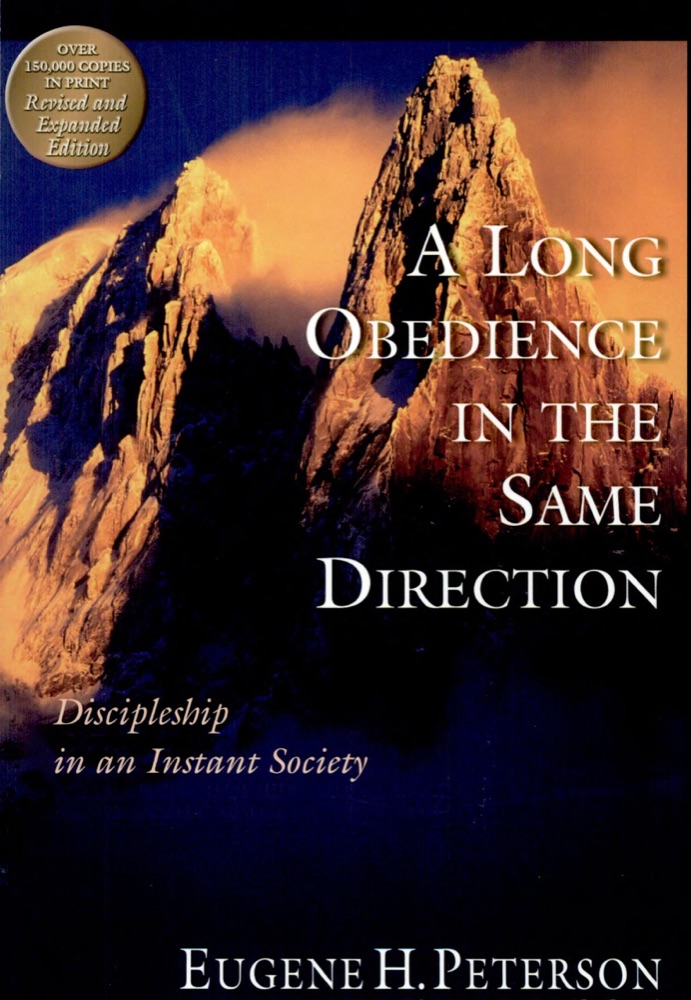 A Long Obedience in the Same Direction: Discipleship in an Instant Society
 Renovation of the Heart: Putting On the Character of Christ
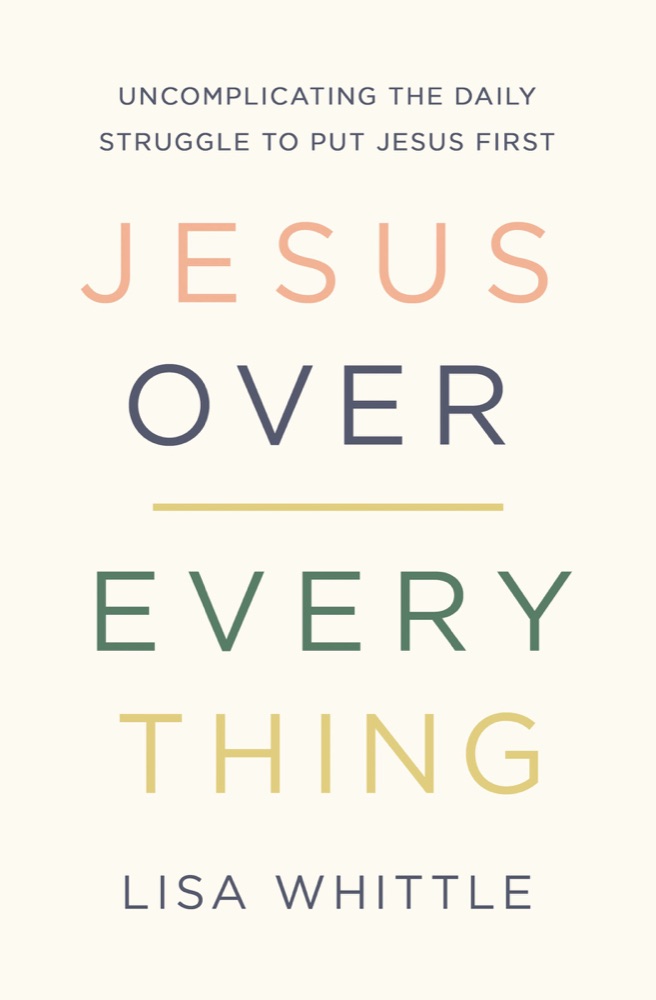 Jesus Over Everything: Uncomplicating the Daily Struggle to Put Jesus First
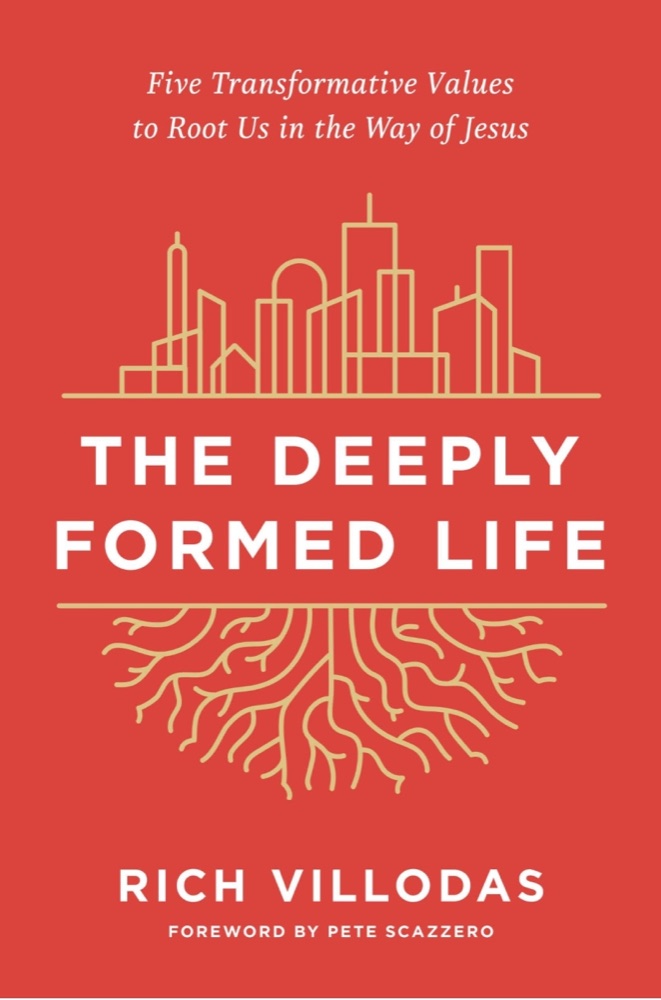 The Deeply Formed Life: Five Transformative Values to Root Us in the Way of Jesus
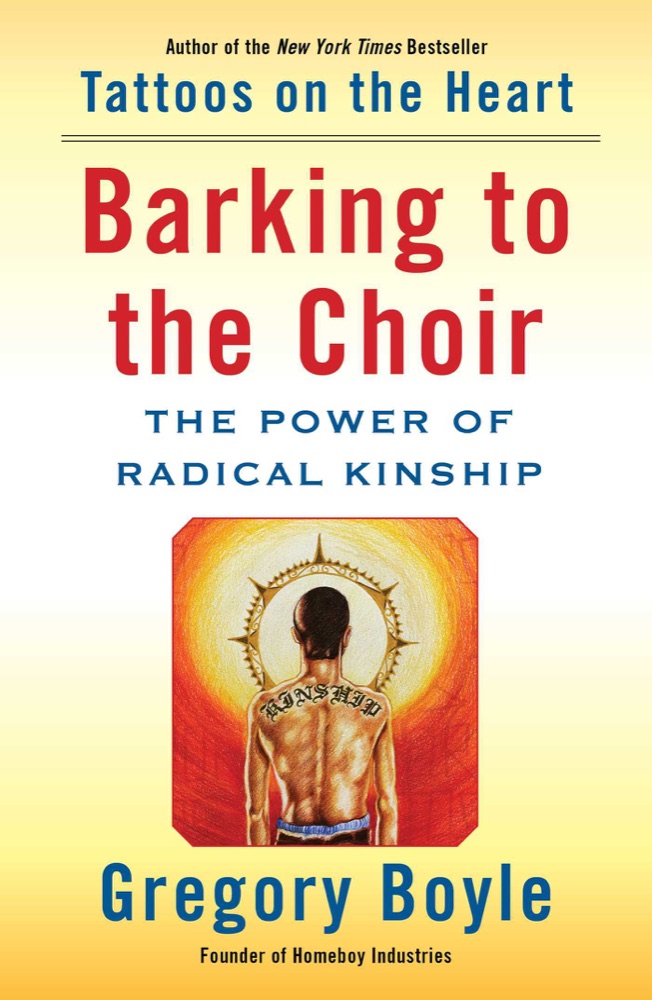 Barking to the Choir: The Power of Radical Kinship
 Breathing Underwater: Spirituality and the 12 Steps
 Everything Belongs: The Gift of Contemplative Prayer
 Shameless: A Case for Not Feeling Bad About Feeling Good
 The Me I Want to Be: Becoming God's Best Version of You
 Changes That Heal: How to Understand the Past to Ensure a Healthier Future
 Sacred Marriage: Celebrating Marriage as a Spiritual Discipline
 Inside Out
 Celebration of Discipline: The Path to Spiritual Growth
 Discipline: The Glad Surrender
 How People Change
 Instruments in the Redeemer's Hands: People in Need of Change Helping People in Need of Change
 Tattoos on the Heart: The Power of Boundless Compassion
 New Morning Mercies: A Daily Gospel Devotional
 Having a Mary Heart in a Martha World: Finding Intimacy with God in the Busyness of Life
 The Christian Atheist: Believing in God but Living As If He Doesn't Exist
 Crazy Love: Overwhelmed by a Relentless God
 Ruthless Trust: The Ragamuffin's Path to God
 Christ Plays in Ten Thousand Places: A Conversation in Spiritual Theology
 Searching for God Knows What
 The Wounded Healer
 My Utmost for His Highest
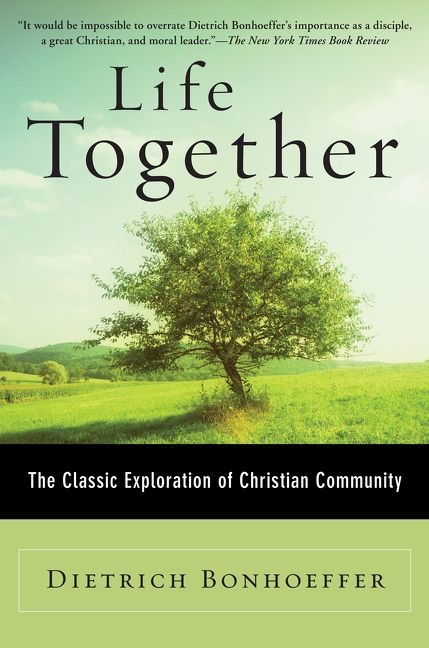 Life Together: The Classic Exploration of Christian Community
 Living Fearless: Exchanging the Lies of the World for the Liberating Truth of God
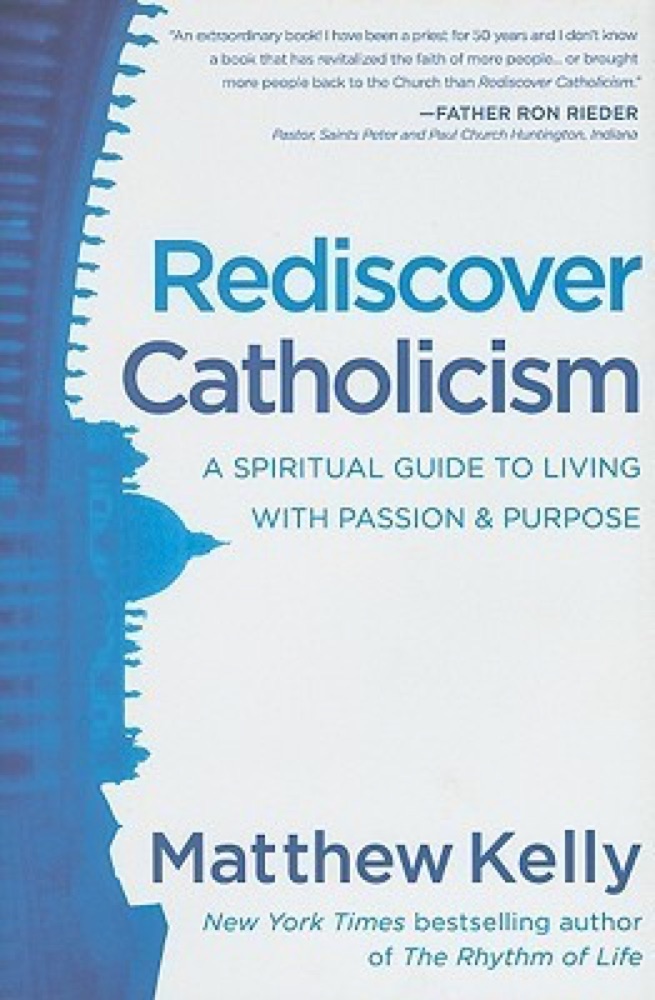 Rediscover Catholicism
 No Man Is an Island
 Blessed Are the Misfits: Great News for Believers who are Introverts, Spiritual Strugglers, or Just Feel Like They're Missing Something
 Love and War: Finding the Marriage You've Dreamed Of
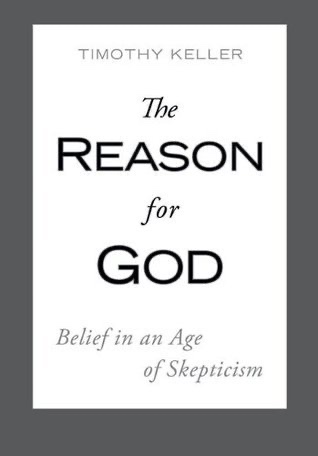 The Reason for God: Belief in an Age of Skepticism
 The Message Remix
 Disciplines of a Godly Man
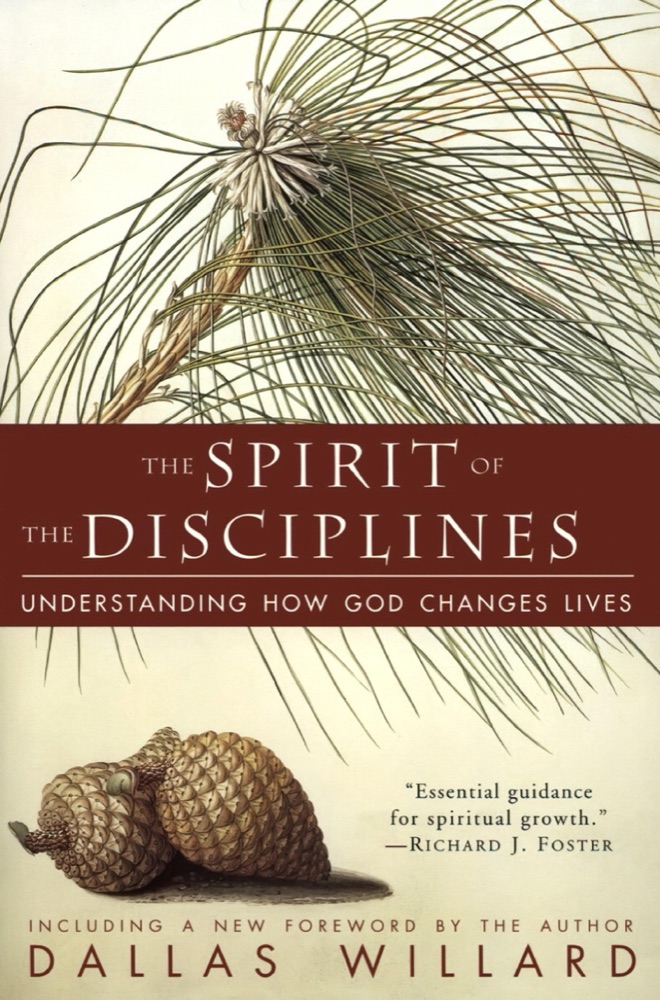 The Spirit of the Disciplines: Understanding How God Changes Lives
 Becoming Myself: Embracing God's Dream of You
 Hearing God: Developing a Conversational Relationship with God
 Wholehearted Faith
 Relationships: A Mess Worth Making
 Desiring God: Meditations of a Christian Hedonist
 Weird: Because Normal Isn't Working
 The Sacred Romance: Drawing Closer to the Heart of God
 Jesus Is: Find a New Way to Be Human
 For the Love: Fighting for Grace in a World of Impossible Standards
 Studies in the Sermon on the Mount
 The Purpose Driven Life: What on Earth Am I Here for?
 The Normal Christian Life
 The Prodigal God: Recovering the Heart of the Christian Faith
 Plan B: Further Thoughts on Faith
 The Explicit Gospel
 It's Not What You Think: Why Christianity is About So Much More Than Going to Heaven When You Die
 What We Talk about When We Talk about God
 Wild Goose Chase: Reclaim the Adventure of Pursuing God