 Black in Blues: How a Color Tells the Story of My People
Quotes from the Book
To be sure, rock n' roll is usually a flagrant commercialization of rhythm & blues, but the music in many cases depends on materials that are so alien to the general middle-class, middle-brow American culture as to remain interesting. Many of the same kinds of cheap American dilutions that had disfigured popular swing have tended to disfigure the new music, but the source, the exciting and "vulgar" urban blues of the forties, is still sufficiently removed from the mainstream to be vital. For this reason, rock n' roll has not become as emotionally meaningless as commercial swing. It is sill raw enough to stand the dilution and in some cases, to even be made attractive by the very fact of its commercialization. Even its "alienation" remains conspicuous; it is often used to characterize white adolescents as "youthful offenders." (Rock n' roll also is popular with another "underprivileged" minority, e.g., Puerto Rican youths. There are now even quite popular rock n' roll songs, at least around New York, that have some of the lyrics in Spanish.) Rock n' roll is the blues form of the classes of Americans who lack the "sophistication" to be middle brows, or are too naïve to get in on the mainstream American taste; those who think that somehow Melachrino, Kostelanetz, etc., are too lifeless
9
[O]ne of the most persistent traits of of the Western white man has always been his fanatical and almost instinctive assumption that his systems and ideas about the world are the most desirable, and further that people who do not aspire to to them, or at least think them admirable, are savages or enemies. The idea that Western thought might be exotic if viewed from another landscape never presents itself to most Westerners.
3
[O]ne can see, perhaps, how "perfect" Christianity was in that sense. It took the slave's mind off Africa, or material freedom, and proposed that if the black man wished to escape the filthy paternalism and cruelty of slavery, he wait, at least, until he died, when he could be transported peacefully and majestically to the Promised Land.
1
In the early days of slavery, Christianity's sole purpose was to propose a metaphysical resolution for the slave's natural yearnings for freedom, and as such, it literally made life easier for him. The secret African chants and songs were about Africa, and expressed the African slave's desire to return to the land of his birth. The Christian Negro's music became an an expression of his desire to "cross Jordan" and "see his Lord.
1
Christianity, as it was first given to the slaves [...] was to be used strictly as a code of conduct which would enable its devotees to participate in an afterlife; it was from its very inception among the black slaves, a slave ethic. [...] One of the very reasons Christianity proved so popular was that it was the religion, according to older Biblical tradition, of an oppressed people. The struggles of the Jews and their long-sought "Promised Land" proved a strong analogy for the black slaves.
1
The shabbiness, even embarrassment, of Hazel Scott playing 'concert boogie woogie' before thousands of white middle-class music lovers, who all assumed that this music was Miss Scott's invention, is finally no more hideous than the spectacle of an urban, college-trained Negro musician pretending, perhaps in all sincerity, that he has the same field of emotional reference as his great-grandfather. the Mississippi slave
Watch on YouTube
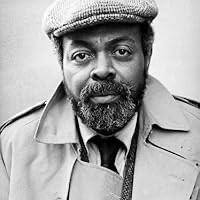
About Amiri Baraka
We have collected 6 quotes from 1 book by Amiri Baraka on BookQuoters.
More about the author →About the book
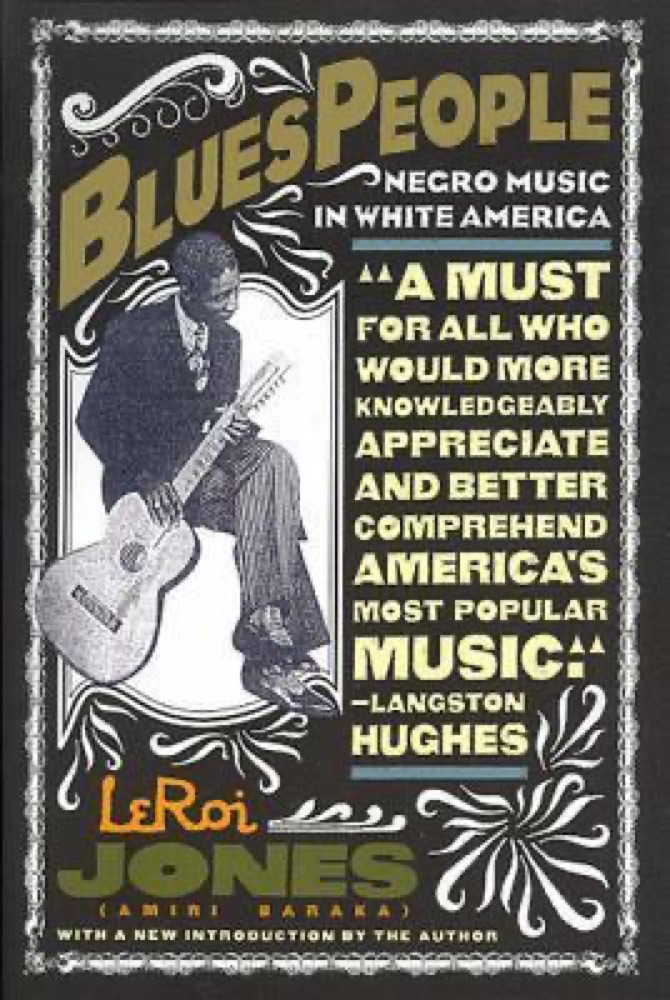
"A must for all who would more knowledgeably appreciate and better comprehend America's most popular music." — Langston Hughes "The path the slave took to 'citizenship' is what I want to look at. And I make my analogy through the slave citizen's music—through the music that is most closely associated with him: blues and a later, but parallel development, jazz... [If] the Negro represents, or is symbolic of, something in and about the nature of American culture, this certainly should be revealed by his characteristic music." So says Amiri Baraka (previously known as LeRoi Jones) in the Introduction to Blues People, his classic work on the place of jazz and blues in American social, musical, economic, and cultural history. From the music of African slaves in the United States through the music scene of the 1960's, Baraka traces the influence of what he calls "negro music" on white Americ
Book details
- First published
- 1963
- Author
- Amiri Baraka
- Genre
- History
- Goodreads rating
- 4.16 (2k ratings)
Keep reading
Black in Blues: How a Color Tells the Story of My People
 The Autobiography of an Ex-Coloured Man
 Narrative of the Life of Frederick Douglass
 Black AF History: The Un-Whitewashed Story of America
 The 1619 Project: A New Origin Story
 We Were Eight Years in Power: An American Tragedy
 Four Hundred Souls: A Community History of African America, 1619-2019
 Stony the Road: Reconstruction, White Supremacy, and the Rise of Jim Crow
 Nobody Knows My Name
 My Bondage and My Freedom
 The Confessions of Nat Turner
 The Half Has Never Been Told: Slavery and the Making of American Capitalism
 No Name in the Street
 Jesus and the Disinherited
 The Hemingses of Monticello: An American Family
 The Souls of Black Folk
 Why We Can't Wait
 Stamped from the Beginning: The Definitive History of Racist Ideas in America
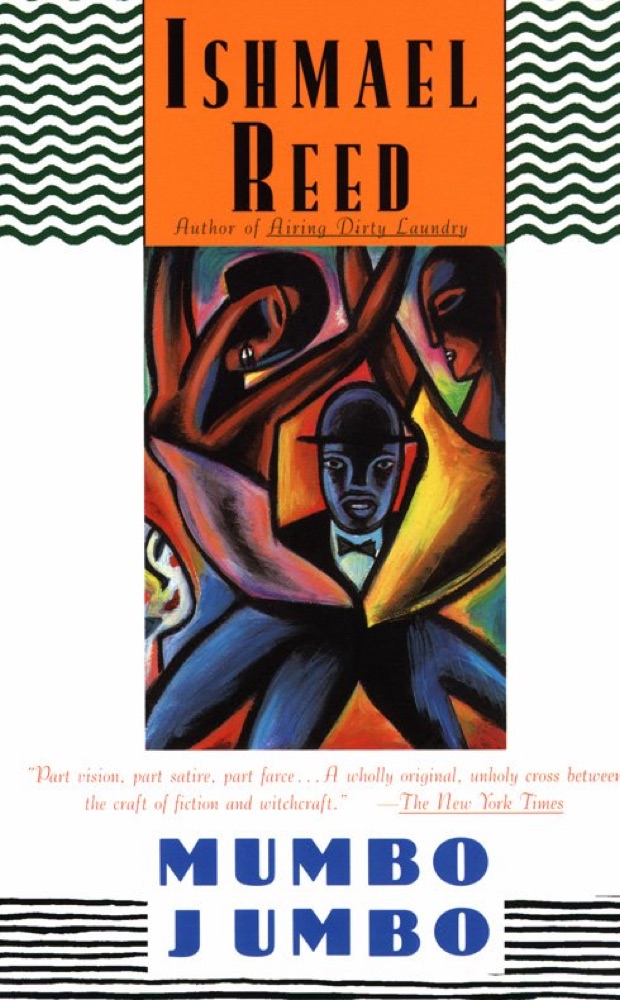 Mumbo Jumbo
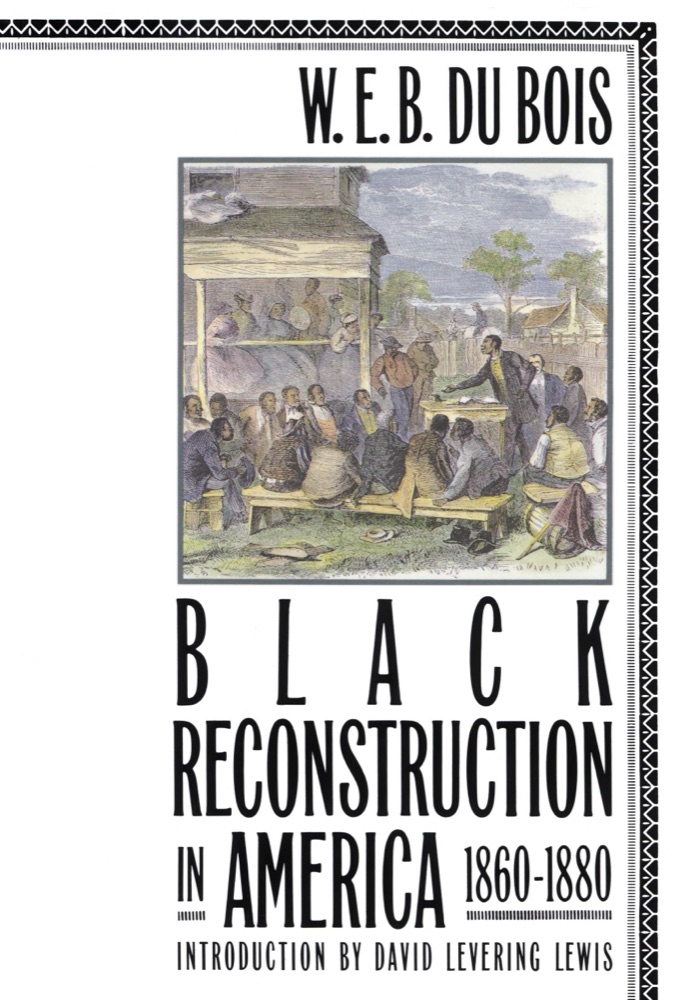 Black Reconstruction in America 1860-1880
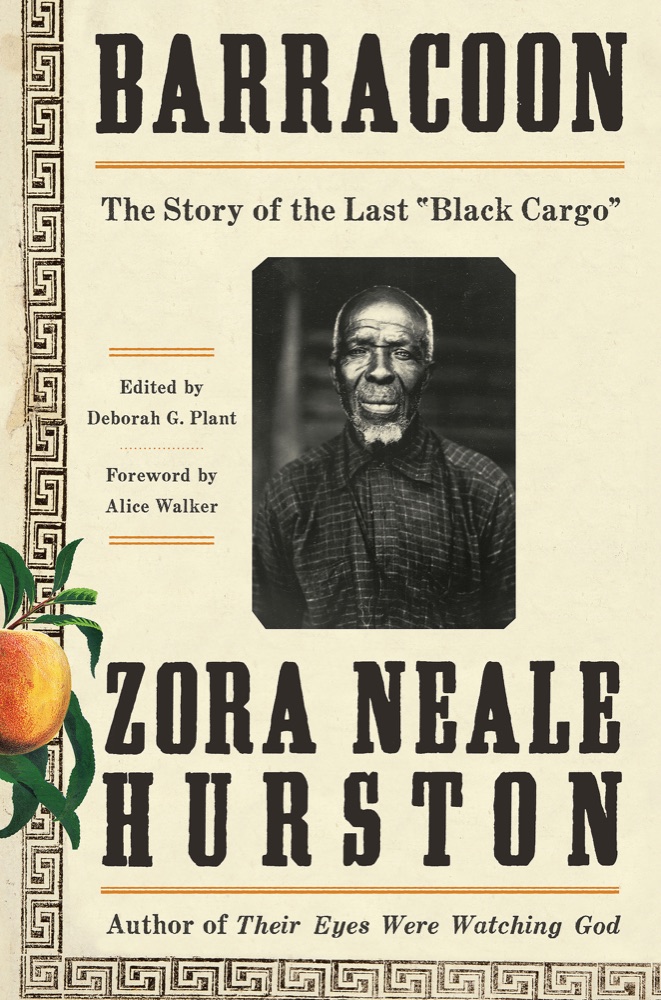 Barracoon: The Story of the Last "Black Cargo"
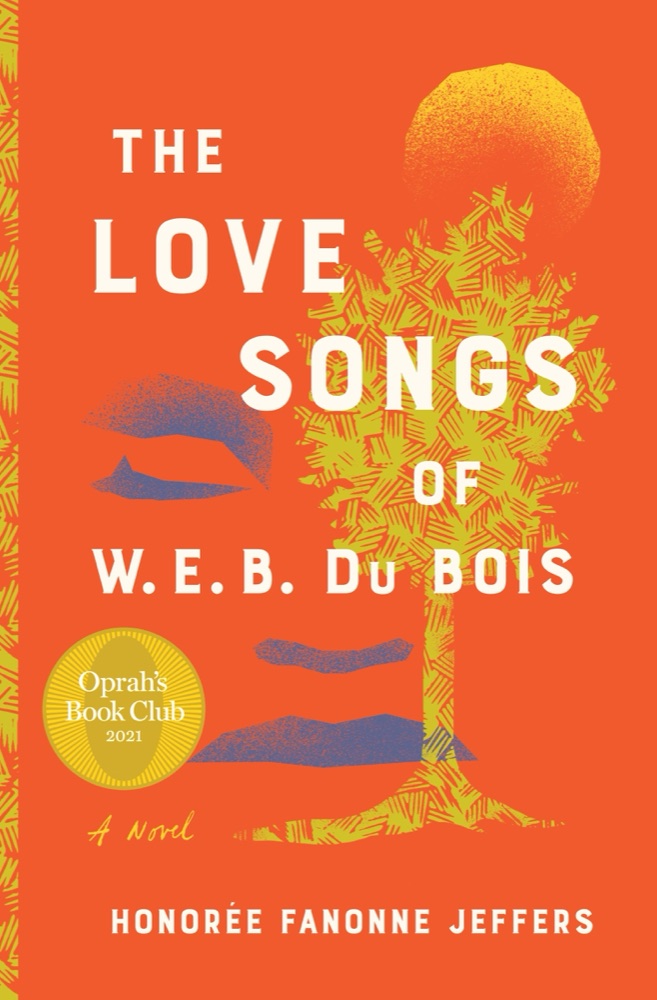 The Love Songs of W.E.B. Du Bois
 The Committed
 The Disuniting of America: Reflections on a Multicultural Society
 The Heart of a Woman
 Simple Justice: The History of Brown v. Board of Education and Black America's Struggle for Equality
 Where Do We Go from Here: Chaos or Community?
 Discourse on Colonialism
 Notes of a Native Son
 The War on the West: An Instant NYT Bestselling History of the Modern World
 The Mis-Education of the Negro
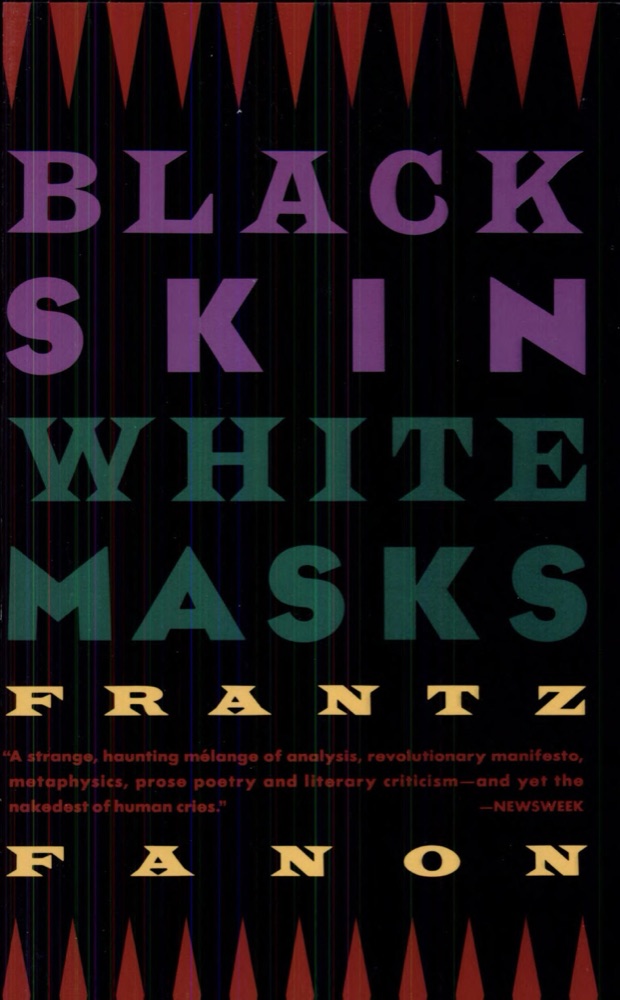 Black Skin, White Masks
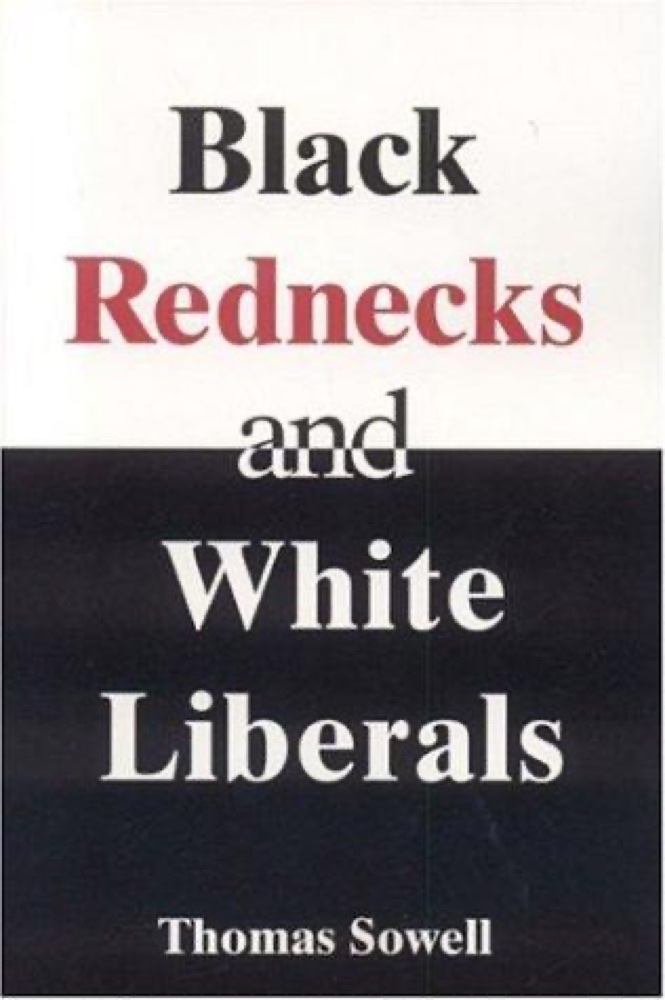 Black Rednecks and White Liberals
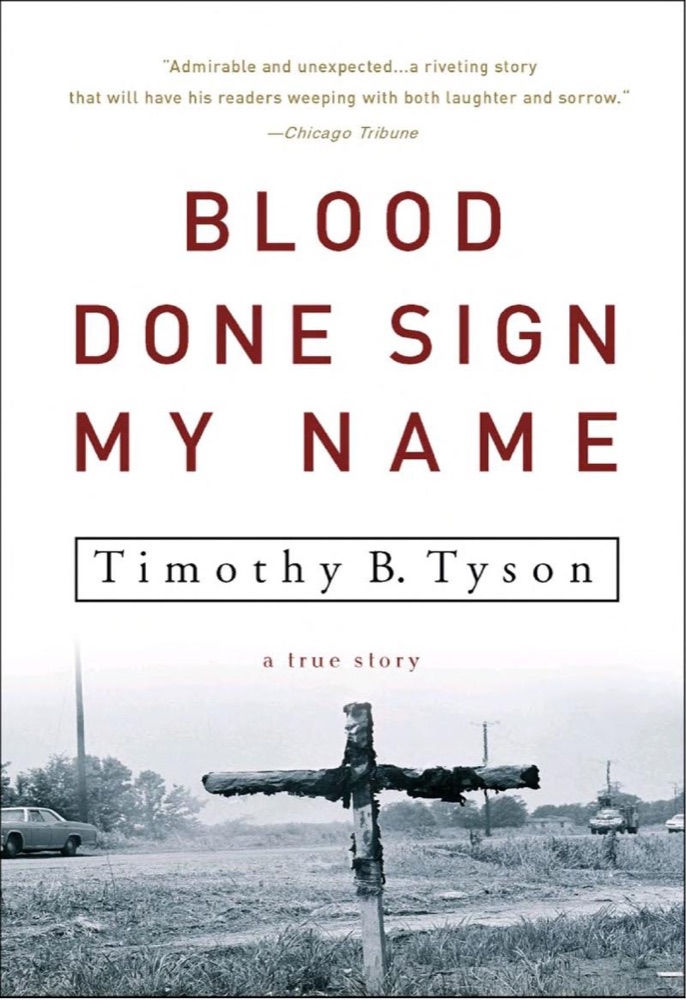 Blood Done Sign My Name: A True Story
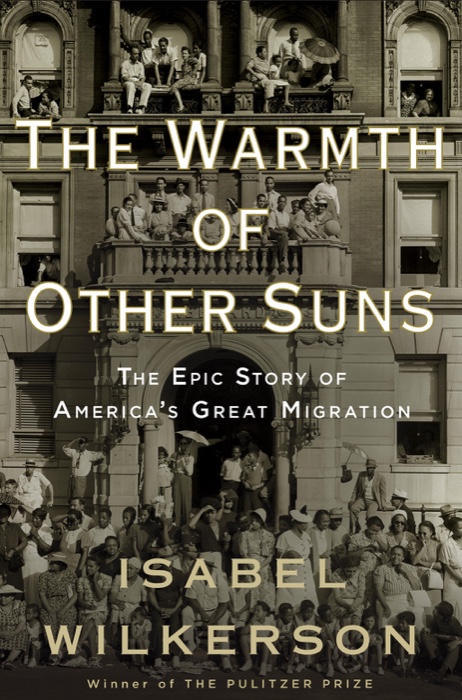 The Warmth of Other Suns: The Epic Story of America's Great Migration
 How the Word Is Passed: A Reckoning with the History of Slavery Across America
 I'm Still Here: Black Dignity in a World Made for Whiteness
 The Cross and the Lynching Tree
 Stamped: Racism, Antiracism, and You
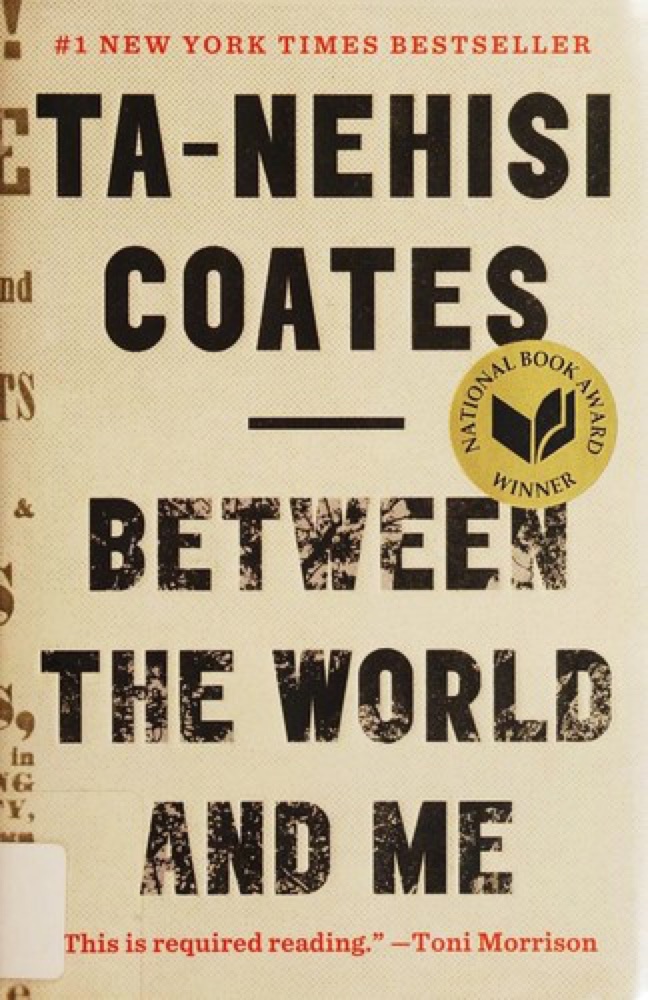 Between the World and Me
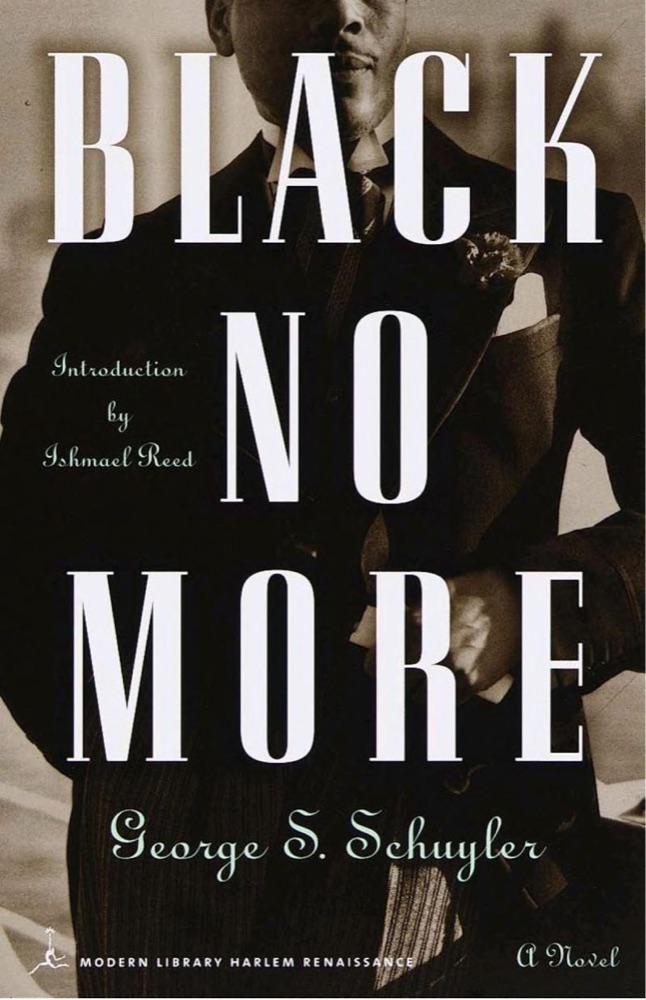 Black No More
 A People's History of the United States
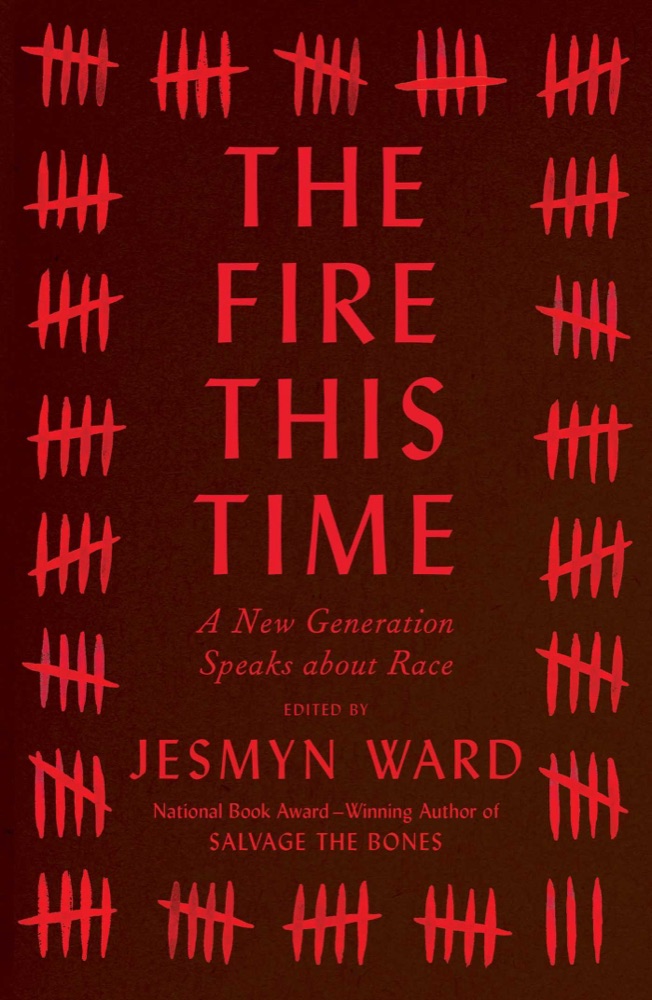 The Fire This Time: A New Generation Speaks About Race
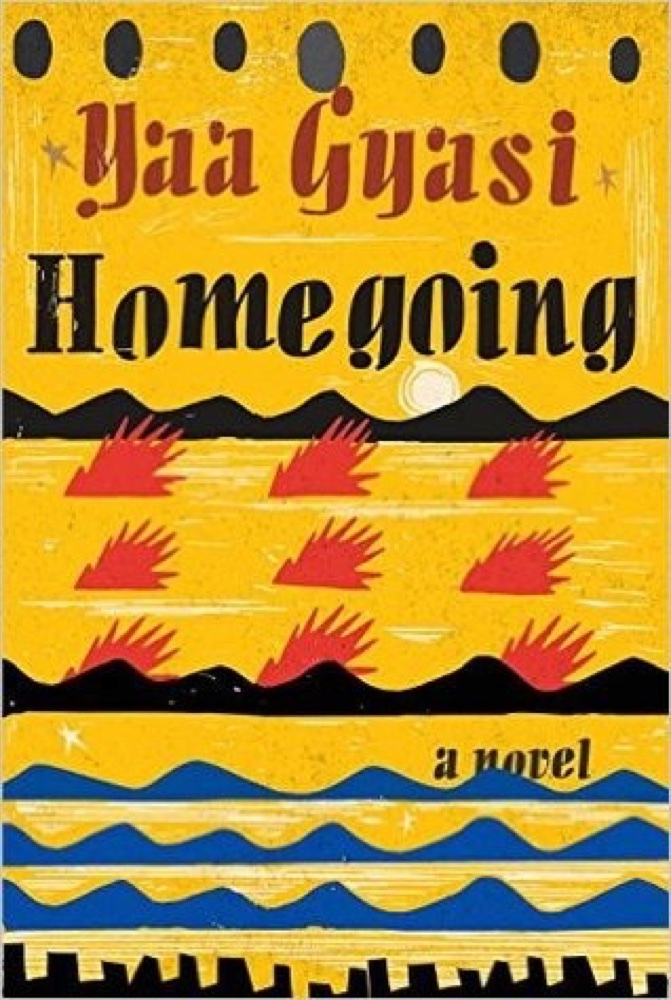 Homegoing
 Invisible Man, Got the Whole World Watching: A Young Black Man's Education
 A Song Flung Up to Heaven
 Letter from the Birmingham Jail
 What Truth Sounds Like: Robert F. Kennedy, James Baldwin, and Our Unfinished Conversation About Race in America
 White Like Me: Reflections On Race From A Privileged Son
 Wizard of the Crow
 Miles: The Autobiography
 To Be Young, Gifted, and Black: An Informal Autobiography
 From Dawn to Decadence: 500 Years of Western Cultural Life, 1500 to the Present
 Custer Died for Your Sins: An Indian Manifesto
 Last and First Men
 Tears We Cannot Stop: A Sermon to White America
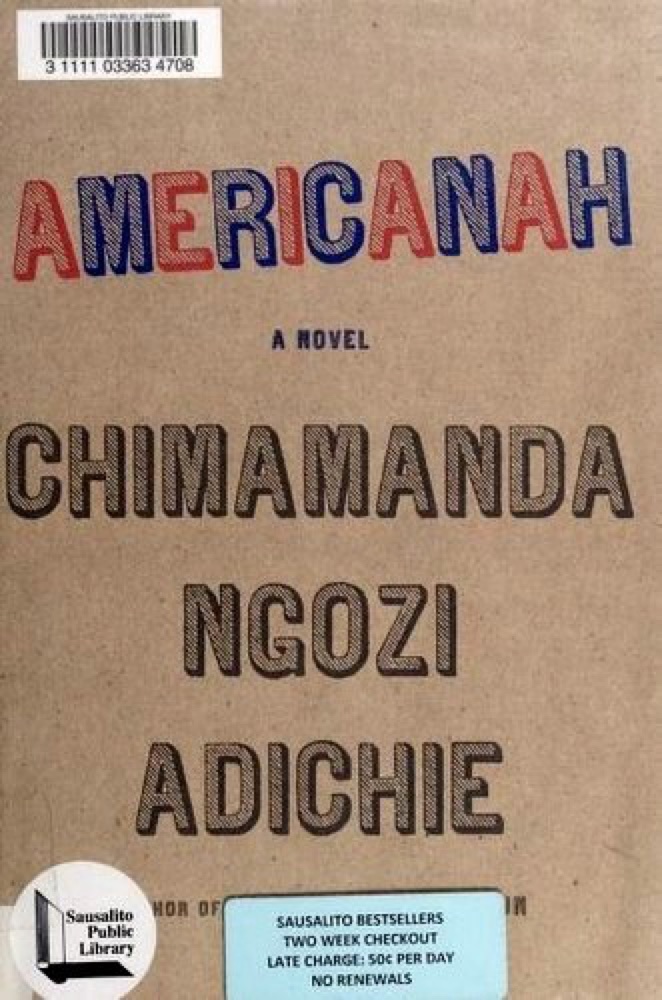 Americanah
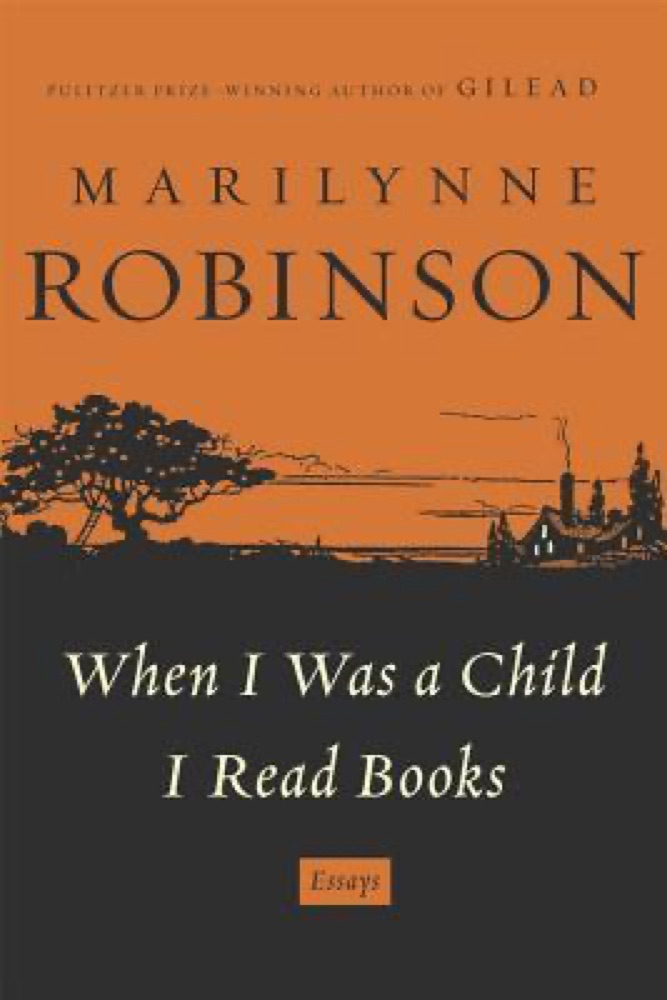 When I Was a Child I Read Books
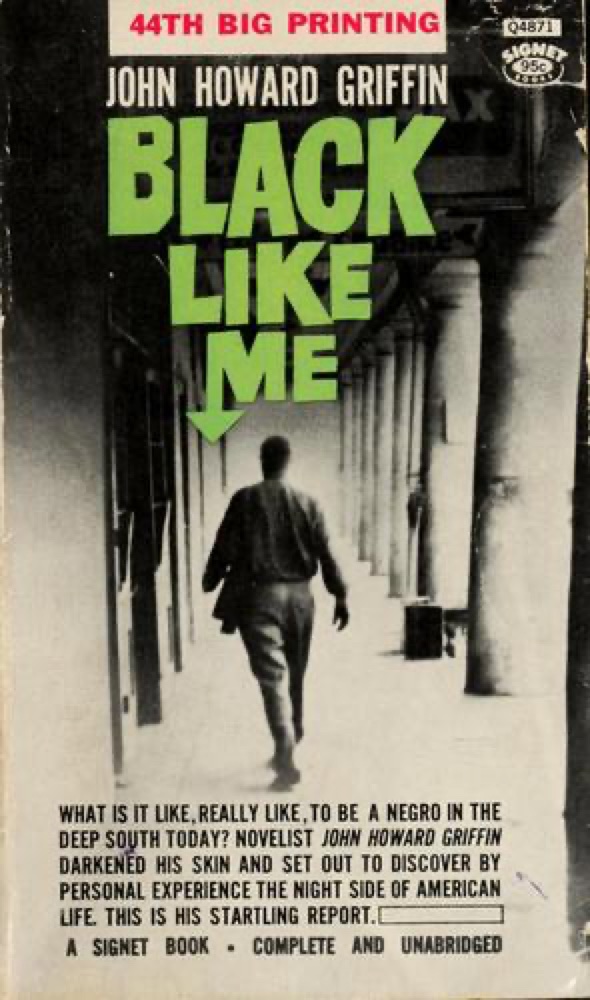 Black Like Me
 The Soul of Man Under Socialism