
 Nickel and Dimed: On (Not) Getting by in America
Quotes from the Book
Women have always been healers. They were the unlicensed doctors and anatomists. They were abortionists, nurses and counselors. They were the pharmacists, cultivating healing herbs, and exchanging the secrets of their uses. They were midwives, traveling from home to home and village to village. For centuries women were doctors without degrees, barred from books and lectures, learning from each other, and passing on experience from neighbor to neighbor and mother to daughter. They were called “wise women” by the people, witches or charlatans by the authorities. Medicine is part of our heritage as women, our history, our birthright.
19
So great was the witches’ knowledge that in 1527, Paracelsus, considered the “father of modern medicine,” burned his text on pharmaceuticals, confessing that he “had learned from the Sorceress all he knew.
6
We were not supposed to know anything about our own bodies or to participate in decision-making about our own care.
4
Six witnesses affirmed that Jacoba had cured them, even after numerous doctors had given up, and one patient declared that she was wiser in the art of surgery and medicine than any master physician or surgeon in Paris. But these testimonials were used against her, for the charge was not that she was incompetent, but that—as a woman—she dared to cure at all.
3
To know our history is to begin to see how to take up the struggle again.
2
There is no historically consistent justification for the exclusion of women from healing roles. Witches were attacked for being pragmatic, empirical and immoral. But in the 19th century the rhetoric reversed: Women became too unscientific, delicate and sentimental. The stereotypes change to suit male convenience— we don't, and there is nothing in our "innate feminine nature" to justify our present subservience.
2
If a woman dare to cure without having studied she is a witch and must die.
1
the witch was an empiricist: she relied on her senses rather than on faith or doctrine, she believed in trial and error, cause and effect. Her attitude was not religiously passive, but actively inquiring. She trusted her ability to find ways to deal with disease, pregnancy, and childbirth—whether through medications or charms.
1
The real issue was control: male upper-class healing under the auspices of the Church was acceptable, female healing as part of a peasant subculture was not.
1
the witch craze did not arise spontaneously in the peasantry.
1
Healing, in its fullest sense, consists of both curing and caring, doctoring and nursing. The old lay healers of an earlier time had combined both functions, and were valued for both. (For example, midwives not only presided at the delivery, but lived in until the new mother was ready to resume care of her children.) But with the development of scientific medicine, and the modern medical profession, the two functions were split irrevocably. Curing became the exclusive province of the doctor; caring was relegated to the nurse. All credit for the patient’s recovery went to the doctor and his “quick fix,” for only the doctor participated in the mystique of Science. The nurse’s activities, on the other hand, were barely distinguishable from those of a servant. She had no power, no magic, and no claim to the credit.
In the eyes of the Church, all the witches power was ultimately derived from her sexuality. Here career began with sexual intercourse with the devil. Each witch was confirmed at a general meeting (the witches' Sabbath) at which the devil presided, often iin the form of a goat, and had intercourse with the neophytes. In return for her powers, the witch promised to serve him faithfully. (In the imagination of the Church even evil could only be thought of as ultimately male-directed!)
Their first target was not the peasant healer, but the better off, literate woman healer who competed for the same urban clientele as that of the university-trained doctors.
The senses are the devil’s playground, the arena into which he will try to lure men away from Faith and into the conceits of the intellect or the delusions of carnality.
It was a calculated ruling class campaign of terrorization.
Witches represented a political, religious, and sexual threat to the Protestant and Catholic churches alike, as well as to the State.
WITCHES LIVED AND WERE BURNED LONG BEFORE the development of modern medical technology. The great majority of them were lay healers serving the peasant population, and their suppression marks one of the opening struggles in the history of man’s suppression of women as healers. The other side of the suppression of witches as healers was the creation of a new male medical profession, under the protection and patronage of the ruling classes. This new European medical profession played an important role in the witch hunts, supporting the witches’ persecutors with “medical” reasoning:
Watch on YouTube
About Barbara Ehrenreich
We have collected 138 quotes from 6 books by Barbara Ehrenreich on BookQuoters.
More about the author →More by Barbara Ehrenreich
Nickel and Dimed: On (Not) Getting by in America
 Bait and Switch: The (Futile) Pursuit of the American Dream
 Living with a Wild God: A Nonbeliever's Search for the Truth about Everything
 Bright-Sided: How the Relentless Promotion of Positive Thinking Has Undermined America
About the book
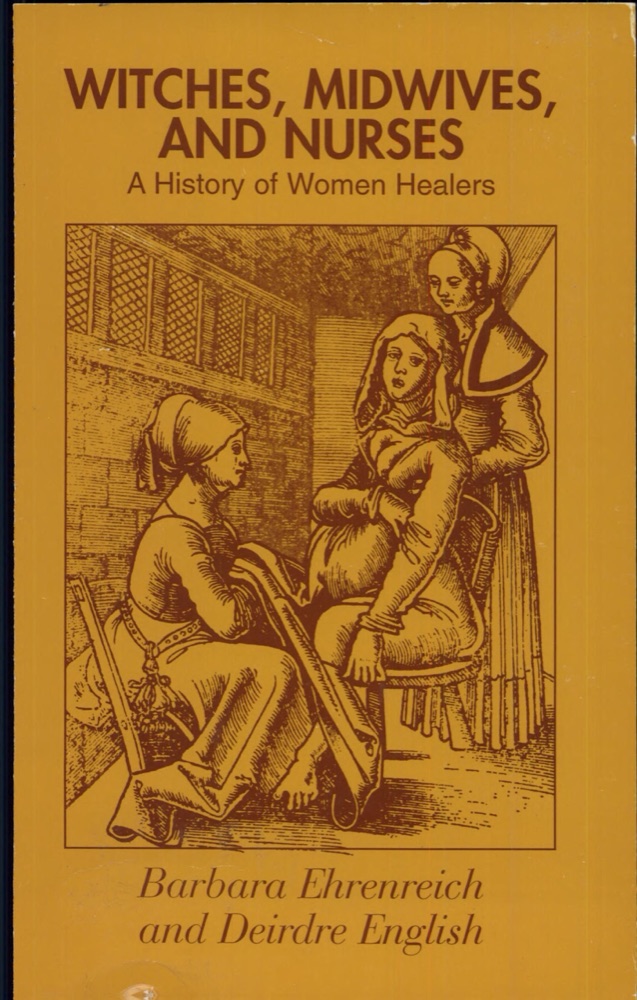
Women have always been healers, and medicine has always been an arena of struggle between female practitioners and male professionals. This pamphlet explores two important phases in the male takeover of health care: the suppression of witches in medieval Europe and the rise of the male medical profession in the United States. The authors conclude that despite efforts to exclude them, the resurgence of women as healers should be a long-range goal of the women’s movement.
Book details
- First published
- 1972
- Author
- Barbara Ehrenreich
- Genre
- Nonfiction
- Goodreads rating
- 4.03 (7k ratings)
Keep reading
 Misogyny: The World's Oldest Prejudice
 All in Her Head: The Truth and Lies Early Medicine Taught Us About Women’s Bodies and Why It Matters Today
 Witchcraft: A History in Thirteen Trials
 The Once and Future Witches
 Waking the Witch: Reflections on Women, Magic, and Power
 Femina: A New History of the Middle Ages, Through the Women Written Out of it
 In Defense of Witches: The Legacy of the Witch Hunts and Why Women Are Still on Trial
 The Woman They Could Not Silence: One Woman, Her Incredible Fight for Freedom, and the Men Who Tried to Make Her Disappear
 America's Women: 400 Years of Dolls, Drudges, Helpmates, and Heroines
 The Mad Women's Ball
 The Year of the Witching
 Unwell Women: Misdiagnosis and Myth in a Man-Made World
 Equal Rites
 The White Plague
 The Hangman's Daughter
 Witchcraft for Wayward Girls
 The Familiars
 The Physician
 Drawing Down the Moon: Witches, Druids, Goddess-Worshippers, and Other Pagans in America
 Nine Parts of Desire: The Hidden World of Islamic Women
 Native Tongue
 The Feminine Mystique
 The Anti-Mary Exposed: Rescuing the Culture from Toxic Femininity
 Initiated: Memoir of a Witch
 Wicked: The Life and Times of the Wicked Witch of the West
 Conjure Women
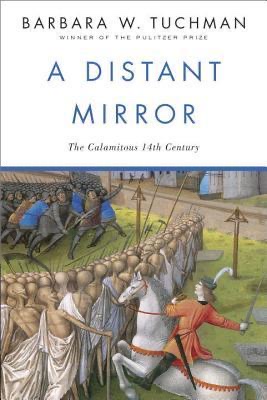 A Distant Mirror: The Calamitous 14th Century
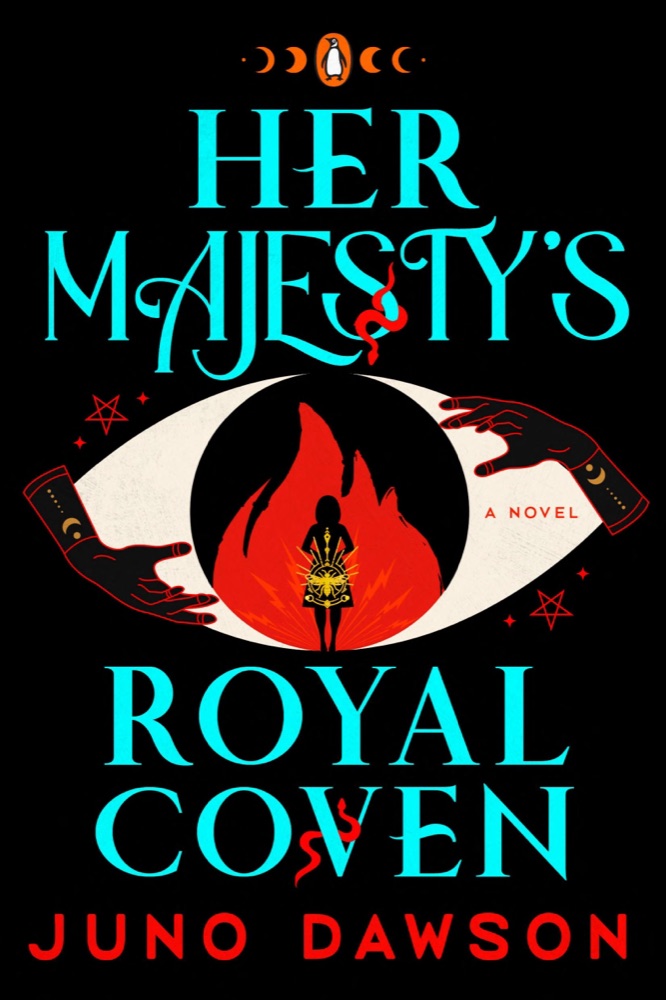 Her Majesty's Royal Coven
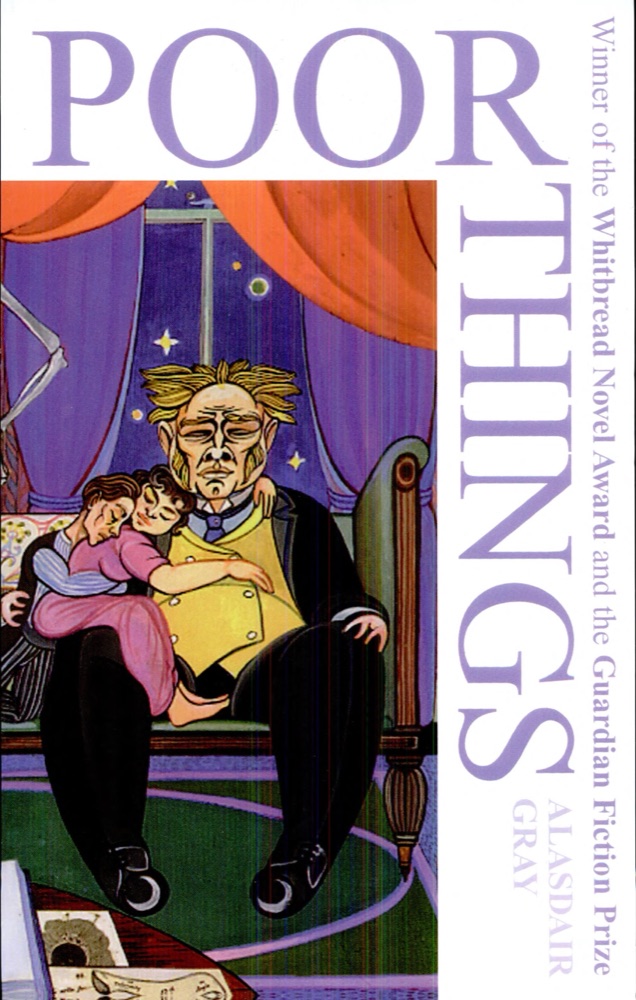 Poor Things
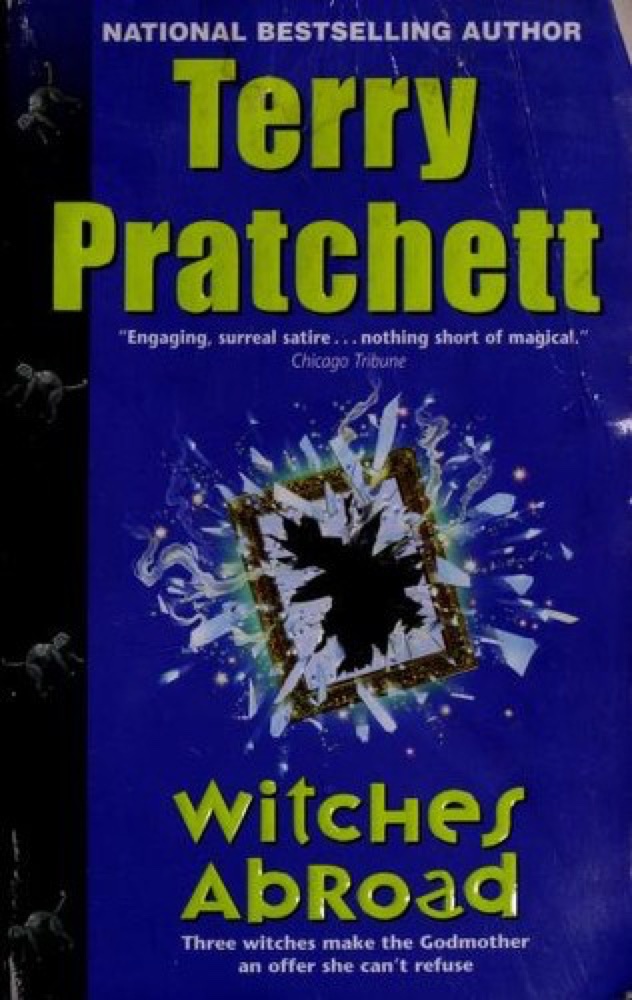 Witches Abroad
 Right Wing Women
 Hour of the Witch
 Basic Witches: How to Summon Success, Banish Drama, and Raise Hell with Your Coven
 The War on Women
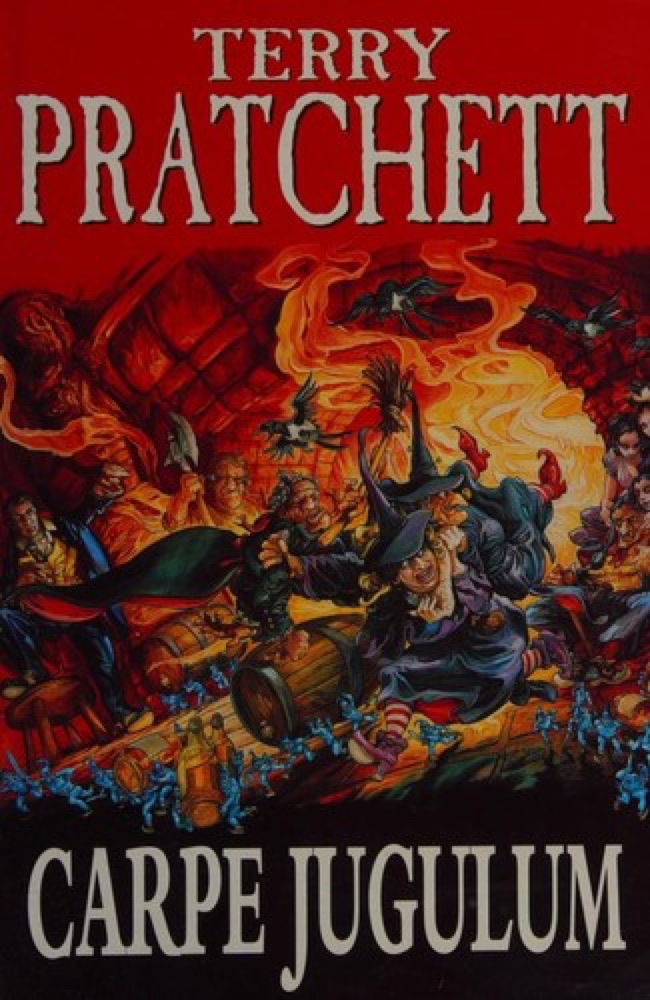 Carpe Jugulum
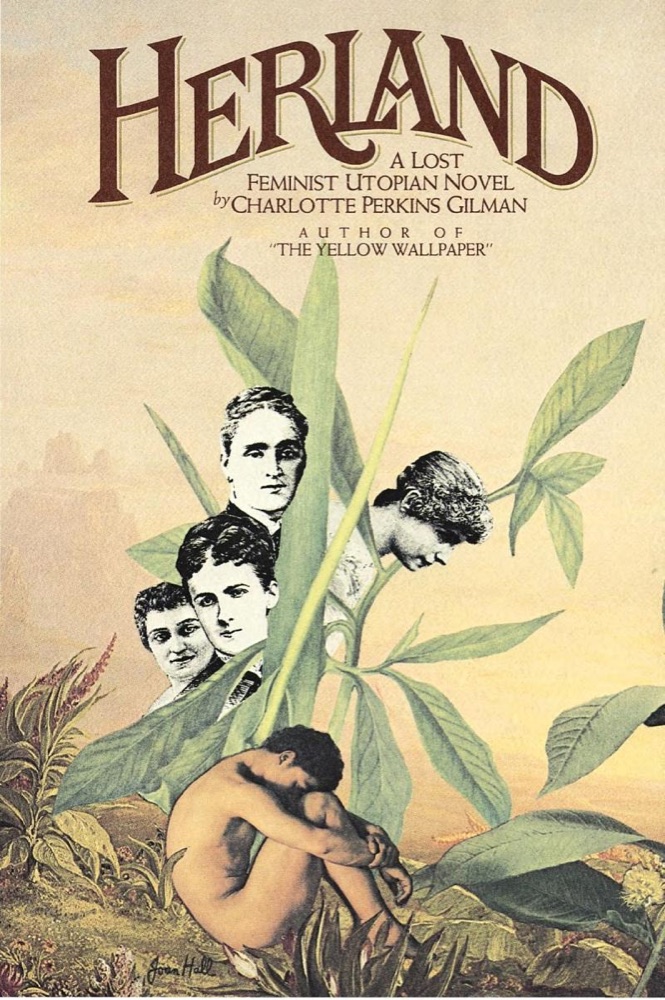 Herland
 Outrageous Acts and Everyday Rebellions
 Moon Witch, Spider King
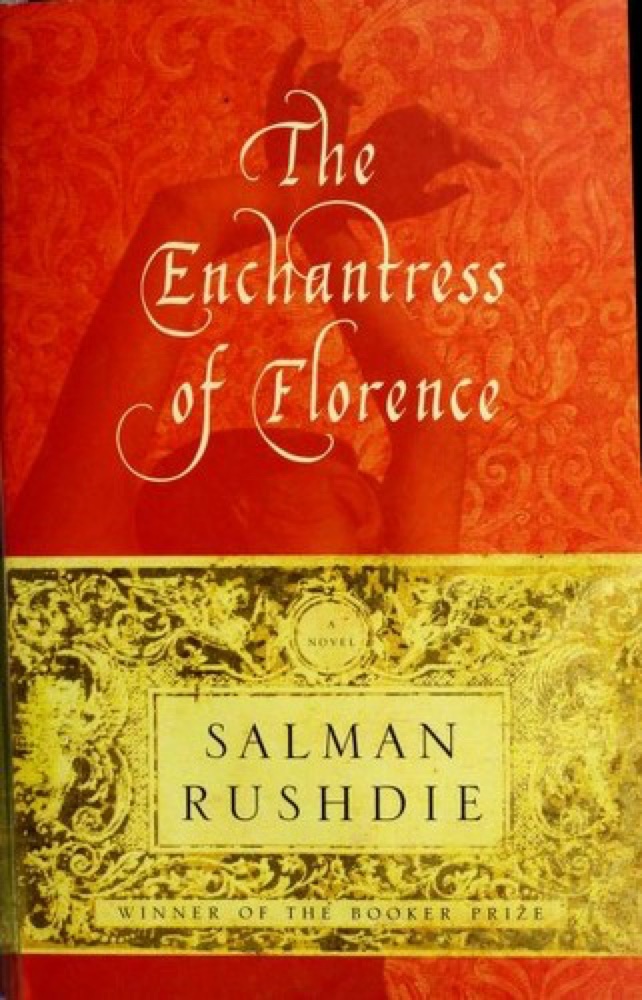 The Enchantress of Florence
 Hester
 Women's Bodies, Women's Wisdom: Creating Physical and Emotional Health and Healing
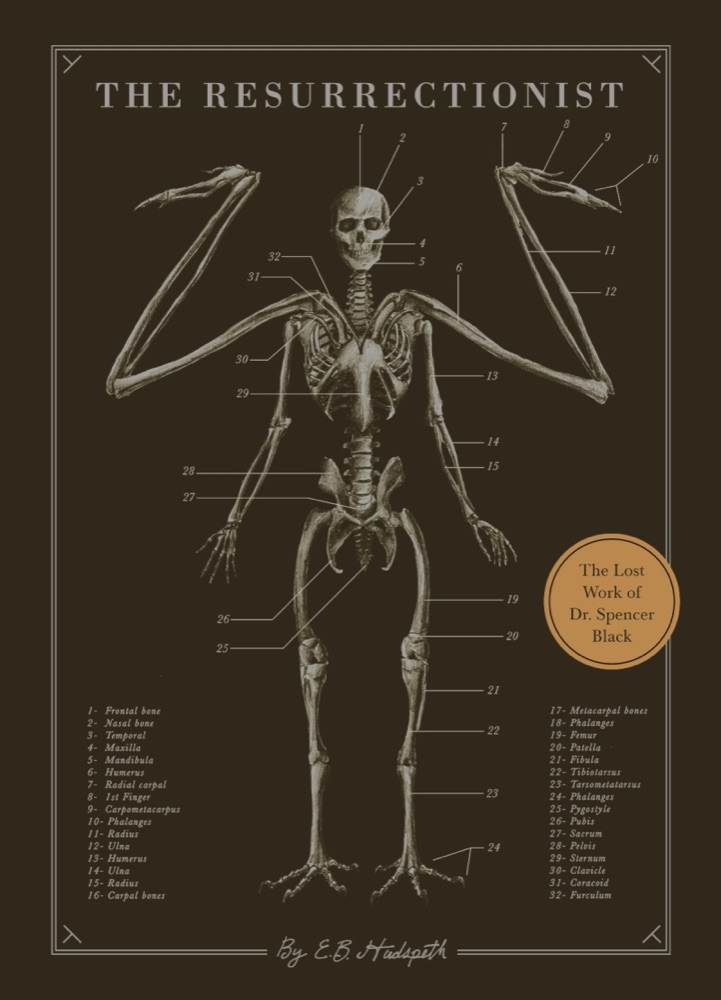 The Resurrectionist: The Lost Work of Dr. Spencer Black
 The Spiral Dance: A Rebirth of the Ancient Religion of the Great Goddess
 Persian Letters
 The Second Sex
 The Absolute Book
 Get Well Soon: History's Worst Plagues and the Heroes Who Fought Them
 The Heroine's Journey: Woman's Quest for Wholeness
 The Icepick Surgeon: Murder, Fraud, Sabotage, Piracy, and Other Dastardly Deeds Perpetrated in the Name of Science
 The Missionary Position: Mother Teresa in Theory and Practice
 The Change
 Dead Blondes and Bad Mothers
 The Children Act
 The Benevolent Society of Ill-Mannered Ladies
 Hex
Hex
 The Rebel Angels
 Sexual Politics
 The Dialectic of Sex: The Case for Feminist Revolution
 Sunbringer
 The Square of Sevens