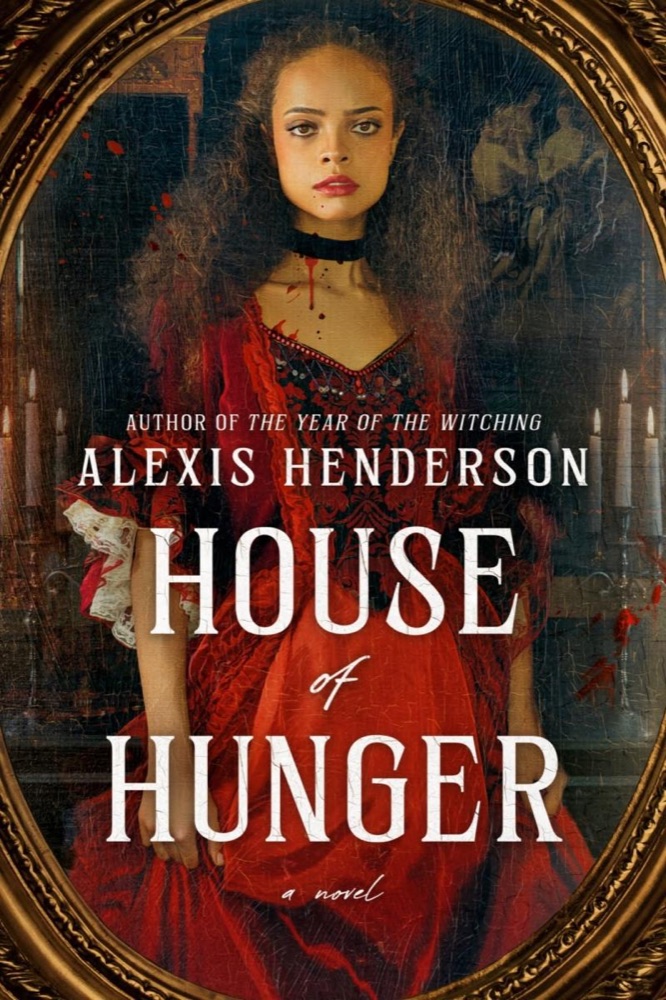
 House of Hunger
Quotes from the Book
Good people don't bow their heads and bite their tongues while other good people suffer. Good people are not complicit.
71
True Evil...wore the skin of good men. It uttered prayers, not curses. It feigned mercy where there was only malice. It studied Scriptures only to spit out lies.
51
People do foolish, reckless things when they’re desperate to find ways to escape themselves.
37
To be woman is to be a sacrifice.
23
This was the great shame of Bethel: complacency and complicity that were responsible for the deaths of generations of girls. It was the sickness that placed the pride of men before the innocents they were sworn to protect. It was a structure that exploited the weakest among them for the benefit of those born to power.
16
A man who knows his past is a man with the power to choose his future.
16
Reading was one of the few things she felt she was truly good at, one of the few things she prided herself on.
13
Isn't it strange how reading a book is a sin, but locking a girl in the stocks and leaving her to the dogs is another day of the Good Father's work?
12
I have seen the Beast and her maidens again. I hear their cries in the woods at night. They call to me, and I call to them. There is no love as pure as that.
11
The forest is sentient in a way man is not. She sees with a thousand eyes and forgets nothing.
9
It’s always the kind ones who keep secrets,” said Martha, squinting into the light of the fire. “Always the kind ones who best hide their sins.
9
Sometimes I think we share a soul. His pain has become mine. And mine his.
8
And with that pity came a kind of rage, not at Judith or Ezra, but at the system that held one accountable for her sins while the other was lauded.
8
Today, we choose mercy." The flock answered her as one. "Now and forevermore.
7
Let those who have raised a hand to me reap the harm they sow. Let the shadows snuff their light. Let their sins defy them.
7
I love him. He taught me how. I don't think I knew how to choose to love until I met him.
6
Shared or spilled, it seemed that blood did not matter as much as appearance did. And so, no matter how many centuries passed, no matter what they rendered in service of Bethel's betterment, it seemed the Outskirters would always be consigned to the fringes.
6
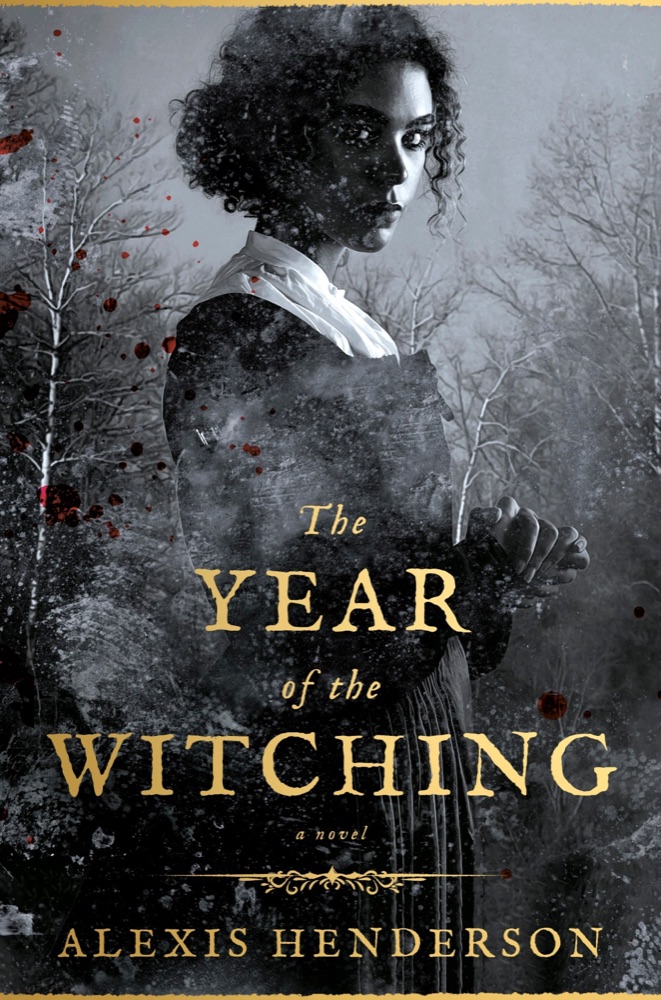
It's almost the witching hour,' said Martha, and a bitter smile touched her lips. 'Perhaps that's what the Prophet should have named this wretched year. It's more fitting, don't you think? The Year of the Witching.
5
In the Scriptures and the stories, in the stained-glass windows of the cathedral or the paintings that hung from its stone walls, the angels always looked like Leah: golden-haired and blue-eyed, dressed in fine silks and satins, with full cheeks and skin as pale as river pearls. As for the girls like Immanuelle—the ones from the Outskirts, with dark skin and raven-black curls, cheekbones as keen as cut stone—well, the Scriptures never mentioned them at all. There were no statues or paintings rendered in their likeness, no poems or stories penned in their honor. They went unmentioned, unseen.
4
Good people don’t bow their heads and bite their tongues while other good people suffer. Good people are not complicit.
4
There were wreaths of wildflowers, tokens and tributes, even a small pair of children’s shoes hanging from a fence post by the laces - as though someone believed the child they belonged to might one day emerge from the trees to claim them. These relics were all that remained of those who were lost to the Darkwood. For what the forest took it rarely returned.
4
Immanuelle stared at him—this man who’d used his lies to make himself a martyr. He thought he was the one who made the true sacrifice, but he couldn’t be more wrong. It was not the Prophet who bore Bethel, bound to his back like a millstone. It was all of the innocent girls and women—like Miriam and Leah—who suffered and died at the hands of men who exploited them. They were Bethel’s sacrifice. They were the bones upon which the Church was built. Their pain was the great shame of the Father’s faith, and all of Bethel shared in it. Men like the Prophet, who lurked and lusted after the innocent, who found joy in their pain, who brutalized and broke them down until they were nothing, exploiting those they were meant to protect. The Church, which not only excused and forgave the sins of its leaders but enabled them: with the Protocol and the market stocks, with muzzles and lashings and twisted Scriptures. It was the whole of them, the heart of Bethel itself, that made certain every woman who lived behind its gate had only two choices: resignation, or ruin. No more, Immanuelle thought. No more punishments or Protocols. No more muzzles or contrition. No more pyres or gutting blades. No more girls beaten or broken silent. No more brides in white gowns lying like lambs on the altar for slaughter. She would see an end to all of it.
3
Only the wealthy had the luxury of minding things; the rest simply ducked their heads, bit their tongues, and did what needed to be done. Ezra obviously fell into the former category, and she the latter.
3
four witches planted seeds of discord in the hearts of good Bethelan men, tempting them and leading their souls astray. The roots of their deceit ran deep, and it wasn’t long before the rule of the land shifted into their hands. It was only by the Father’s grace that a young man by the name of David Ford—the first prophet—had rallied a brave army of holy crusaders to overthrow the four witches with fire and purging
3
Pain carved through her belly and a great roaring filled her ears as the shadows rose around her. The last thing Immanuelle saw, before the night swallowed her, was the bright of the moon, winking through the trees.
3
Sometimes I wonder if my secrets are better swallowed than spoken. Perhaps my truths have done enough harm. Perhaps I should take my memories to the grave and let the dead judge my sins.
2
Better to take sin upon . . . one’s own shoulders . . . than allow harm . . . to befall others. Sometimes a person . . . has an obligation . . . to act in the interest of the . . . greater good.
1
Her sin had saved her.
1
The way she saw it, sin wasn't a plague you could catch if you ventured too close.
1
Watch on YouTube
About Alexis Henderson
We have collected 48 quotes from 2 books by Alexis Henderson on BookQuoters.
More about the author →More by Alexis Henderson
House of Hunger
About the book
A young woman living in a rigid, puritanical society discovers dark powers within herself in this stunning, feminist fantasy debut.
In the lands of Bethel, where the Prophet’s word is law, Immanuelle Moore’s very existence is blasphemy. Her mother’s union with an outsider of a different race cast her once-proud family into disgrace, so Immanuelle does her best to worship the Father, follow Holy Protocol, and lead a life of submission, devotion, and absolute conformity, like all the other women in the settlement.
But a mishap lures her into the forbidden Darkwood surrounding Bethel, where the first prophet once chased and killed four powerful witches. Their spirits are still lurking there, and they bestow a gift on Immanuelle: the journal of her dead mother, who Immanuelle is shocked to learn once sought sanctuary in the wood.
Fascinated by the secrets in the diary, Immanuelle fi
Book details
- First published
- 2020
- Author
- Alexis Henderson
- Genre
- Fantasy
- Goodreads rating
- 3.80 (47k ratings)
The buzz
- Publishers WeeklyReview in Publishers Weeklyprofessional review (via Book Marks)
- BooklistReview in Booklistprofessional review (via Book Marks)
- BookPageReview in BookPageprofessional review (via Book Marks)
- TorReview in Torprofessional review (via Book Marks)
- ThenerddailyReview in Thenerddailyprofessional review (via Book Marks)
- SmartbitchestrashybooksReview in Smartbitchestrashybooksprofessional review (via Book Marks)
Keep reading
 The Heretic's Daughter
 The Prophets
 Slewfoot: A Tale of Bewitchery
 Hour of the Witch
 An Echo in the Darkness
 Lapvona
 The Witching Hour
 Wicked: The Life and Times of the Wicked Witch of the West
 The Wife
 Caleb's Crossing
 Sunbringer
 Matrix
 Mary Barton
 The Well of Loneliness
 Soul of the Fire
 The Language of Thorns: Midnight Tales and Dangerous Magic
 Between Two Fires
 The Devil and the Dark Water
 In the Night Garden
 Bad Girls of the Bible: And What We Can Learn from Them
 Hester
 World Without End
 The Greenlanders
 Children of God
 A Voice in the Wind
 Midnight Is the Darkest Hour
 The Last Report on the Miracles at Little No Horse
 Forge of Darkness
 Court of Swans
 The Power and the Glory
 Egg & Spoon
 Paladin of Souls
 The Hacienda
 Hex
Hex
 A Day of Fallen Night
 A Thousand Nights
 The Hangman's Daughter
 The Crucible
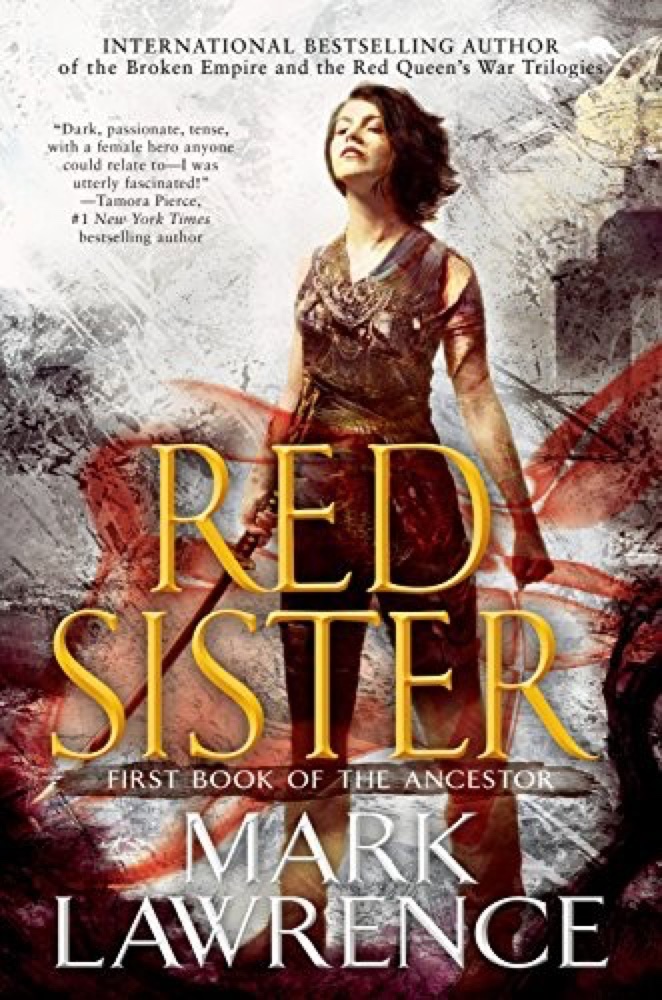 Red Sister
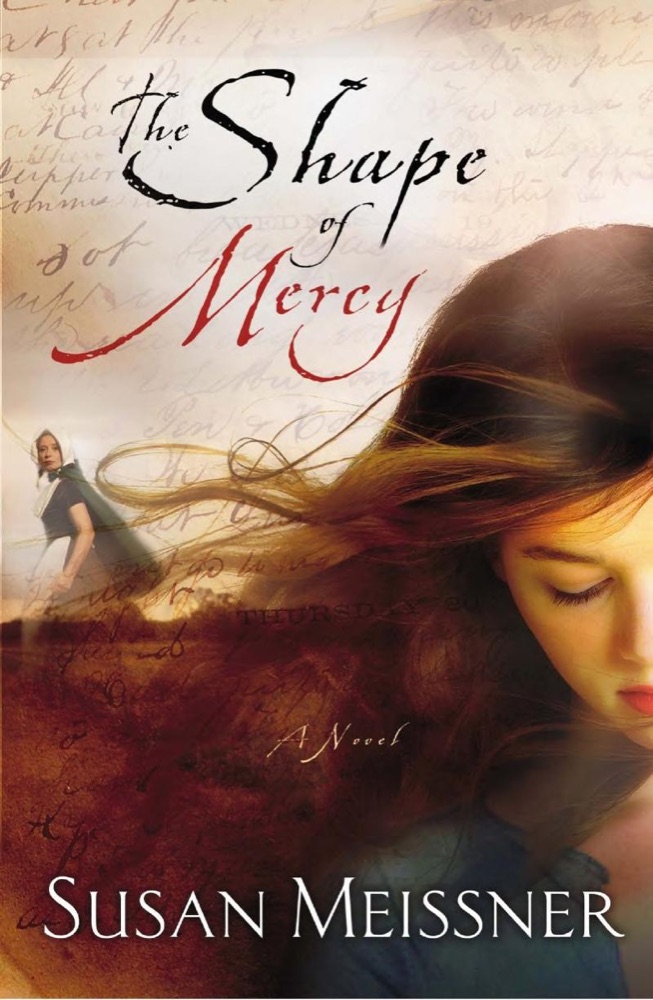 The Shape of Mercy
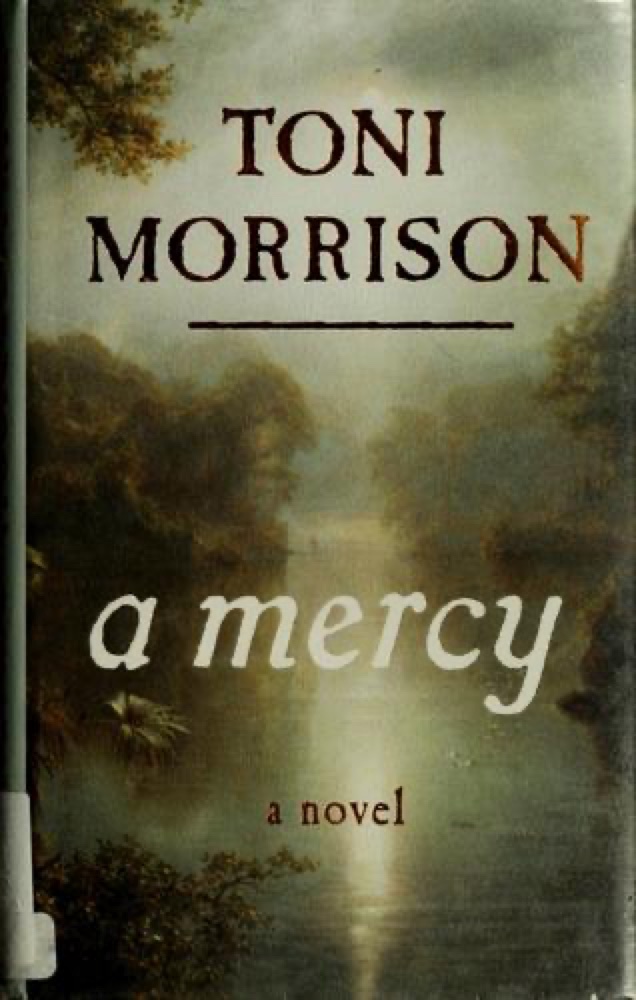 A Mercy
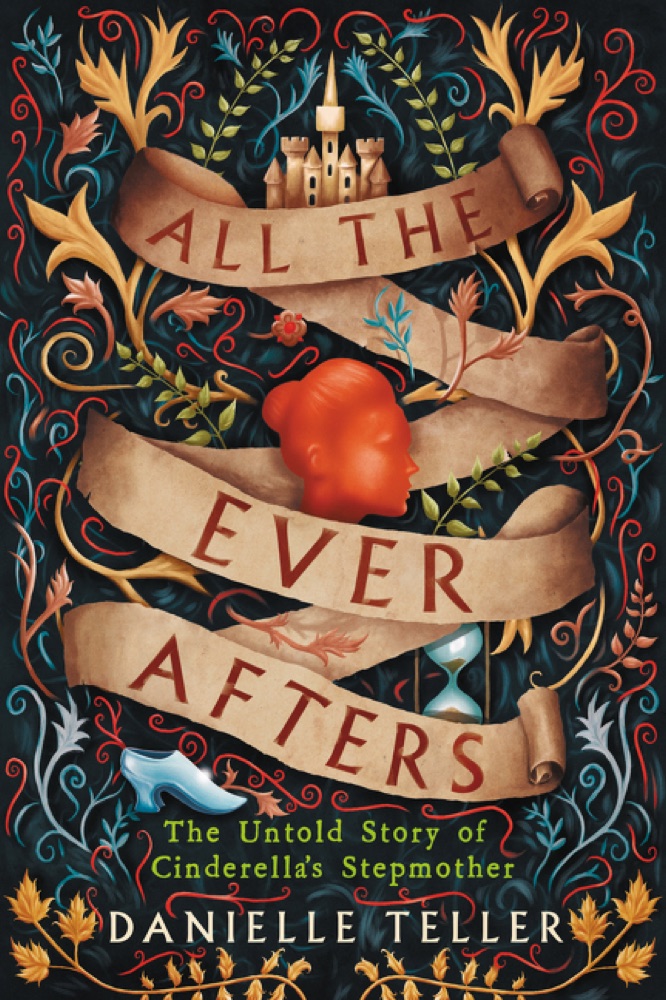 All the Ever Afters: The Untold Story of Cinderella’s Stepmother
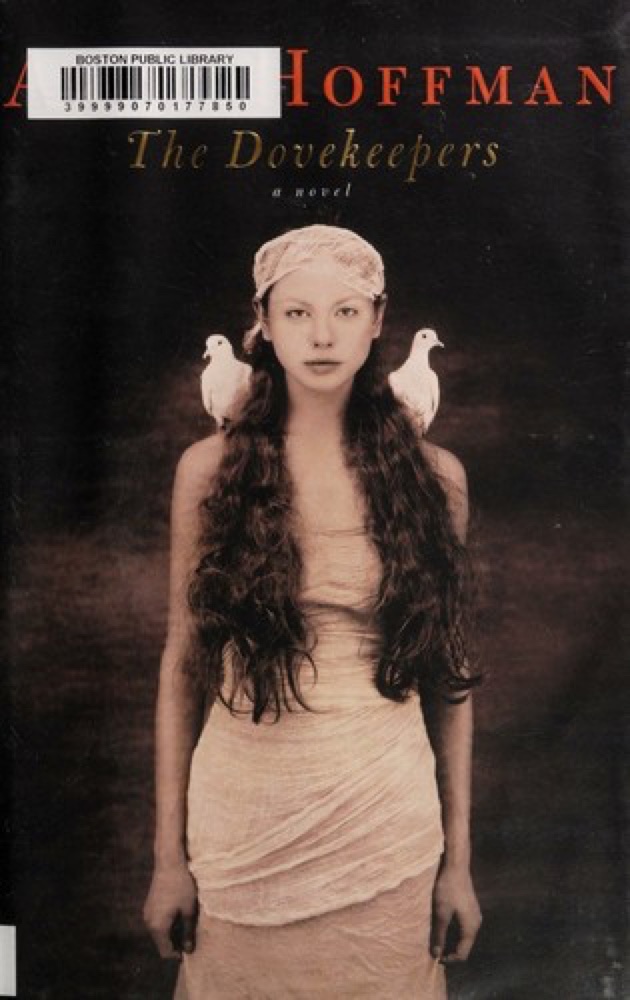 The Dovekeepers
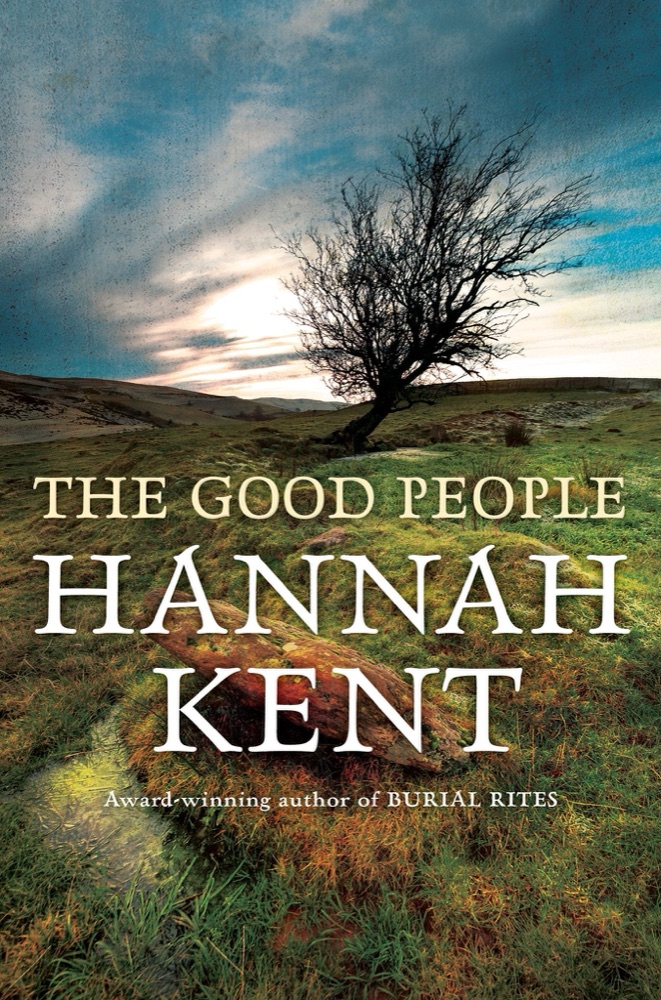 The Good People
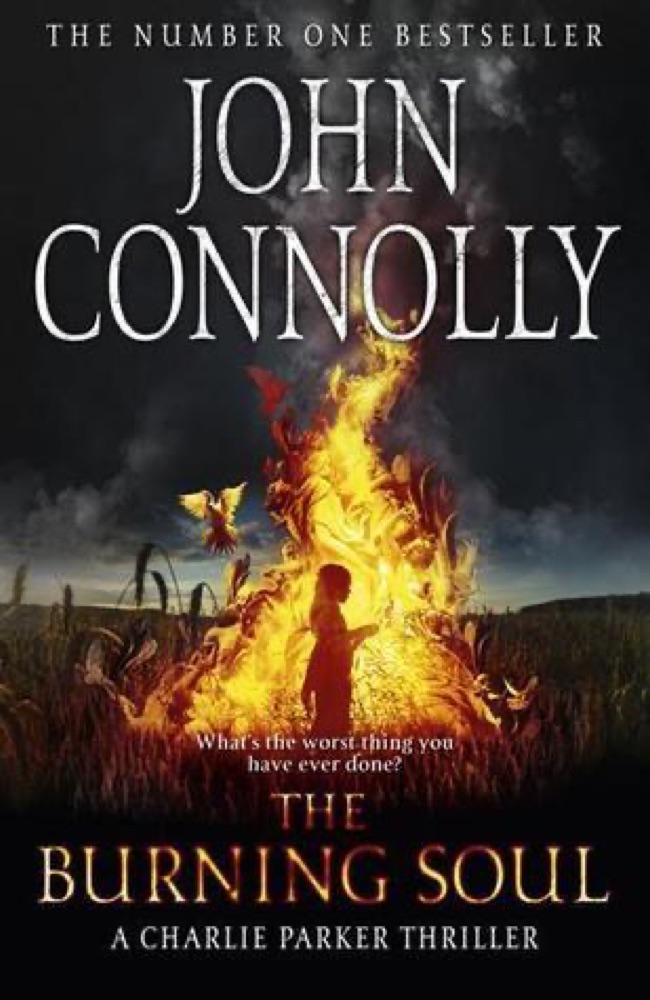 The Burning Soul
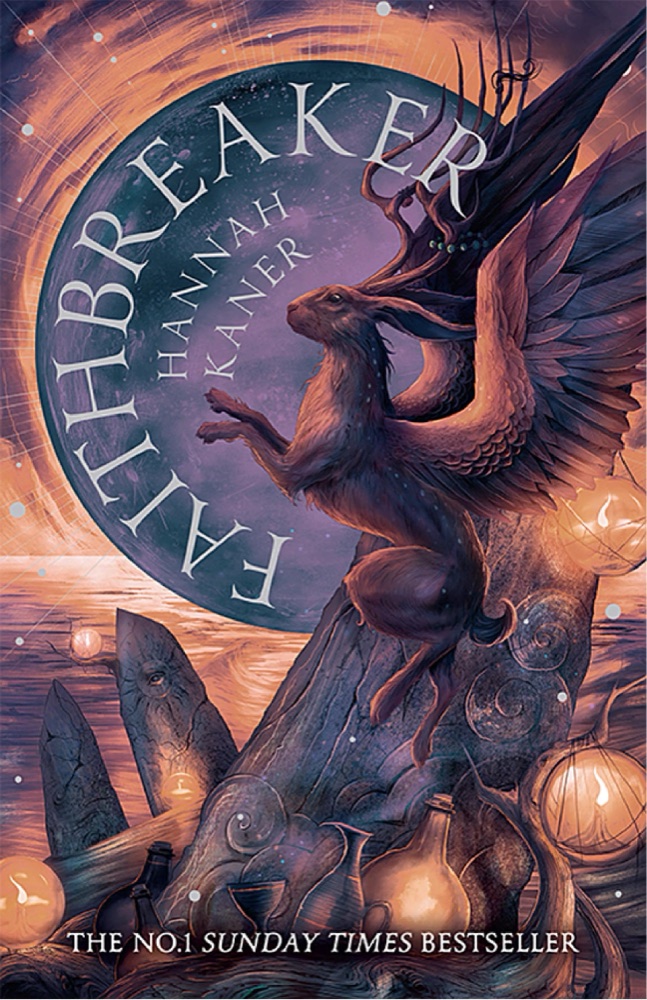 Faithbreaker
 The Sparrow
 Burial Rites
 Beasts and Beauty: Dangerous Tales
 A Choir of Ill Children
 Whiskey When We're Dry
 Mythology
 The Killing Moon
 The Naming
 The Devils
 The Poet Empress
 Black Sun
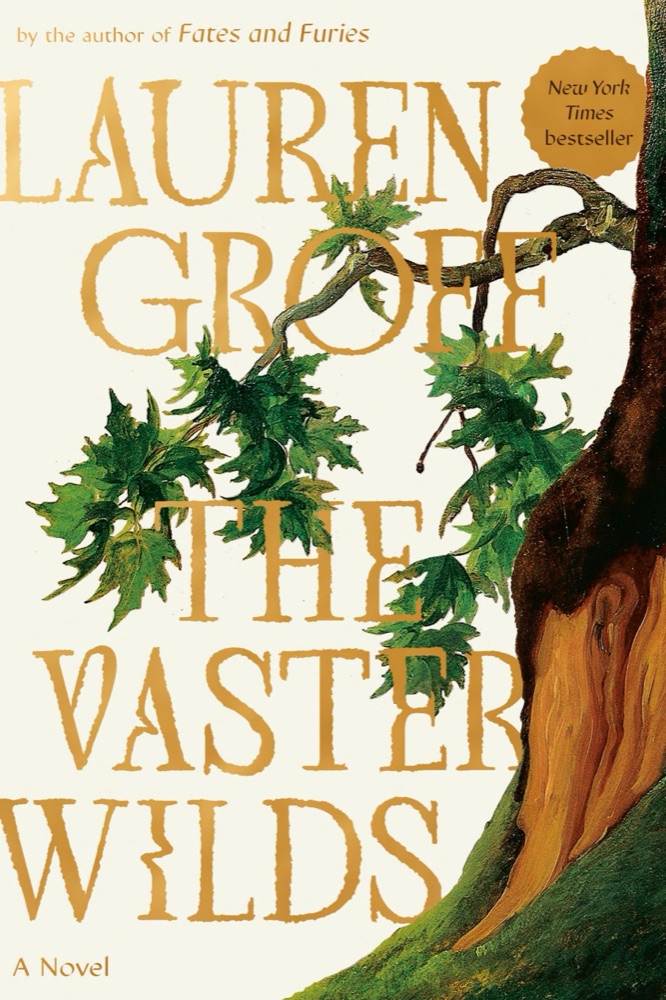 The Vaster Wilds
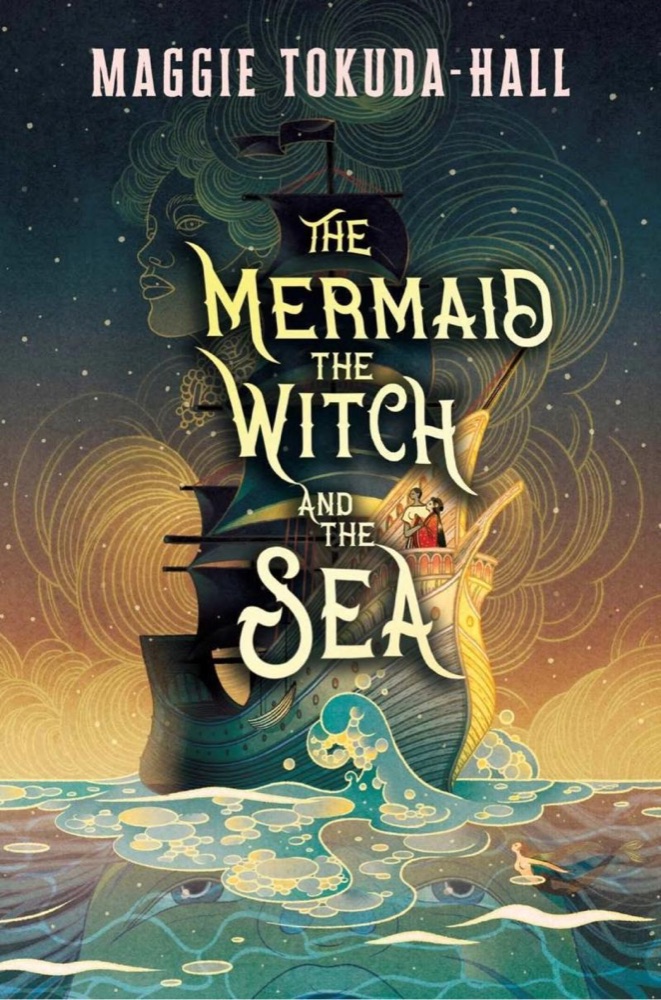 The Mermaid, the Witch, and the Sea
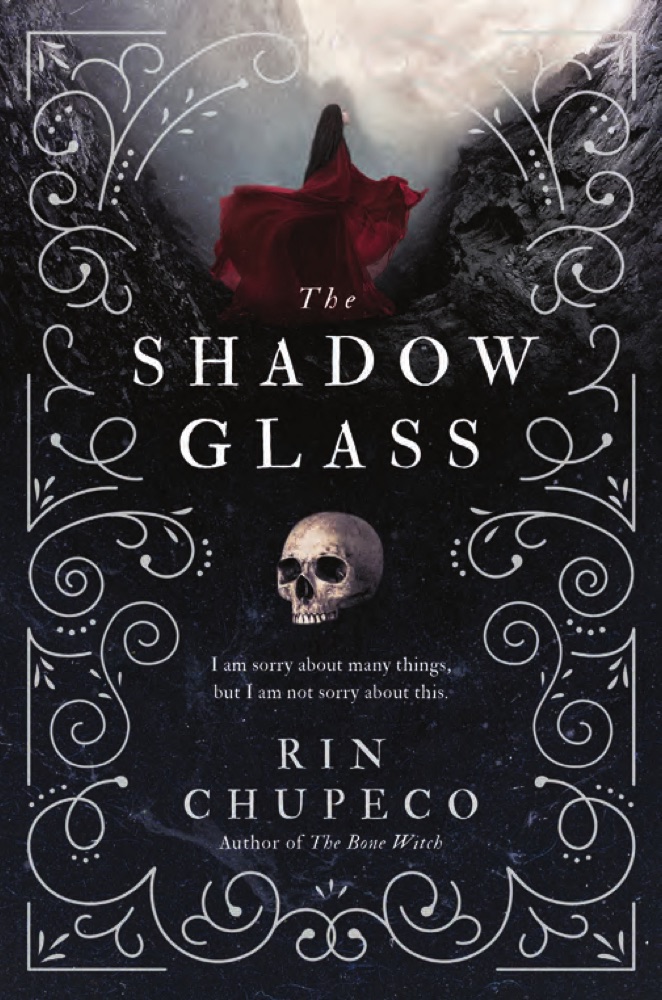 The Shadowglass