
 Letters to a Young Contrarian
Quotes from the Book
The rich world likes and wishes to believe that someone, somewhere, is doing something for the Third World. For this reason, it does not inquire too closely into the motives or practices of anyone who fulfills, however vicariously, this mandate.
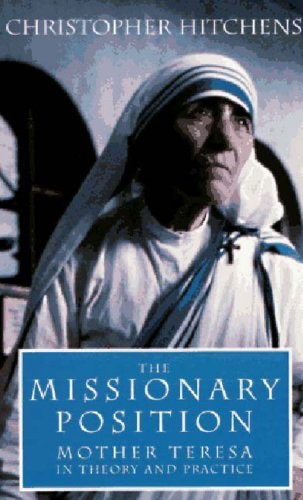
It is often said, inside the Church and out of it, that there is something grotesque about lectures on the sexual life when delivered by those who have shunned it. Given the way that the Church forbids women to preach, this point is usually made about men. But given how much this Church allows the fanatical Mother Teresa to preach, it might be added that the call to go forth and multiply, and to take no thought for the morrow, sounds grotesque when uttered by an elderly virgin whose chief claim to reverence is that she ministers to the inevitable losers in this very lottery.
Ethiopians imagine their gods as black and snub-nosed; Thracians blue-eyed and red-haired. But if horses or lions had hands, or could draw and fashion works as men do, horses would draw the gods shaped like horses and lions like lions, making the gods resemble themselves. Xenophanes
I began the project of judging Mother Teresa’s reputation by her actions and words rather than her actions and words by her reputation.
There should be philosophy and knowledge for the elect, religion and sentimentality for the masses
Where questions of religion are concerned, people are guilty of every possible sort of dishonesty and intellectual misdemeanor.
Who would be so base as to pick on a wizened, shriveled old lady, well stricken in years, who has consecrated her entire life to the needy and the destitute? On the other hand, who would be so incurious as to leave unexamined the influence and motives of a woman who once boasted of operating more than five hundred convents in upward of 105 countries—“without counting India”? Lone self-sacrificing zealot, or chair of a missionary multinational? The scale alters with the perspective, and the perspective alters with the scale.
Where questions of religion are concerned, people are guilty of every possible sort of dishonesty and intellectual misdemeanor. Sigmund Freud, The Future of an Illusion
Government regulations required that an elevator be installed for the use of the disabled. Mother would not allow an elevator. The city offered to pay for the elevator. Its offer was refused. After all the negotiations and plans, the project for the poor was abandoned because an elevator for the handicapped was unacceptable.
Three years later, Mr. Turley has received no reply to his letter. Nor can anybody account for the missing money: saints, it seems, are immune to audit.
The point is not the honest relief of suffering but the promulgation of a cult based on death and suffering and subjection. Mother
The point is not the honest relief of suffering but the promulgation of a cult based on death and suffering and subjection.
This is a small episode in an unending argument between those who know they are right and therefore claim the mandate of heaven, and those who suspect that the human race has nothing but the poor candle of reason by which to light its way.
Watch on YouTube
About Christopher Hitchens
We have collected 184 quotes from 9 books by Christopher Hitchens on BookQuoters.
More about the author →More by Christopher Hitchens
Letters to a Young Contrarian
 god is Not Great: How Religion Poisons Everything
 Hitch-22: A Memoir
 The Portable Atheist: Essential Readings for the Nonbeliever
Book details
- Author
- Christopher Hitchens
- Genre
- History
- Goodreads rating
- 4.06 (12k ratings) →
Keep reading
 The Parafaith War
 The Anti-Christ
 Under the Banner of Heaven: A Story of Violent Faith
 The Story of My Experiments With Truth
 Why I Am Not a Christian and Other Essays on Religion and Related Subjects
 A Pilgrimage to Eternity: From Canterbury to Rome in Search of a Faith
 Life of Christ
 Persian Letters
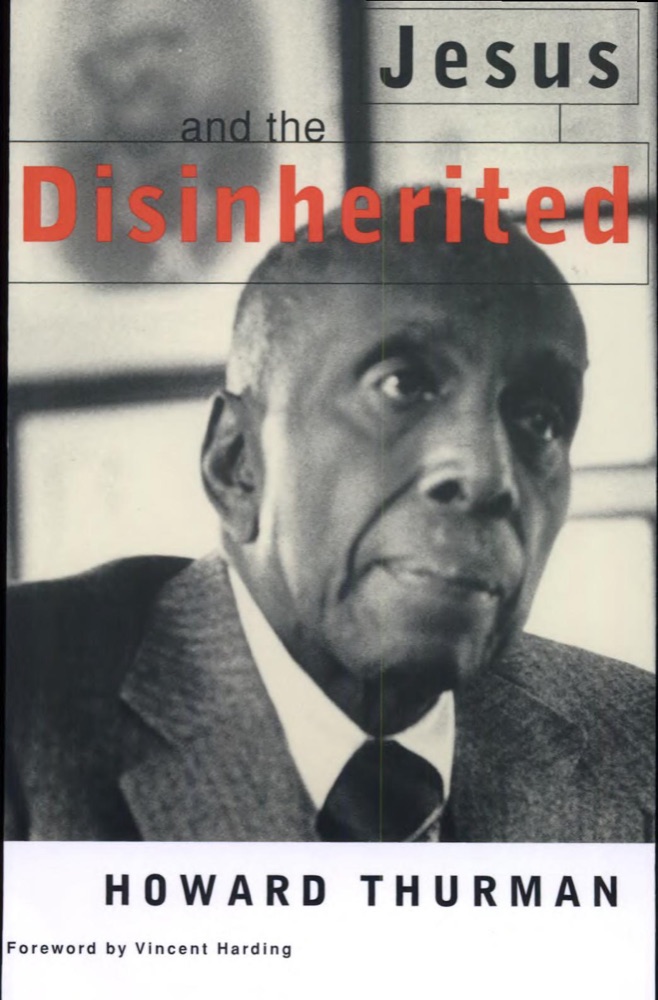 Jesus and the Disinherited
 Arguably: Selected Essays
 The Age of Reason
 The Rage Against God: How Atheism Led Me to Faith
 The God Delusion
 The World's Last Night: And Other Essays
 On the Genealogy of Morals
 Breaking the Spell: Religion as a Natural Phenomenon
 The Devil's Advocate
 The End of Faith: Religion, Terror, and the Future of Reason
 Religion for Atheists: A Non-Believer's Guide to the Uses of Religion
 The Seven Storey Mountain
 Children of God
god is Not Great: How Religion Poisons Everything
Children of God
god is Not Great: How Religion Poisons Everything
 The Future of an Illusion
 Anthills of the Savannah
 The True Believer: Thoughts on the Nature of Mass Movements
The Portable Atheist: Essential Readings for the Nonbeliever
The True Believer: Thoughts on the Nature of Mass Movements
The Portable Atheist: Essential Readings for the Nonbeliever
 The Gospel in a Pluralist Society
 The White Plague
 Letters and Papers from Prison
 The Varieties of Religious Experience
 The Irresistible Revolution: Living as an Ordinary Radical
 Letter to a Christian Nation
 Heretics
 Why I Am An Atheist: An Autobiographical Discourse
 The Reason for God: Belief in an Age of Skepticism
 A Theology of Liberation
 Twilight of the Idols/The Anti-Christ
 The Holy Longing: The Search for a Christian Spirituality
 The Long Loneliness: The Autobiography of the Legendary Catholic Social Activist ― A Memoir about the Worker Movement and Spiritual Conversion
 The Rebel Angels
 Letters from the Earth: Uncensored Writings
 Soul Survivor: How Thirteen Unlikely Mentors Helped My Faith Survive the Church
 The Perennial Philosophy
 The Good Man Jesus and the Scoundrel Christ
 Lila: An Inquiry Into Morals
 The Bondage of the Will
 The Spiral Staircase: My Climb Out of Darkness
 Bad Religion: How We Became a Nation of Heretics
 Resident Aliens: Life in the Christian Colony
 The Cloister Walk
 The Muqaddimah: An Introduction to History
 Infidel
 Ethics
 The World's Religions
 What's Wrong with the World
 We Who Wrestle with God: Perceptions of the Divine
 People of the Lie: The Hope for Healing Human Evil
 The Case for God
 Going Clear: Scientology, Hollywood, and the Prison of Belief
 Let Us Dream: The Path to a Better Future