
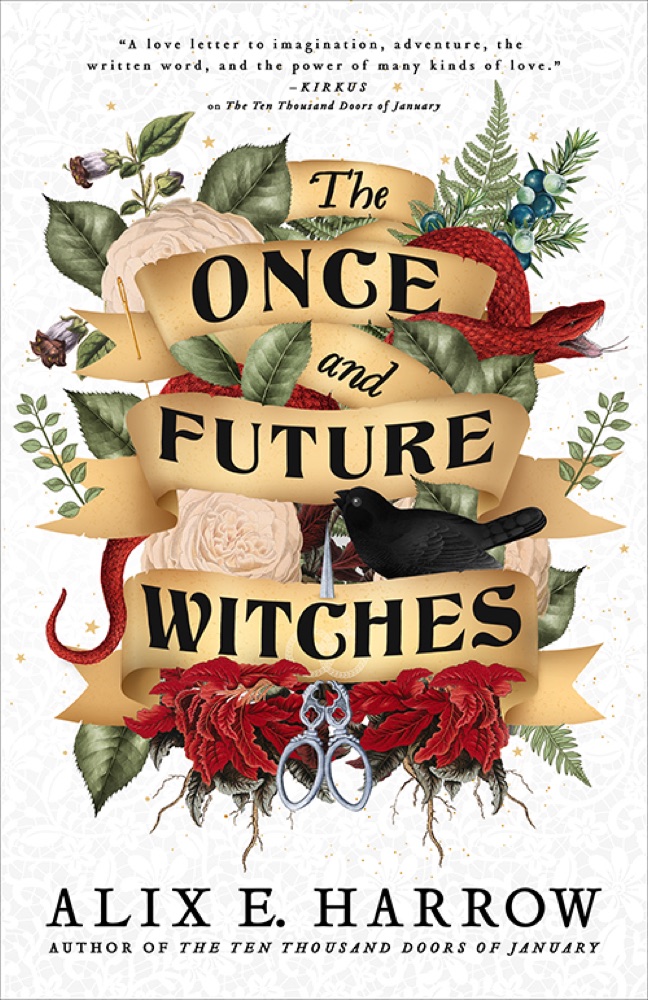
 The Once and Future Witches
Quotes from the Book
The witch is the ultimate feminist icon because she is a fully rounded symbol of female oppression and liberation.
11
When you’re a weird kid, you learn to put guardrails around the things you love. You keep them hidden heart-deep, lest someone try to take them, mock them, or co-opt them out of cruelty or just plain clumsiness.
8
Show me your witches, and I'll show you your feelings about women.
7
Books were my broomstick. They allowed me to fly to other realms where anything was possible.
7
How do you know if it is spirit or nature who answers? Maybe there is no difference at all. Maybe grace is green.
6
Perhaps my favorite crone heroine of all time is Marian Leatherby, the deaf, toothless, ninety-two-year-old protagonist of The Hearing Trumpet, a novel written by Surrealist luminary Leonora Carrington. Marian sports a short gray beard that she finds “rather gallant,” and she has a dear geriatric friend named Carmella who states, “People under seventy and over seven are very unreliable if they are not cats.
6
Magic is made in the margins.
5
The witch owes nothing. That is what makes her dangerous. And that is what makes her divine. Witches have power on their own terms.
4
The witch is notorious shape-shifter and comes in many guises. More than anything, though, the witch is a shifting and shadowy symbol of female power and a force for subverting the status quo. She is also a vessel that contains our conflicting feelings about female power: our fear of it, our desire for it, our hope that it can and will grow stronger despite the flames that are thrown at it.
4
To practice in a group requires both a loosening of self-consciousness and a tightening grip on the rudder of sincerity. You have to care, and you have to let others see you caring. And you have to bear witness to their caring in turn.
3
While a witchy wardrobe can certainly be sexy at times, it doesn’t tend to prioritize body consciousness. More often than not, witch fashion is about loose layers that veil the form or fabrics that cloak and cover. It conceals more than it reveals. It creates a shroud, albeit one emblazoned with spangles and talismanic symbols. And so the wearer is self-modulating and self-protected, a walking woven spell. If she’s shocking, it’s because she wants to be. This witch is a voluntary disturbance. Women have been told over many lifetimes that their bodies are wrong and unbecoming - that they belong to other people. The fashion witch is self-possessed, first and foremost. She controls how much of herself she shares. Whether others consider her anatomy a monstrosity, or a thing of majesty, is of little concern. She knows her body is her own. And that is true power.
2
IF W.I.T.C.H. IS an example of feminist politics borrowing from the realm of mythos, then it should come as no surprise that feminist spirituality began to get more civic-minded in turn. Though there is evidence that some American Pagan covens existed as early as the 1930s, and Gardnerian Wicca had reached the States by the 1960s, the 1970s brought about a new style of witchcraft that was intent on “combining political and spiritual concerns as if they were two streams of a single river,” as Margot Adler put it. It took the framework of Wicca but gave it a much fuller emphasis on worshipping goddesses and honoring the female body. It also more blatantly reclaimed the witch as an icon of resistance against the patriarchy, following the sentiments of earlier pro-witch thinkers like Matilda Joslyn Gage and Margaret Murray, and the writings of radical feminists like Mary Daly and Andrea Dworkin.
1
And so, with their first public action on Halloween of 1968, the feminist activist group called W.I.T.C.H. was born. Its members donned witch costumes, replete with brooms and pointy black hats, and did a public ritual performance of hexing the New York Stock Exchange. Did it work? Well, as Gloria Steinem wrote about the incident in New York magazine, “A coven of 13 members of W.I.T.C.H. demonstrates against that bastion of white supremacy: Wall Street. The next day, the market falls five points.” (The glue that the witches added to the locks of the NYSE doors also added a bit of whammy, no doubt.)
1
As she [Miriam "Starhawk"] sees it, witchcraft is a process of dissolving estrangement –or rather, the false idea of estrangement– from other living beings. And once you do that, you realize that taking care of others is a holy responsibility, because everything is interconnected.
Say what you will about witches, but we are a literary bunch.
What the witch trials actually proved is that non-magical human beings are capable of the very malice and murder that they fear from so-called witches.
I follow the holy wheel of the year and the cycles of the moon, doing rituals and seasonally appropriate celebrations. I honor nature and the divinity that is inside me and all living beings, and I strive to spread light and to be in service of something higher than myself: Spirit, the gods, the Goddess, the Mystery—that which language is too restrictive to name.
As we age, we’re supposed to stop filling our heads with such “nonsense.
Witches, I learned from the book, are complicated creatures, sources of great comfort and great terror. And no matter how good a witch might be, she would often become the target of misunderstanding at best and persecution at worst.
The witch has a green face and a fleet of flying monkeys. She wears scarves and leather and lace. She lives in Africa; on the island of Aeaea; in a tower; in a chicken-leg hut; in Peoria, Illinois. She lurks in the forests of fairy tales, in the gilded frames of paintings, in the plotlines of sitcoms and YA novels, and between the bars of ghostly blues songs. She is solitary. She comes in threes. She’s a member of a coven. Sometimes she’s a he. She is stunning, she is hideous, she is insidious, she is ubiquitous. She is our downfall. She is our deliverance.
In a letter she wrote to Alfred Stieglitz in November of 1909, she says, “I’ve just finished a big job for very little cash! A set of designs for a pack of Tarot cards 80 designs. I shall send some over—of the original drawings—as some people may like them!” Today this note strikes a chord that’s both sweet and sour. The thirty-one-year-old writing it had no inkling how renowned her images would become after they were published in 1910. The Rider-Waite tarot deck, as it came to be called (after Waite and the publisher, William Rider & Son), is now arguably the most successful and recognizable deck ever made, and it is the number-one-selling deck in America and England. Her complex, symbolic artwork has been a source of inspiration and deep meaning to card readers for more than a hundred years, not to mention its numberless appearances on everything from T-shirts to coffee mugs to haute couture dresses by Dior and Alexander McQueen.
The Emerald City, the Yellow Brick Road, magical slippers, a brave farm-girl protagonist, and, of course, the good and bad witches are all now seemingly timeless icons from what some have called “the first American fairy tale.” But several of these ideas were not invented by Baum out of whole cloth. In fact, a great many of them can be traced to the influence of his mother-in-law, the suffragist and equal rights pioneer Matilda Joslyn Gage.
Watch on YouTube
About Pam Grossman
We have collected 22 quotes from 1 book by Pam Grossman on BookQuoters.
More about the author →About the book
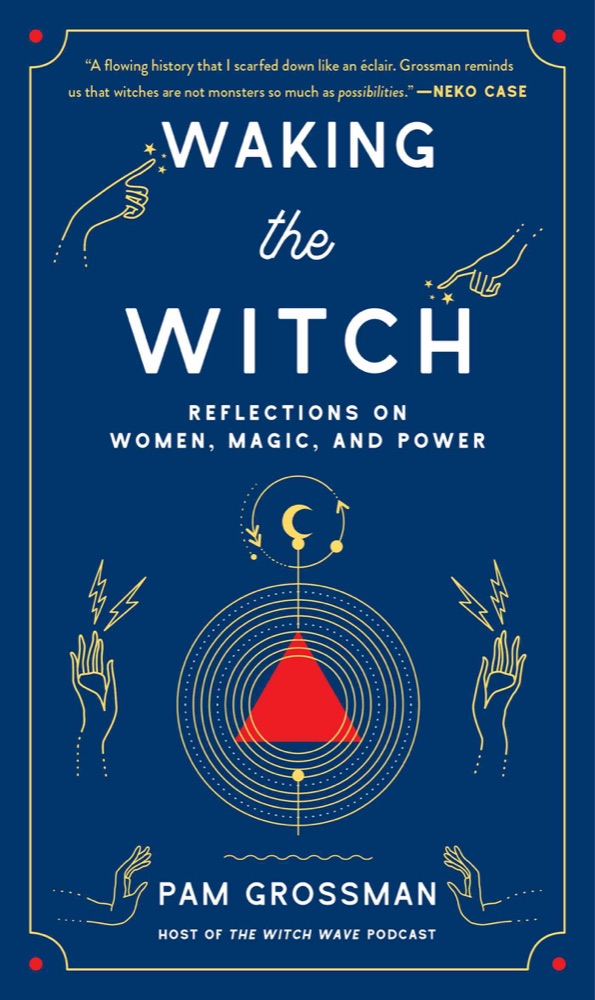
A whip-smart and illuminating exploration of the world’s fascination with witches from podcast host and practicing witch Pam Grossman ( The Witch Wave ), who delves deeply into why witches have intrigued us for centuries and why they’re more relevant now than ever.
When you think of a witch, what do you picture? Pointy black hat, maybe a broomstick. But witches in various guises have been with us for millennia. In Waking the Witch , Pam Grossman explores the cultural and historical impact of the world’s most magical icon. From the idea of the femme fatale in league with the devil in early modern Europe and Salem, to the bewitching pop culture archetypes in Buffy the Vampire Slayer, Sabrina the Teenage Witch , and Harry Potter ; from the spooky ladies in fairy tales and horror films to the rise of feminist covens and contemporary witchcraft, witches reflect the power and potential of w
Book details
- First published
- 2019
- Author
- Pam Grossman
- Genre
- Nonfiction
- Goodreads rating
- 4.01 (5k ratings)
Keep reading
The Once and Future Witches
 Basic Witches: How to Summon Success, Banish Drama, and Raise Hell with Your Coven
 Initiated: Memoir of a Witch
 The Spiral Dance: A Rebirth of the Ancient Religion of the Great Goddess
 Witches Abroad
 Drawing Down the Moon: Witches, Druids, Goddess-Worshippers, and Other Pagans in America
 Toil & Trouble: 15 Tales of Women & Witchcraft
 Moon Witch, Spider King
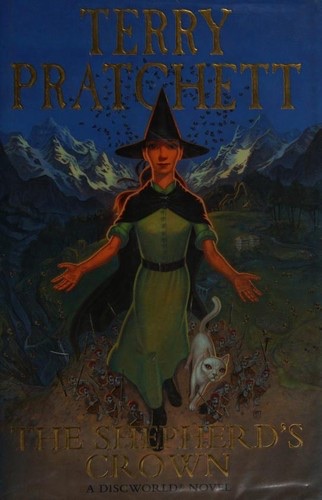 The Shepherd's Crown
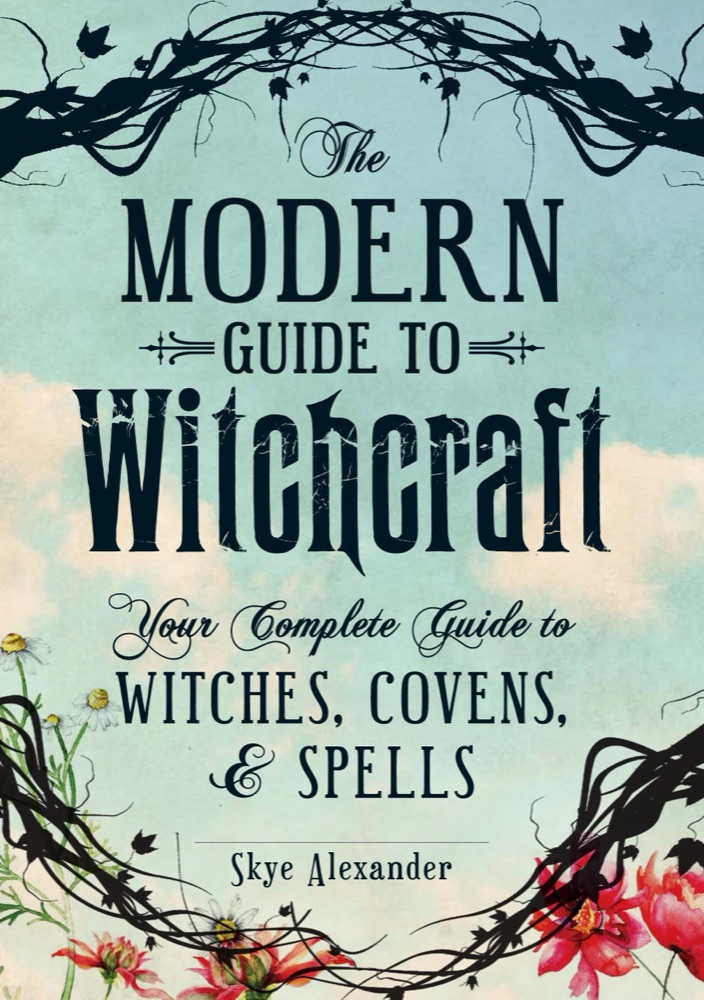 The Modern Guide to Witchcraft: Your Complete Guide to Witches, Covens, and Spells
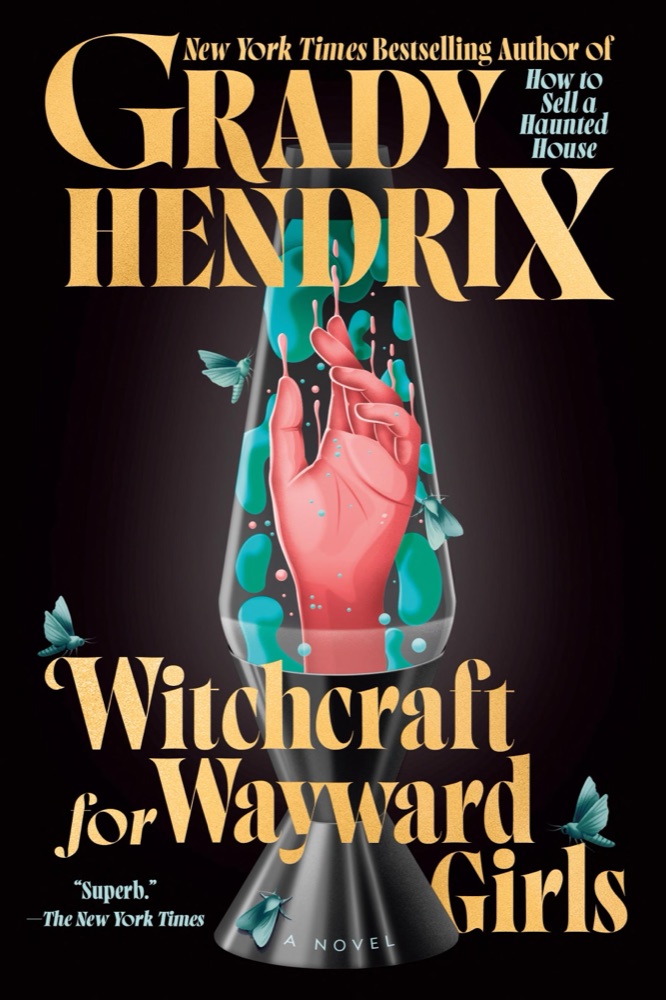 Witchcraft for Wayward Girls
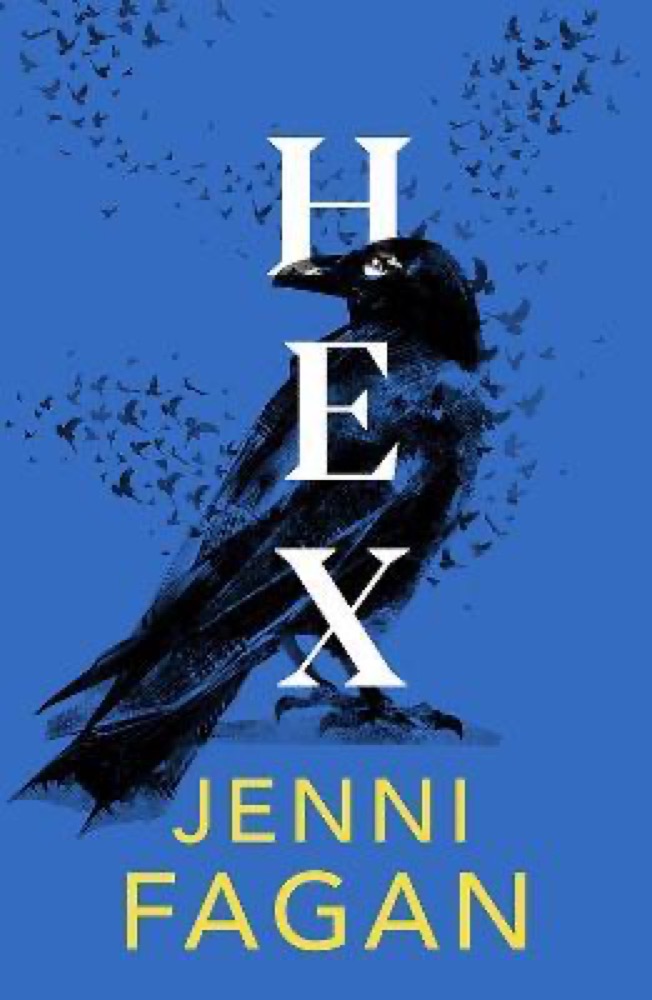 Hex
Hex
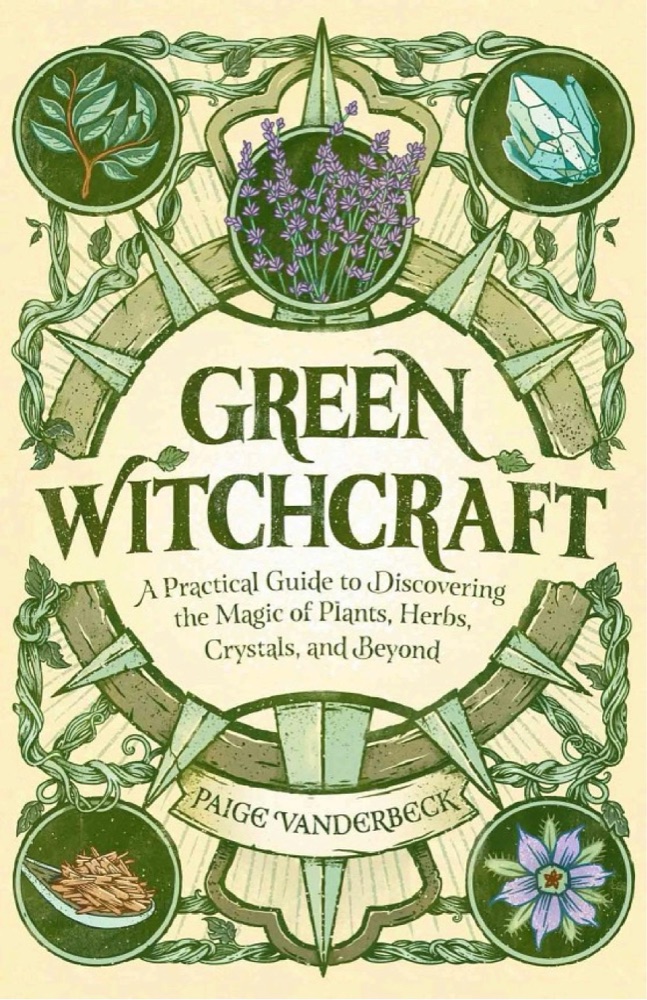 Green Witchcraft: A Practical Guide to Discovering the Magic of Plants, Herbs, Crystals, and Beyond
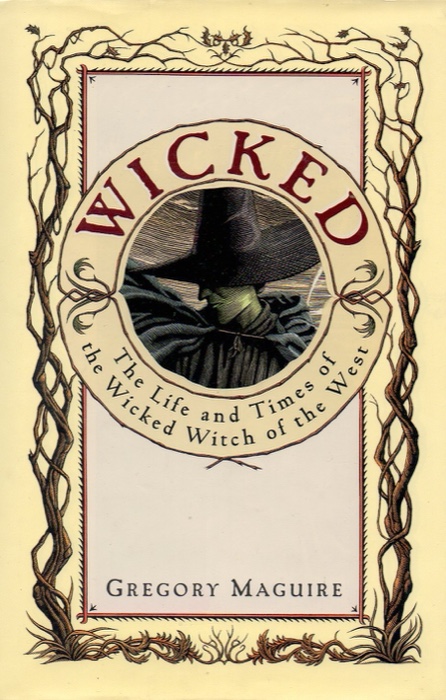 Wicked: The Life and Times of the Wicked Witch of the West
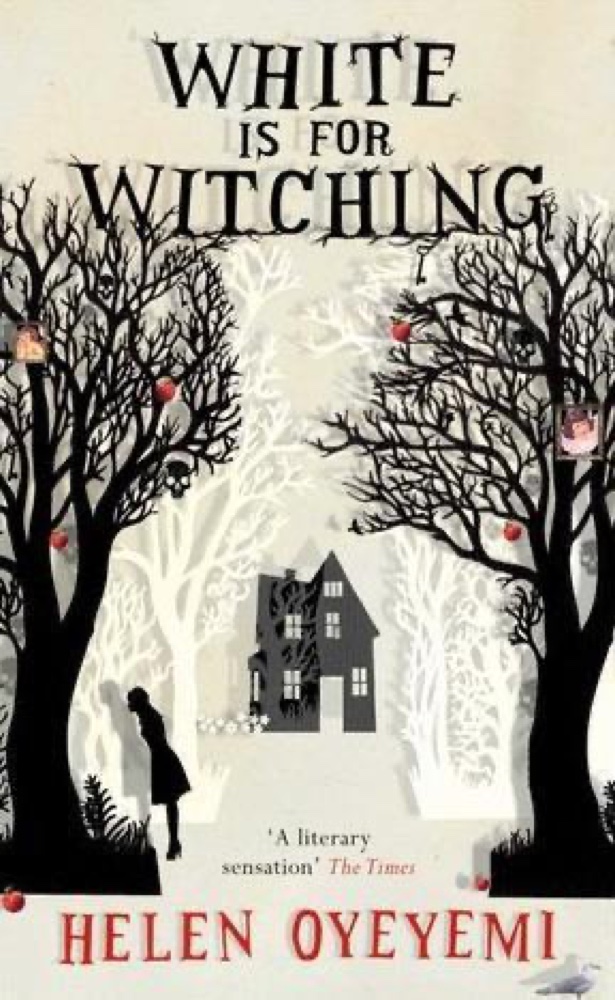 White is for Witching
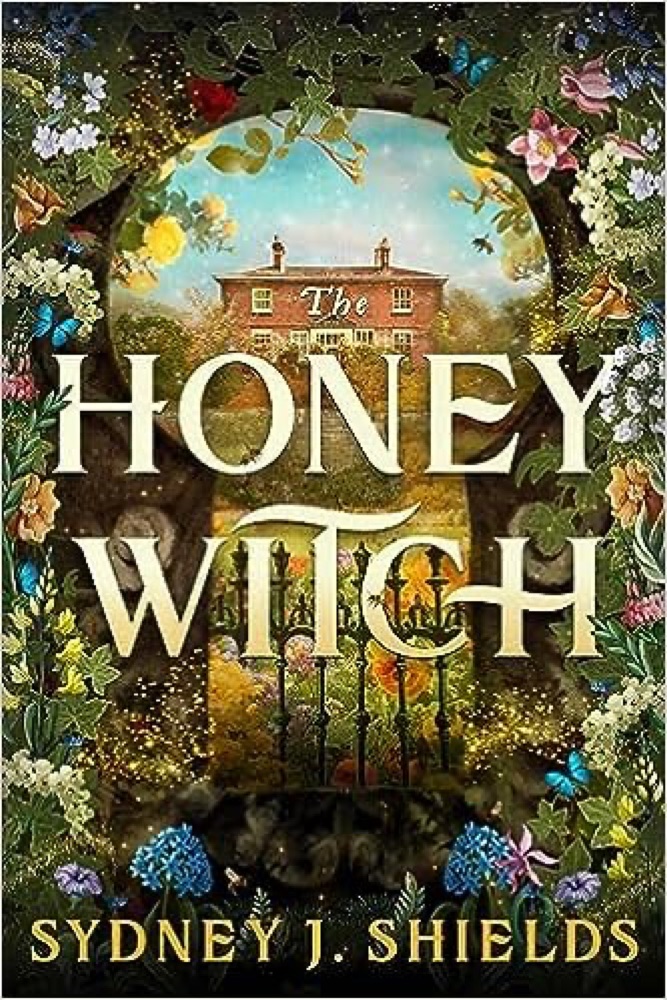 The Honey Witch
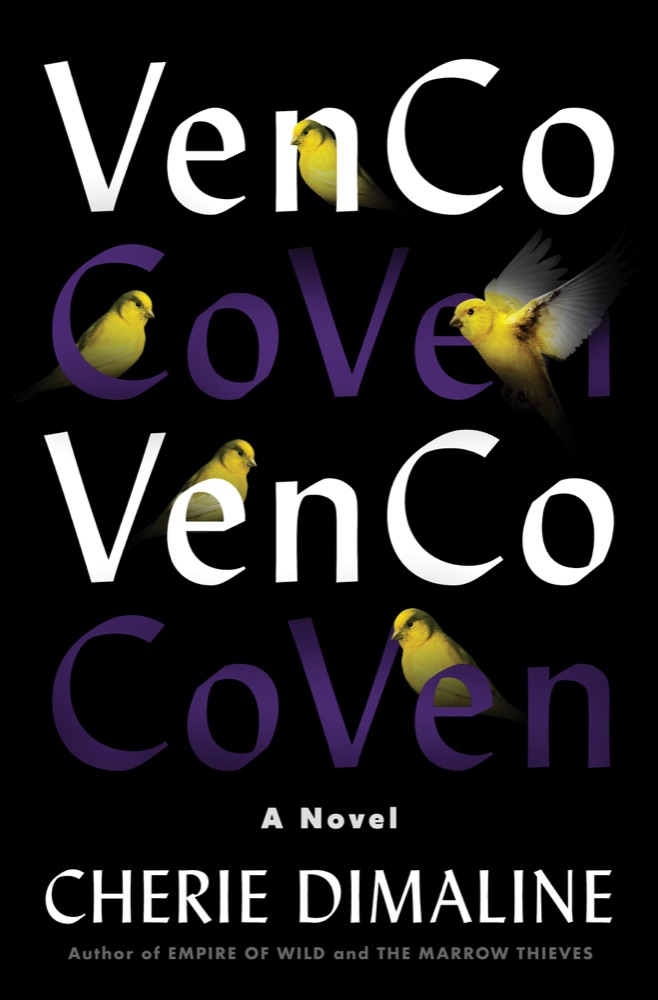 VenCo
VenCo
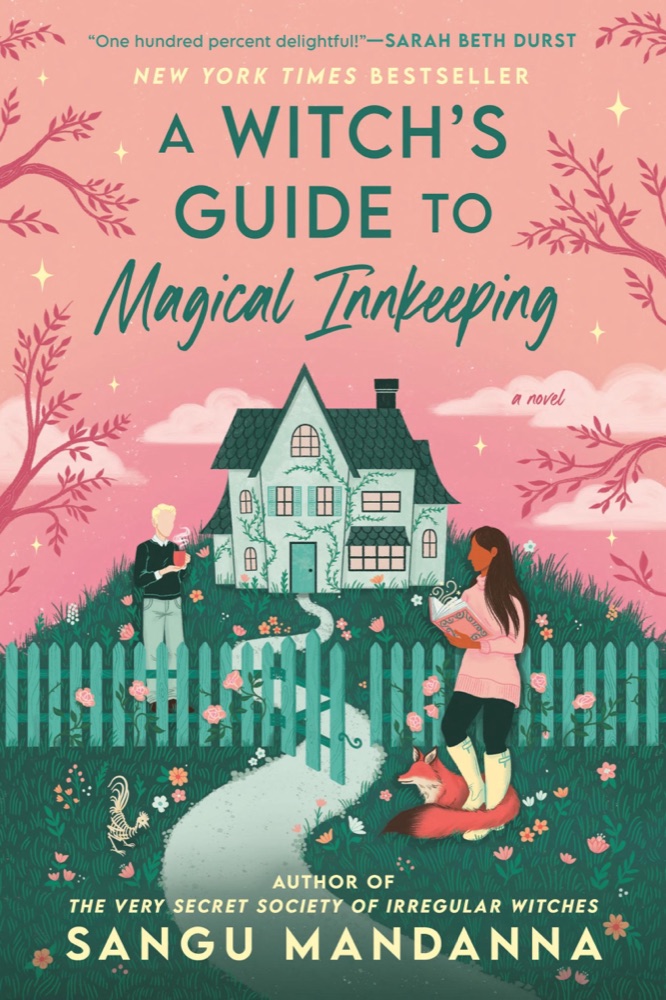 A Witch's Guide to Magical Innkeeping
 Women Who Run With the Wolves
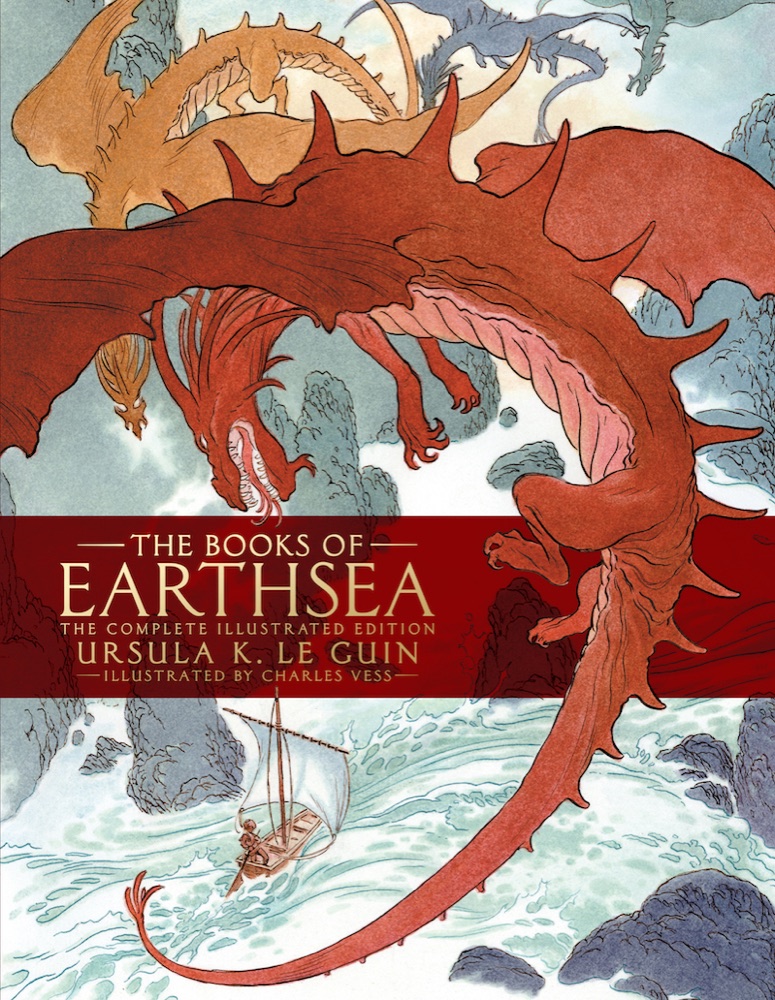 The Books of Earthsea
 Weyward
 Undead Girl Gang
 Psychic Witch: A Metaphysical Guide to Meditation, Magick & Manifestation
 How to Hang a Witch
 The Grace of Wild Things
 Her Majesty's Royal Coven
 The Inner Temple of Witchcraft: Magick, Meditation and Psychic Development
 Lords and Ladies
 The Price Guide to the Occult
 The Witching Hour
 Great Goddesses - Life Lessons from Myths and Monsters
 Small Town, Big Magic
 Piece by Piece
 The Wicked Will Rise
 Hester
 Son of a Witch
 A Modern Witch
 The Daughters of Temperance Hobbs
 The Left-Handed Booksellers of London
 Witches, Midwives and Nurses: A History of Women Healers
 Maeve Fly
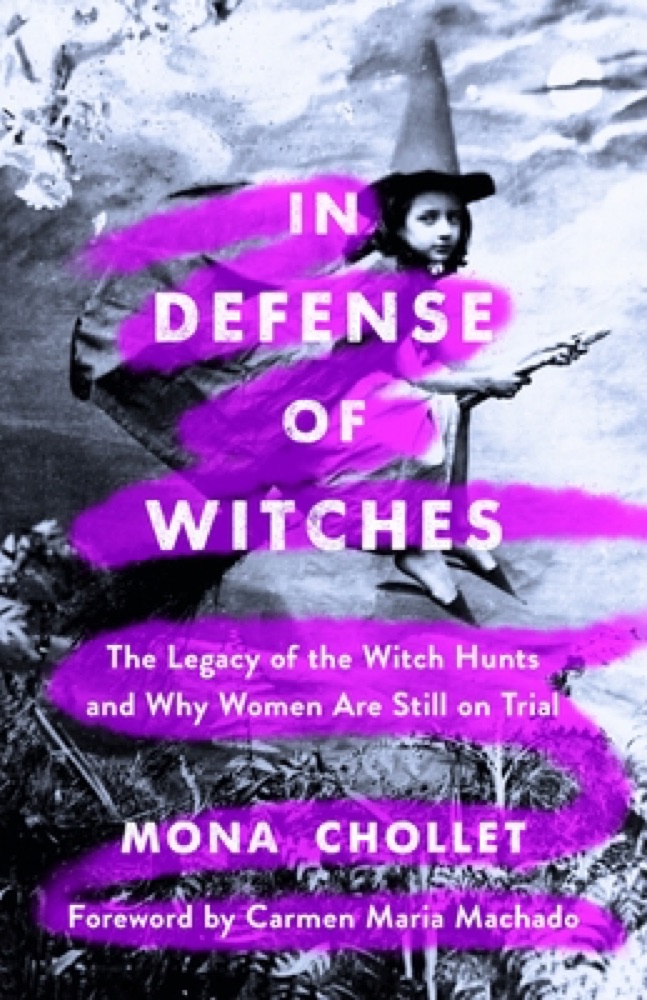 In Defense of Witches: The Legacy of the Witch Hunts and Why Women Are Still on Trial
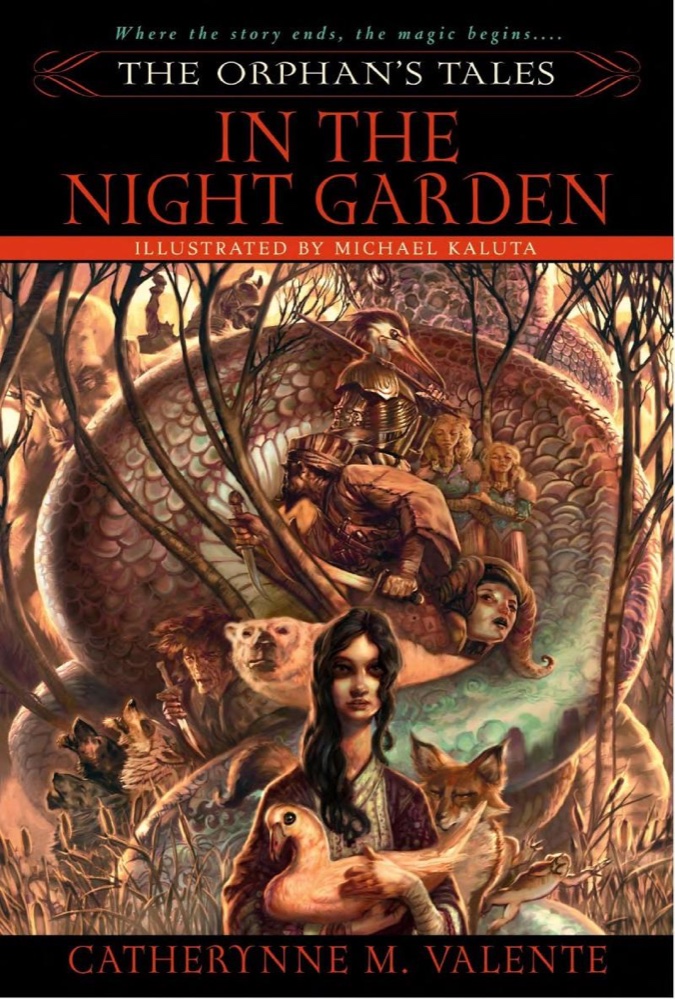 In the Night Garden
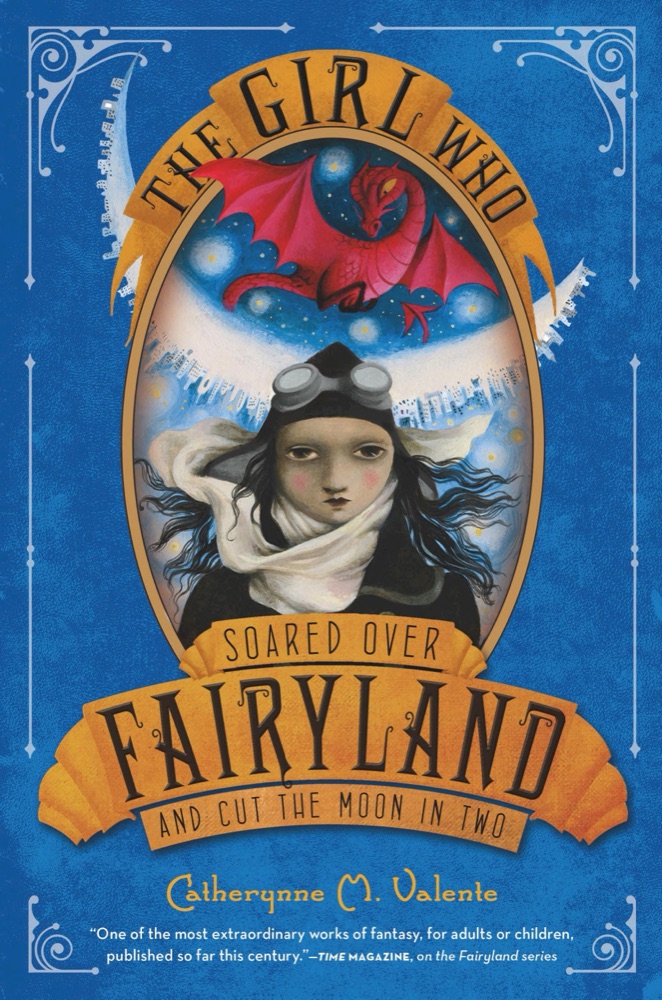 The Girl Who Soared Over Fairyland and Cut the Moon in Two
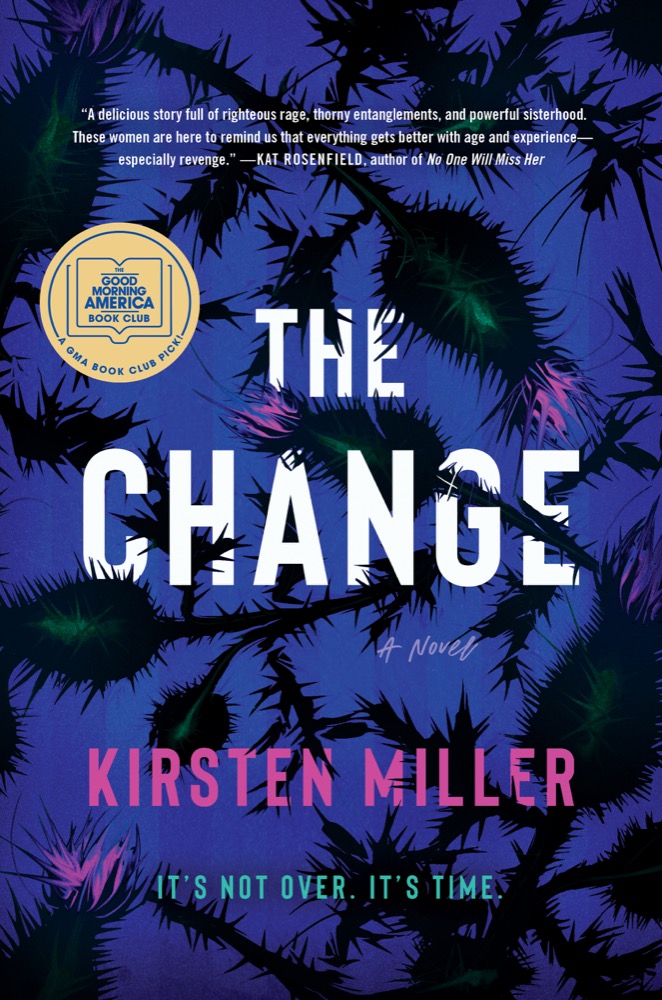 The Change
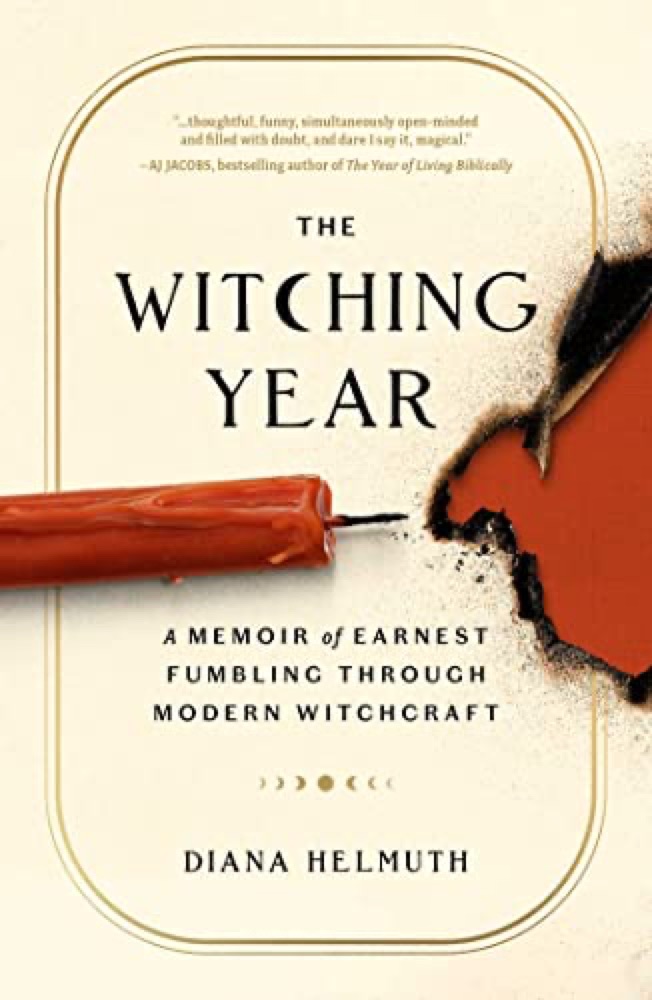 The Witching Year: A Memoir of Earnest Fumbling Through Modern Witchcraft
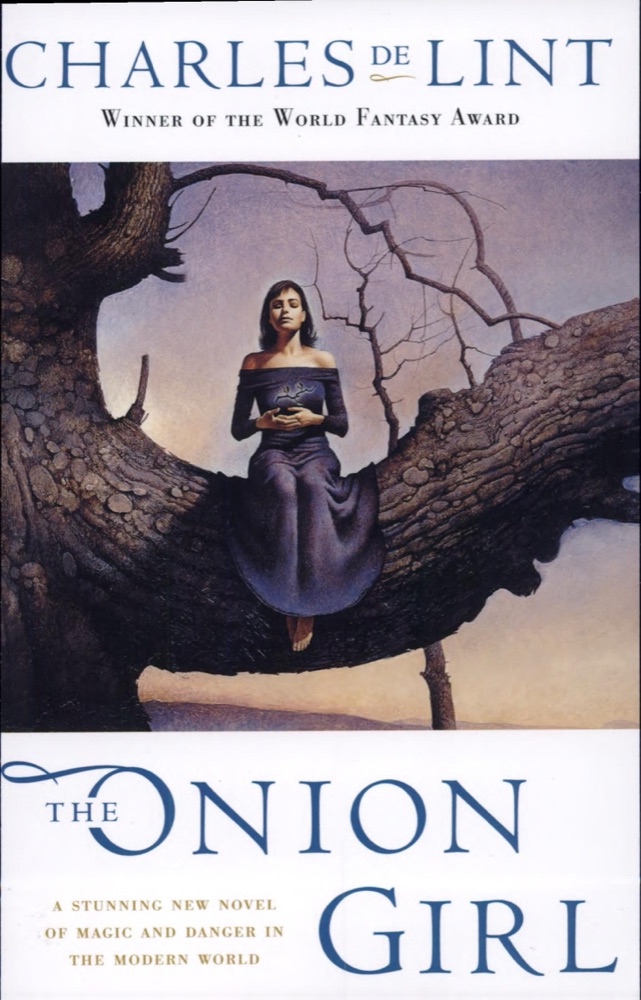 The Onion Girl
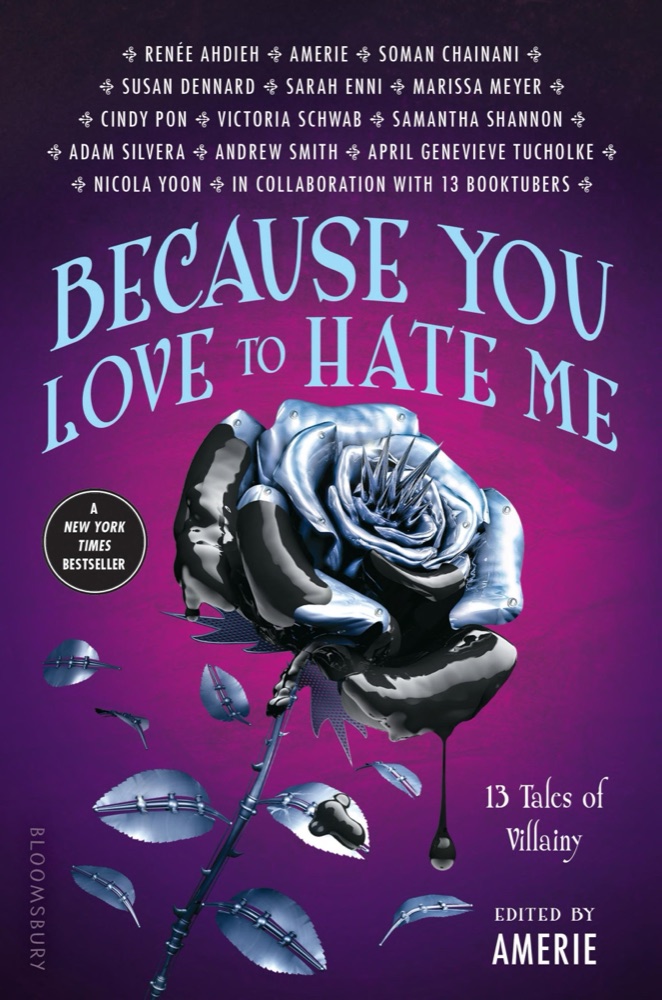 Because You Love to Hate Me: 13 Tales of Villainy
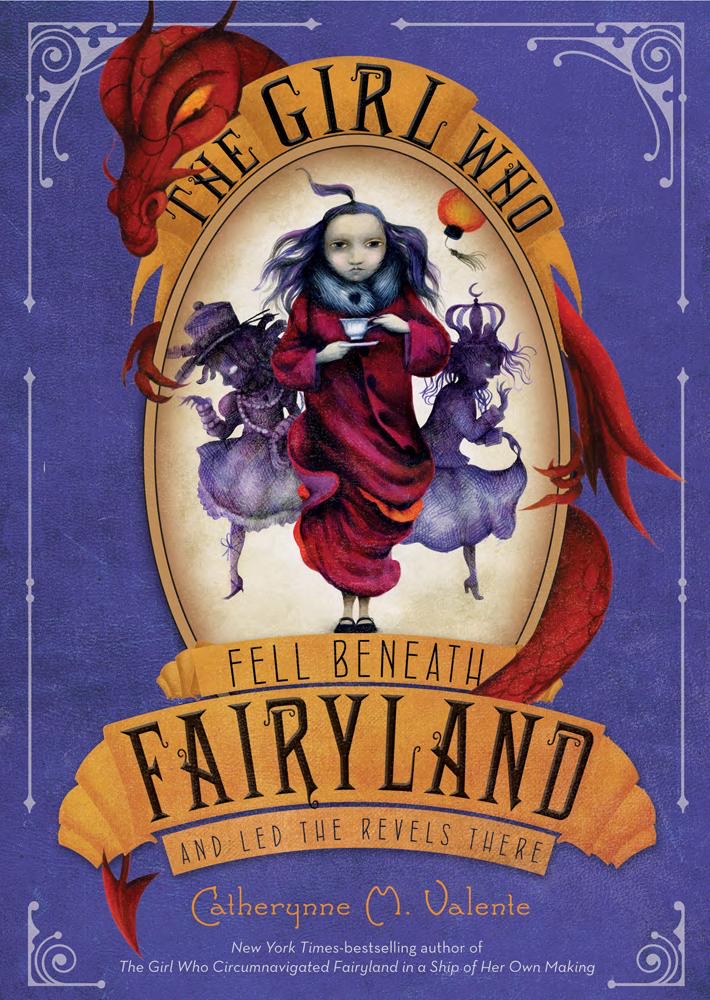 The Girl Who Fell Beneath Fairyland and Led the Revels There
 The Ruin of Angels
 Women and Other Monsters: Building a New Mythology
 The Bone Witch
 The Witches Are Coming
 Matrix
 The Awakening
 The Absolute Book
 We Ride Upon Sticks
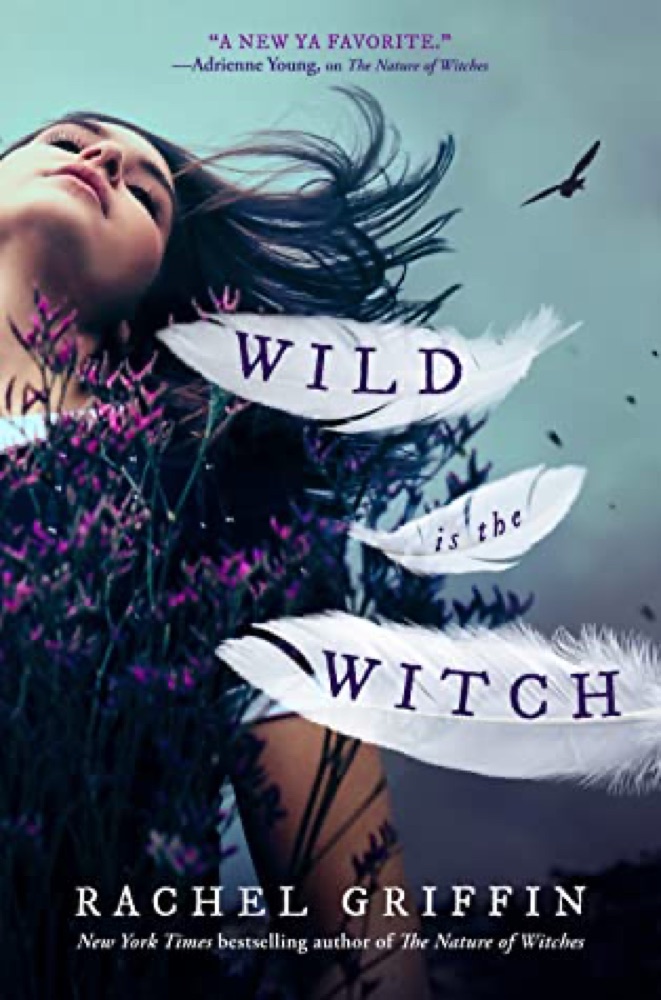 Wild Is the Witch
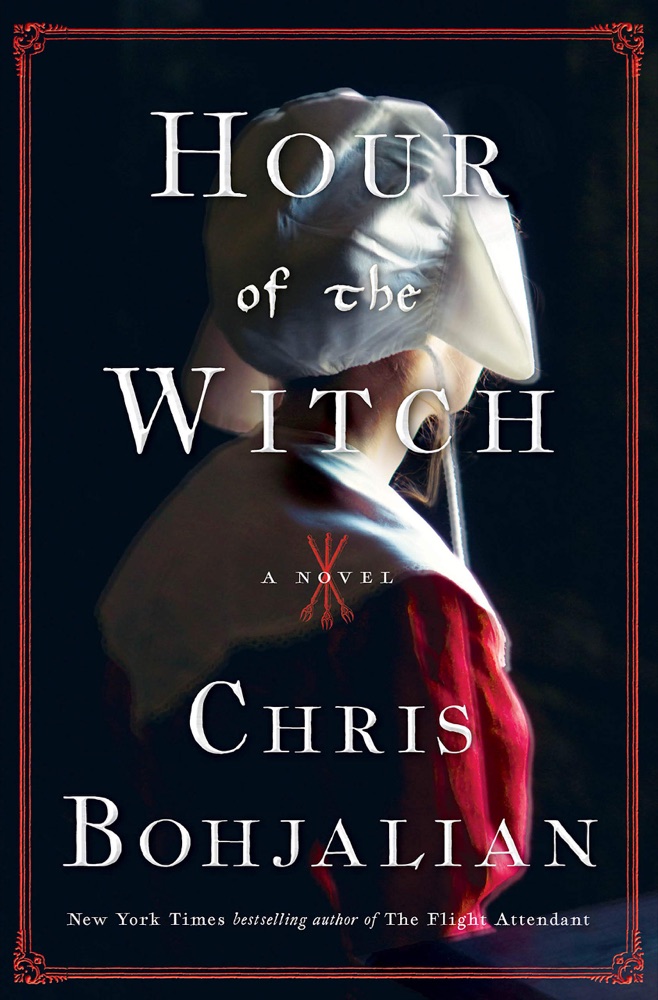 Hour of the Witch
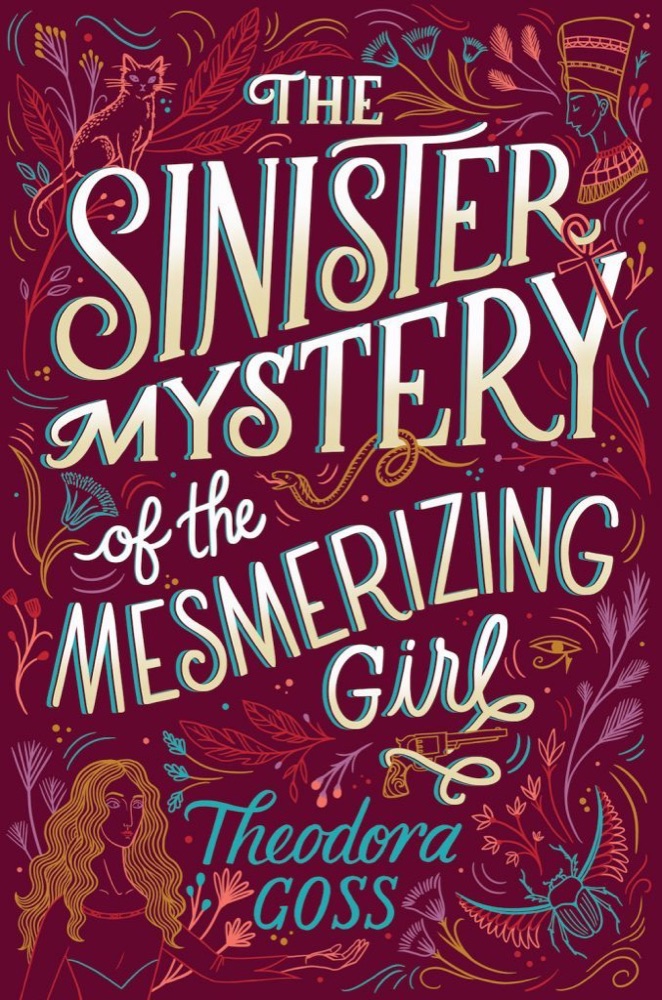 The Sinister Mystery of the Mesmerizing Girl