
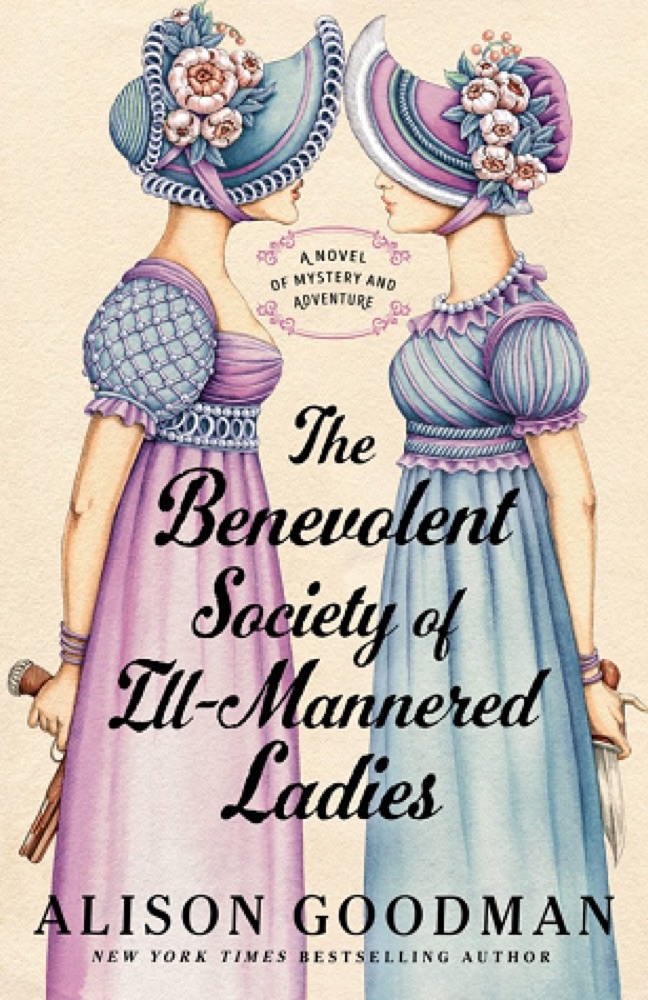
 The Benevolent Society of Ill-Mannered Ladies
Quotes from the Book
In the end, this is a book about power. Who wields it. Who owns it. And the methods they use. And above all, it's about fighting back.
16
Unruly women are always witches, no matter what century we’re in.
13
A peace based on injustice…is a treacherous sleep whose waking is death. Your honor lies in waking out of it.
12
doctors were policing women who stepped outside society’s strictly defined gender spheres—work and intellect for men, home and children for women—in what could be described as a “medicalization of female behavior.
11
Woman is too volatile and spiritual a being to be kept down by mere brute force,
10
It's a book that is set over 160 year ago. A lot has changed. A lot hasn't. We are only just beginning to appreciate exactly how a person's powerlessness may lead to struggles with their mental health. With our understanding, statics showing higher rates of mental illness in women, people of color and other disenfranchised groups become translated into truth. NOT a biological deficiency as doctors first thought. But a cultural creation that, if wanted to, we could do something about.
10
Insane asylum - a place where insanity is made.
9
As Elizabeth put it, “I have neglected no duties, have injured no one, have always tried to do unto others as I would wish to be done by; and yet, here in America, I am imprisoned because I could not say I believed what I did not believe.
9
That class of men who wish to rule woman, seem intent on destroying her reason.
6
submission is no virtue.
6
Elizabeth’s mind spun from what he told her. Under the laws of the United States at that time, a man’s wife was his property: Theophilus could do as he wished. She later wrote in bleak despair, “I…have married away all the freedom I ever had in America
6
The Illinois law in fact explicitly stated that married women could be admitted “without the evidence of insanity…required in other cases.
6
Just think!” Elizabeth later exclaimed. “Forty men and women clubbed together to get me imprisoned just because I chose to think my own thoughts, and speak my own words!
5
If these sufferers can bear to feel it, I can and will bear to see it…for if I do not see these things, I cannot testify that I did. So I will even look on,
5
She fought every day of her life to make things better, dedicating her life to others, wanting justice for all. She was torn down for it, her reputation ravaged. Yet she squared her shoulders and dusted herself off after every single setback. She went back out there to meet that hostile world, with her hoop skirts swishing and her brown eyes gleaming, ready to fight another day. And yes, they called her crazy. But if that’s crazy, we should stand back and admire. For just look at what “crazy” can do.
4
The asylum was, in short, a “storage unit for unsatisfactory wives.”19 They’d been, Elizabeth observed archly, “put here, like me, to get rid of them.
4
Because in the nineteenth century—and beyond—women were supposed to be calm, compliant angels. They were even encouraged, for their health, to endeavor “to feel indifferent to every sensation.
4
And yes, they called her crazy. But if that’s crazy, we should stand back and admire. For just look at what “crazy” can do.
4
Fear nothing so much as the sin of simply not doing your duty,
4
a world in which they were all worth something.
4
Indeed, she’d recently begun to conceive of her stand for selfhood as “business that God has sent me to do.
4
Wife,” he said hesitantly, “you will get out of the wagon yourself, won’t you? You won’t compel us to lift you out before such a large crowd?” Elizabeth smiled sweetly. “No, Mr. Packard,” she replied at once. “I shall not help myself into an Asylum. It is you who are putting me there. I do not go willingly… I shall let you show yourself to this crowd, just as you are.
4
married women had no legal identities of their own. They were denied all rights, because how could you grant rights to what was no more than a shadow: the silent, unseen shadow of her spouse? Married women had no rights to property or even their own wages; their husbands owned it all. It was something known as coverture: a law inherited from England, dating back to the 1100s.
3
She stood in the storm, and when the wind did not blow her way…she adjusted her sails.”2 —Elizabeth Edwards, c. 2006
3
Incessant talking.” “Unusual zealousness.” “Strong will.” These were, in fact, textbook examples of female insanity in the nineteenth century. Doctors frequently saw pathology in female personality.
3
The worst that my enemies can do…they have done, and I fear them no more,” she wrote with increasing excitement. “I am now free to be true and honest…no opposition can overcome me.
3
I must defend myself,” she realized, “or go undefended.”21 Because no one was coming to save her. She had to save herself.
3
Most of [the] doctors that are employed in lunatic asylums do much more to aggravate the disease than they do to cure it.
3
I am fully determined never to return to my husband again, of my own free-will.
3
I am a martyr for the rights of opinion in woman, in the year 1860, in this boasted, free America”2 she wrote passionately.
3
Watch on YouTube
About Kate Moore
We have collected 30 quotes from 1 book by Kate Moore on BookQuoters.
More about the author →About the book
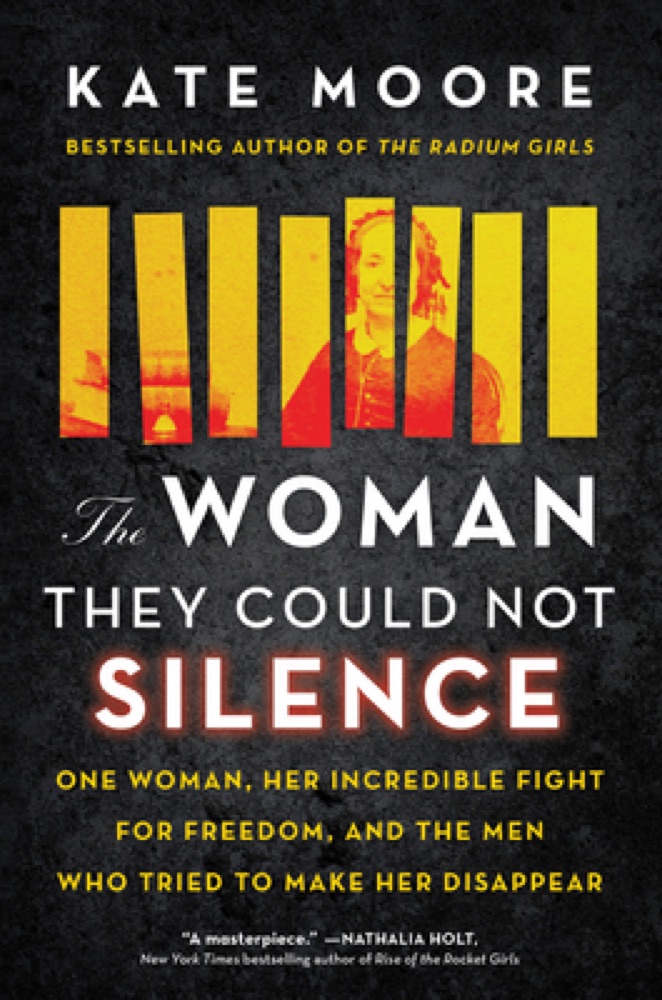
1860: As the clash between the states rolls slowly to a boil, Elizabeth Packard, housewife and mother of six, is facing her own battle. The enemy sits across the table and sleeps in the next room. Her husband of twenty-one years is plotting against her because he feels increasingly threatened - by Elizabeth's intellect, independence, and unwillingness to stifle her own thoughts. So Theophilus makes a plan to put his wife back in her place. One summer morning, he has her committed to an insane asylum.
The horrific conditions inside the Illinois State Hospital in Jacksonville, Illinois, are overseen by Dr. Andrew McFarland, a man who will prove to be even more dangerous to Elizabeth than her traitorous husband. But most disturbing is that Elizabeth is not the only sane woman confined to the institution. There are many rational women on her ward who tell the same story: they've been comm
Book details
- First published
- 2021
- Author
- Kate Moore
- Genre
- Nonfiction
- Goodreads rating
- 4.29 (44k ratings)
The buzz
- NPRReview in NPRprofessional review (via Book Marks)
- Kirkus ReviewsReview in Kirkus Reviewsprofessional review (via Book Marks)
- Publishers WeeklyReview in Publishers Weeklyprofessional review (via Book Marks)
- LibraryjournalReview in Libraryjournalprofessional review (via Book Marks)
- BooklistReview in Booklistprofessional review (via Book Marks)
- BookPageReview in BookPageprofessional review (via Book Marks)
Keep reading
The Benevolent Society of Ill-Mannered Ladies
 The Mad Women's Ball
 Women Talking
 The Bandit Queens
 Hour of the Witch
 The Devil and the Dark Water
 Of Women and Salt
 The Heretic's Daughter
 The Change
 America's Women: 400 Years of Dolls, Drudges, Helpmates, and Heroines
 When We Lost Our Heads
 Upright Women Wanted
 The Women's Room
 The Once and Future Witches
 Wicked: The Life and Times of the Wicked Witch of the West
 The Dream Hotel
 Witchcraft for Wayward Girls
 Appointment with Death
 Pavilion of Women: A Novel of Life in the Women's Quarters
 The Children Act
 An Extraordinary Union
 The Glass Books of the Dream Eaters
 I Never Promised You a Rose Garden
 Lone Women
 Alias Grace
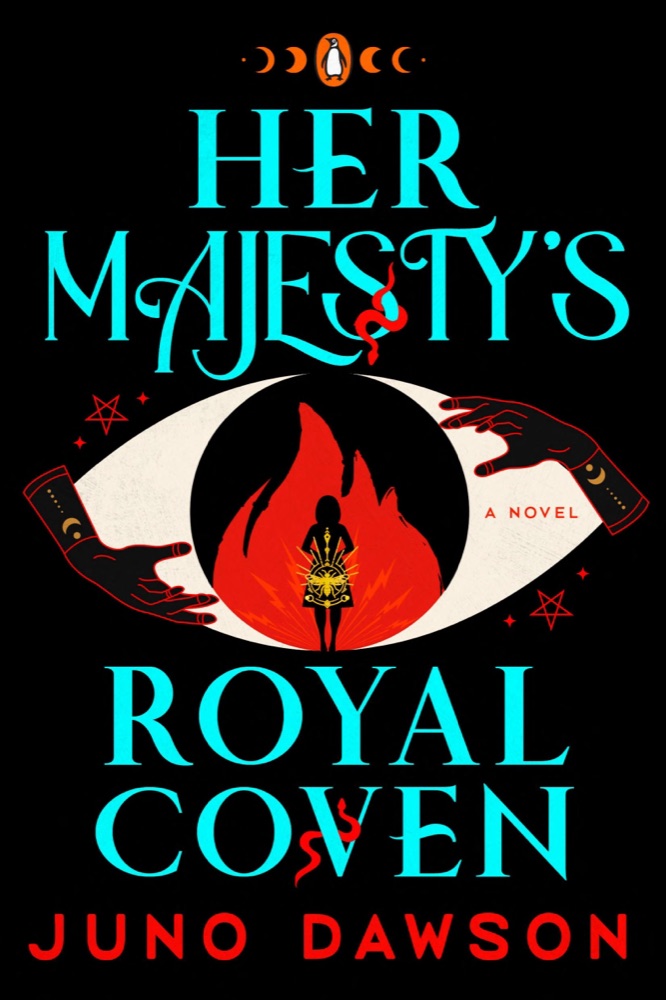 Her Majesty's Royal Coven
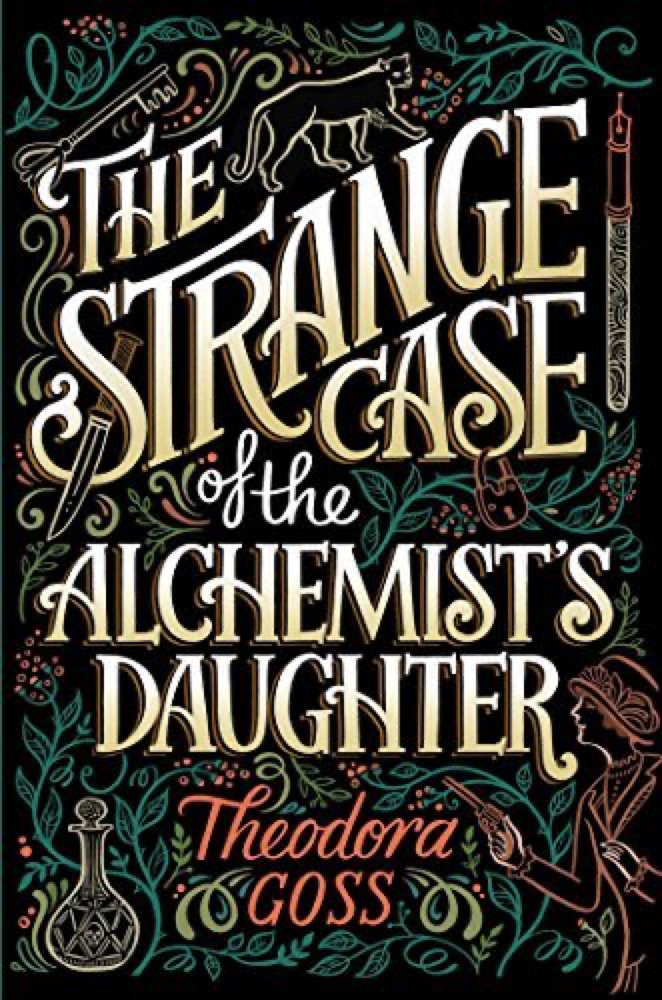 The Strange Case of the Alchemist's Daughter
 World Without End
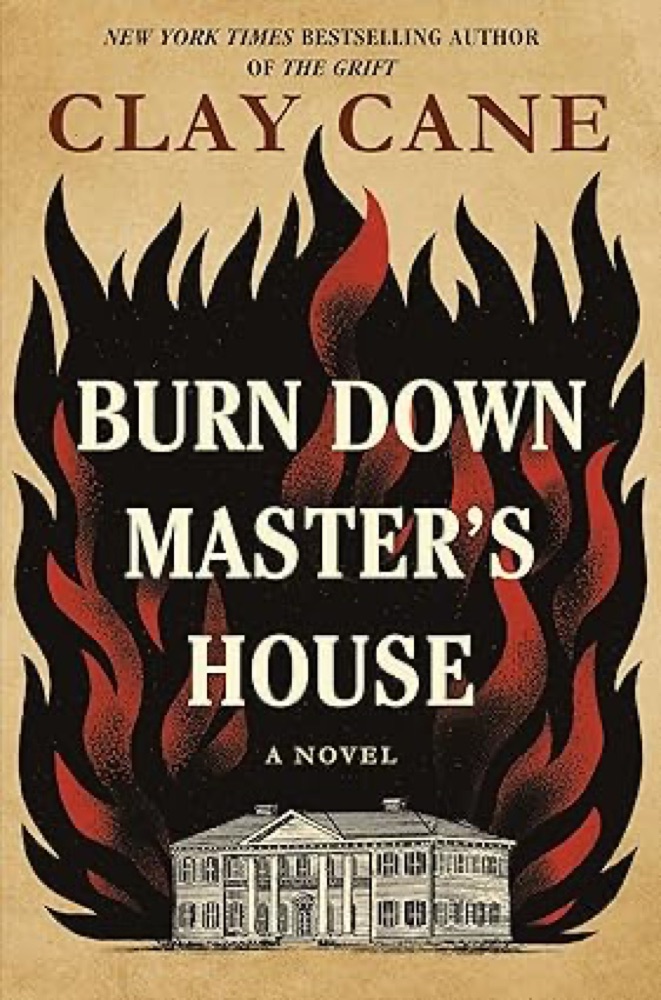 Burn Down Master's House
 Fool Me Twice
 Sybil: The Classic True Story of a Woman Possessed by Sixteen Personalities
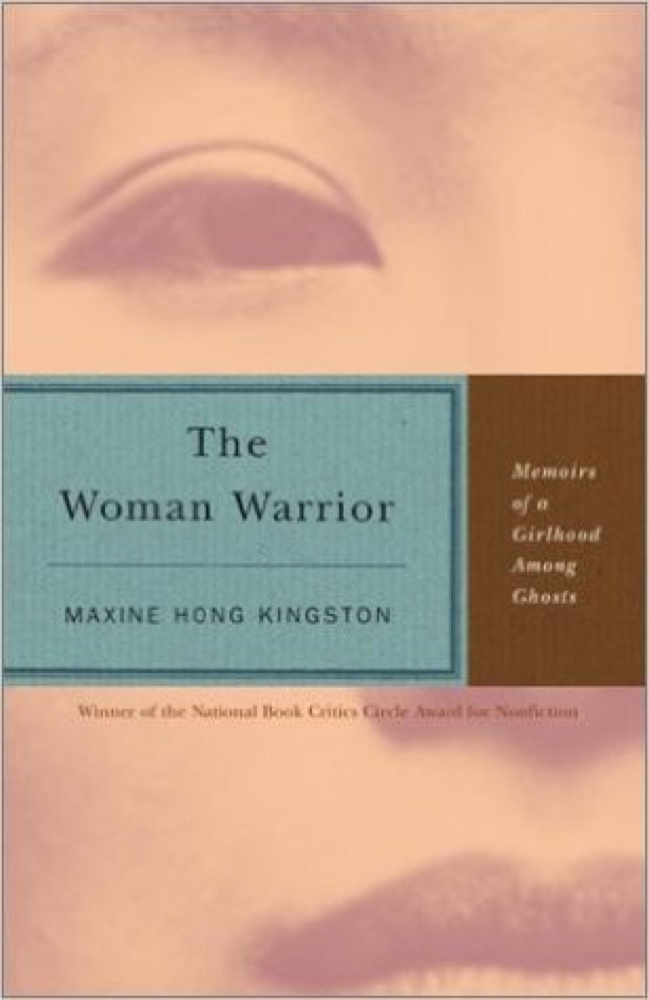 The Woman Warrior
 Woman on the Edge of Time
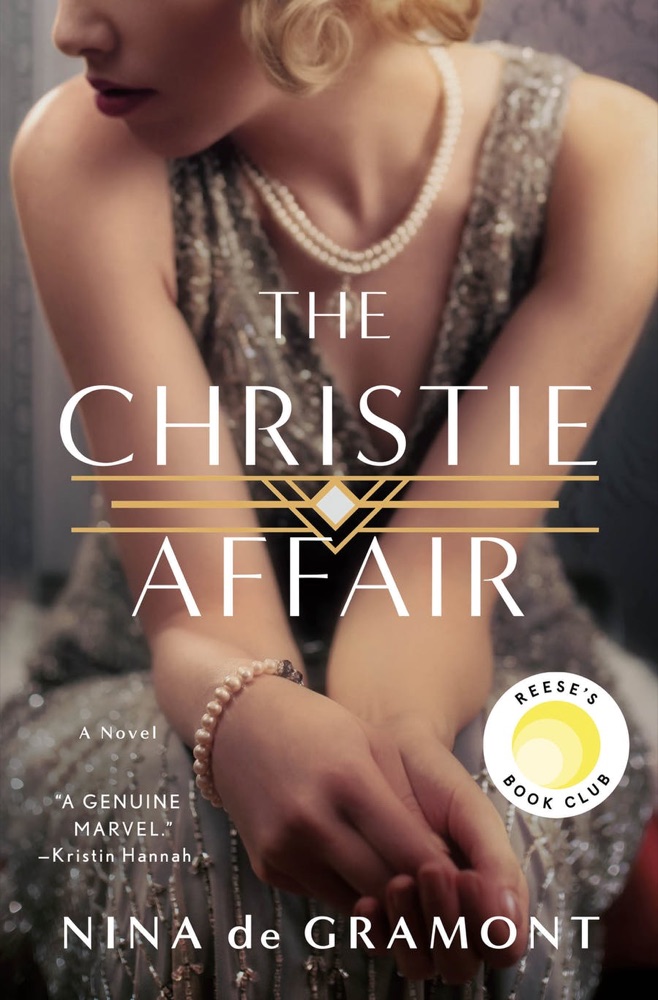 The Christie Affair
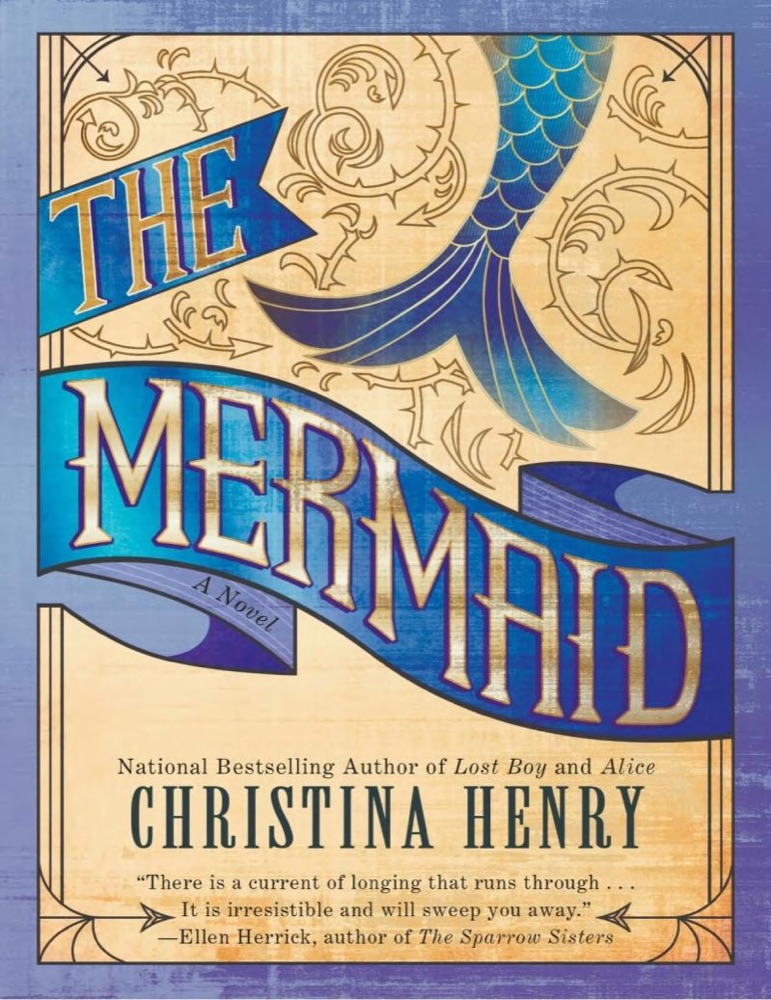 The Mermaid
 Tess of the D'Urbervilles
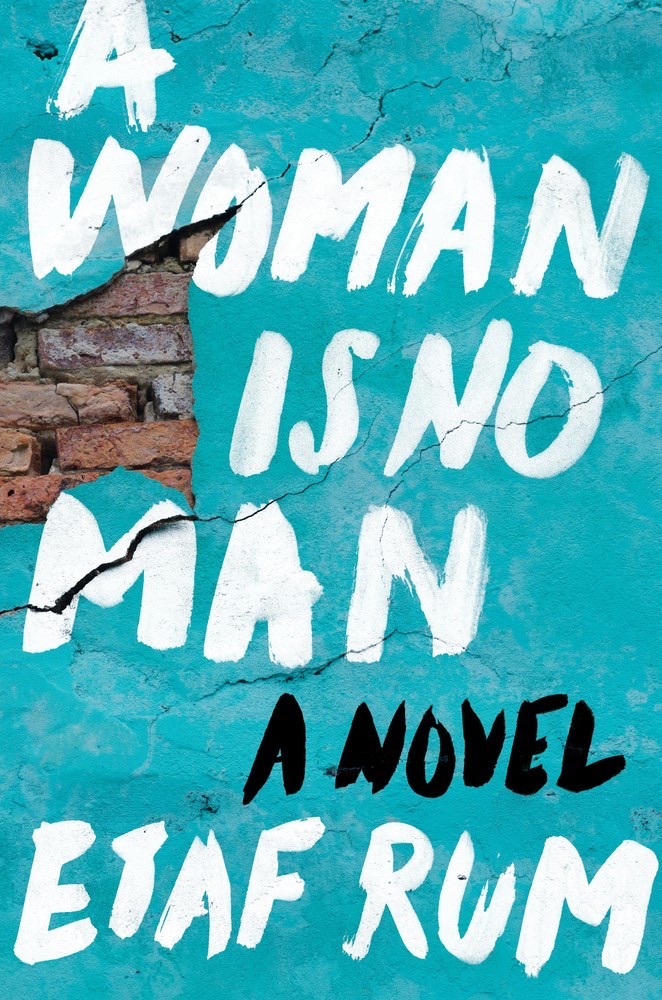 A Woman Is No Man
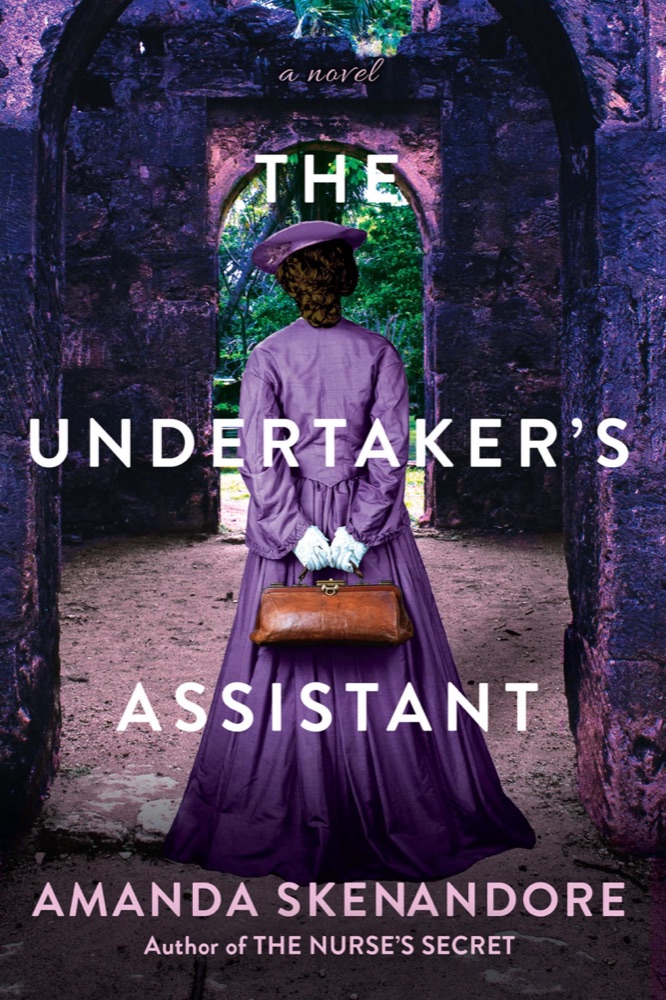 The Undertaker's Assistant
 The Robber Bride
 The Falls
 Native Tongue
 Herland
 A Reliable Wife
 Mislaid
 Romantic Outlaws: The Extraordinary Lives of Mary Wollstonecraft and Her Daughter Mary Shelley
 The Weight of Ink
 The Familiar
 The Fraud
 The Power
 Yesteryear
 The Traitor Baru Cormorant
 The Wayward Bus
 Uncle Silas
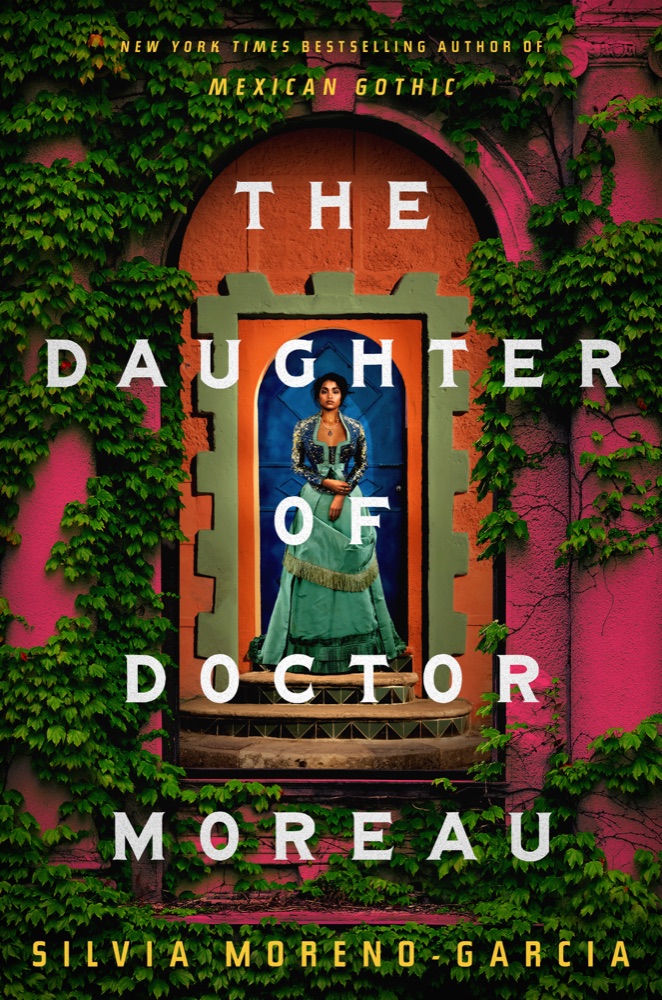 The Daughter of Doctor Moreau
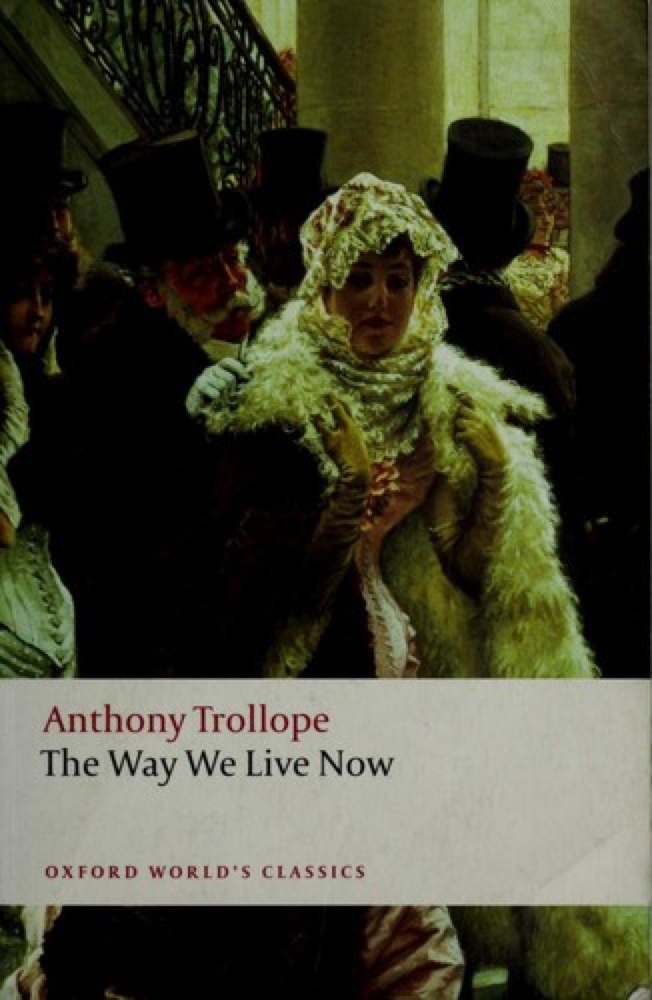 The Way We Live Now
 Hester
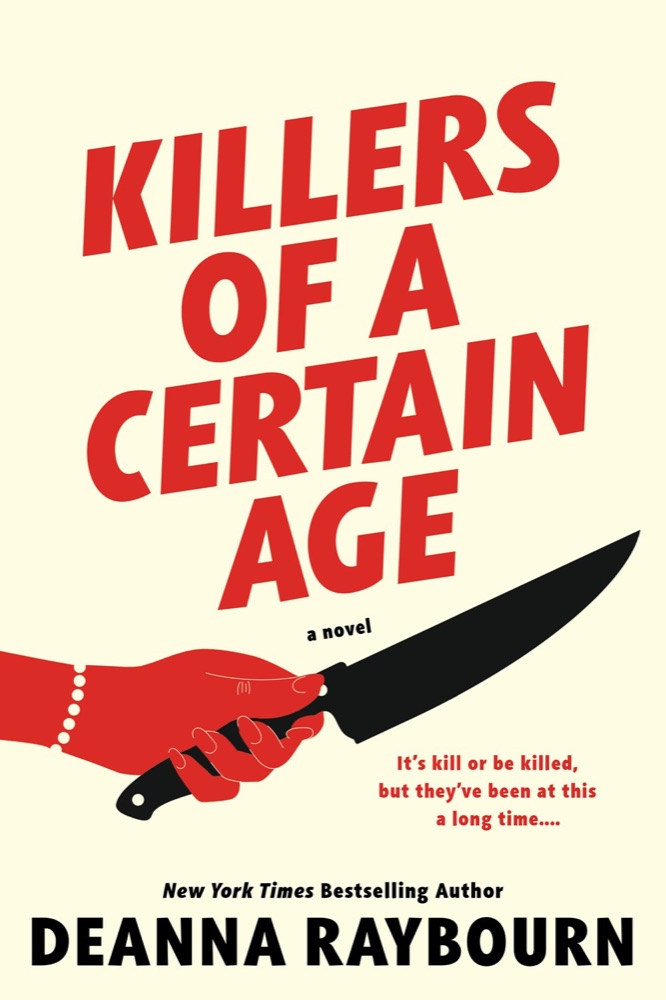 Killers of a Certain Age
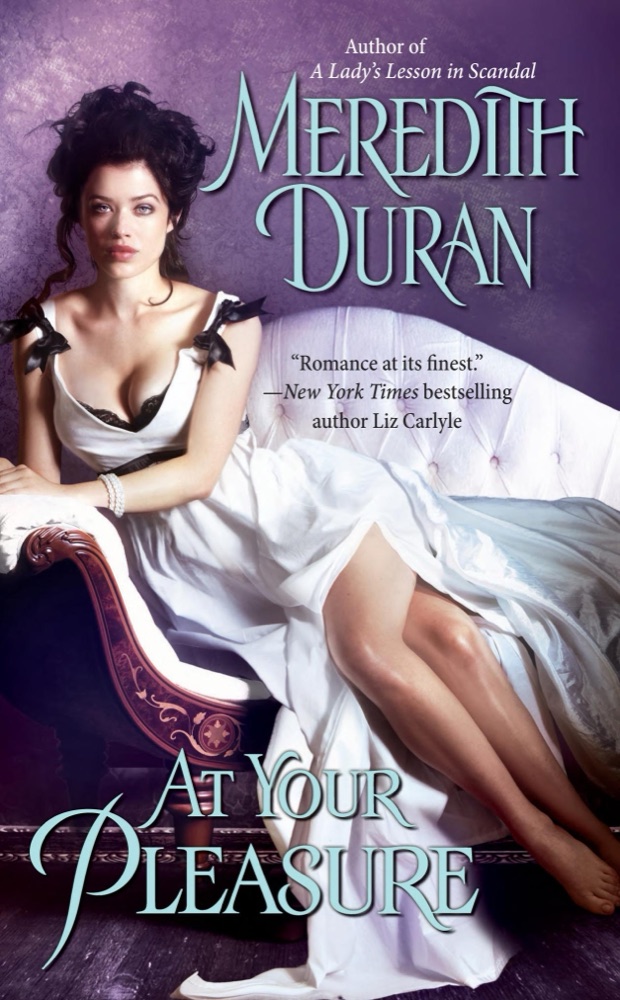 At Your Pleasure
 These Ghosts Are Family
 Main Street