
 The Amazing Maurice and His Educated Rodents
Quotes from the Book
She was already learning that if you ignore the rules people will, half the time, quietly rewrite them so that they don't apply to you.
The entire universe has been neatly divided into things to (a) mate with, (b) eat, (c) run away from, and (d) rocks.
She was also, by the standards of other people, lost. She would not see it like that. She knew where she was, it was just that everywhere else didn't.
...it is well known that a vital ingredient of success is not knowing that what you're attempting can't be done.
Million-to-one chances...crop up nine times out of ten.
Cutangle: While I'm still confused and uncertain, it's on a much higher plane, d'you see, and at least I know I'm bewildered about the really fundamental and important facts of the universe. Treatle: I hadn't looked at it like that, but you're absolutely right. He's really pushed back the boundaries of ignorance. They both savoured the strange warm glow of being much more ignorant than ordinary people, who were only ignorant of ordinary things.
That's one form of magic, of course." "What, just knowing things?" "Knowing things that other people don't know.
Animal minds are simple, and therefore sharp. Animals never spend time dividing experience into little bits and speculating about all the bits they've missed. The whole panoply of the universe has been neatly expressed to them as things to (a) mate with, (b) eat, (c) run away from, and (d) rocks. This frees the mind from unnecessary thoughts and gives it a cutting edge where it matters. Your normal animal, in fact, never tries to walk and chew gum at the same time. The average human, on the other hand, thinks about all sorts of things around the clock, on all sorts of levels, with interruptions from dozens of biological calendars and timepieces. There's thoughts about to be said, and private thoughts, and real thoughts, and thoughts about thoughts, and a whole gamut of subconscious thoughts. To a telepath the human head is a din. It is a railway terminus with all the Tannoys talking at once. It is a complete FM waveband- and some of those stations aren't reputable, they're outlawed pirates on forbidden seas who play late-night records with limbic lyrics.
Granny sighed. "You have learned something," she said, and thought it safe to insert a touch of sternness into her voice. "They say a little knowledge is a dangerous thing, but it is not one half so bad as a lot of ignorance.
They say a little knowledge is a dangerous thing, but it's not one half so bad as a lot of ignorance.
Granny bit her lip. She was never quite certain about children, thinking of them - when she thought about them at all – as coming somewhere between animals and people. She understood babies. You put milk in one end and kept the other as clean as possible. Adults were even easier, because they did the feeding and cleaning themselves. But in between was a world of experience that she had never really inquired about. As far as she was aware, you just tried to stop them catching anything fatal and hoped that it would all turn out all right.
It is well known that a vital ingredient of success is not knowing that what you're attempting can't be done. A person ignorant of the possibility of failure can be a half-brick in the path of the bicycle of history.
I'm not a lady, I'm a witch.
There would be a price... But if you were worried about the price, then why were you in the shop?
Everyone knew there were wolves in the mountains, but they seldom came near the village - the modern wolves were the offspring of ancestors that had survived because they had learned that human meat had sharp edges.
I saved a man's life once," said Granny. "Special medicine, twice a day. Boiled water with a bit of berry juice in it. Told him I'd bought it from the dwarves. That's the biggest part of doct'rin, really. Most people'll get over most things if they put their minds to it, you just have to give them an interest.
He had the kind of real deep tan that rich people spent ages trying to achieve with expensive holidays and bits of tinfoil, when really all you need to do to obtain one is work your arse off in the open air everyday.
For the first time in her life Granny wondered whether there might be something important in all these books people were setting store by these days, although she was opposed to books on strict moral grounds, since she had heard that many of them were written by dead people and therefore it stood to reason reading them would be as bad as necromancy. Among the many things in the infinitely varied universe with which Granny did not hold was talking to dead people, who by all accounts had enough troubles of their own.
At some time in the recent past someone had decided to brighten the ancient corridors of the University by painting them, having some vague notion that Learning Should Be Fun. It hadn’t worked. It’s a fact known throughout the universes that no matter how carefully the colors are chosen, institutional decor ends up as either vomit green, unmentionable brown, nicotine yellow or surgical appliance pink. By some little-understood process of sympathetic resonance, corridors painted in those colors always smell slightly of boiled cabbage—even if no cabbage is ever cooked in the vicinity.
They may have been ugly. They may have been evil. But when it came to poetry in motion, the Things had all the grace and coordination of a deck-chair.
Granny Weatherwax was a witch. That was quite acceptable in the Ramtops, and no one had a bad word to say about witches. At least, not if he wanted to wake up in the morning the same shape as he went to bed.
There are things so horrible that even the dark is afraid of them. Most people don't know this and this is just as well because the world could not really operate if everyone stayed in bed with the blankets over their head, which is what would happen if people knew what horrors lay a shadow's width away.
And what are you doing on it, I would like to know? Running away from home, yesno? If you were a boy I'd say are you going to seek your fortune?" "Can't girls seek their fortune?" "I think they're supposed to seek a boy with a fortune.
She told me that if magic gives people what they want, then not using magic can give them what they need.
Hilta laughed like someone who had thought hard about Life and had seen the joke.
She gazed out across the rooftops of Ankh-Morpork and reasoned like this: writing was only the words that people said, squeezed between layers of paper until they were fossilized (fossils were well known on the Discworld, great spiraled shells and badly constructed creatures that were left over from the time when the Creator hadn't really decided what He wanted to make and was, as it were, just idly messing around with the Pleistocene). And the words people said were just shadow of real things. But some things were too big to be really trapped in words, and even the words were too powerful to be completely tamed by writing.
Esk felt that bravery was called for, but on a night like this bravery lasted only as long as a candle stayed alight.
It was long after midnight and the stars looked damp and chilly; the air was full of the busy silence of the night, which is created by hundreds of small furry things treading very carefully in the hope of finding dinner while avoiding being the main course.
Although she was aware that somewhere under her complicated strata of vests and petticoats there was some skin, that didn't mean to say she approved of it.
Did you know?
- Equal Rites is the third novel in Terry Pratchett's Discworld series.
- It is the first Discworld novel whose main character is not the wizard Rincewind.
- The book introduces the witch Granny Weatherwax, a character who recurs throughout the series.
- It is considered the first of the Discworld 'Witches' storyline.
- The title is a pun on the phrase 'equal rights.'
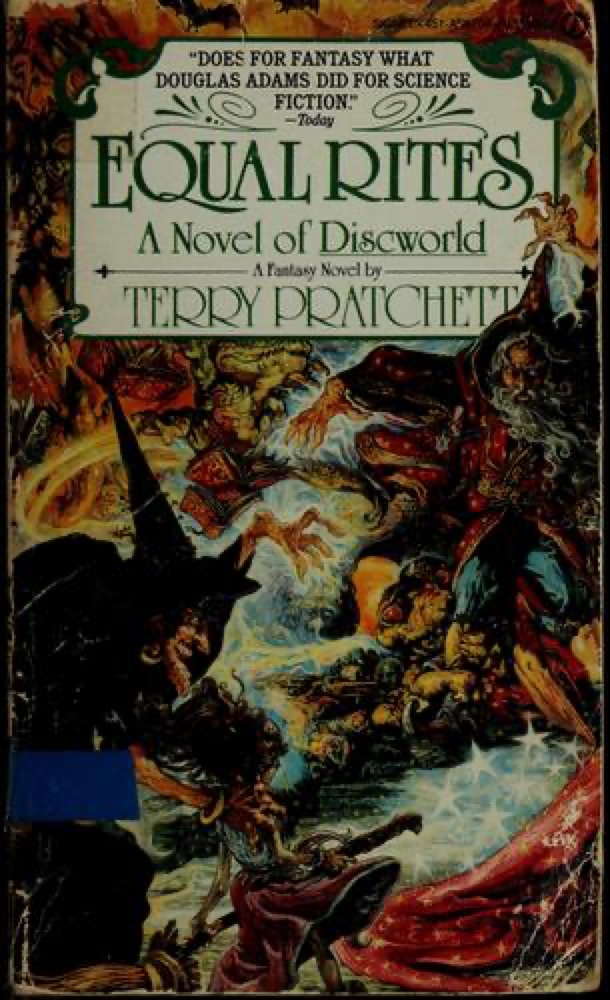
- It was published by Victor Gollancz in January 1987 with a wrap-around cover illustration by Josh Kirby.
About Terry Pratchett
Sir Terry Pratchett (1948-2015) was an English author, humorist, and satirist best known for the Discworld series of 41 comic fantasy novels published between 1983 and 2015. He was the UK's bestselling author of the 1990s and co-wrote Good Omens with Neil Gaiman.
More about the author →More by Terry Pratchett
All books by Terry Pratchett →
About the book
Equal Rites is a 1987 comic fantasy novel by Terry Pratchett, the third book in his long-running Discworld series. When the dying wizard Drum Billet passes his staff of power to what he assumes is the eighth son of an eighth son, he neglects to check the newborn's sex, and the magic instead settles on a baby girl, Eskarina Smith. As Esk grows up in the mountain village of Bad Ass under the watchful eye of the witch Granny Weatherwax, it becomes clear that wizardry cannot simply be ignored, and the two set out for the Unseen University in Ankh-Morpork, where women have never been admitted as wizards.
At its heart the novel is a satire of a rigid magical establishment that insists wizardry belongs to men and witchcraft to women. Pratchett plays the title as a pun on 'equal rights,' and much of the story's comedy and warmth come from Esk's refusal to accept those boundaries and from Granny Weatherwax's clash with the patriarchal traditions of the University. The book weighs different kinds of power against one another and suggests that the greatest strength can lie in restraint rather than force.
Equal Rites marks the first Discworld novel not centered on the wizard Rincewind and introduces Granny Weatherwax, who would go on to become one of Pratchett's most beloved recurring characters and the anchor of the series' Witches storyline. Blending farce, fairy-tale structure, and pointed social commentary, it helped establish the tone that made Discworld one of the most successful fantasy series in English publishing.
Key characters
- Eskarina SmithThe girl who accidentally inherits a wizard's staff and becomes the Disc's first female wizard
- Granny WeatherwaxThe stern village witch who mentors Esk and challenges the wizards
- Drum BilletThe dying wizard who passes on his staff without checking the newborn's sex
- SimonA gifted apprentice wizard whose experiments open dangerous rifts
- Archchancellor CutangleHead of the Unseen University who spars with Granny Weatherwax
Book details
- First published
- 1987
- Length
- 336 pages
- Reading time
- 5 hours
- Author
- Terry Pratchett
- Genre
- Fiction
- Goodreads rating
- 4.07 (204k ratings) →
- First line
- “The last thing the wizard Drum Billet did, before Death laid a bony hand on his shoulder, was to pass on his staff of power to the eighth son of an eighth son.”
Series & reading order
- 1 The Colour of Magic
- 2 The Light Fantastic
- 3 Equal Rites
If you liked this, read…
- 1Wyrd SistersThe next Discworld Witches novel, featuring Granny Weatherwax
- 2The Colour of MagicThe first Discworld novel, establishing the world and its comic tone
Keep reading
 Lords and Ladies
 Unseen Academicals
 Wintersmith
 Out of Oz
 The Absolute Book
 Mostly Harmless
 Egg & Spoon
 The Diamond Age
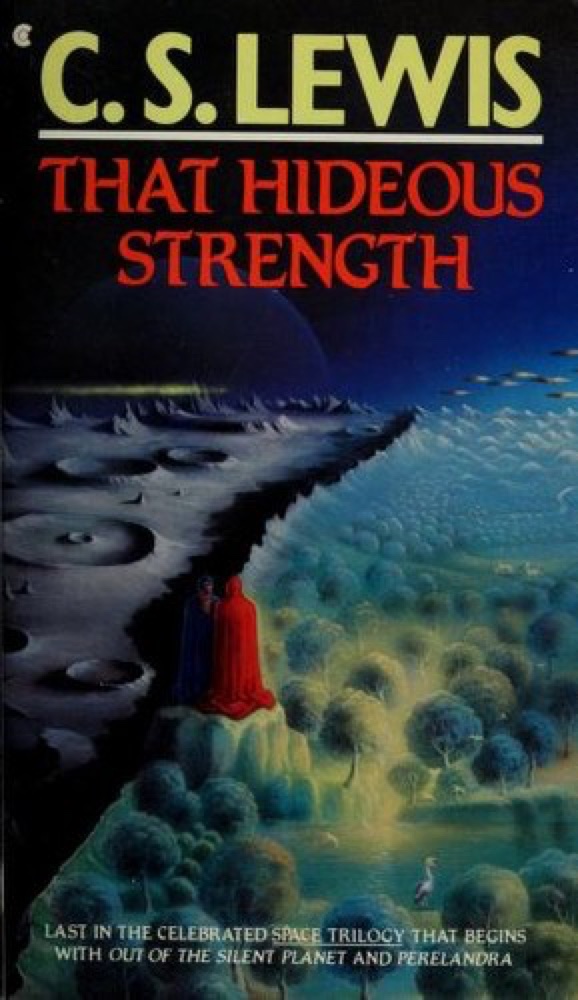 That Hideous Strength
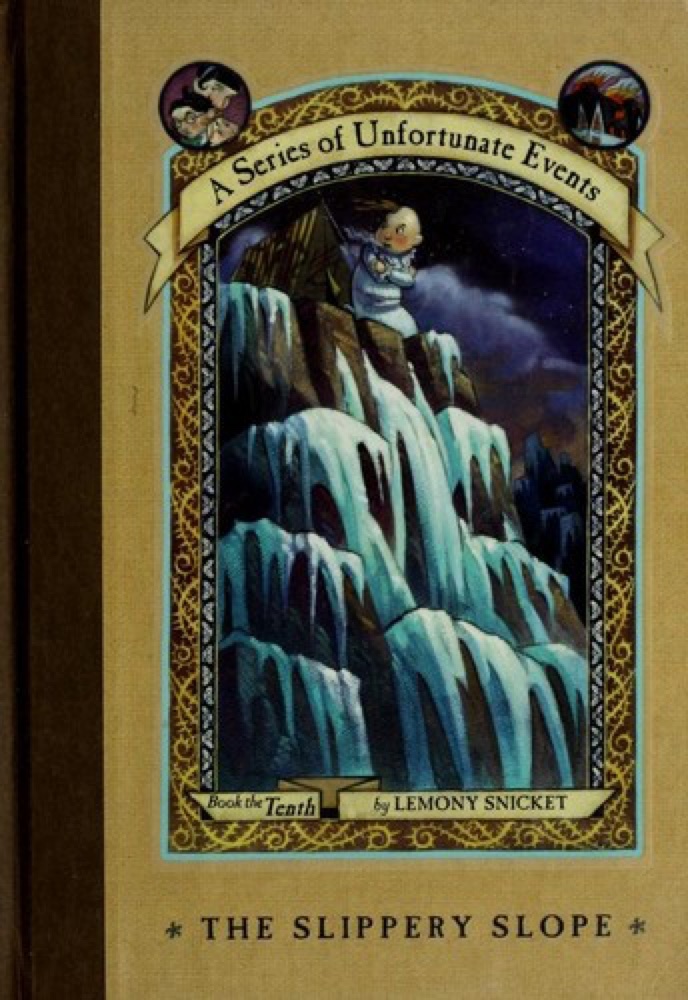 The Slippery Slope
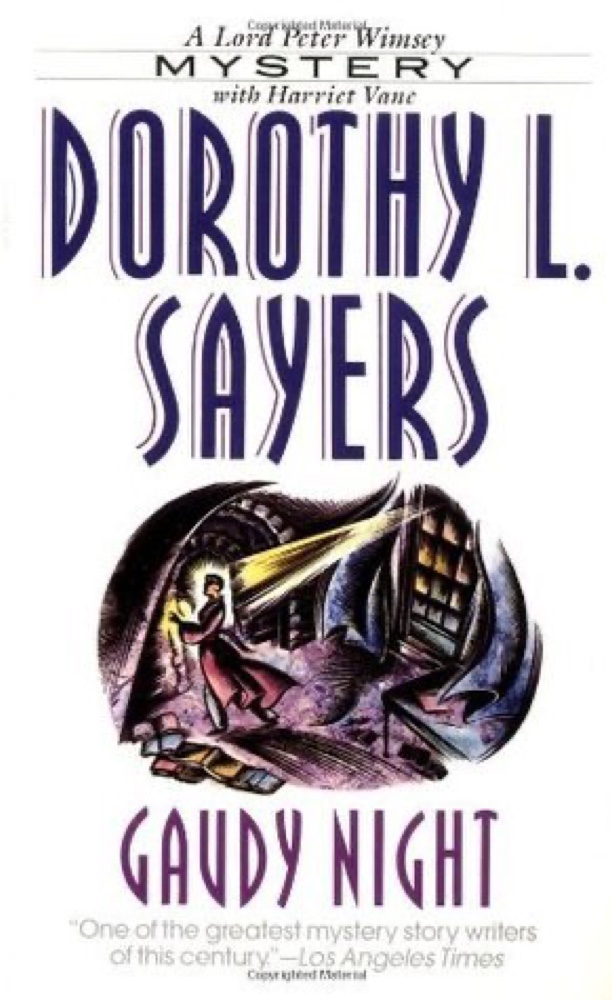 Gaudy Night
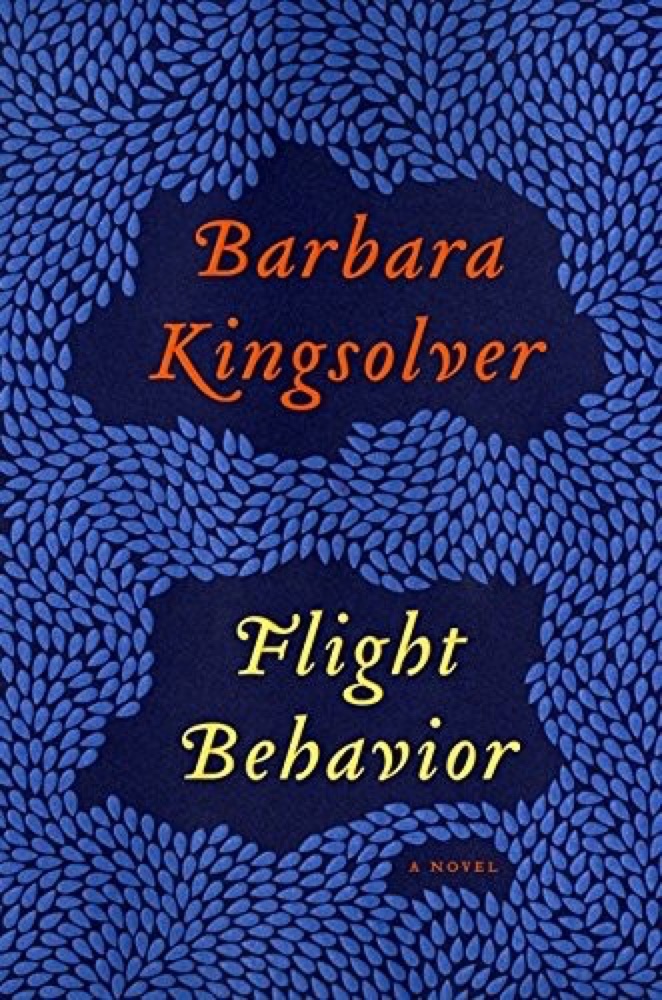 Flight Behavior
 The Subtle Knife
 Son of a Witch
 White Night
 Sometimes a Great Notion
 The Aeronaut's Windlass
 Speaking from Among the Bones
 Shades of Grey
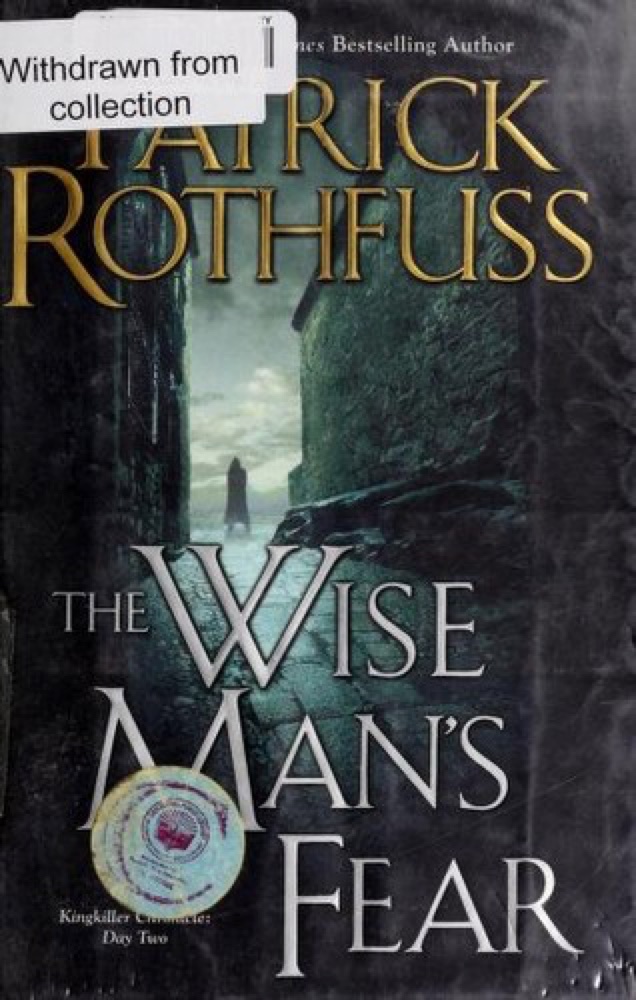 The Wise Man's Fear
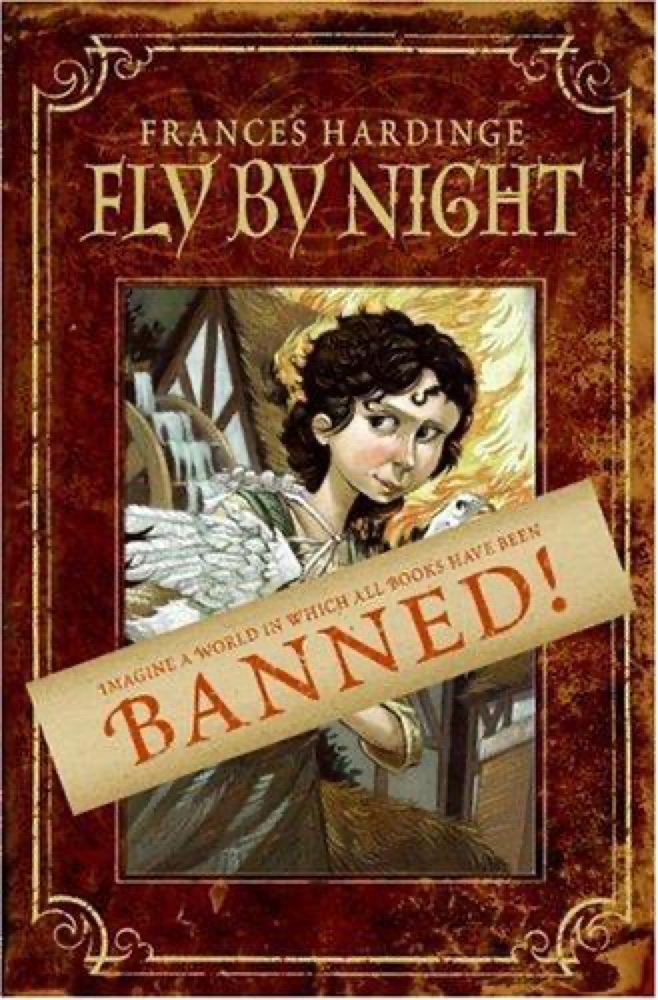 Fly by Night
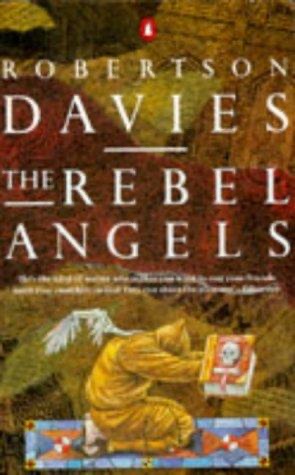 The Rebel Angels
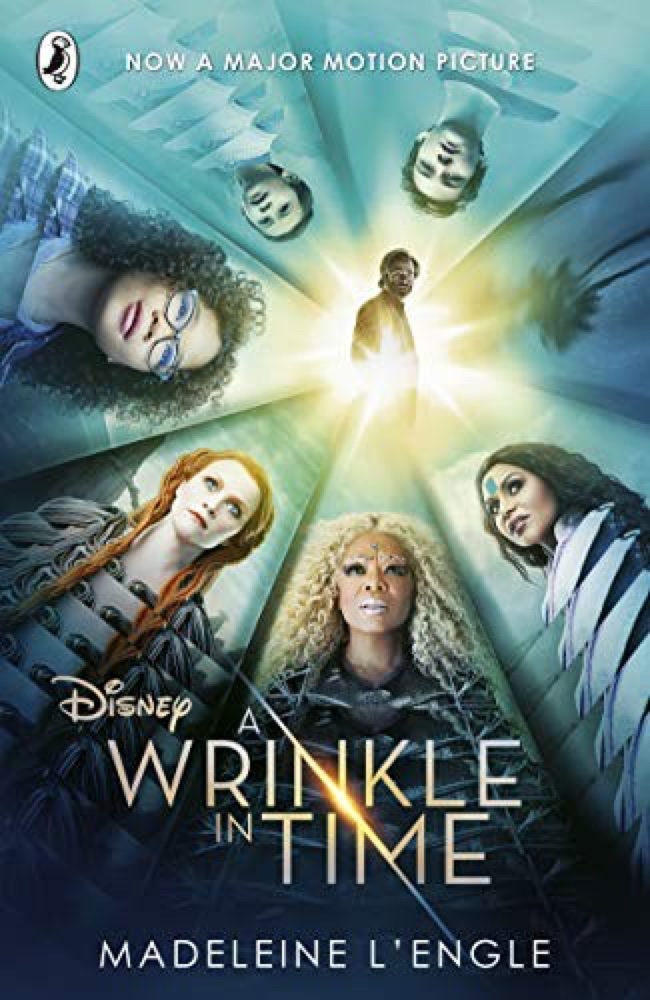 A Wrinkle in Time
 All the Birds in the Sky
 Saint Odd
 NOS4A2
 Hemlock & Silver
 The Penultimate Peril
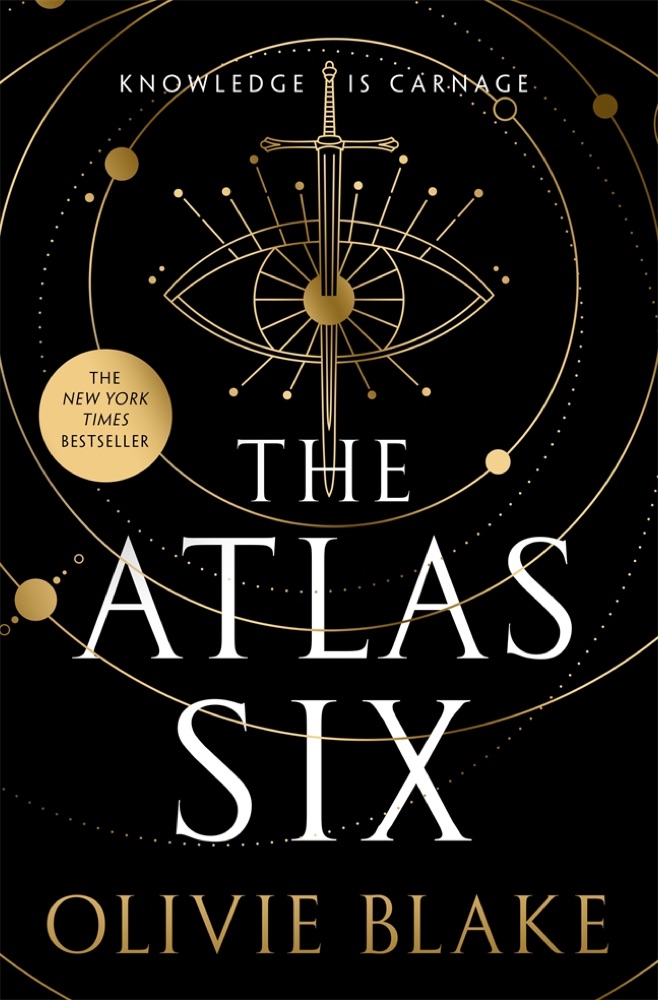 The Atlas Six
 The Jewel in the Crown
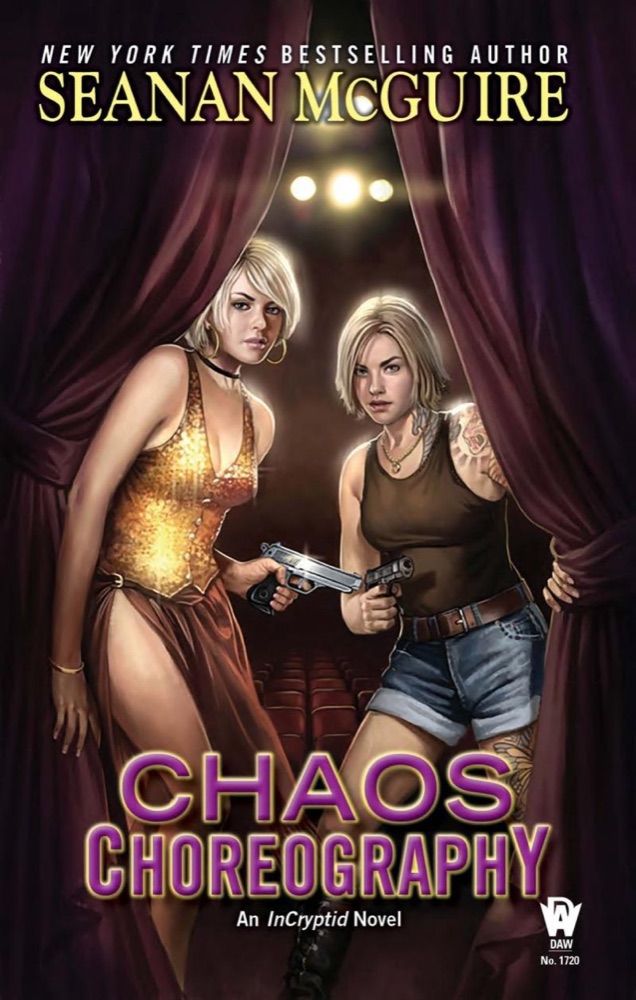 Chaos Choreography
 The Long Dark Tea-Time of the Soul
 Skinny Legs and All
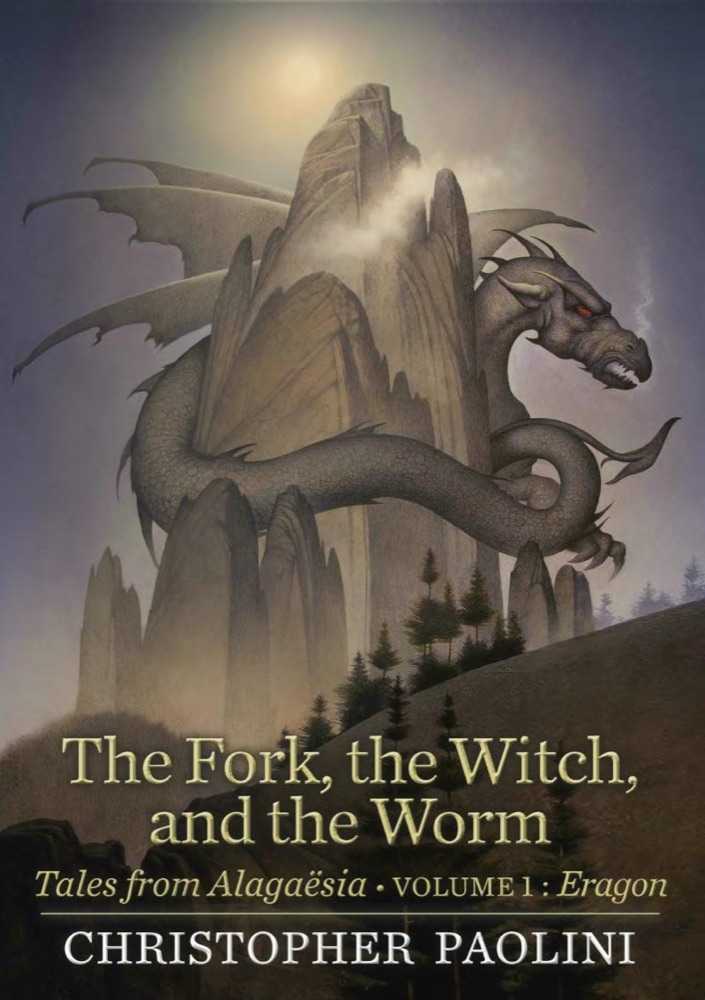 The Fork, the Witch, and the Worm: Eragon
 Down Among the Sticks and Bones
 False Memory
 Too Much Happiness: Stories
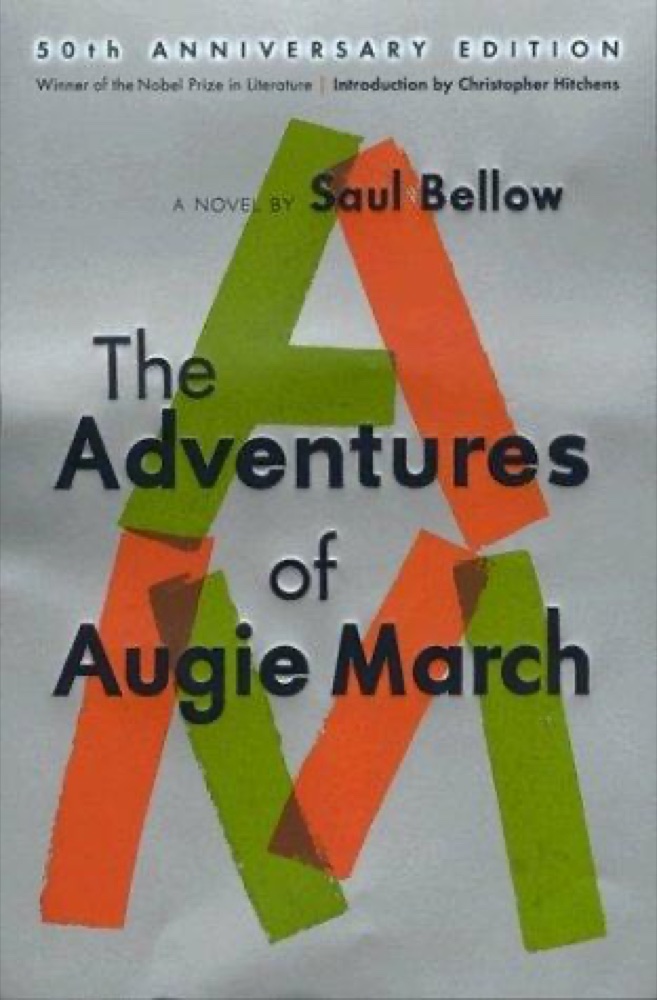 The Adventures of Augie March
 Gingerbread
 Shouldn't You Be in School?
 Authority
 Prelude to Foundation
 The Golden Compass
 Practical Demonkeeping
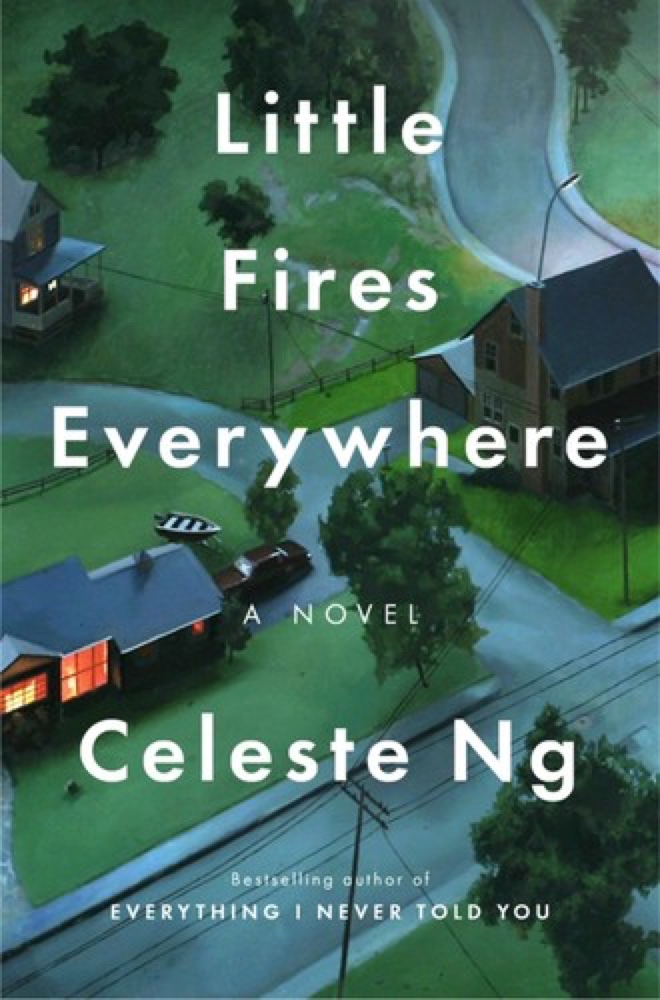 Little Fires Everywhere
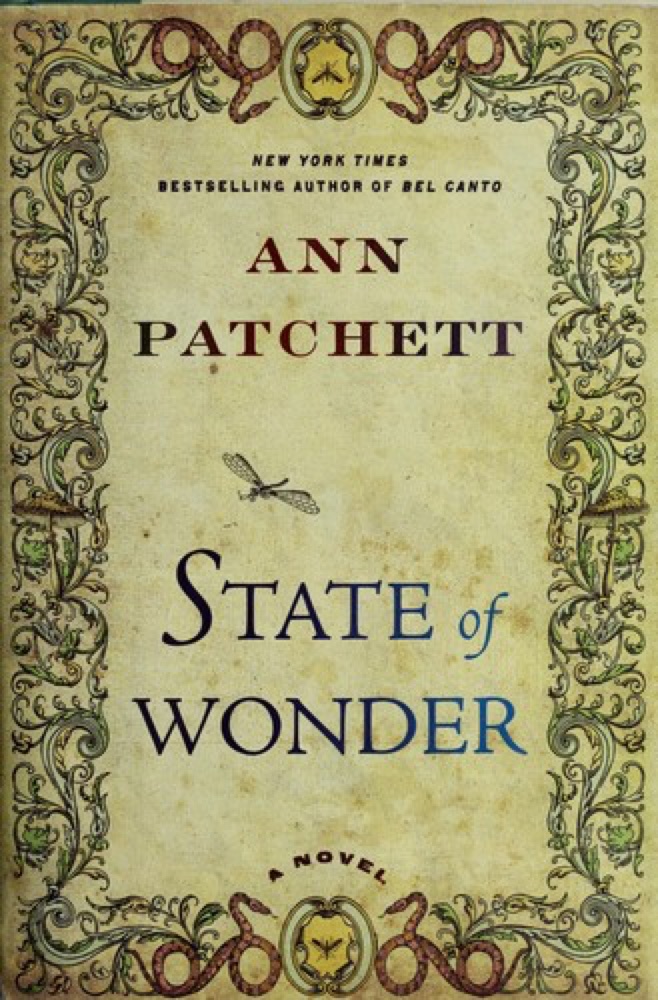 State of Wonder
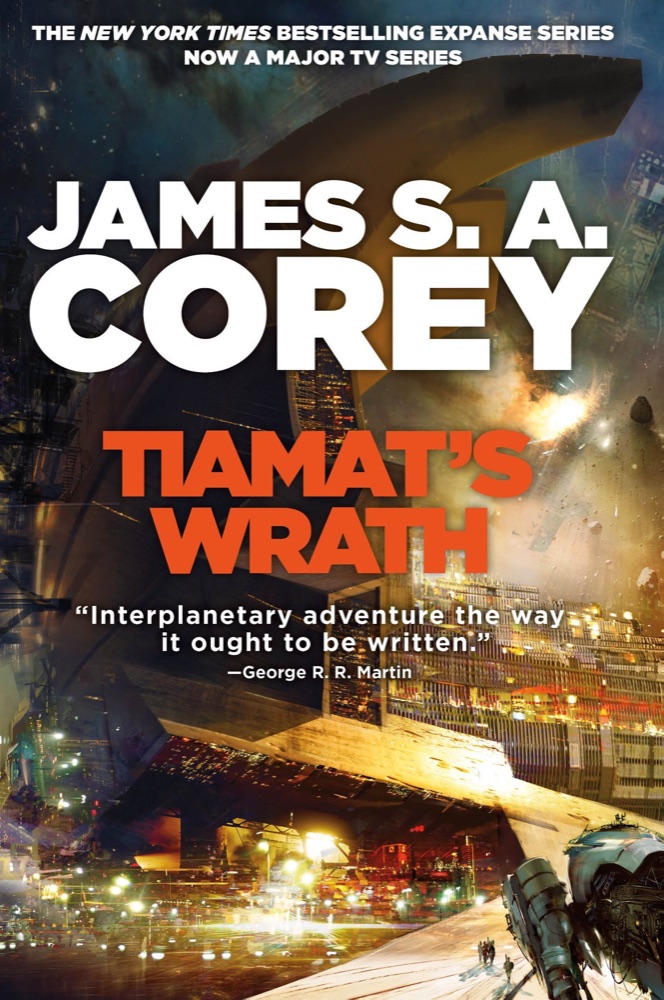 Tiamat's Wrath
 Old Babes in the Wood: Stories
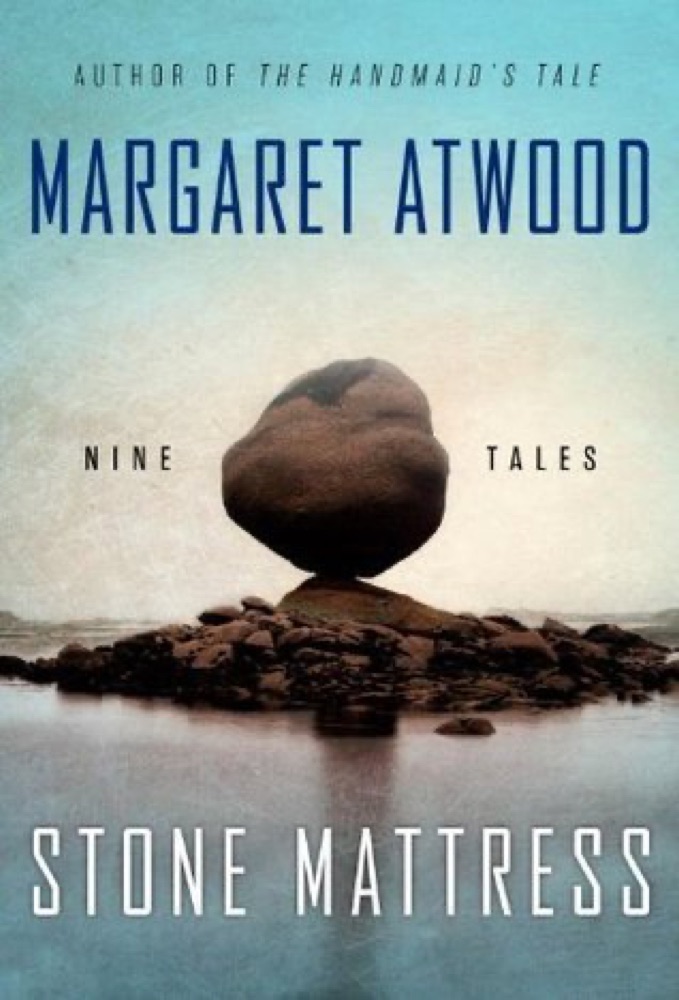 Stone Mattress: Nine Tales
 Aru Shah and the End of Time
 Turn Coat
 The Gilded Wolves
 Beneath the Sugar Sky
 Thrice the Brinded Cat Hath Mew'd
 The Gone-Away World
 The Children's Book
 The Moonstone
 A Madness of Angels
 Ancillary Sword
 Towers of Midnight