 Tractatus Logico-Philosophicus
Quotes from the Book
Even if life as a whole is meaningless, perhaps that's nothing to worry about. Perhaps we can recognise it and just go on as before.
28
The most radical conclusion to draw from this would be that your mind is the only thing that exists.
9
Our idea of the things that exist is just our idea of what we can observe.
6
Life may be not only meaningless but absurd.
5
If you can't prove that anything exists outside you own mind, is it all right to go on believing in the external world anyway?
2
The question whether moral requirements are universal comes up not only when we compare the motives of different individuals, but also when we compare the moral standards that are accepted in different societies and at different times. Many things that you probably think are wrong have been accepted as morally correct by large groups of people in the past: slavery, serfdom, human sacrifice, racial segregation, denial of religious and political freedom, hereditary caste systems. And probably some things you now think are right will be thought wrong by future societies. Is it reasonable to believe that there is some single truth about all this, even though we can't be sure what it is? Or is it more reasonable to believe that right and wrong are relative to a particular time and place and social background?
1
The sum total of a person’s experiences, desires and knowledge, his hereditary constitution, the social circumstances and the nature of the choice facing him, together with other factors that we may not know about, all combine to make a particular action in the circumstances inevitable.
1
Physical science has progressed by leaving the mind out of what it tries to explain, but there may be more to the world than can be understood by physical science.
1
Philosophy is different from science and from mathematics. Unlike science it doesn't rely on experiments or observation, but only on thought. And unlike mathematics it has no formal methods of proof. It is done just by asking questions, arguing, trying out ideas and thinking of possible arguments against them, and wondering how our concepts really work. The main concern of philosophy is to question and understand common ideas that all of us use every day without thinking about them. A historian may ask what happened at some time in the past, but a philosopher will ask, "What is time?" A mathematician may investigate the relations among numbers, but a philosopher will ask, "What is a number?" A physicist will ask what atoms are made of or what explains gravity, but a philosopher will ask how we can know there is anything outside of our own minds. A psychologist may investigate how children learn a language, but a philosopher will ask, "What makes a word mean anything?" Anyone can ask whether it's wrong to sneak into a movie without paying, but a philosopher will ask, "What makes an action right or wrong?" We couldn't get along in life without taking the ideas of time, number, knowledge, language, right and wrong for granted most of the time; but in philosophy we investigate those things themselves. The aim is to push our understanding of the world and ourselves a bit deeper. Obviously, it isn't easy. The more basic the ideas you are trying to investigate, the fewer tools you have to work with. There isn't much you can assume or take for granted. So philosophy is a somewhat dizzying activity, and few of its results go unchallenged for long.
1
Kendimize kendi "dışımızdan" gelen bir anlam yüklemek istiyoruz. Eğer yaşamımız bir bütün olarak anlamsız görünürse, o zaman bir parçamız -her zaman omuzlarımız üzerinden ne yaptığımıza bakan parçamız- tatminsizlik hisseder. Çoğu insanın çabaları, özellikle de hayatlarını devam ettirmeye ve refaha yönelik çabalarından ziyade ciddi hırslara hizmet eden çabaları, enerjilerinin bir kısmını bir önemlilik hissinden -yaptığınız şeyin sadece sizin için önemli olmadığı, daha büyük anlamda bir önem taşıdığı, sürekli bir önemi bulunduğu hissinden- alırlar. Bundan vazgeçmemiz gerekirse, o bizi yelkenlerimizi suya indirmekle tehdit edebilir. Eğer yaşam gerçek değilse, yaşamın amacı yoksa ve yaşamın sonu nihayette kabir ise belki kendimizi bu kadar ciddiye almak gülünçtür. Öte yandan, eğer kendimizi ciddiye almadan yapamıyorsak belki de sadece gülünç olmaya katlanmak zorundayızdır. Yaşam sadece anlamsız değil, saçma da olabilir.
Impressions and appearances that do not correspond to reality must be contrasted with others that do correspond to reality, or else the contrast between appearance and reality is meaningless.
Si yo fuera solipsista, probablemente no habría escrito este libro, pues no creería que hubiese alguien más que lo leyera.
There may or may not be an external world, and if there is it may or may not be completely different from how it seems to you—there’s no way for you to tell. This view is called skepticism about the external world.
Watch on YouTube
About Thomas Nagel
We have collected 13 quotes from 1 book by Thomas Nagel on BookQuoters.
More about the author →About the book
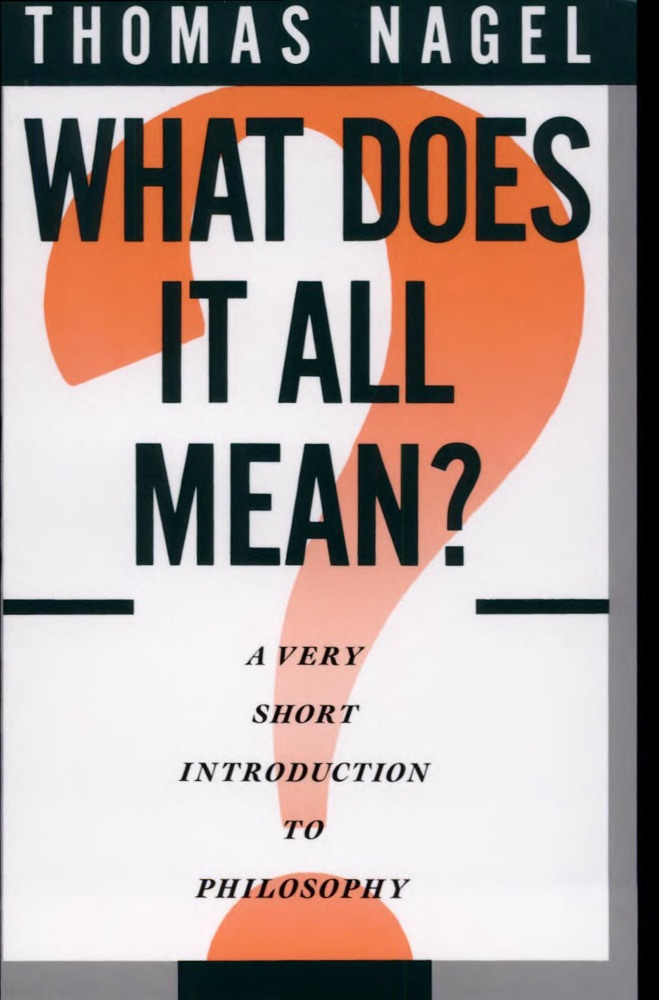
In this cogent and accessible introduction to philosophy, the distinguished author of Mortal Questions and The View From Nowhere sets forth the central problems of philosophical inquiry for the beginning student. Arguing that the best way to learn about philosophy is to think about its questions directly, Thomas Nagel considers possible solutions to nine problems--knowledge of the world beyond our minds, knowledge of other minds, the mind-body problem, free will, the basis of morality, right and wrong, the nature of death, the meaning of life, and the meaning of words. Although he states his own opinions clearly, Nagel leaves these fundamental questions open, allowing students to entertain other solutions and encouraging them to think for themselves.
Book details
- First published
- 1987
- Author
- Thomas Nagel
- Genre
- Philosophy
- Goodreads rating
- 3.63 (7k ratings)
Keep reading
Tractatus Logico-Philosophicus
 The Problems of Philosophy
 Think: A Compelling Introduction to Philosophy
 An Enquiry Concerning Human Understanding
 Why Does the World Exist?: An Existential Detective Story
 The Meaning of It All: Thoughts of a Citizen-Scientist
 Existential Physics: A Scientist's Guide to Life's Biggest Questions
 The Big Picture: On the Origins of Life, Meaning, and the Universe Itself
 Metaphysics
 The Wisdom of Insecurity: A Message for an Age of Anxiety
 Science and Sanity: An Introduction to Non-Aristotelian Systems and General Semantics
 Critique of Pure Reason
 God's Debris: A Thought Experiment
 An Essay Concerning Human Understanding
 The World as Will and Representation, Vol 1
 A Universe from Nothing: Why There Is Something Rather Than Nothing
 The Myth of Sisyphus
 Phenomenology of Perception
 Genesis
 What Do You Care What Other People Think?
 Pensées
 Philosophical Investigations
 The Book: On the Taboo Against Knowing Who You Are
 The Grand Design
 Sophie's World
 The Fourth Way
 The Master and His Emissary: The Divided Brain and the Making of the Western World
 Our Mathematical Universe: My Quest for the Ultimate Nature of Reality
 Helgoland: Making Sense of the Quantum Revolution
 But What If We're Wrong? Thinking About the Present As If It Were the Past
 Dialogues Concerning Natural Religion
 Myths to Live By
 Maps of Meaning: The Architecture of Belief
 Living with a Wild God: A Nonbeliever's Search for the Truth about Everything
 A Brief History of Thought: A Philosophical Guide to Living
 The Way of Zen
 Rationality: From AI to Zombies
 The Perennial Philosophy
 21 Lessons for the 21st Century
 Irrational Man: A Study in Existential Philosophy
 The Conspiracy Against the Human Race
 Foucault's Pendulum
 The Crisis of the Modern World
 Why People Believe Weird Things: Pseudoscience, Superstition, and Other Confusions of Our Time
 Intuition: Knowing Beyond Logic
 Being and Time
 Black Holes and Baby Universes and Other Essays
 The Origin of Consciousness in the Breakdown of the Bicameral Mind
 Buddhism Plain & Simple: The Practice of Being Aware, Right Now, Every Day
 A Treatise of Human Nature
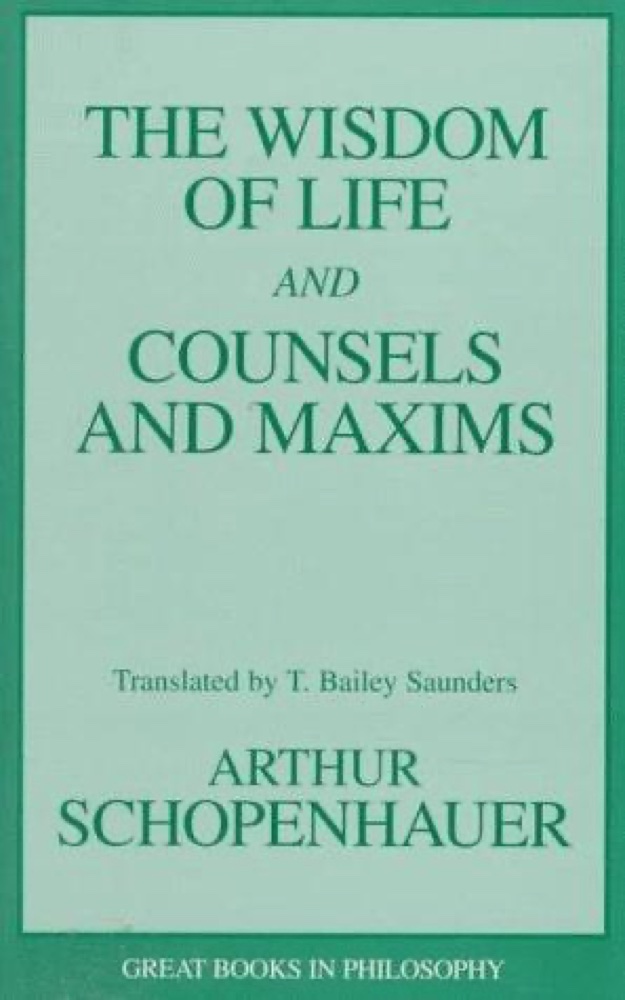 The Wisdom of Life
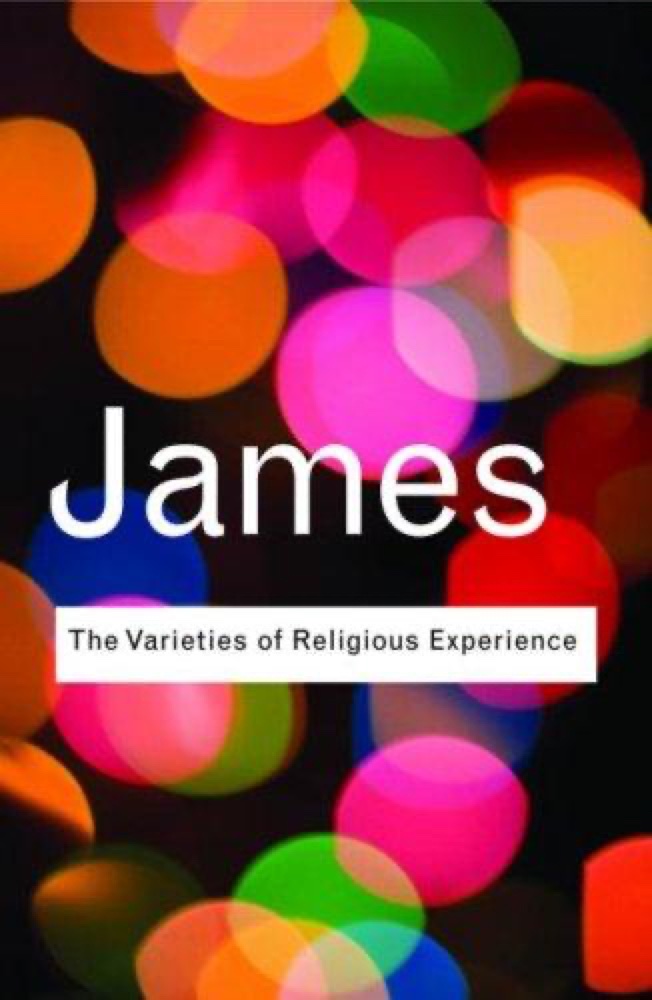 The Varieties of Religious Experience
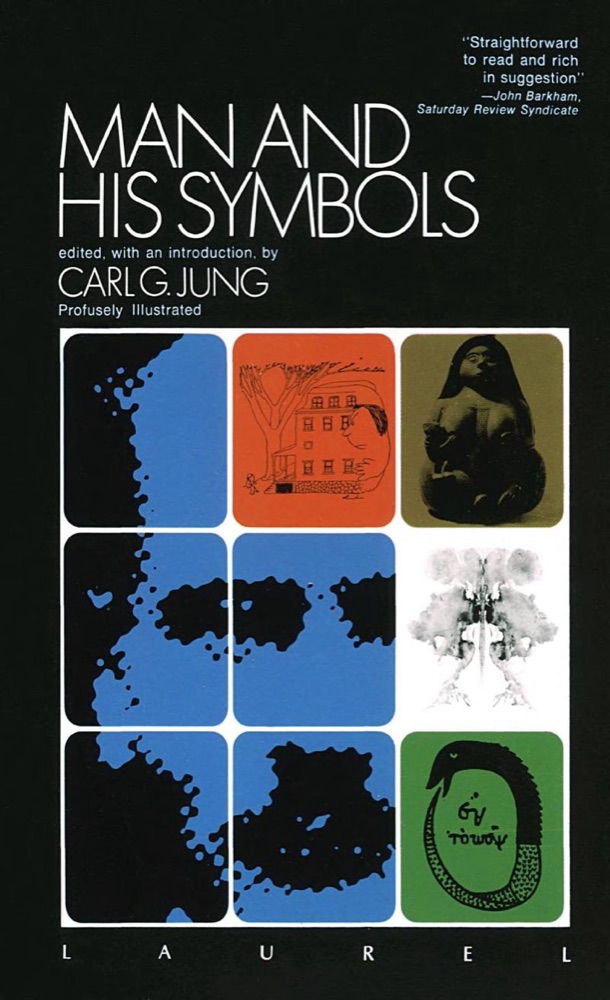 Man and His Symbols
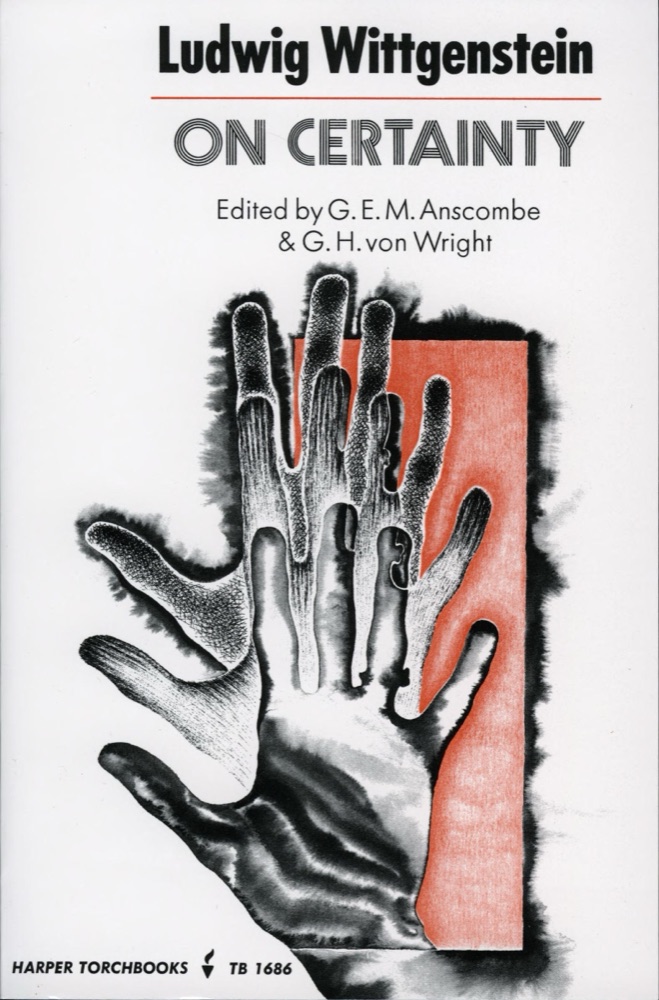 On Certainty
 The Varieties of Scientific Experience: A Personal View of the Search for God
 Consilience: The Unity of Knowledge
 The Three-Body Problem
 Zen and the Art of Motorcycle Maintenance
 A History of Western Philosophy
 Truth and Method