 Somebody's Daughter
Quotes from the Book
A mother’s heart breaks a million ways in her lifetime.
104
It is often said that the first sound we hear in the womb is our mother’s heartbeat. Actually, the first sound to vibrate our newly developed hearing apparatus is the pulse of our mother’s blood through her veins and arteries. We vibrate to that primordial rhythm even before we have ears to hear. Before we were conceived, we existed in part as an egg in our mother’s ovary. All the eggs a woman will ever carry form in her ovaries while she is a four-month-old fetus in the womb of her mother. This means our cellular life as an egg begins in the womb of our grandmother. Each of us spent five months in our grandmother’s womb and she in turn formed within the womb of her grandmother. We vibrate to the rhythms of our mother’s blood before she herself is born. . . .
66
We could have counted our problems on the petals of the daisy in my bouquet, but it wouldn’t be long before we were lost in a field of them.
57
You know, there’s a lot about ourselves that we can’t change—it’s just the way we’re born. But some parts of us are shaped by what we see. And how we’re treated by other people. How we’re made to feel.
46
You used to care about me as a person—my happiness, the things that made me thrive. Now I was a service provider. You didn’t see me as a woman. I was just the mother of your child.
44
I don’t want you learning to be like me. But I don’t know how to teach you to be anyone different.
39
Marriages can float apart. Sometimes we don’t notice how far we’ve gone until all of a sudden, the water meets the horizon and it feels like we’ll never make it back.
33
But I was on the cusp of the age when women worry about disappearing to everyone but themselves, blending in with their sensible hair, their practical coats. I see them walk down the street every day as though they’re ghosts. I suppose I wasn’t ready to be invisible yet. Not then.
26
we had both morphed into a version of ourselves that didn’t feel as good as had been advertised.
17
These are thoughts I never let leave my lips. These are thoughts most mothers don't have.
17
The lie was necessary, like the scattering of other lies I’d told so that you didn’t suspect just how fucked up my family was. Family was too important to you—neither of us could risk how the whole truth about mine might change the way you saw me.
14
actions on a loop. Change the diaper. Make the formula. Warm the bottle. Pour the Cheerios. Wipe up the mess. Negotiate. Beg. Change his sleeper. Get her clothes out. Where’s the lunch box? Bundle them up. Walk. Faster. We’re late. Hug her good-bye. Push the swing. Find the lost mitten. Rub the pinched finger. Give him a snack. Get another bottle. Kiss, kiss, kiss. Put him in the crib. Clean. Tidy. Find. Make. Defrost the chicken. Get him up from the crib. Kiss, kiss, kiss. Change his diaper. Put him in the high chair. Clean up his face. Wash the dishes. Tickle. Change the diaper. Tickle. Put the snacks in a baggie. Start the washing machine. Bundle him up. Buy diapers. And dish soap. Race for pickup. Hello, hello! Hurry, hurry. Unbundle. Laundry in the dryer. Turn on her show. Time-out. Please. Listen to my words. No! Stain remover. Diaper. Dinner. Dishes. Answer the question again and again. Run the bath. Take off their clothes.
13
I looked up and felt nothing for you—not love, not hate, not anything in between. Is this what the end was supposed to feel like? There are people who work through it, who fight for one another, who do it for the children. The life they thought they needed. But I had nothing to fuel the fire. Nothing to give.
12
But looking at a photograph of oneself is not proof of an affair. And asking a question about a type of flower is not proof of an affair. Thes are, though, the kinds of things that fester in a person's mind until she no longer feels loved; they are the happenings that took us from a place we could have survived, even in the grave face of death that nearly killed me, too, to the place we simply could not com eback from. These things became too heavy and too hurtful, habitual abuses in what once felt like the safest place in the world.
12
Mothers aren’t supposed to have children who suffer. We aren’t supposed to have children who die. And we are not supposed to make bad people.
11
She tried very hard to be the woman she was expected to be.
11
I couldn’t tell you the truth: that I believed there was something wrong with our daughter. You thought the problem was me.
10
I was a soldier, executing a series of physical actions on a loop. Change the diaper. Make the formula. Warm the bottle. Pour the Cheerios. Wipe up the mess. Negotiate. Beg. Change his sleeper. Get her clothes out. Where’s the lunch box? Bundle them up. Walk. Faster. We’re late. Hug her good-bye. Push the swing. Find the lost mitten. Rub the pinched finger. Give him a snack. Get another bottle. Kiss, kiss, kiss. Put him in the crib. Clean. Tidy. Find. Make. Defrost the chicken. Get him up from the crib. Kiss, kiss, kiss. Change his diaper. Put him in the high chair. Clean up his face. Wash the dishes. Tickle. Change the diaper. Tickle. Put the snacks in a baggie. Start the washing machine. Bundle him up. Buy diapers. And dish soap. Race for pickup. Hello, hello! Hurry, hurry. Unbundle. Laundry in the dryer. Turn on her show. Time-out. Please. Listen to my words. No! Stain remover. Diaper. Dinner. Dishes. Answer the question again and again. Run the bath. Take off their clothes. Wipe up the floor. Are you listening? Brush teeth. Find Benny the Bunny. Put on pajamas. Nurse. A story. Another story. Keep going, keep going, keep going.
9
Your unconditional belief in me felt magical. I desperately wanted to prove to myself that I was as good as you thought I was.
9
The comfort I found in you was consuming—I had nothing when I met you, and so you effortlessly became my everything
9
A mother’s heart breaks a million ways in her lifetime
8
We’re all entitled to have certain expectations of each other and of ourselves. Motherhood is no different. We all expect to have, and to marry, and to be, good mothers.
6
Before we were conceived, we existed in part as an egg in our mother’s ovary. All the eggs a woman will ever carry form in her ovaries while she is a four-month-old fetus in the womb of her mother. This means our cellular life as an egg begins in the womb of our grandmother. Each of us spent five months in our grandmother’s womb and she in turn formed within the womb of her grandmother. We vibrate to the rhythms of our mother’s blood before she herself is born.
6
I desperately wanted more time to myself. I wanted a break from her. These seemed like reasonable requests to me, but you made me feel like I still had to prove myself to you. Your lingering doubt, although it was silent, was so heavy that sometimes it was hard to breathe around you.
5
You had become a brighter version of the man I knew. I yearned for those things to happen to me, too. But I had become hardened. My face looked angry and tired where life had once lifted my cheekbones and glowed through my blue eyes. I looked like my mother had, right before she left me.
5
Violet cried only when she was with me; it felt like a betrayal. We were supposed to want each other.
5
Your house glows at night like everything inside is on fire.
4
I am capable of moving beyond my mistakes. I am able to heal from the hurt and pain I have caused.
4
I started to understand, during those sleepless nights replaying the things I’d overheard, that we are all grown from something. That we carry on the seed, and I was a part of her garden.
4
Did you know?
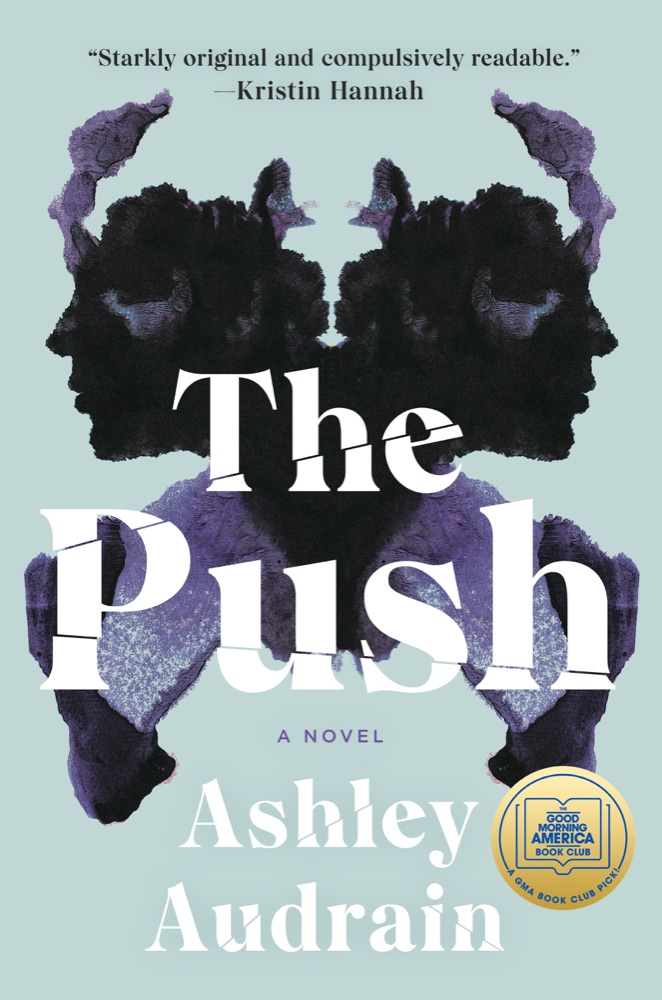
- The Push was Ashley Audrain's debut novel, published in January 2021.
- Before becoming a novelist, Audrain was the publicity director at Penguin Books Canada.
- The manuscript sparked a nine-way bidding war and sold into around twenty territories within two weeks of submission.
- The novel was selected as a Good Morning America Book Club pick.
- Film and television rights were optioned by David Heyman's Heyday in a competitive auction, with Audrain attached as an executive producer.
- Critics widely compared the book to Lionel Shriver's We Need to Talk About Kevin.
About Ashley Audrain
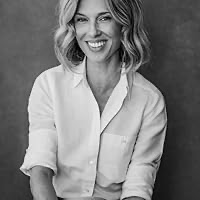
Ashley Audrain is a Canadian writer born in 1982 who previously worked as the publicity director of Penguin Books Canada before turning to fiction. She lives in Toronto and is the author of the bestselling debut The Push (2021) and The Whispers (2023).
More about the author →About the book
The Push is Ashley Audrain's 2021 debut novel, a psychological drama narrated by Blythe Connor, a new mother determined to give her daughter the warmth she herself never received. From the earliest days of motherhood, Blythe becomes convinced that something is wrong with her daughter Violet, who does not behave like other children, even as the people around her dismiss her fears. When Blythe later has a son, Sam, the easy love she feels for him throws her fraught relationship with Violet into sharp relief.
The novel probes the expectations placed on mothers and the cultural pressure to feel unconditional love, raising uneasy questions about nature versus nurture and whether a parent can be wrong about her own child. It also traces how patterns of damaged mothering can echo across generations, weaving Blythe's account of her own mother and grandmother into the central story. The result is a tense, unsettling portrait of motherhood stripped of sentimentality.
The Push became a major commercial success, reaching the New York Times and Sunday Times bestseller lists and hitting number one on Canada's Globe and Mail list, and it was a Good Morning America Book Club pick. Critics and authors frequently compared it to Lionel Shriver's We Need to Talk About Kevin, and Kristin Hannah praised it as 'starkly original and compulsively readable.' The manuscript drew a nine-way bidding war and sold into roughly twenty territories, marking one of the most prominent debuts of 2021.
Key characters
- Blythe ConnorNew mother and narrator who fears something is wrong with her daughter
- VioletBlythe and Fox's daughter, whose behavior unsettles Blythe
- Fox ConnorBlythe's husband, who dismisses her worries about Violet
- SamBlythe and Fox's son, with whom Blythe feels an easy bond
Book details
- First published
- 2021
- Length
- 307 pages
- Reading time
- 4 hours
- Author
- Ashley Audrain
- Genre
- Thriller
- Goodreads rating
- 4.03 (460k ratings)
Critical reception
- Reached the New York Times and Sunday Times bestseller lists and hit number one on the Globe and Mail list.
- Selected as a Good Morning America Book Club pick.
- Author Kristin Hannah called it 'starkly original and compulsively readable.'
- Frequently compared by reviewers to Lionel Shriver's We Need to Talk About Kevin.
Movie & TV adaptations
- IMDb
If you liked this, read…
- 1We Need to Talk About KevinA mother narrates her fraught, fearful bond with a child she struggles to love.
- 2The WhispersAudrain's later novel returns to motherhood, suburban tension, and domestic suspense.
Keep reading
Somebody's Daughter
 Banyan Moon
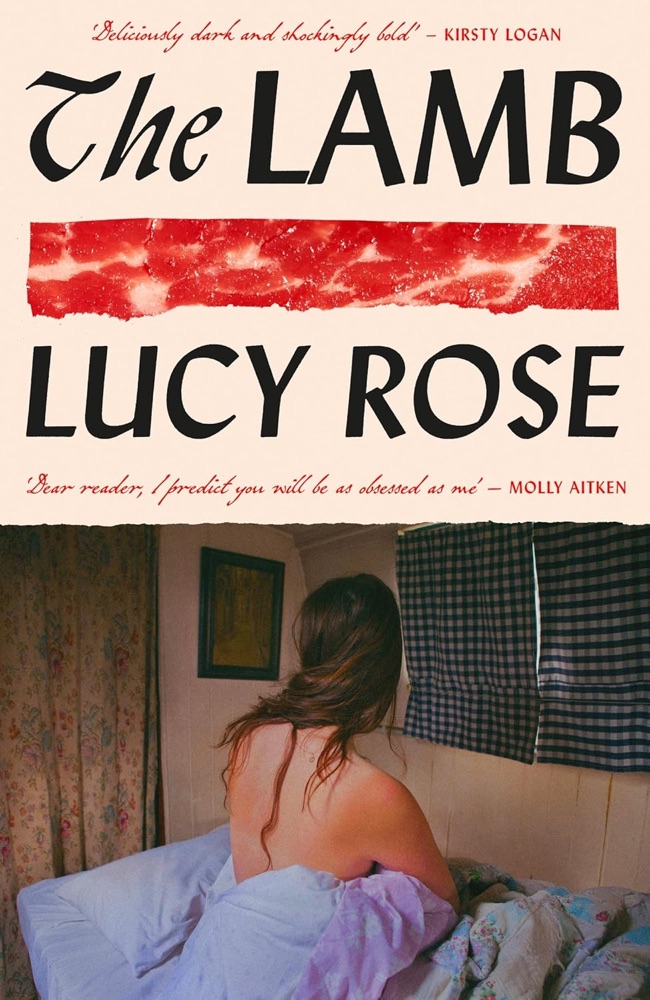 The Lamb
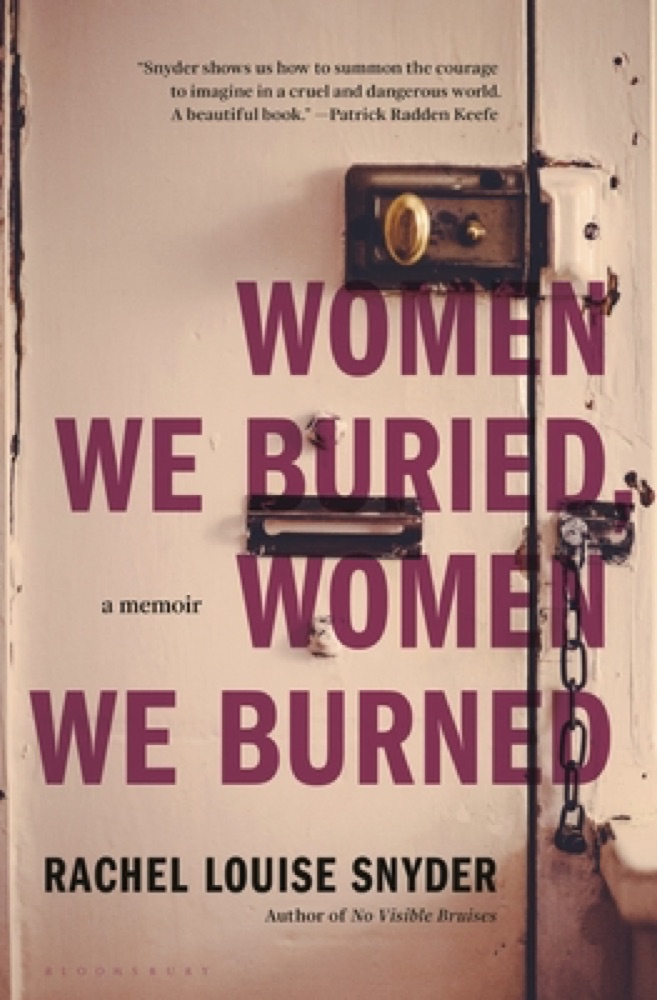 Women We Buried, Women We Burned: A Memoir
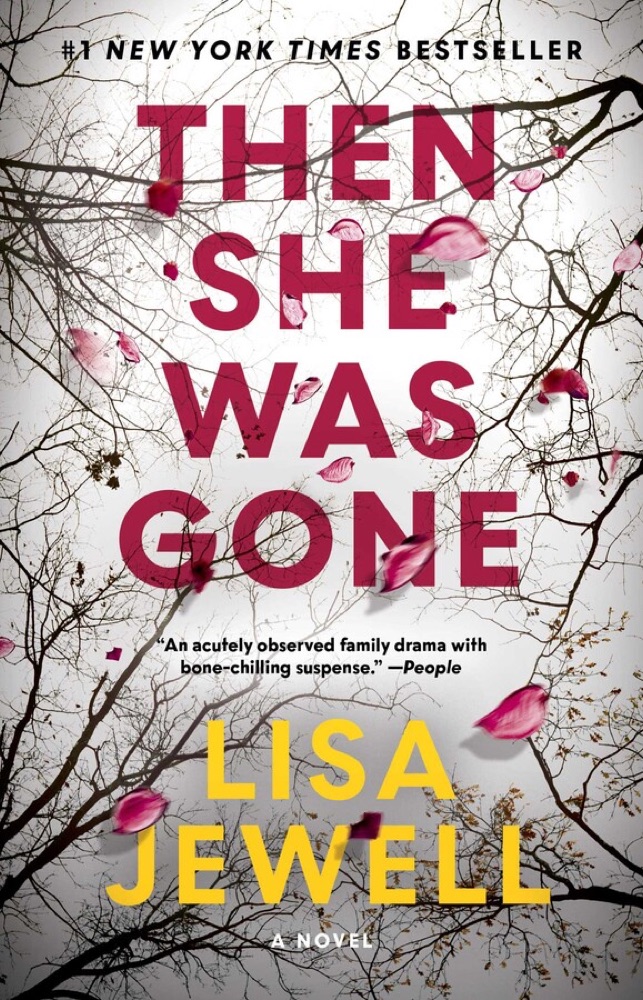 Then She Was Gone
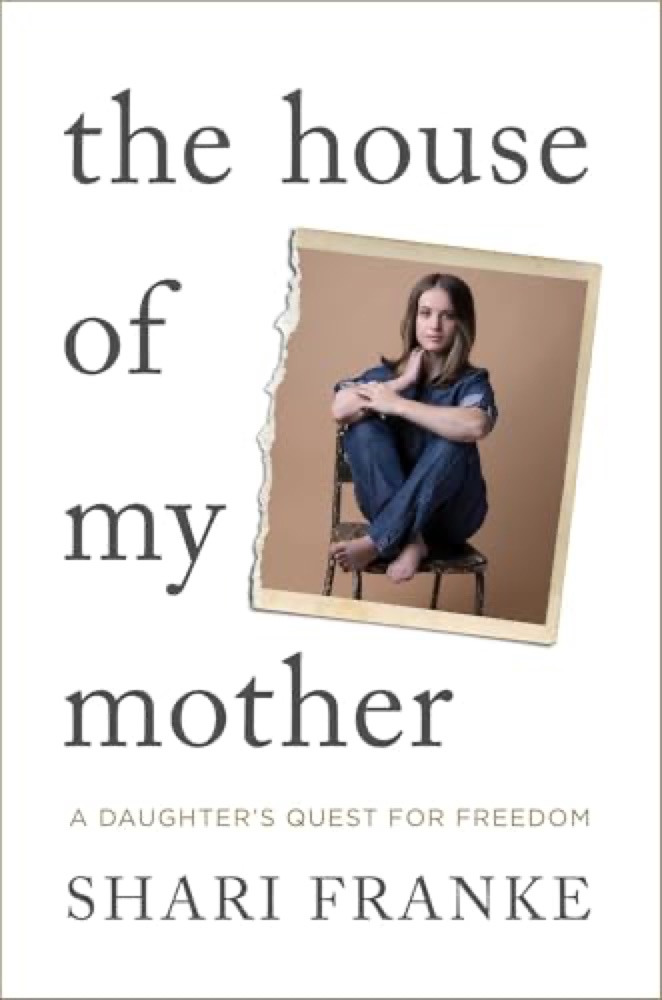 The House of My Mother: A Daughter's Quest for Freedom
 Glitter and Glue
 One True Thing
 Milk Fed
 What My Mother and I Don't Talk About: Fifteen Writers Break the Silence
 The Death of Vivek Oji
 Crying in H Mart
 All Fours
 Zikora
 Disgrace
 Stay with Me
 Wild Game: My Mother, Her Lover, and Me
 Dreams of Falling
 The Night Olivia Fell
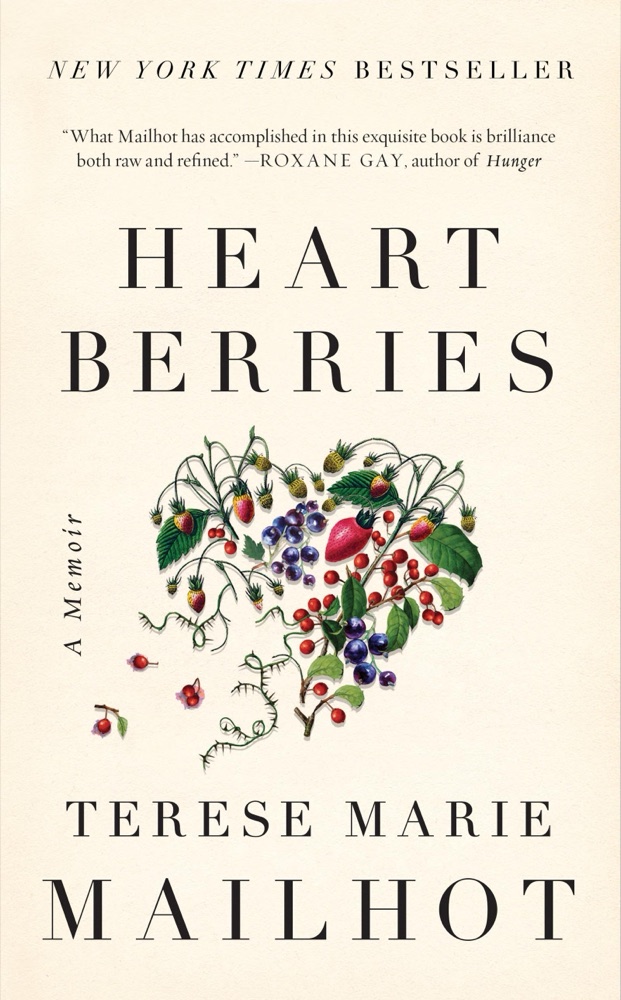 Heart Berries
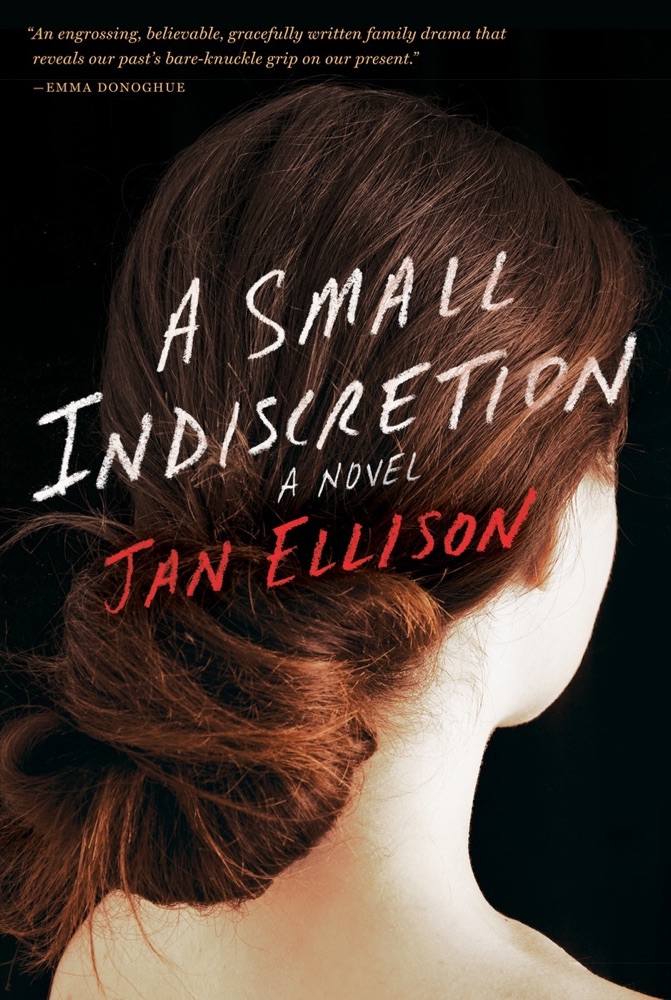 A Small Indiscretion
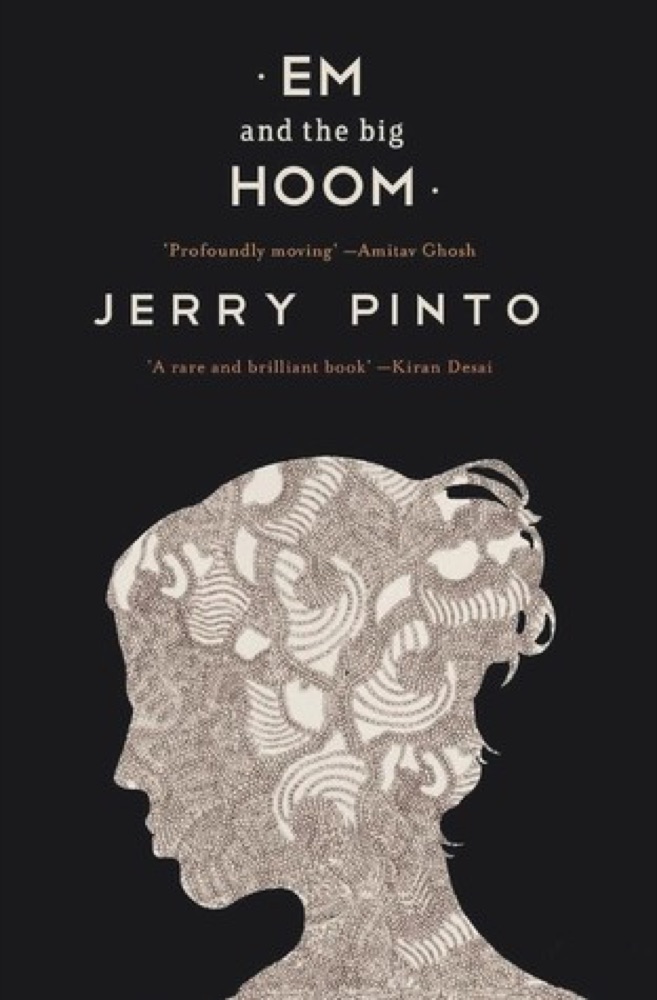 Em and The Big Hoom
 Honey
Honey
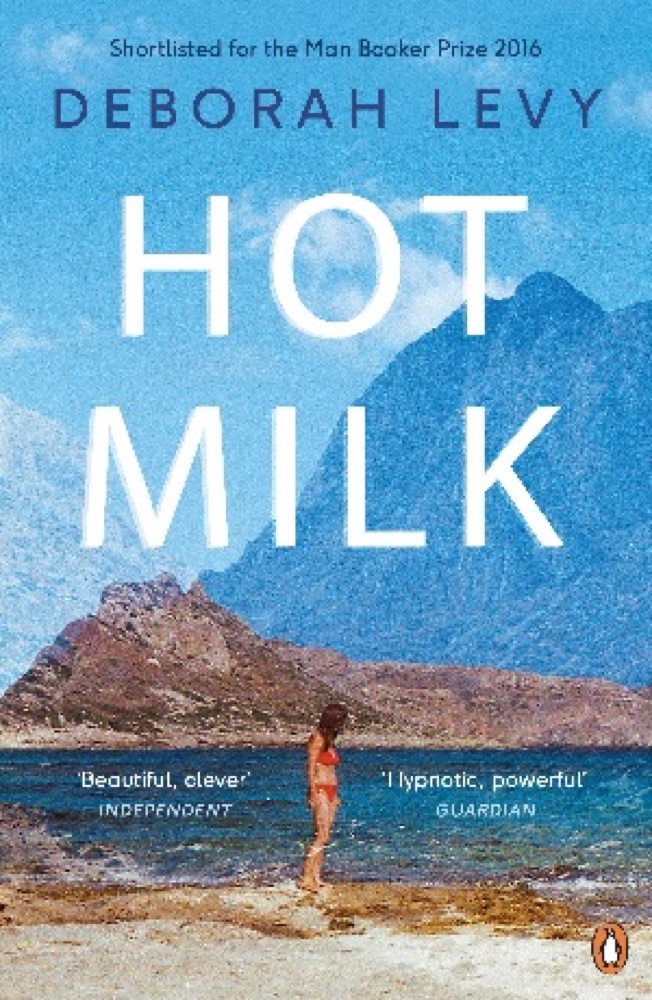 Hot Milk
 House of Glass
 Swimming in the Dark
 Open Book
 The Harder I Fight the More I Love You: A Memoir
 First Love, Take Two
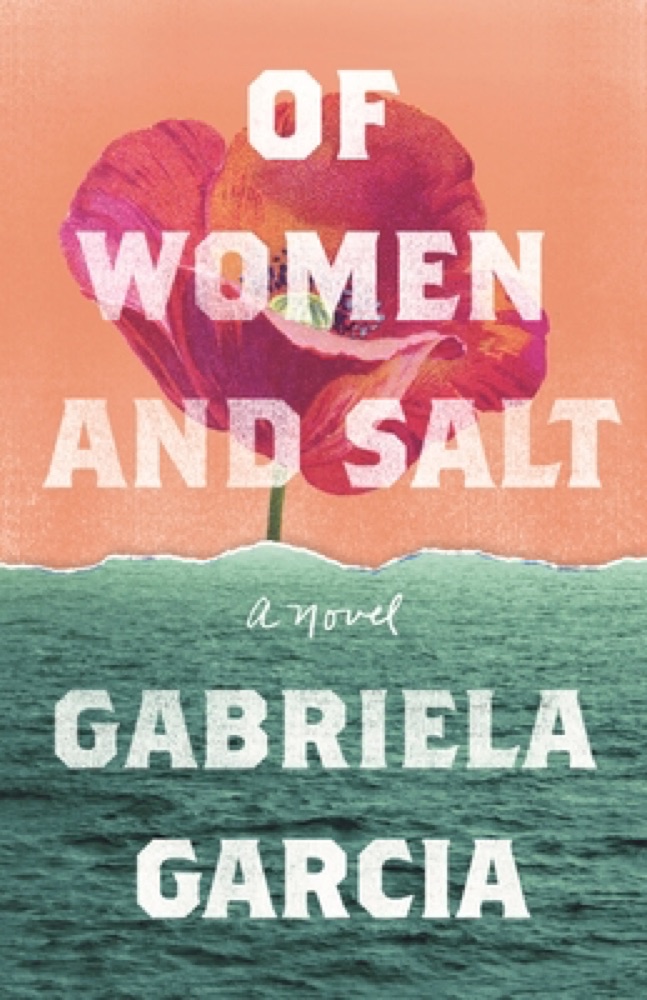 Of Women and Salt
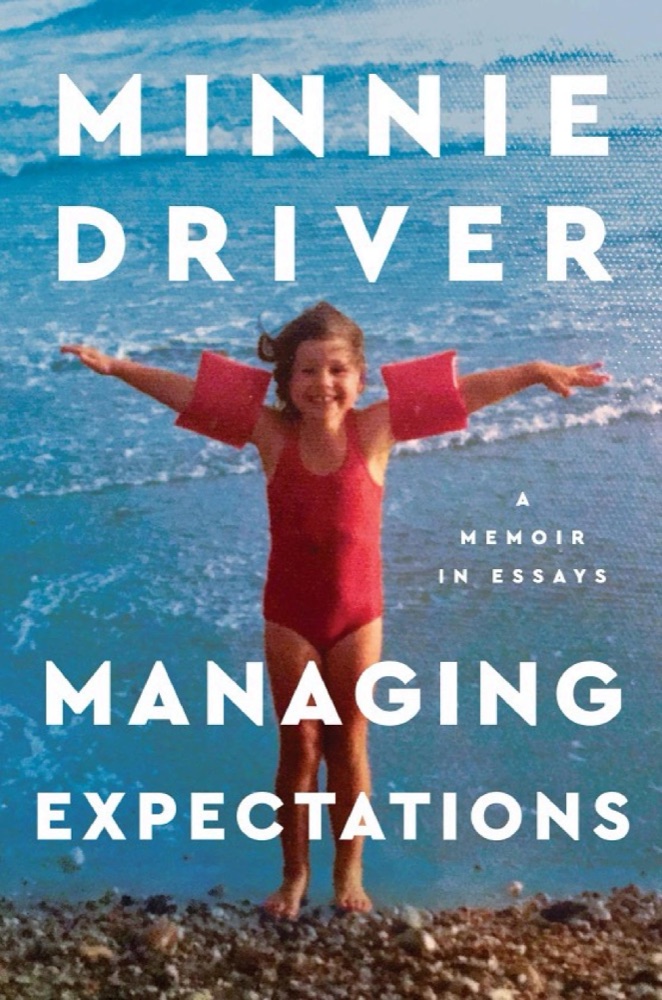 Managing Expectations: A Memoir in Essays – A Poignant Collection of Personal Stories on Acting, Failure, and Motherhood's Joy
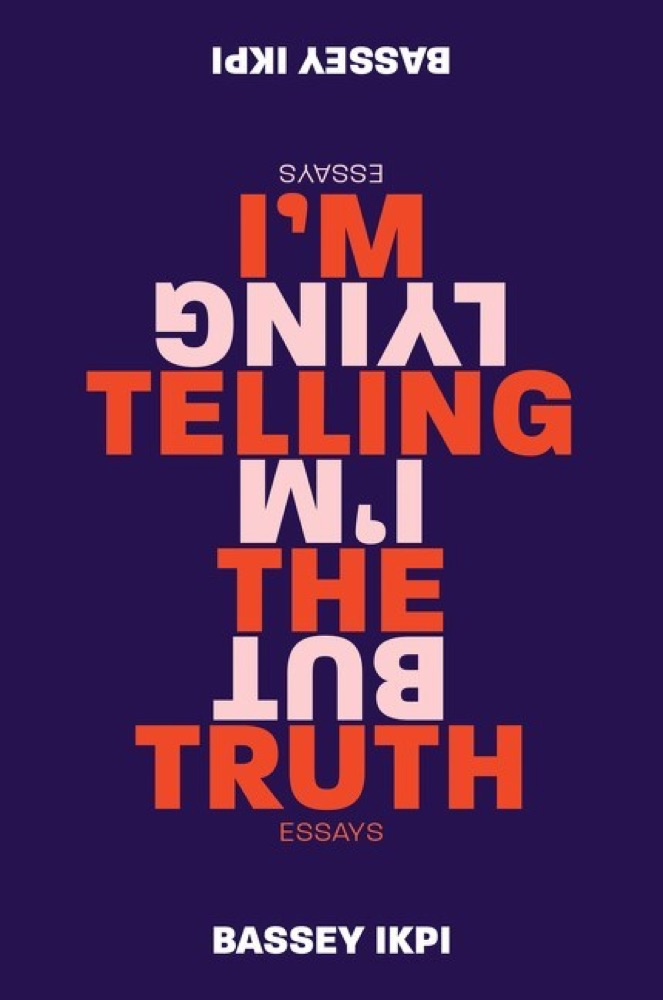 I'm Telling the Truth, but I'm Lying: Essays
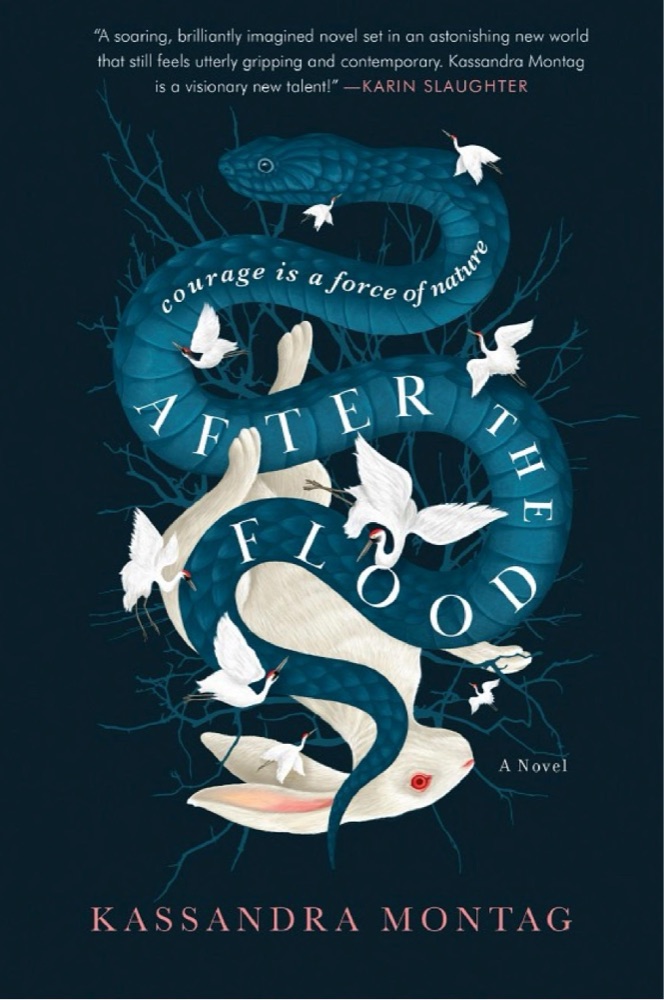 After the Flood
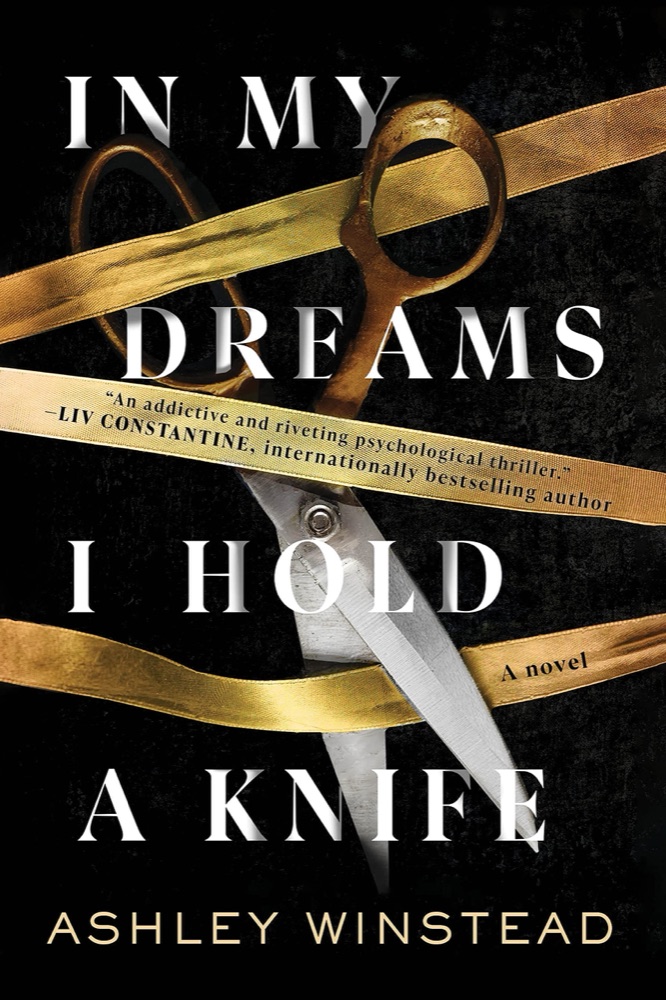 In My Dreams I Hold a Knife
 Breakable
 Bastard Out of Carolina
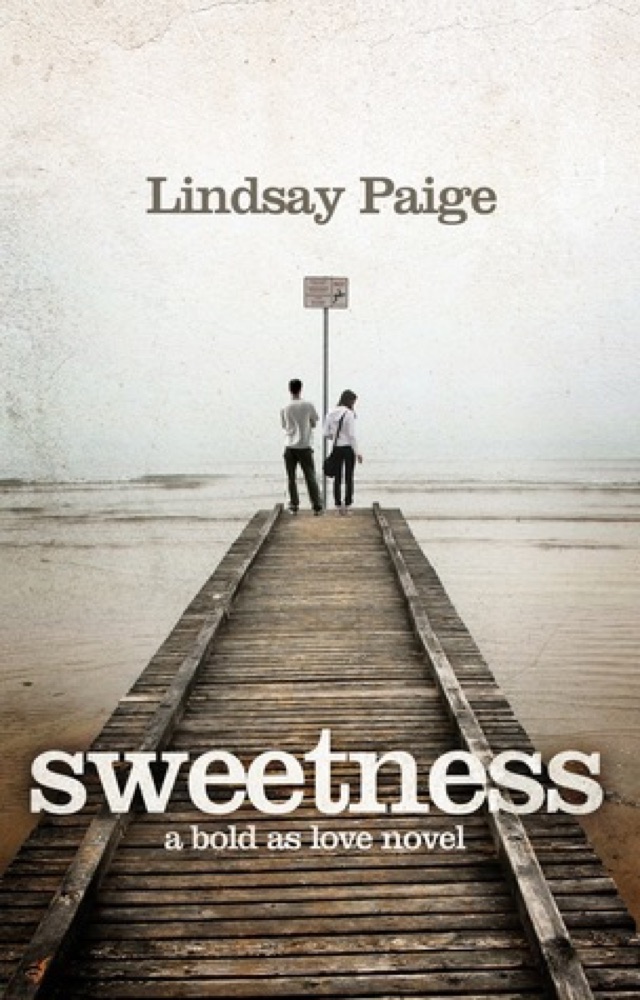 Sweetness
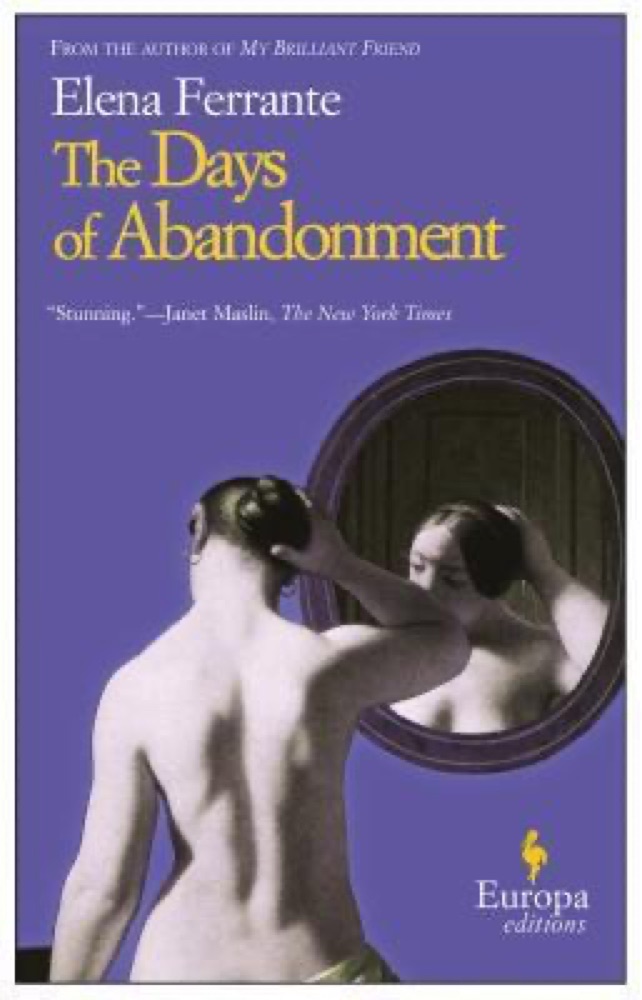 The Days of Abandonment
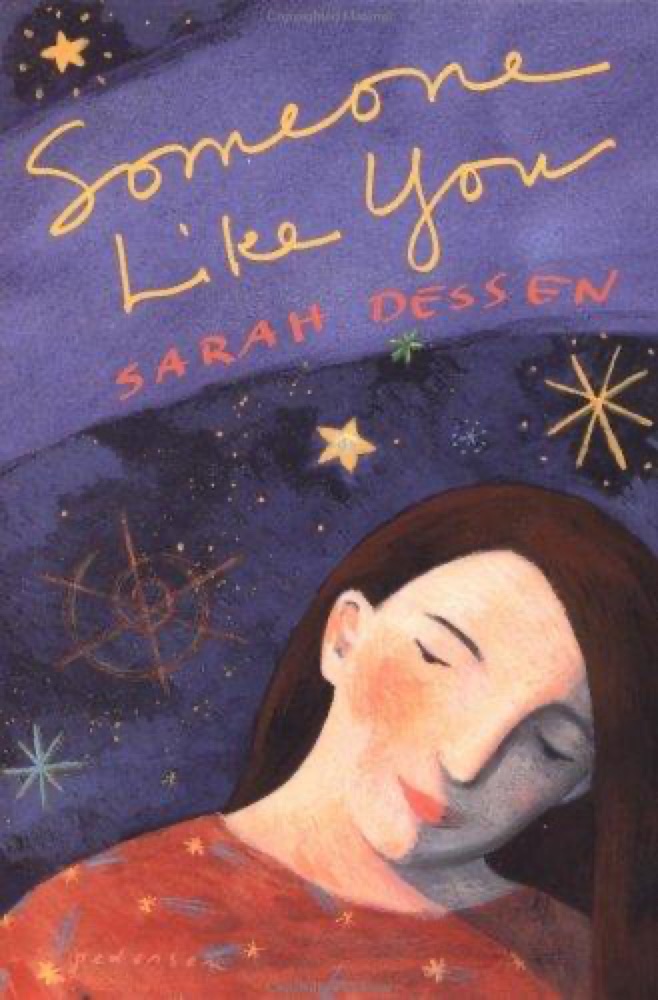 Someone Like You
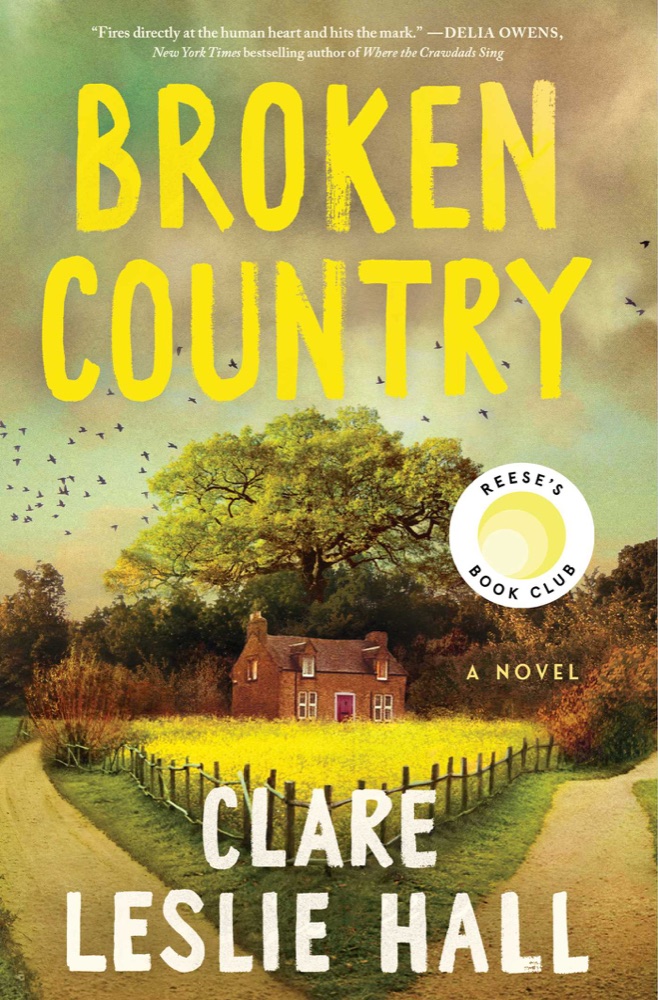 Broken Country
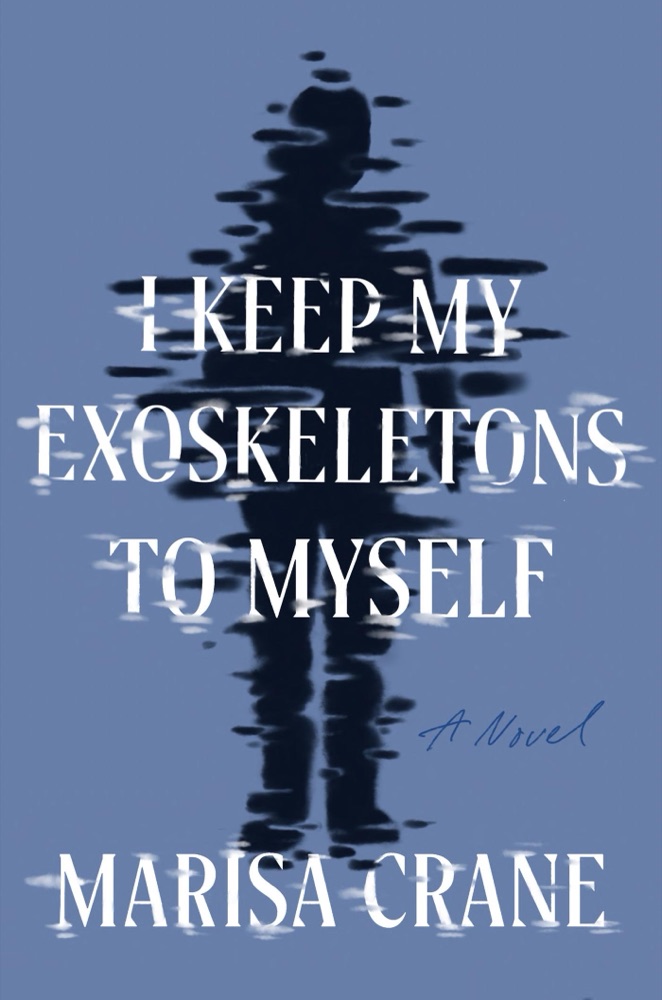 I Keep My Exoskeletons to Myself
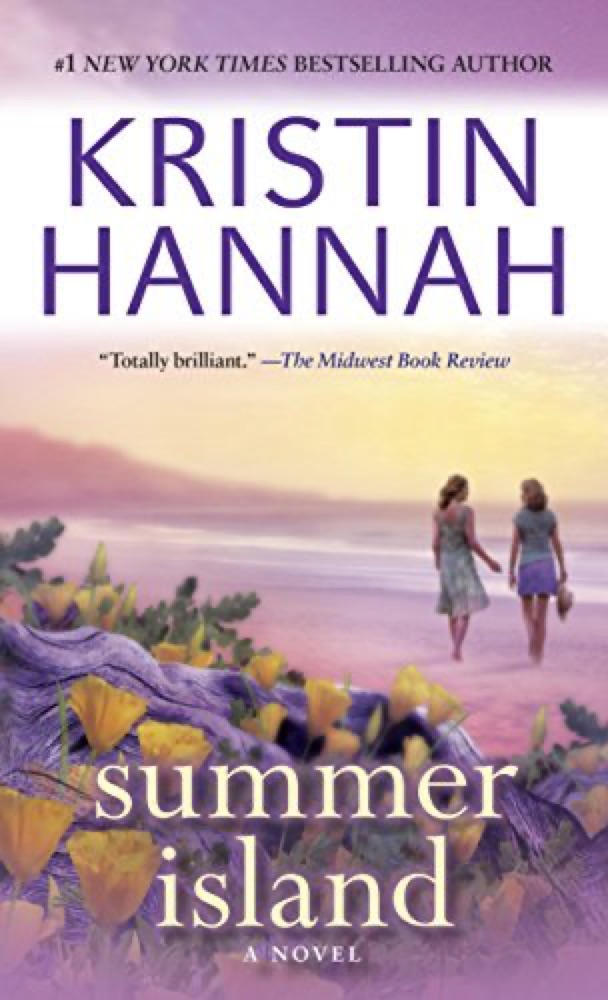 Summer Island
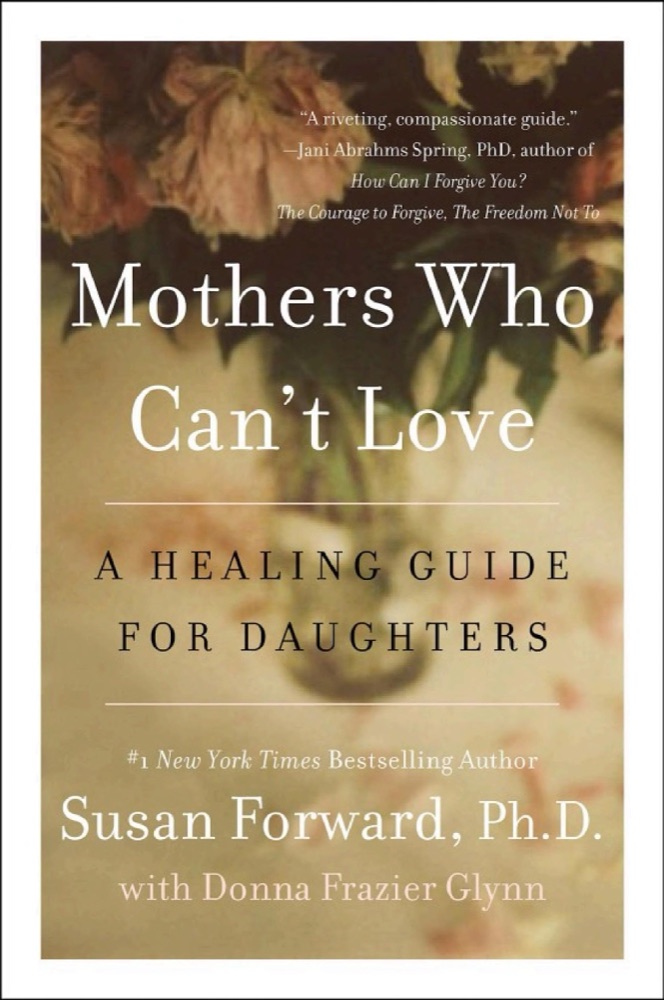 Mothers Who Can't Love: A Healing Guide for Daughters
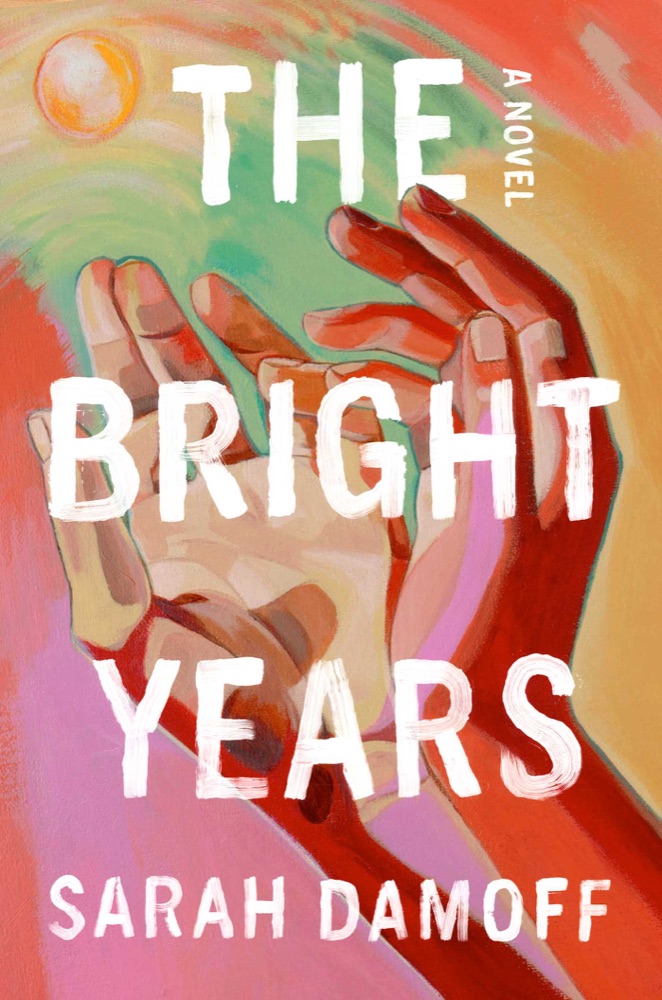 The Bright Years
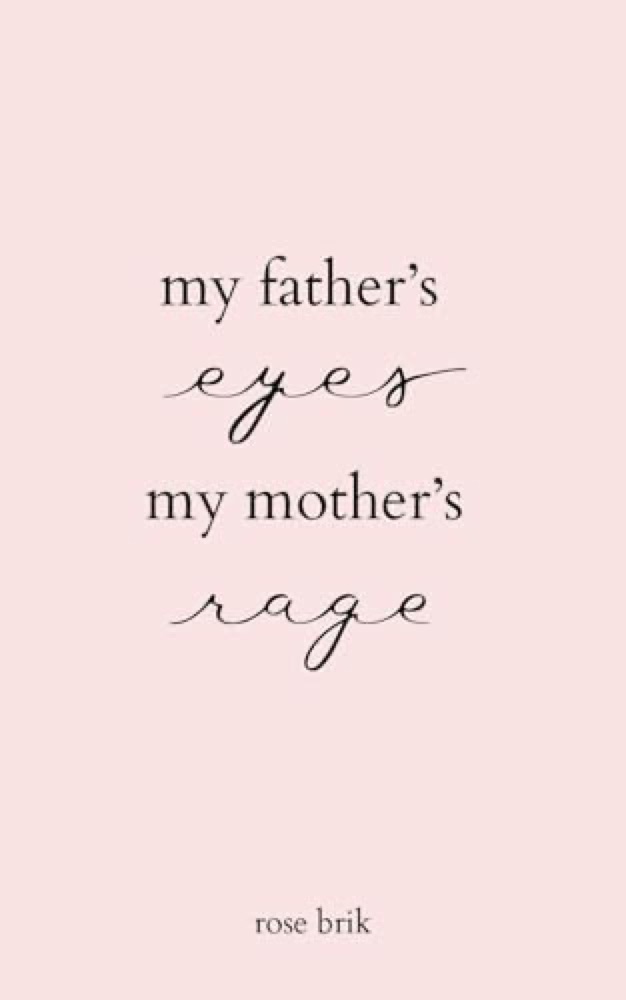 My Father's Eyes, My Mother's Rage
 The Lost Daughter
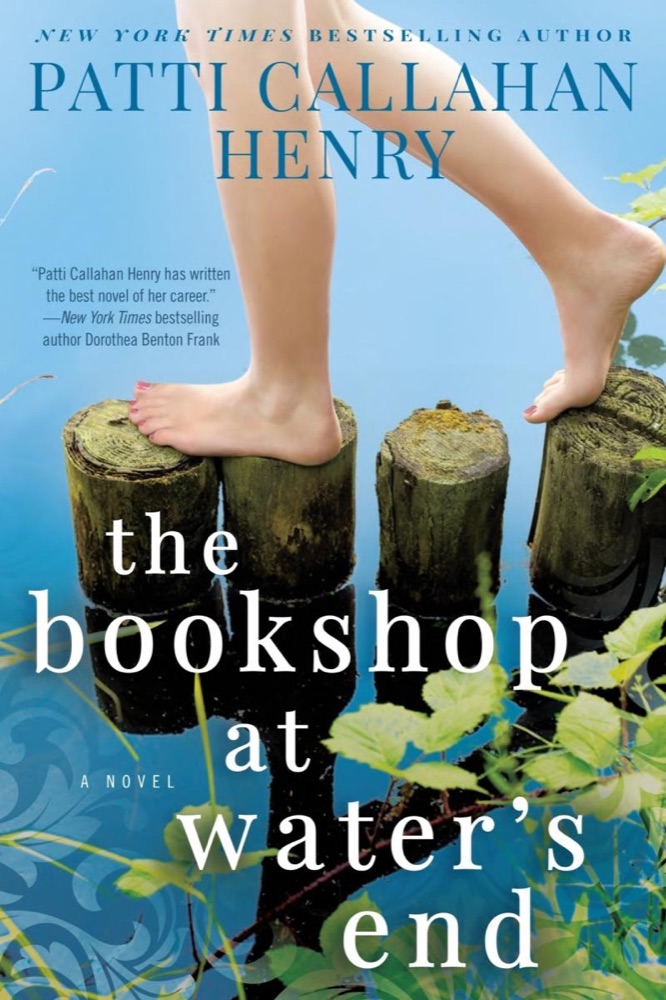 The Bookshop at Water's End
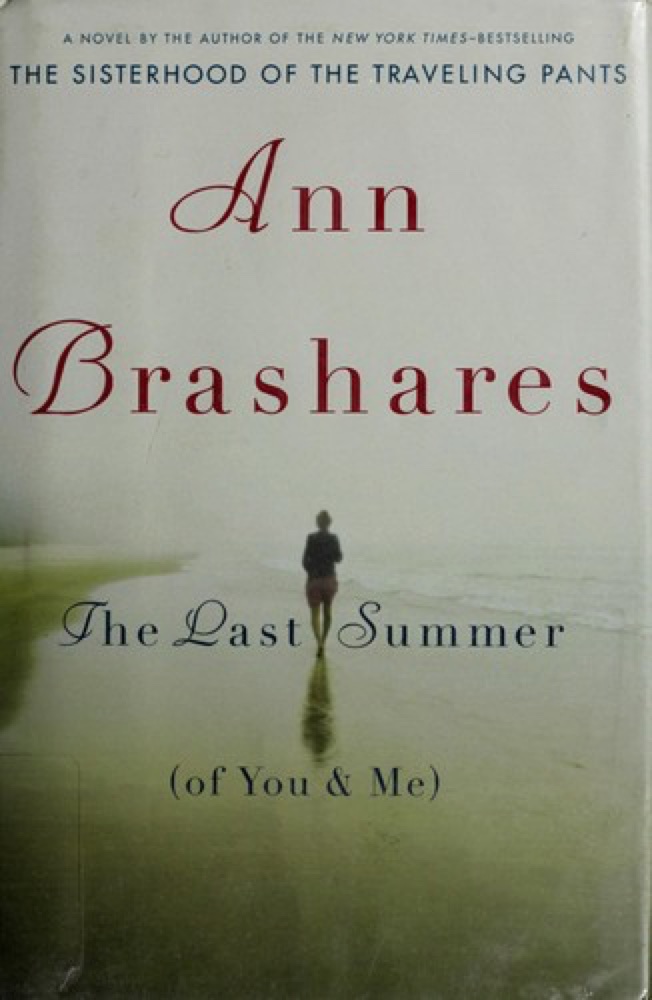 The Last Summer (of You and Me)
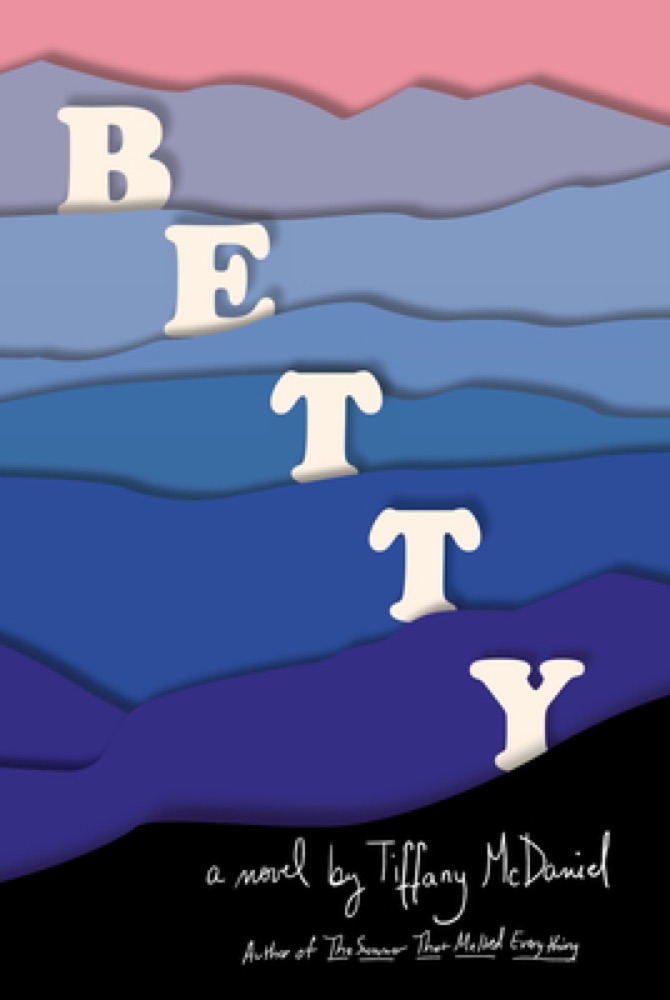 Betty
Betty
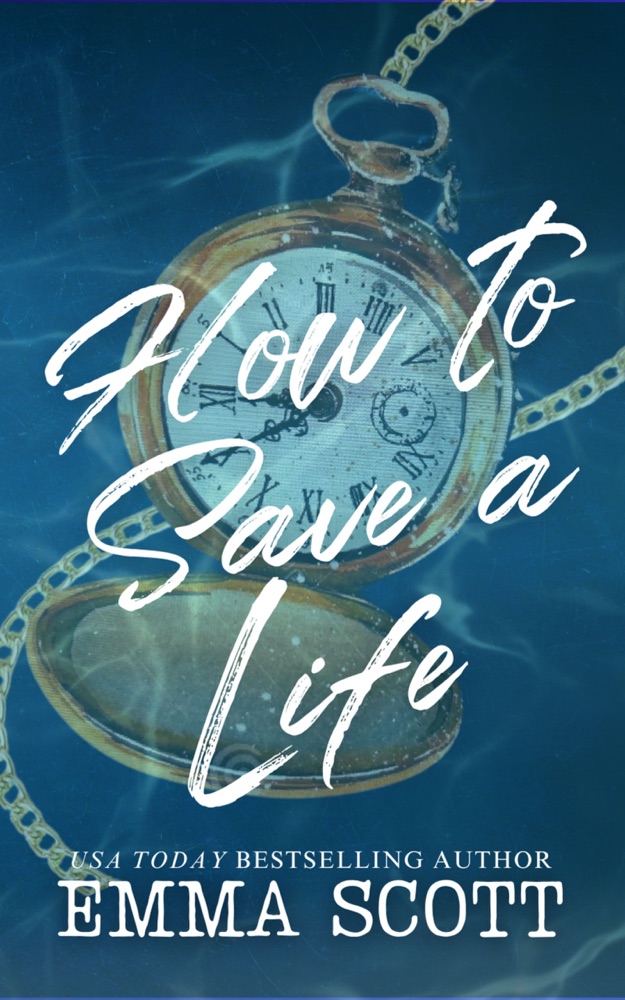 How to Save a Life
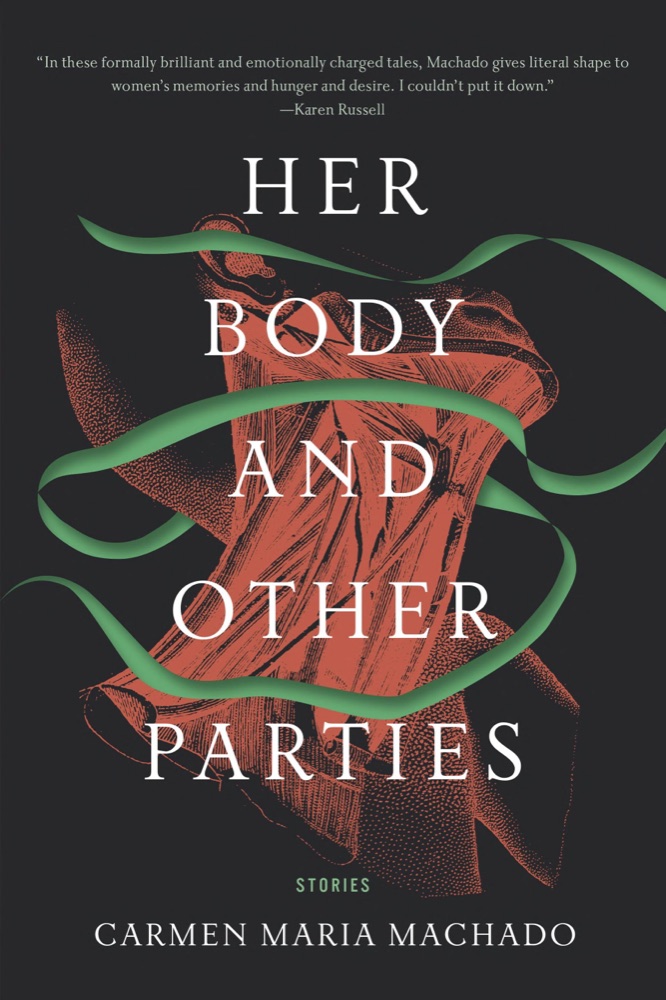 Her Body and Other Parties
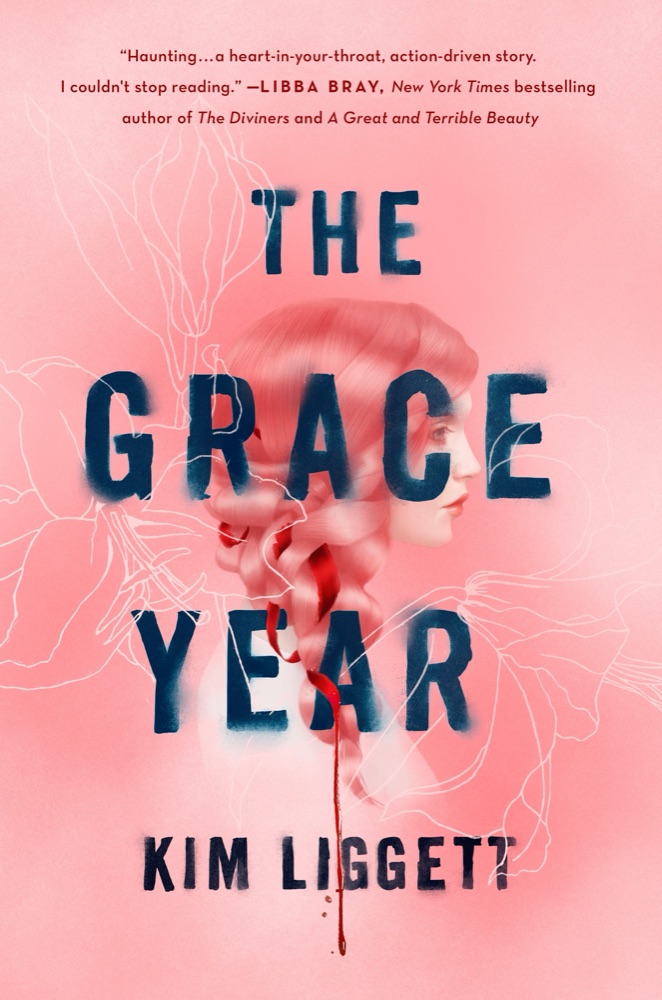 The Grace Year
 The First Bad Man
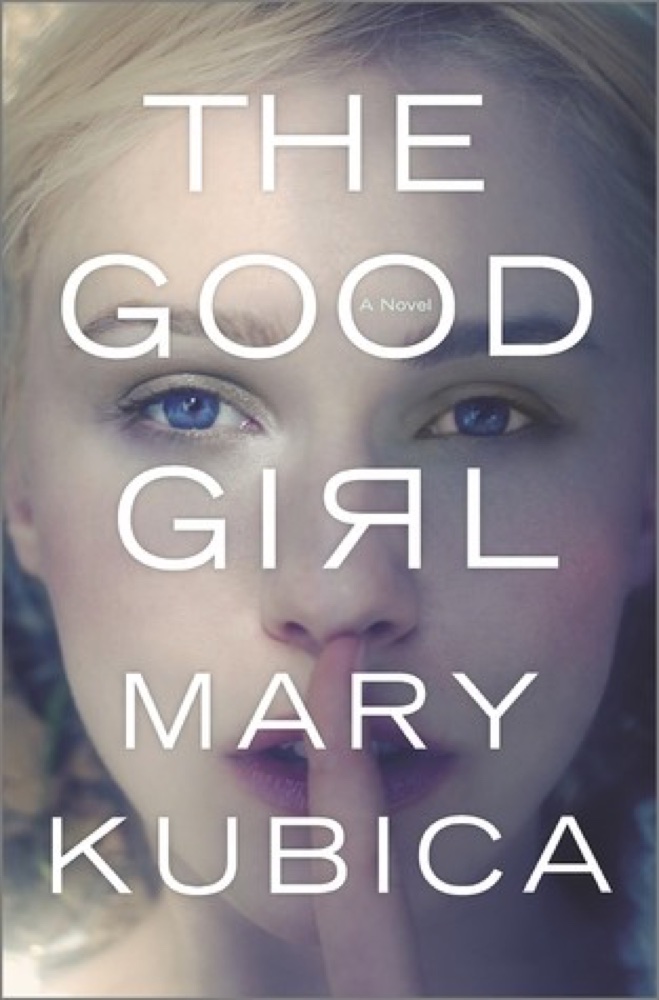 The Good Girl
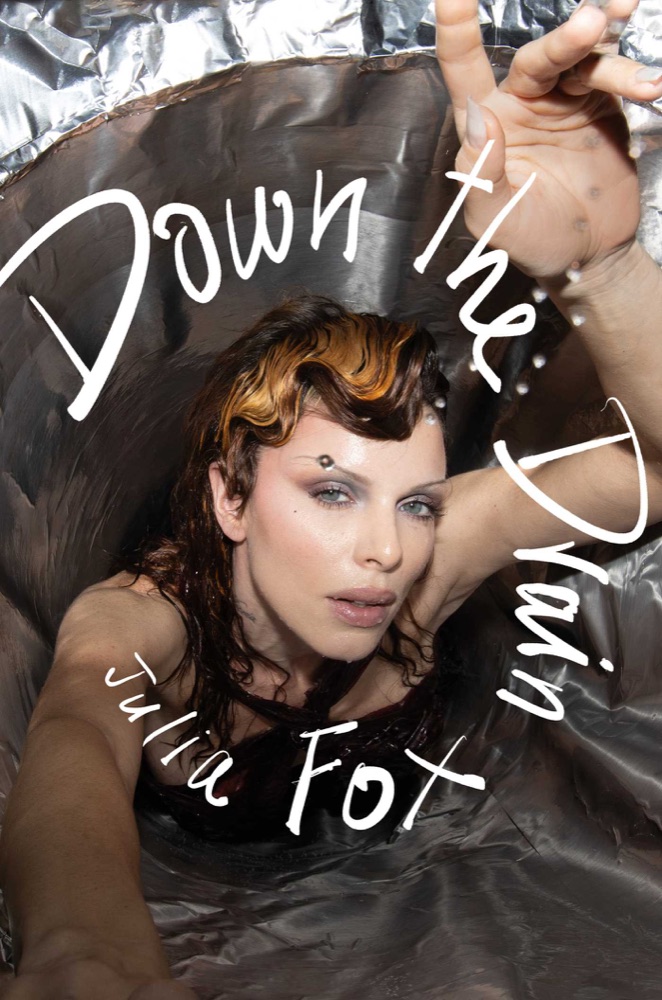 Down the Drain
 You Could Make This Place Beautiful
 Good in Bed
 The House We Grew Up In
 Escape
 Malibu Rising