
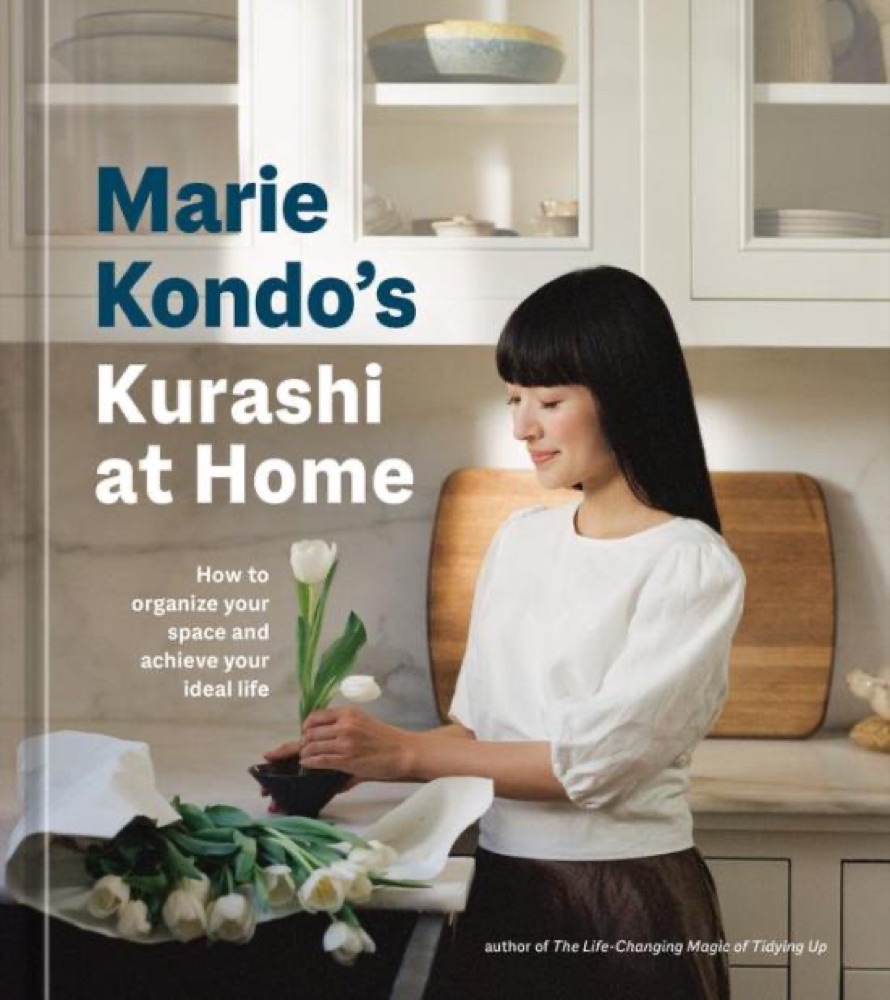
 Kurashi at Home: How to Organize Your Space and Achieve Your Ideal Life
Quotes from the Book
The question of what you want to own is actually the question of how you want to live your life.
But when we really delve into the reasons for why we can’t let something go, there are only two: an attachment to the past or a fear for the future.
Keep only those things that speak to your heart. Then take the plunge and discard all the rest. By doing this, you can reset your life and embark on a new lifestyle.
The space in which we live should be for the person we are becoming now, not for the person we were in the past.
The best way to choose what to keep and what to throw away is to take each item in one’s hand and ask: “Does this spark joy?” If it does, keep it. If not, dispose of it. This is not only the simplest but also the most accurate yardstick by which to judge.
Imagine what it would be like to have a bookshelf filled only with books that you really love. Isn’t that image spellbinding? For someone who loves books, what greater happiness could there be?
No matter how wonderful things used to be, we cannot live in the past. The joy and excitement we feel here and now are more important.
Clutter is caused by a failure to return things to where they belong. Therefore, storage should reduce the effort needed to put things away, not the effort needed to get them out.
The true purpose of a present is to be received.
Visible mess helps distract us from the true source of the disorder.
For books, timing is everything. The moment you first encounter a particular book is the right time to read it. To avoid missing that moment, I recommend that you keep your collection small.
People with large book collections are almost always diligent learners.
The process of assessing how you feel about the things you own, identifying those that have fulfilled their purpose, expressing your gratitude, and bidding them farewell, is really about examining your inner self, a rite of passage to a new life.
We should be choosing what we want to keep, not what we want to get rid of.
I have yet to see a house that lacked sufficient storage. The real problem is that we have far more than we need or want.
When you come across something that you cannot part with, think carefully about its true purpose in your life. You’ll be surprised at how many of the things you possess have already fulfilled their role. By acknowledging their contribution and letting them go with gratitude, you will be able to truly put the things you own, and your life, in order. In the end, all that will remain are the things that you really treasure. To truly cherish the things that are important to you, you must first discard those that have outlived their purpose.
If sweatpants are your everyday attire, you’ll end up looking like you belong in them, which is not very attractive. What you wear in the house does impact your self-image.
From the moment you start tidying, you will be compelled to reset your life. As a result, your life will start to change. That’s why the task of putting your house in order should be done quickly. It allows you to confront the issues that are really important. Tidying is just a tool, not the final destination. The true goal should be to establish the lifestyle you want most once your house has been put in order.
There’s no need to finish reading books that you only got halfway through. Their purpose was to be read halfway.
Keep only those things that speak to your heart. Then take the plunge and discard all the rest.
It is the same with people. Not every person you meet in life will become a close friend or lover. Some you will find hard to get along with or impossible to like. But these people, too, teach you the precious lesson of who you do like, so that you will appreciate those.
I recommend you dispose of anything that does not fall into one of three categories: currently in use, needed for a limited period of time, or must be kept indefinitely.
Tidy a little a day and you’ll be tidying forever.
Therefore, the best criterion for choosing what to keep and what to discard is whether keeping it will make you happy, whether it will bring you joy.
Many people carry this type of negative self-image for years, but it is swept away the instant they experience their own perfectly clean space. This drastic change in self-perception, the belief that you can do anything if you set your mind to it, transforms behavior and lifestyles. This is precisely why my students never experience rebound. Once you have experienced the powerful impact of a perfectly ordered space, you, too, will never return to clutter.
You may think this is a waste of money, but reducing your stock and relieving yourself of the burden of excess is the quickest and most effective way to put your things in order.
All you need to do is take the time to sit down and examine each item you own, decide whether you want to keep or discard it, and then choose where to put what you keep.
When we disperse storage of a particular item throughout the house and tidy one place at a time, we can never grasp the overall volume and therefore can never finish. To escape this negative spiral, tidy by category, not by place.
Did you know?
- The book was first published in Japan on 27 December 2010 under the title Jinsei ga tokimeku katazuke no maho by Sunmark Publishing.
- The English-language edition was published by Ten Speed Press on 14 October 2014.
- The book has been translated into more than fifteen languages and sold over ten million copies worldwide.
- Its central principle is that you should keep only possessions that 'spark joy' and thank the rest before discarding them.
- The KonMari Method advises tidying by category rather than by room or location.
- A Japanese television drama based on the book aired on Nippon Television on 27 September 2013, starring Yukie Nakama.
About Marie Kondō
Marie Kondo (born 9 October 1984 in Osaka, Japan) is a Japanese organizing consultant, author, and TV presenter who founded her tidying-consulting business at age 19 while studying sociology at Tokyo Woman's Christian University. In 2015 she was named to the TIME 100 list of the world's most influential people.
More about the author →More by Marie Kondō
Kurashi at Home: How to Organize Your Space and Achieve Your Ideal Life
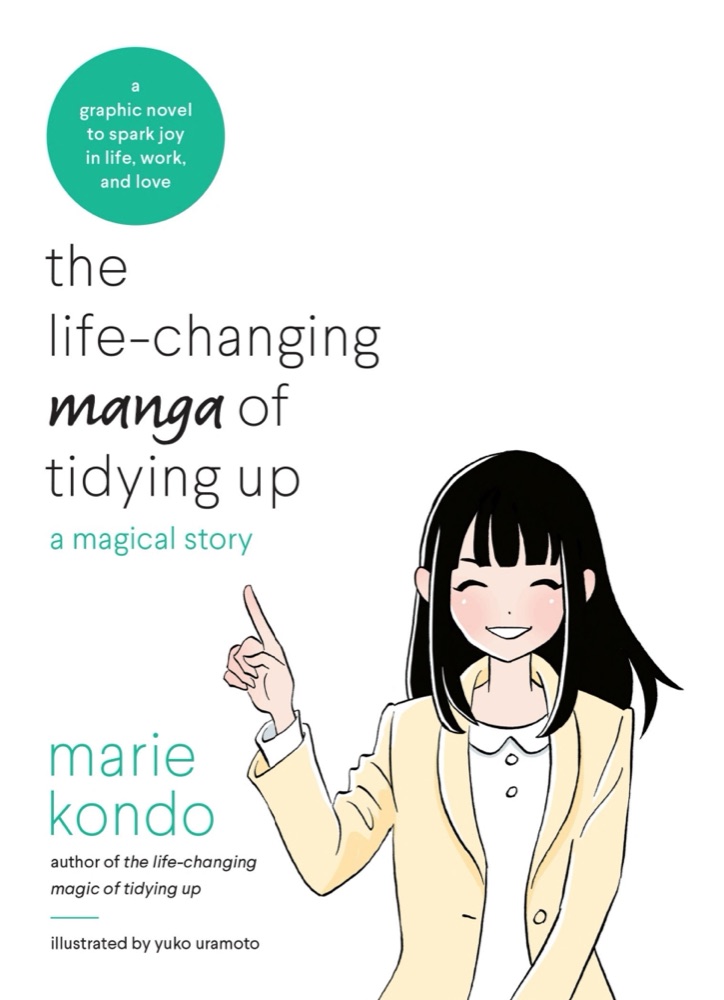 The Life-Changing Manga of Tidying Up
About the book
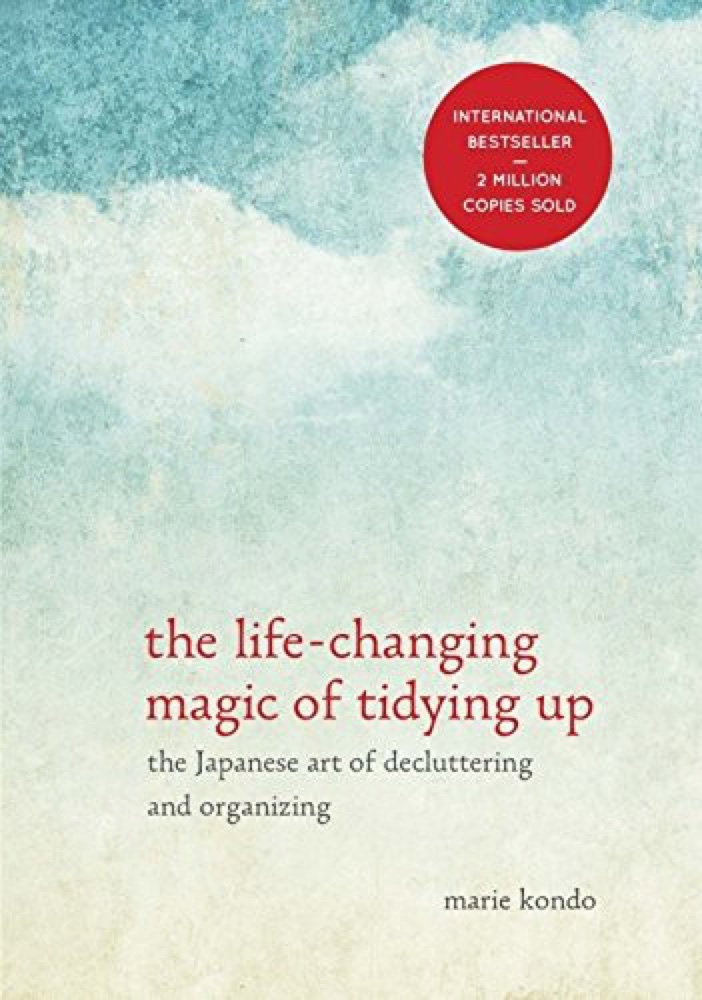
The Life-Changing Magic of Tidying Up is a practical guide to decluttering and organizing the home by Japanese cleaning consultant Marie Kondo, first published in Japan in 2010 and released in English in 2014. It lays out her signature KonMari Method, which promises that if you properly simplify and organize your home once, in a single thorough tidying event, you will never have to do it again. Rather than tackling a home room by room, Kondo urges readers to sort belongings by category and to keep only the things that speak to the heart.
At the center of the book is the idea that each item you own should 'spark joy'. Kondo instructs readers to hold every possession and keep it only if it produces a feeling of positive connection; things that do not are respectfully thanked for their service and let go. She frames tidying not merely as housework but as a systematic and spiritual practice that reshapes one's relationship to belongings and, in her telling, to life itself.
The book became an international phenomenon, translated into more than fifteen languages and selling over ten million copies worldwide, and it turned 'KonMari' into a household word for minimalist organizing. Its success helped make Kondo a global figure, later inspiring the Netflix series Tidying Up with Marie Kondo, and it remains one of the most influential self-help titles of its decade.
Book details
- First published
- 2010
- Length
- 224 pages
- Reading time
- 3 hours
- Author
- Marie Kondō
- Genre
- Nonfiction
- Goodreads rating
- 3.88 (398k ratings) →
Movie & TV adaptations
- IMDb
If you liked this, read…
- 1Spark JoyKondo's illustrated follow-up expanding the KonMari Method with detailed how-tos.
- 2Goodbye, ThingsFumio Sasaki's minimalist manifesto on owning less, in a similar Japanese tradition.
Keep reading
The Life-Changing Manga of Tidying Up
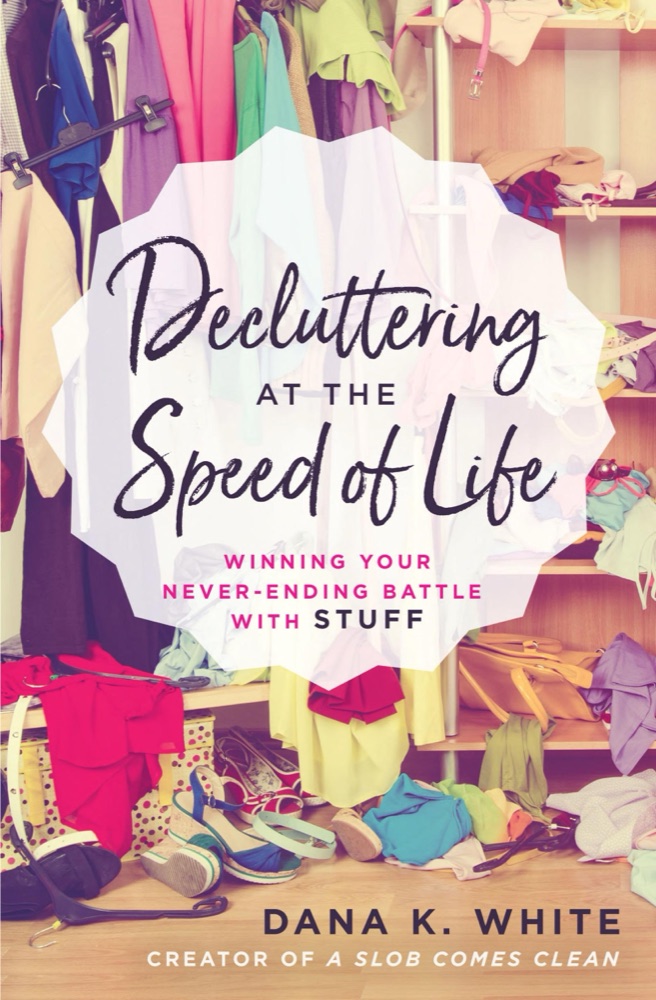 Decluttering at the Speed of Life: Winning Your Never-Ending Battle with Stuff
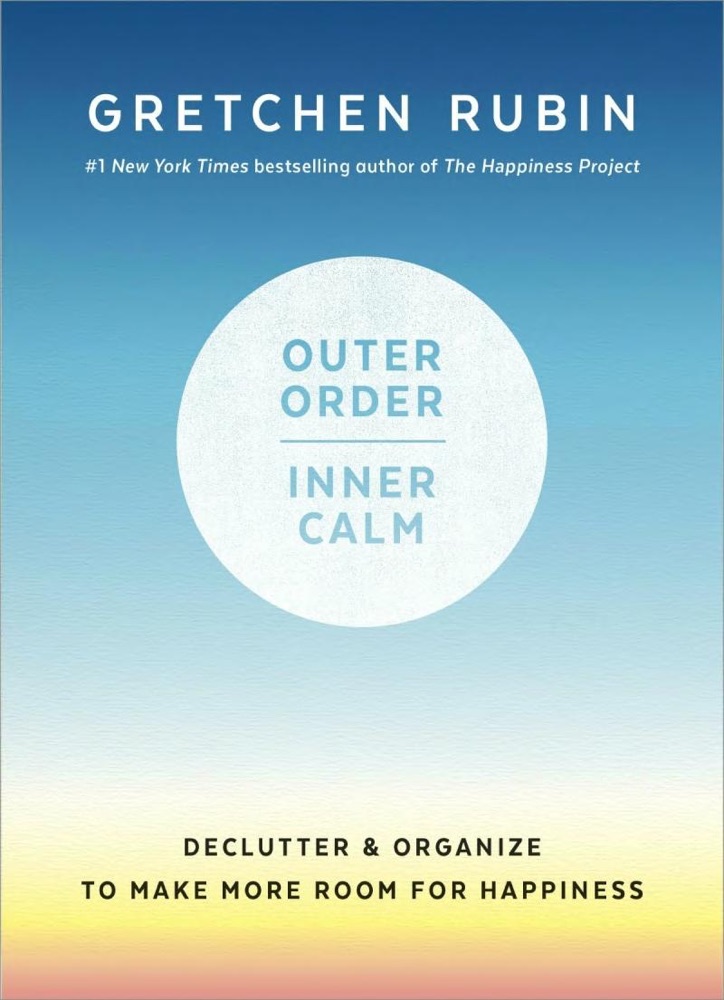 Outer Order, Inner Calm: Declutter & Organize to Make More Room for Happiness
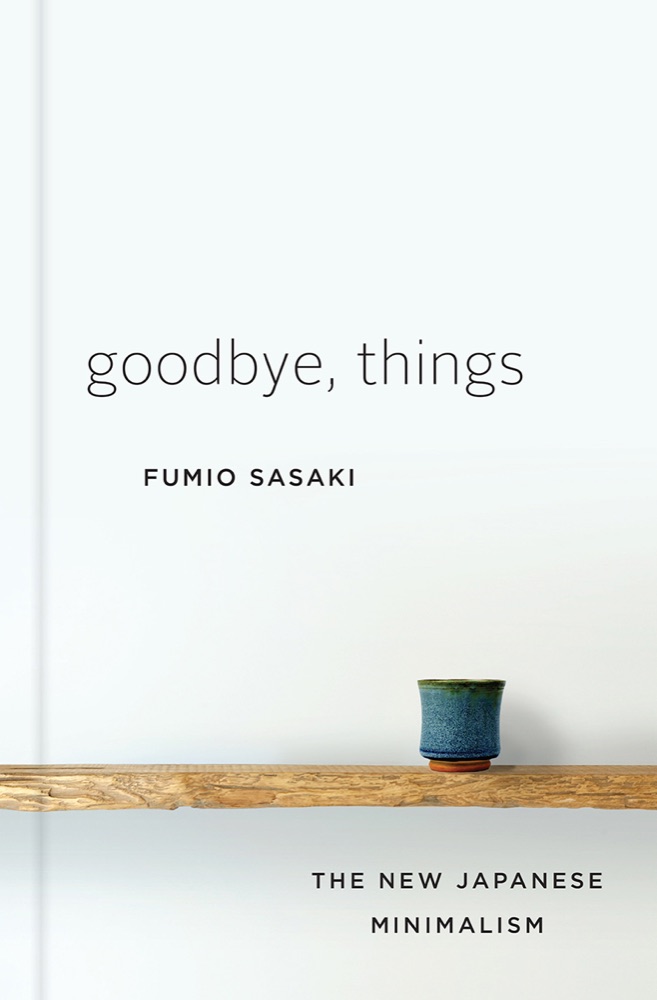 Goodbye, Things: The New Japanese Minimalism
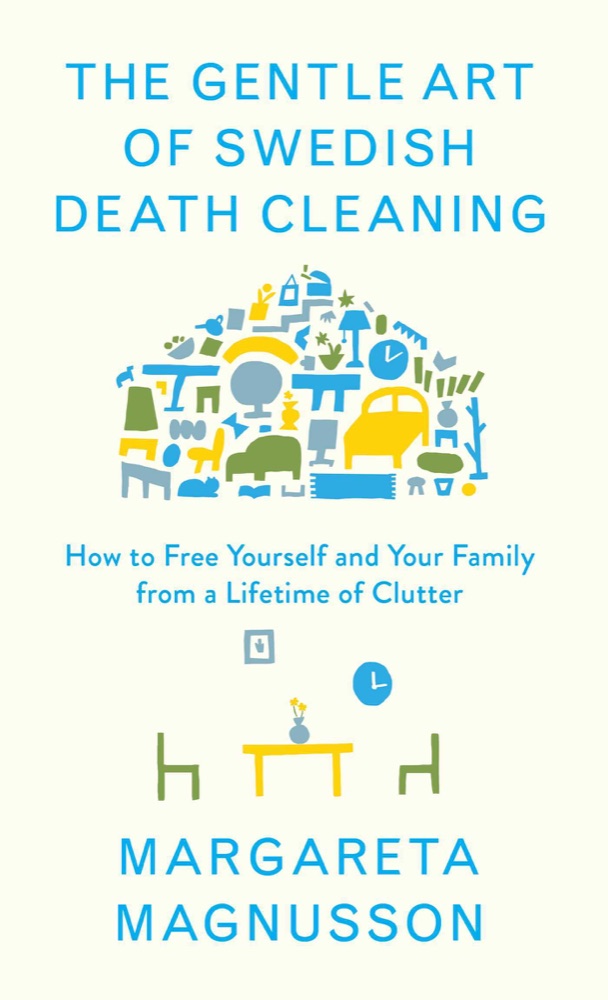 The Gentle Art of Swedish Death Cleaning
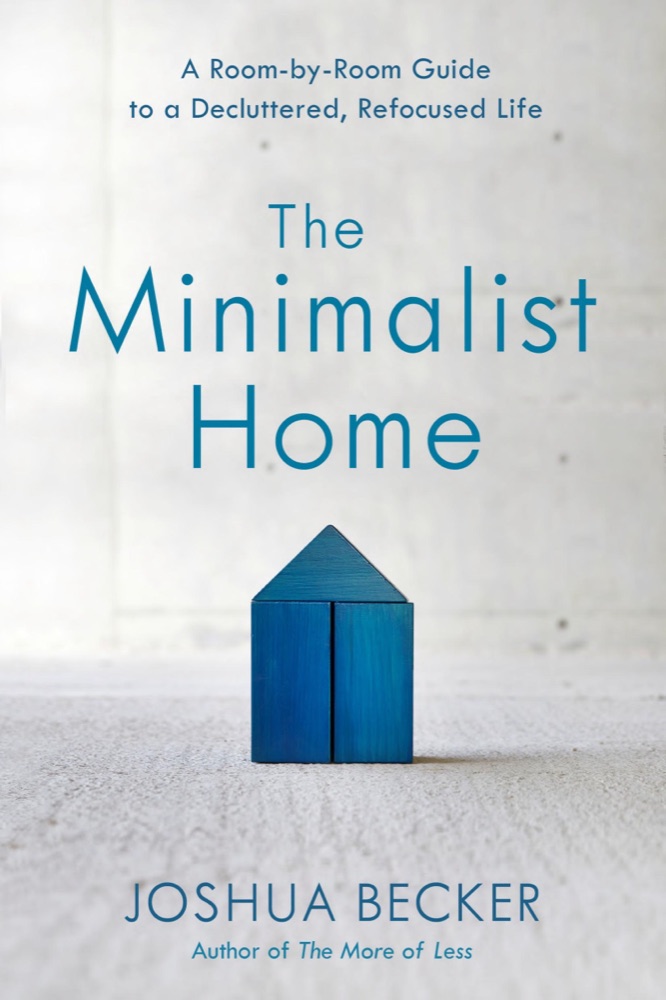 The Minimalist Home: A Room-by-Room Guide to a Decluttered, Refocused Life
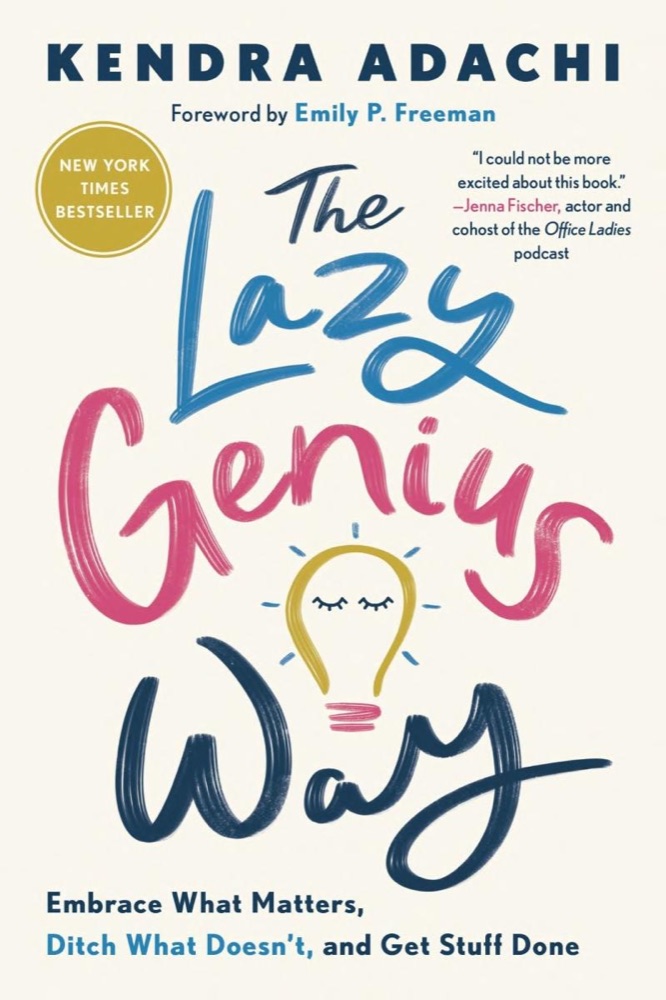 The Lazy Genius Way: Embrace What Matters, Ditch What Doesn't, and Get Stuff Done
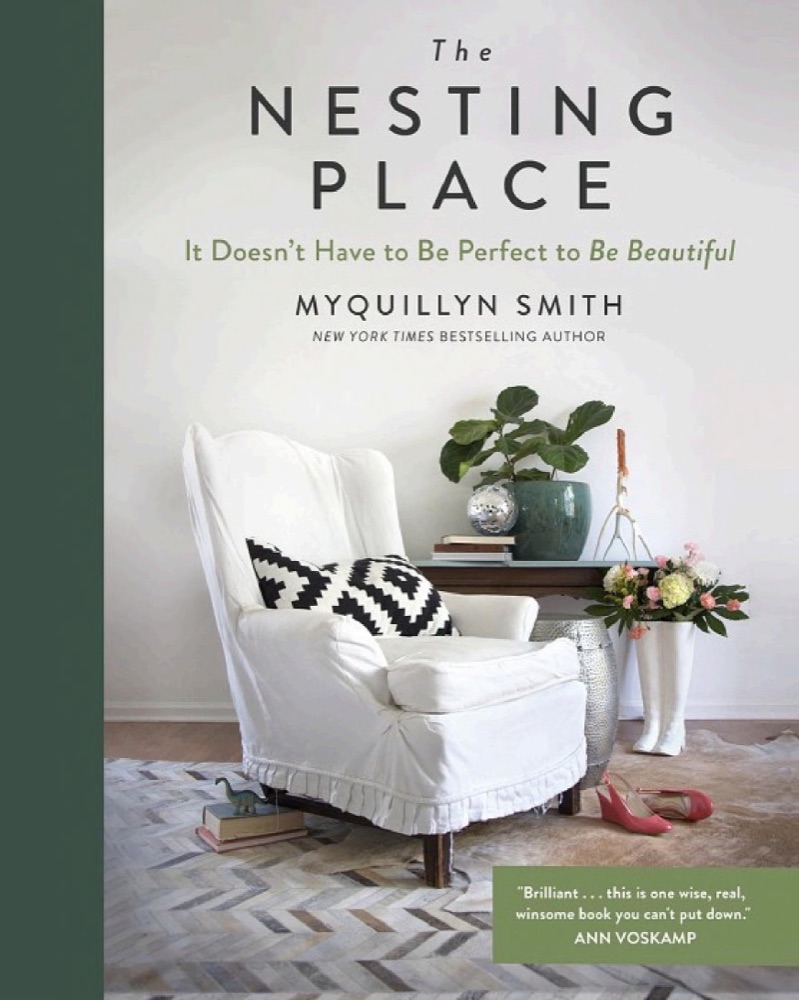 The Nesting Place: It Doesn't Have to Be Perfect to Be Beautiful
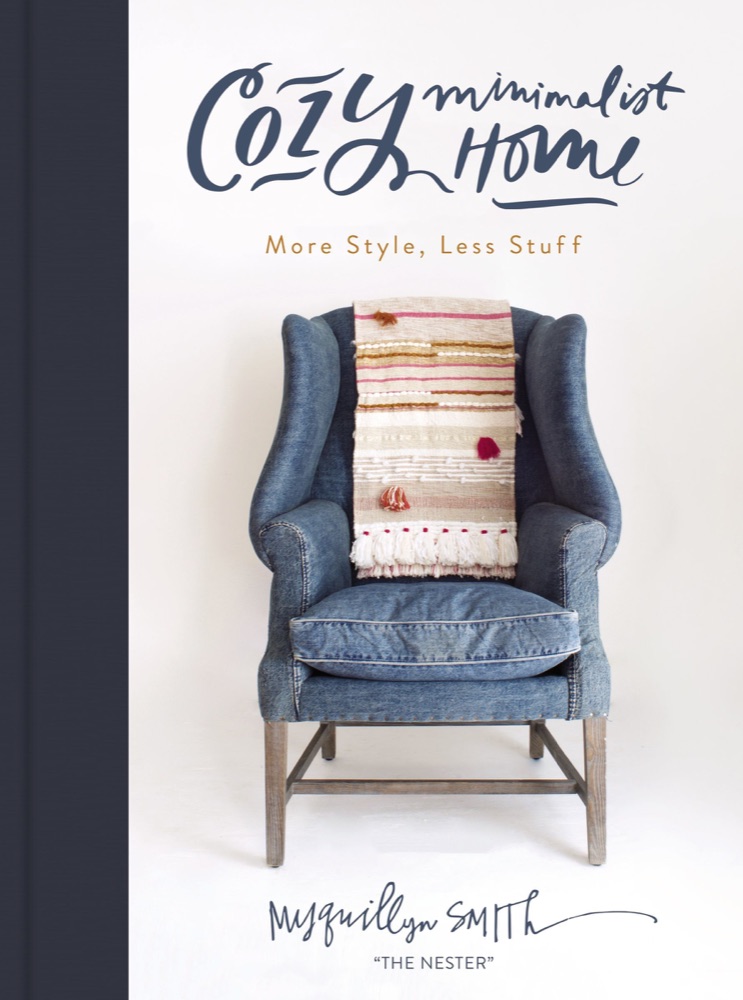 Cozy Minimalist Home: More Style, Less Stuff
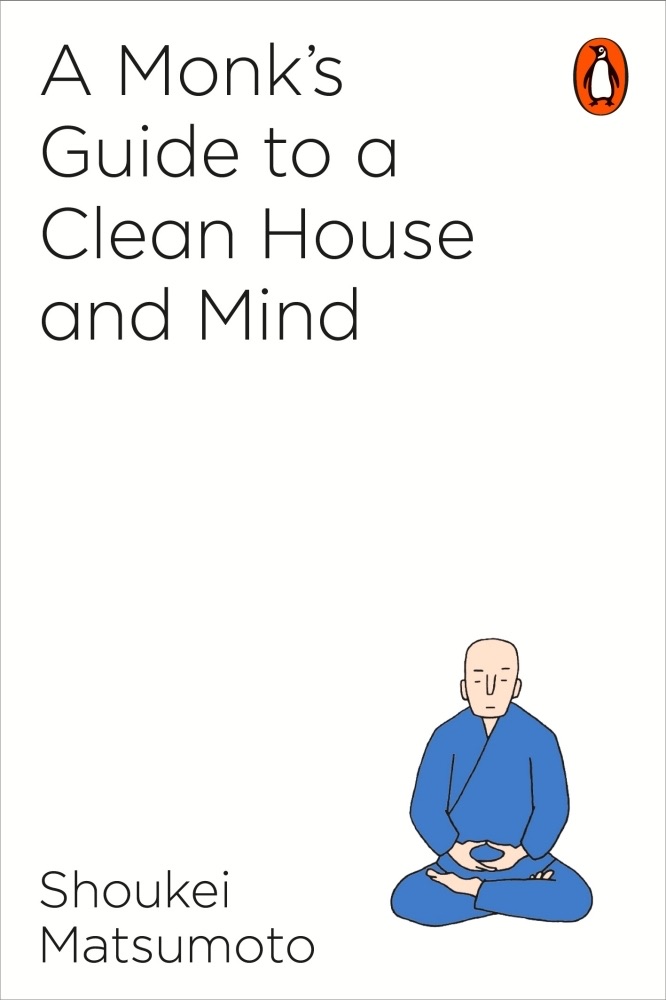 A Monk’s Guide to A Clean House & Mind
 Essentialism: The Disciplined Pursuit of Less
 How to Keep House While Drowning
 The Rent Collector
 Don't Sweat the Small Stuff ... and it's all small stuff: Simple Ways to Keep the Little Things from Taking Over Your Life
 Year of No Clutter
 Stuffocation: Living More with Less
 Stuff: Compulsive Hoarding and the Meaning of Things
 The Bullet Journal Method: Track Your Past, Order Your Present, Plan Your Future
 Little Victories: Perfect Rules for Imperfect Living
 Minimalism: Live a Meaningful Life
 Early Retirement Extreme: A Philosophical and Practical Guide to Financial Independence
 Simple Abundance: A Daybook of Comfort of Joy
 How to Be Here: A Guide to Creating a Life Worth Living
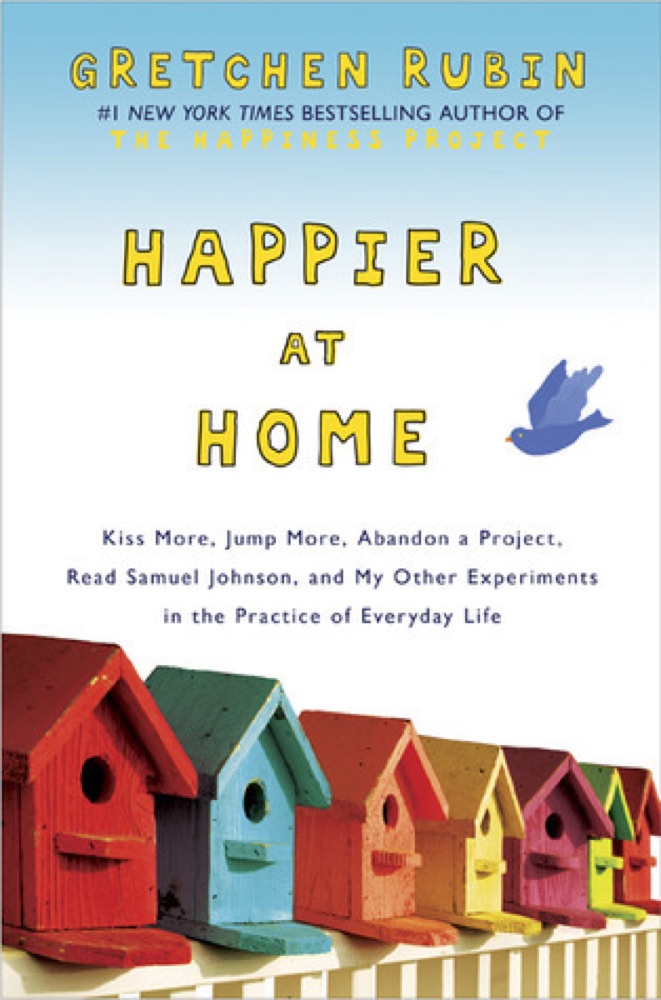 Happier at Home: Kiss More, Jump More, Abandon a Project, Read Samuel Johnson, and My Other Experiments in the Practice of Everyday Life
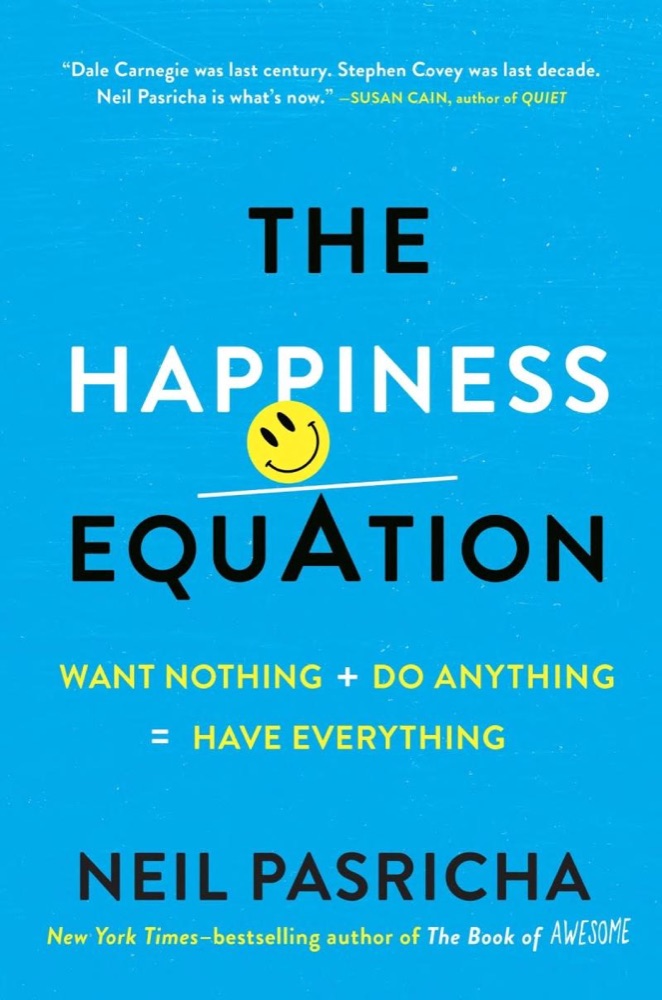 The Happiness Equation: Want Nothing + Do Anything = Have Everything
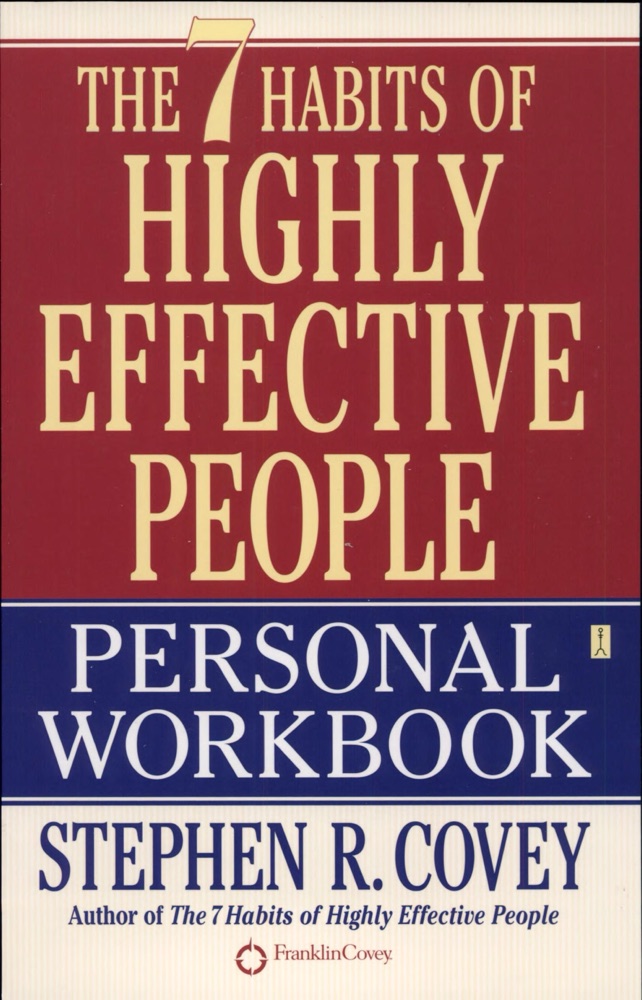 The 7 Habits of Highly Effective People: Personal Workbook
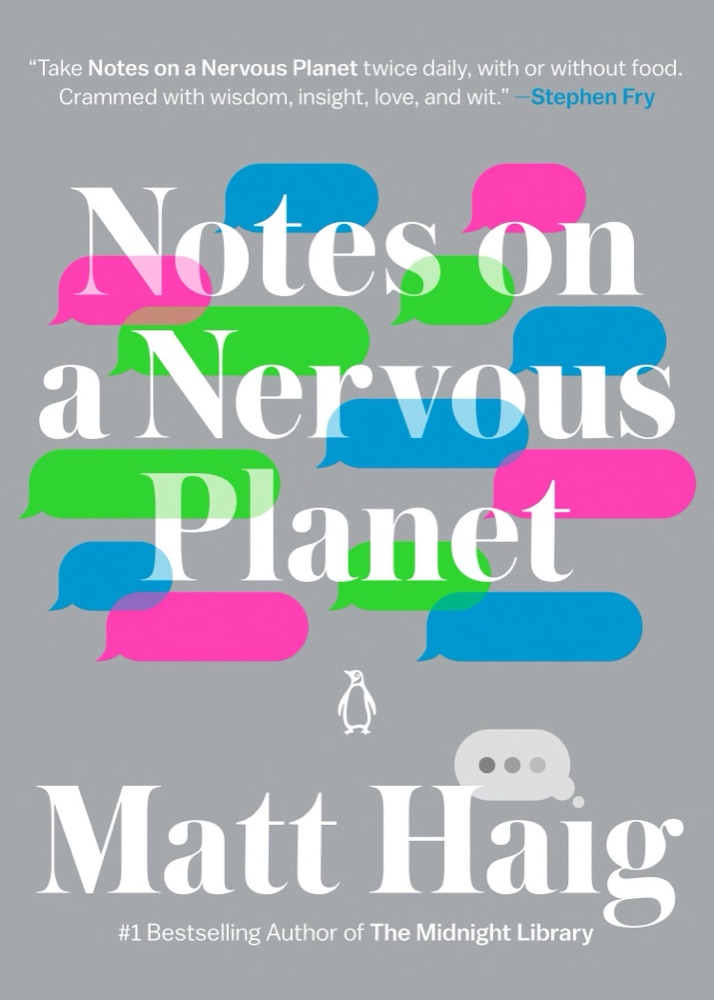 Notes on a Nervous Planet
 The Financial Diet
 Better Than Before: Mastering the Habits of Our Everyday Lives
 Simplicity Parenting: Using the Extraordinary Power of Less to Raise Calmer, Happier, and More Secure Kids
 Girl Wash your Face
 The Last Lecture
 Slow: Simple Living for a Frantic World
 Be Useful: Seven Tools for Life
 Discourses and Selected Writings
 Necessary Endings: The Employees, Businesses, and Relationships That All of Us Have to Give Up in Order to Move Forward
 Ready for Anything: 52 Productivity Principles for Getting Things Done
 How to Be a Bawse: A Guide to Conquering Life
 Getting Things Done: The Art of Stress-Free Productivity
 Stillness Is the Key
 What If This Were Enough?: Essays
 #Girlboss
 Excellent Advice for Living: Wisdom I Wish I'd Known Earlier
 The Happiness of Pursuit: Finding the Quest That Will Bring Purpose to Your Life
 7 Strategies for Wealth & Happiness: Power Ideas from America's Foremost Business Philosopher
 Change Your Thoughts - Change Your Life: Living the Wisdom of the Tao
 The Downstairs Girl
 Choose Yourself: Be Happy, Make Millions, Live the Dream
 From the Mixed-Up Files of Mrs. Basil E. Frankweiler
 A Work in Progress
 Wouldn't Take Nothing for My Journey Now
 What You Are Looking for Is in the Library
 I'm a Stranger Here Myself: Notes on Returning to America after Twenty Years Away
 The Noticer: Sometimes, All a Person Needs Is a Little Perspective
 You Are a Badass at Making Money: Master the Mindset of Wealth
 101 Essays That Will Change The Way You Think
 Zen and the Art of Motorcycle Maintenance