
 Hello, Habits: A Minimalist's Guide to a Better Life
Quotes from the Book
Want to know how to make yourself instantly unhappy? Compare yourself with someone else.
60
Why do we own so many things when we don’t need them? What is their purpose? I think the answer is quite clear: We’re desperate to convey our own worth, our own value to others. We use objects to tell people just how valuable we are.
45
We are more interested in making others believe we are happy than in trying to be happy ourselves. —FRANÇOIS DE LA ROCHEFOUCAULD
27
If it’s not a “hell, yes!” it’s a “no.
27
When given too many choices, people tend to worry that there’s something better out there than what they decided on.
27
We are what we repeatedly do. Excellence, then, is not an act but a habit.
21
Happiness is not having what you want, but wanting what you have. —RABBI HYMAN SCHACHTEL
20
Minimalism is just the beginning. It’s a tool. Once you’ve gone ahead and minimized, it’s time to find out what those important things are. Minimalism
19
Minimalism is built around the idea that there’s nothing that you’re lacking.
17
It’s often said that cleaning your house is like polishing yourself. I think that this is a golden rule. It isn’t just dust and dirt that accumulate in our homes. It’s also the shadows of our past selves that let that dust and dirt continue to build. Cleaning the grime is certainly unpleasant, but more than that, it’s the need to face our own past deeds that makes it so tough. But when we have fewer material possessions and cleaning becomes an easy habit, the shadows we now face will be of our daily accomplishments.
14
the accumulation of small achievements is the only way to do something incredible.
14
The glory of acquisition starts to dim with use, eventually changing to boredom as the item no longer elicits even a bit of excitement. This is the pattern of everything in our lives. No matter how much we wish for something, over time it becomes a normal part of our lives, and then a tired old item that bores us, even though we did actually get our wish. And we end up being unhappy.
13
You can avoid buying more things simply by first asking yourself if it’s something that you actually need.
12
There’s a favorite quote of mine from Dale Carnegie’s How to Stop Worrying and Start Living that really sums up what was wrong with me: “I was trying to wash today’s dishes, yesterday’s dishes and dishes that weren’t even dirty yet.
10
I’ve heard it said that the secret to a happy marriage is to simply talk a lot with your partner. One study showed that happily married couples talked with each other five more hours per week than couples that aren’t happy. If people are busy taking care of their possessions, quarreling over them, spending time in separate rooms, or watching a lot of TV, they’re naturally going to have less time for conversations.
10
Minimalism is not a rite of penance, nor is it a competitive sport. It is simply a means to an end.
10
The things you own end up owning you.” A
10
Your time is limited, so don’t waste it living someone else’s life. —STEVE JOBS
9
My feeling is that minimalists are people who know what's truly necessary for them versus what they may want for the sake of appearance, and they're not afraid to cut down on everything in the second category.
9
If you can’t make up your mind about an item, I suggest you go right ahead and discard it.
9
We can accumulate as much as we like, but without gratitude we’ll only end up being bored with everything we’ve obtained. Conversely, we can achieve true contentment with few possessions, just so long as we treat them with gratitude. The
9
There’s another benefit to a minimalist wardrobe. Because we choose items that are timeless, we don’t need to worry about being out of style.
8
a minimalist is a person who knows what is truly essential for him- or herself,
7
Ask yourself which of your items would truly be necessary if you were to start with zero belongings. What if everything you owned was stolen? What if you had to move next week? Which items would you take with you? There are probably a lot of things we have sitting around in our homes for no particular reason. Think about starting from scratch, and it will become clear which items are essential.
7
When you’re aware of all the things that you own, you’re not only certain of where they are, you’re also sure about whether you have them or not.
7
If you really want to change something, the only way to do it is to start changing this very moment. There’s really no tomorrow, and no next week to look forward to. Once tomorrow comes, it’s going to be today. A year from now will be today when the time comes. Everything is in the now. By
7
All of our possessions want to be cared for, and they tell us that every time we look at them.
6
when you have few possessions, there are fewer things that need to be done each day. You can take care of each task as it arises, so you don’t end up with a long list of things to do,
6
Fight Club: “The things you own end up owning you.
5
Watch on YouTube
About Fumio Sasaki
We have collected 46 quotes from 2 books by Fumio Sasaki on BookQuoters.
More about the author →More by Fumio Sasaki
Hello, Habits: A Minimalist's Guide to a Better Life
About the book
The best-selling phenomenon from Japan that shows us a minimalist life is a happy life.
Fumio Sasaki is not an enlightened minimalism expert or organizing guru like Marie Kondo―he’s just a regular guy who was stressed out and constantly comparing himself to others, until one day he decided to change his life by saying goodbye to everything he didn’t absolutely need. The effects were remarkable: Sasaki gained true freedom, new focus, and a real sense of gratitude for everything around him. In Goodbye, Things Sasaki modestly shares his personal minimalist experience, offering specific tips on the minimizing process and revealing how the new minimalist movement can not only transform your space but truly enrich your life. The benefits of a minimalist life can be realized by anyone, and Sasaki’s humble vision of true happiness will open your eyes to minimalism’s potential.
16 pages of
Book details
- First published
- 2015
- Author
- Fumio Sasaki
- Genre
- Nonfiction
- Goodreads rating
- 3.80 (45k ratings)
Keep reading
 The Life-Changing Magic of Tidying Up: The Japanese Art of Decluttering and Organizing
 The Minimalist Home: A Room-by-Room Guide to a Decluttered, Refocused Life
 Outer Order, Inner Calm: Declutter & Organize to Make More Room for Happiness
 Essentialism: The Disciplined Pursuit of Less
 The Gentle Art of Swedish Death Cleaning
 The Lazy Genius Way: Embrace What Matters, Ditch What Doesn't, and Get Stuff Done
 Decluttering at the Speed of Life: Winning Your Never-Ending Battle with Stuff
 The Happiness Equation: Want Nothing + Do Anything = Have Everything
 Stuffocation: Living More with Less
 Minimalism: Live a Meaningful Life
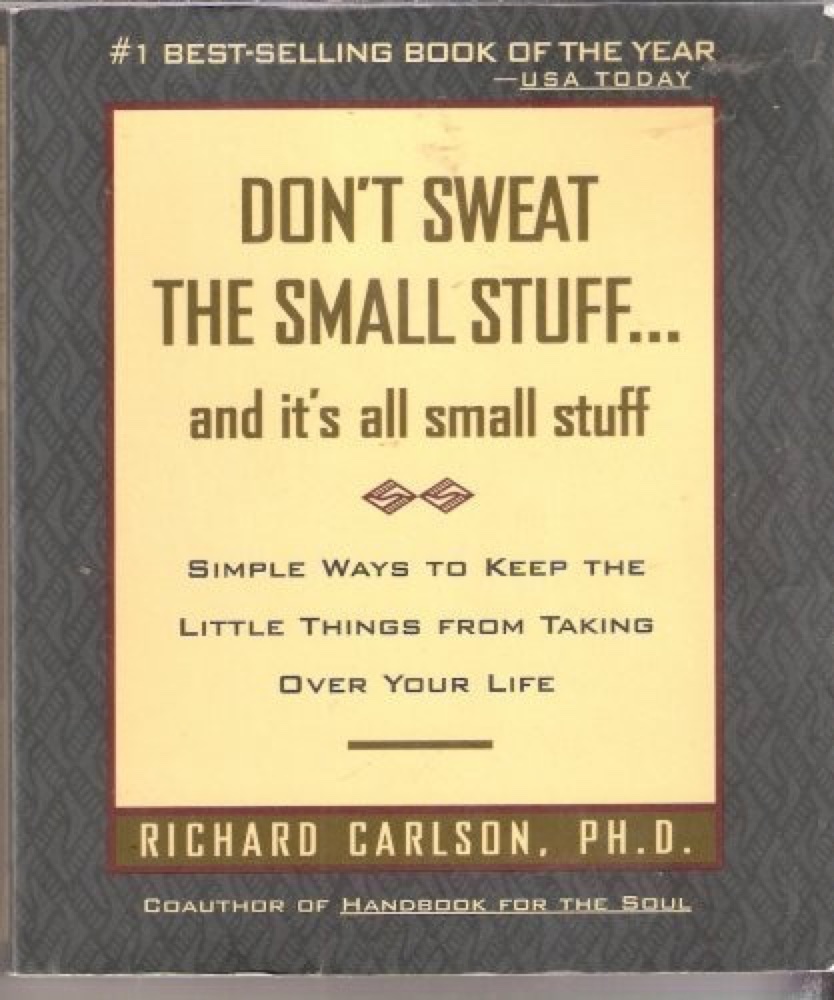 Don't Sweat the Small Stuff ... and it's all small stuff: Simple Ways to Keep the Little Things from Taking Over Your Life
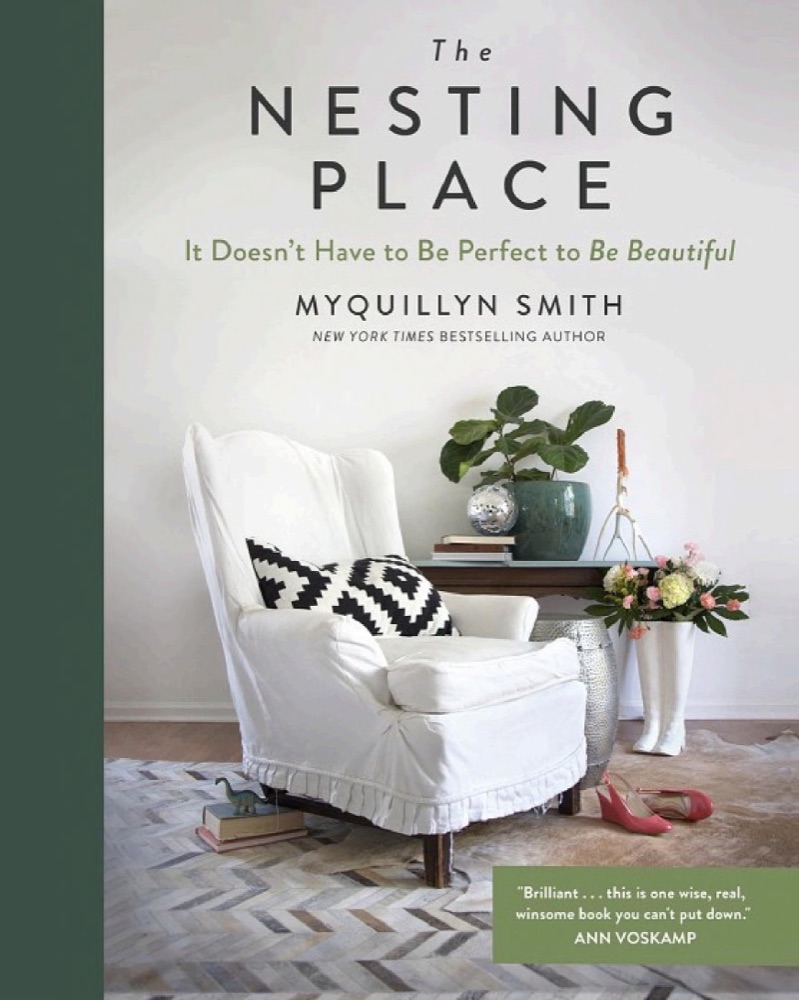 The Nesting Place: It Doesn't Have to Be Perfect to Be Beautiful
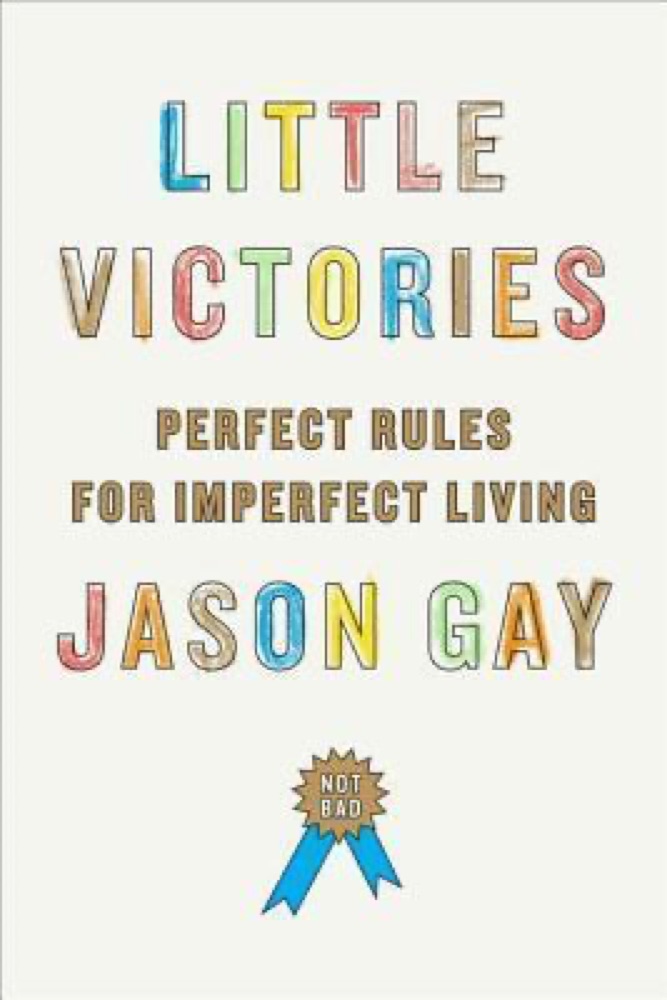 Little Victories: Perfect Rules for Imperfect Living
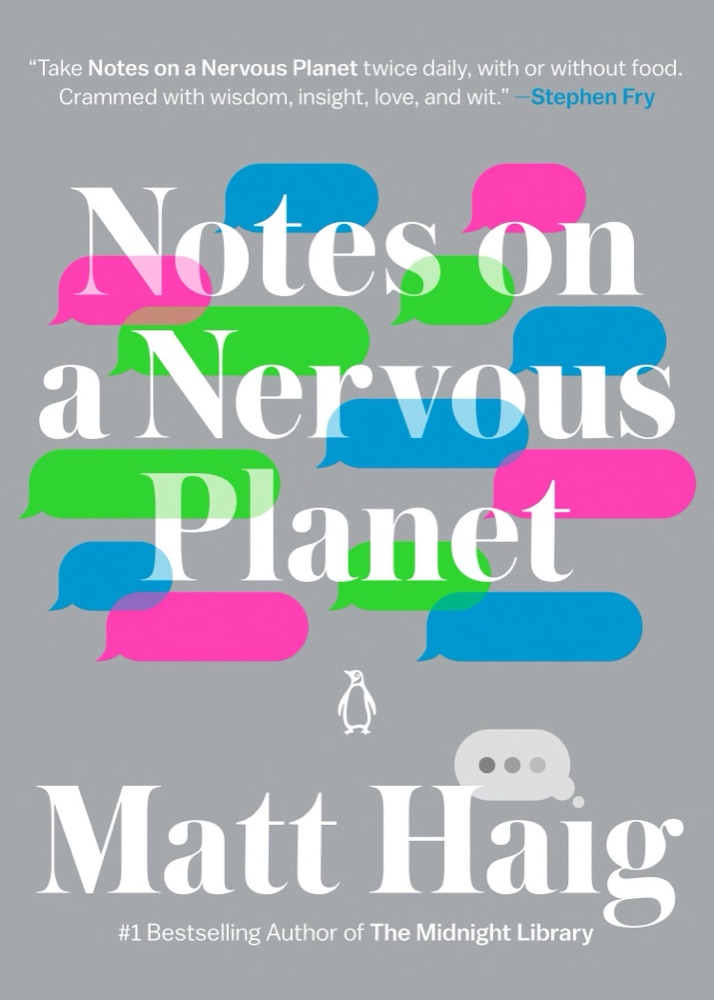 Notes on a Nervous Planet
 Tribe Of Mentors: Transformative Wisdom From Icons and Innovators to Help You Navigate Life's Challenges
 Happier at Home: Kiss More, Jump More, Abandon a Project, Read Samuel Johnson, and My Other Experiments in the Practice of Everyday Life
 Be Useful: Seven Tools for Life
 The Bullet Journal Method: Track Your Past, Order Your Present, Plan Your Future
 Ready for Anything: 52 Productivity Principles for Getting Things Done
 Simple Abundance: A Daybook of Comfort of Joy
 Tools of Titans: The Tactics, Routines, and Habits of Billionaires, Icons, and World-Class Performers
 The Last Lecture
 The 7 Habits of Highly Effective People: Personal Workbook
 7 Strategies for Wealth & Happiness: Power Ideas from America's Foremost Business Philosopher
 Choose Yourself: Be Happy, Make Millions, Live the Dream
 Your Erroneous Zones: Step-By-Step Advice for Escaping the Trap of Negative Thinking and Taking Control of Your Life
 How to Keep House While Drowning
 The Happiness Project
 Slow: Simple Living for a Frantic World
 What If This Were Enough?: Essays
 How to Be Here: A Guide to Creating a Life Worth Living
 101 Essays That Will Change The Way You Think
 The Freedom Manifesto
 The Perfectionist's Guide to Losing Control: A Path to Peace and Power
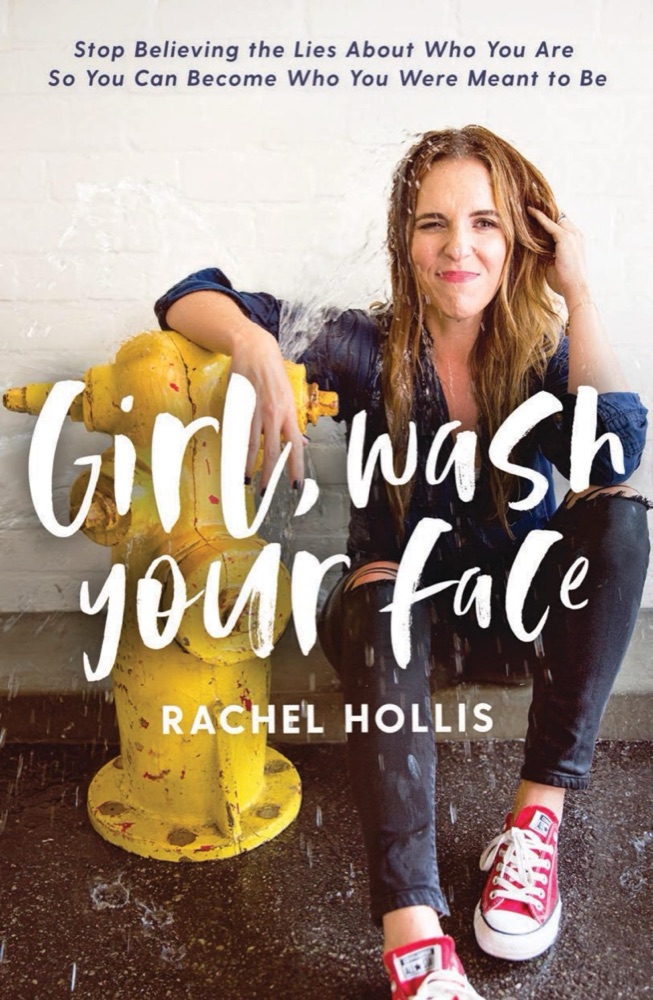 Girl Wash your Face
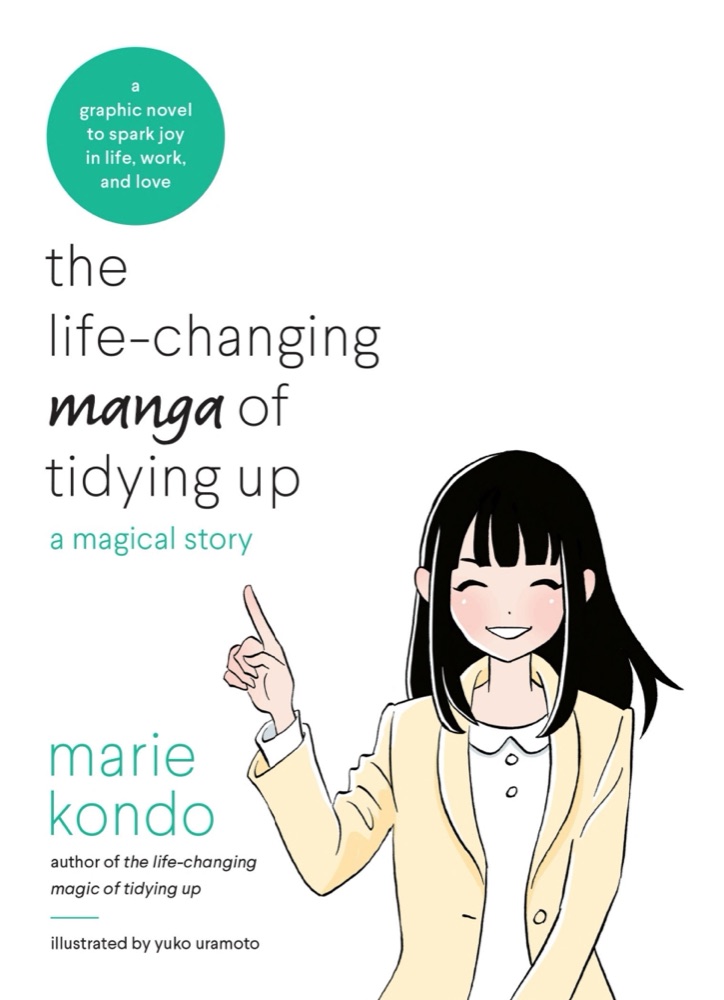 The Life-Changing Manga of Tidying Up
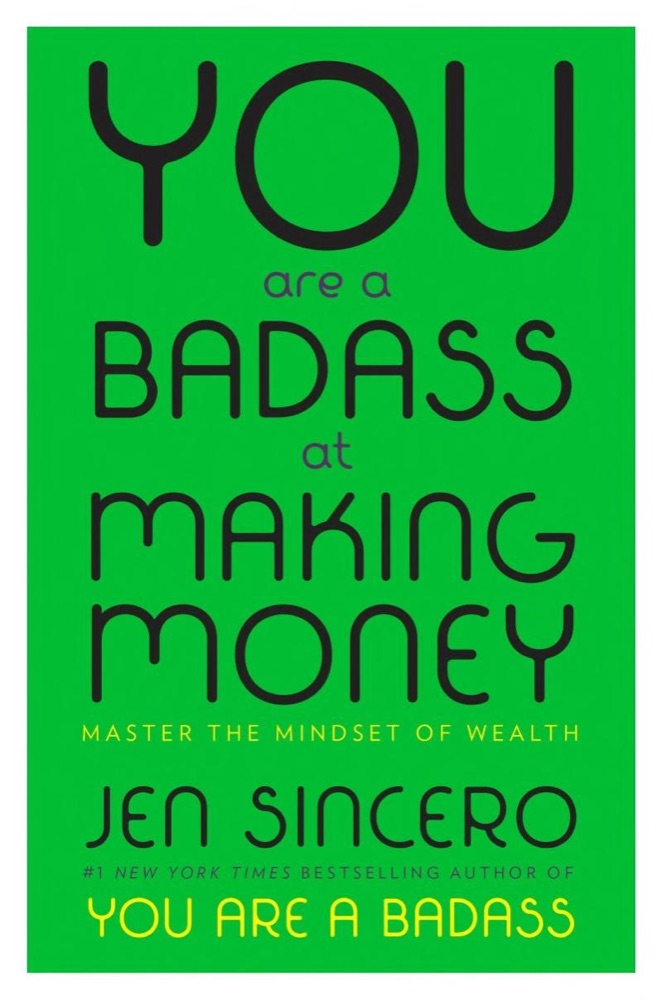 You Are a Badass at Making Money: Master the Mindset of Wealth
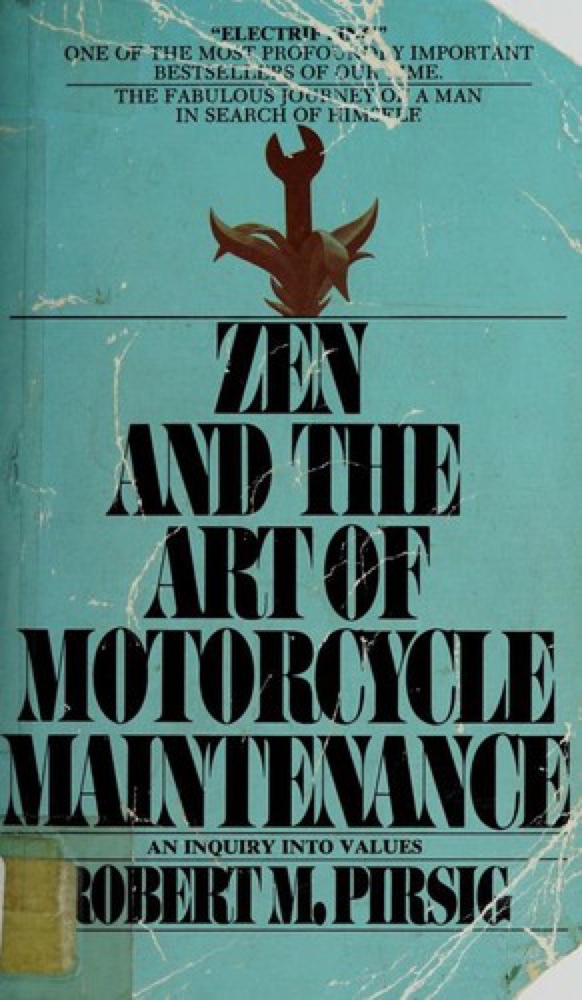 Zen and the Art of Motorcycle Maintenance
 Change Your Thoughts - Change Your Life: Living the Wisdom of the Tao
 Present Over Perfect: Leaving Behind Frantic for a Simpler, More Soulful Way of Living
 Will
Will
 Let's Talk: ...About Making Your Life Exciting, Easier, And Exceptional
 Be Your Future Self Now: The Science of Intentional Transformation
 Stillness Is the Key
 The Noticer: Sometimes, All a Person Needs Is a Little Perspective
 The Art of Spending Money: Simple Choices for a Richer Life
 First Things First
 A Work in Progress
 How to Stop Worrying and Start Living
 How to Fail at Almost Everything and Still Win Big: Kind of the Story of My Life
 Getting Things Done: The Art of Stress-Free Productivity
 Encyclopedia of an Ordinary Life
 How to Be a Bawse: A Guide to Conquering Life
 Wouldn't Take Nothing for My Journey Now
 Discourses and Selected Writings
 Early Retirement Extreme: A Philosophical and Practical Guide to Financial Independence
 Thrive: The Third Metric to Redefining Success and Creating a Life of Well-Being, Wisdom, and Wonder