
 A Room of One's Own
Quotes from the Book
Here are the dead poets, still musing, still pondering, still questioning the meaning of existence.
2
Atraídos por uma irresistível corrente, chegam das tempestades e calmarias do mar, do seu silêncio e solidão, para o ponto de ancoragem que lhes é atribuído. Os motores param; as velas são recolhidas; e, de súbito, as ostentosas chaminés e os altos mastros exibem-se desajeitadamente contra uma fileira de casas de operários, contra as paredes negras de enormes armazéns. Uma curiosa mudança então ocorre. Os navios não têm mais a perspectiva adequada de mar e céu por trás deles, assim como já não dispõem do espaço apropriado para esticar os membros. Jazem ali cativos, amarrados em terra firme como criaturas aladas atadas pela perna ao pairarem nas alturas.
2
Passamos a sentir que somente uma mudança em nós mesmos pode mudar a rotina das docas. Por exemplo, se desistirmos de tomar clarete, ou passarmos a usar borracha em vez de lã nos nossos cobertores, toda a maquinaria de produção e distribuição estremeceria, hesitaria e buscaria adaptar-se de novo. Somos nós - nossos gostos, modas, necessidades - que fazemos os guindastes mergulhar e oscilar, que chamamos os navios do mar. Nosso corpo é o senhor deles. Exigimos sapatos, peles, bolsas, fogões, óleo, pudim de arroz, velas - e estes são trazidos até nós. O comércio nos observa ansiosamente para ver quais novos desejos começamos a desenvolver, que novas aversões.
2
O encanto da Londres moderna é ser construída não para durar, é ser construída para passar. Sua fragilidade, sua transparência, seus ornamentos de estuque colorido causam um prazer diferente e atingem um objetivo diferente do desejado e tentado pelos velhos construtores e seus patronos - a nobreza da Inglaterra. Seu orgulho exigiu a ilusão da permanência. O nosso, pelo contrário, parece deleitar-se em provar que podemos tornar a pedra e o tijolo tão transitórios quanto nossos próprios desejos. Não construímos para nossos descendentes, que podem viver nas nuvens ou na terra, mas para nós mesmos e nossas necessidades. Derrubamos e reconstruímos enquanto esperamos ser derrubados e reconstruídos. É um impulso provocador da criação e da fertilidade. A descoberta é estimulada e a invenção fica em alerta.
2
Pare, reflita, admire, fique atento a seus próprios rumos - essas antigas placas estão sempre nos aconselhando e exortando. Deixa-se a igreja admirado com os vastos dias em que cidadãos desconhecidos podiam ocupar tanto espaço com seus ossos e confiantemente requisitar tanta atenção por suas virtudes, enquanto nós - vejam como nos acotovelamos e nos esquivamos e circundamos uns aos outros na rua, de que modo rápido cortamos caminho e lepidamente nos esgueiramos por entre os carros. O mero processo de nos manter vivos exige toda a nossa energia.
2
it seemed clear that these ordinary-looking business-like men are responsible for acts which will remain when their red cheeks and top hats and check trousers are dust and ashes. Matters of great moment, which affect the happiness of people, the destinies of nations, are here at work chiseling and carving these very ordinary human beings. Down on this stuff of common humanity comes the stamp of a huge machine. And the machine itself and the man upon whom the stamp of the machine descends are both plain, featureless, impersonal.
1
Dipping and rising, moving and settling, the Commons remind one of a flock of birds settling on a stretch of ploughed land. They never alight for more than a few minutes; some are always flying off, others are always settling again. And from the flock rises the gabbling, the cawing, the croaking of a flock of birds, disputing merrily and with occasional vivacity over some seed, worm, or buried grain.
1
há em Virginia Woolf uma crítica e uma romancista tão diversas, por vezes tão opostas entre si (...): uma é tão incisiva e lógica, como lírica e fluida a outra; aquela afirma, define, usa processos diretos, palavras precisas; esta sugere, esbate, avança sinuosamente por meio de frases algum tanto preciosas, irisadas, sutis (...) Com aquele [espírito racionalista] fez crítica, com esta [sensibilidade feminina] romances.
1
The truth was that she did not want intimacy; she wanted conversation. Intimacy has a way of breeding silence, and silence she abhorred.
1
These garden graveyards are the most peaceful of our London sanctuaries and their dead the quietest.
1
Use produces beauty as a by-product.
1
...prendia a respiração cogitando se Helen estaria acordada, se acendera o fogo para aquecer a água com que o marido se barbearia. Um novo dia nascera, e o bombeamento e a esfregação precisavam recomeçar. Portanto a Cheyne Row nº5 é mais um campo de batalha do que um local de habitação - é um cenário de trabalho braçal, esforço e luta perpétua.
1
But as we enter the house in which Keats lived some mournful shadow seems to fall across the garden. A tree has fallen and lies propped. Waving branches cast their shadows up and down over the flat white walls of the house. Here, for all the gaiety and serenity of the neighbourhood, the nightingale sang; here, if anywhere, fever and anguish had their dwelling and paced this little green plot oppressed with the sense of quick-coming death and the shortness of life and the passion of love and its misery.” – Virginia Woolf, “Great Men’s Houses” (essay).
Her favourite meal was tea, because the tea-table can be supplied economically, and there is an elasticity about tea which suited her gregarious temper.
Westminster Hall raises its immense dignity as we pass out. Little men and women are moving soundlessly about the floor. They appear minute, perhaps pitiable; but also venerable and beautiful under the curve of the vast dome, under the perspective of the huge columns. One would rather like to be small nameless animal in a vast cathedral. Let us rebuild the world then as a splendid hall; let us give up making statues and inscribing them with impossible virtues.
And yet the bawling voice, the black gown, the tramp of feet on the stone, the mace and the dingy felt hats somehow suggest, better than scarlet and trumpets, that the Commons are taking their seats in their own House to proceed with the business of governing their own country. Vague though our history may be, we somehow feel that we common people won this right centuries ago, and have held it for centuries past, and the mace is our mace and the Speaker is our speaker and we have no need of trumpeters and gold and scarlet to usher our representative into our own House of Commons.
Pause, reflect, admire, take heed of your ways—so these ancient tablets are always advising and exhorting us. One leaves the church marveling at the spacious days when unknown citizens could occupy so much room with their bones and confidently request so much attention for their virtues when we—behold how we jostle and skip and circumvent each other in the street, how sharply we cut corners, how nimbly we skip beneath motor cars. The mere process of keeping alive needs all our energy. We have no time, we were about to say, to think about life or death either, when suddenly we run against the enormous walls of St. Paul’s.
Thus number 5 Cheyne Row is not so much a dwelling place as a battlefield—the scene of labour, effort and perpetual struggle. Few of the spoils of life—its graces and its luxuries—survive to tell us that the battle was worth the effort. The relics of drawing room and study are like the relics picked up on other battlefields.
. . . it would seem to be a fact that writers stamp themselves upon their possessions more indelibly than other people. Of artistic taste they may have none; but they seem always to possess a much rarer and more interesting gift—a faculty for housing themselves appropriately, for making the table, the chair, the curtain, the carpet into their own image.
A thousand such voices are always crying aloud in Oxford Street. All are tense, all are real, all are urged out of their speakers by the pressure of making a living, finding a bed, somehow keeping afloat on the bounding, careless, remorseless tide of the street. And even a moralist, who is, one must suppose, since he can spend the afternoon dreaming, a man with a balance in the bank—even a moralist must allow that this gaudy, bustling, vulgar street reminds us that life is a struggle; that all building is perishable; that all display is vanity; from which we may conclude . . .
About Virginia Woolf
We have collected 485 quotes from 20 books by Virginia Woolf on BookQuoters.
More about the author →More by Virginia Woolf
All books by Virginia Woolf →
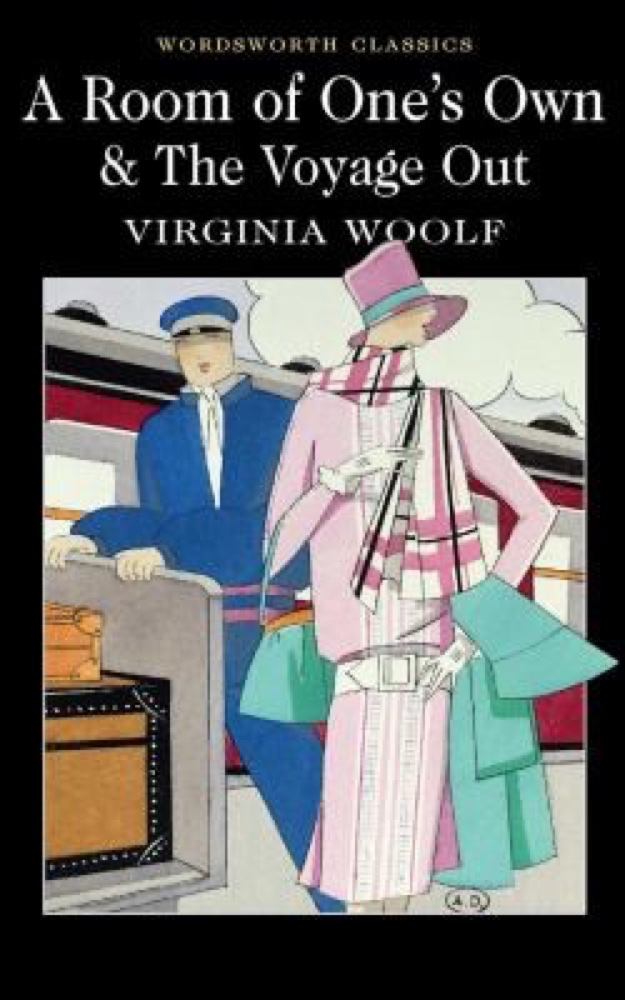
About the book
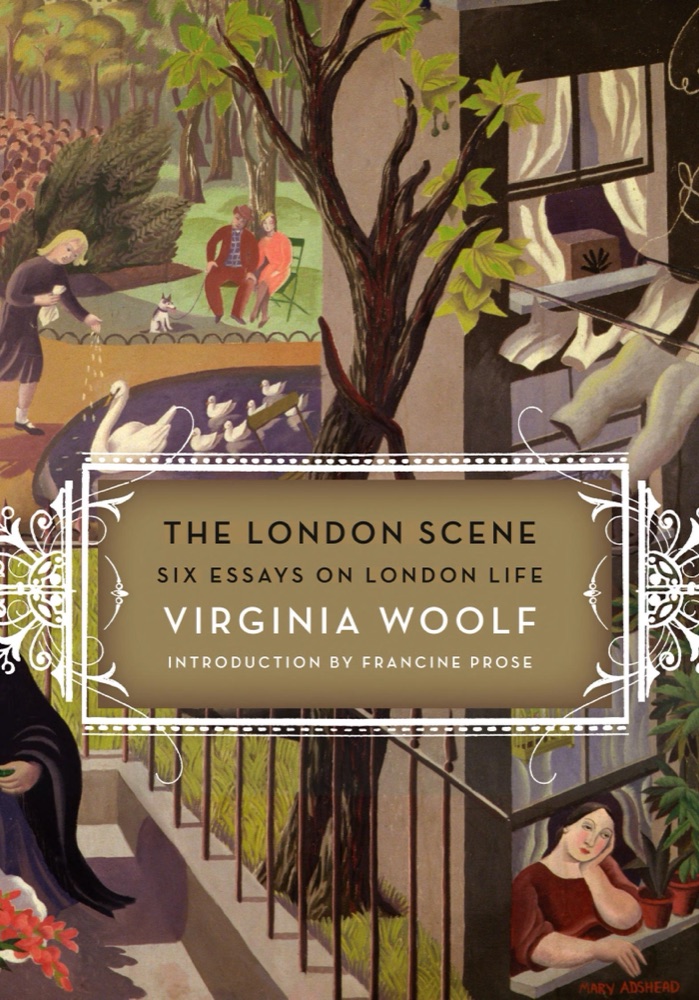
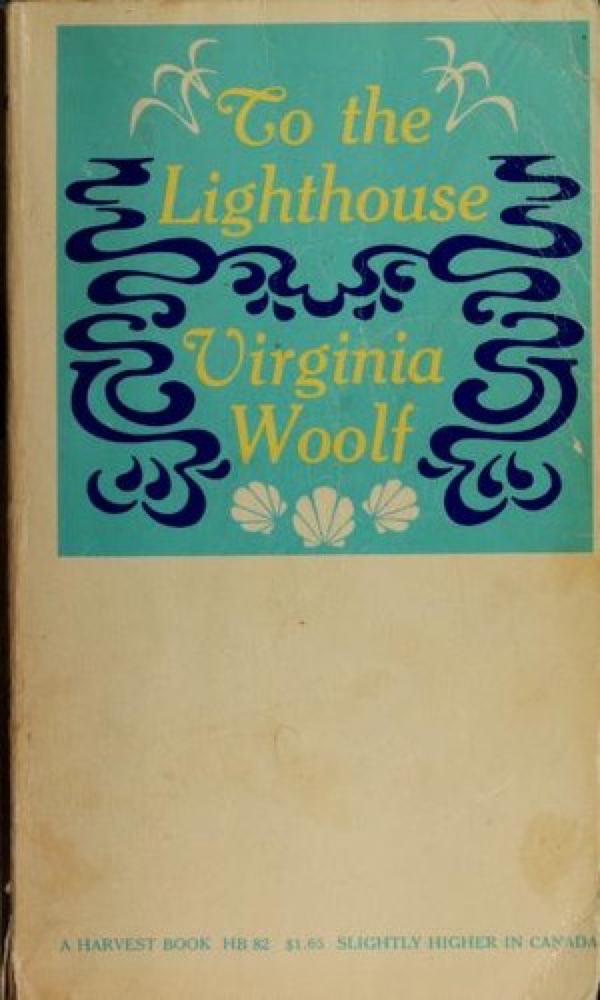
'The London Scene' is a collection of essays written by one of London's most acclaimed writers. Virginia Woolf was born and lived much of her life in the city, using it as the backdrop for many of her works.
The essays cover London Docks, Oxford Street Tide, Great Men's Houses, Abbeys and Cathedrals, "This is the House of Commons", and Portrait of a Londoner. The essays were first published in the 'Good Housekeeping' magazine, beginning in the spring of 1931 and then bi-monthly through to December 1932.
There is also a chapter on 'The History of The London Scene', which when first published in America was entitled 'The London Scene: Five Essays.' 'The Portrait of a Londoner' was the essay not included and, indeed, this edition has that essay included in the collection for the first time.
Book details
- First published
- 2004
- Author
- Virginia Woolf
- Genre
- Nonfiction
- Goodreads rating
- 3.80 (2k ratings)
Keep reading
 Black Lamb and Grey Falcon
 Paris Spleen
 The Notebooks of Malte Laurids Brigge
 The Complete Works of Charles Dickens
 Independent People
 The House of the Spirits
 Monday or Tuesday
 The Hungry Tide
 The Complete Works
 The Complete Poems and Plays, 1909-1950
 The Memoirs of Cleopatra
 Bleak House
 The Songlines
 The Aleph and Other Stories
 Buddenbrooks: The Decline of a Family
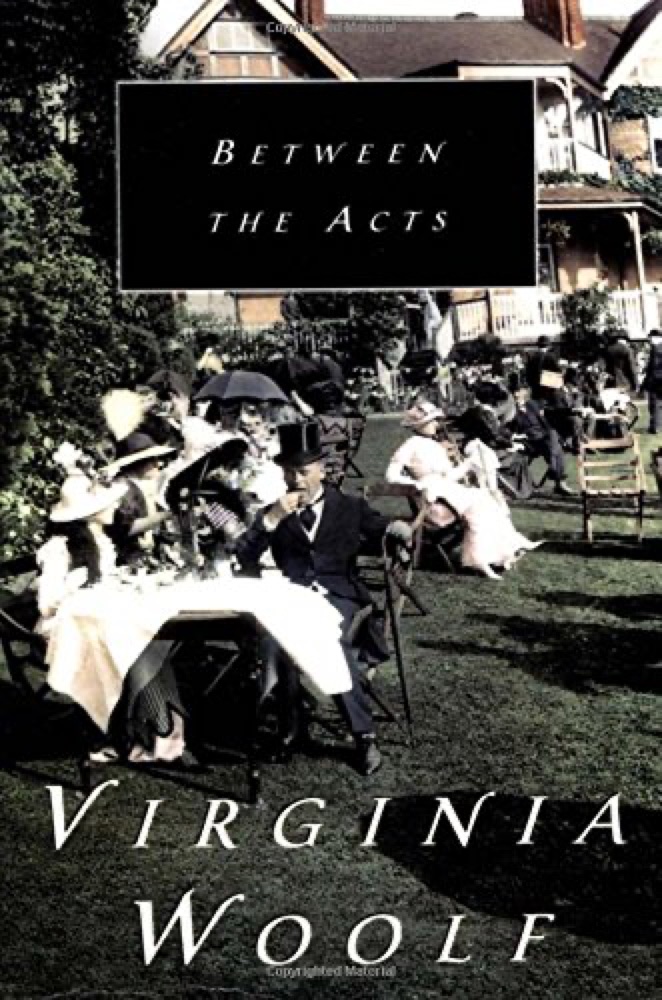 Between the Acts
 Selected Poems
 Jacob's Room
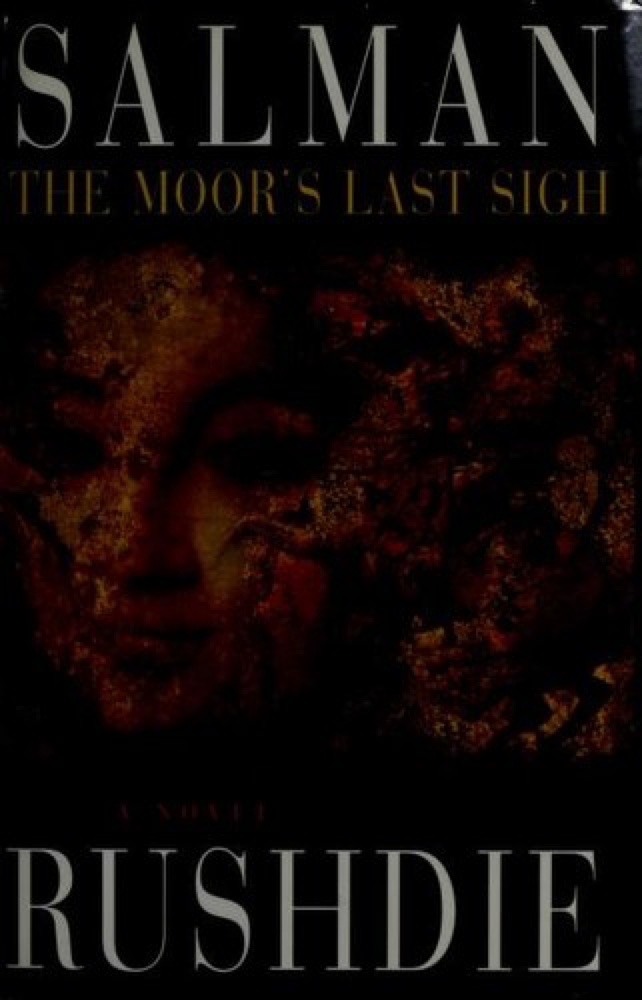 The Moor's Last Sigh
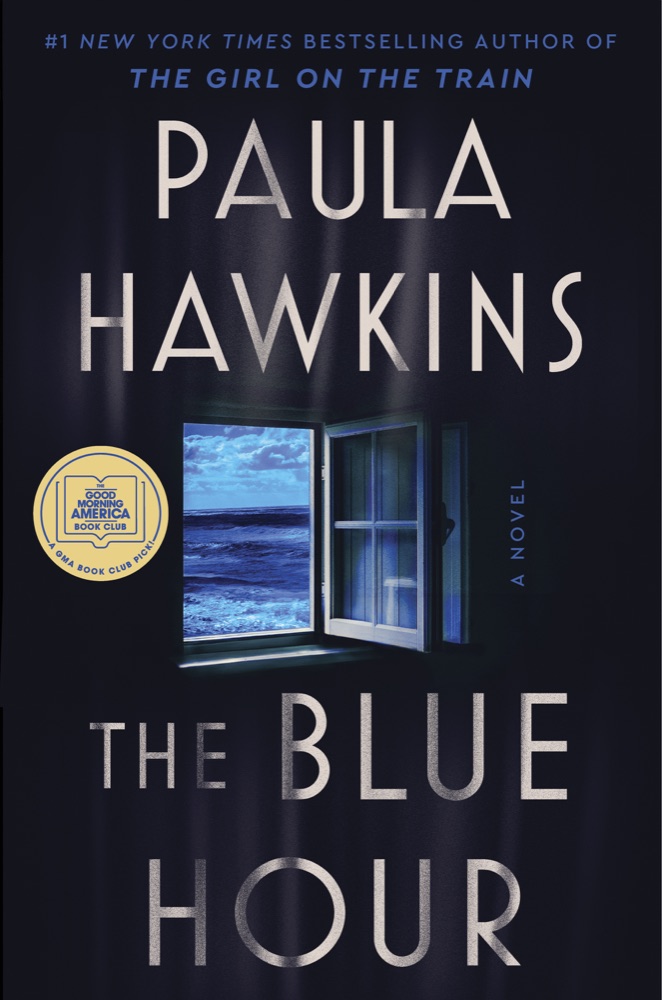 The Blue Hour
 In the Heart of the Heart of the Country and Other Stories
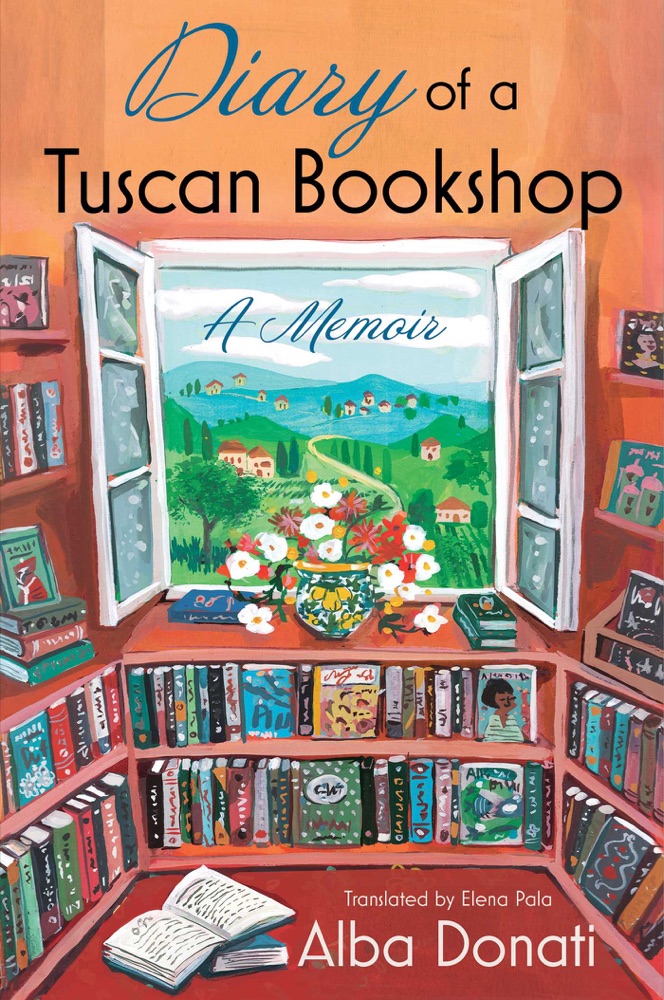 Diary of a Tuscan Bookshop: A Memoir
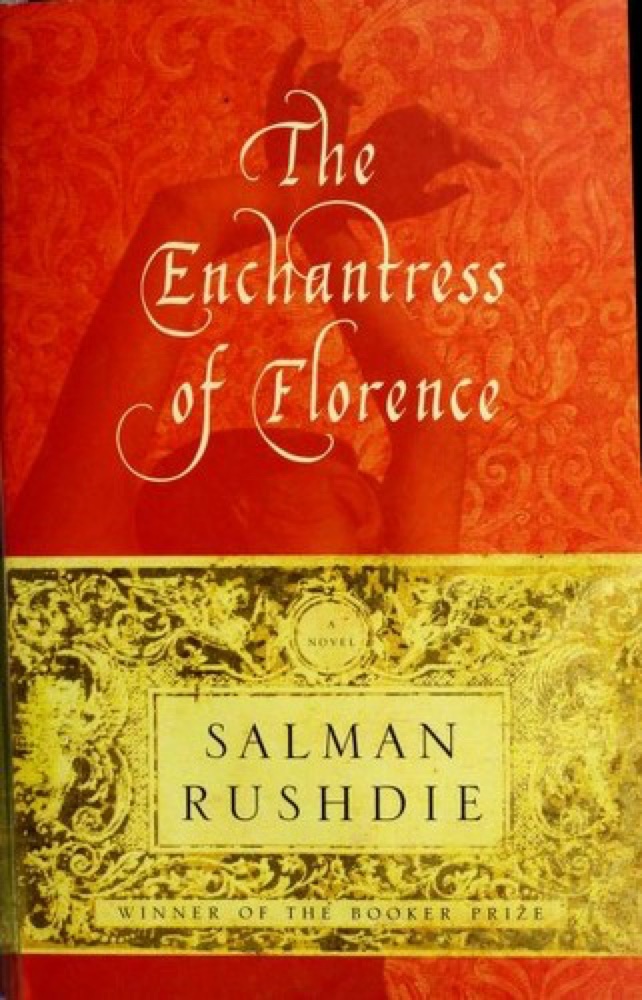 The Enchantress of Florence
 The Adventures of China Iron
 The Dwarf
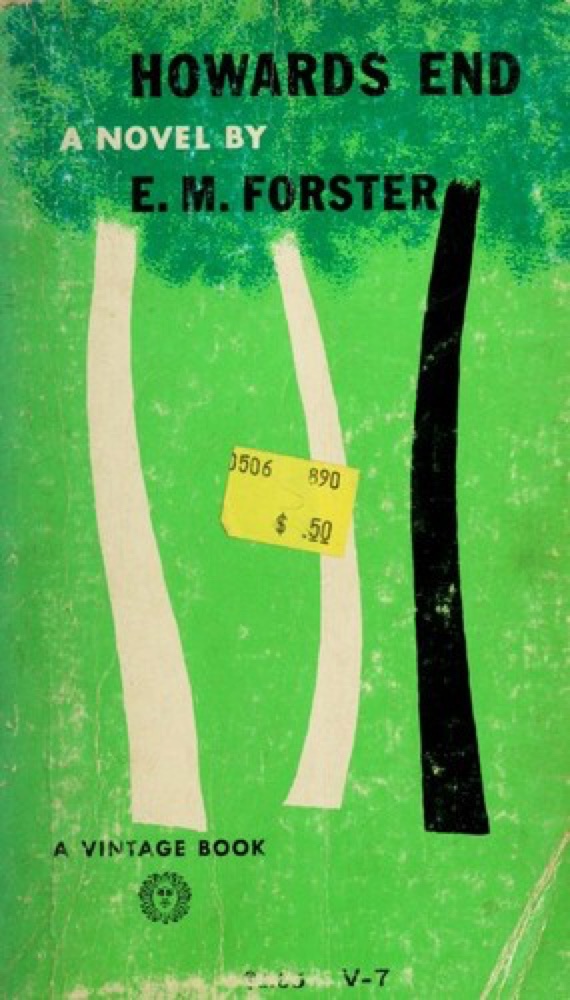 Howards End
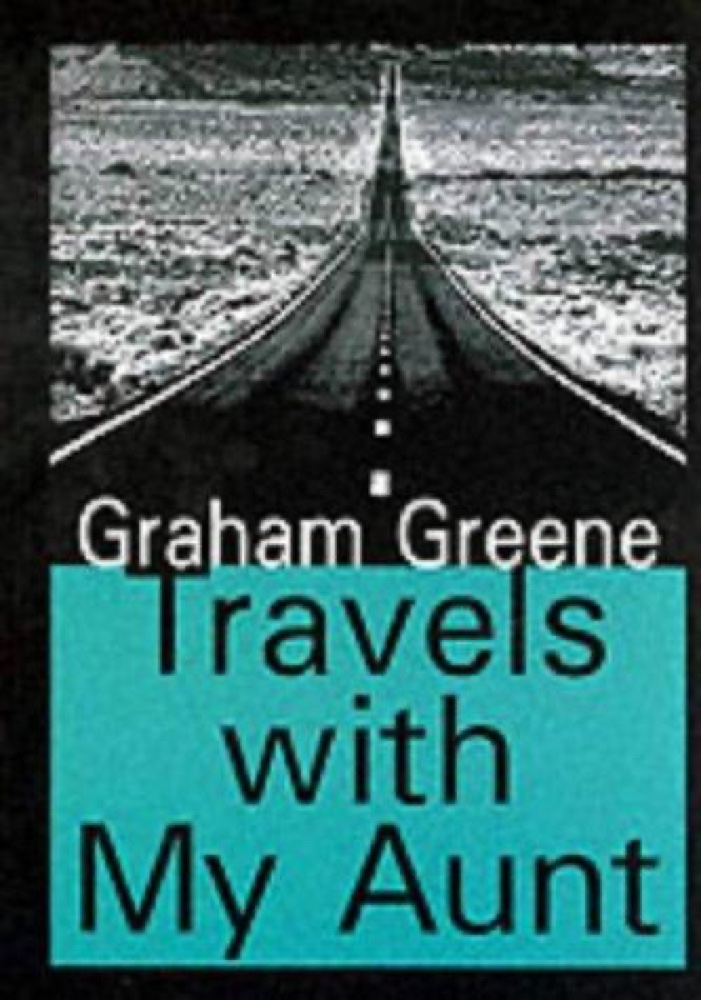 Travels With My Aunt
 Shadows of the Workhouse
 The Old Curiosity Shop
 Selected Poems
 The Professor
 A Room with a View
 The Castle of Crossed Destinies
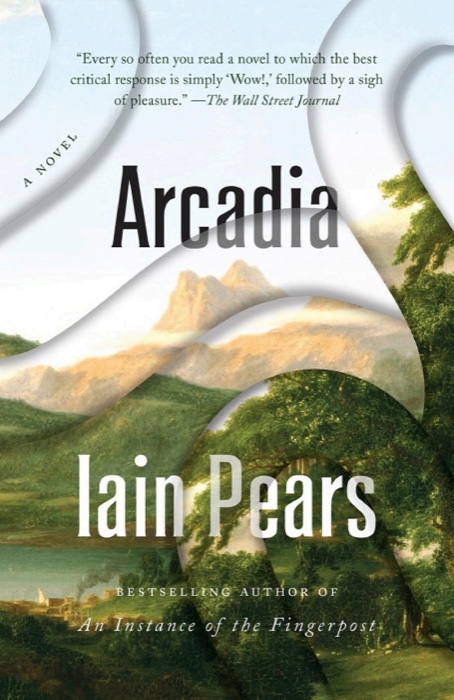 Arcadia
 Eyeless in Gaza
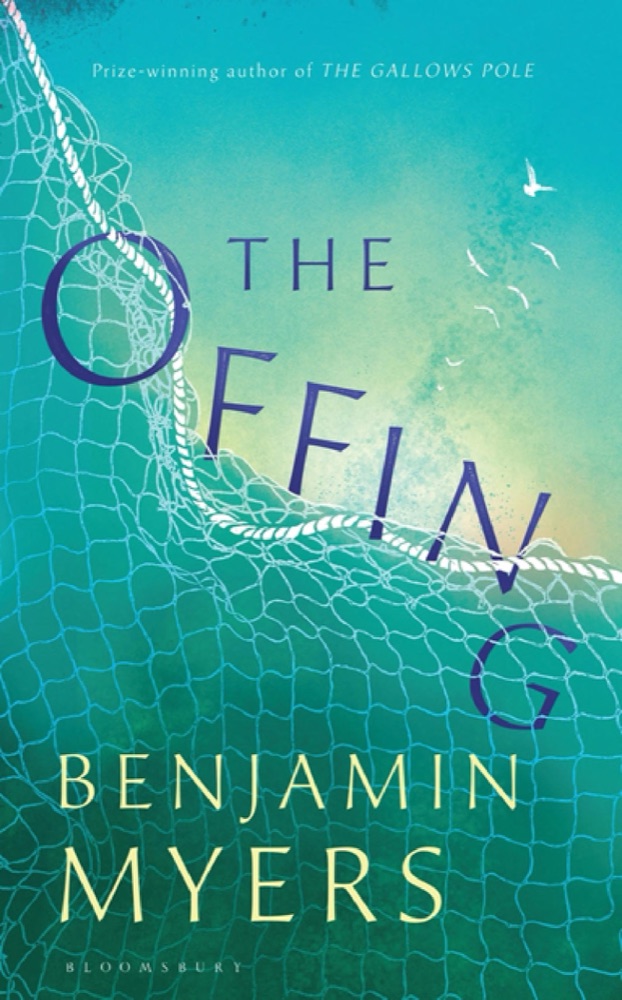 The Offing
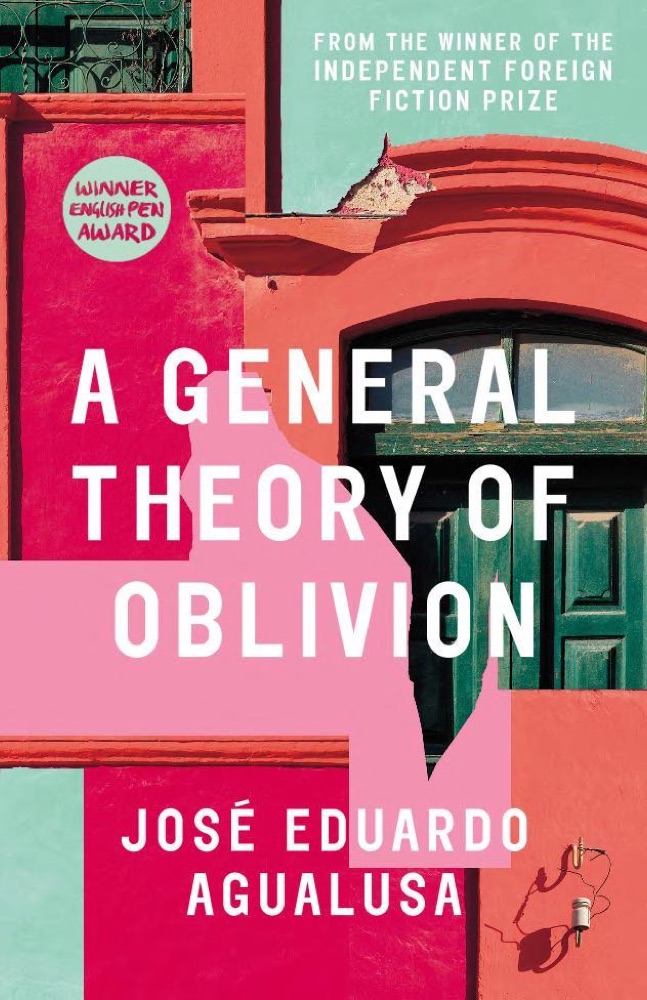 A General Theory of Oblivion
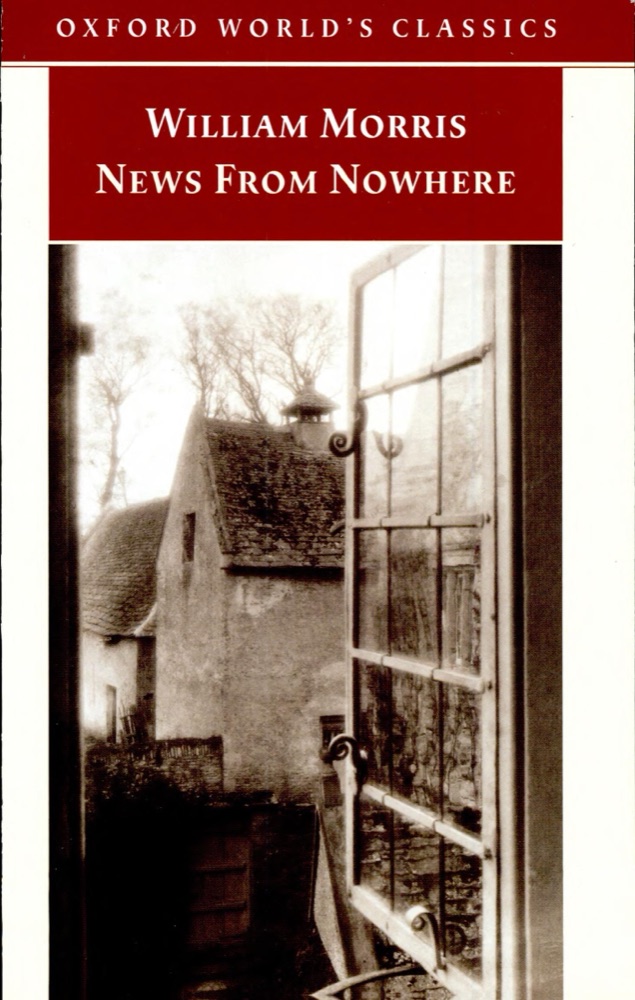 News from Nowhere
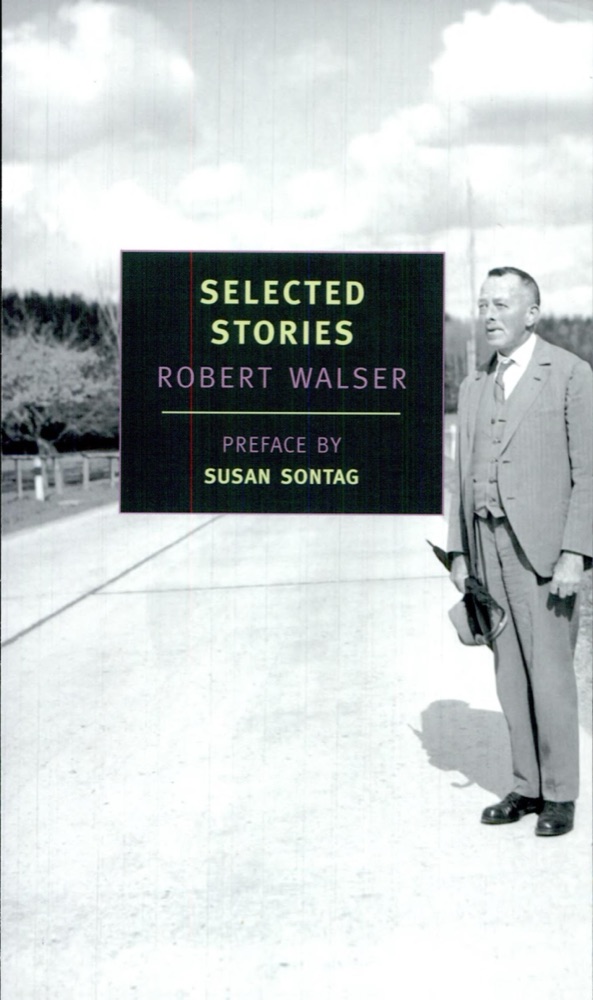 Selected Stories
 One Way Street And Other Writings
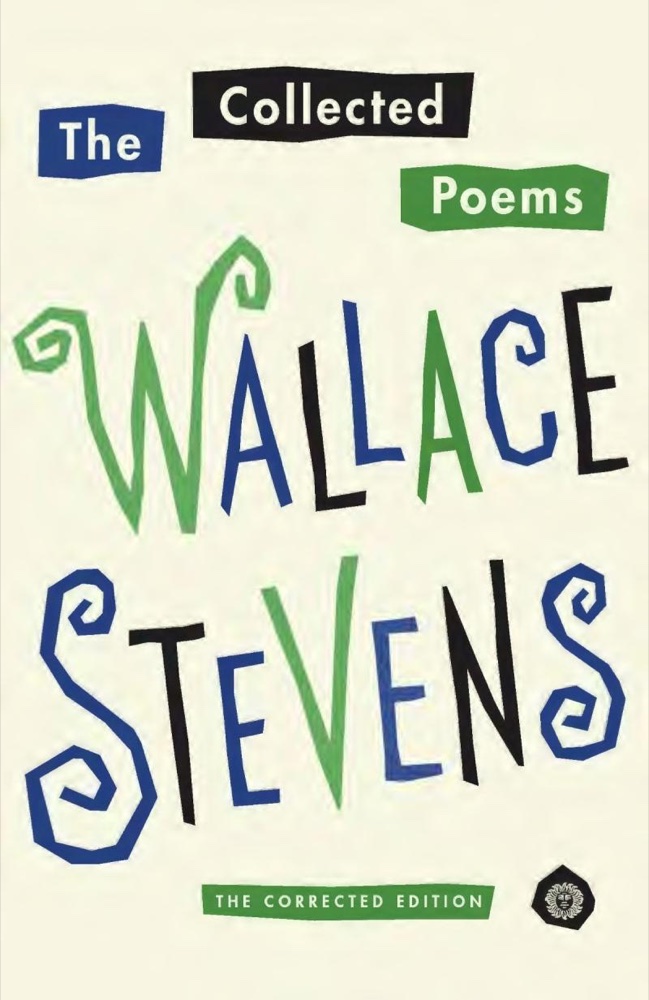 The Collected Poems
 Identity
 Plainwater: Essays and Poetry
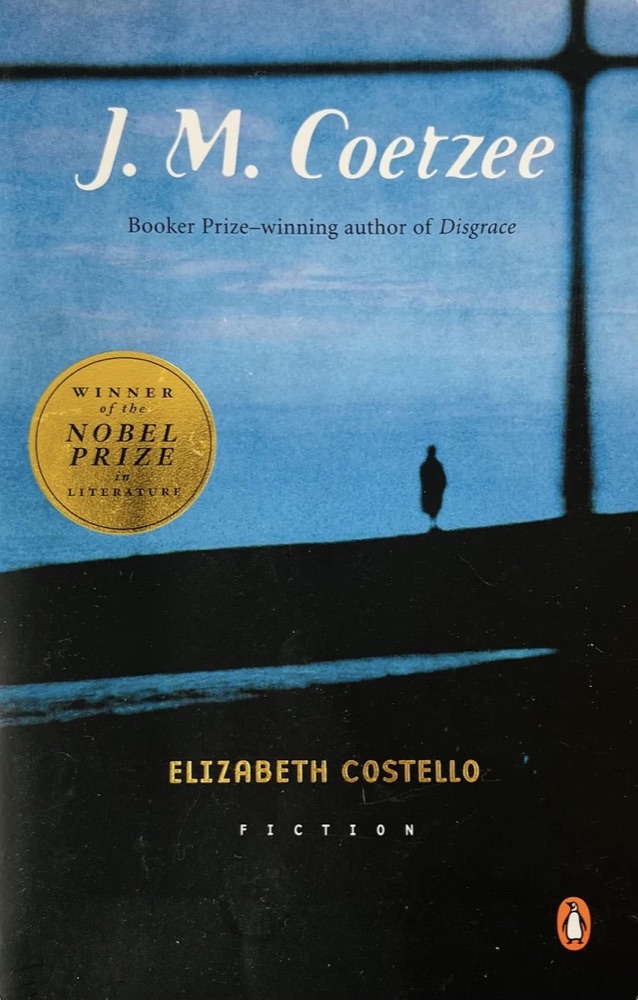 Elizabeth Costello
 The Villa in Italy
 Another Roadside Attraction
 Mademoiselle de Maupin
 Skinny Legs and All
 C.P. Cavafy: Collected Poems
 The Robe
 Keep the Aspidistra Flying
 Selected Poems
 The Club of Queer Trades
 Bring Up the Bodies
 The Names
 Oblomov
 The Little Virtues
 A Collection of Essays
 Ficciones